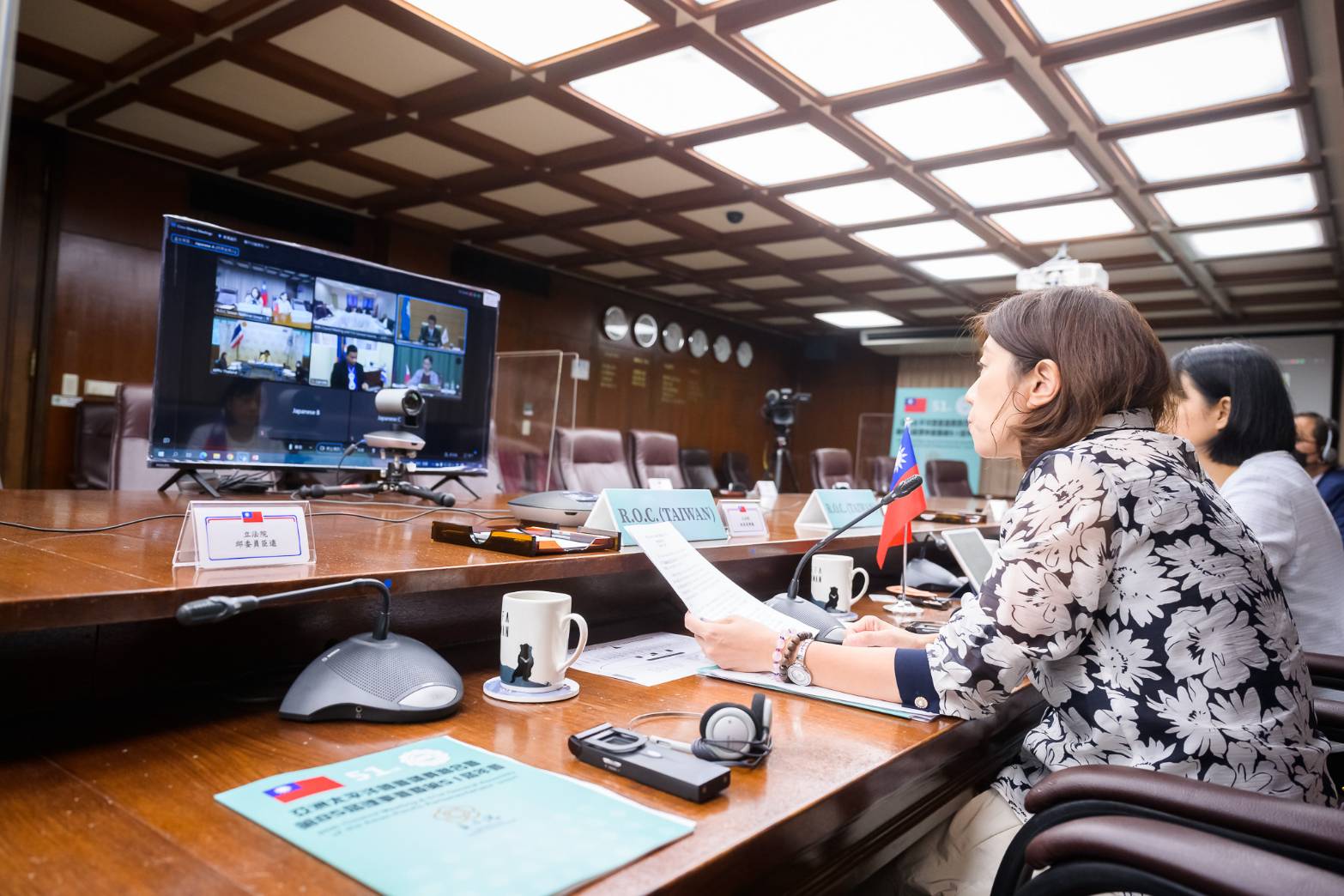
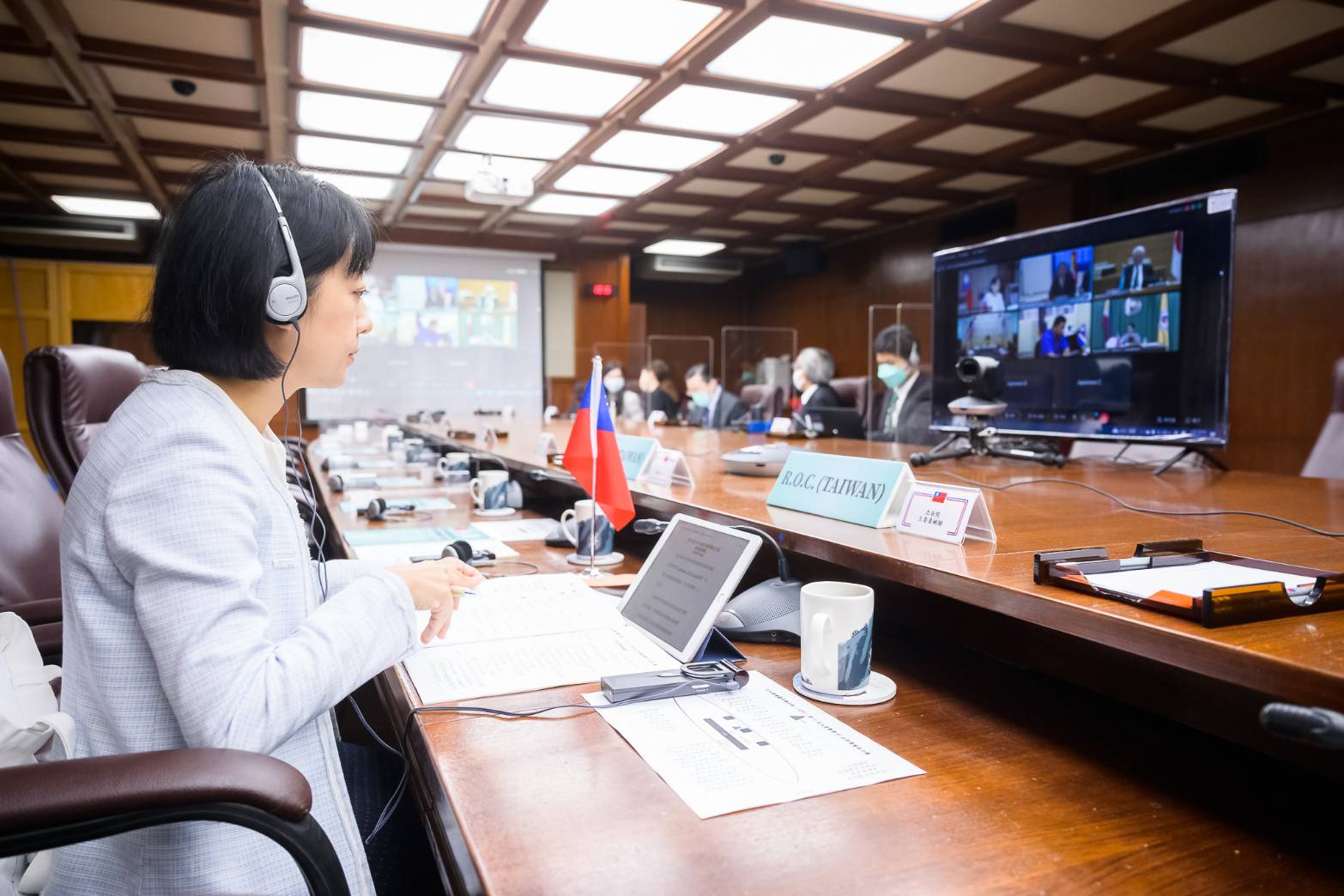
The Republic of China (Taiwan) National Group participated in the Virtual 85th Council Meeting and 51st General Assembly of the Asian-Pacific Parliamentarians’ Union (APPU)
Motion Urging All National Groups to Support Taiwan’s International Participation was Adopted Unanimously and Committed to Joint Communique
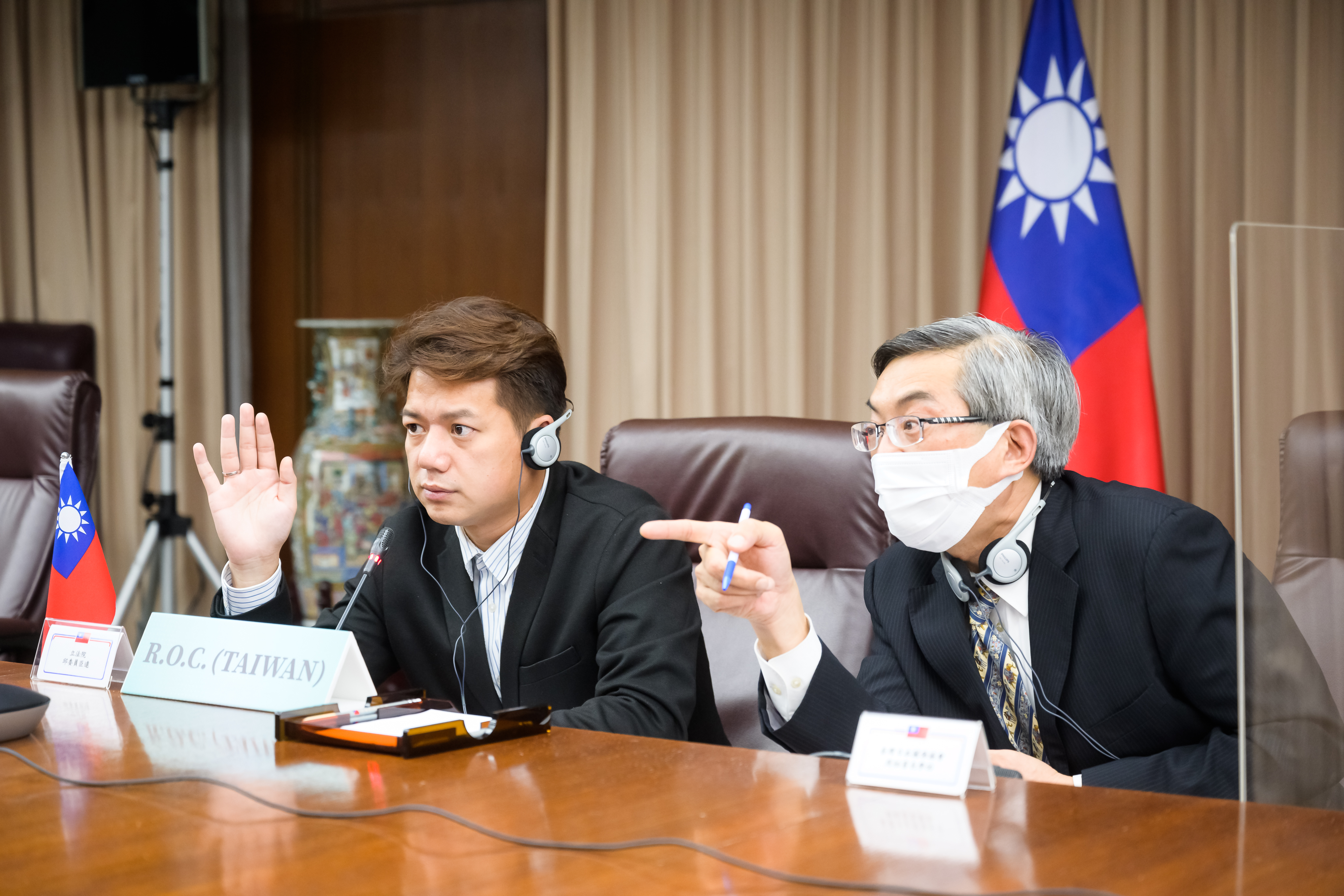
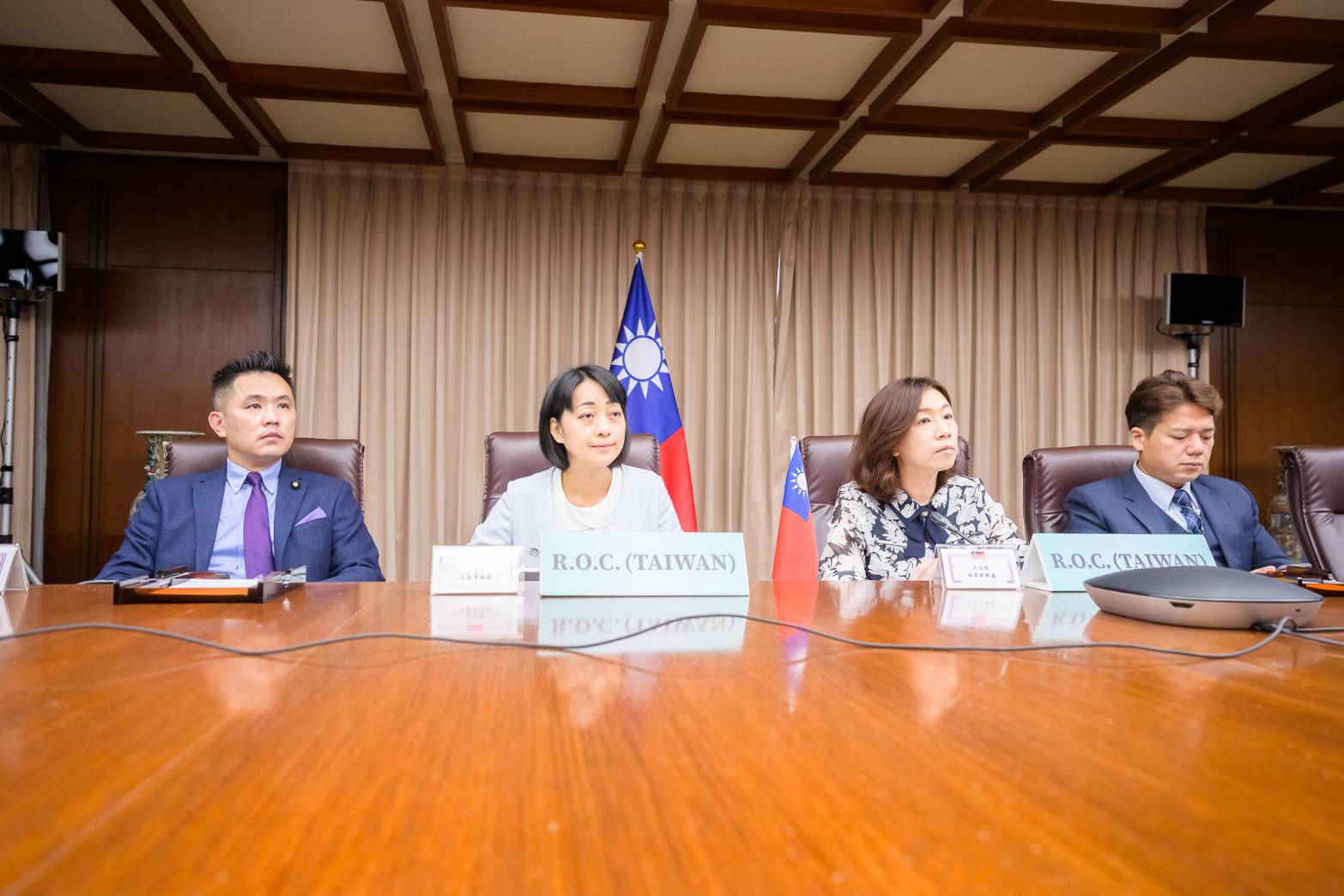
The Kiribati parliament yesterday hosted the virtual 85th Council Meeting and 51st General Assembly of the Asian-Pacific Parliamentarians’ Union (APPU), with Legislative Yuan President You Si-kun heading the Taiwanese delegation. Cross-party delegation members included Democratic Progressive Party Legislator Lin Ching-yi, KMT Legislator Chen I-hsin, Taiwan People’s Party Caucus Convener Chiu Chen-yuan, and New Power Party Legislator Wang Wan-yu. The theme of this year’s general assembly—which was conducted online for a second year due to the COVID-19 pandemic—was “Building a Sustainable Society through Security, Peace and Prosperity.” National groups from Japan, the Cook Islands, the Republic of Kiribati, the Republic of Nauru, the Philippines, Thailand, and the Republic of the Marshall Islands were also in attendance.
The opening ceremony, held at 10 a.m. (Taipei time), was attended by Legislator Wang Wan-yu on behalf of the Legislative Yuan. The Council Meeting kicked off with opening remarks from 84th Council Meeting Chair Junzo Yamamoto, while Parliamentarian Moannata Ientaake was elected as the 85th Council Meeting Chair and an agenda adopted.
The 51st General Assembly began with an opening speech from Shunichi Yamaguchi. Kiribati parliamentarian Terieta Mwemwenikeaki was elected as chair, and members of each national group were introduced. Legislator Lin Ching-yi began her introduction of Taiwan’s national group by thanking both Japan’s Cabinet Secretariat and Kiribati for hosting this year’s meeting. She said that cross-party representation from Taiwanese legislators demonstrated Taiwan’s commitment in defending peace and stability in the Indo-Pacific region. She echoed this year’s theme of “sustainable society,” explaining that Taiwan’s Legislative Yuan had established a Sustainable Development Goals Advisory Council in October 2020 to follow the UN’s work on issues related to sustainable development.
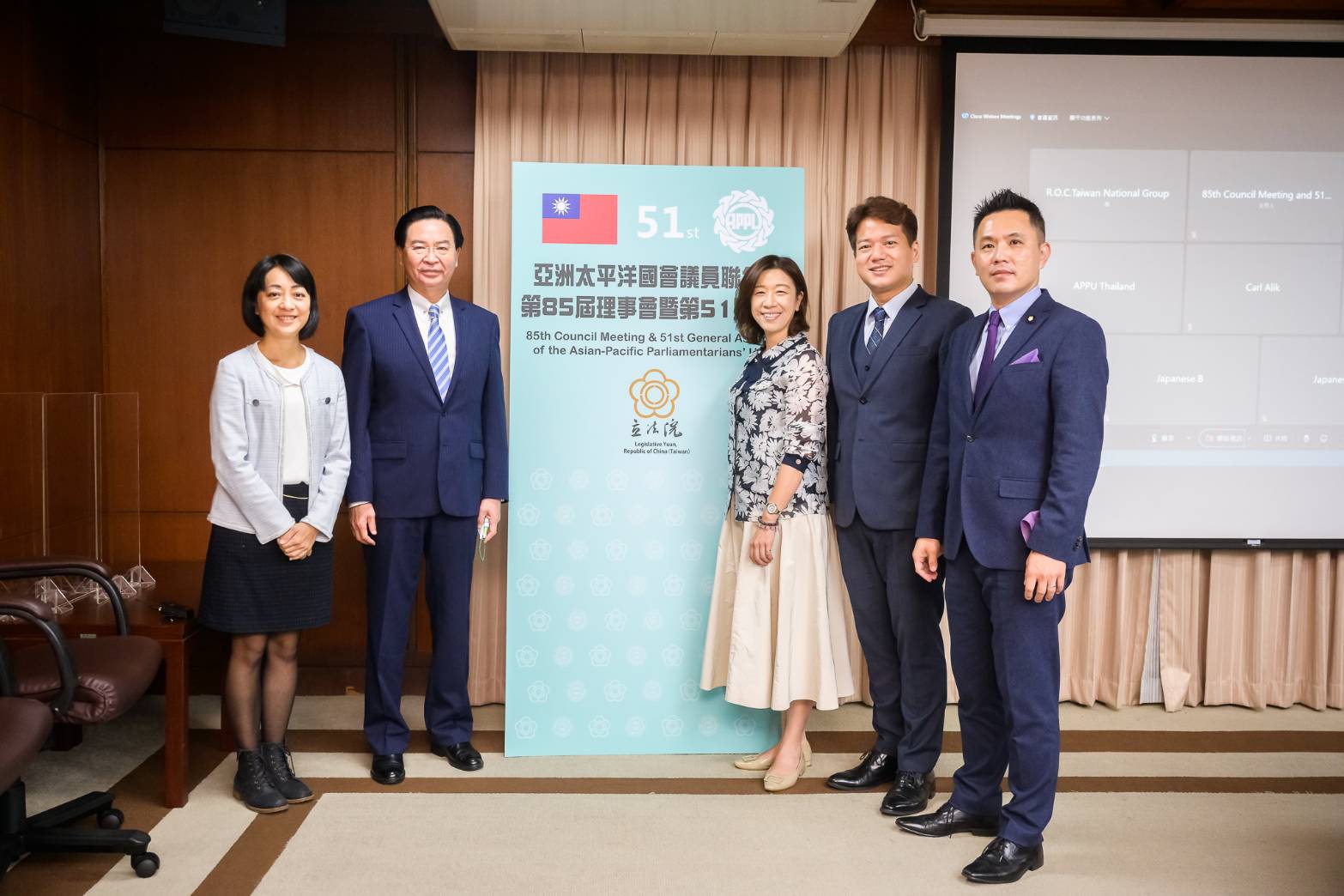
After the morning session, Taiwan’s Minister of Foreign Affairs Joseph Wu visited the venue for a group photo with legislators and took the opportunity to thank them for their dedication to Taiwan’s external affairs.
The agenda for the afternoon session took the form of individual country reports. Legislator Lin Ching-yi presented Taiwan’s policy of sustainability and related achievements, including a post-pandemic recovery roadmap of social prosperity and equality, renewable energy, agricultural adaptation, cultural asset preservation and legacy, sustainable cities, public participation and governance, digital economy, and green circular economy. She highlighted that Taiwan was promoting cross-disciplinary and cross-agency collaboration and that—despite not being a member of the UN—Taiwan was willing to abide by the UN’s Sustainable Development Goals and relevant regulations.
After country reports from other national groups, the floor was opened for general discussion. Legislator Chen I-hsin stated that through the Global Cooperation and Training Framework (GCTF), Indigenous Peoples Economic and Trade Cooperation Agreement (IPETCA) and other platforms, Taiwan was devoting itself to international aid efforts and was working with NGOs to promote global partnerships to expand Taiwan’s international space. Japan’s Akihisa Nagashima responded by voicing his support for increased international participation by Taiwan, such as in the World Health Organization (WHO). He described Taiwan as a key partner in safeguarding freedom and peace in the Indo-Pacific region. He stated that, since the Russian invasion of Ukraine, countries had become more vigilant about cross-strait security and said that he hoped that all national groups would help Taiwan increase its visibility. Thailand’s national group noted that the world was facing crises in medical care and climate change. They argued that these issues were pertinent to this year’s theme and that they should be included in the joint communique, to ensure that due attention would be paid to them by each national group. At the end of the meeting, Japan’s national group expressed its willingness to take over as host. This motion was adopted by all national groups, thereby marking the conclusion of the first day’s agenda.
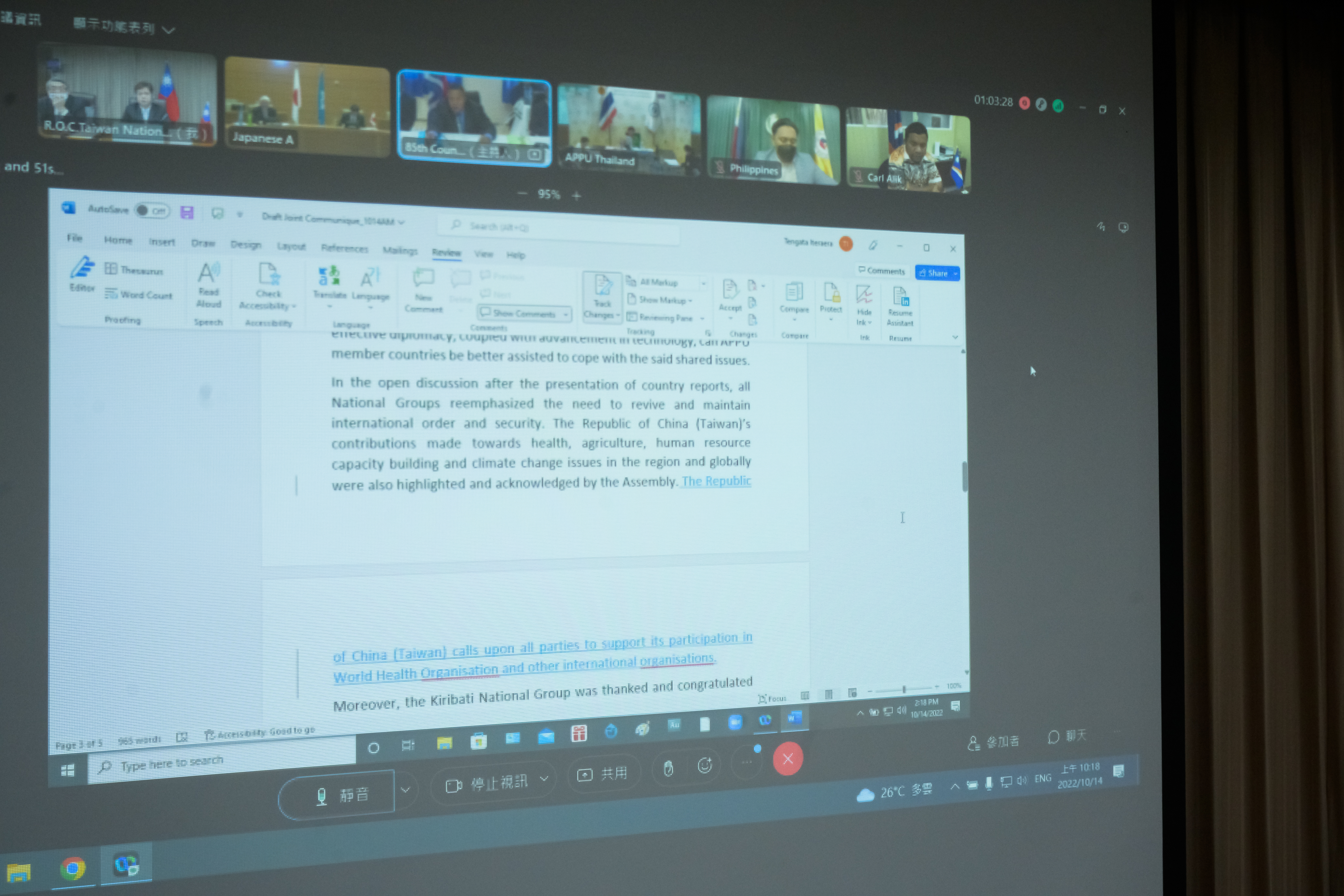
The second day of the virtual meeting commenced at 10 a.m. on October 14 (Taipei time) and was attended by Taiwan People’s Party Caucus Convener Chiu Chen-yuan. With Kiribati national group head Terieta Mwemwenikeaki presiding over the meeting, delegates discussed the joint communique paragraph by paragraph. Legislator Chiu Chen-yuan thanked all national groups for voicing their support of Taiwan during the previous day’s meeting and urged them to support Taiwan’s participation in the WHO and other international organizations. All national groups agreed, and this paragraph was duly committed to the joint communique. Next, as representative of next year’s host country, Junzo Yamamoto said he hoped that the subsiding pandemic would allow for the 52nd General Assembly to be held in person, so that relations between each national group could be strengthened further.
Finally, Chair Mwemwenikeaki thanked Japan again for agreeing to host next year’s general assembly, as well as thanking all participants for making this year’s APPU a great success. (E)