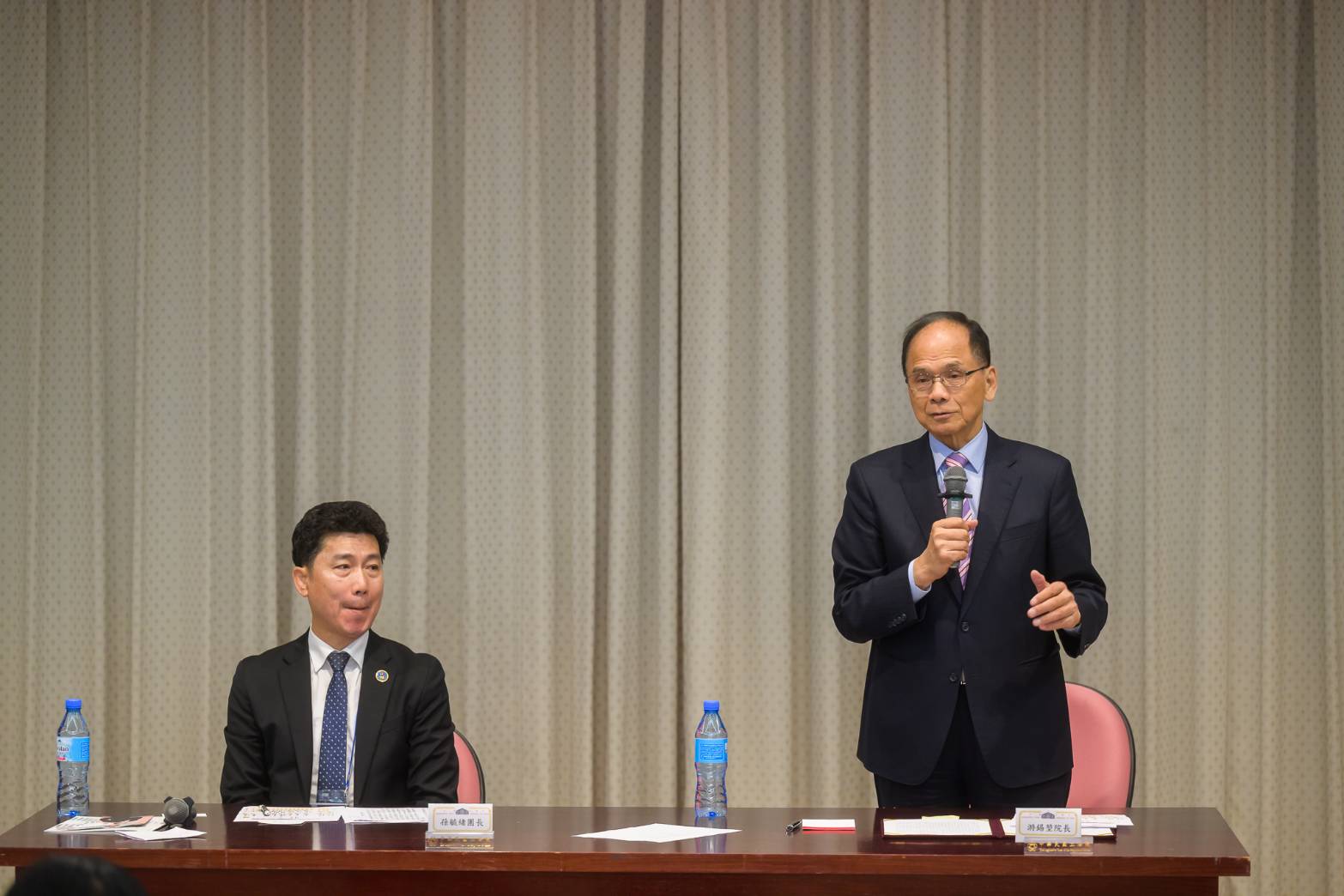
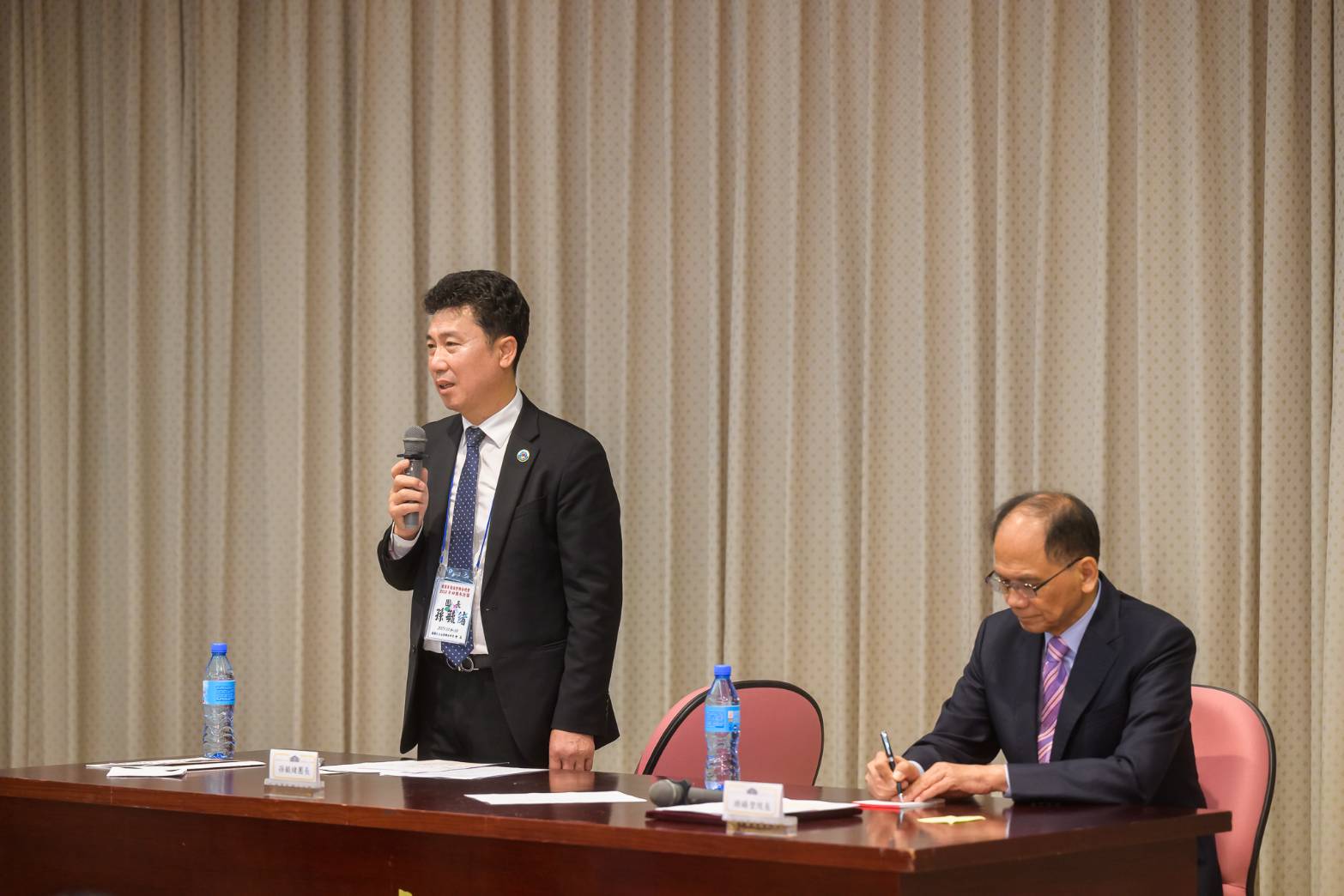
YOU Si-kun: Thank Overseas Chinese in South Korea for supporting our government and strengthening Taiwan-South Korea ties.
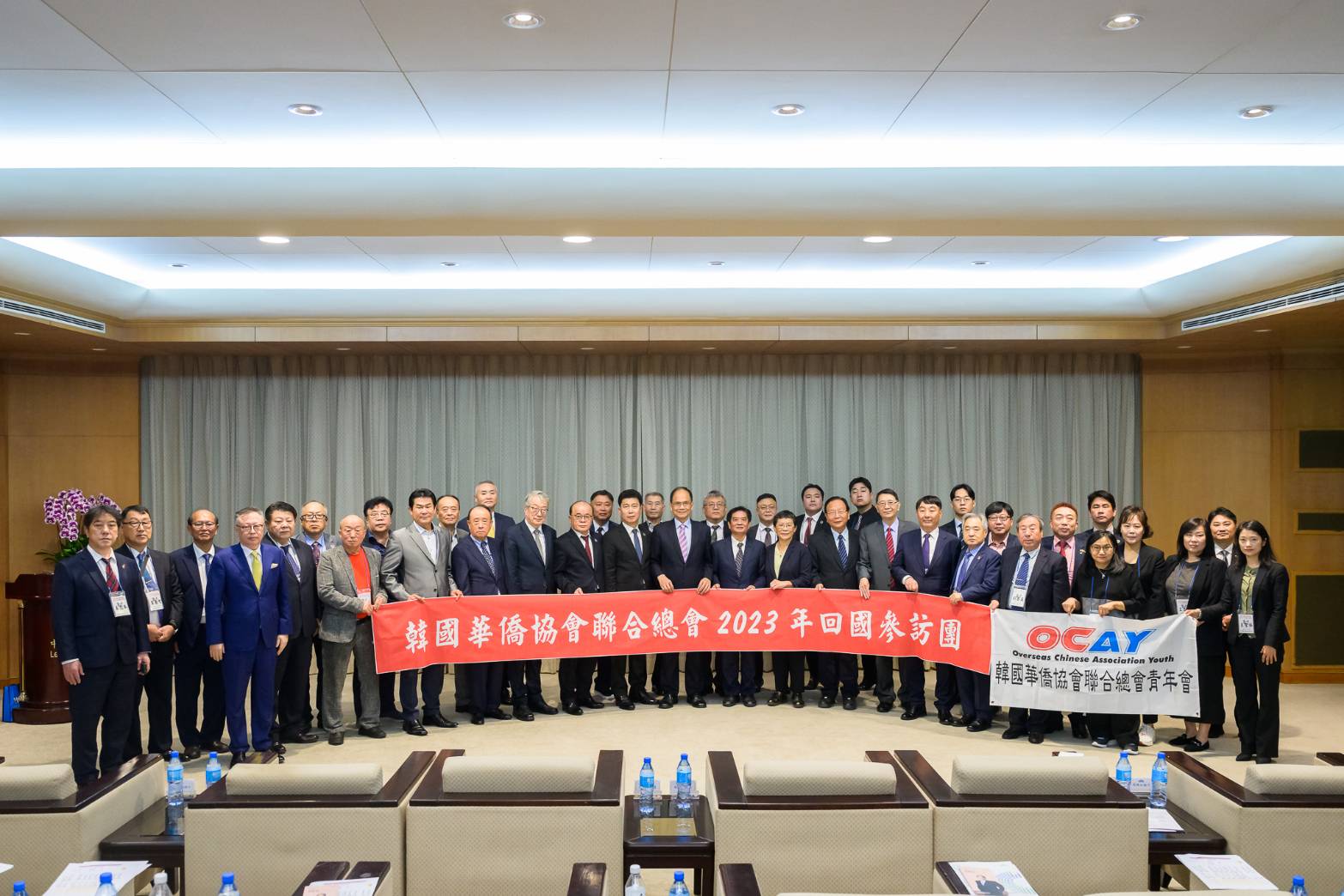
Accompanied by Legislators Wu Chi-ming, Lin Te-fu, Chiu Chen-yuan, Chen Jiau-hua, Secretary-General Lin Jih-jia, and Consultant Chou Ya-shu, President You received a 33-member delegation from the Federation of Overseas Chinese Associations in South Korea on November 8.
In his opening remarks, President You first expressed his gratitude to the delegation members for their unwavering support of Taiwan. He noted that representatives from four party caucuses of the Legislative Yuan were present, emphasizing the importance attached to the visiting delegation. President You acknowledged that the primary concern of the delegation was the issue of the lack of Taiwan’s household registration for overseas Chinese in South Korea. Though these overseas Chinese could return to Taiwan using R.O.C. (Taiwan) passports, they still face difficulties while applying for permanent resident status and household registrations. President You mentioned that in May of this year, a few articles of "Immigration Act" were passed by the Legislative Yuan and promulgated by the State President accordingly. The newly amended Act relaxed regulations related to the entry, education, and employment of overseas Chinese. However, it has not completely resolved the long-standing issue faced by overseas Chinese in South Korea who wish to obtain household registrations in Taiwan. President You not merely invited the delegates to freely express their concerns, but stated that he would work alongside representatives from party caucuses to offer assistance within their capabilities.
Chairman Sun Yu-hsu of the said Federation expressed his gratitude to President You and the party representatives for taking time of their busy schedule to meet with the delegation. He felt honored to come back to Taiwan, where he experienced immense warmth and happiness, much like returning to the embrace of his parents. Chairman Sun stated that while overseas Chinese live in South Korea, their hearts and minds are always with the R.O.C. (Taiwan). He stressed that despite overseas Chinese have dwelt in South Korea for more than 140 years, their communities, especially the younger generation, still face many obstacles in areas such as employment and education. Ironically, as R.O.C. (Taiwan) passport holders, they are unable to enjoy visa-free treatment while travelling overseas.
Chairman Sun pointed out that, over the past 25 years, the number of overseas Chinese living in South Korea decreased significantly from 140 or 150 thousands to 20 thousands, with many being forced to give up their R.O.C. nationality and apply for South Korean citizenship due to various life challenges. Nevertheless, the overseas Chinese in South Korea remain firmly supportive of the R.O.C. (Taiwan) and hope that the Taiwanese government could assist in issuing National Identification Cards to them. Only when overseas Chinese in South Korea can return to their motherland without hindrances, will they contribute more to Taiwan.
Advisor Tsung Yung-tzu of the Federation continued by stating that the vast majority of the younger generation of overseas Chinese in South Korea wishes to retain their R.O.C. (Taiwan) passports. Currently, although they have no household registrations in Taiwan, most of their registration data is well managed by overseas Chinese associations across South Korea, which has been officially recognized by respective local governments. This situation is rather unique compared to overseas Chinese communities in other countries. Therefore, he sincerely hoped that Taiwanese government could review relevant regulations to resolve the issue of without household registrations in Taiwan.
Representatives from party caucuses also took turns to extend a warm welcome to the delegation. Legislator Chen Jiau-hua, Vice Convener of the New Power Party, mentioned that during her latest visit to Seoul in April this year, she had in-depth exchange of views with Chairman Sun on the afore-mentioned issue. Upon her return, she immediately discussed feasible solutions with the Ministry of the Interior and the Overseas Community Affairs Council. She suggested that the duration of residence in Taiwan be used as a requirement for applying for National Identification Cards to facilitate the review process by the competent authorities. Legislator Wu Chi-ming stated that he was moved by how overseas Chinese communities in South Korea identify with Taiwan. He would strive to provide necessary assistance. Legislator Lin Te-fu stated that most overseas Chinese in South Korea have deep feelings towards the R.O.C. They would contribute more to Taiwan by coming back more frequently and facilitating bilateral exchanges, should they obtain Taiwan’s National Identification Cards and enjoy visa-waiver while travelling overseas with the R.O.C. (Taiwan) passports. He called on cross-party legislators to address the issue of without household registrations for overseas Chinese in South Korea.
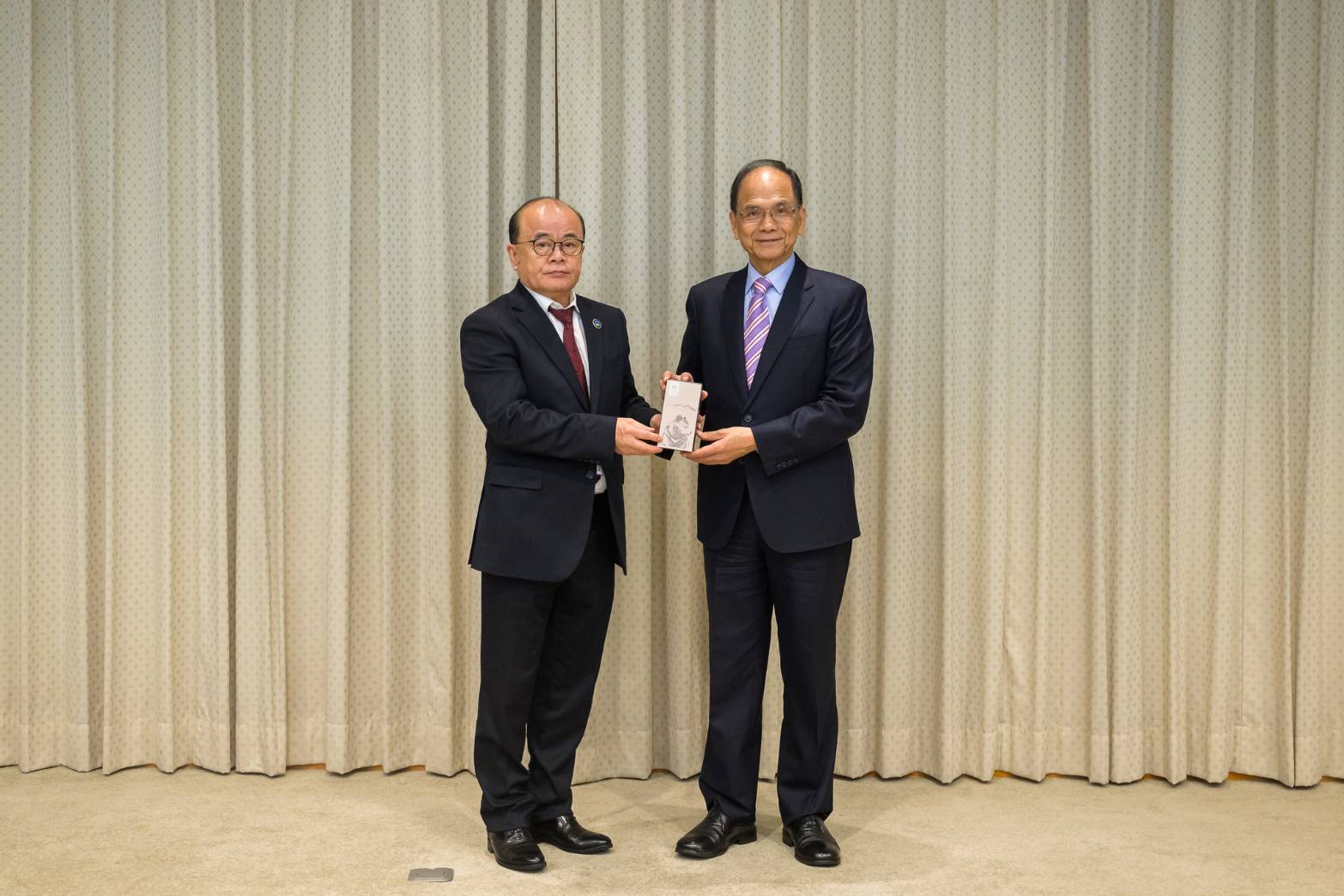
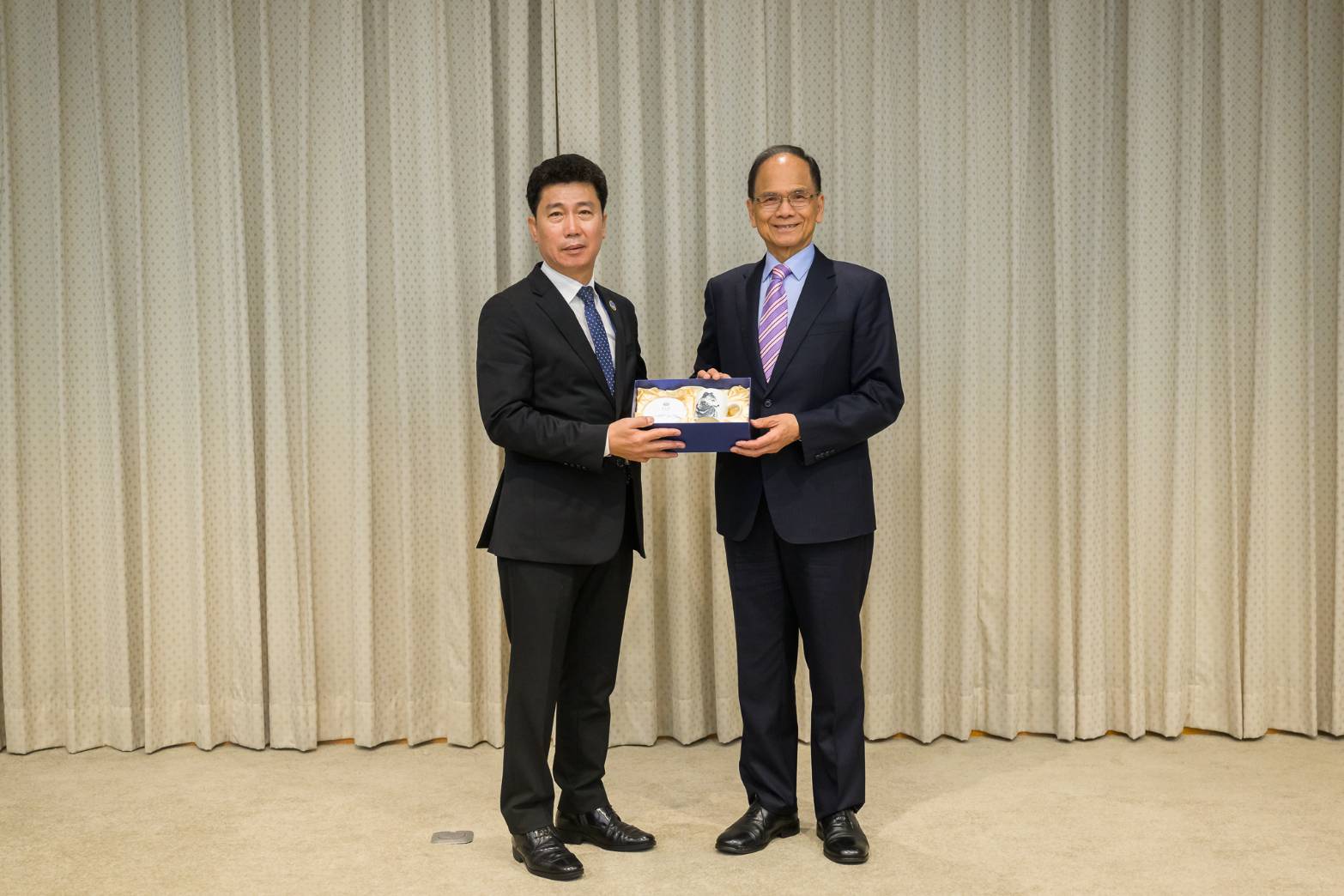
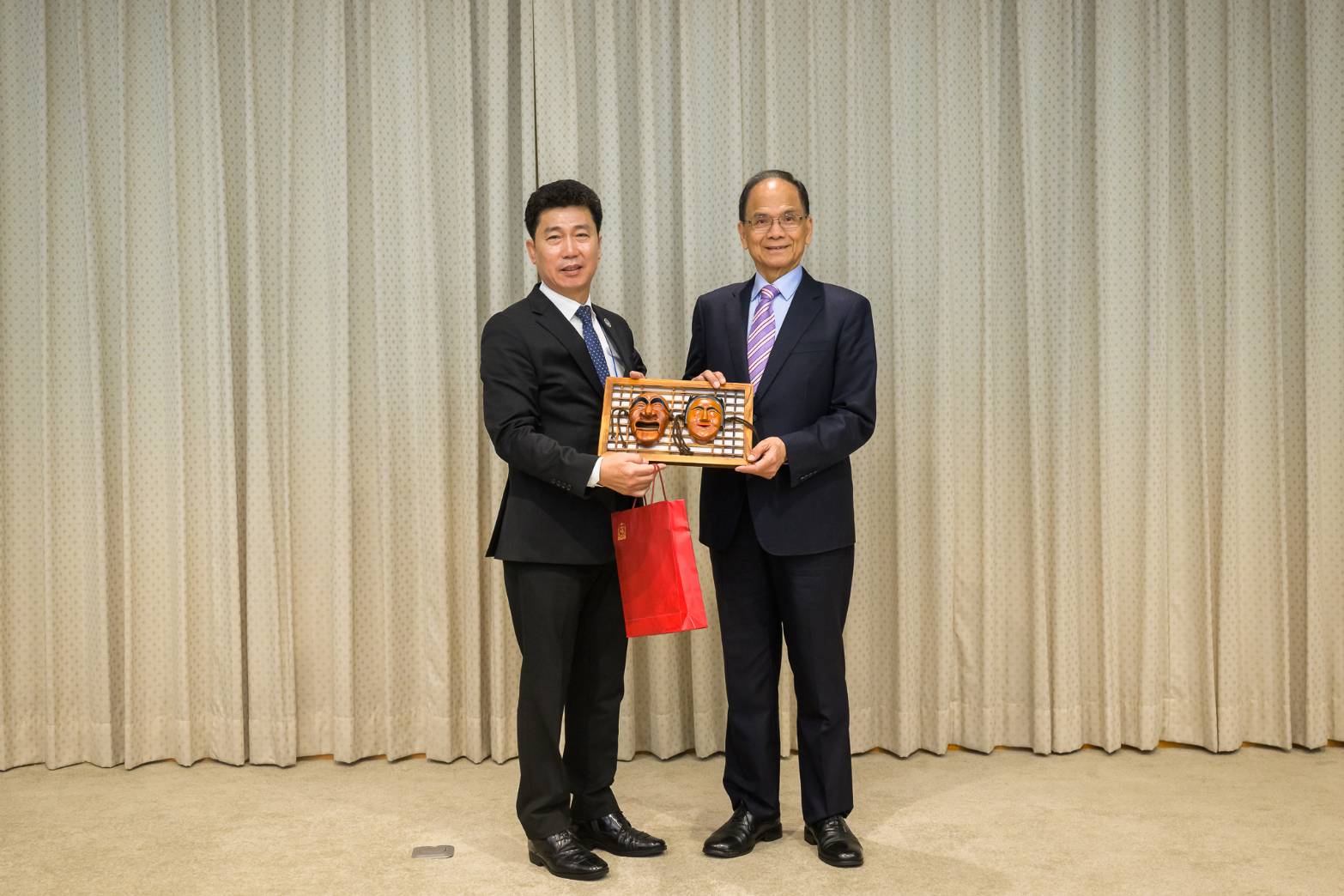
The follow-up exchange of views was conducted in a sincere and open-minded atmosphere. President You and representatives of party caucuses listened carefully to the heartfelt sentiments and suggestions of other delegation members. The event, lasting for about 40 minutes, concluded with gift exchanges and the taking of group photos.