

President Han Meets with Representative David Steinke of the Czech Economic and Cultural Office
President Daniel K.Y. Han: Taiwan and the Czech Republic Are True Friends, Hoping to Deepening Bilateral Exchanges and Cooperation.
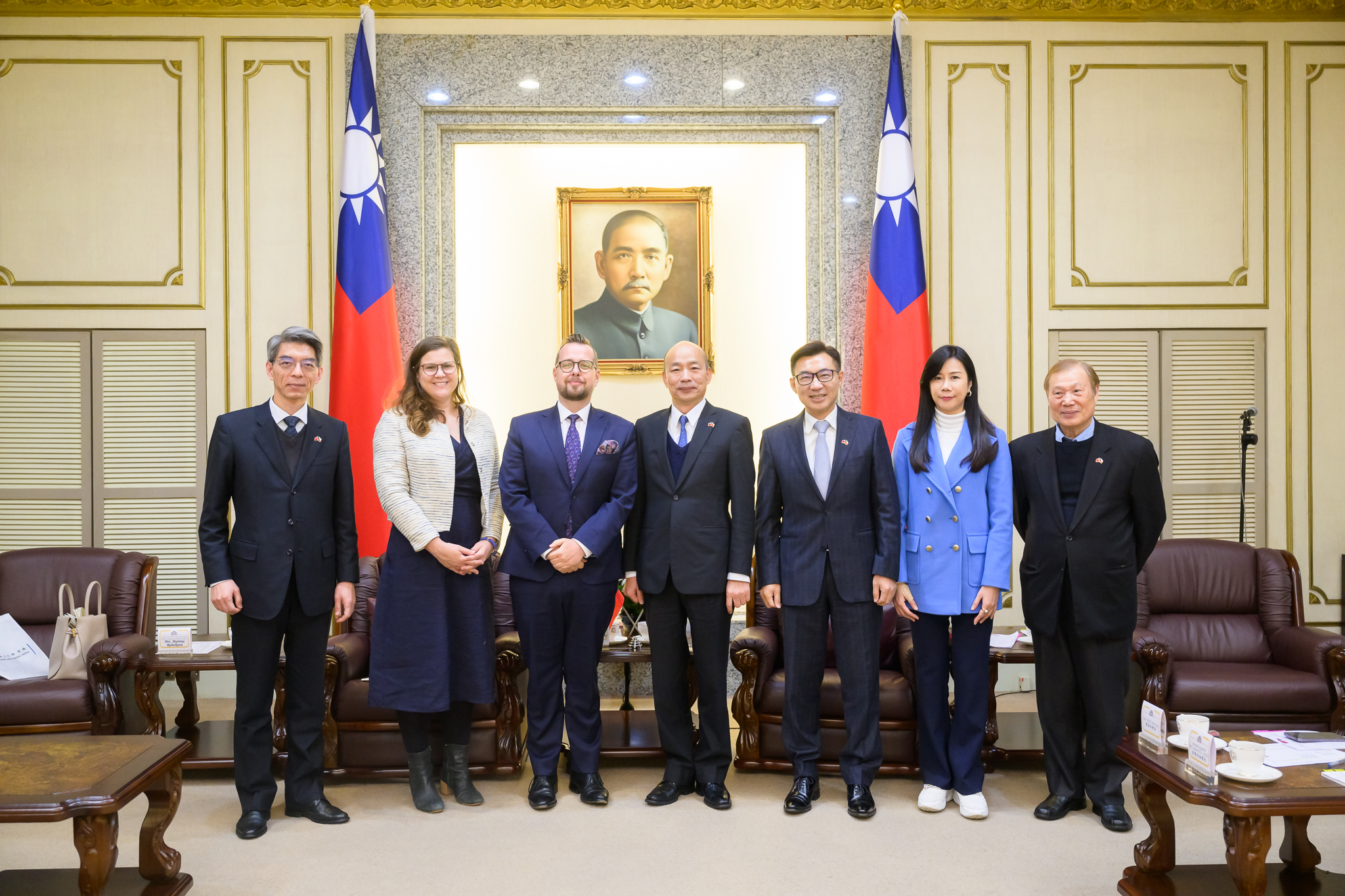
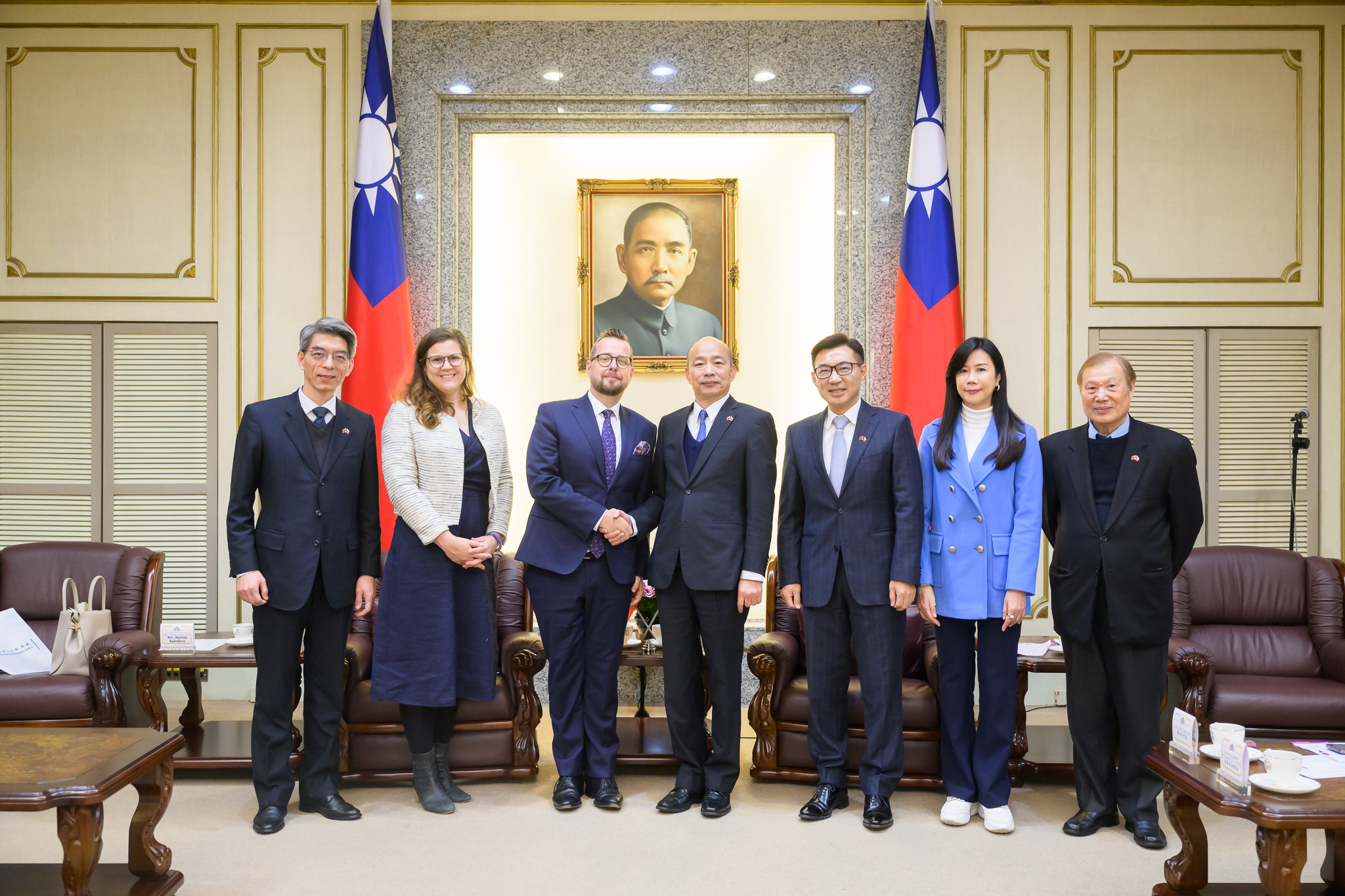
On the morning of March 7, President Daniel Han of the Legislative Yuan, accompanied by Vice President Dr. Johnny C. Chiang, Legislator Wan Mei-ling, Secretary-General Chester Chou, and International Affairs Department Director Kevin C.F. Lin, met with Representative David Steinke and Deputy Representative Martina Rubeskova of the Czech Economic and Cultural Office.
President Han first extended a warm welcome to the visitors and commenced a closed-door meeting following the photo session. Representative Steinke expressed gratitude for the President’s time and highlighted the celebration of the 30th anniversary of the establishment of the “Czech Economic and Cultural Office” last year, which underscored the enduring and closer relations between Taiwan and the Czech Republic. During the pandemic, Taiwan's donation of medical masks to the Czech Republic was reciprocated by the donation of vaccines, showcasing the genuine friendship between the two sides. He stated that the launch of direct flights between Taipei and Prague last year not only facilitated the development of tourism industries and people-to-people exchanges between the two countries but also brought about economic and trade benefits for both sides. He expressed his hope to increase the frequency of weekly flights in the future to further deepen bilateral exchanges. Representative Steinke also highlighted the flourishing interactions and cooperation in various fields between Taiwan and the Czech Republic in recent years. Two years ago, the Taipei Zoo airlifted a pair of male and female pangolins to the Prague Zoo, where the couple successfully bred a baby named “Little Pine Cone,” marking the very first much-celebrated breeding of pangolins in Europe. He also noted that previous exchange activities between Taiwan and the Czech Republic had been delayed due to the pandemic but are now gradually resuming. Since both countries offer scholarships for young students, he believes that through joint efforts, the cooperative outcomes will be even more fruitful in the future.
President Han was pleased to hear that the relationship between Taiwan and the Czech Republic keeps growing, with exchanges and cooperation deepening in various fields. He also looked forward to seeing more exchanges between parliamentarians of the two countries. He stated that he had visited Central and Eastern European countries such as the Czech Republic, Hungary, and Austria, where beautiful landscapes and rich histories are captivating. The opening of direct flights between Taipei and Prague on July 18 last year has helped create more economic benefits for both sides, significantly facilitating exchanges in trade, culture, and education. He also extended his gratitude to Legislator Wan Mei-Ling, the chair of the “Republic of China-Czech and Austrian Parliamentary Amity Association,” for her contributions in promoting friendly ties between Taiwan and the Czech Republic. He believes that under Chair Wan's continued efforts, exchanges between the Legislative Yuan and the Czech Parliament as well as the relations between the Czech Economic and Cultural Office and Taiwan would be further enhanced. President Han then pointed out that the vehicle brand Škoda Auto from the Czech Republic has become quite popular in Taiwan over the past few years. While Taiwan's high-tech industries play a leading position in producing semi-conductor chips, he is convinced that the future generation will see booming development in AI as well. Hence, he proposed that both Taiwan and the Czech Republic join hands to lay a solid foundation for AI industry development for the next generation, and the AI development model in Singapore can serve as a model to emulate. He emphasized that the Czech Republic looks forward to strengthening cooperation with Taiwan in AI and other niche technology industries in the future. Furthermore, he is pleased to see Czech students come to Taiwan to study Chinese and pursue their higher education, through which he believes Taiwan and the Czech Republic will mutually benefit and jointly prosper in the fields of education, culture, and technology development.
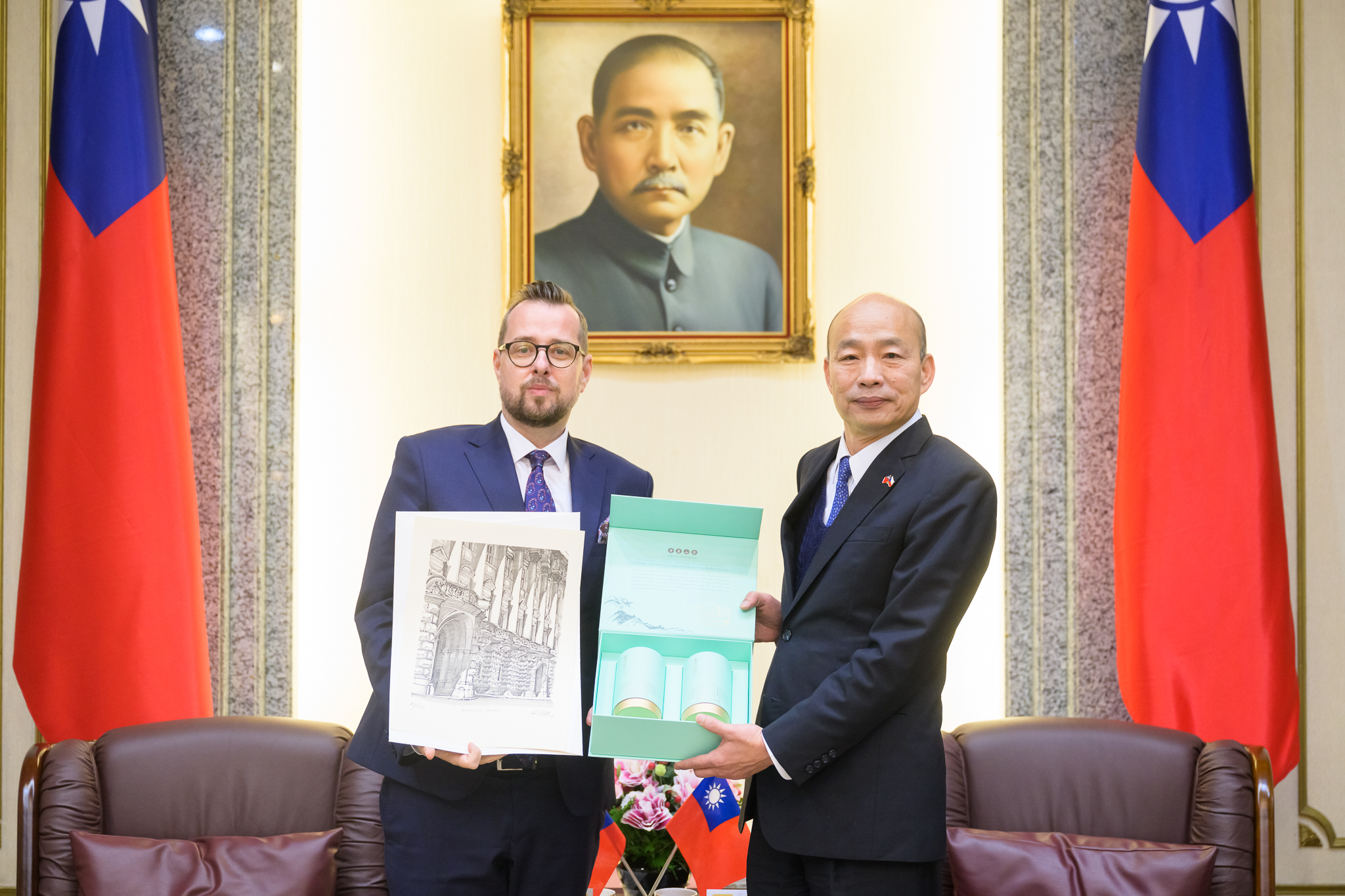
This courtesy call by Representative Steinke lasted about 40 minutes, and both sides wrapped up the meeting after exchanging gifts in a relaxed and pleasant vibe.
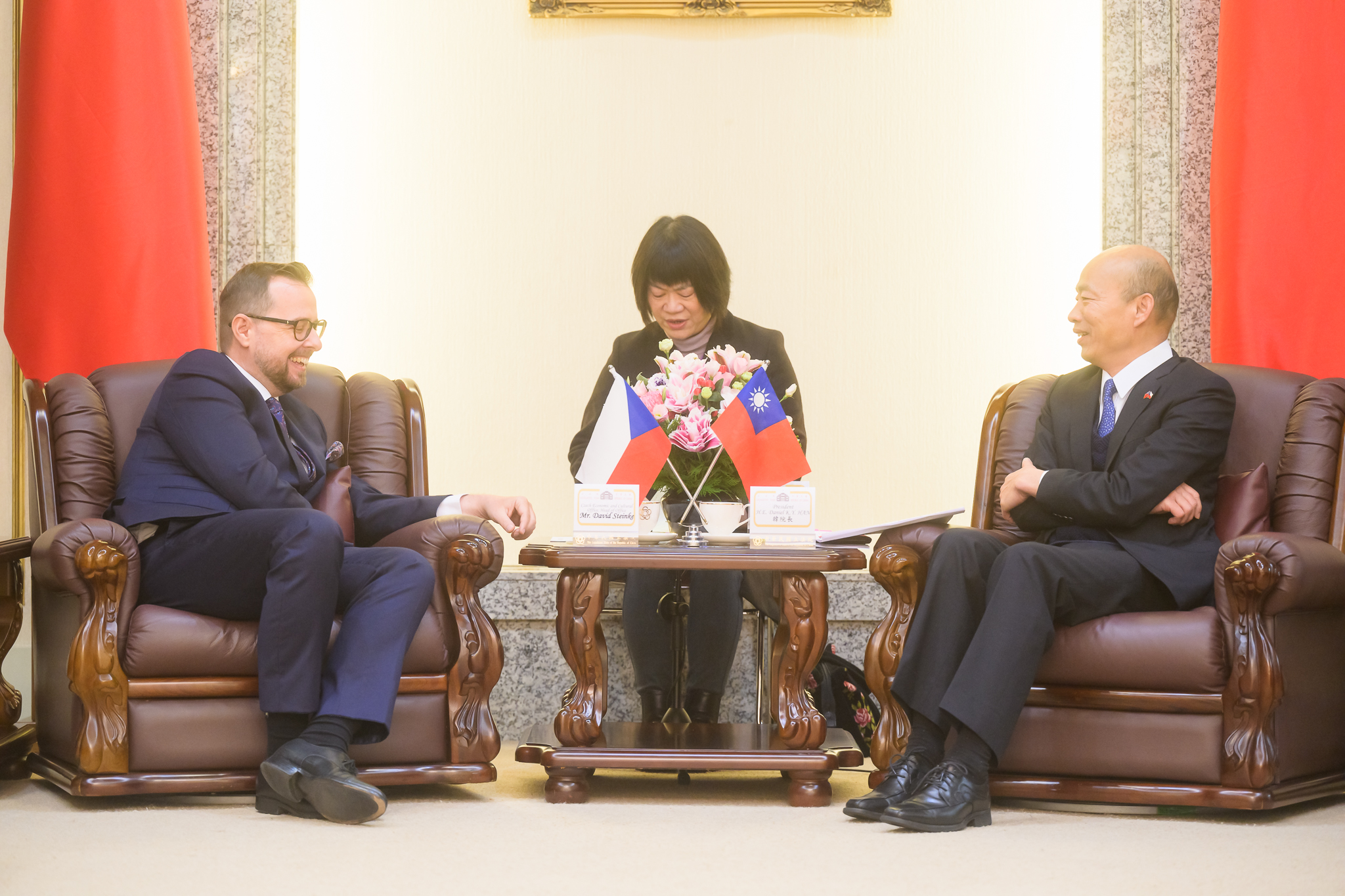
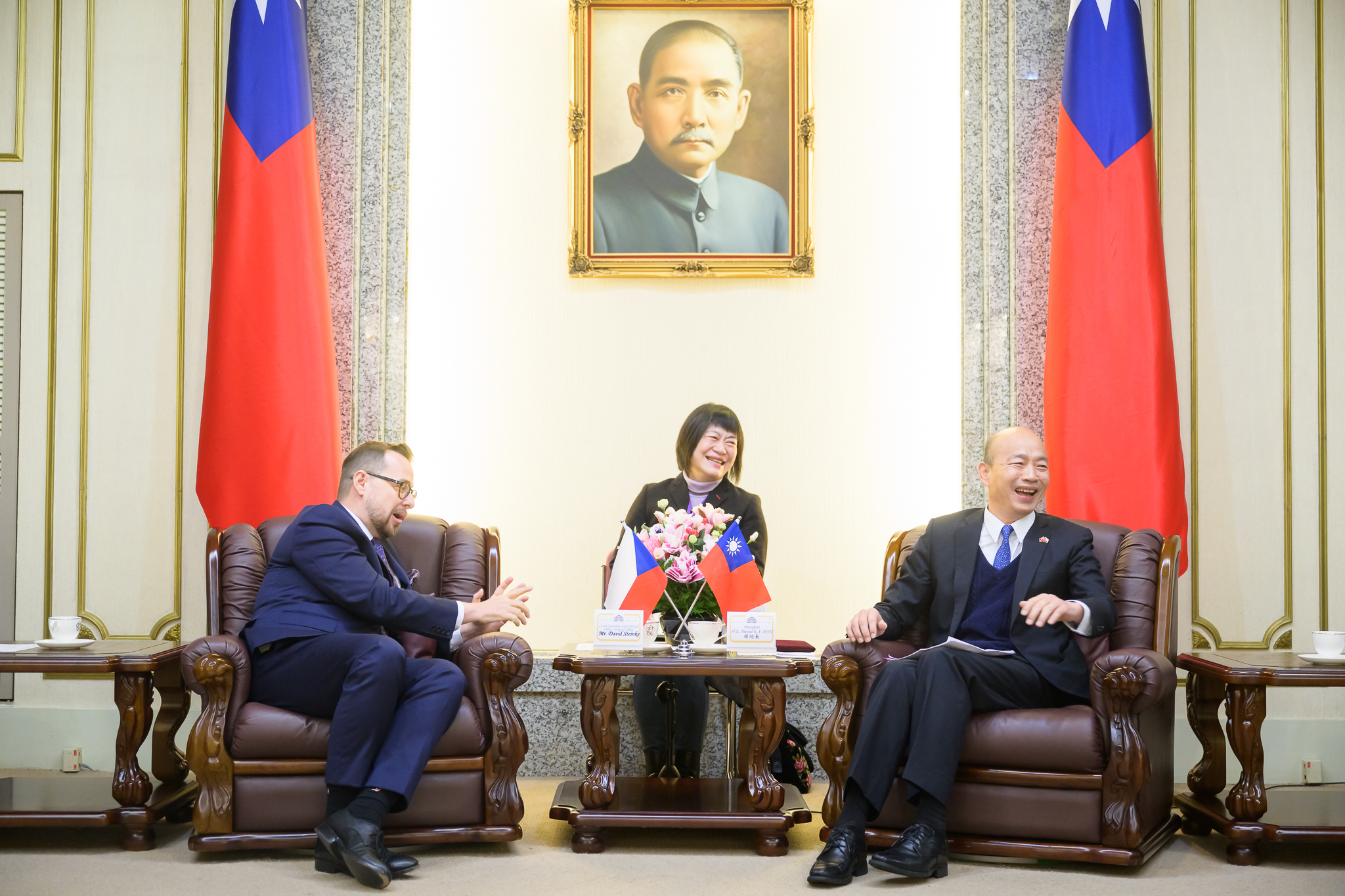
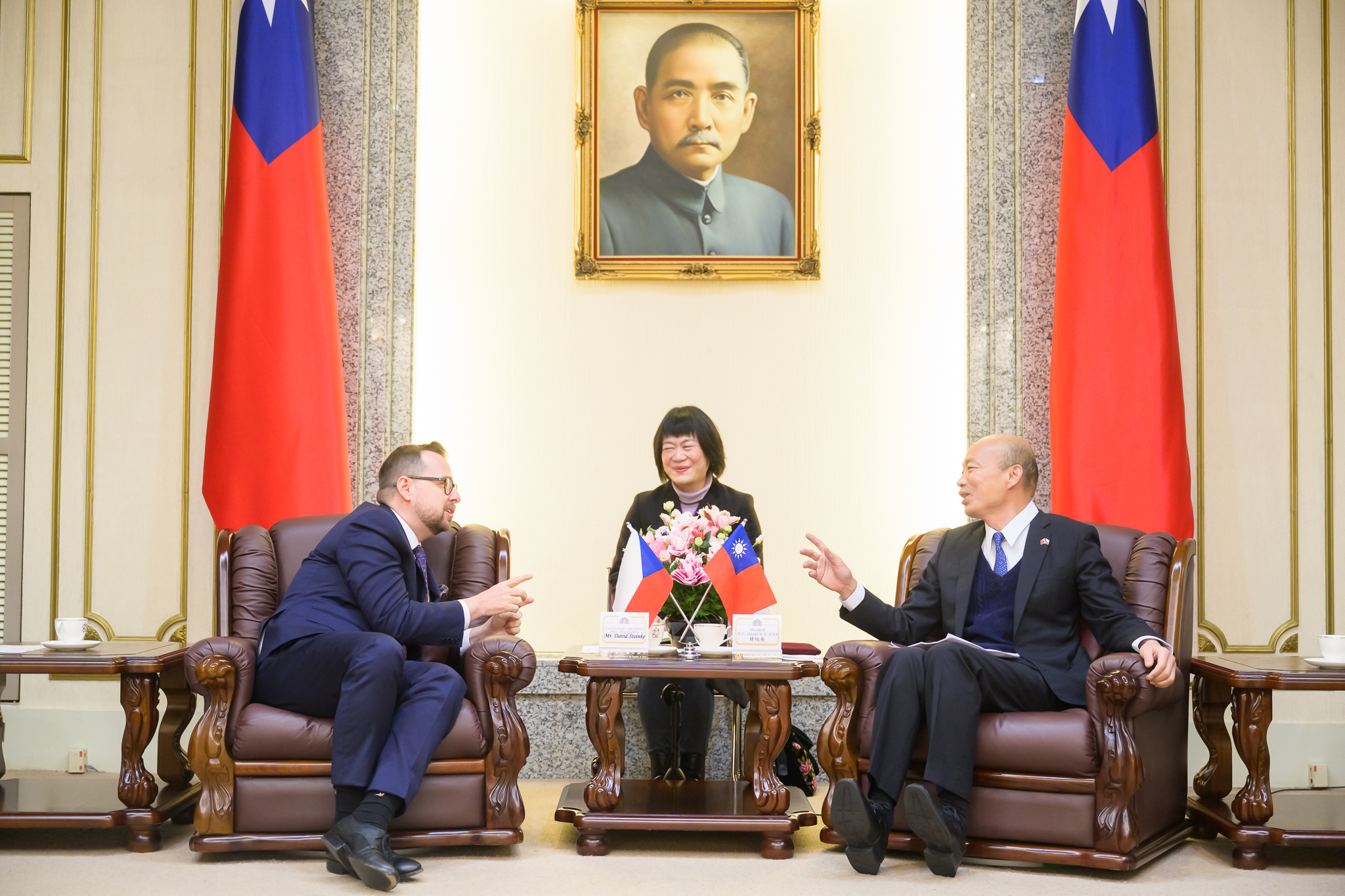
On the morning of March 7, President Daniel Han of the Legislative Yuan, accompanied by Vice President Dr. Johnny C. Chiang, Legislator Wan Mei-ling, Secretary-General Chester Chou, and International Affairs Department Director Kevin C.F. Lin, met with Representative David Steinke and Deputy Representative Martina Rubeskova of the Czech Economic and Cultural Office.
President Han first extended a warm welcome to the visitors and commenced a closed-door meeting following the photo session. Representative Steinke expressed gratitude for the President’s time and highlighted the celebration of the 30th anniversary of the establishment of the “Czech Economic and Cultural Office” last year, which underscored the enduring and closer relations between Taiwan and the Czech Republic. During the pandemic, Taiwan's donation of medical masks to the Czech Republic was reciprocated by the donation of vaccines, showcasing the genuine friendship between the two sides. He stated that the launch of direct flights between Taipei and Prague last year not only facilitated the development of tourism industries and people-to-people exchanges between the two countries but also brought about economic and trade benefits for both sides. He expressed his hope to increase the frequency of weekly flights in the future to further deepen bilateral exchanges. Representative Steinke also highlighted the flourishing interactions and cooperation in various fields between Taiwan and the Czech Republic in recent years. Two years ago, the Taipei Zoo airlifted a pair of male and female pangolins to the Prague Zoo, where the couple successfully bred a baby named “Little Pine Cone,” marking the very first much-celebrated breeding of pangolins in Europe. He also noted that previous exchange activities between Taiwan and the Czech Republic had been delayed due to the pandemic but are now gradually resuming. Since both countries offer scholarships for young students, he believes that through joint efforts, the cooperative outcomes will be even more fruitful in the future.
President Han was pleased to hear that the relationship between Taiwan and the Czech Republic keeps growing, with exchanges and cooperation deepening in various fields. He also looked forward to seeing more exchanges between parliamentarians of the two countries. He stated that he had visited Central and Eastern European countries such as the Czech Republic, Hungary, and Austria, where beautiful landscapes and rich histories are captivating. The opening of direct flights between Taipei and Prague on July 18 last year has helped create more economic benefits for both sides, significantly facilitating exchanges in trade, culture, and education. He also extended his gratitude to Legislator Wan Mei-Ling, the chair of the “Republic of China-Czech and Austrian Parliamentary Amity Association,” for her contributions in promoting friendly ties between Taiwan and the Czech Republic. He believes that under Chair Wan's continued efforts, exchanges between the Legislative Yuan and the Czech Parliament as well as the relations between the Czech Economic and Cultural Office and Taiwan would be further enhanced. President Han then pointed out that the vehicle brand Škoda Auto from the Czech Republic has become quite popular in Taiwan over the past few years. While Taiwan's high-tech industries play a leading position in producing semi-conductor chips, he is convinced that the future generation will see booming development in AI as well. Hence, he proposed that both Taiwan and the Czech Republic join hands to lay a solid foundation for AI industry development for the next generation, and the AI development model in Singapore can serve as a model to emulate. He emphasized that the Czech Republic looks forward to strengthening cooperation with Taiwan in AI and other niche technology industries in the future. Furthermore, he is pleased to see Czech students come to Taiwan to study Chinese and pursue their higher education, through which he believes Taiwan and the Czech Republic will mutually benefit and jointly prosper in the fields of education, culture, and technology development.
This courtesy call by Representative Steinke lasted about 40 minutes, and both sides wrapped up the meeting after exchanging gifts in a relaxed and pleasant vibe.