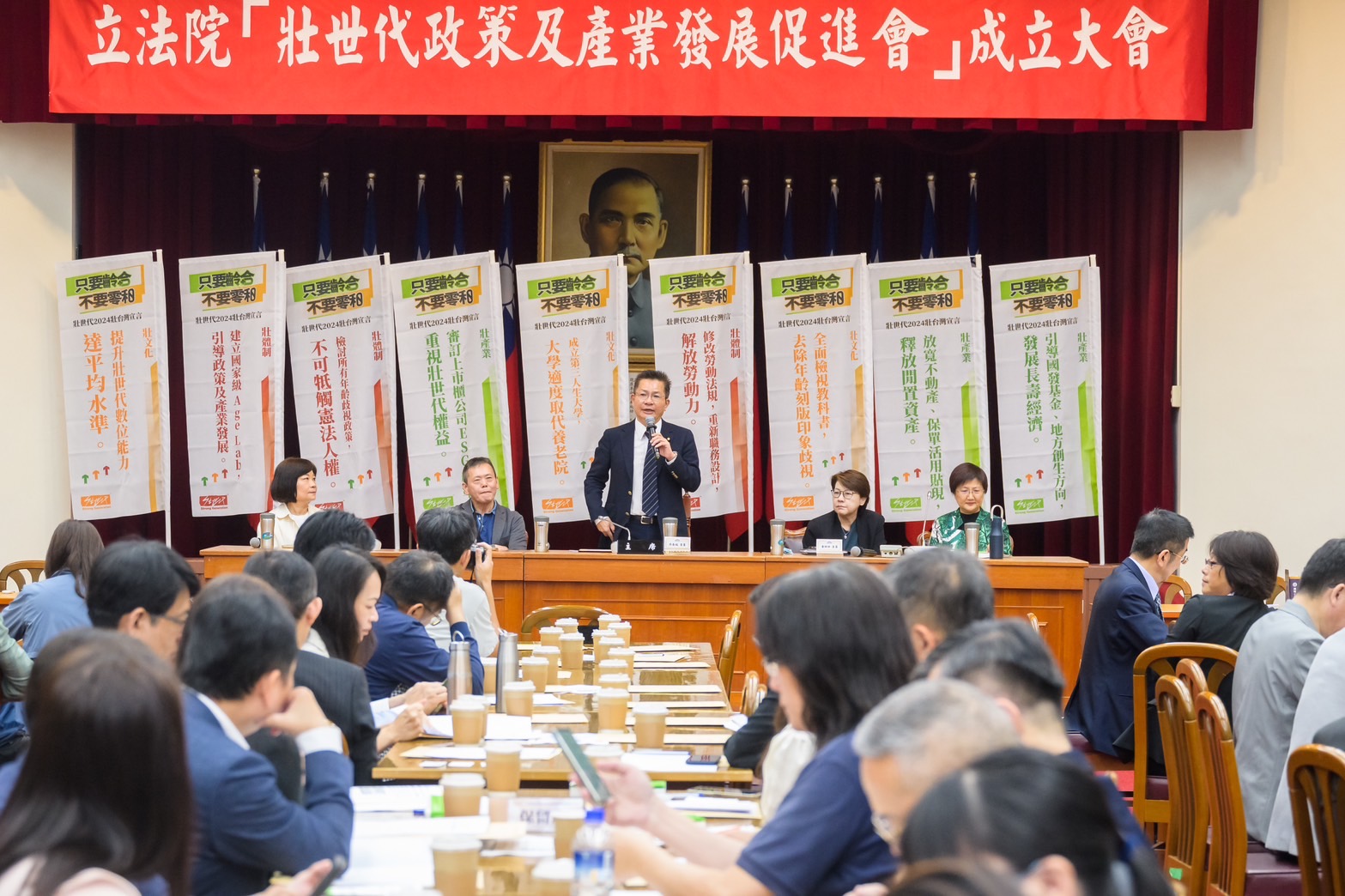
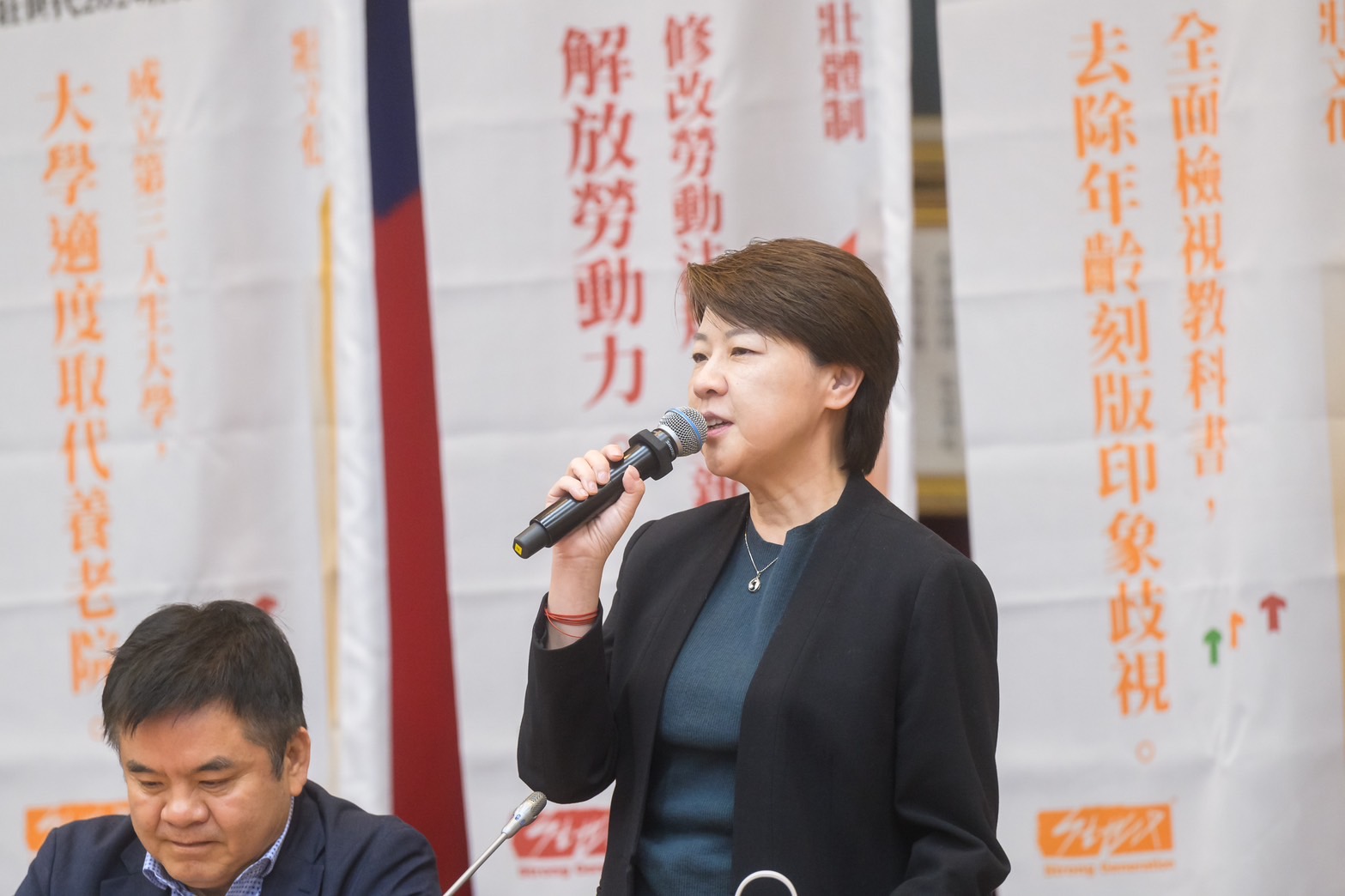
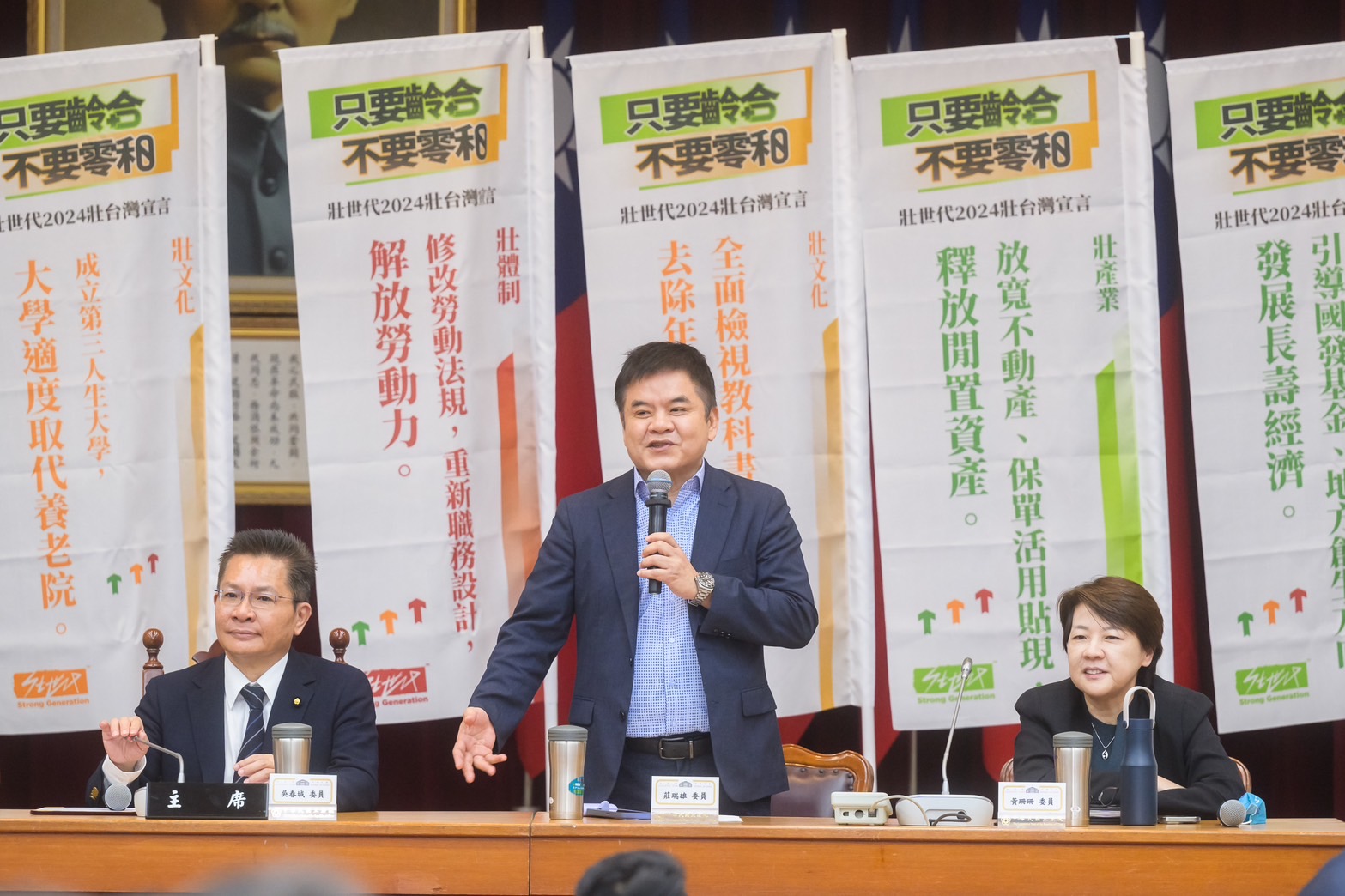
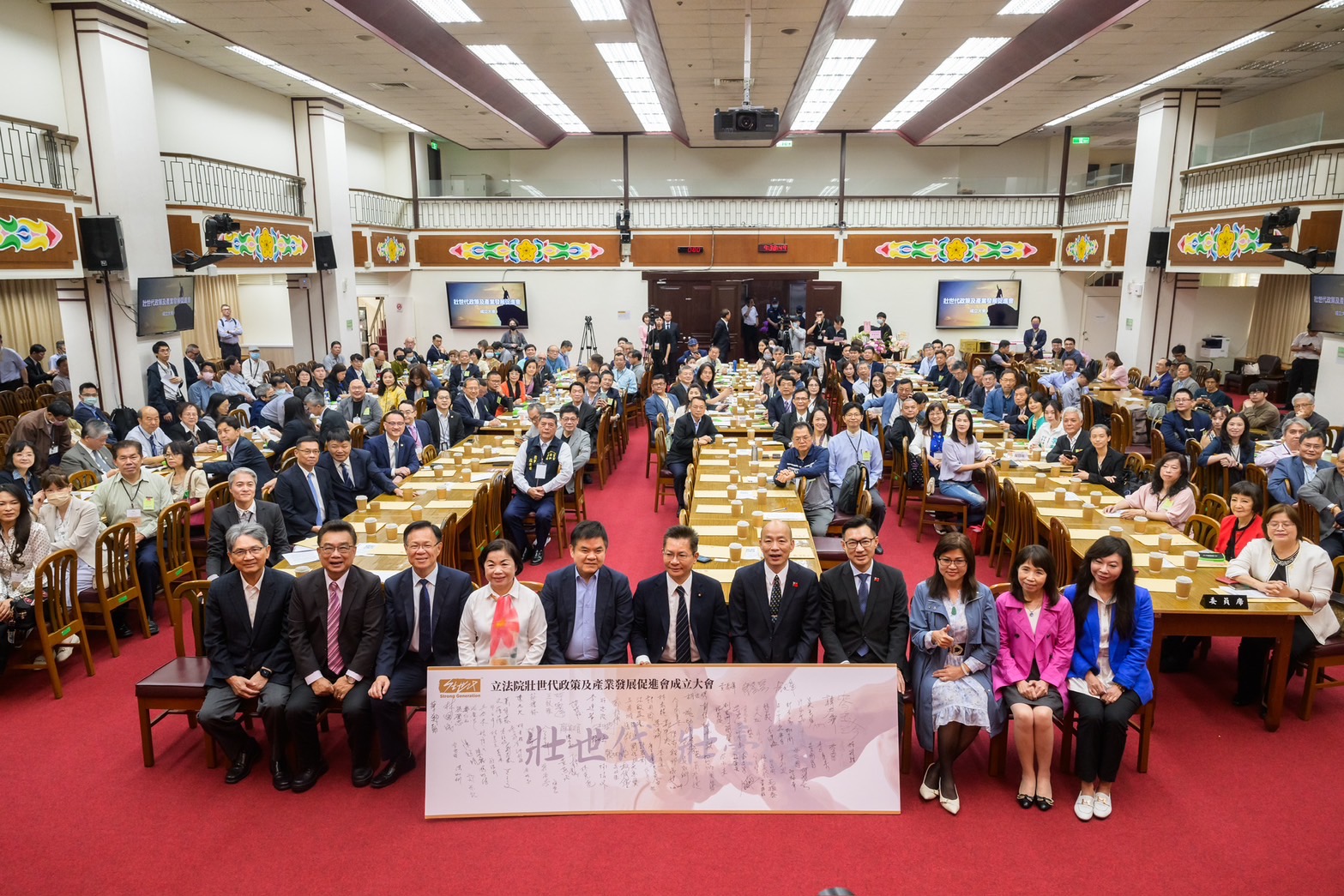
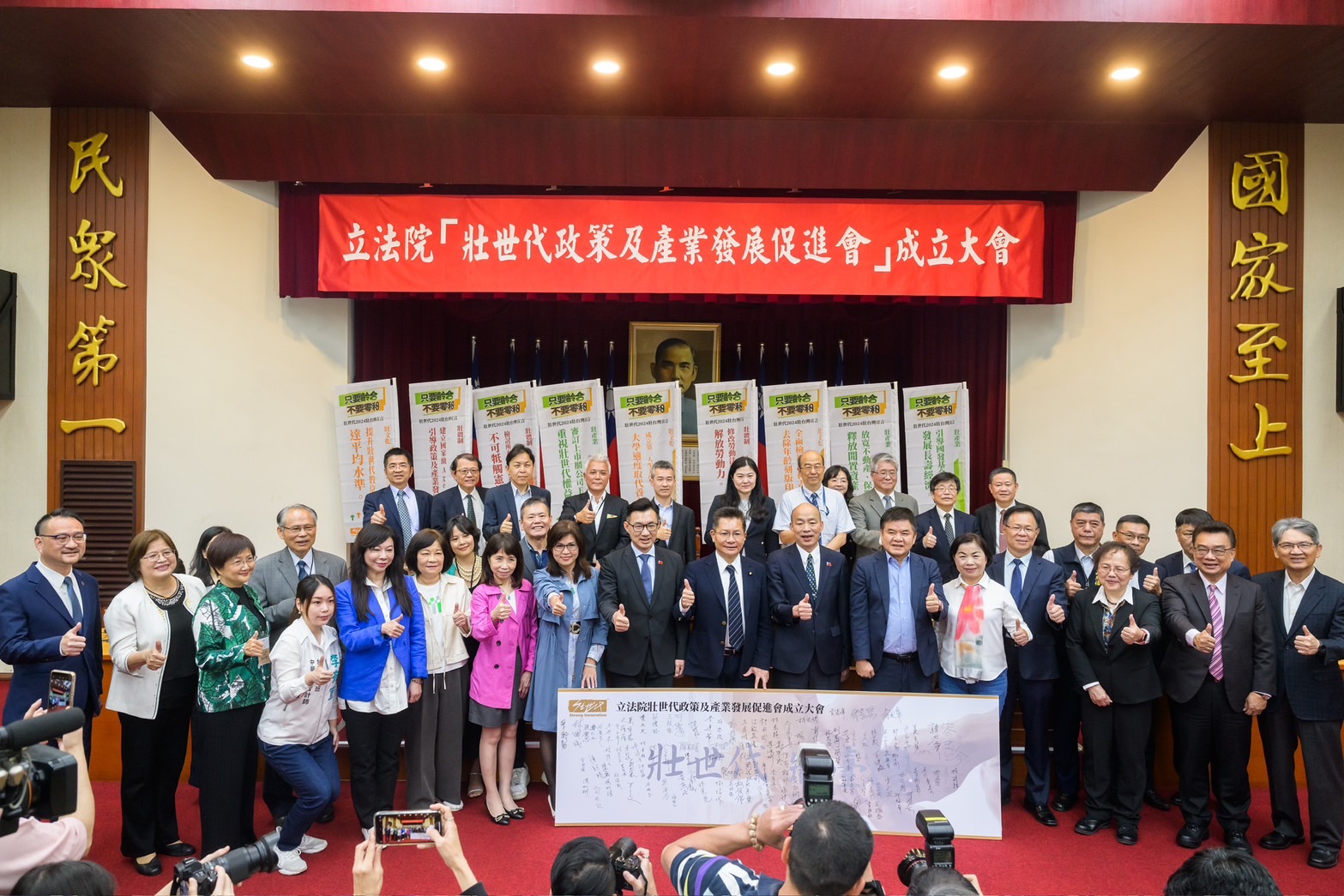
At 9:30 a.m. on April 26, President Daniel K.Y. Han attended the inaugural ceremony of the Strong Generation Policy and Industrial Development Association, which was initiated by Legislator Wu Chun-cheng. Distinguished guests present included Vice President Dr. Johnny C. Chiang, Deputy Secretary-General Chang Yu-jung, Legislators Hung Mong-kai, Chuang Jui-hsiung, Huang Shan-shan, Su Chiao-hui, Cheng Cheng-chien, Ma Wen-chun, Su Ching-chuan, Yang Chiung-ying, Ko Ju-chun, Chen Gau-tzu, Mai Yu-chen, Wu Yu-chin, Lin Chien-chi, Lin Yi-chun, Chang Chi-kai, Wang Cheng-hsu, Lin Kuo-cheng, Chang Chih-lun, and Honorary Consultant Lin Wei-chou. Also in attendance were Deputy Minister of the Ministry of Health and Welfare Chou Jih-haw, Vice Minister of Culture Hsu Yi-chun, Vice Chairperson of the Financial Supervisory Commission Hsiao Tsuey-ling, Deputy Director-General of the Taxation Administration Ni Li-hsin, Deputy Minister of the Veterans Affairs Council Lee Wen-chung, Deputy Minister of the Overseas Community Affairs Council Ruan Jhao-syong, Counselor of the Liaison Center for Legislature and Media Affairs Mao Chen-tai, and Taipei City Councilor Chan Wei-yuan, among others.
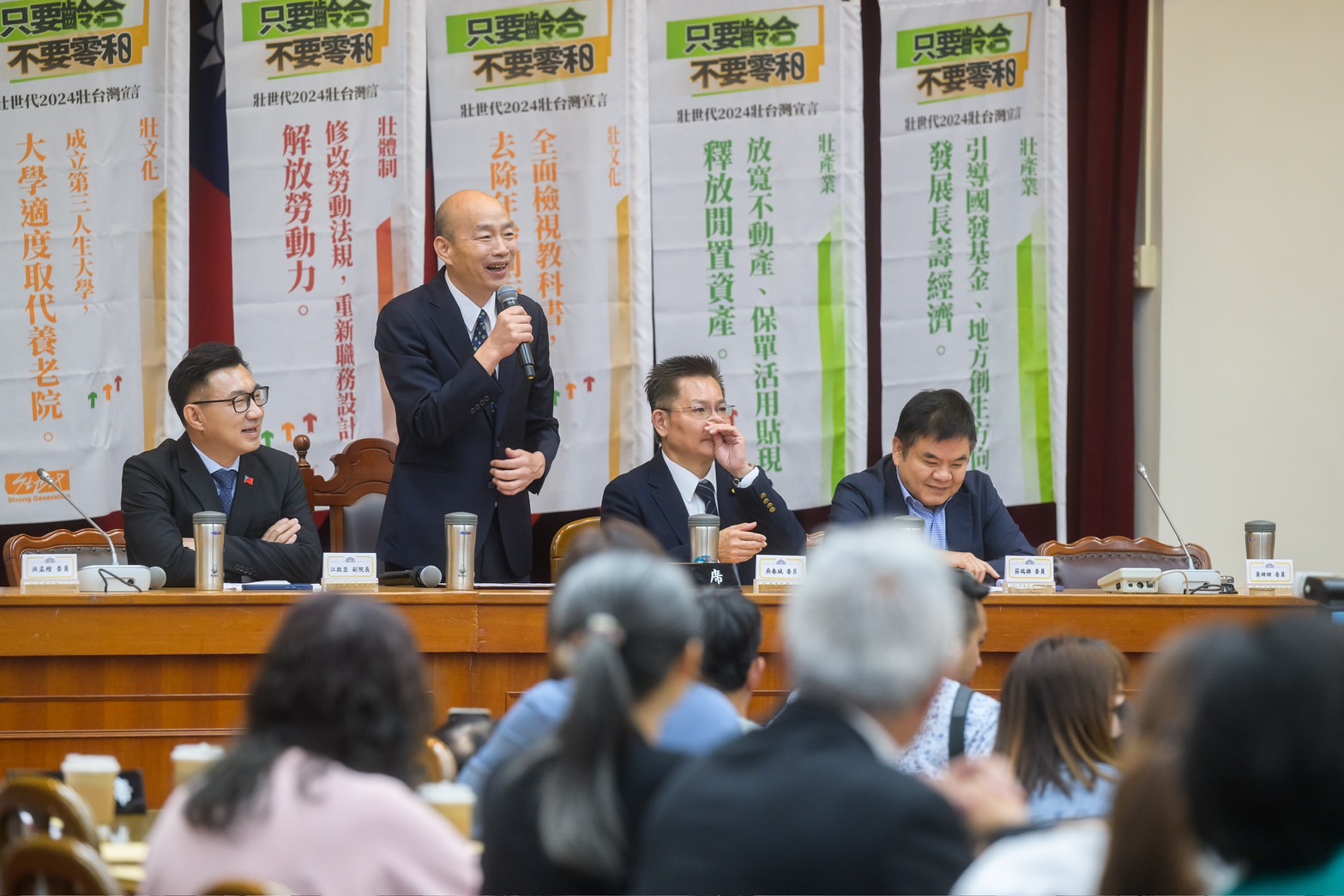
President Han delivered the opening remarks, expressing that legislators from all political parties attended the inauguration of the Strong Generation Policy and Industrial Development Association, highlighting the widespread importance attached to the issues concerning the "strong generation" by all legislators. He believes that this age group can make greater contributions to society. President Han noted that Legislator Wu Chun-cheng once said that individuals aged 55 and above could be considered part of the "strong generation," suggesting that society should encourage those over 60 to continue seeking new opportunities. He jokingly mentioned his ongoing job search after turning 60, emphasizing the importance of breaking new ground for individuals of that age. He also pointed out that the "strong generation" constitutes one-third of Taiwan's population and possesses two-thirds of its wealth, highlighting the significance of this astonishing data. Legislator Wu called on all sectors to prioritize the "strong generation." Should the need arise to develop policies or laws in this regard, the Legislative Yuan will undoubtedly provide full assistance to revitalize the "strong generation." President Han concluded by welcoming familiar faces and newcomers to the Legislative Yuan to witness the changes in the new parliament and expressing hope that the new legislature will meet the expectations of the people.
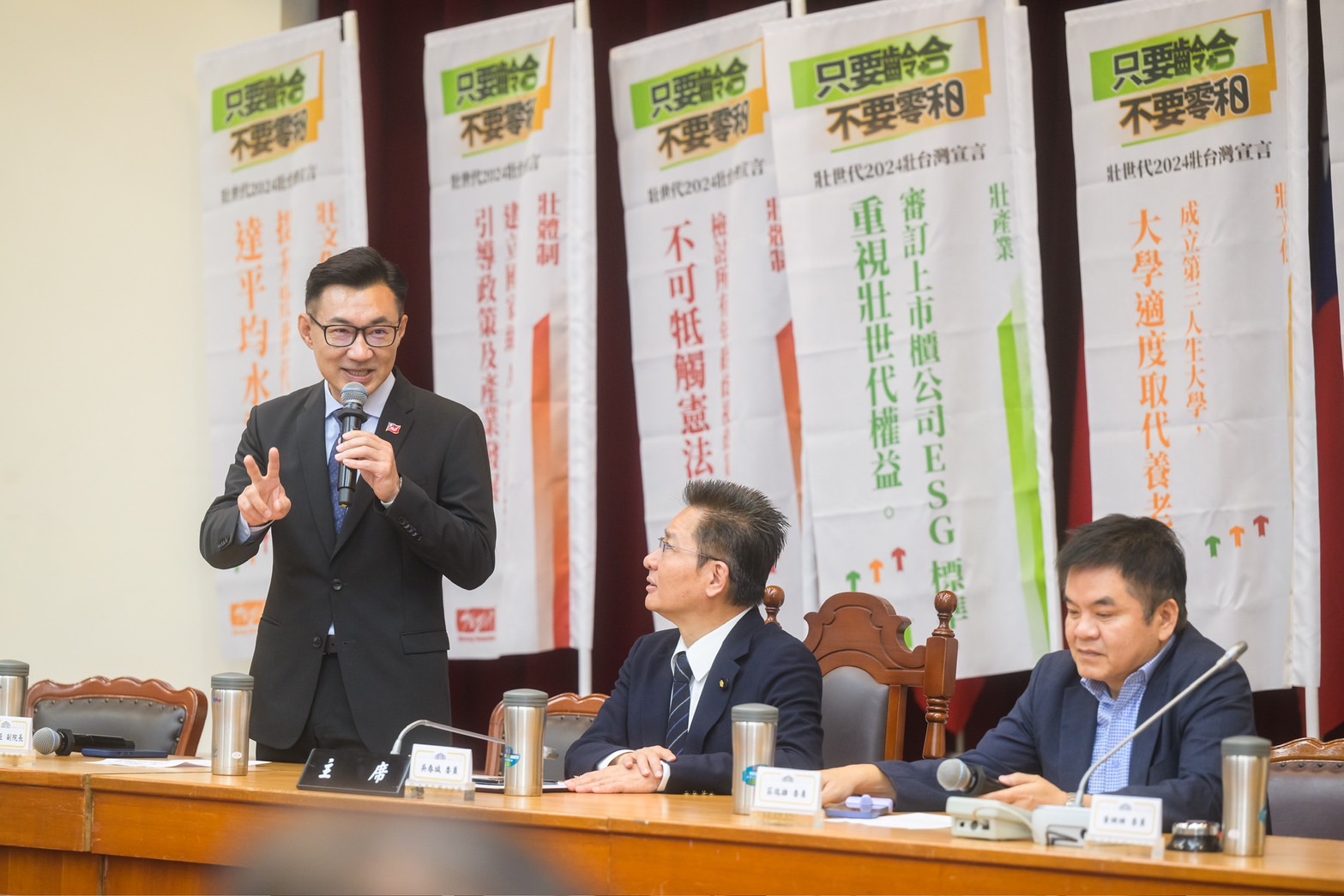
After the President's speech concluded, a group photo was taken with all the distinguished guests. Subsequently, Vice President Chiang delivered his remarks, highlighting two major global issues: population aging and global warming. He emphasized that these are unavoidable realities that transcend political parties and national boundaries, hoping that the Legislative Yuan would serve as a platform for multipartisan discussion on these issues. Vice President Chiang pointed out that the population aged 65 and above accounts for 20% of Taiwan's population. In fact, the proportion of people aged 65 and above in some legislators’ electoral districts in rural areas may already exceed 20%. However, he expressed confidence in the high quality of the Taiwanese people and believed that with a shift in mindset and generational revitalization, the "strong generation" would continue to grow stronger. He also hoped that the executive branch at the ceremony would devote efforts to proposing specific policies on this issue and collectively addressing this generational challenge.
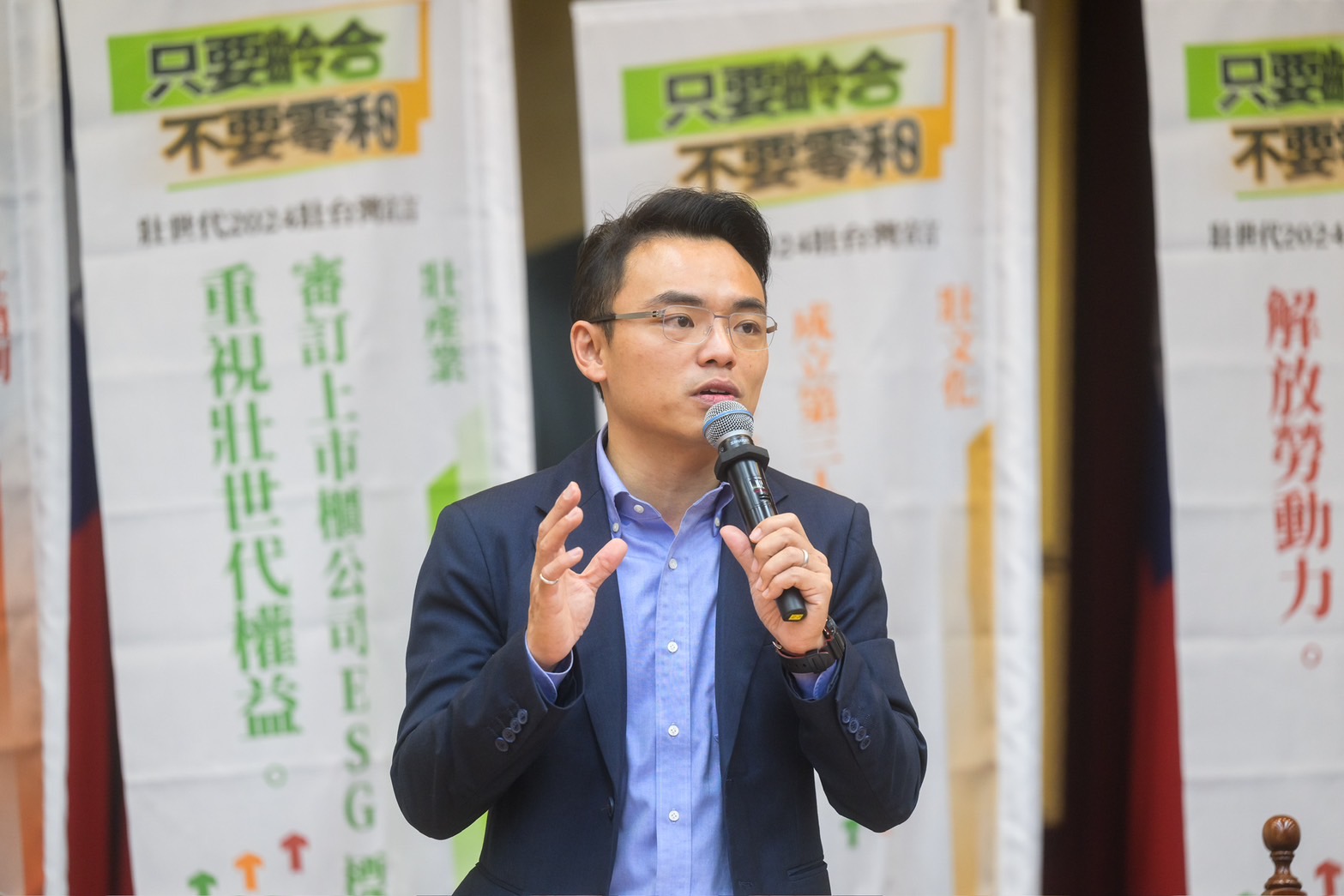
The ceremony continued with remarks from Legislators Chuang Jui-hsiung, Huang Shan-shan, Hung Mong-kai, and the initiator Legislator Wu Chun-cheng, followed by the adoption of the organizational charter and the election of the President and Vice President. The event concluded on a high note approximately one hour later.