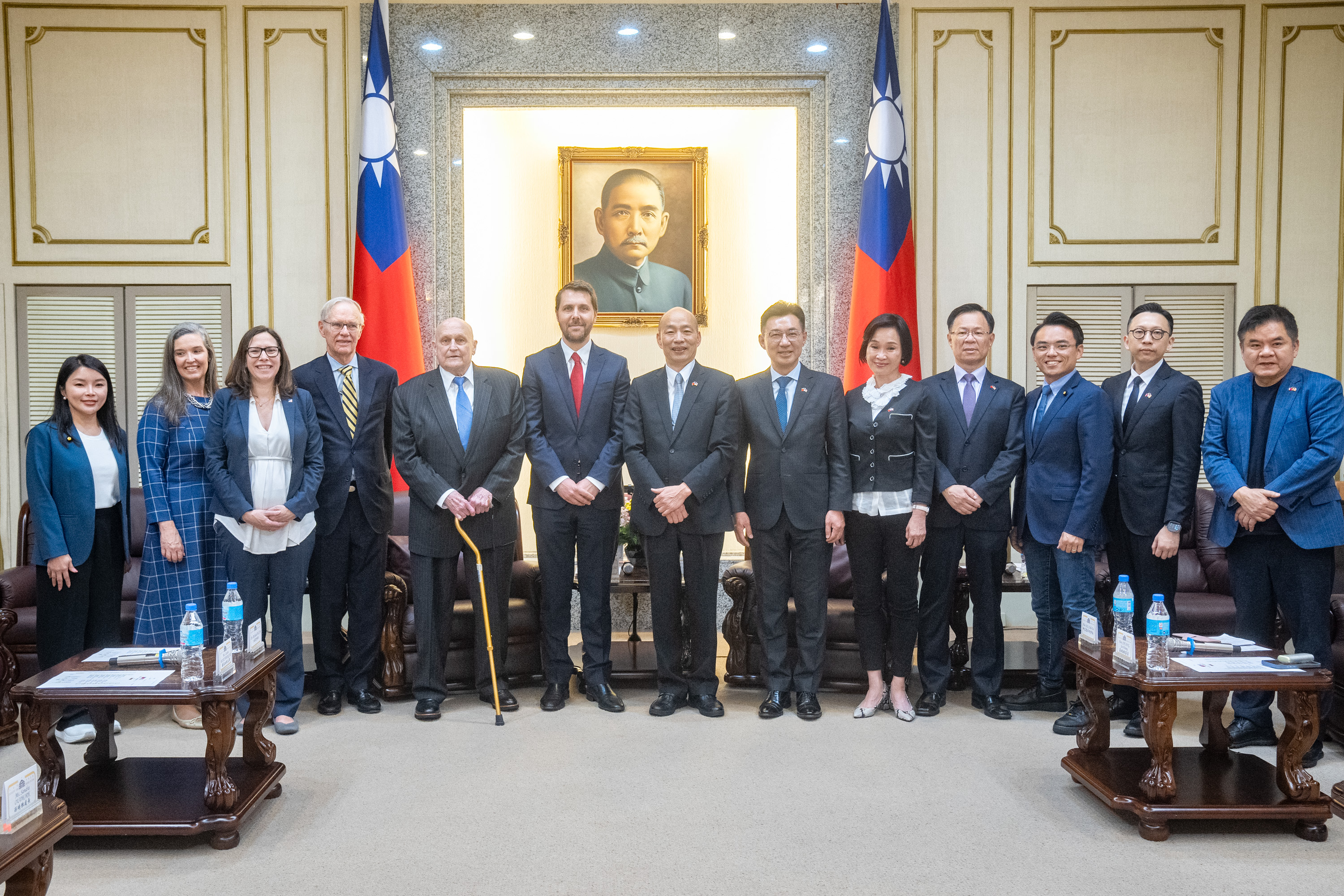
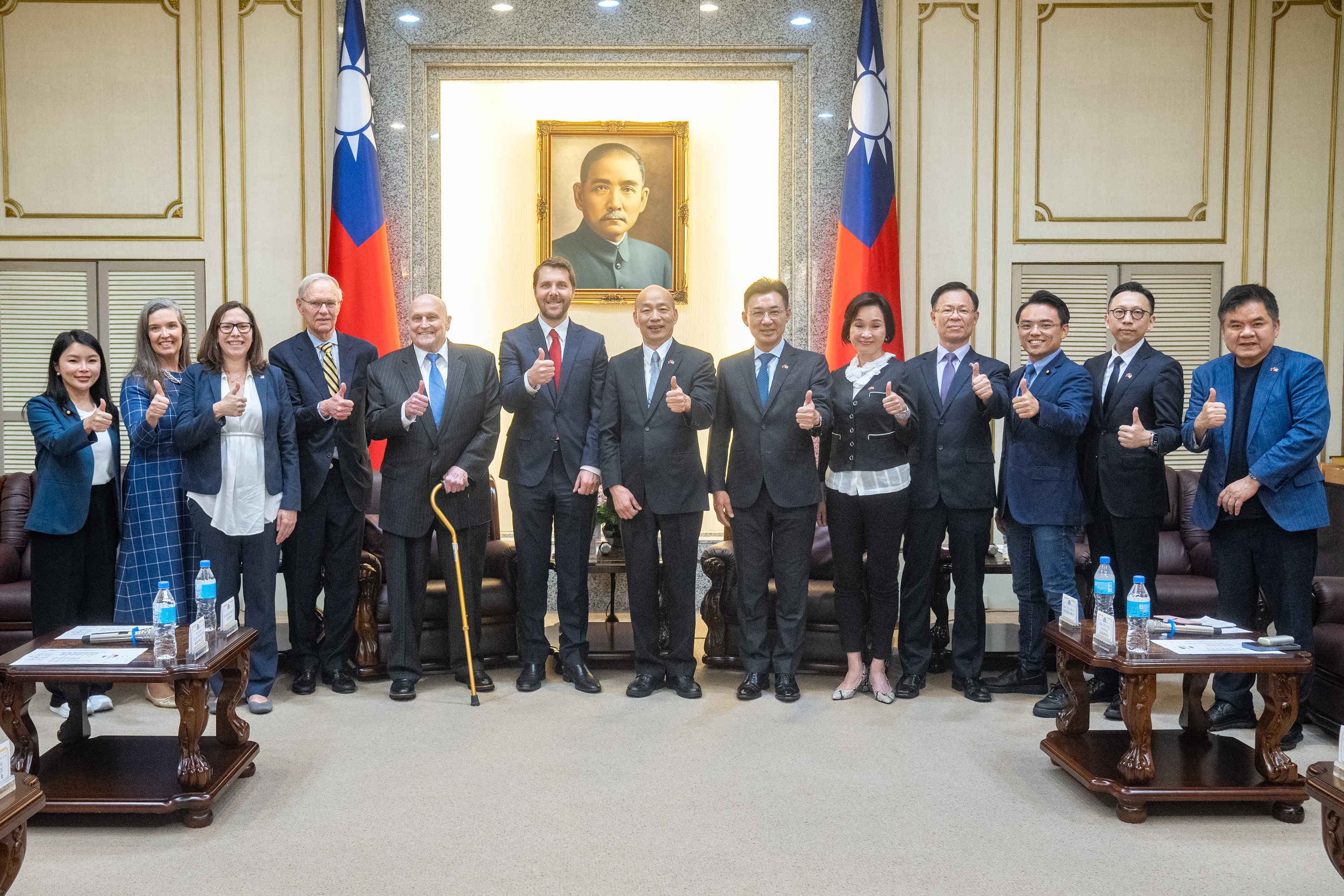
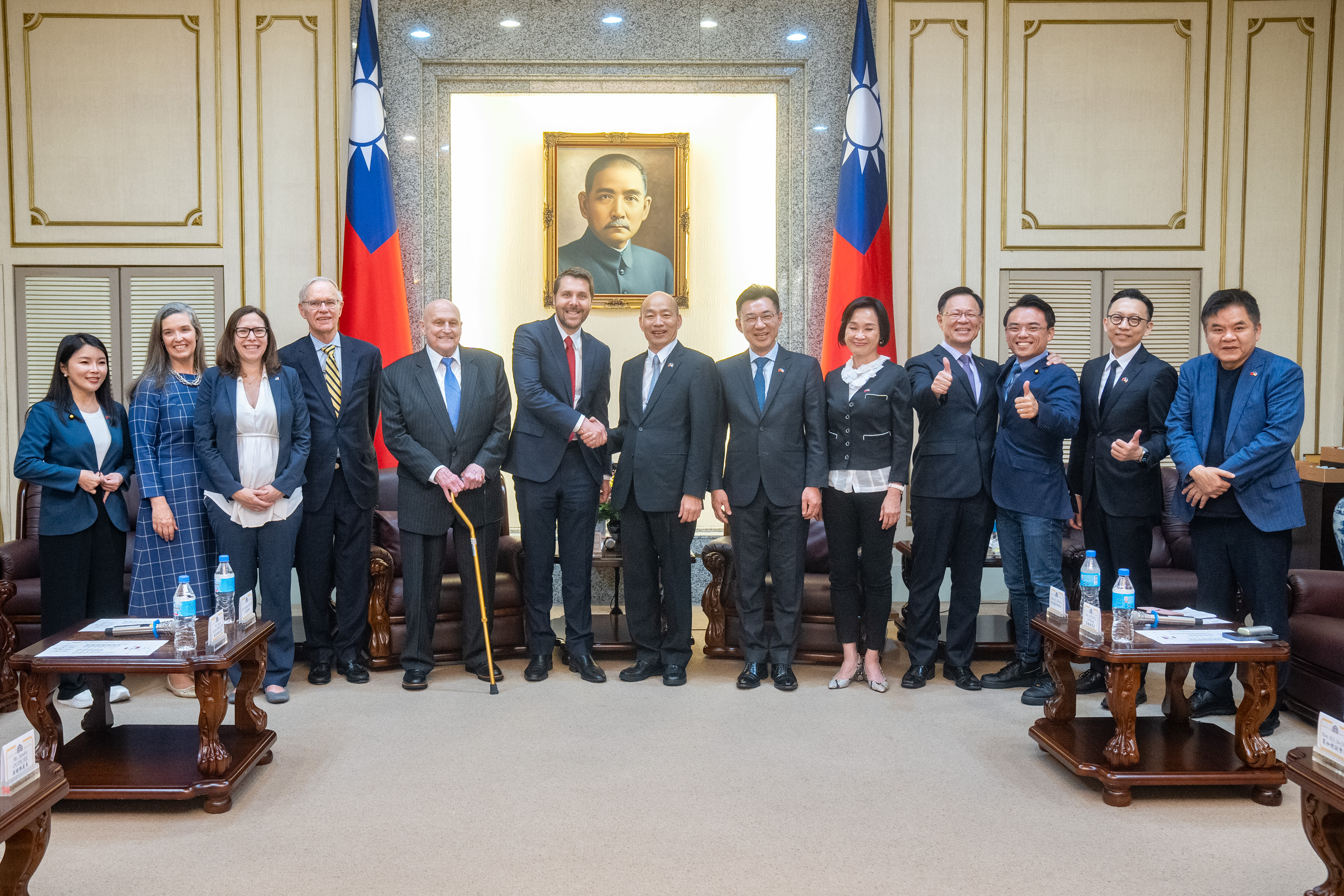
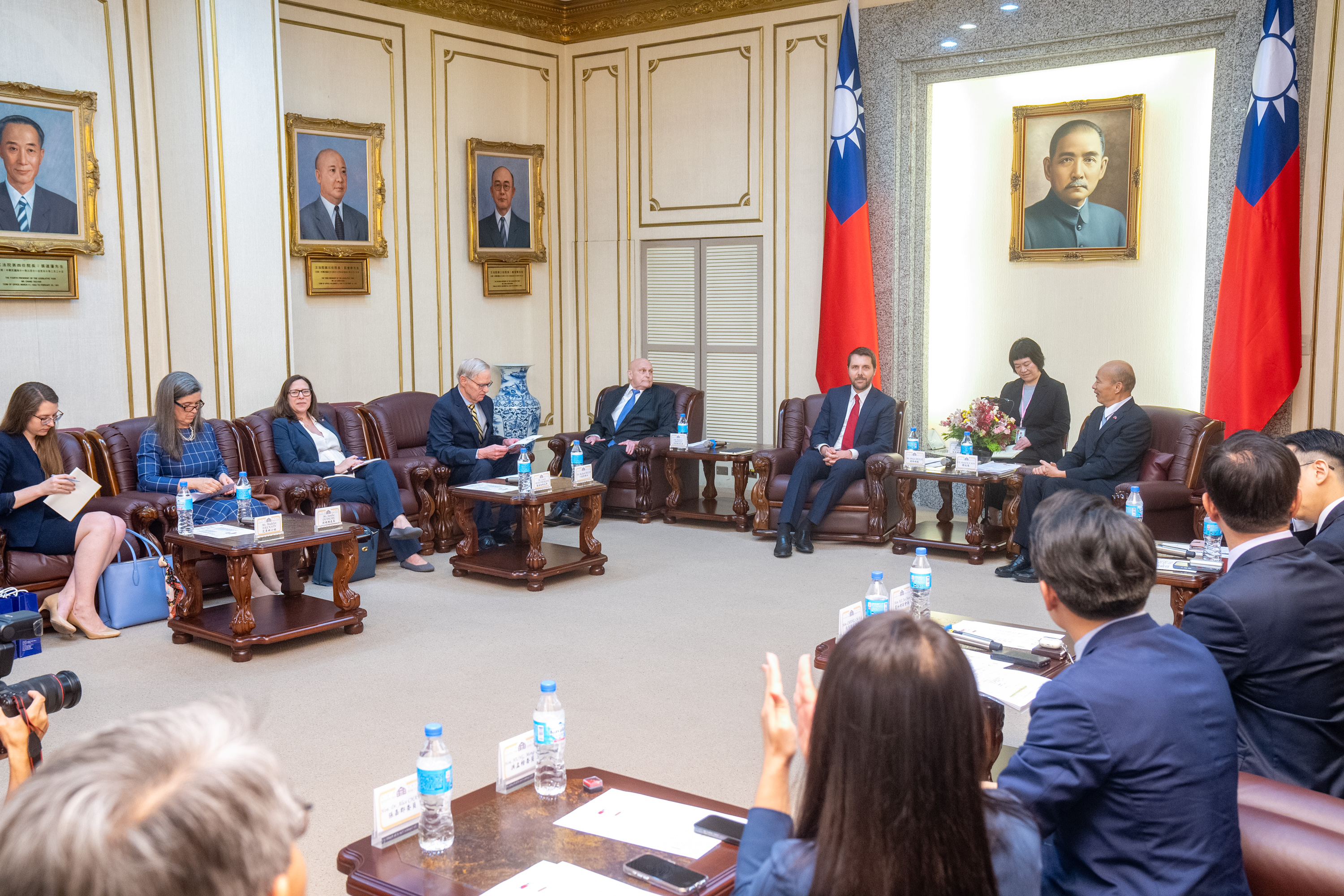
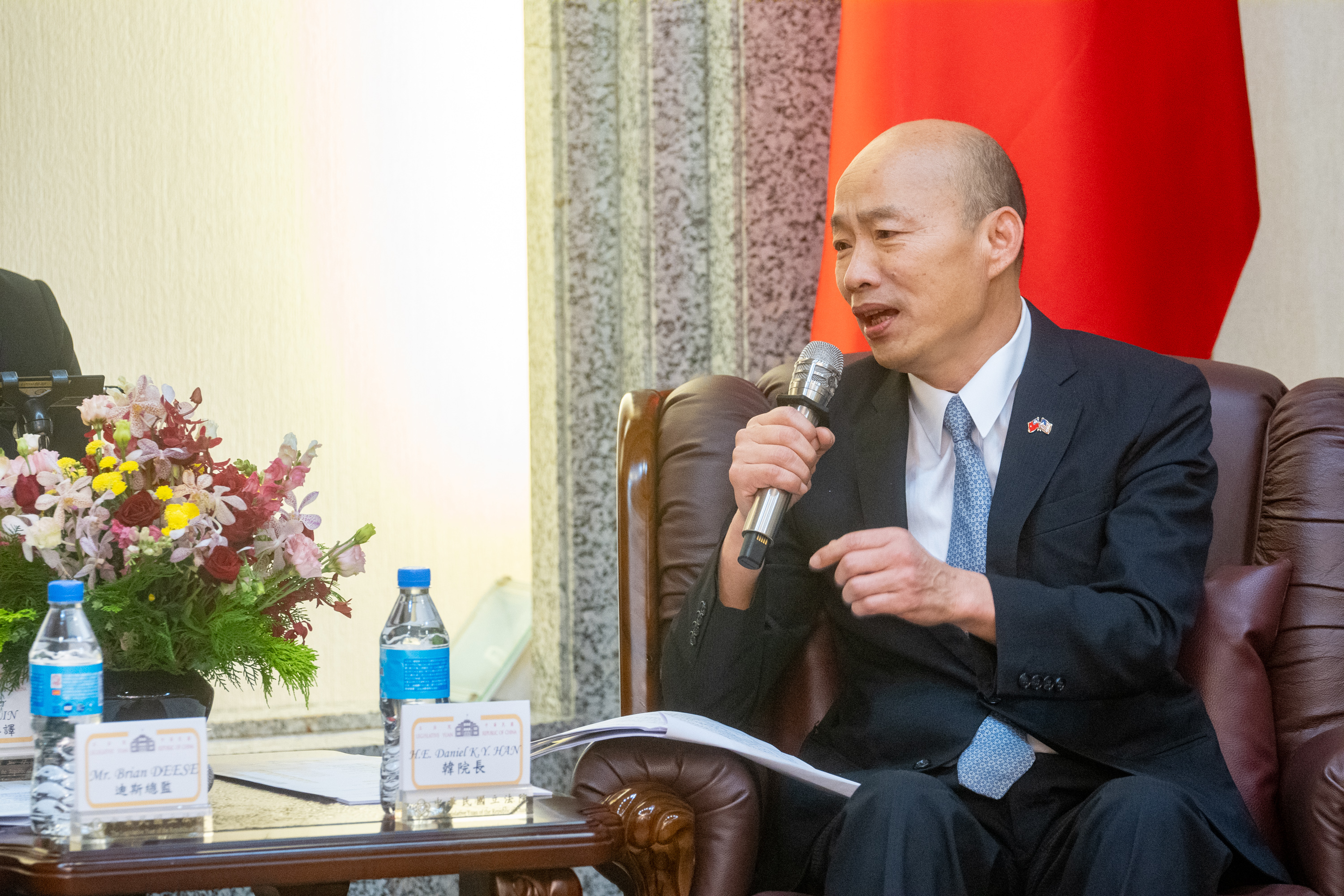
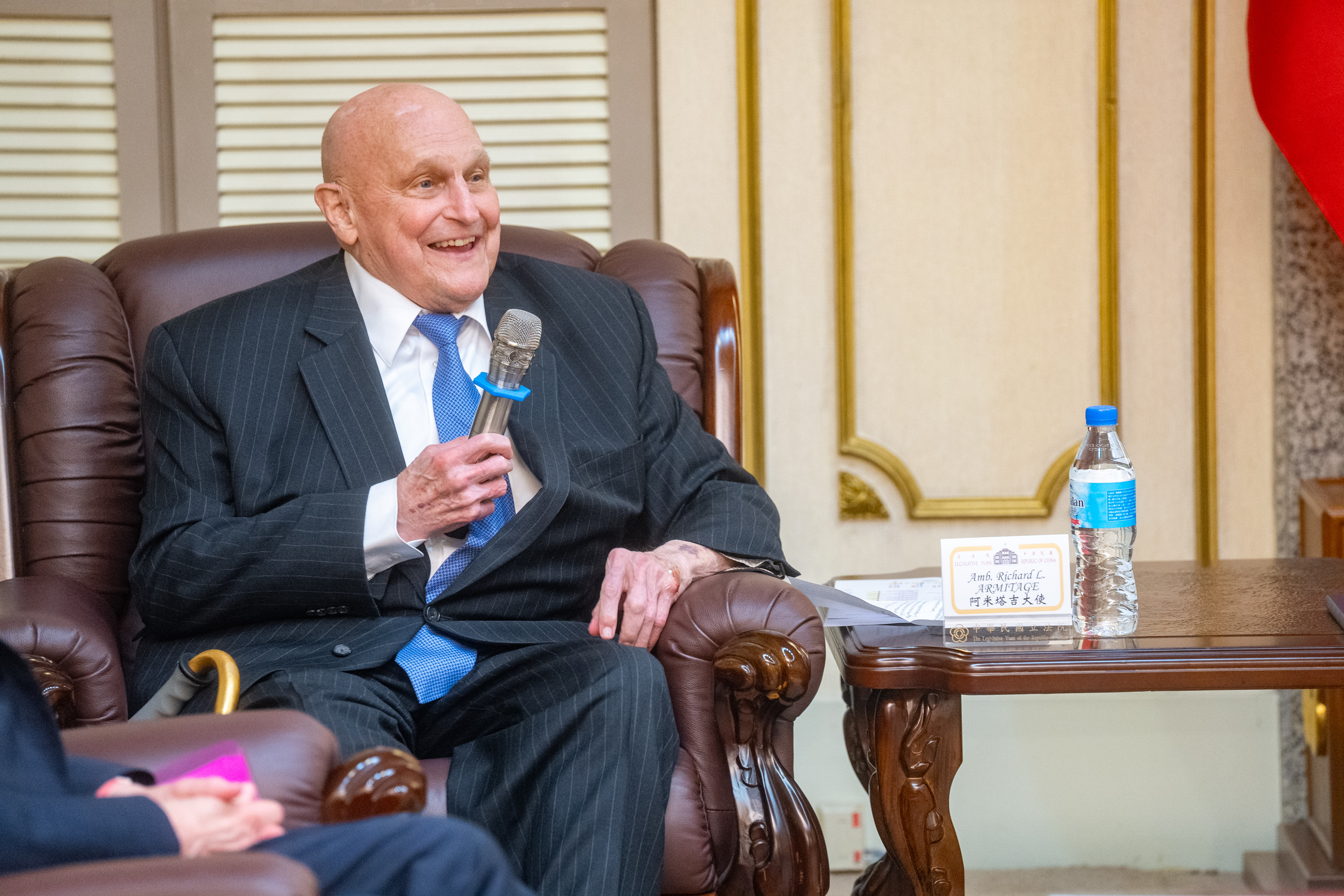
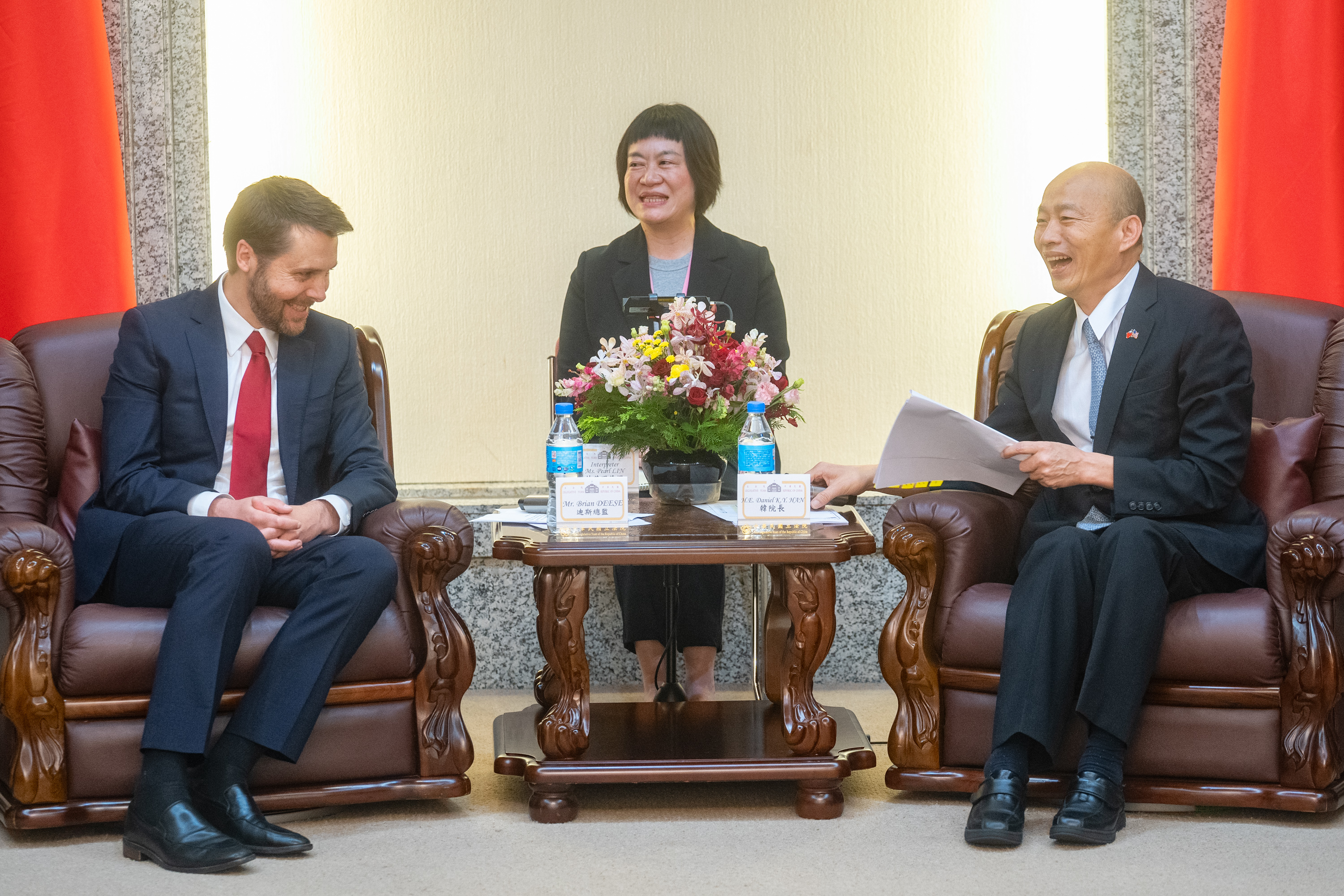
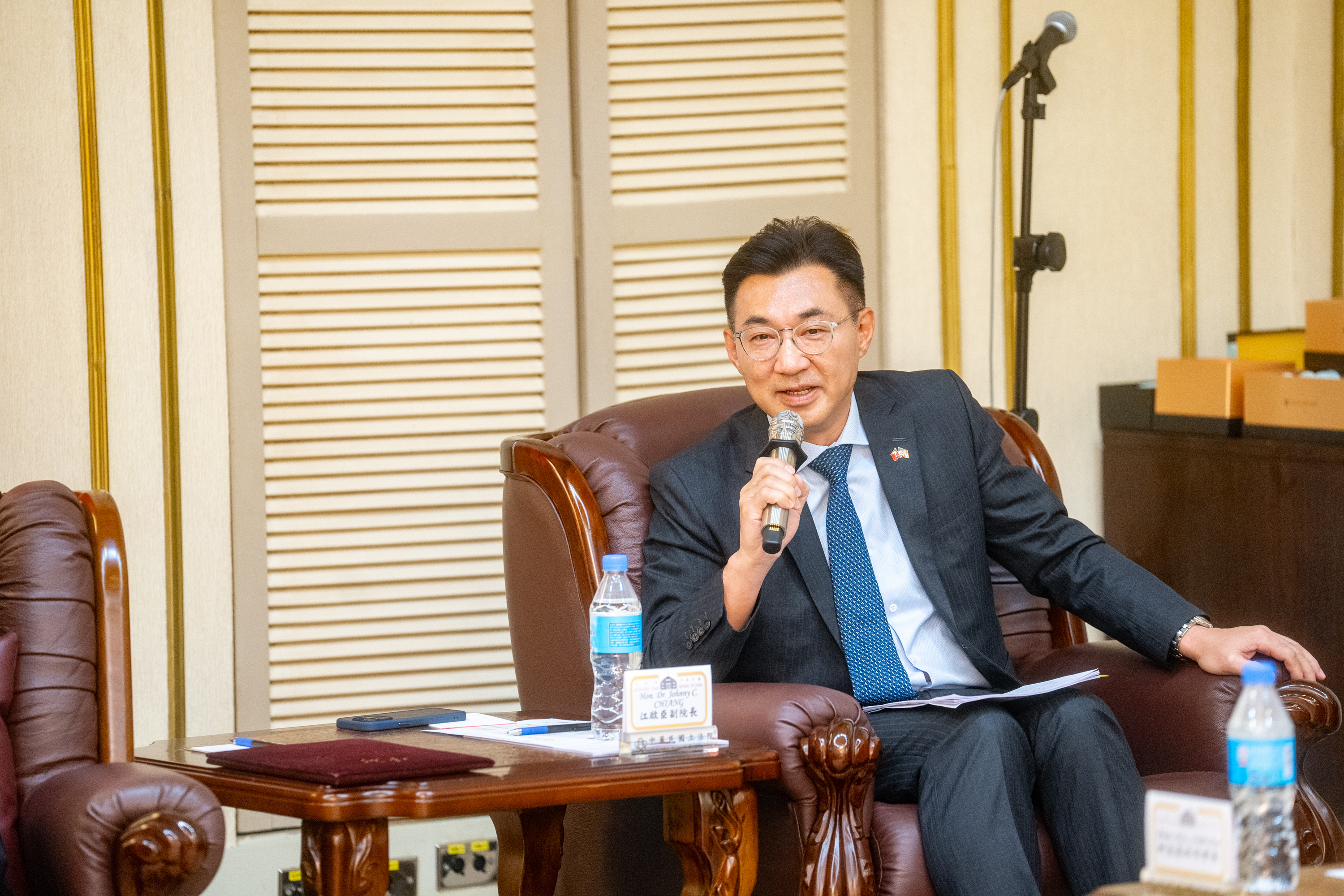
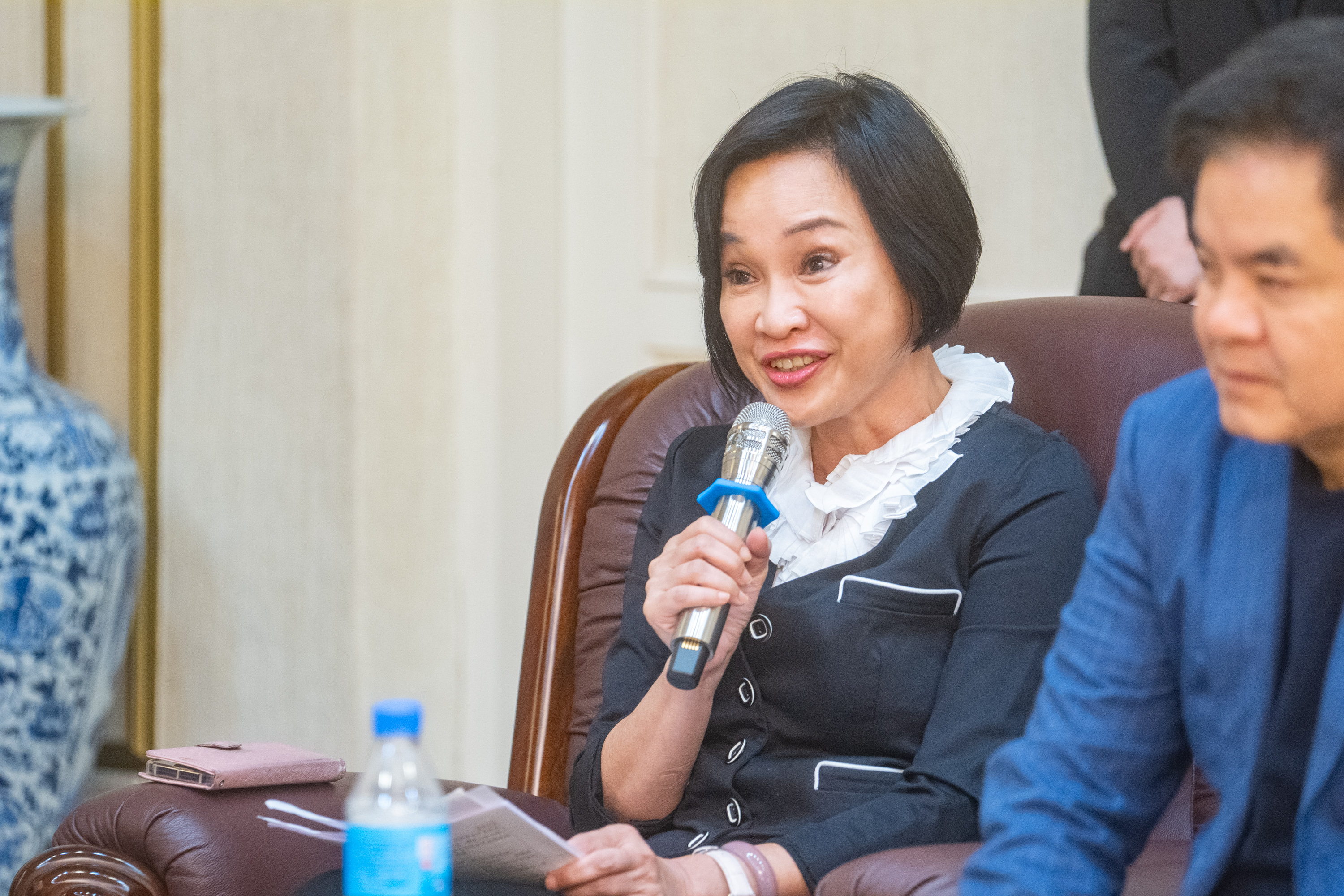
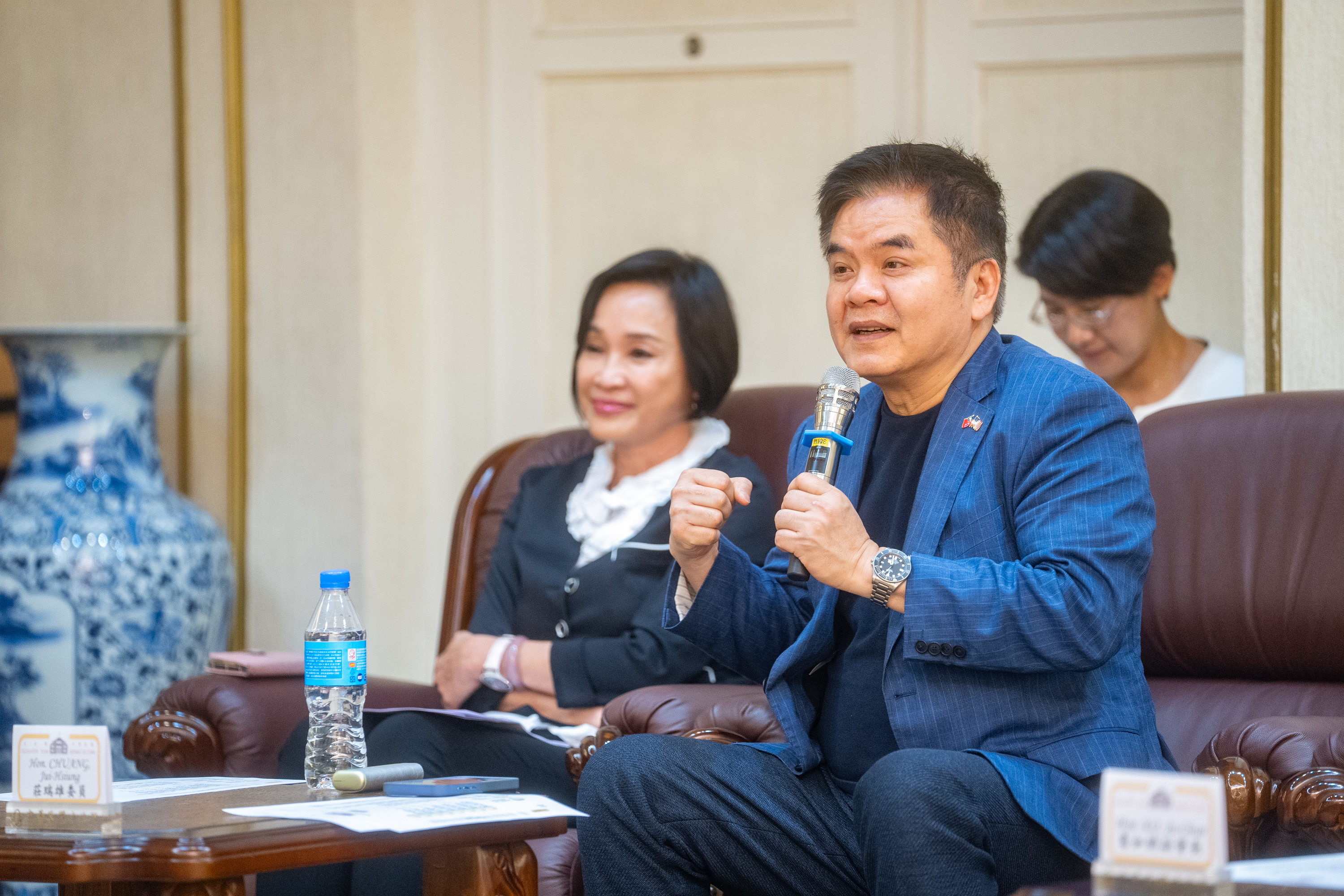
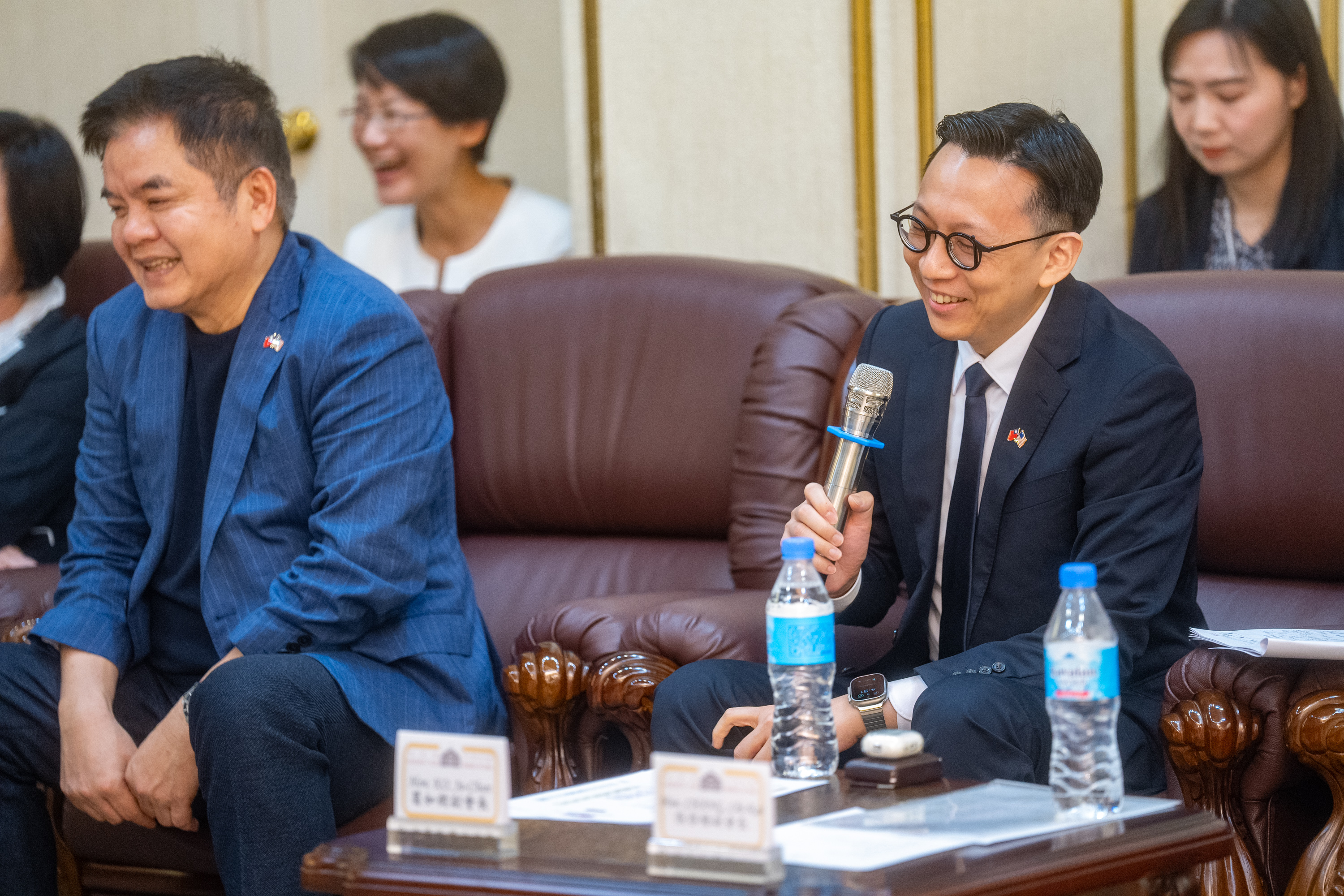
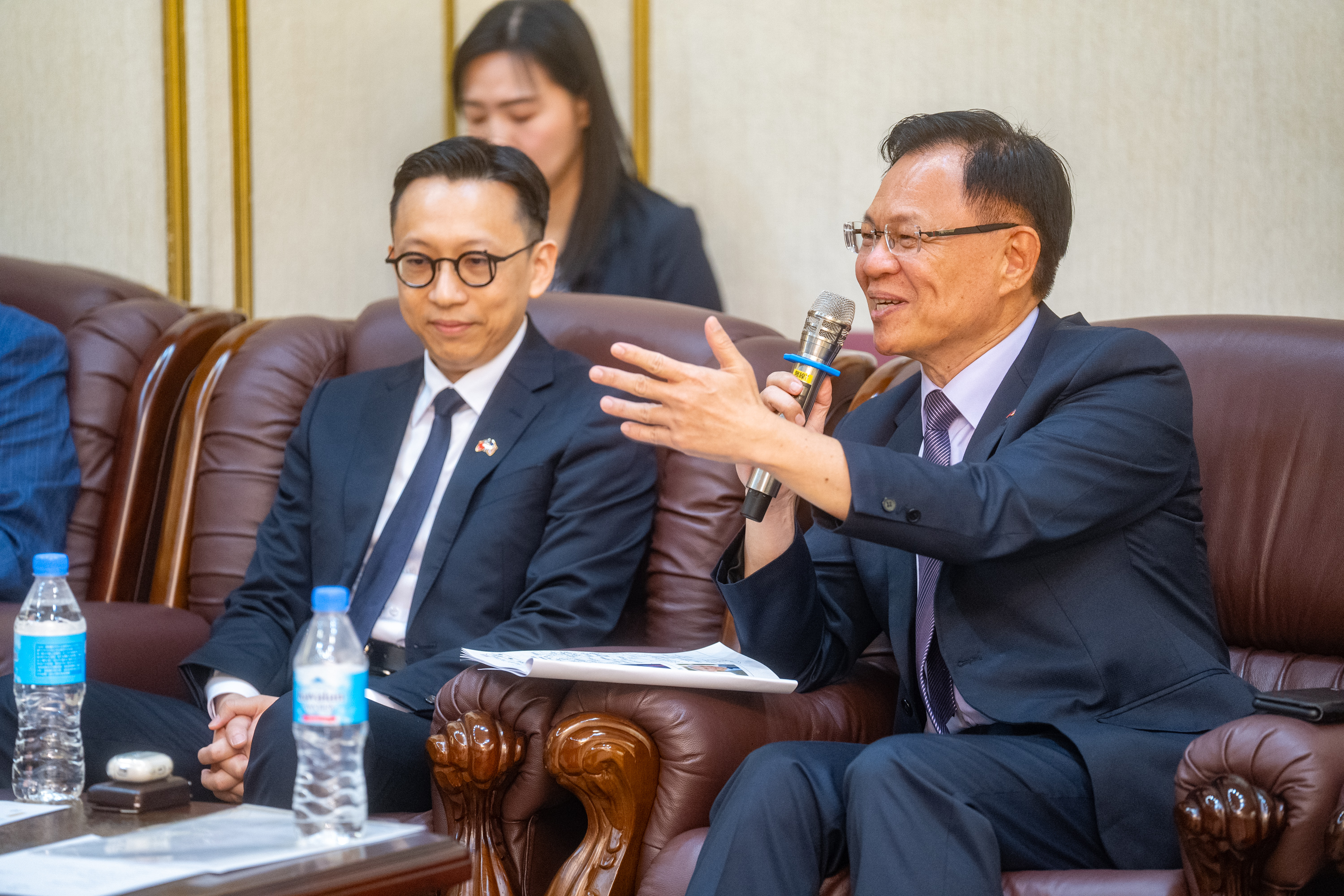
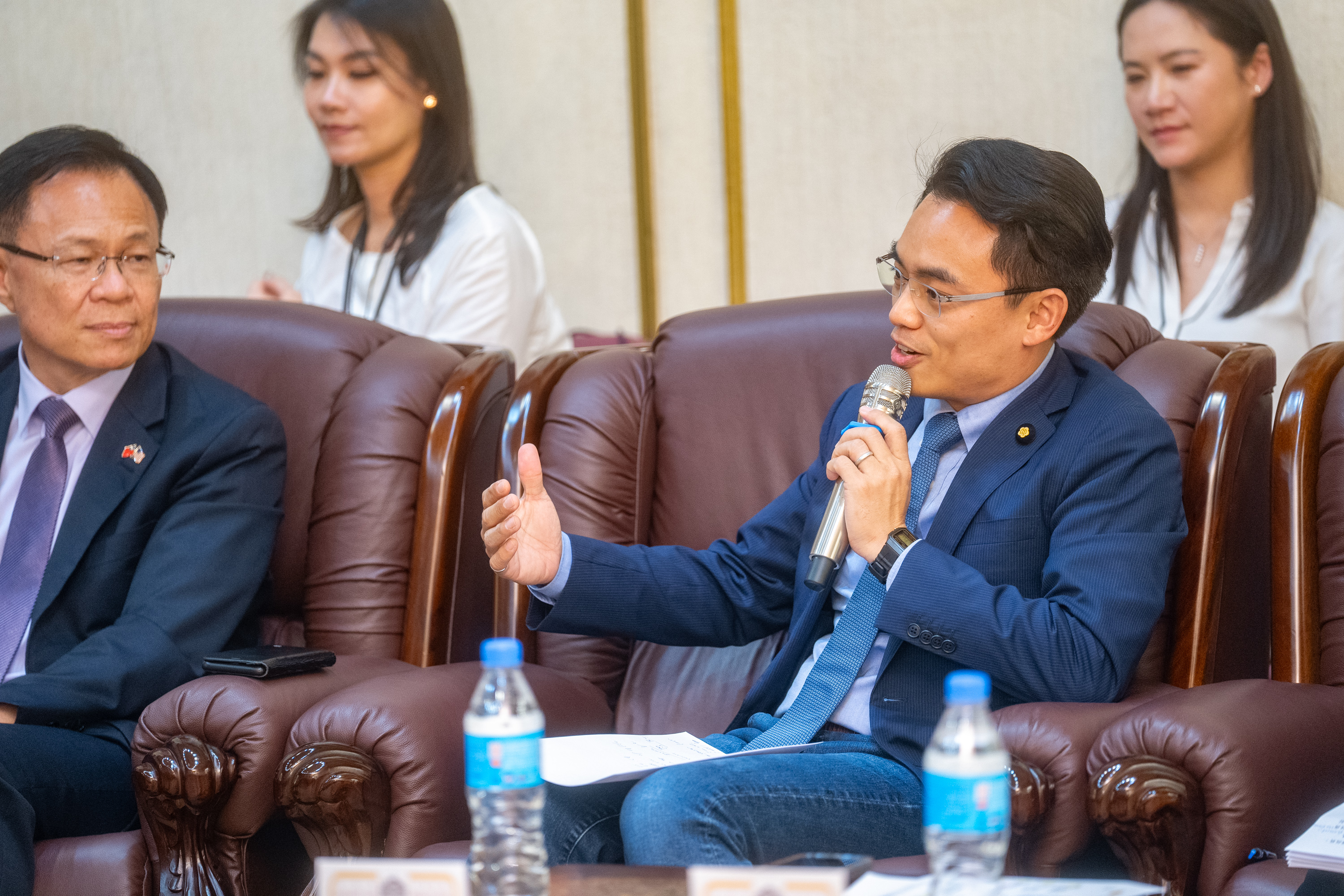
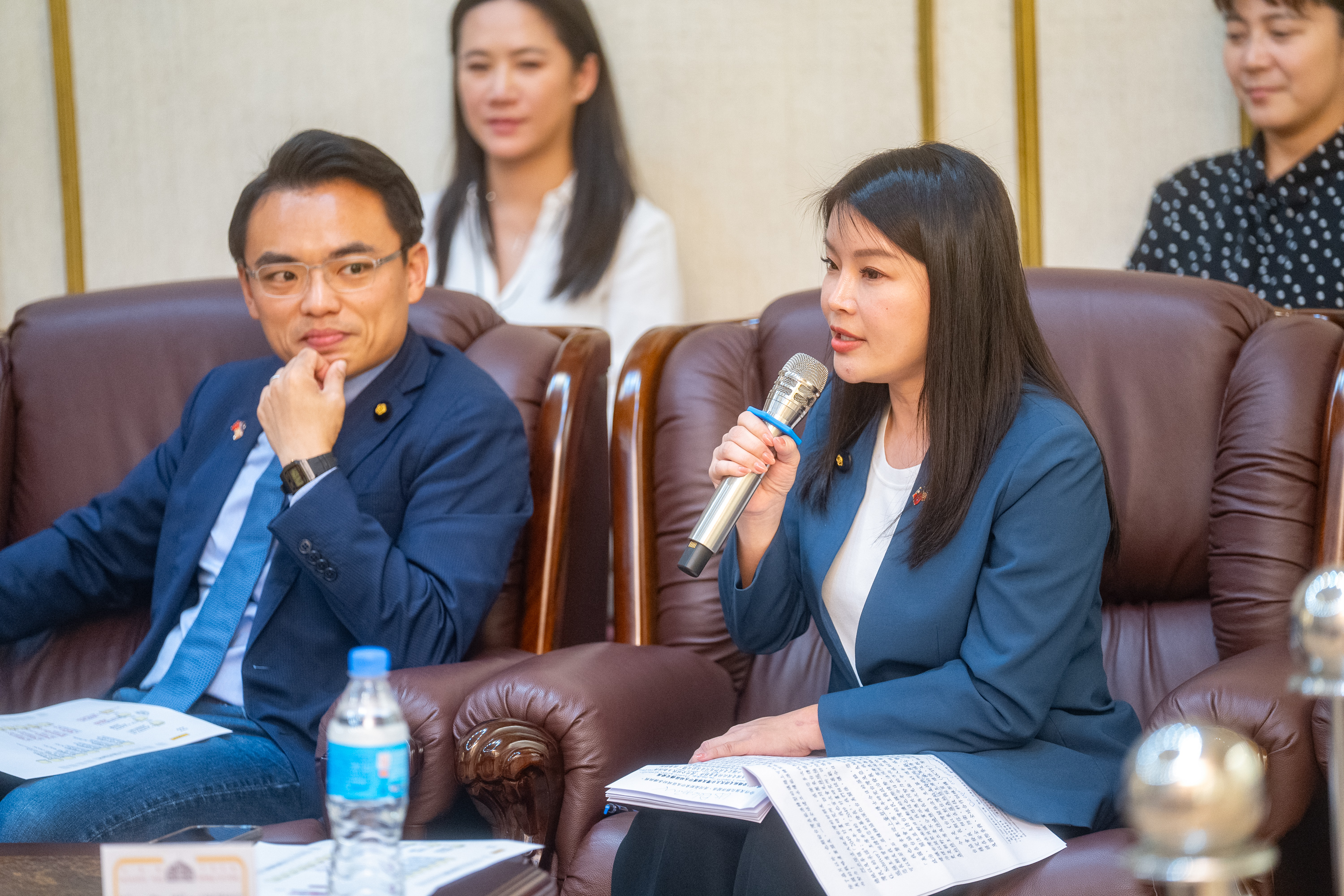
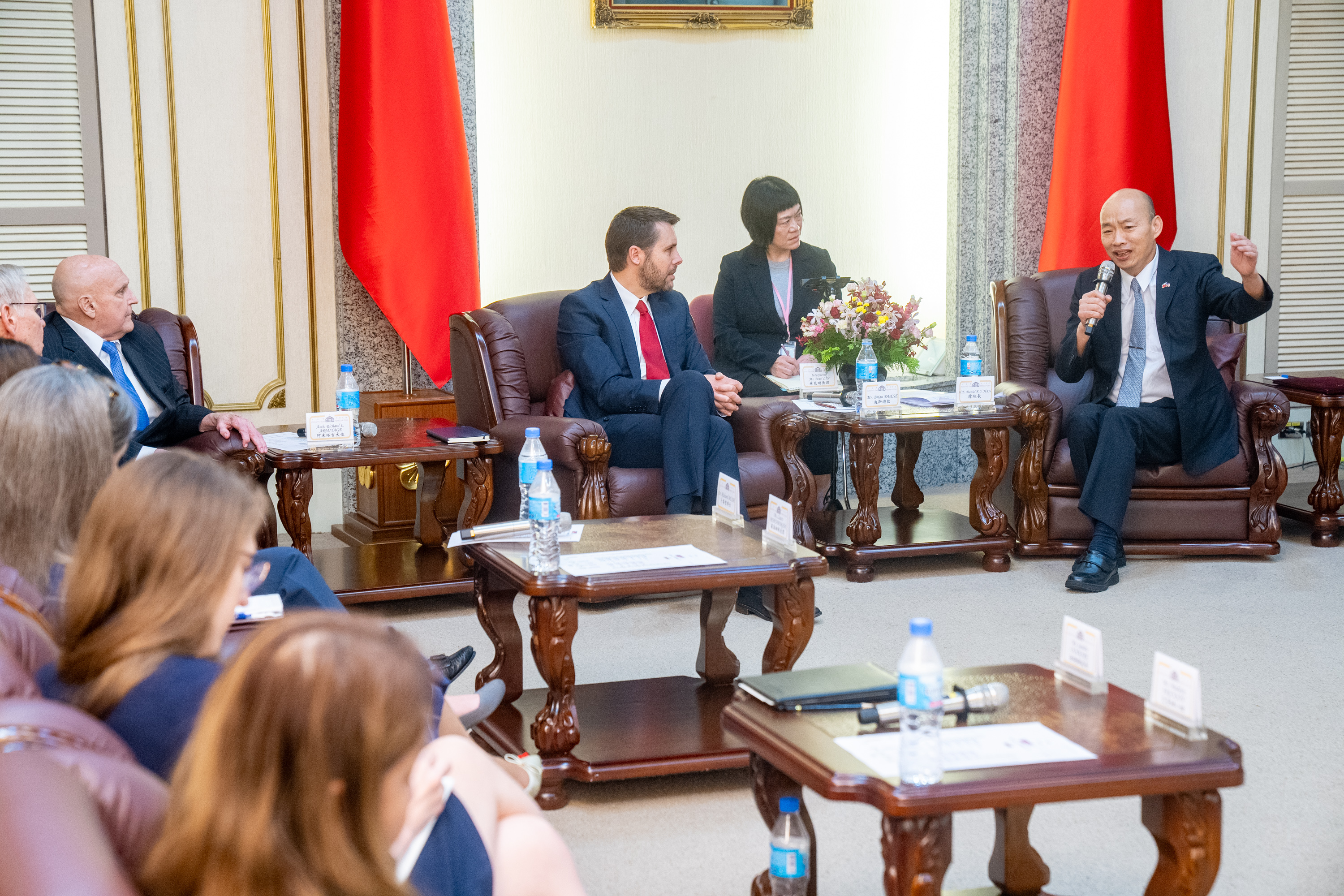
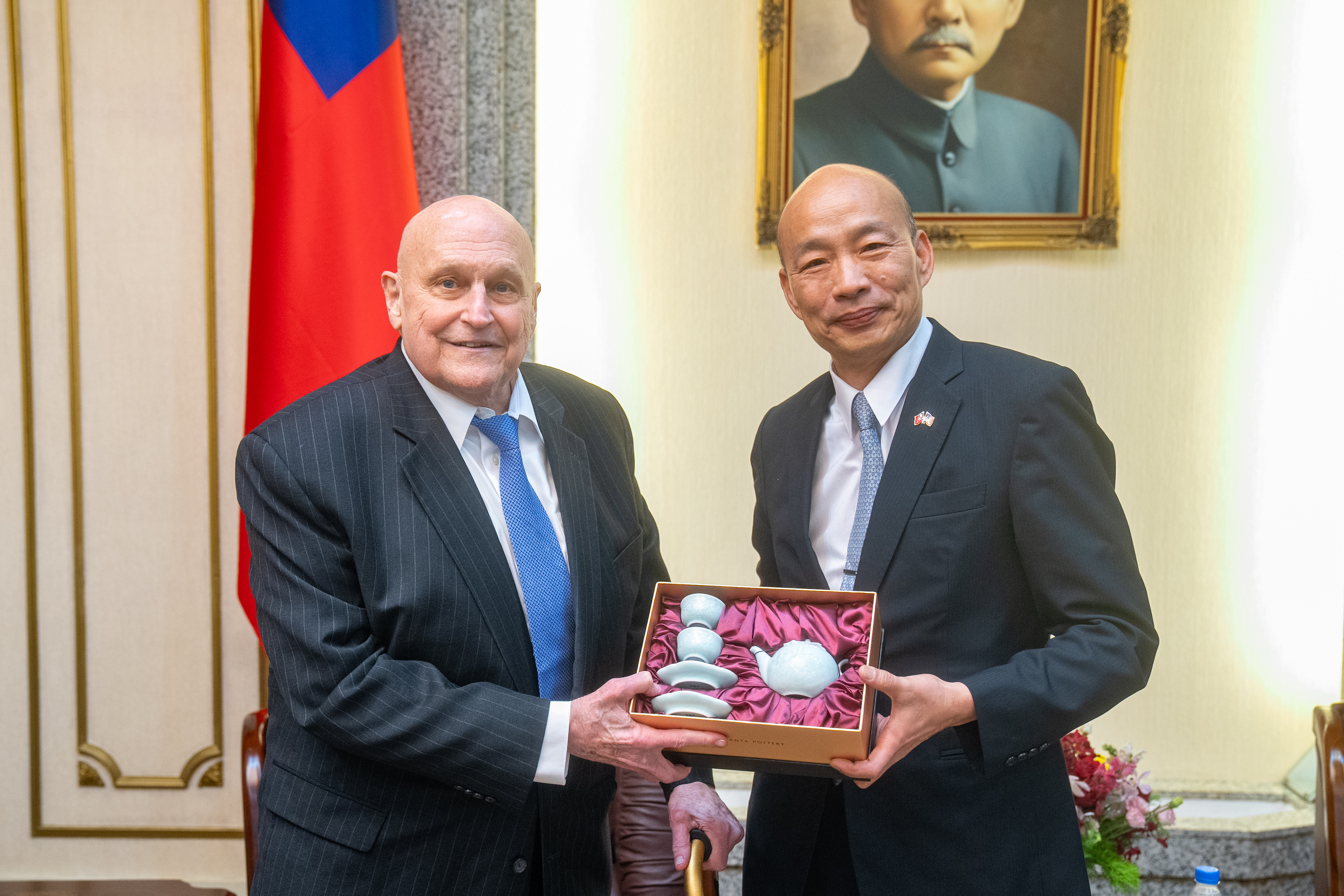
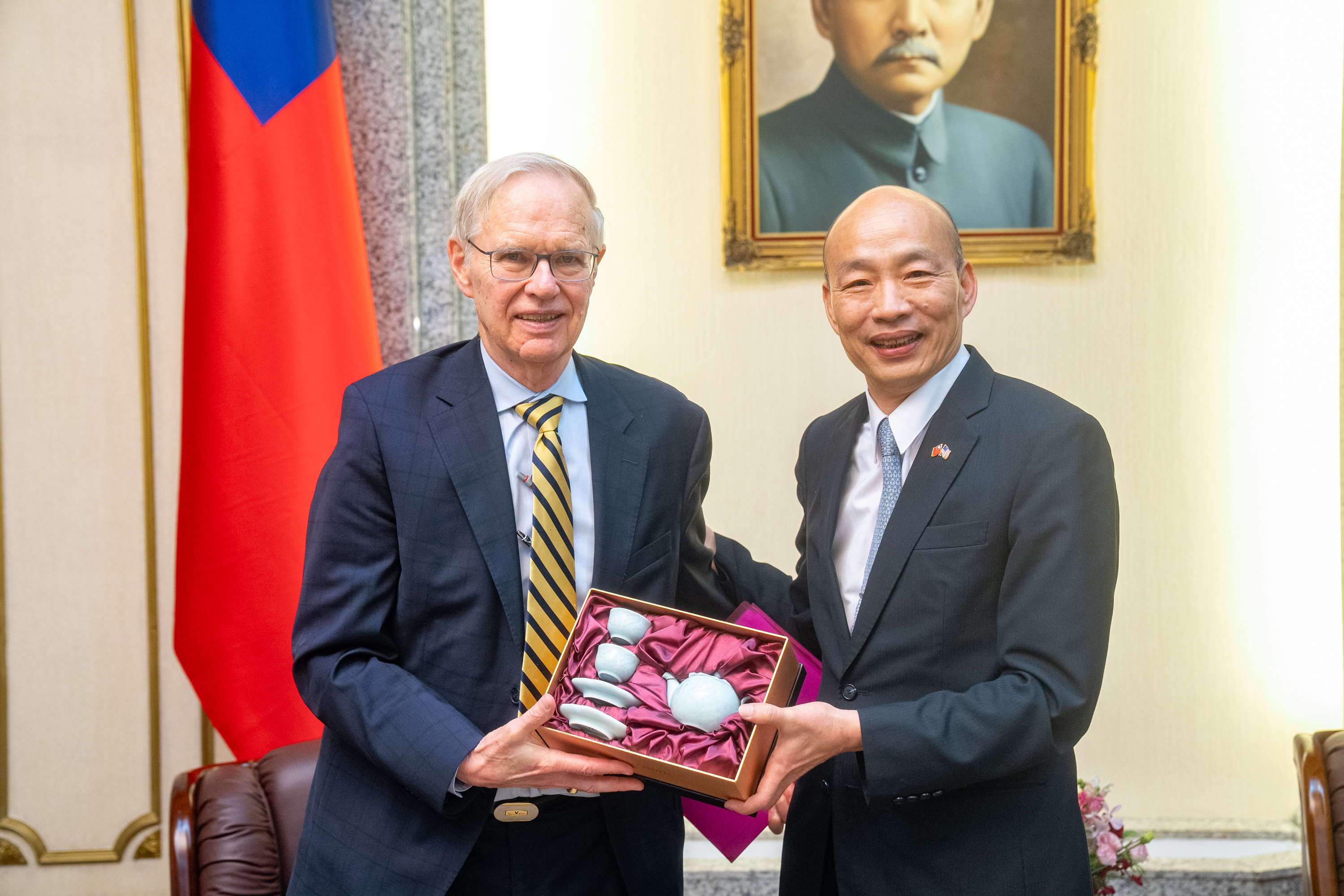
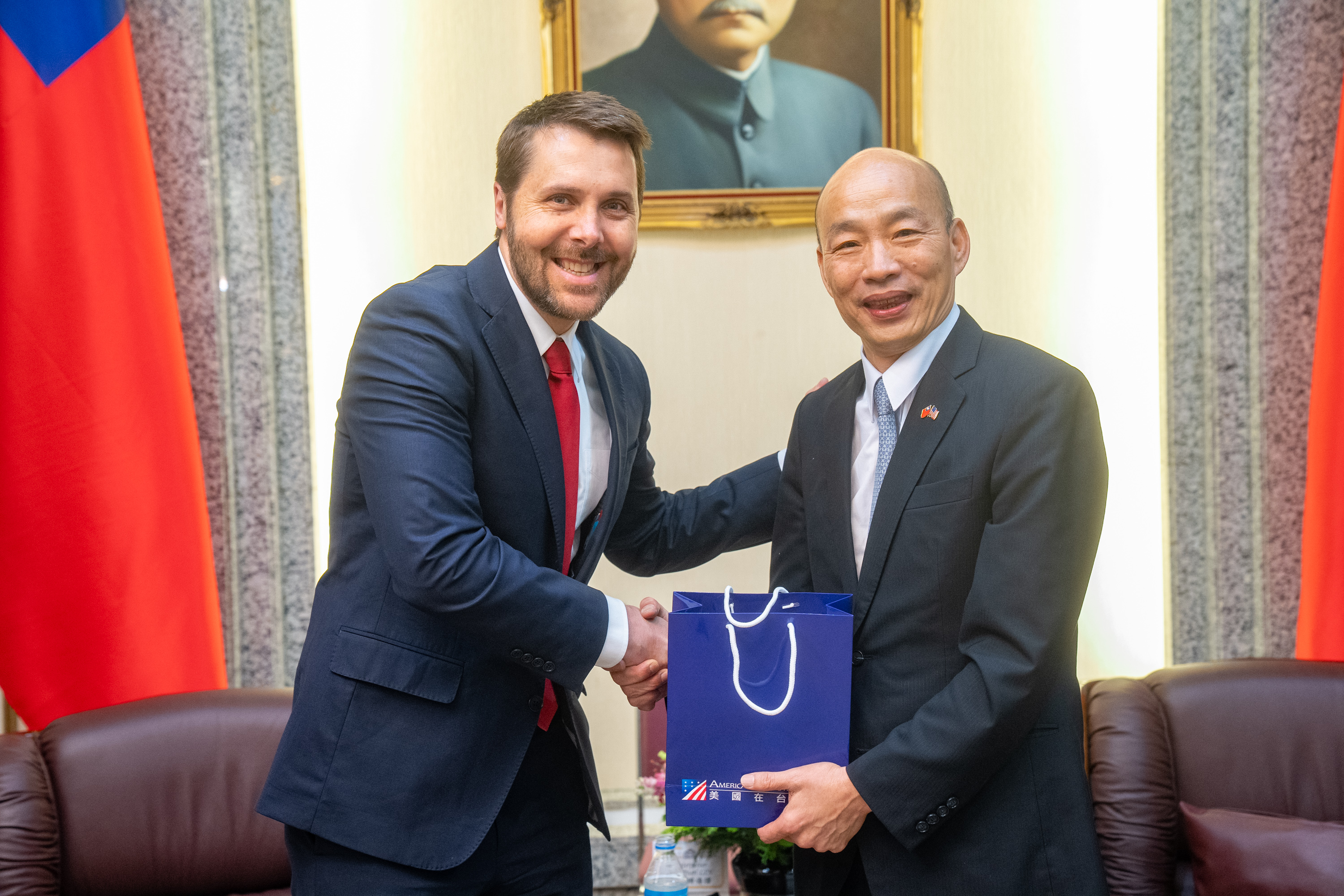
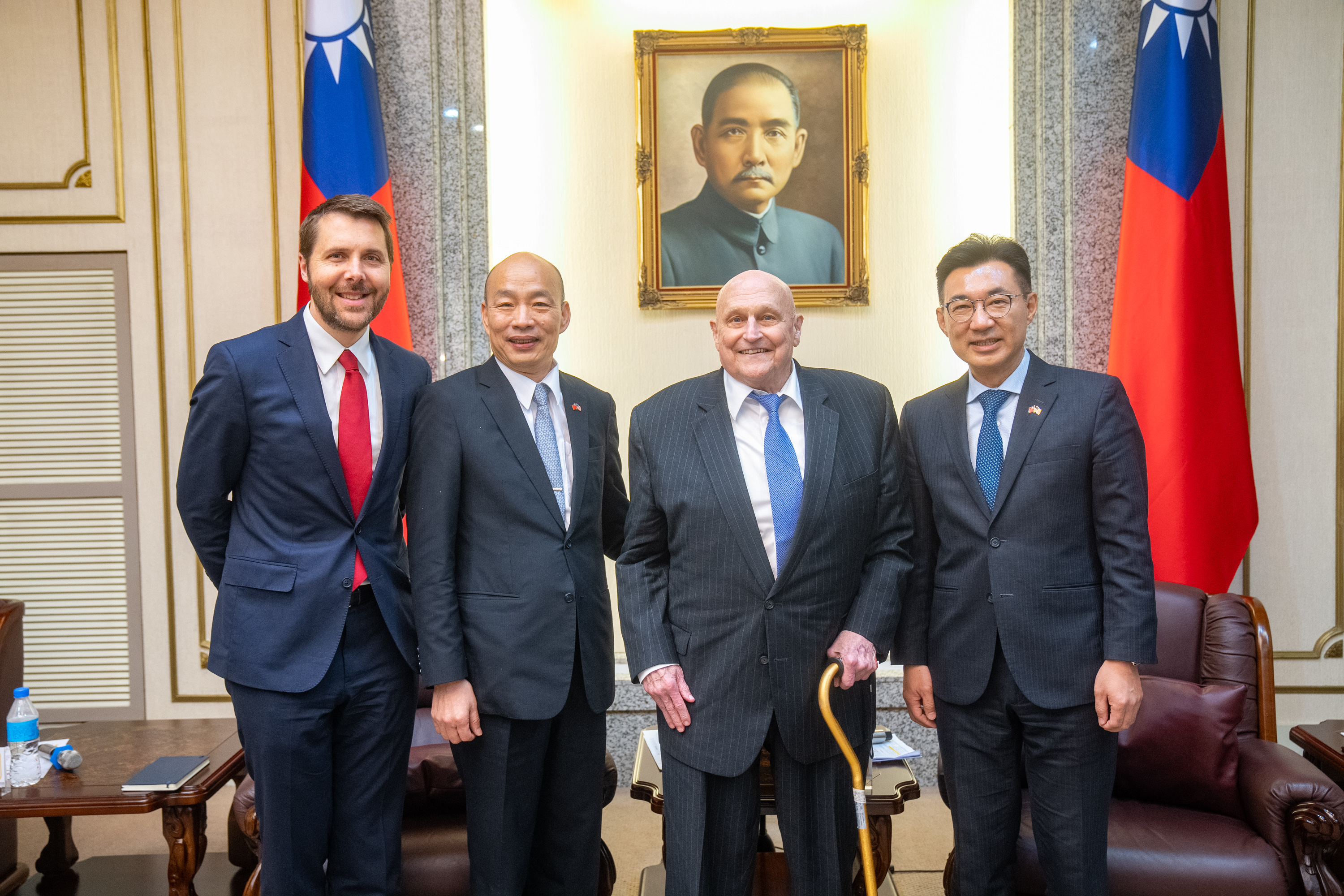
On the afternoon of May 19, President Han met US delegation to presidential inauguration accompanied by Vice Chairman Dr. Johnny C. Chiang, US Caucus Co-chair Ko, Chih-en, DPP Legislator Chuang Jui-hsiung, Vice Chair Ko, Ju-Chun, Vice Chair Chang Chi-kai, Legislator Hung Mong-kai and Legislator Chang Chia-chun, and International Affairs Department Director Kevin C.F. Lin to meet the US delegation to presidential inauguration.
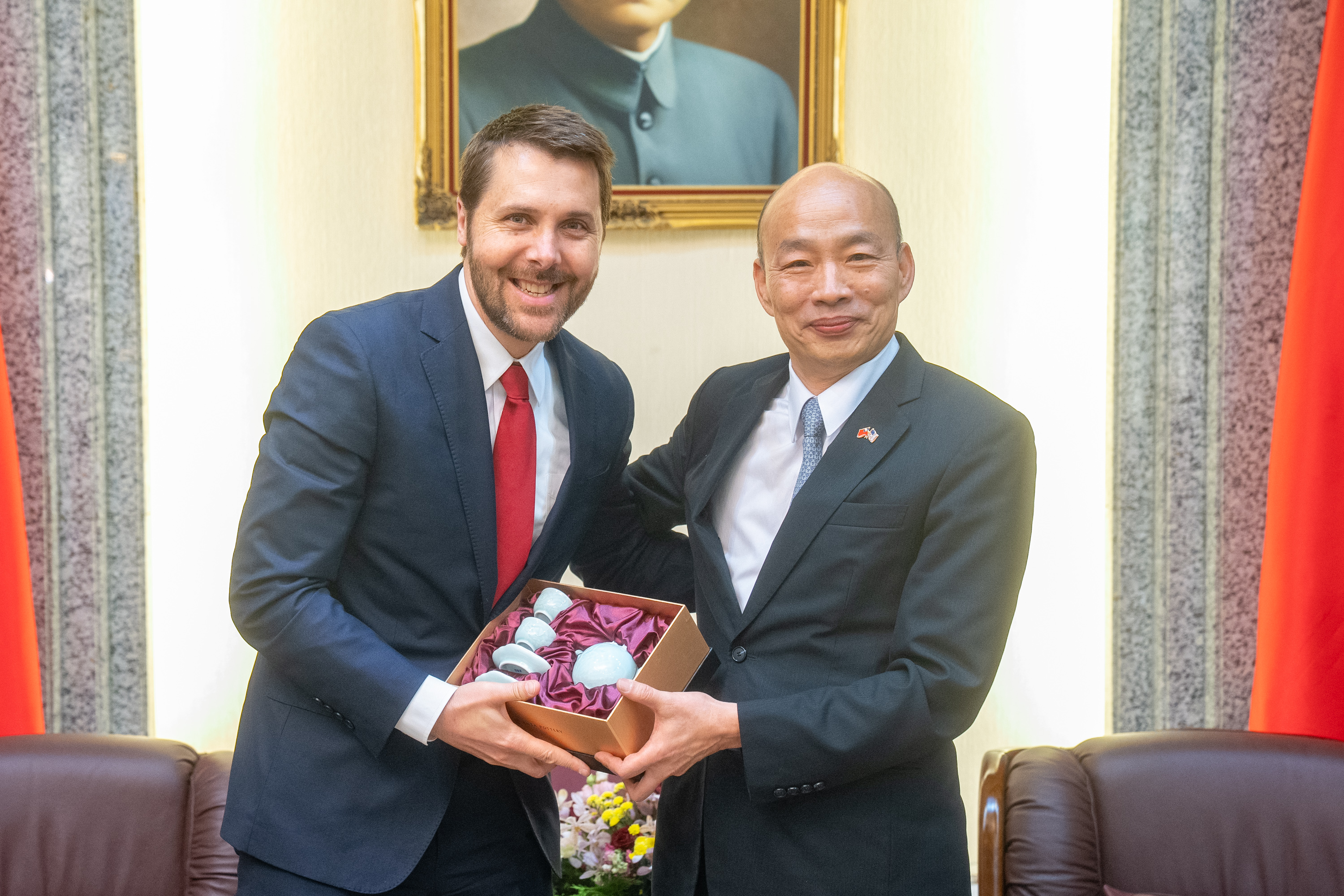
President Han first invited Vice President Chiang, legislators, US delegation, AIT Chair Laura Rosenberger, and AIT Taipei Office Director Sandra Oudkirk for group photos. He hoped that former National Economic Council Director Brian Deese Brian Deese would enjoy the warm hospitality of his first visit to Taiwan.
President Han stated that the Legislative Yuan is a unicameral system. 72 legislators out of 113 joined US Caucus. He took Harrison Ford as an example. When the audience saw the leading actor is Harrison Ford in the Indian Jones, they know the movie must be a blockbuster, showing the importance of a good cast. Similarly, the strong cast of US Caucus demonstrate Taiwan’s attachment of great importance to Taiwan-US relations.
He continued to point out that although the headlines of global major press and media cover the fierce conflicts in the Legislative Yuan the day before yesterday. However, the legislators from all political party caucus were here to welcome the delegation. They would welcome the Japanese parliamentary delegation in the afternoon together. This showed that although there were disagreements in the chamber, they shared the same goal in welcoming foreign dignitaries and on issues of national defense and foreign affairs. He concluded by saying that it is not an easy path to democracy. He hoped that through democratic debate to reach a consensus. He hoped that American friends have faith in Taiwan’s democracy and continue to provide support.
Former National Economic Council Director Brian Deese and Ambassador Richard Armitage then delivered remarks before the closed meeting. Both sides broadly exchange views on issues of defending democracy, current legislative status, and forms of communication, strengthening Taiwan-US parliamentary exchanges, implementation of Taiwan-US Initiative on 21st Century Trade, US-China-US relations and cross-strait relations. Both sides had active discussions and candid exchange of views. The meeting concluded after about 70 minutes in an amicable atmosphere and exchange of gifts. (E)