

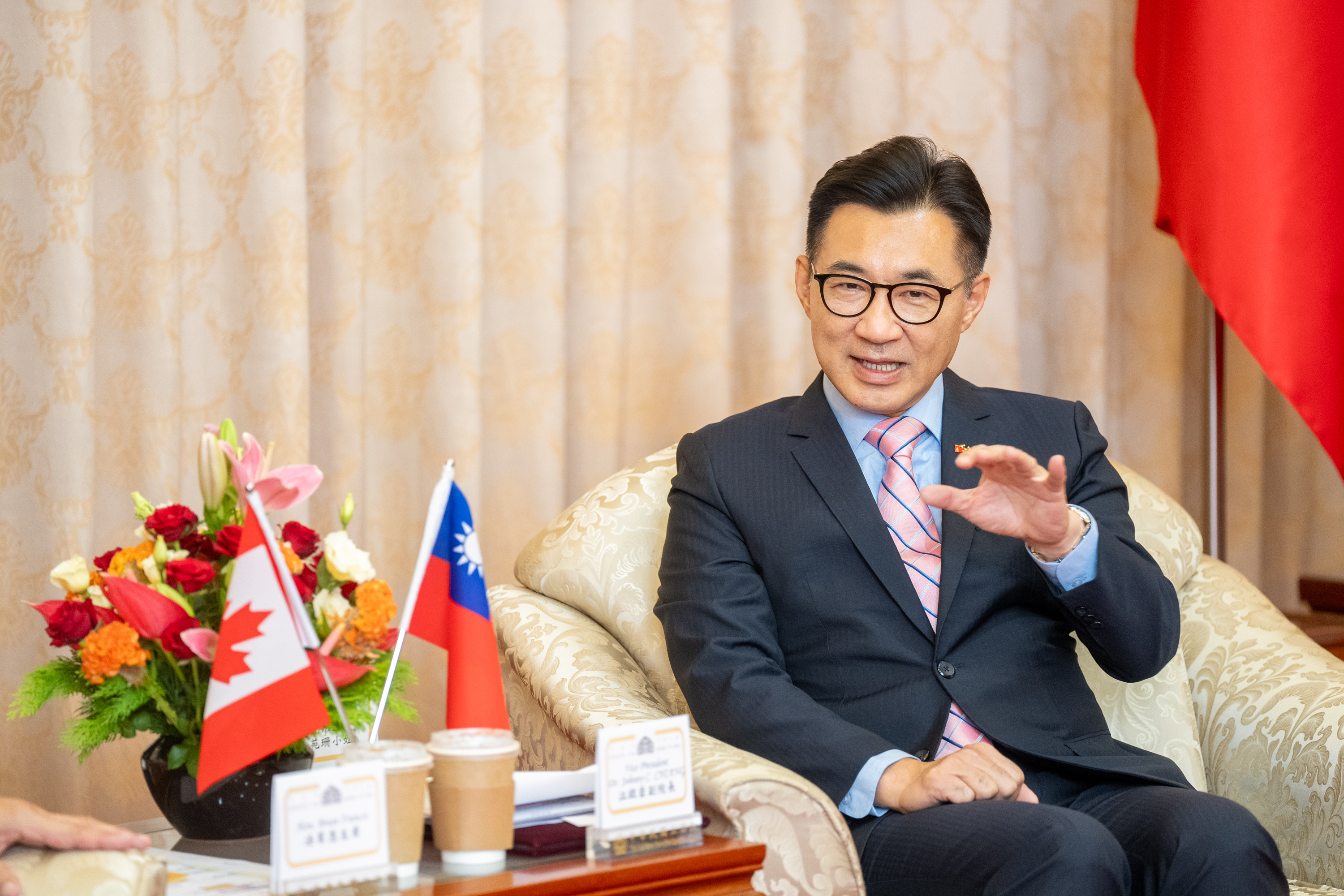
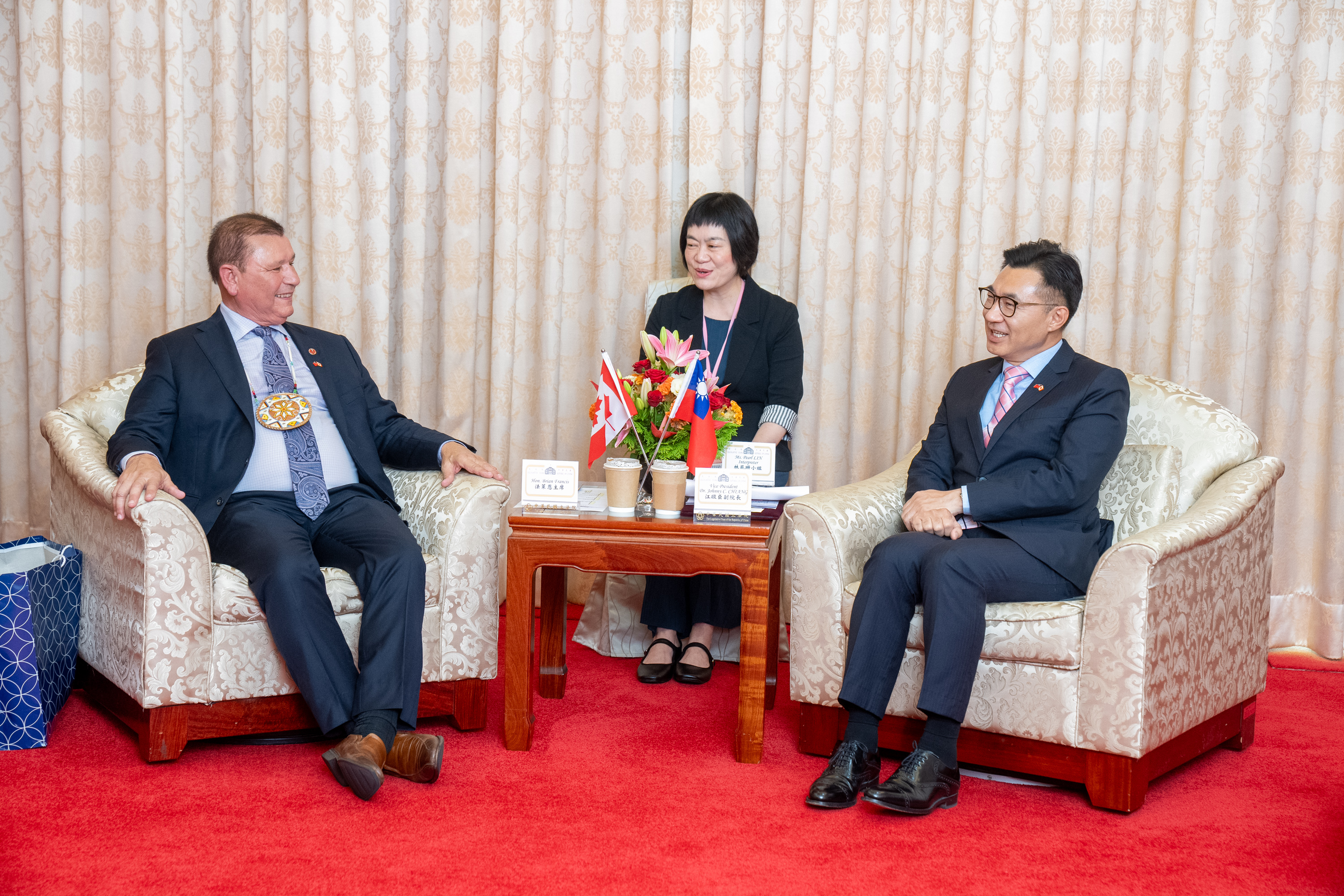
Vice President Johnny C. Chiang of the Legislative Yuan met with the Canadian Parliamentary delegation on Indigenous Affairs. Vice President Chiang: Hoping Canada will continue to support Taiwan’s participation efforts in international organizations, as both countries share diverse cultural backgrounds
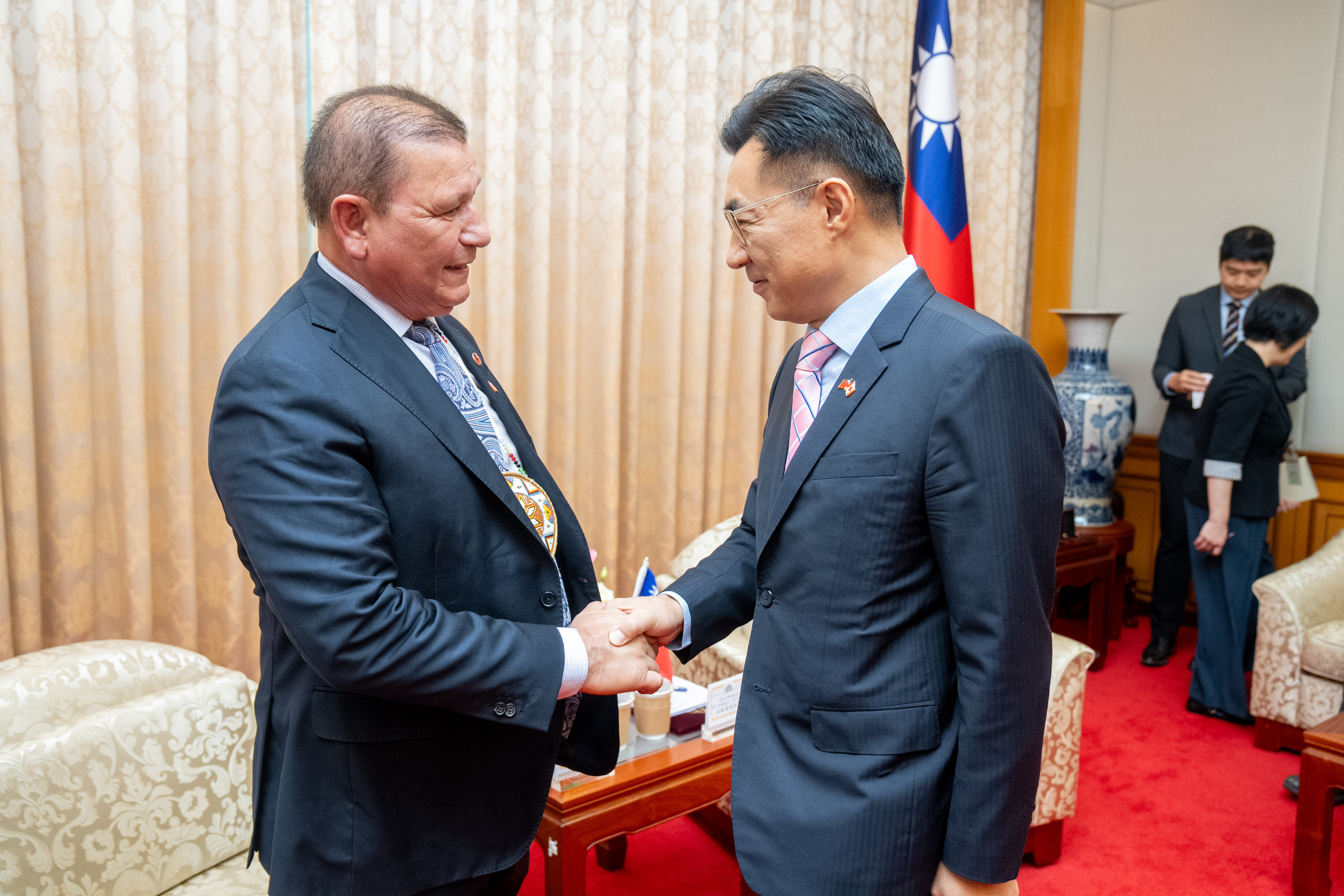
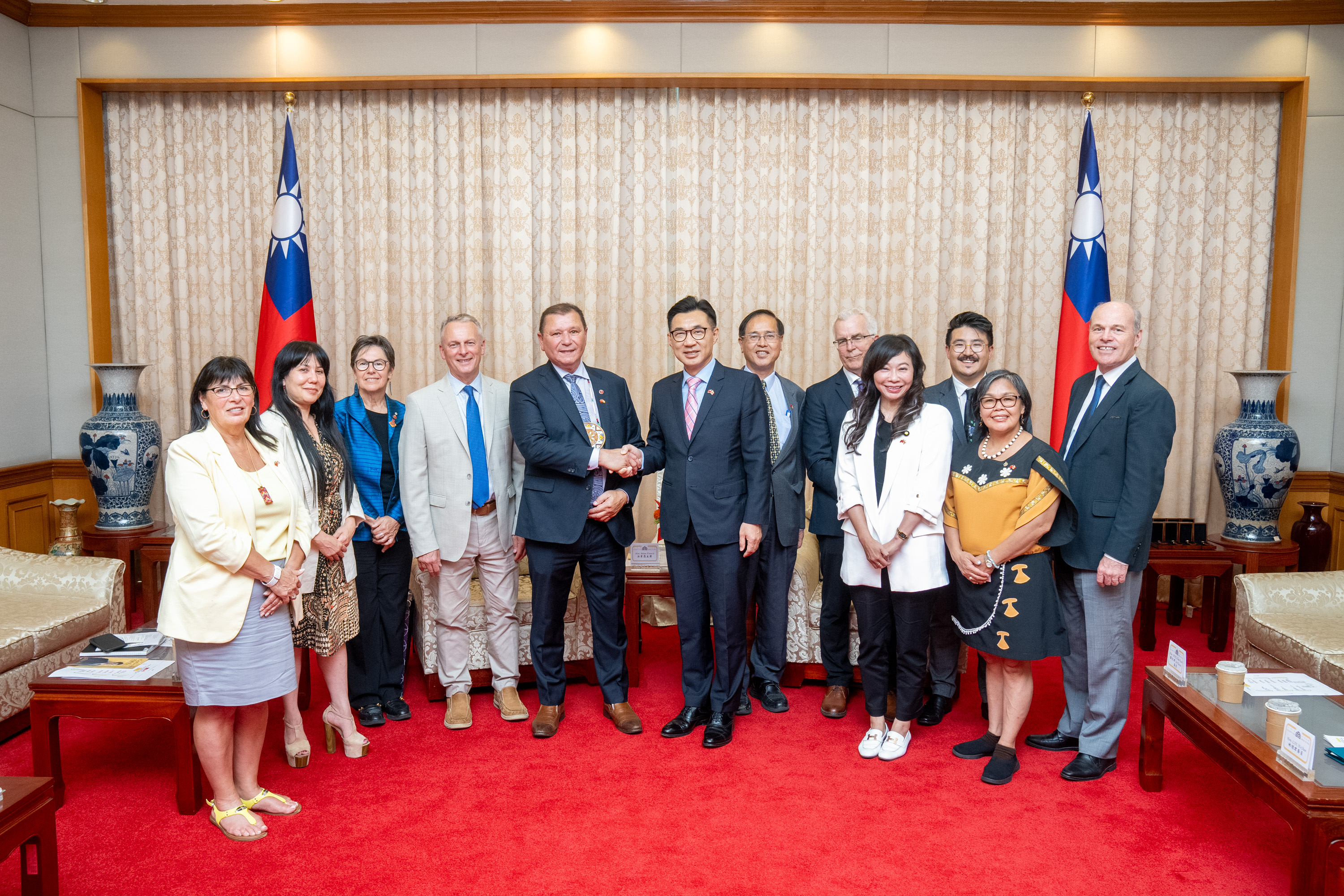
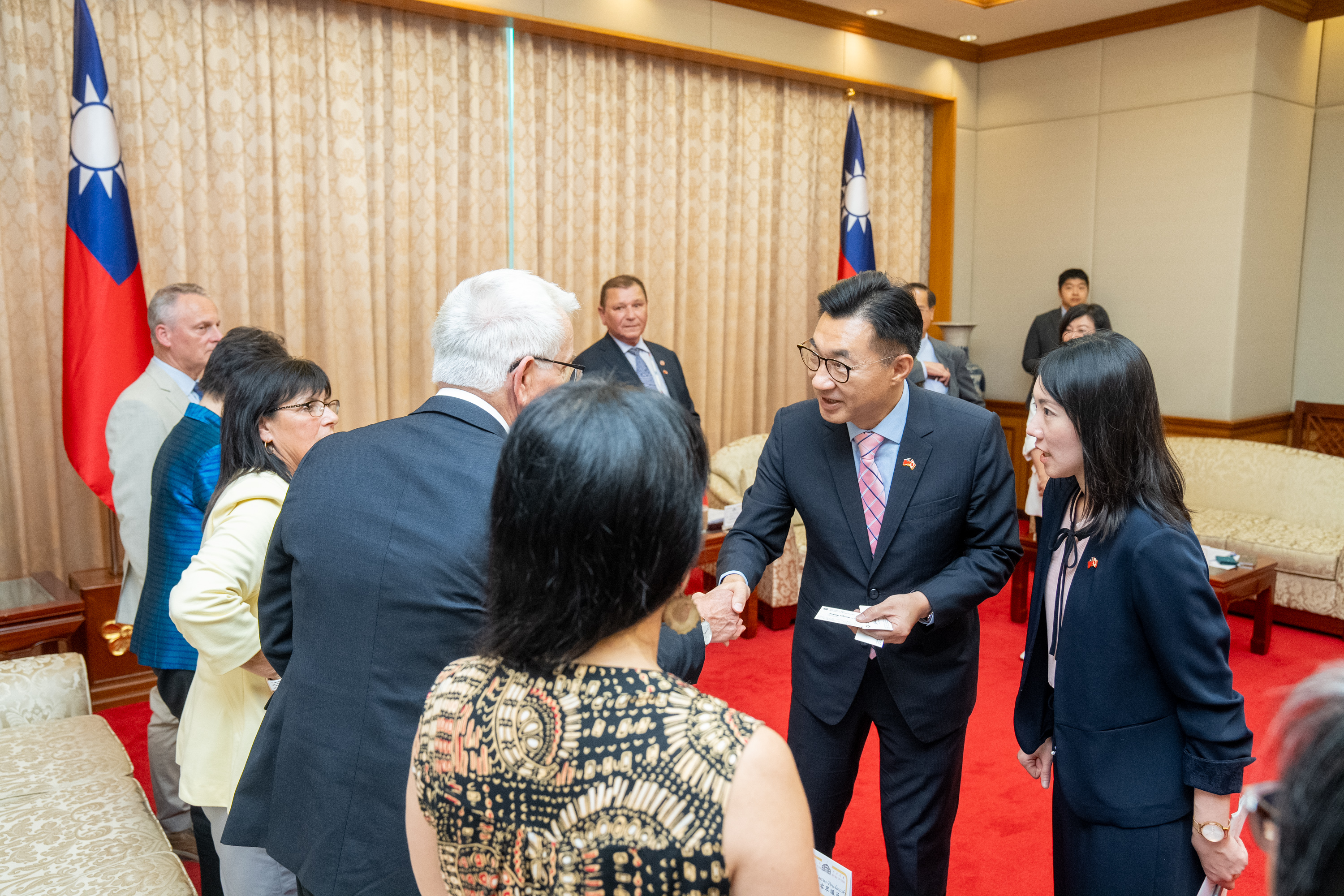
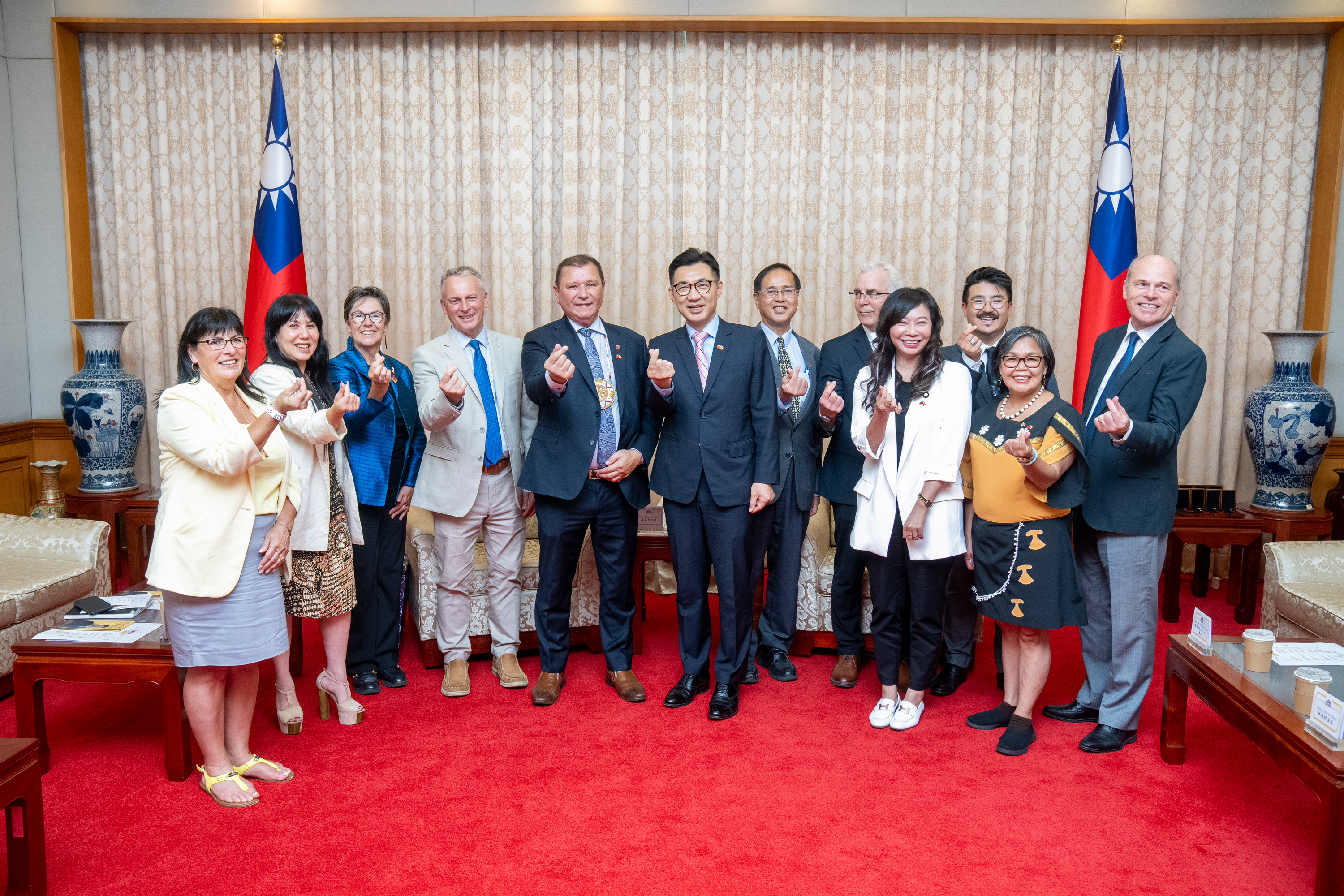
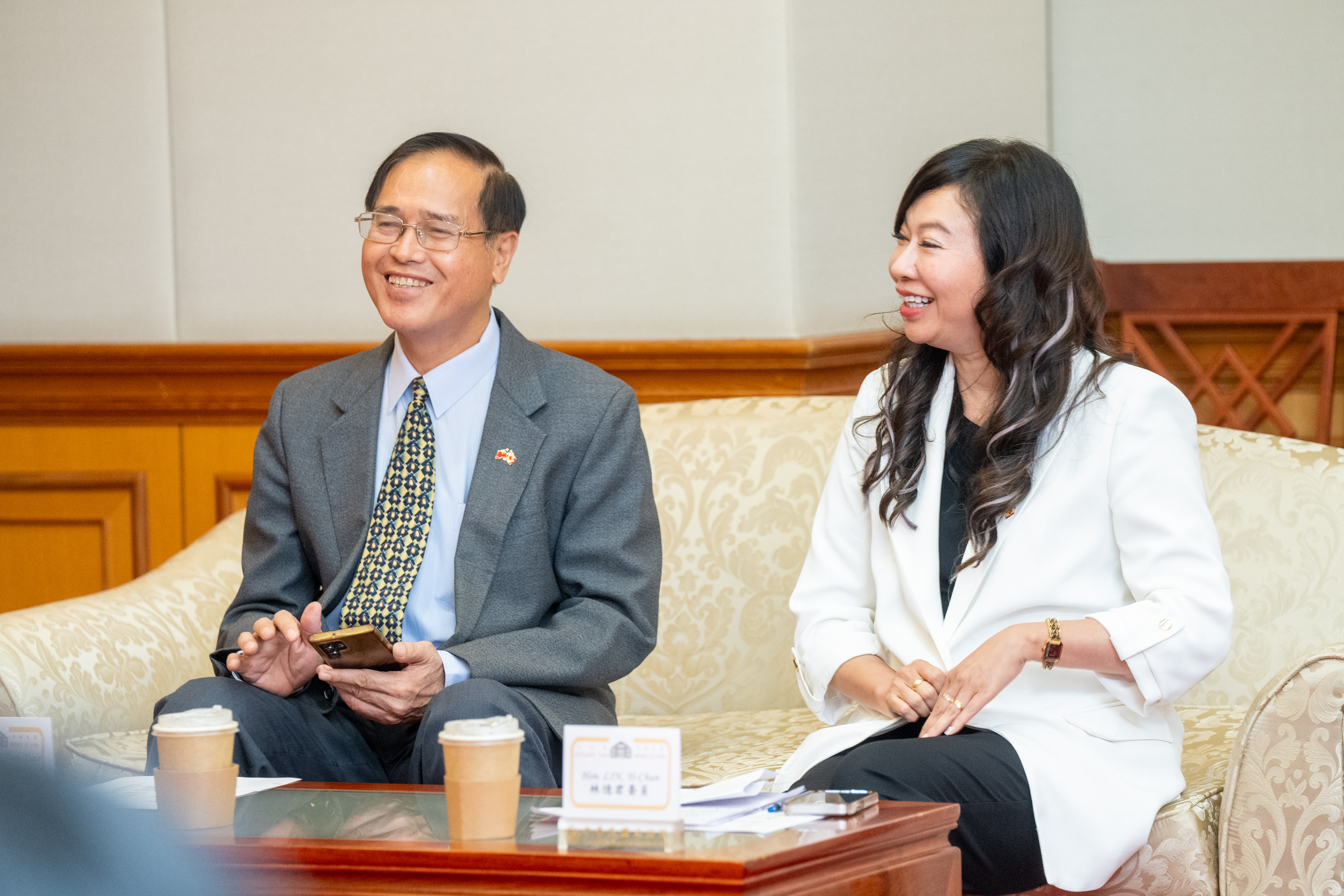
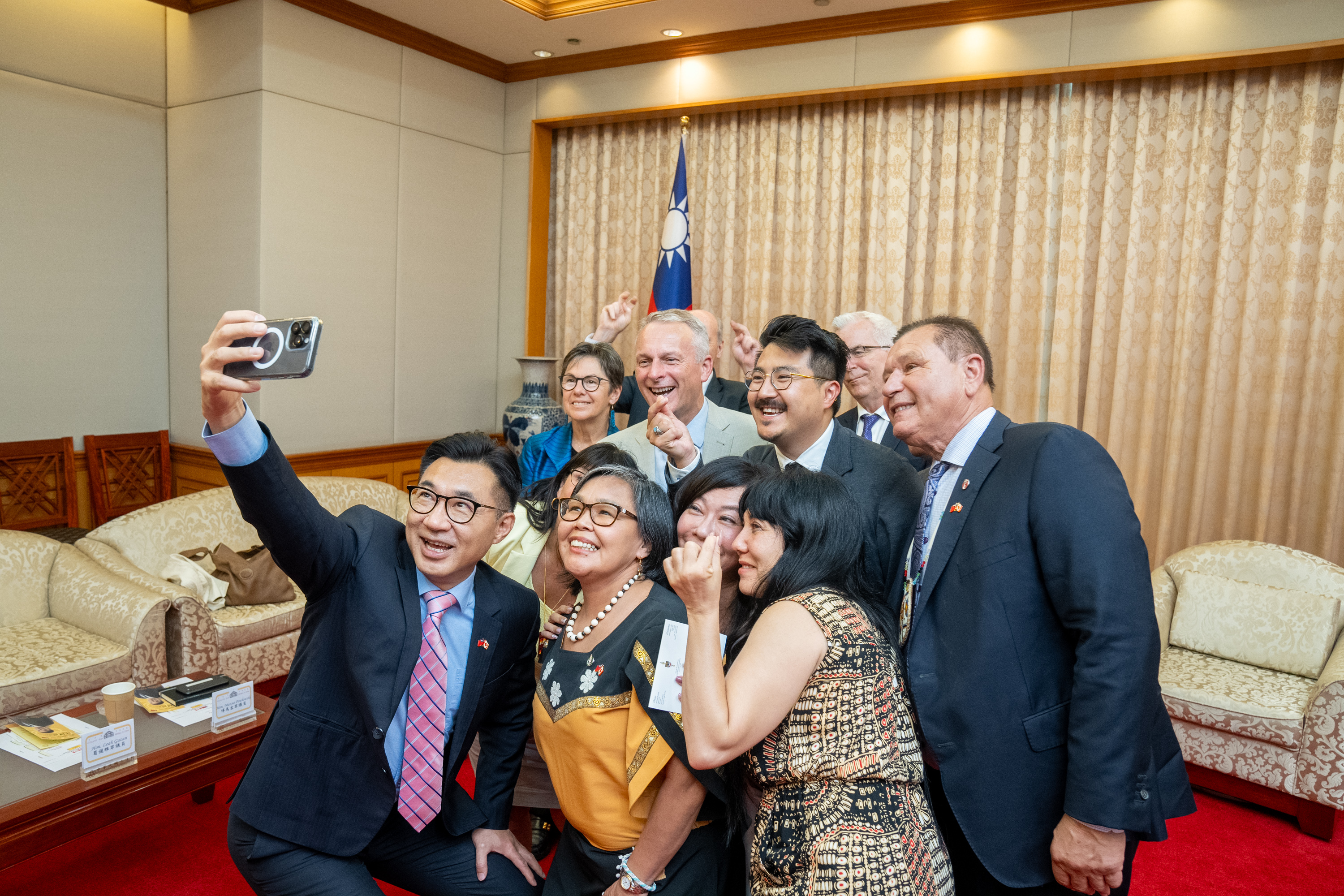
Vice President Johnny C. Chiang of the Legislative Yuan, accompanied by Kuomintang Legislator Jeng Tian-Tsair, Taiwan People's Party Legislator Lin Yi-Chun, Deputy Director of the Department of International Affairs Yang Fang-Ling, Canadian Trade Office in Taipei Representative Jim Nickel, and Taipei Economic and Cultural Office in Canada Wang Chiao-Ying met with the Canadian Parliamentary delegation on Indigenous affairs in the afternoon of July 17, 2024.
Vice President Chiang warmly welcomed to the delegation, and explained that President Daniel K.Y. Han was unable to attend due to prior engagements. That being said, on behalf of President Han and the Legislative Yuan, he warmly welcomed our friends from Canada.
Vice President Chiang indicated in his remarks that the first thing that comes to mind at the mention of Canada, is its abundant agricultural produce, magnificently expansive landscape, robust social welfare system, and cultural diversity. Though different in size, Taiwan and Canada share many similarities. For instance, both countries uphold the values of freedom and democracy, are home to many indigenous tribes, and are known for their cultural richness. Taiwan, also being a nation of immigrants and many Indigenous groups, has over 500,000 Indigenous people, with the government officially recognizing 16 tribes. Vice President Chiang mentioned that Legislator Jeng Tian-Tsair, present at the meeting, comes from the Amis tribe. He also stated that Indigenous communities in Taiwan are thought to have Austronesian roots, with their ancestors migrating from Taiwan to the Pacific and even Africa.But Taiwan and Canada embrace cultural diversity, which serves as a source of vitality for thier respective nations. This is precisely why it is important to celebrate and promote Indigenous cultures.
Vice President Chiang further noted that apart from cultural exchange activities, Canada and Taiwan also share a vital partnership in economy and trade. As the value of bilateral trade continues to reach record highs, Taiwan has become Canada’s 12th largest trading nation and Asia’s 6th largest trading partner. The complementary nature of the economic and industrial sectors of the two countries, especially through the Foreign Investment Promotion and Protection Arrangement (FIPA) signed in 2023 and the Agreement for the Avoidance of Double Taxation and the Prevention of Fiscal Evasion with respect to Taxes on Income (ADTA) signed in 2016, has laid a solid foundation for the economic and trade cooperation between the two countries. It is hoped that the bilateral economic and trade relations will continue to flourish and bear fruit in the future. Vice President Chiang shared with the visiting delegation that Taiwan and Canada are both member states of the Asia-Pacific Economic Cooperation (APEC), and Taiwan applied to join the Comprehensive and Progressive Agreement for Trans-Pacific Partnership (CPTPP) three years ago. As Canada holds the rotating chairmanship of the CPTPP this year, he hoped that Canada can assist Taiwan in joining the CPTPP. He also thanked Canada for its support and assistance in Taiwan's participation in international organizations, including the World Health Organization (WHO) and the International Civil Aviation Organization (ICAO).
During the meeting, Chair of the Standing Senate Committee on Indigenous Peoples Brian Francis, first acknowledged the warm reception of Vice President Chiang and members of the different party caucuses with gratitude. He indicated that there are 647 Indigenous tribes in Canada, which is very similar to Taiwan’s own Indigenous demographics. He also mentioned his wish for more exchanges and partnerships between the two countries. Senator David Wells said Taiwan and Canada have a long history of cultural and economic cooperation, while upholding the same values of democracy and freedom. He also mentioned he has visited Taiwan many times, and he has plans to make more trips in times to come. Member of Parliament Marcus Powlowski and Vice President Chiang exchanged views on several issues, such as the difficulties that traditional political parties encounter when shifting to a democratic system and whether China can pivot toward a more democratic system. Member of Parliament Blake Desjarlais, Senator Judy White, Member of Parliament Lori Idlout, and Member of Parliament Leah Gazan, on the other hand, expressed interest on topics such as the challenges faced by Indigenous legislators in parliament, choosing which issues to prioritize, and how to strike a balance between native customs and laws of modern society.
In response, Legislator Jeng Tian-Tsair recalled the time, back in 1999, when he co-hosted an exhibition of Canadian Indigenous artifacts with the Canadian Trade Office in Taipei while serving as the director of the Council of Indigenous Peoples, Executive Yuan. He also arranged a visit for the chairman of the Council of Indigenous Peoples to visit Canada in 2000. He thanked the assistance of the Canadian government and said he had learned a great deal from Canada's policies on Indigenous peoples. This helped his subsequent policy position of the Indigenous Peoples’ Basic Law in 2005. In addition, according to the Constitution, six out of 113 seats are reserved for Indigenous peoples, and the primary task for Indigenous legislators is to formulate bills to protect the rights and interests of Indigenous peoples. Four bills related to Indigenous peoples have been passed in this session, including the Name Act, the Logging Ban Compensation for Lands Reserved for Indigenous Peoples Act, the Local Government Act, and the Marine Conservation Act. Active communication is required in the promotion of the bills, and it is necessary to listen to the needs of constituents in order to form a policy direction.
Legislator Lin Yi-Chun, in her remarks, mentioned her constituency is situated in Hualien, in the eastern part of Taiwan. She said that she believes it is of great importance to preserve the tribal elements of Indigenous peoples since Hualien has a significant population of Indigenous peoples and a vibrant Indigenous heritage. Legislator Lin noticed that all the visitors were wearing special symbolic totem ornaments and said she was delighted and fascinated with the display of diverse cultures. She invited the delegation members to visit Hualien, where the Harvest Festival was taking place. She has faith that the rituals and ceremonies will surely impress those who pay a visit.
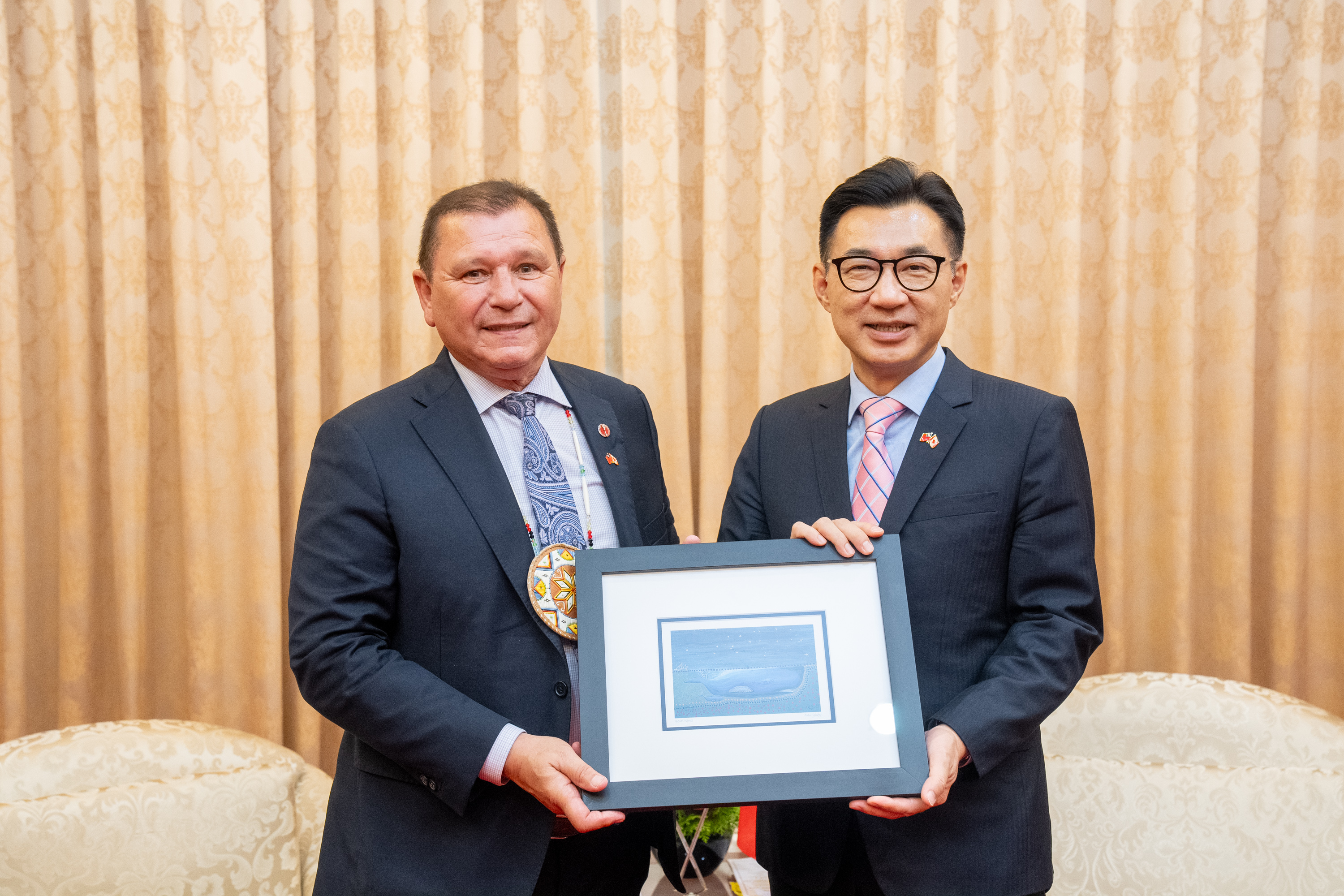
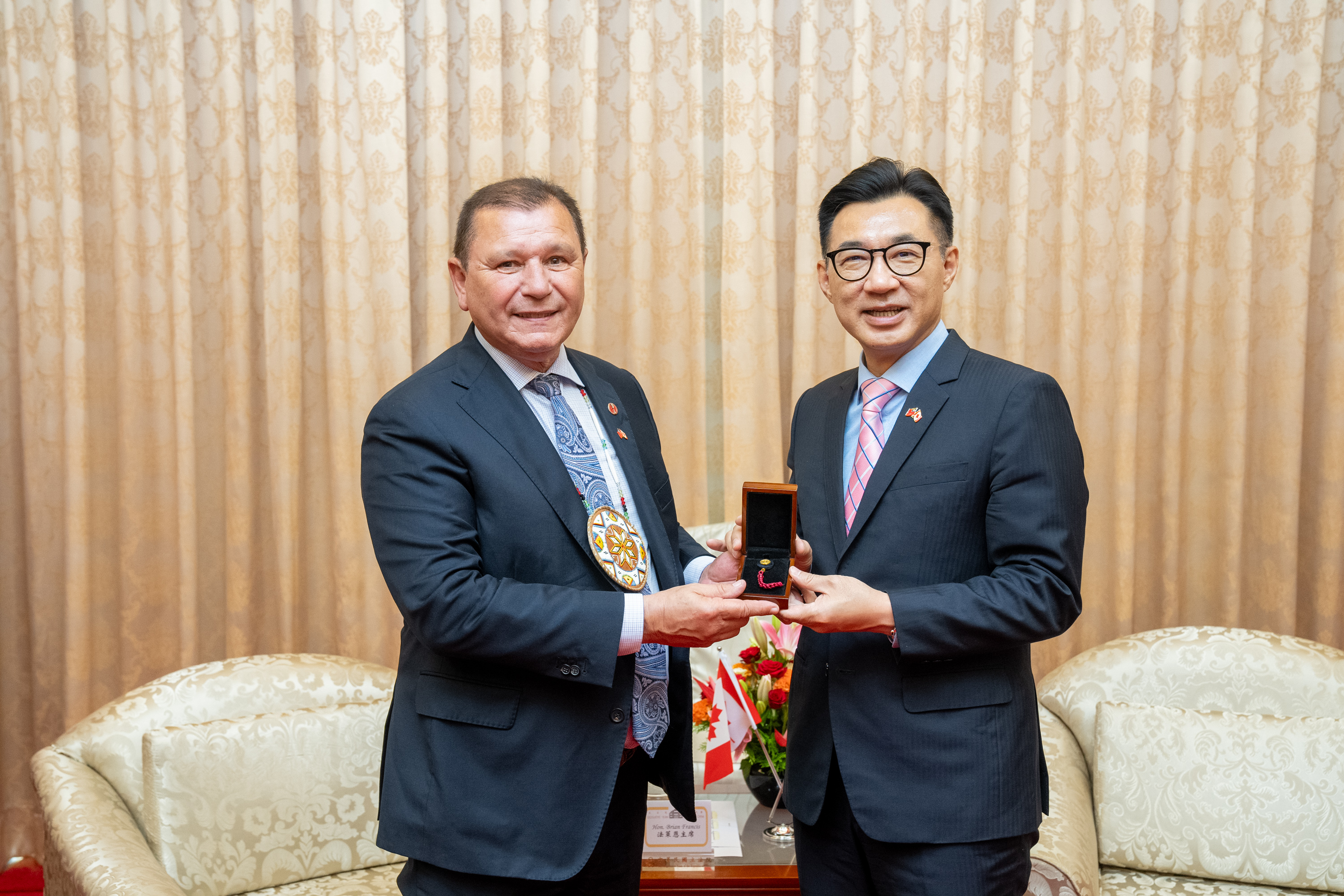
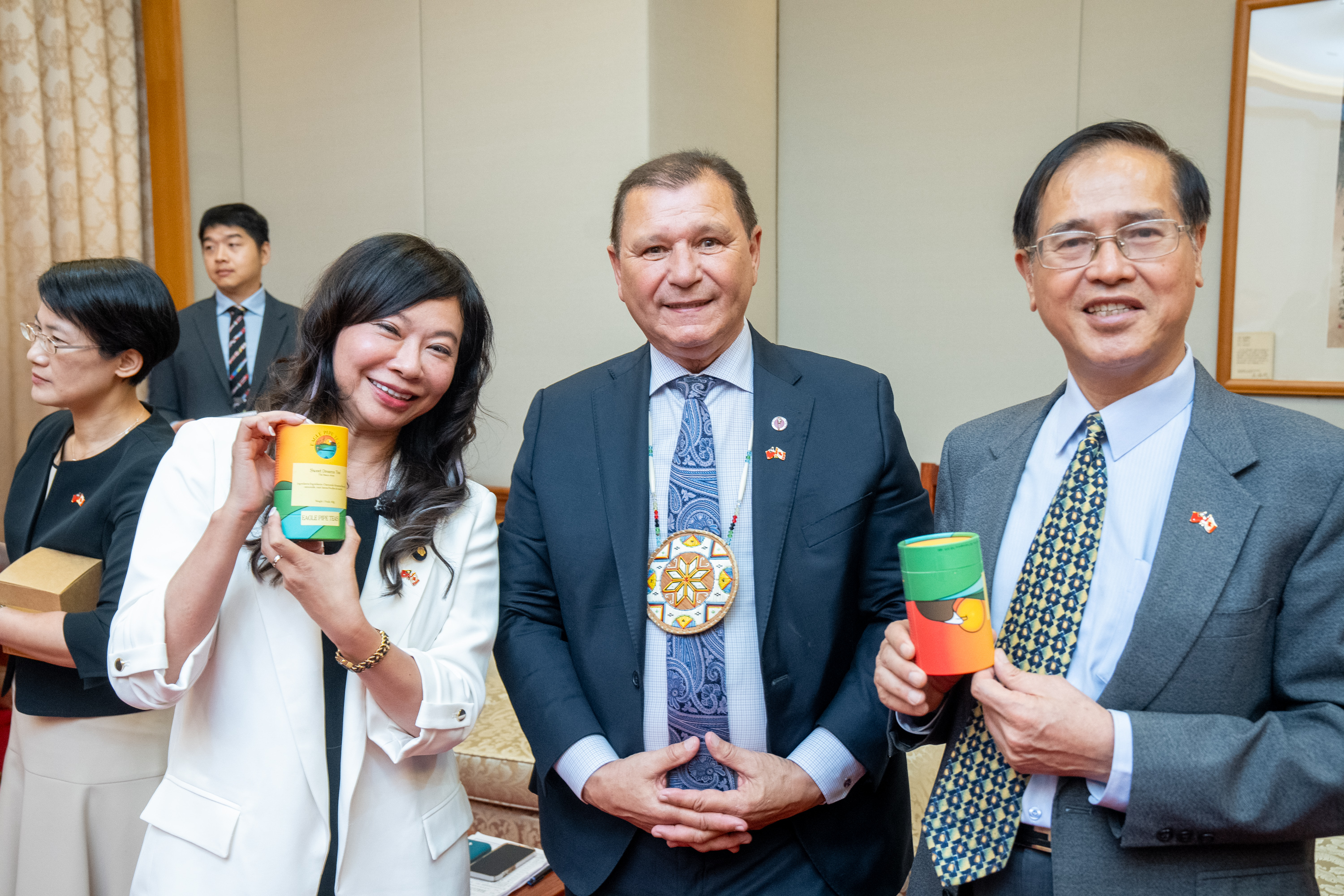
The meeting lasted approximately one hour, and both parties enjoyed the warm and friendly discussion, with an exchange of souvenirs marking the successful end to the meeting.
Note: List of Guests
1. Brian Francis, Chair of the Standing Senate Committee on Indigenous Peoples, Senate of Canada
2. David Wells, Caucus Chair of the Conservative Party, Senate of Canada
3. Kim Pate, Member of Senate of Canada
4. Judy White, Member of Senate of Canada
5. Marcus Powlowski, Member of Parliament, House of Commons of Canada
6. Leah Gazan, Member of Parliament, House of Commons of Canada
7. Lori Idlout, Member of Parliament, House of Commons of Canada
8. Blake Desjarlais, Member of Parliament, House of Commons of Canada
Vice President Chiang warmly welcomed to the delegation, and explained that President Daniel K.Y. Han was unable to attend due to prior engagements. That being said, on behalf of President Han and the Legislative Yuan, he warmly welcomed our friends from Canada.
Vice President Chiang indicated in his remarks that the first thing that comes to mind at the mention of Canada, is its abundant agricultural produce, magnificently expansive landscape, robust social welfare system, and cultural diversity. Though different in size, Taiwan and Canada share many similarities. For instance, both countries uphold the values of freedom and democracy, are home to many indigenous tribes, and are known for their cultural richness. Taiwan, also being a nation of immigrants and many Indigenous groups, has over 500,000 Indigenous people, with the government officially recognizing 16 tribes. Vice President Chiang mentioned that Legislator Jeng Tian-Tsair, present at the meeting, comes from the Amis tribe. He also stated that Indigenous communities in Taiwan are thought to have Austronesian roots, with their ancestors migrating from Taiwan to the Pacific and even Africa.But Taiwan and Canada embrace cultural diversity, which serves as a source of vitality for thier respective nations. This is precisely why it is important to celebrate and promote Indigenous cultures.
Vice President Chiang further noted that apart from cultural exchange activities, Canada and Taiwan also share a vital partnership in economy and trade. As the value of bilateral trade continues to reach record highs, Taiwan has become Canada’s 12th largest trading nation and Asia’s 6th largest trading partner. The complementary nature of the economic and industrial sectors of the two countries, especially through the Foreign Investment Promotion and Protection Arrangement (FIPA) signed in 2023 and the Agreement for the Avoidance of Double Taxation and the Prevention of Fiscal Evasion with respect to Taxes on Income (ADTA) signed in 2016, has laid a solid foundation for the economic and trade cooperation between the two countries. It is hoped that the bilateral economic and trade relations will continue to flourish and bear fruit in the future. Vice President Chiang shared with the visiting delegation that Taiwan and Canada are both member states of the Asia-Pacific Economic Cooperation (APEC), and Taiwan applied to join the Comprehensive and Progressive Agreement for Trans-Pacific Partnership (CPTPP) three years ago. As Canada holds the rotating chairmanship of the CPTPP this year, he hoped that Canada can assist Taiwan in joining the CPTPP. He also thanked Canada for its support and assistance in Taiwan's participation in international organizations, including the World Health Organization (WHO) and the International Civil Aviation Organization (ICAO).
During the meeting, Chair of the Standing Senate Committee on Indigenous Peoples Brian Francis, first acknowledged the warm reception of Vice President Chiang and members of the different party caucuses with gratitude. He indicated that there are 647 Indigenous tribes in Canada, which is very similar to Taiwan’s own Indigenous demographics. He also mentioned his wish for more exchanges and partnerships between the two countries. Senator David Wells said Taiwan and Canada have a long history of cultural and economic cooperation, while upholding the same values of democracy and freedom. He also mentioned he has visited Taiwan many times, and he has plans to make more trips in times to come. Member of Parliament Marcus Powlowski and Vice President Chiang exchanged views on several issues, such as the difficulties that traditional political parties encounter when shifting to a democratic system and whether China can pivot toward a more democratic system. Member of Parliament Blake Desjarlais, Senator Judy White, Member of Parliament Lori Idlout, and Member of Parliament Leah Gazan, on the other hand, expressed interest on topics such as the challenges faced by Indigenous legislators in parliament, choosing which issues to prioritize, and how to strike a balance between native customs and laws of modern society.
In response, Legislator Jeng Tian-Tsair recalled the time, back in 1999, when he co-hosted an exhibition of Canadian Indigenous artifacts with the Canadian Trade Office in Taipei while serving as the director of the Council of Indigenous Peoples, Executive Yuan. He also arranged a visit for the chairman of the Council of Indigenous Peoples to visit Canada in 2000. He thanked the assistance of the Canadian government and said he had learned a great deal from Canada's policies on Indigenous peoples. This helped his subsequent policy position of the Indigenous Peoples’ Basic Law in 2005. In addition, according to the Constitution, six out of 113 seats are reserved for Indigenous peoples, and the primary task for Indigenous legislators is to formulate bills to protect the rights and interests of Indigenous peoples. Four bills related to Indigenous peoples have been passed in this session, including the Name Act, the Logging Ban Compensation for Lands Reserved for Indigenous Peoples Act, the Local Government Act, and the Marine Conservation Act. Active communication is required in the promotion of the bills, and it is necessary to listen to the needs of constituents in order to form a policy direction.
Legislator Lin Yi-Chun, in her remarks, mentioned her constituency is situated in Hualien, in the eastern part of Taiwan. She said that she believes it is of great importance to preserve the tribal elements of Indigenous peoples since Hualien has a significant population of Indigenous peoples and a vibrant Indigenous heritage. Legislator Lin noticed that all the visitors were wearing special symbolic totem ornaments and said she was delighted and fascinated with the display of diverse cultures. She invited the delegation members to visit Hualien, where the Harvest Festival was taking place. She has faith that the rituals and ceremonies will surely impress those who pay a visit.
The meeting lasted approximately one hour, and both parties enjoyed the warm and friendly discussion, with an exchange of souvenirs marking the successful end to the meeting.
Note: List of Guests
1. Brian Francis, Chair of the Standing Senate Committee on Indigenous Peoples, Senate of Canada
2. David Wells, Caucus Chair of the Conservative Party, Senate of Canada
3. Kim Pate, Member of Senate of Canada
4. Judy White, Member of Senate of Canada
5. Marcus Powlowski, Member of Parliament, House of Commons of Canada
6. Leah Gazan, Member of Parliament, House of Commons of Canada
7. Lori Idlout, Member of Parliament, House of Commons of Canada
8. Blake Desjarlais, Member of Parliament, House of Commons of Canada