

Taiwan-Japan parliamentary members host first ever friendly soccer match in 2024. Vice President Johnny C. Chiang: A historic milestone in legislative sports diplomacy; Taiwan and Japan parliamentarians strengthen bonds through shared efforts
On the afternoon of August 3, Legislative Yuan Vice President Johnny C. Chiang, along with 12 cross-party legislators, including KMT Legislators Hung Mong-Kai, Yang Chiung-Ying, Chen Yu-Jen, Lo Chih-Chiang, and Huang Chien-Pin; DPP Legislators Chuang Jui-Hsiung, Chiu Chih-Wei, Huang Shiou-Fang, Lai Hui-Yuan, and Kuo Yu-Ching; and Taiwan People’s Party Legislator Chang Chi-Kai, gathered at the multi-purpose stadium of Resonac Dome Ōita in Ōita Prefecture, Japan, where the 2002 World Cup was held. They participated in the first-ever Taiwan-Japan Parliamentary Members Friendly Soccer Match alongside nine cross-party Japanese parliamentarians from the Japan-Taiwan Friendship Association, including member of the Japanese House of Representatives Seishirō Etō.
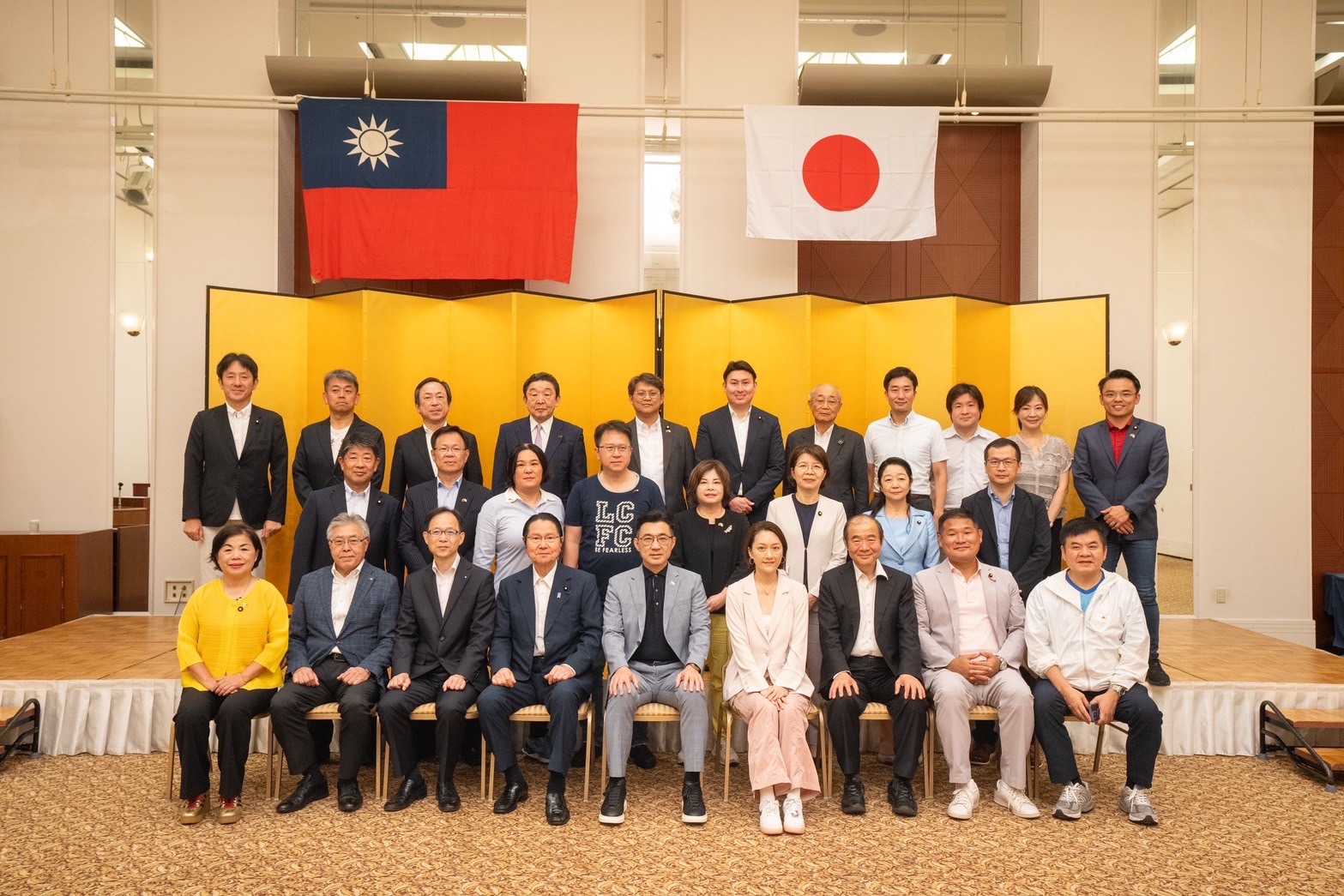
Before the match, both teams gathered at the center of the field for a group photo. As the national flags of Taiwan and Japan appeared on the big screen, the national anthems of the Republic of China (Taiwan) and Japan were played in succession. Afterward, Representative Seishirō Etō warmly welcomed Vice President Chiang and the delegation as the host, expressing his gratitude to the cross-party legislators from the Legislative Yuan for their special visit to Japan to participate in the Taiwan-Japan Parliamentary Members Friendly Soccer Match. He further emphasized that Taiwan and Japan are both Asian nations committed to upholding freedom, democracy, and the rule of law. Noting that the match was being held at a venue used for the 2002 FIFA World Cup, he expressed his hope that this match in such professional venue would mark a new chapter in the friendly exchanges between Taiwan and Japan. Governor Kiichiro Sato of Ōita Prefecture personally welcomed the Legislative Yuan delegation, while the soccer team coach and team members of the Nippon Bunri University in Ōita joined the event to engage with the delegation, further demonstrating the importance Japan places on Taiwan.
During his speech, Vice President Chiang first expressed his sincere gratitude to Representative Seishirō Etō, Governor Sato, and the Japanese cross-party parliamentarians for their thoughtful arrangements, which ensured the smooth conduct of today's meaningful friendly match. As a world-renowned football powerhouse, Japan saw a surge in domestic enthusiasm for the sport in the 1990s and successfully entered the FIFA World Cup within less than a decade, illustrating the deep passion of the Japanese people for football. This visit marks the first instance of sports diplomacy by Taiwan's Legislative Yuan through an international sports competition. The friendly match not only facilitated exchanges among parliamentarians but also served as an opportunity to learn from Japanese parliamentarians and their valuable experience in sports development. Upon returning, specific recommendations will be proposed to the relevant Taiwanese authorities to further advance the diversification and professionalization of Taiwan's sports sector.
Vice President Chiang continued to state that "sports reflect national strength" is a consensus across party lines. Sports not only enhance public health but also stimulate the national economy. At the same time, the 2024 Summer Olympics are in full swing in Paris, France. The spirit of the Olympics is "to promote sports exchanges among nations through fair competition, enhancing mutual harmony and peace." Moreover, the top ten medal-winning countries in each Olympics almost always correspond to the top ten countries in global GDP rankings, which strongly validates the notion that "sports reflect national strength." He expressed his hope that all countries may strive to enhance international sports exchanges, as this could help reduce disputes and regional tensions among nations.
Vice President Chiang concluded by expressing his hope that the sweat shed by both nations' parliamentarians on the field today will help nourish and deepen the friendship between the Taiwanese and Japanese legislatures. He also believes that the true winner of today's match will be the friendship between Taiwan and Japan. Furthermore, he expressed his desire for this match to serve as a starting point for future regular sports exchanges between Taiwan and Japan across various sectors. He also mentioned that the Taichung International Soccer Stadium is scheduled for completion by the end of 2025, and he extended a warm invitation to Japanese parliamentarians and sports professionals to visit Taiwan for exchanges in football, baseball, and basketball events.
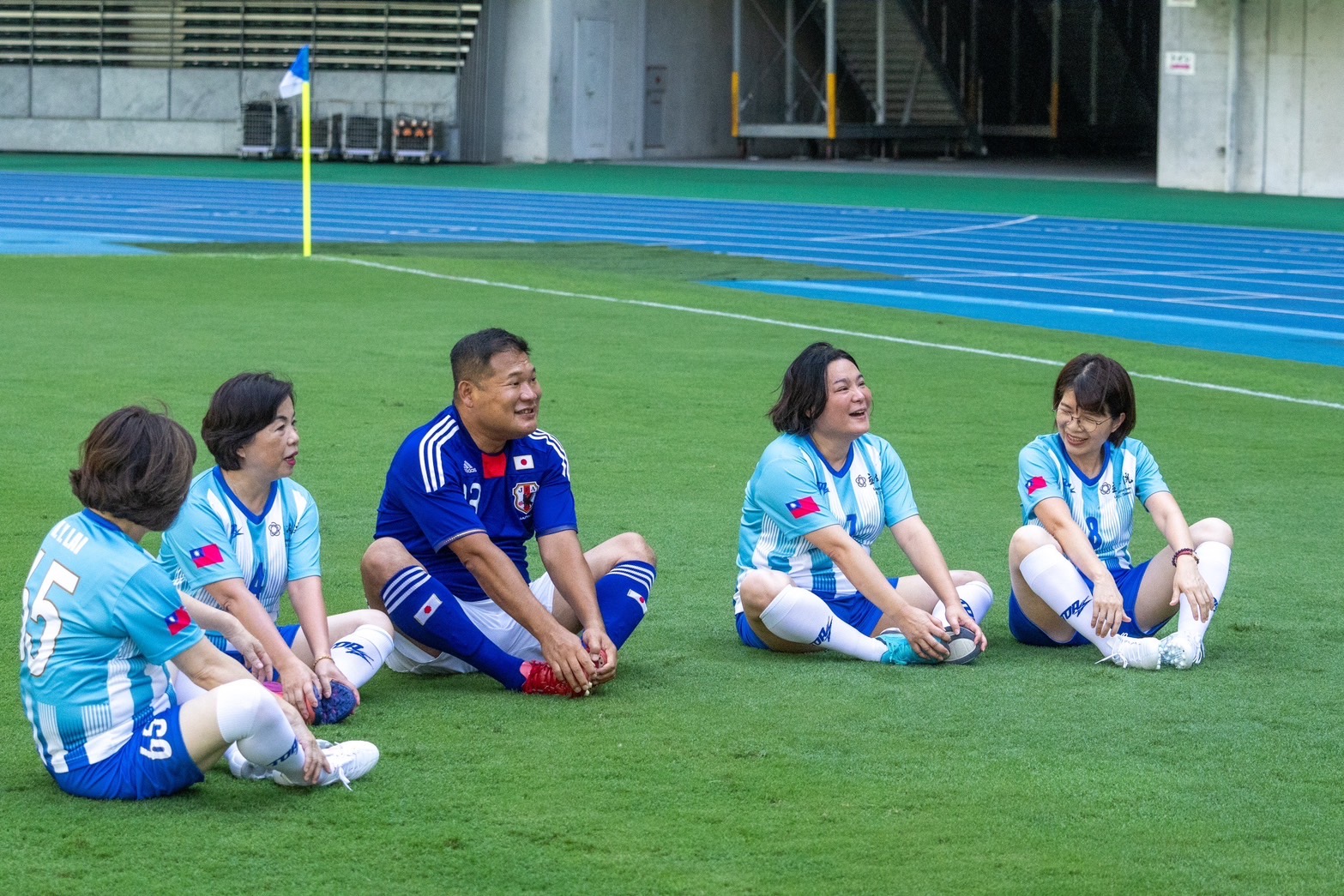
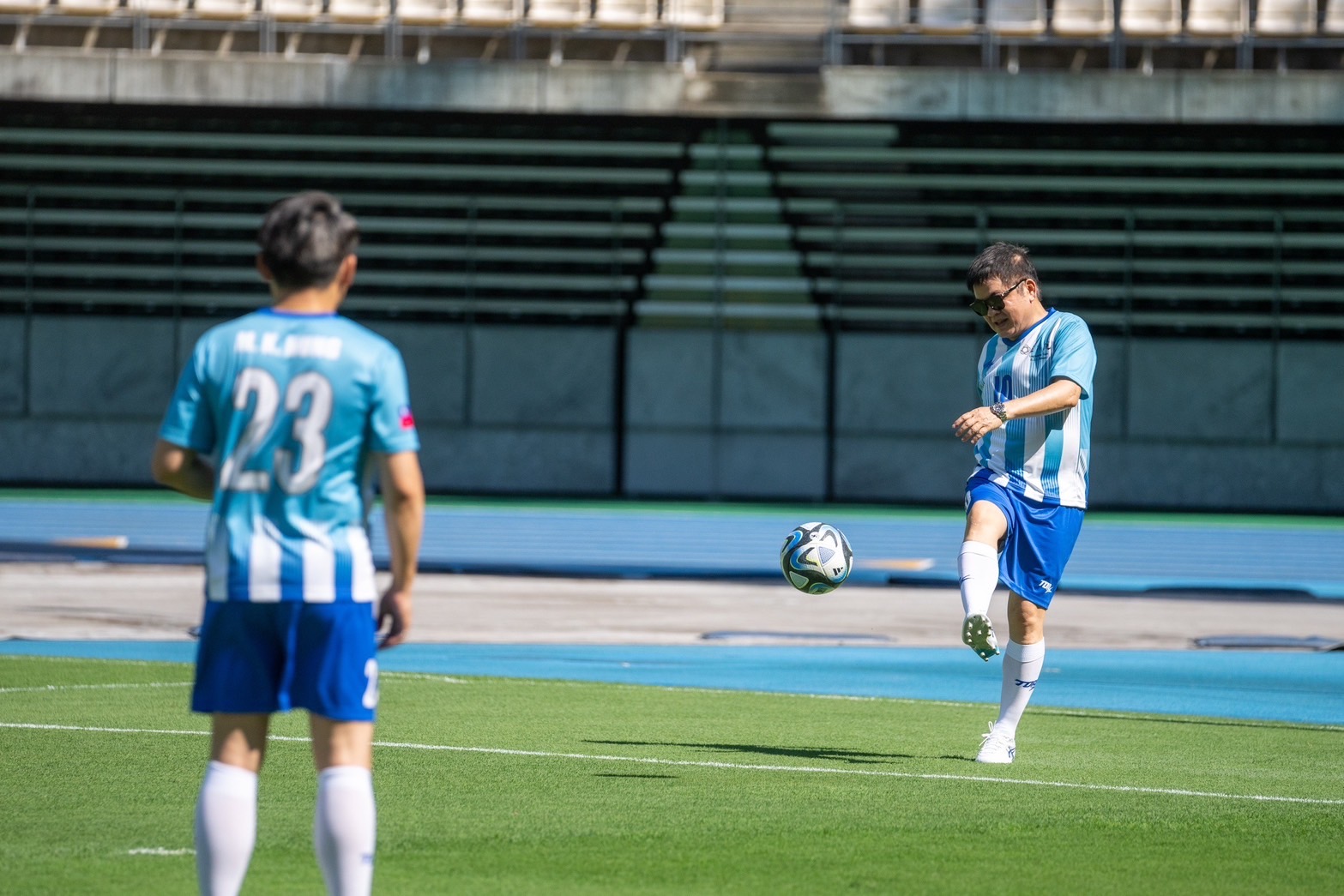
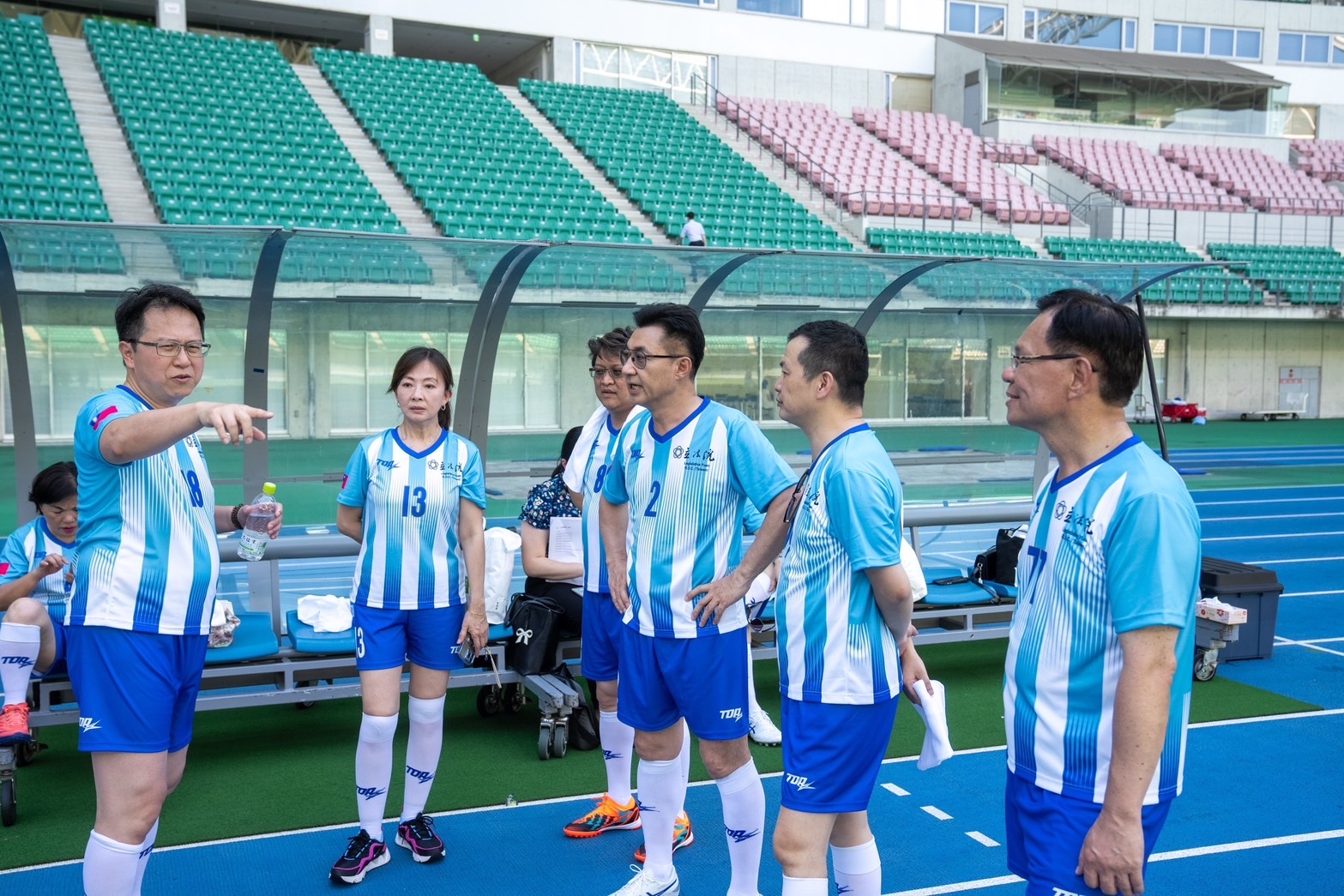
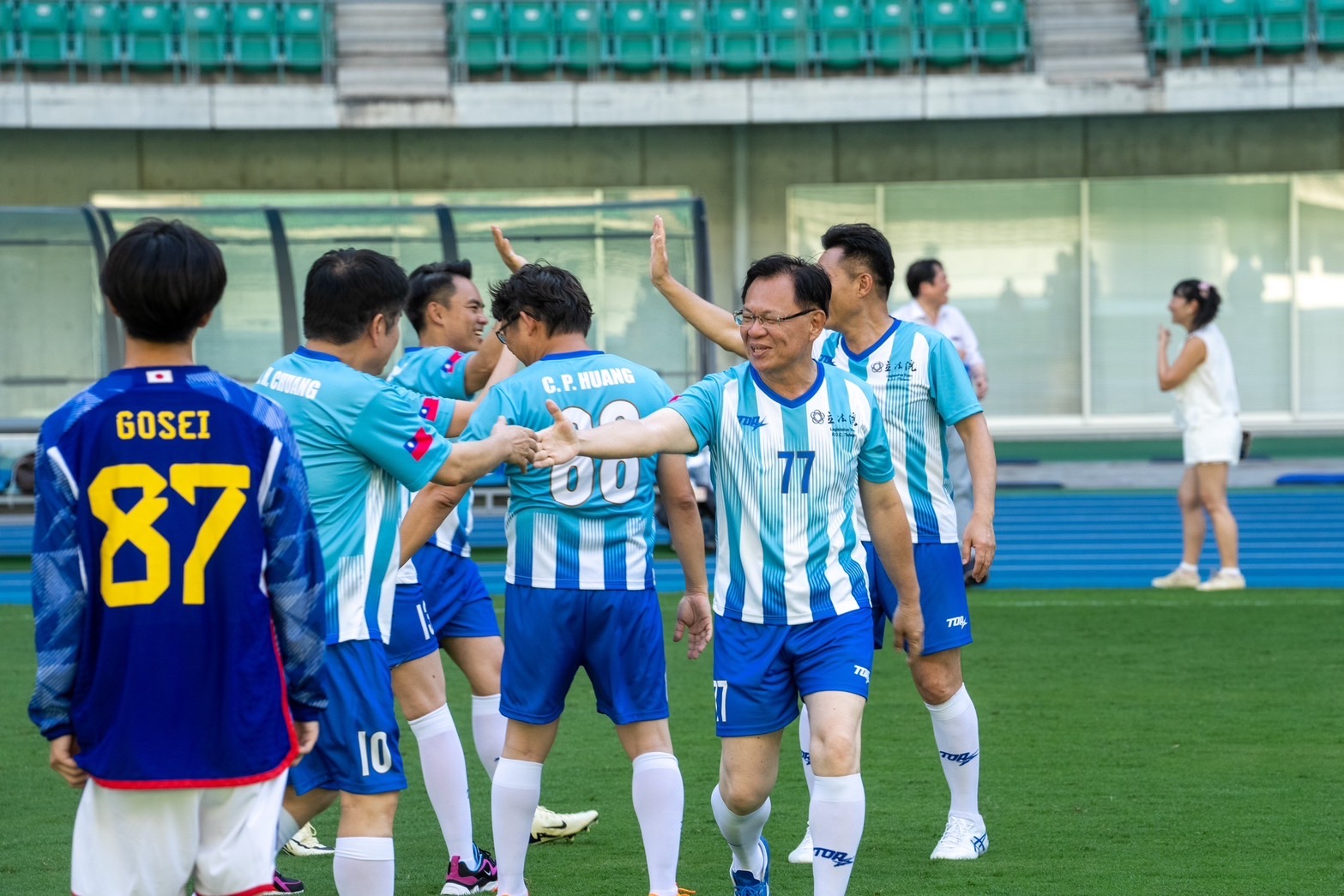
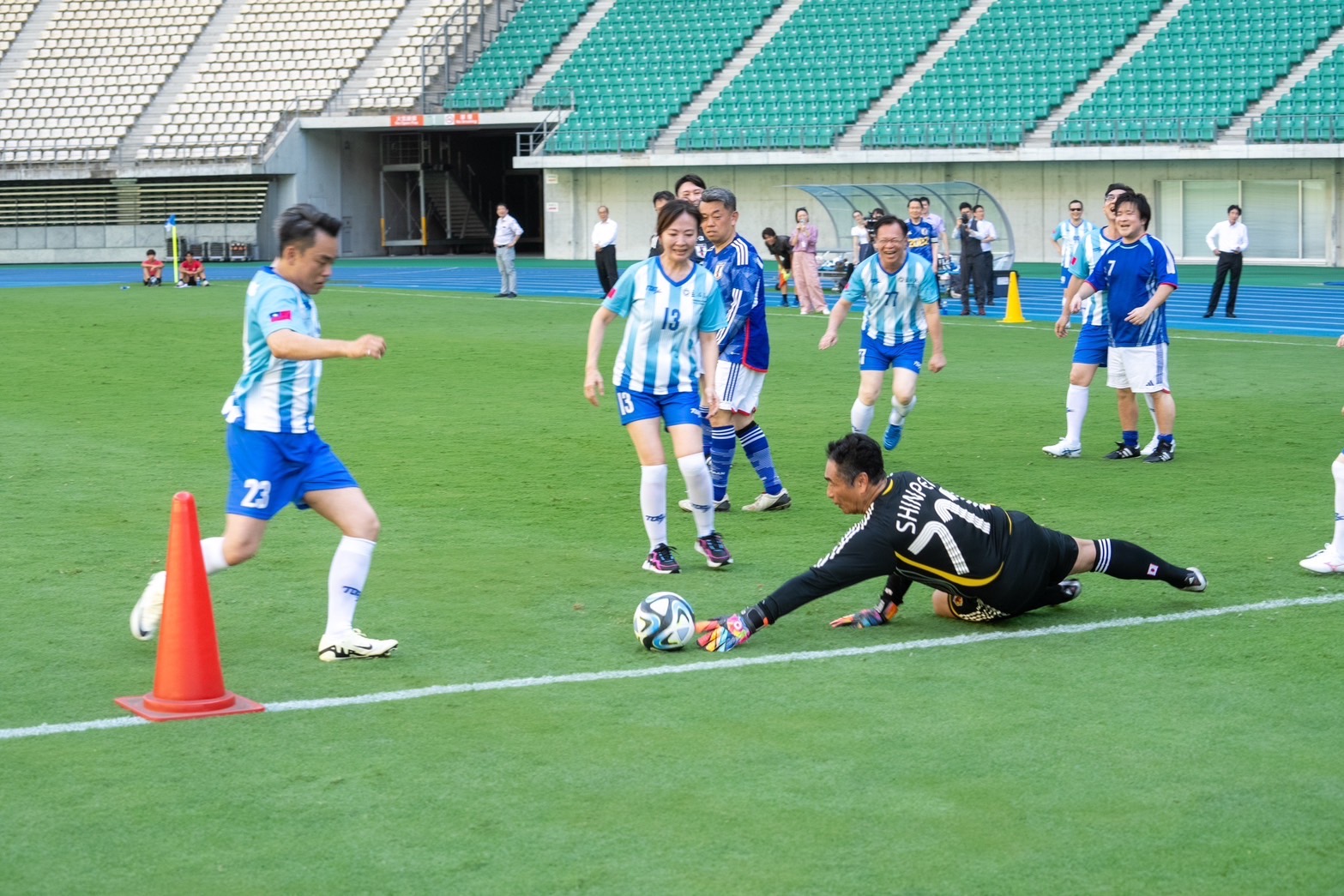
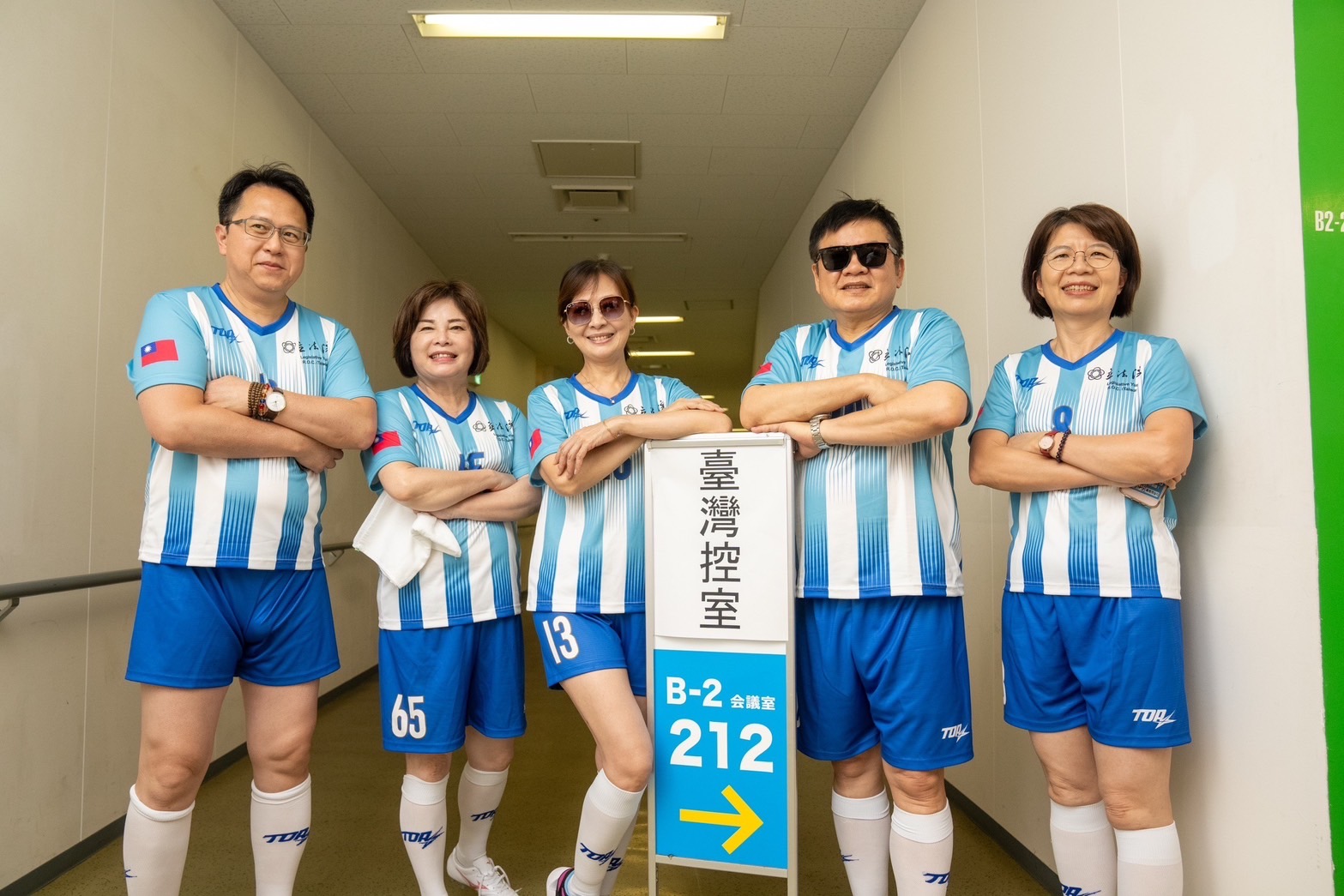
After Representative Seishirō Etō and Governor Sato were invited to kick off the match, both teams swiftly engaged in a competitive yet lighthearted game. The Taiwanese team wore jerseys in blue, green, and white, symbolizing cross-partisan unity and friendship. Throughout the game, both Taiwanese and Japanese players gave their all on the field, maintaining a friendly atmosphere filled with laughter. The match was based on 5-a-side football rules, consisting of three 10-minute halves with a total playtime of about 50 minutes, including breaks. After the match, the camaraderie continued with a mixed team game, where Taiwanese legislators, Japanese parliamentarians, and members of the Nippon Bunri University soccer team were randomly divided into two teams. They played an 11-a-side match with two halves of 15 minutes each, further promoting harmonious cooperation and friendship between Taiwan and Japan. Afterward, Vice President Chiang participated in an interview with the Kyodo News. The first-ever parliamentary sports diplomacy between Taiwan and Japan concluded on a high note, marked by shared laughter, applause, and cheers!
List of Japanese parliamentarians:
1. Representative Seishirō Etō, Member of the House of Representatives from the Liberal Democratic Party
2. State Minister for Digital Transformation Akimasa Ishikawa from the Liberal Democratic Party
3. Representative Gōsei Yamamoto, Member of the House of Representatives from the Japan Innovation Party
4. Representative Takemitsu Okushita, Member of the House of Representatives from the Japan Innovation Party
5. Representative Alex Saito, Member of the House of Representatives from the Japan Innovation Party
6. Representative Kenta Fujimaki, Member of the House of Representatives from the Japan Innovation Party
7. Representative Tadashi Morishima, Member of the House of Representatives from the Japan Innovation Party
8. Councillor Shinpei Matsushita, Member of the House of Councillors from the Liberal Democratic Party
9. Councillor Rokuta Shimono, Member of the House of Councillors from the Komeito
10. Councillor Aki Shirasaka, Member of the House of Councillors from the Liberal Democratic Party
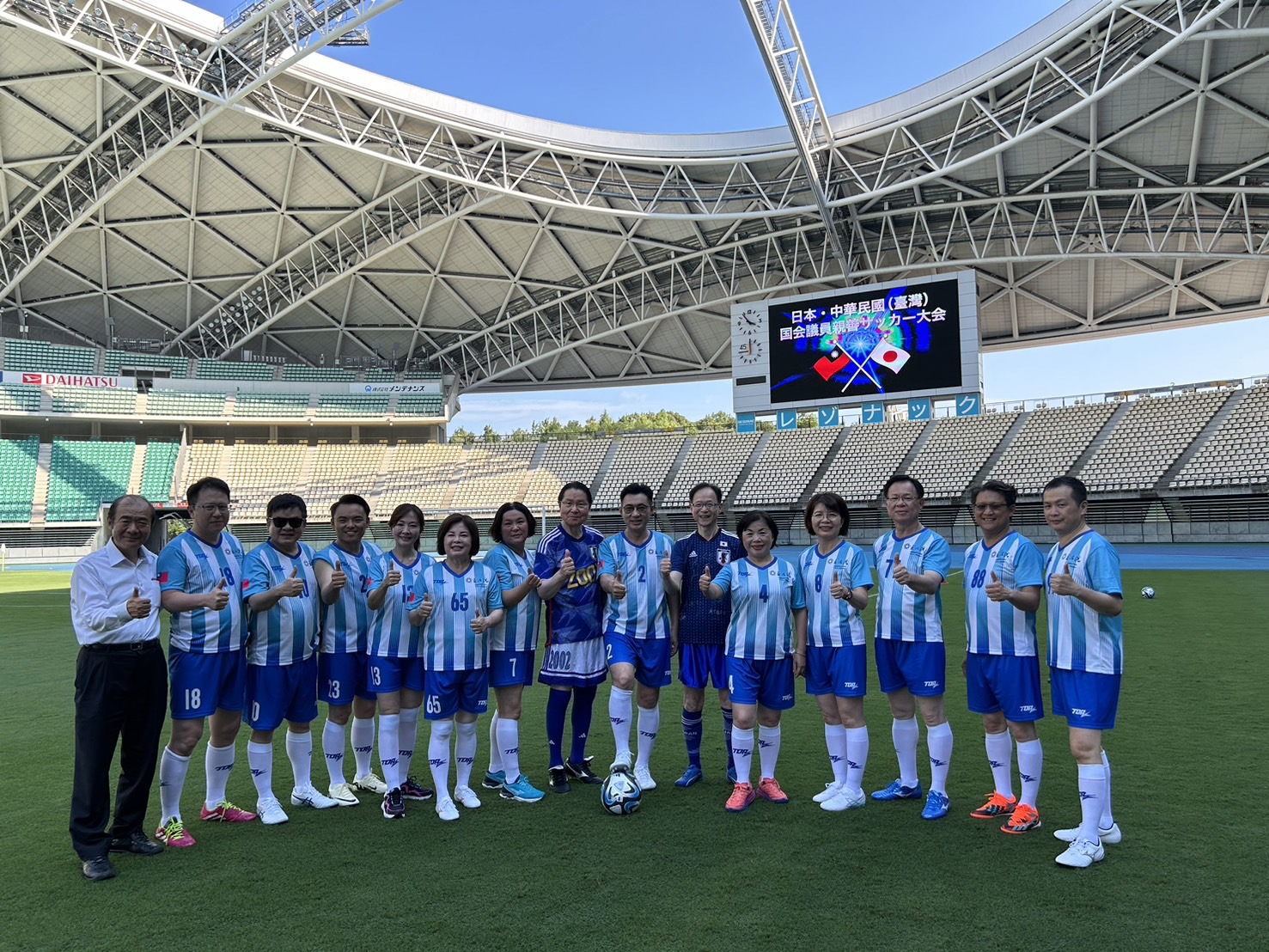
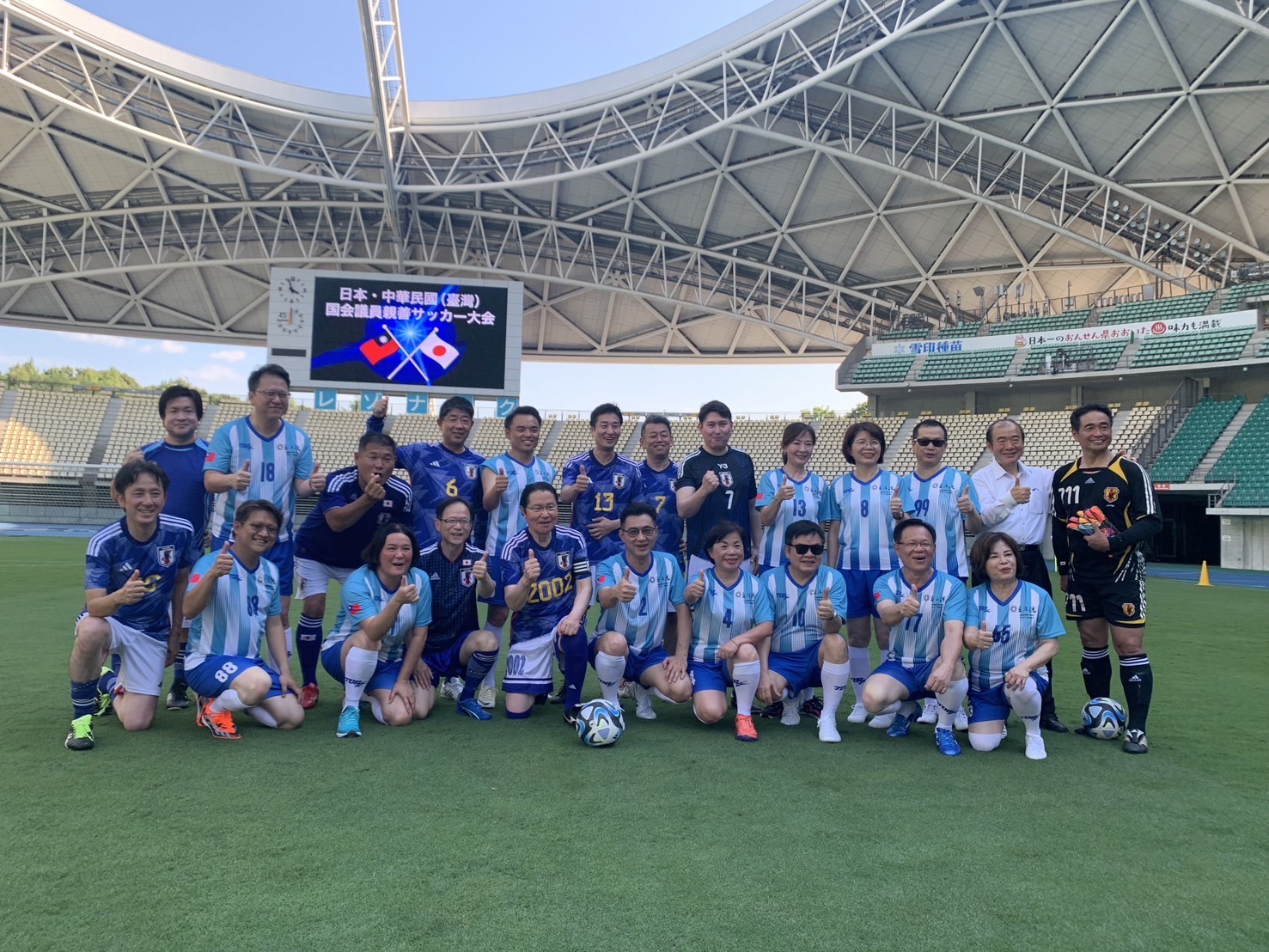
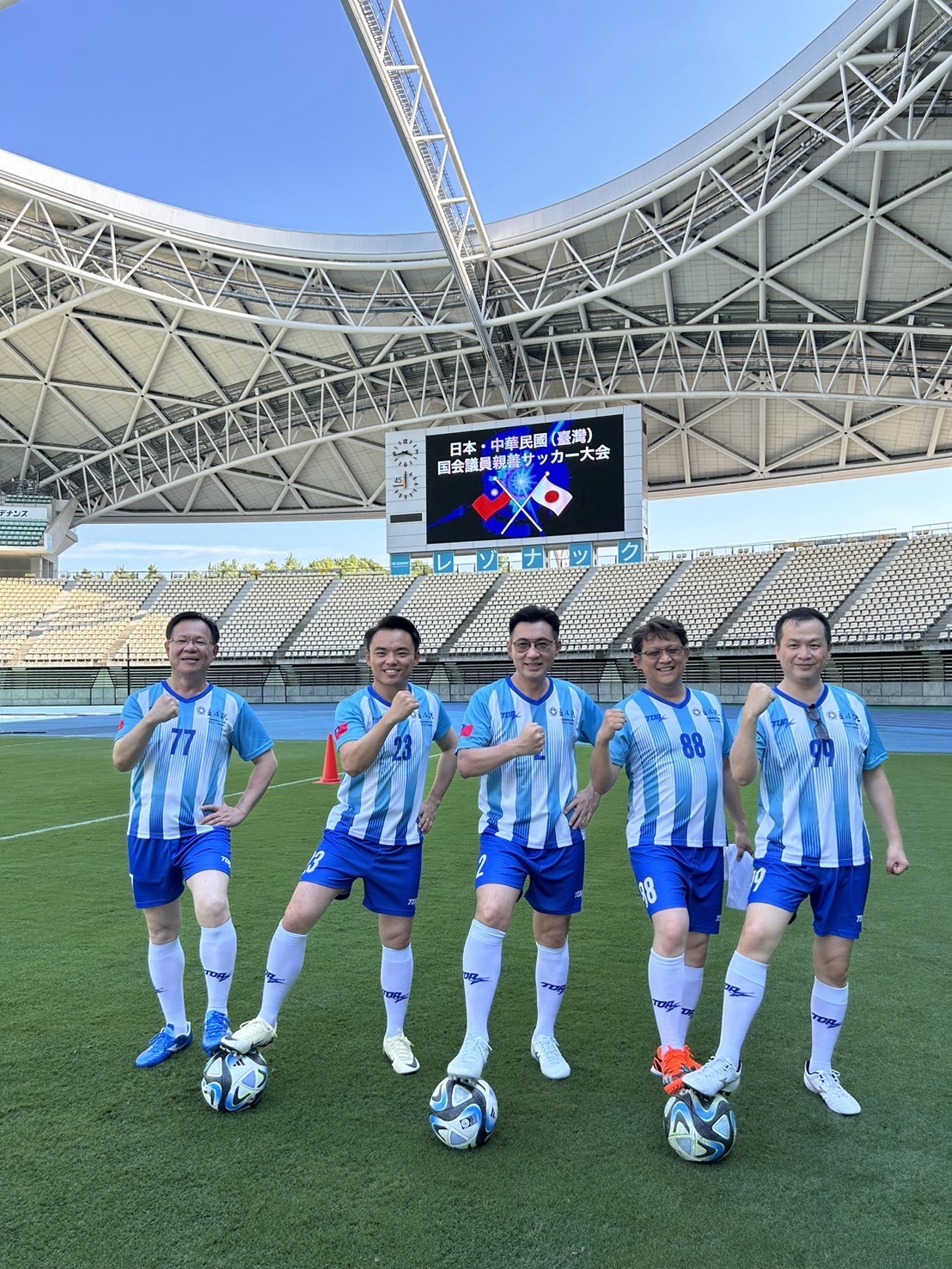
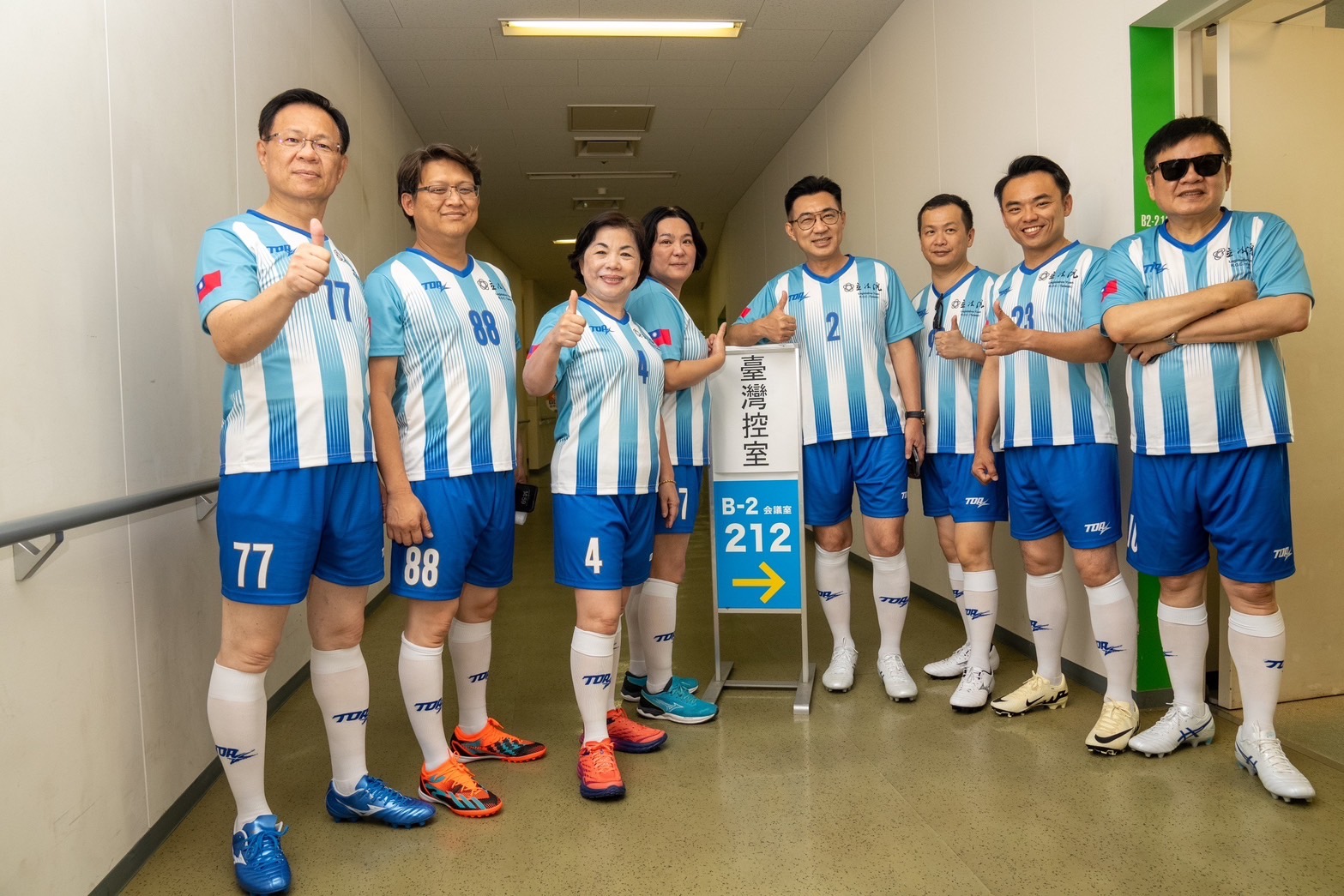
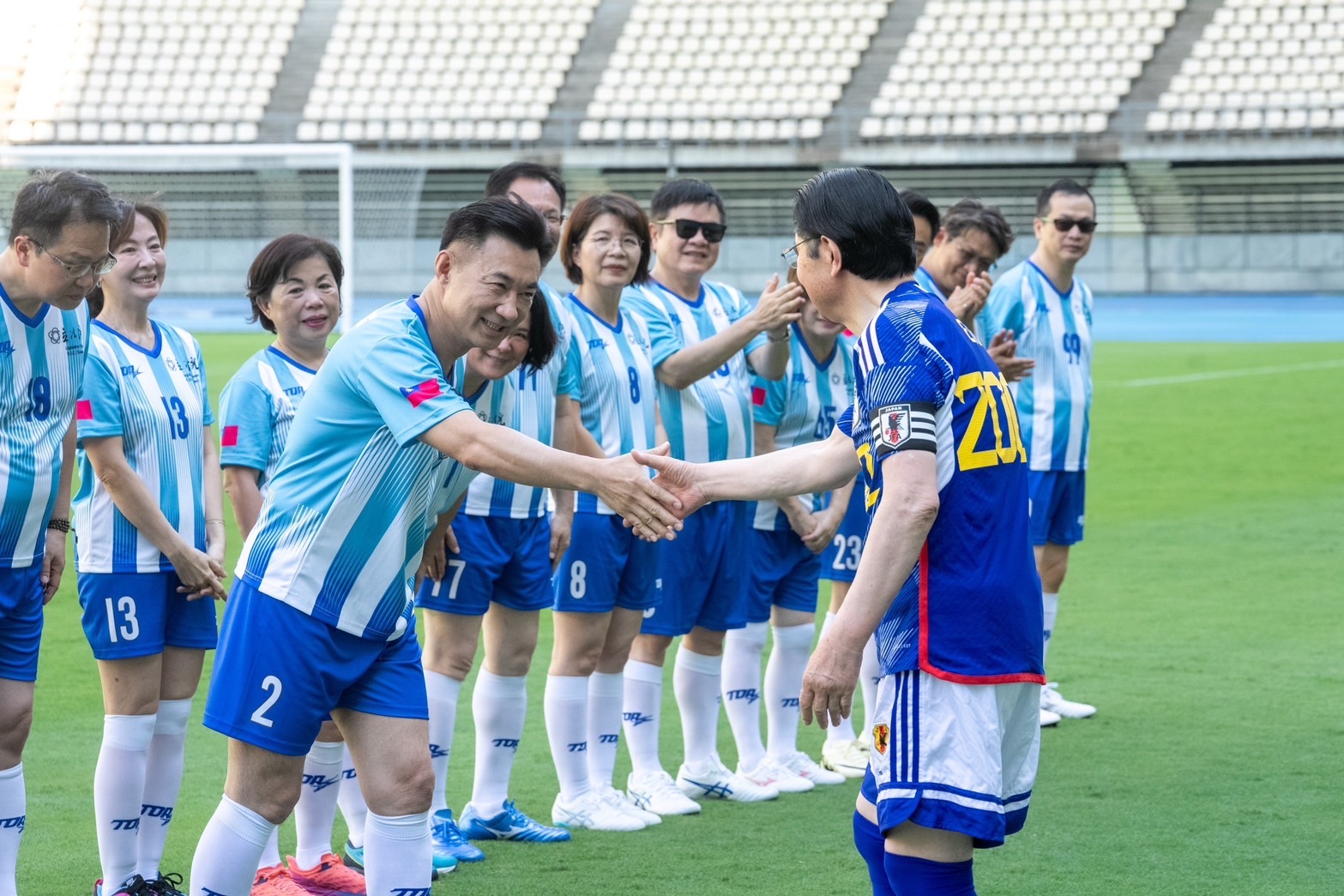
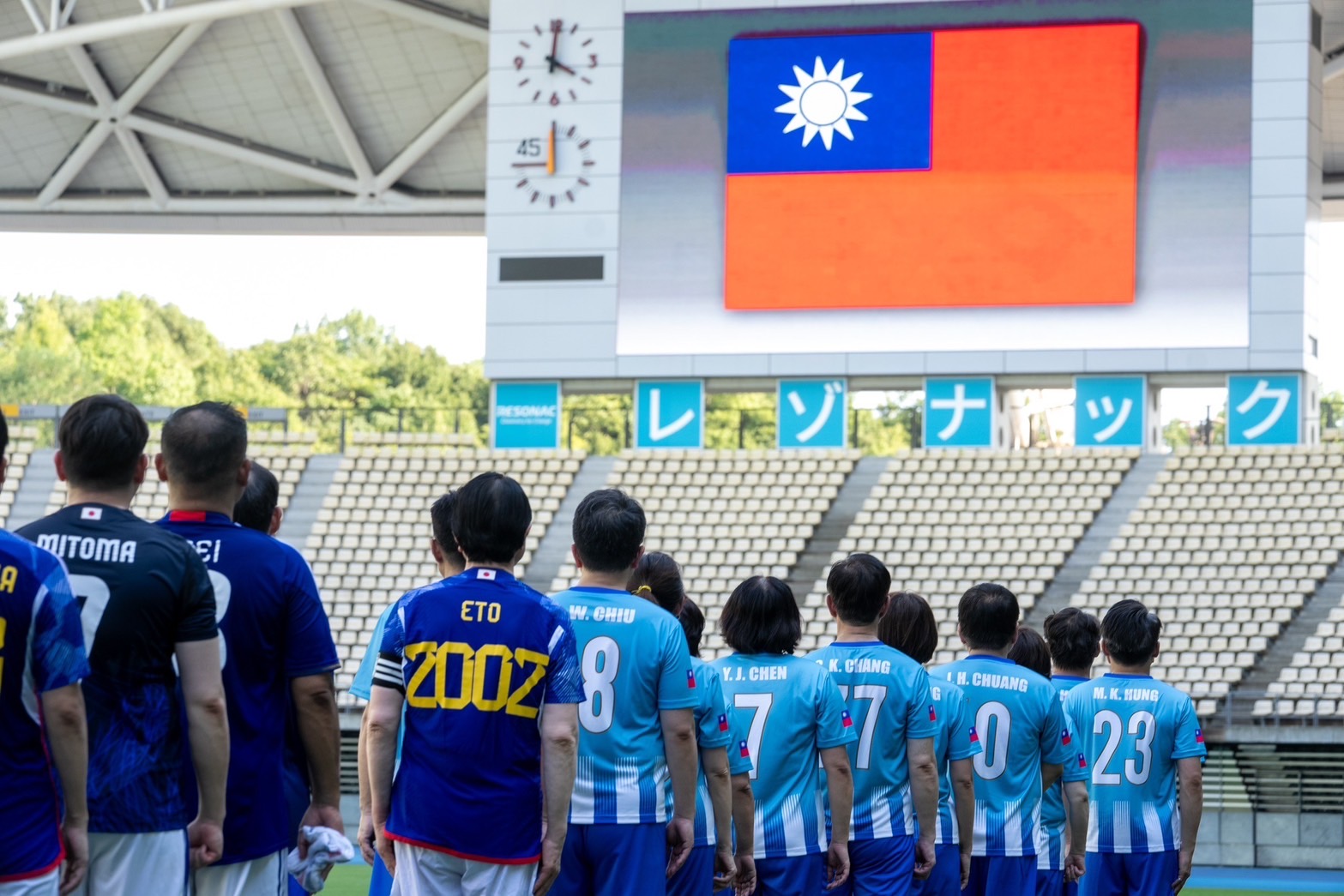
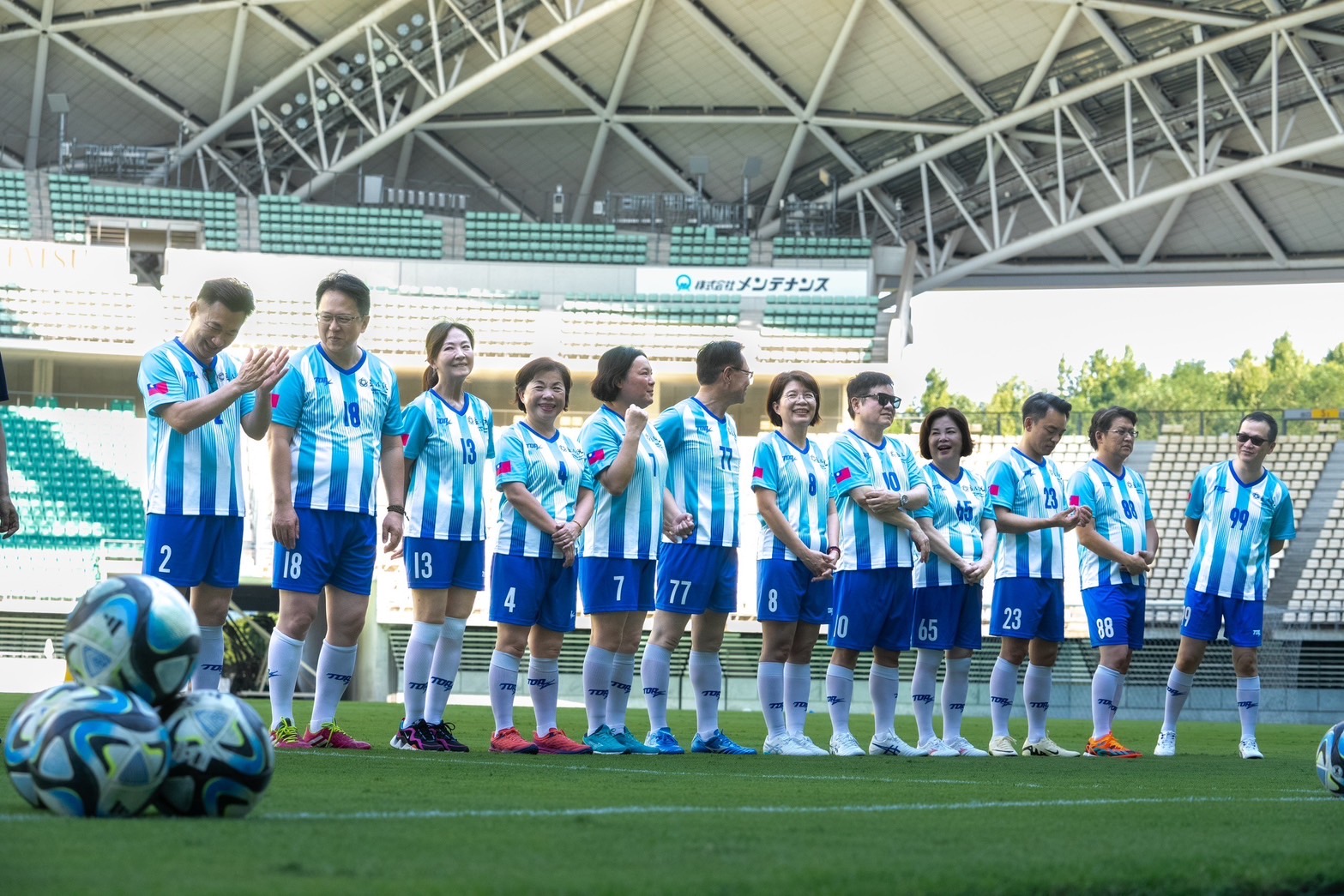
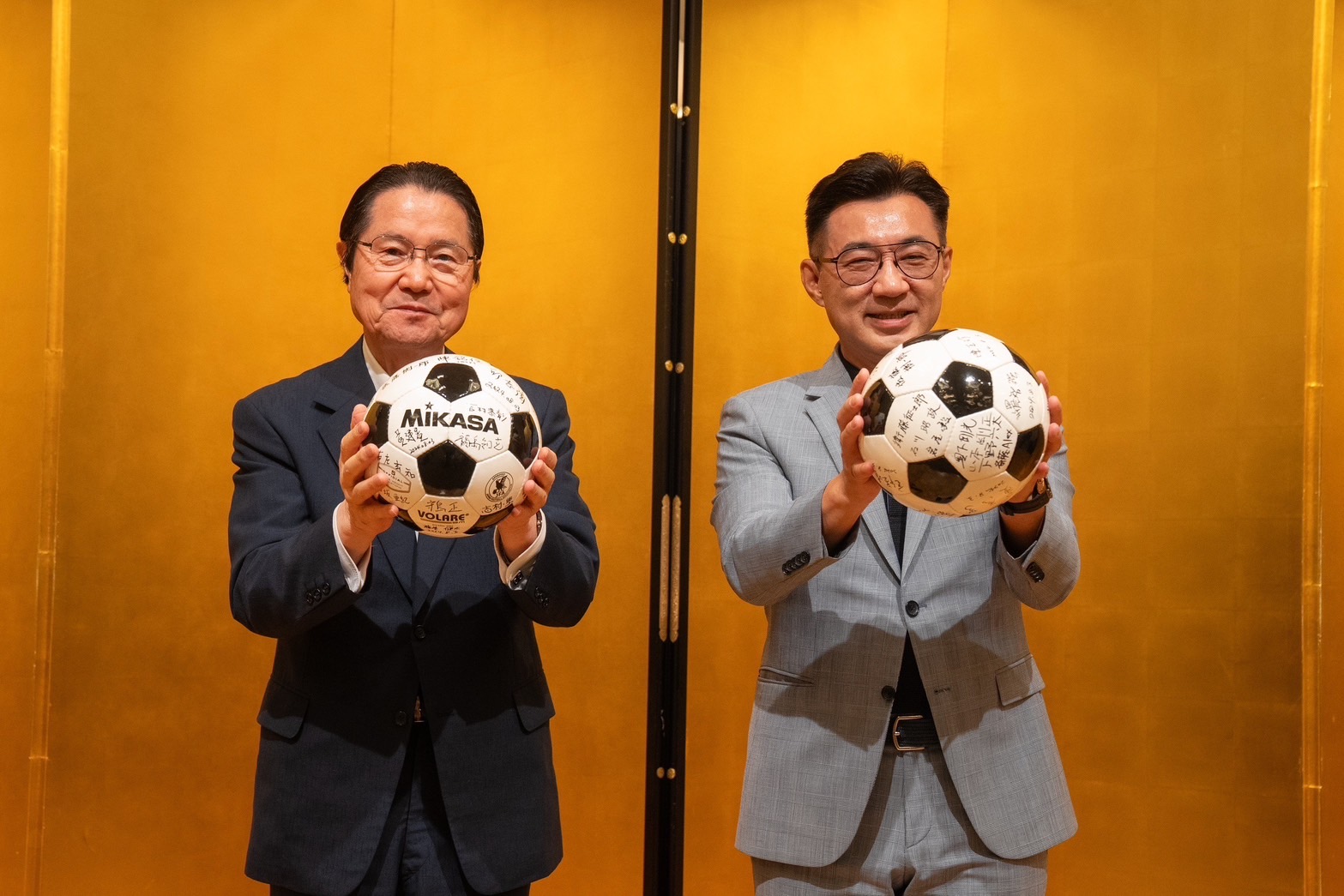
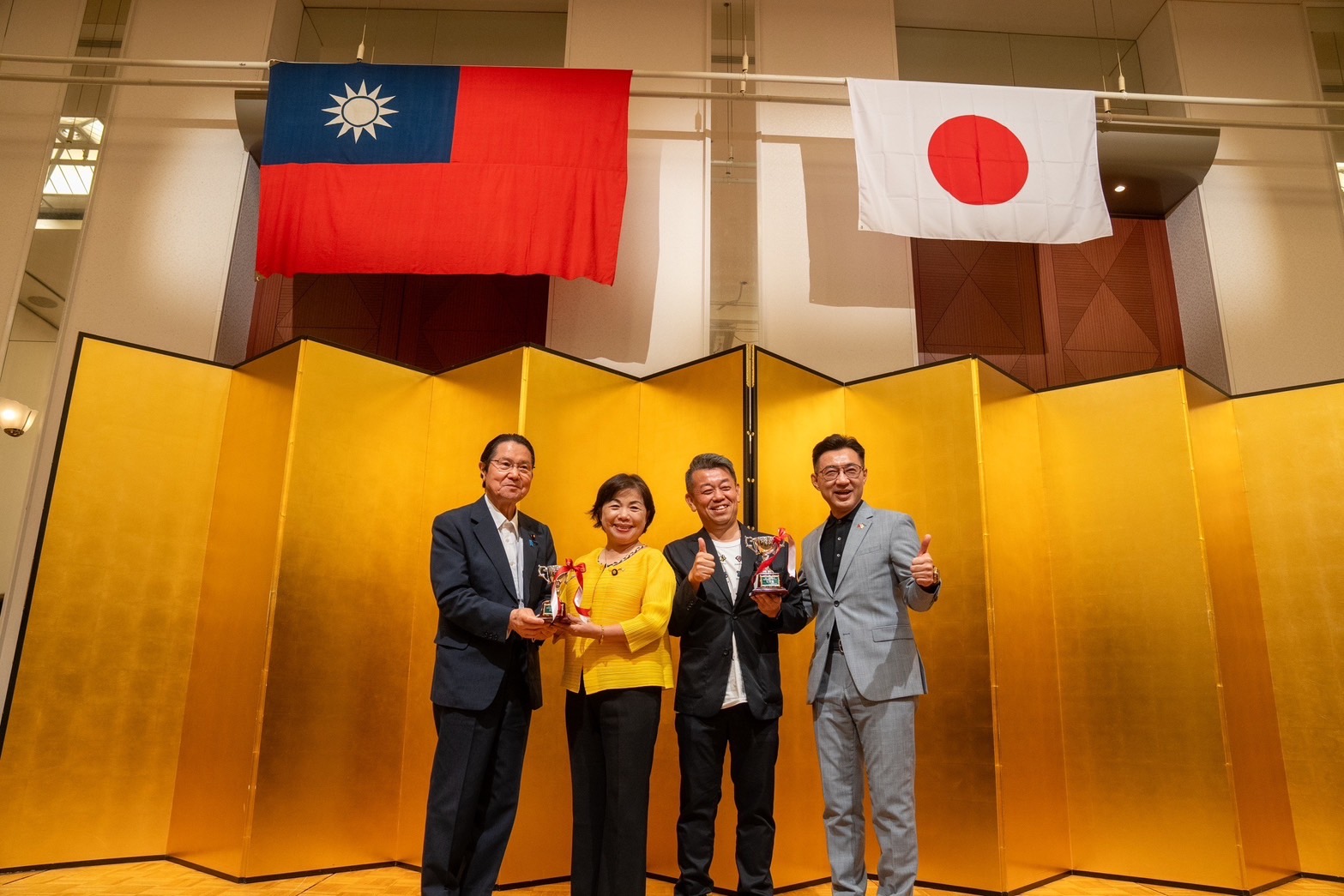
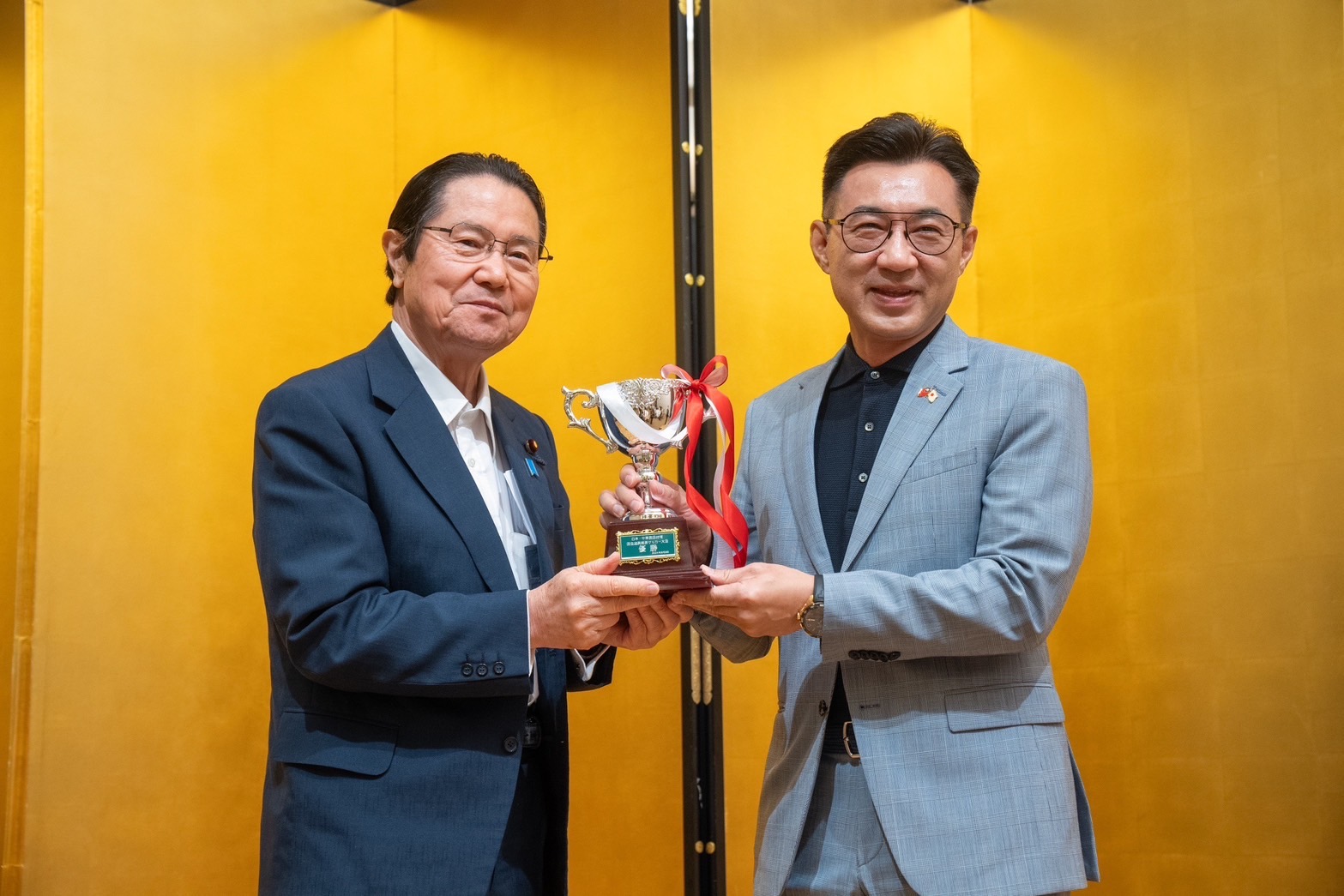

Before the match, both teams gathered at the center of the field for a group photo. As the national flags of Taiwan and Japan appeared on the big screen, the national anthems of the Republic of China (Taiwan) and Japan were played in succession. Afterward, Representative Seishirō Etō warmly welcomed Vice President Chiang and the delegation as the host, expressing his gratitude to the cross-party legislators from the Legislative Yuan for their special visit to Japan to participate in the Taiwan-Japan Parliamentary Members Friendly Soccer Match. He further emphasized that Taiwan and Japan are both Asian nations committed to upholding freedom, democracy, and the rule of law. Noting that the match was being held at a venue used for the 2002 FIFA World Cup, he expressed his hope that this match in such professional venue would mark a new chapter in the friendly exchanges between Taiwan and Japan. Governor Kiichiro Sato of Ōita Prefecture personally welcomed the Legislative Yuan delegation, while the soccer team coach and team members of the Nippon Bunri University in Ōita joined the event to engage with the delegation, further demonstrating the importance Japan places on Taiwan.
During his speech, Vice President Chiang first expressed his sincere gratitude to Representative Seishirō Etō, Governor Sato, and the Japanese cross-party parliamentarians for their thoughtful arrangements, which ensured the smooth conduct of today's meaningful friendly match. As a world-renowned football powerhouse, Japan saw a surge in domestic enthusiasm for the sport in the 1990s and successfully entered the FIFA World Cup within less than a decade, illustrating the deep passion of the Japanese people for football. This visit marks the first instance of sports diplomacy by Taiwan's Legislative Yuan through an international sports competition. The friendly match not only facilitated exchanges among parliamentarians but also served as an opportunity to learn from Japanese parliamentarians and their valuable experience in sports development. Upon returning, specific recommendations will be proposed to the relevant Taiwanese authorities to further advance the diversification and professionalization of Taiwan's sports sector.
Vice President Chiang continued to state that "sports reflect national strength" is a consensus across party lines. Sports not only enhance public health but also stimulate the national economy. At the same time, the 2024 Summer Olympics are in full swing in Paris, France. The spirit of the Olympics is "to promote sports exchanges among nations through fair competition, enhancing mutual harmony and peace." Moreover, the top ten medal-winning countries in each Olympics almost always correspond to the top ten countries in global GDP rankings, which strongly validates the notion that "sports reflect national strength." He expressed his hope that all countries may strive to enhance international sports exchanges, as this could help reduce disputes and regional tensions among nations.
Vice President Chiang concluded by expressing his hope that the sweat shed by both nations' parliamentarians on the field today will help nourish and deepen the friendship between the Taiwanese and Japanese legislatures. He also believes that the true winner of today's match will be the friendship between Taiwan and Japan. Furthermore, he expressed his desire for this match to serve as a starting point for future regular sports exchanges between Taiwan and Japan across various sectors. He also mentioned that the Taichung International Soccer Stadium is scheduled for completion by the end of 2025, and he extended a warm invitation to Japanese parliamentarians and sports professionals to visit Taiwan for exchanges in football, baseball, and basketball events.
After Representative Seishirō Etō and Governor Sato were invited to kick off the match, both teams swiftly engaged in a competitive yet lighthearted game. The Taiwanese team wore jerseys in blue, green, and white, symbolizing cross-partisan unity and friendship. Throughout the game, both Taiwanese and Japanese players gave their all on the field, maintaining a friendly atmosphere filled with laughter. The match was based on 5-a-side football rules, consisting of three 10-minute halves with a total playtime of about 50 minutes, including breaks. After the match, the camaraderie continued with a mixed team game, where Taiwanese legislators, Japanese parliamentarians, and members of the Nippon Bunri University soccer team were randomly divided into two teams. They played an 11-a-side match with two halves of 15 minutes each, further promoting harmonious cooperation and friendship between Taiwan and Japan. Afterward, Vice President Chiang participated in an interview with the Kyodo News. The first-ever parliamentary sports diplomacy between Taiwan and Japan concluded on a high note, marked by shared laughter, applause, and cheers!
List of Japanese parliamentarians:
1. Representative Seishirō Etō, Member of the House of Representatives from the Liberal Democratic Party
2. State Minister for Digital Transformation Akimasa Ishikawa from the Liberal Democratic Party
3. Representative Gōsei Yamamoto, Member of the House of Representatives from the Japan Innovation Party
4. Representative Takemitsu Okushita, Member of the House of Representatives from the Japan Innovation Party
5. Representative Alex Saito, Member of the House of Representatives from the Japan Innovation Party
6. Representative Kenta Fujimaki, Member of the House of Representatives from the Japan Innovation Party
7. Representative Tadashi Morishima, Member of the House of Representatives from the Japan Innovation Party
8. Councillor Shinpei Matsushita, Member of the House of Councillors from the Liberal Democratic Party
9. Councillor Rokuta Shimono, Member of the House of Councillors from the Komeito
10. Councillor Aki Shirasaka, Member of the House of Councillors from the Liberal Democratic Party