

President of the Legislative Yuan Daniel K.Y. Han meets delegation led by U.S. Congresswoman Debbie Lesko. President Han: We hope to continue promoting cooperation and exchanges to deepen Taiwan-U.S. bilateral friendship.
In the morning of October 9, Legislative Yuan President Daniel K.Y. Han, accompanied by Vice President Johnny C. Chiang, Co-Chair of the Legislative Yuan USA Caucus Legislator Wang Ting-Yu, Vice Chair Legislator Ko Ju-Chun, and International Affairs Department Director Kevin C.F. Lin, met with the nine-member delegation led by U.S. Congresswoman Debbie Lesko. Consul General on Home Assignment Chang Chia-Cheng from the Ministry of Foreign Affairs also accompanied the delegation.
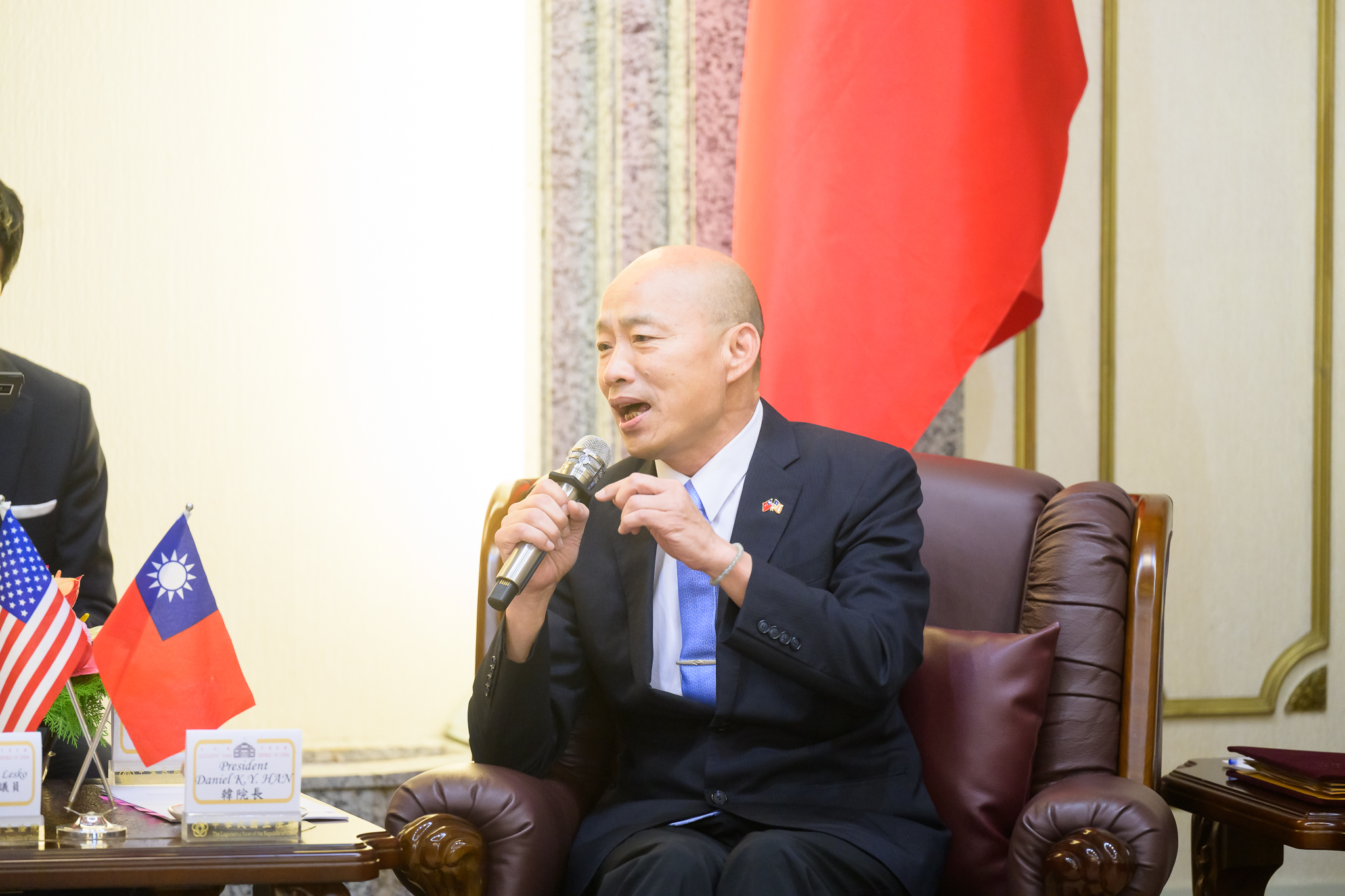
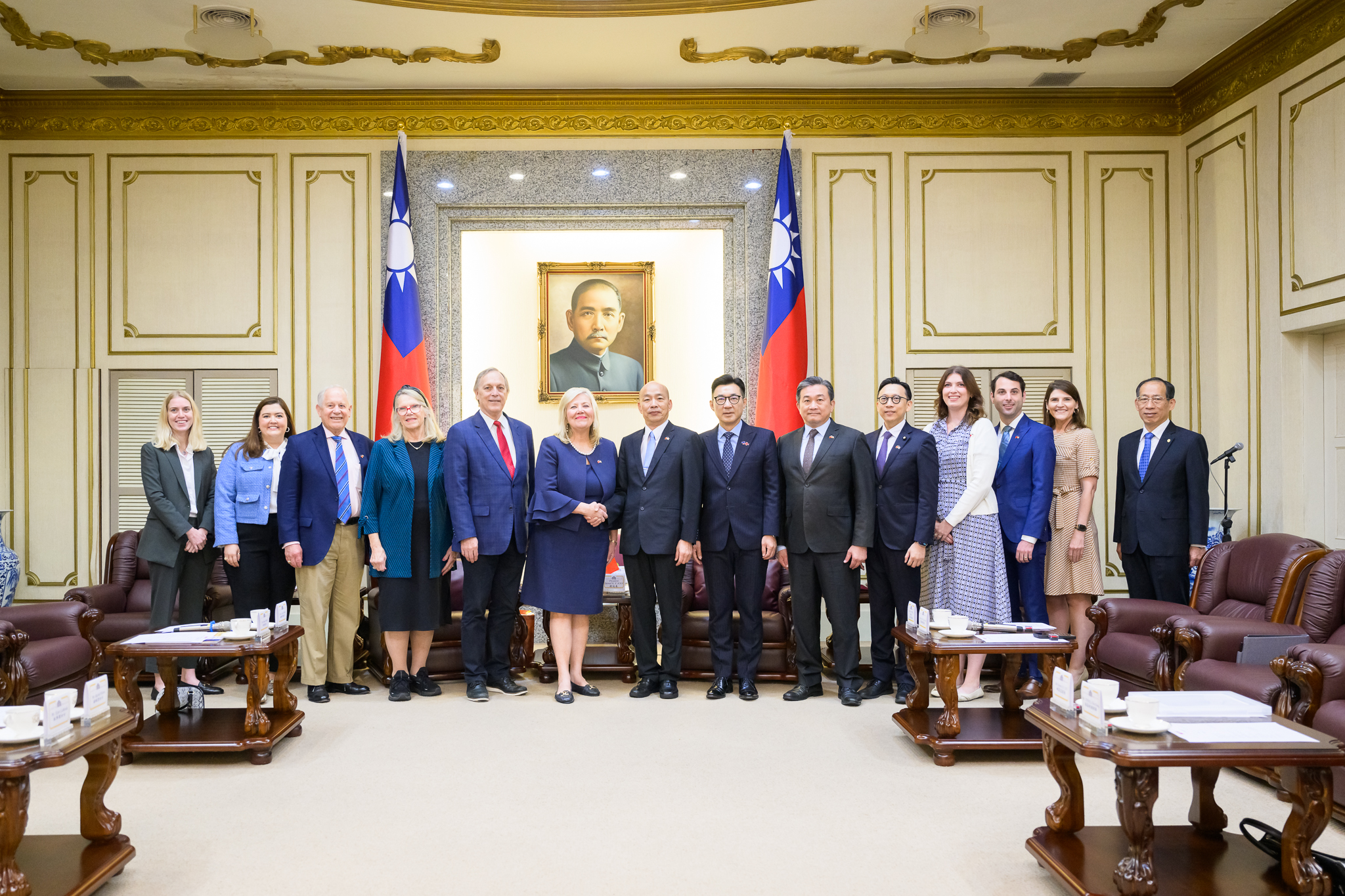
President Han first extended a warm welcome to the guests. After taking a group photo with the attending legislators and guests, he noted that the presence of cross-party legislators today symbolizes the Legislative Yuan’s high regard for the visiting delegation. President Han elaborated that the Legislative Yuan, as a unicameral body, has 73 out of its 113 legislators from across party lines actively participating in the Legislative Yuan USA Caucus. This term marks the inaugural implementation of a co-chair system, with Kuomintang (KMT) Legislator Ko Chih-En and Democratic Progressive Party (DPP) Legislator Wang Ting-Yu serving as co-chairs, and Vice President Chiang designated as the honorary chair. This structure underscores the Legislative Yuan's profound dedication to strengthening Taiwan-U.S. relations.
President Han further remarked on the demanding nature of parliamentary work, noting that members of parliament not only engage in interpellations and legislative inquiries but also manage their constituencies, serve their constituents, and strive to balance their professional and family lives. He expressed his delight at having the opportunity to engage in face-to-face discussions with fellow members of parliament today. He also expressed the hope that while the distinguished guests present balance the aforementioned three significant responsibilities of legislators, the parliaments of both nations can enhance their interactions and work collaboratively to improve the welfare of their citizens.
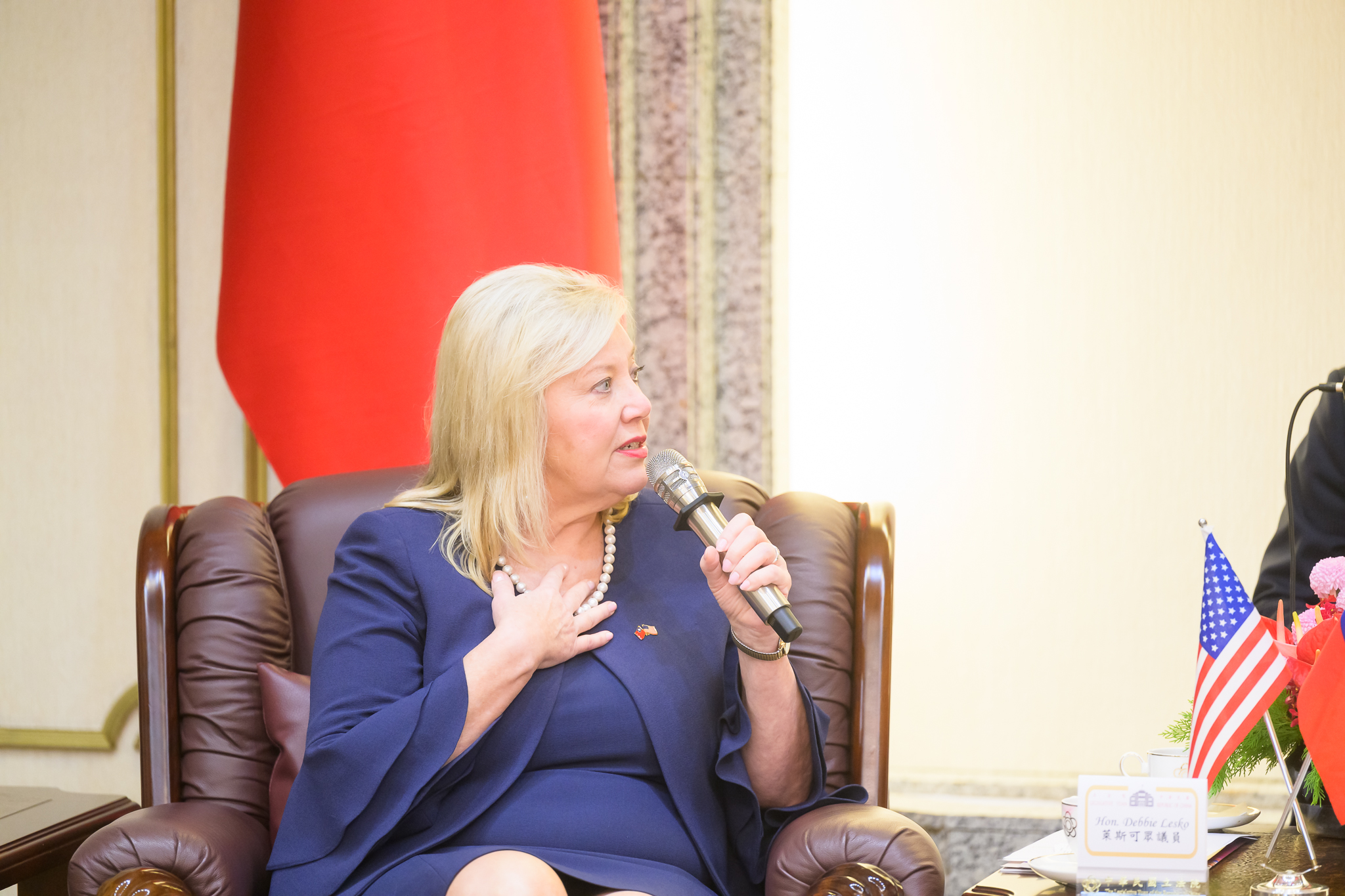
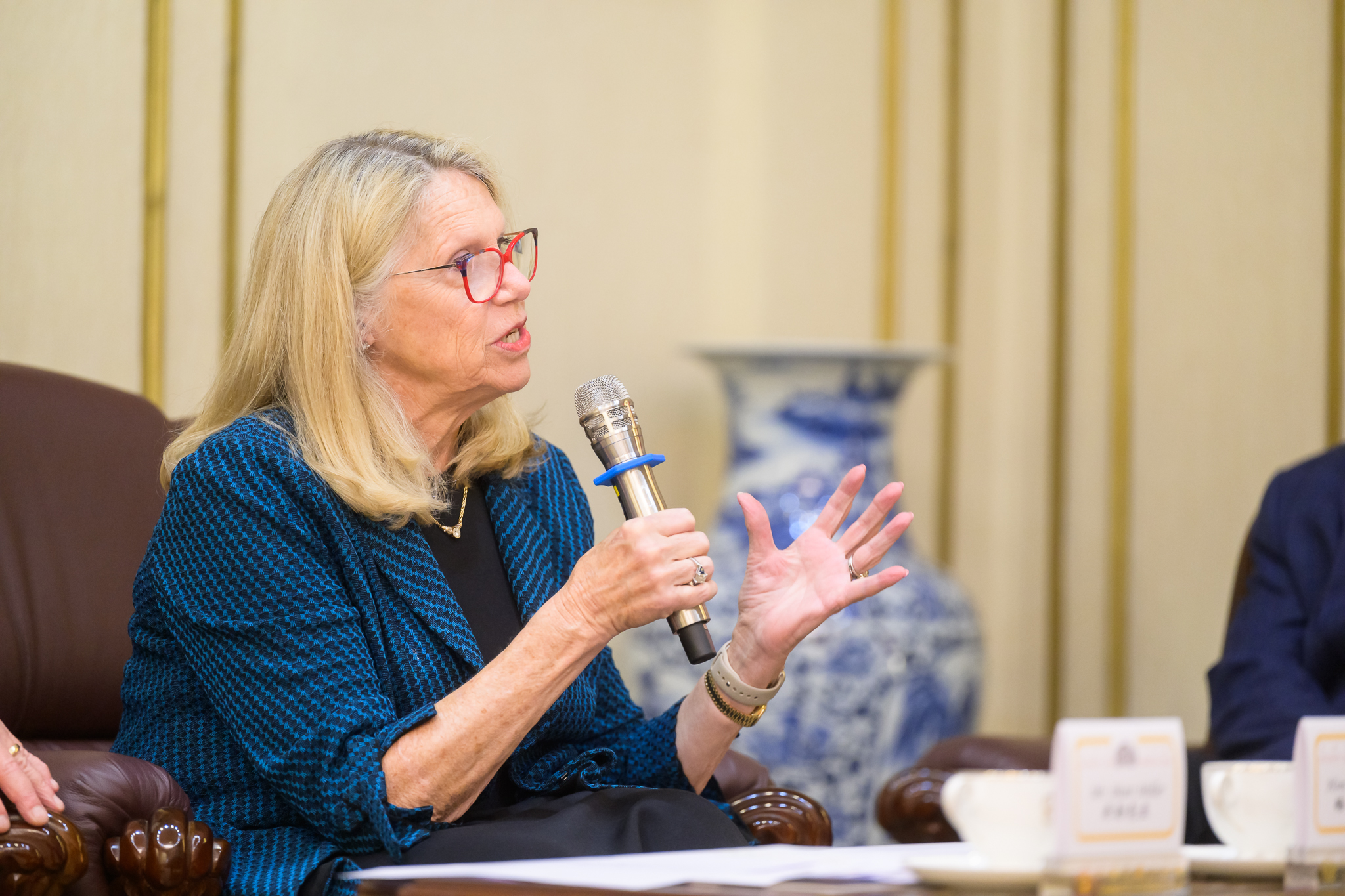
In her speech, Congresswoman Debbie Lesko, the head of the delegation, first expressed her gratitude to the President, Vice President, and representatives of all parties for taking the time to meet with them. She shared with the guests that her constituency is located in Arizona, the site of TSMC's U.S. factory. She added that Congresswoman Carol Miller, who is also part of the delegation, represents her constituency of West Virginia which hosts many Taiwanese companies. This visit, coinciding with our National Day, demonstrates a strong commitment to the robust partnership between the United States and Taiwan. She expressed her hope that based on the existing foundation, both countries would continue to deepen and develop their exchanges and cooperation in various fields, including economic and trade issues, as well as regional security.
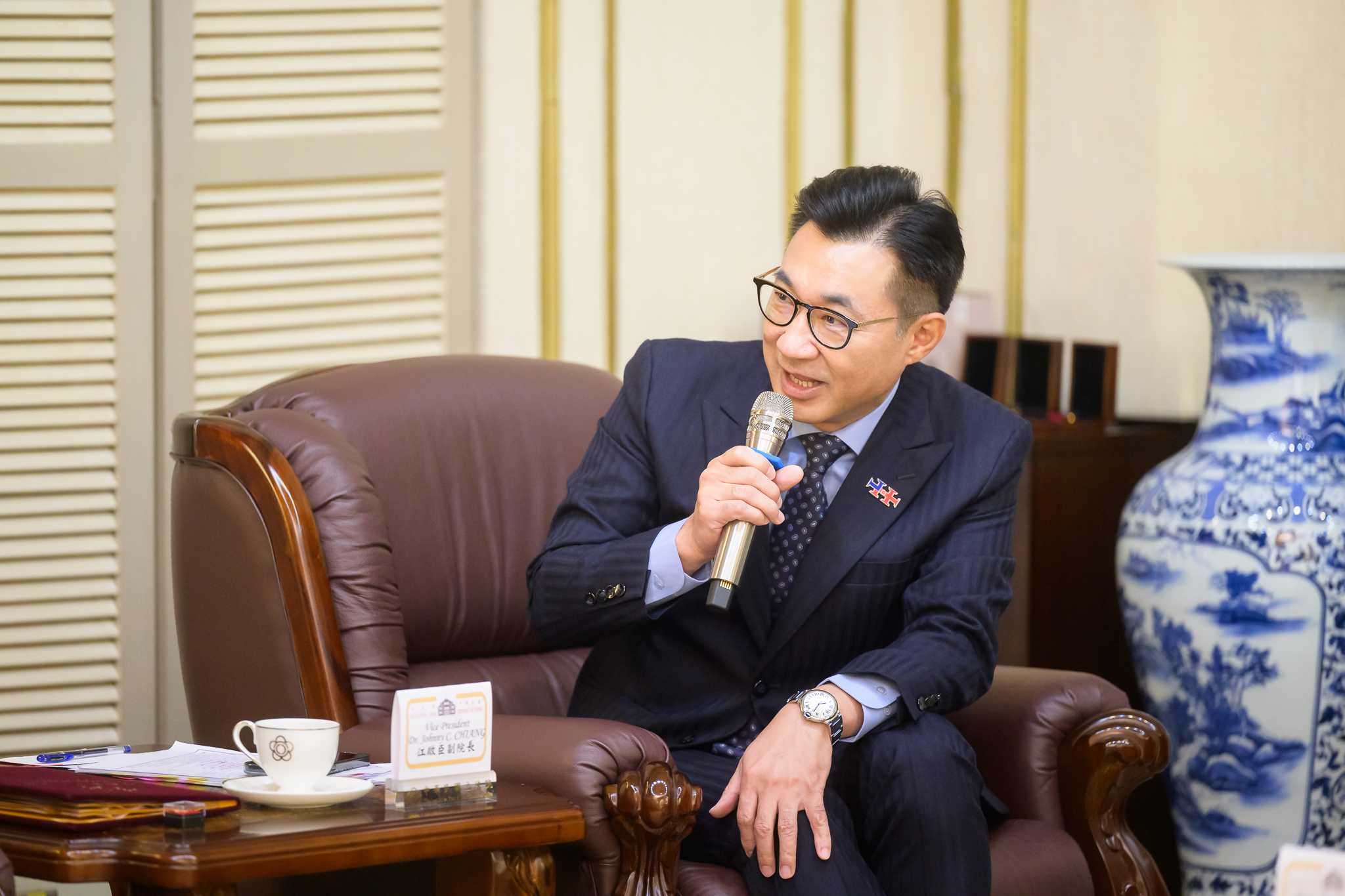
In his speech, Vice President Chiang noted that this year marks the 45th anniversary of the enactment of the United States' Taiwan Relations Act. He expressed his gratitude to the U.S. government, Congress, and the public for their unwavering support and for standing alongside Taiwan. He emphasized that this support is crucial for the present and future of both countries and expressed hope for the continued deepening of bilateral cooperation and friendship.
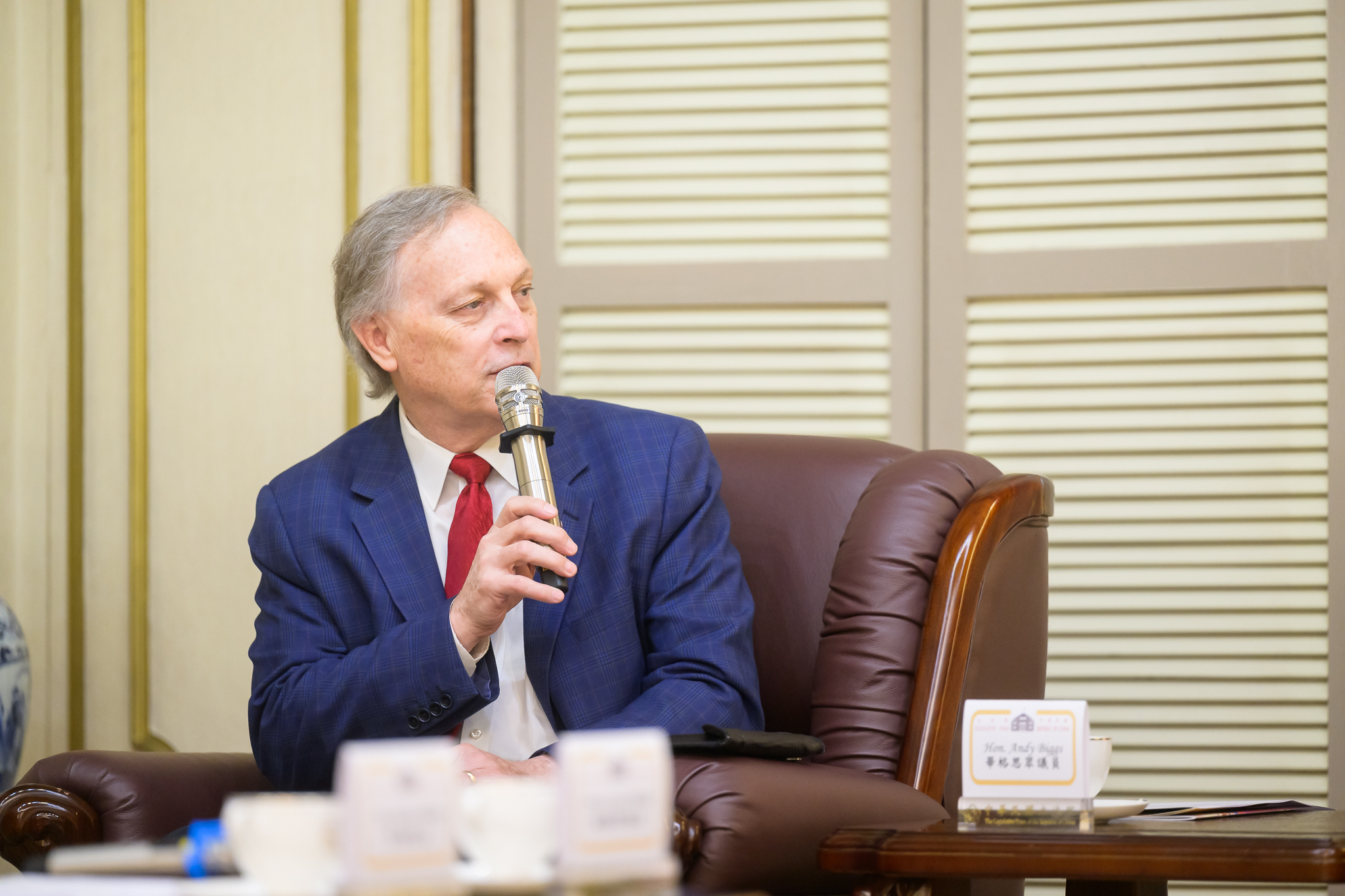
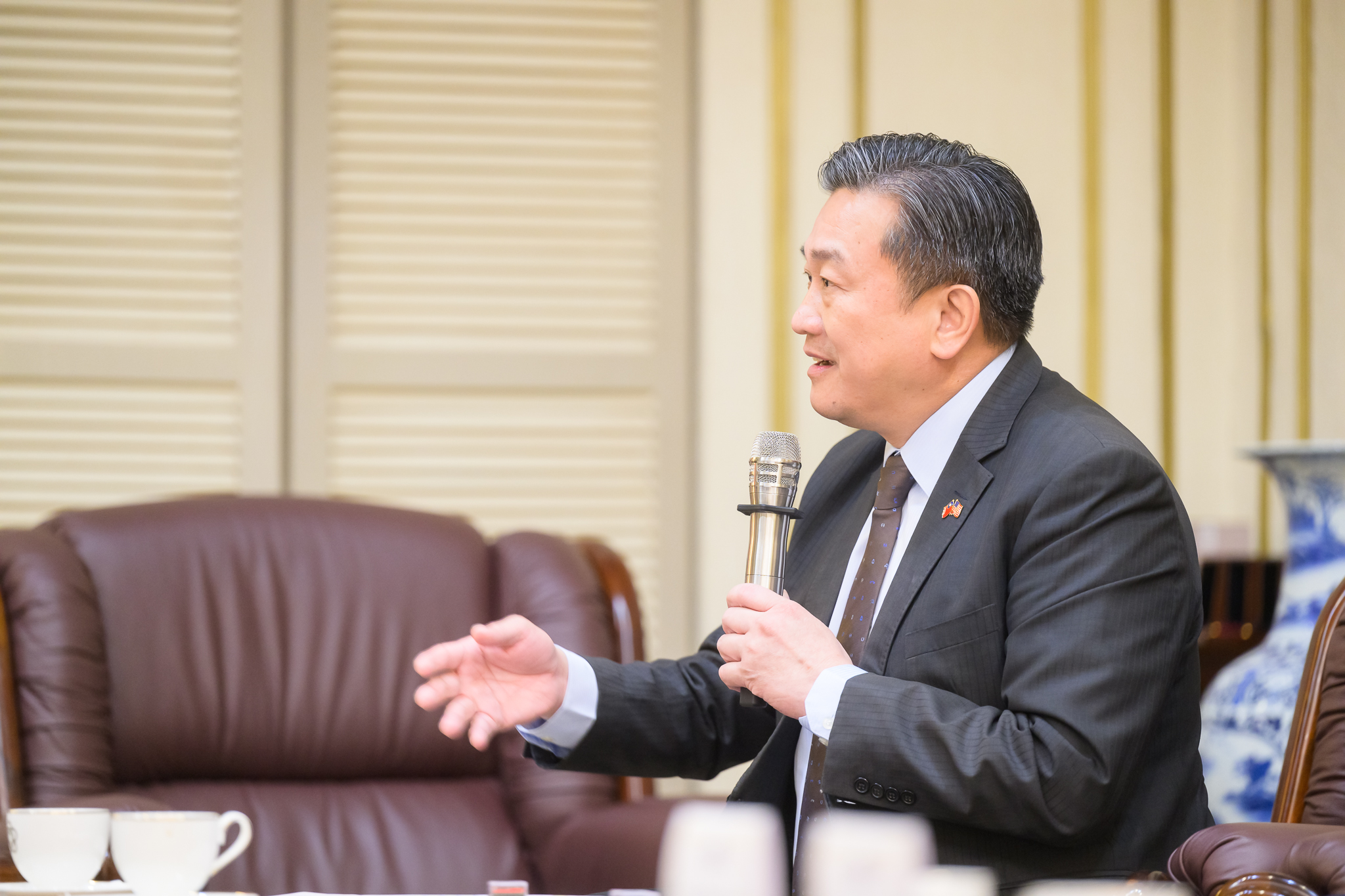
During the bilateral exchange, Legislator Wang Ting-Yu emphasized Taiwan's critical strategic position within the first island chain of the Indo-Pacific region and its shared commitment to universal values such as democracy, freedom, and human rights with the United States. He underscored that the cooperative relationship between the two countries is vital for both national and regional security. In light of the unstable global and regional circumstances, he expressed his hope to continue strengthening the mutual trust and collaboration between Taiwan and the U.S. to jointly uphold global prosperity and stability.
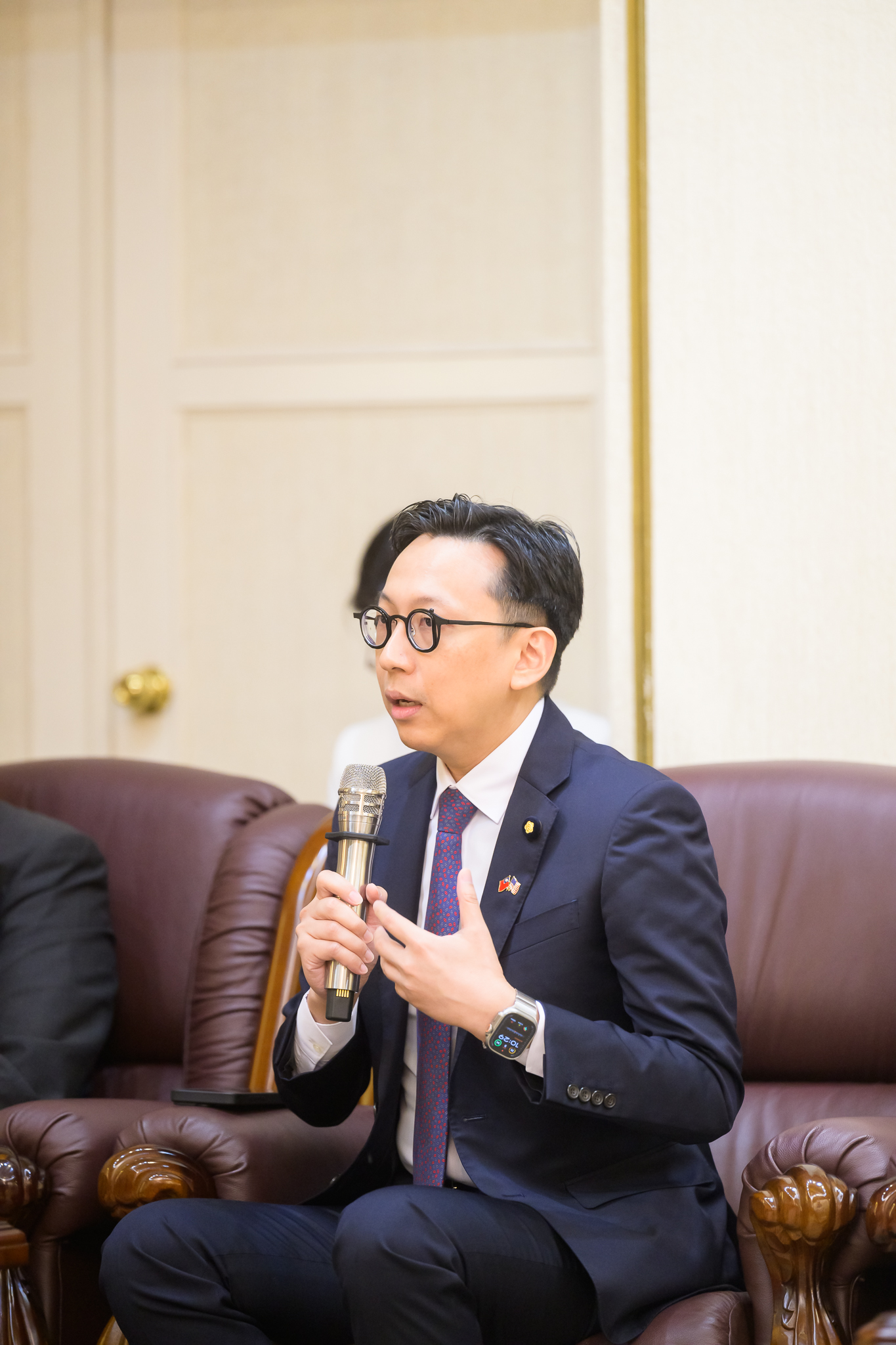
Legislator Ko Ju-Chun noted that Taiwan plays a crucial role in the development of advanced technology industries, such as semiconductors and artificial intelligence. Meanwhile, Silicon Valley in the United States is home to world-class technology companies and exceptional talent. Taiwan is eager to contribute more to the global community and looks forward to deepening collaboration and exchanges with the U.S. in areas related to AI and beyond, collectively ushering the world into a new era.
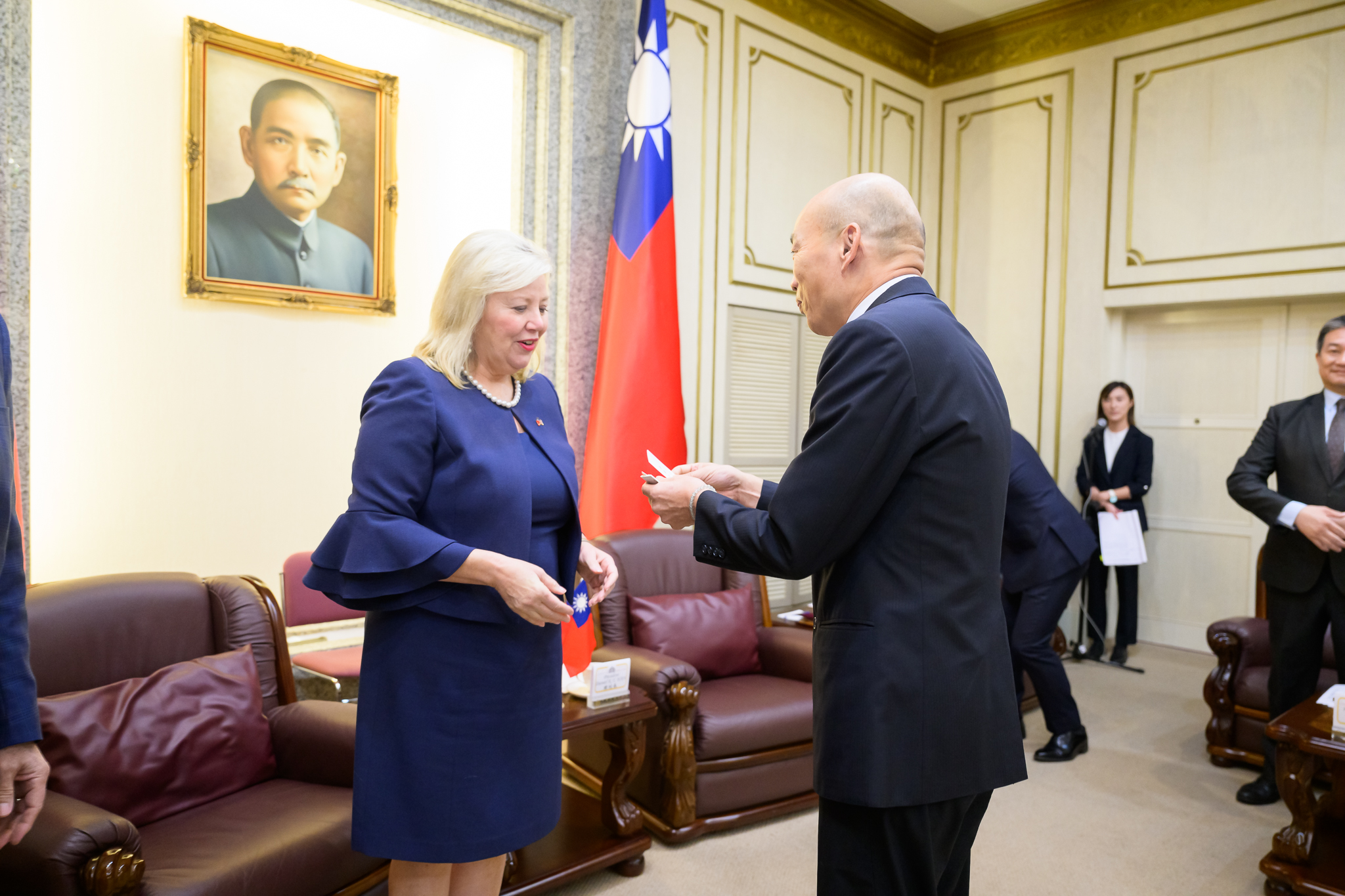
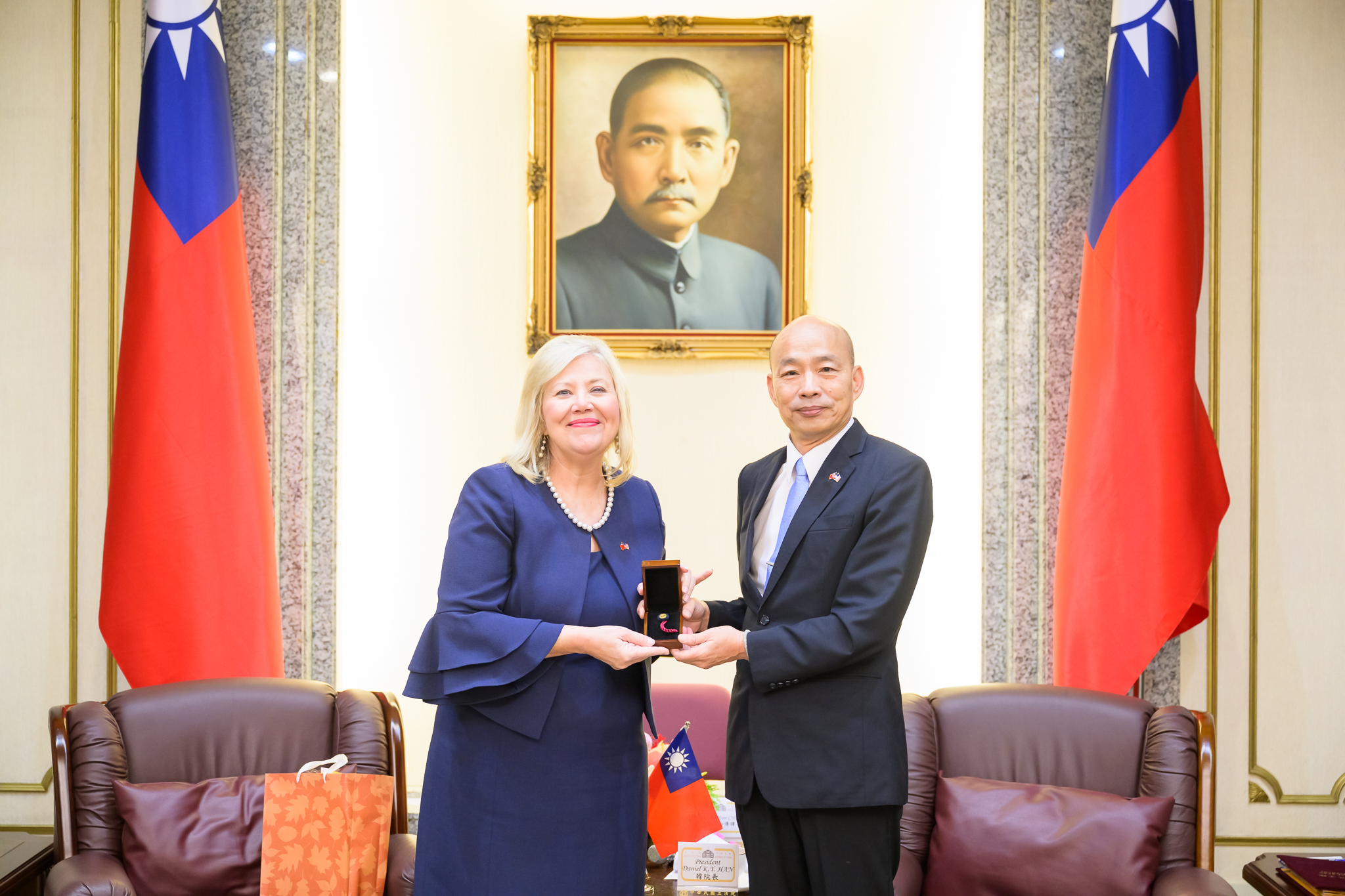
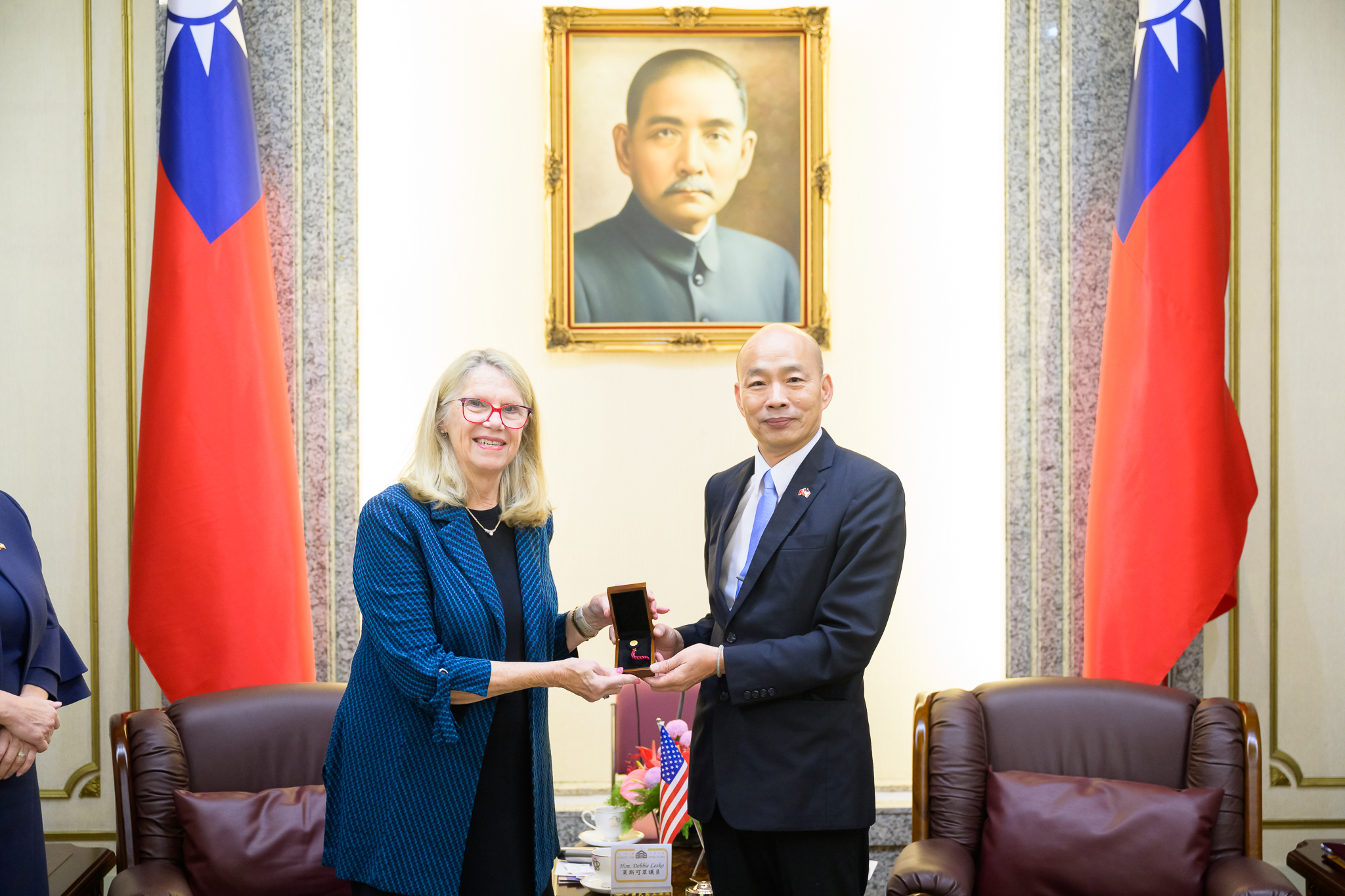
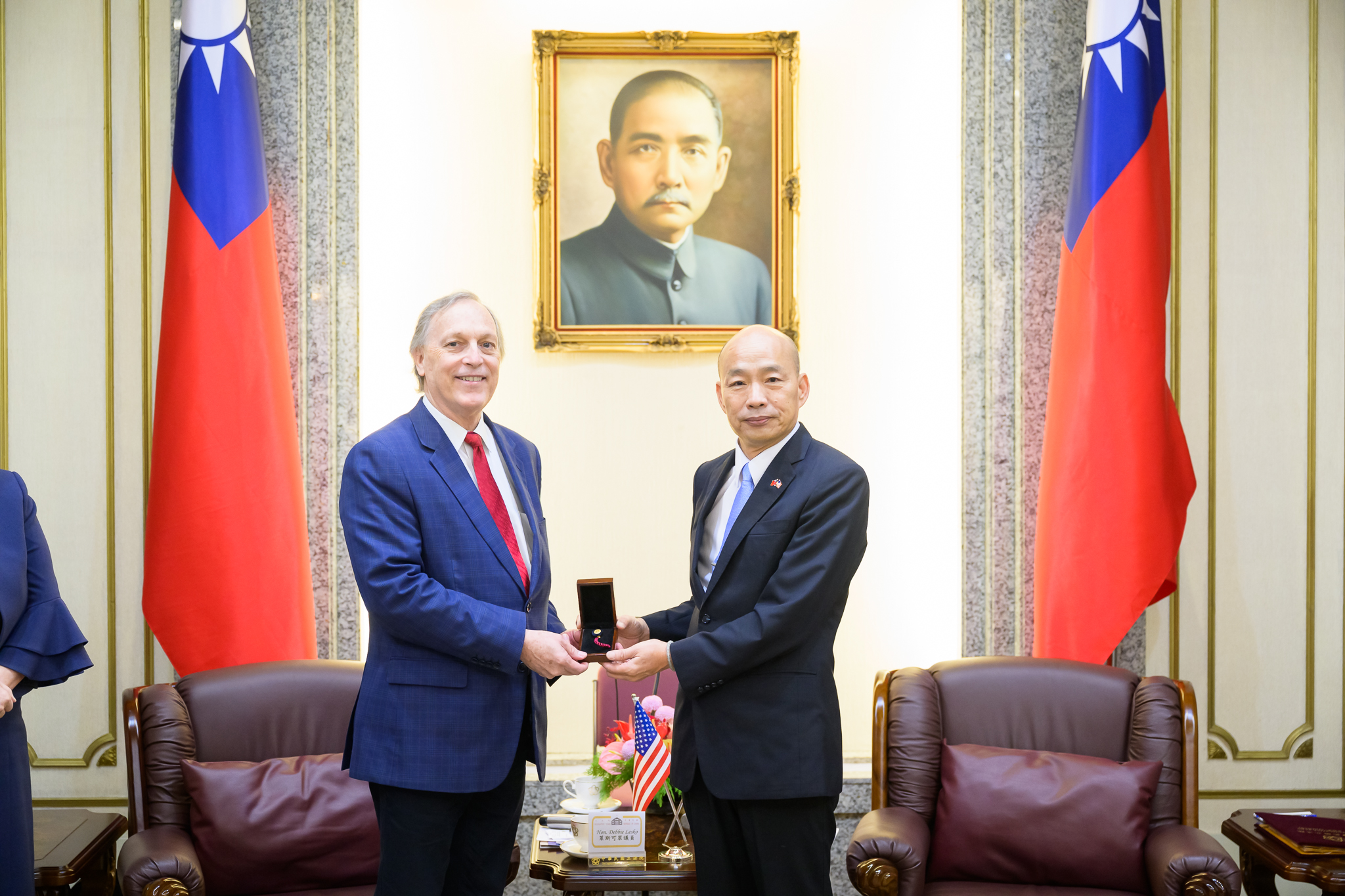
The two sides subsequently engaged in a broad exchange of views on enhancing cooperation in various areas, including educational and cultural exchanges, energy, artificial intelligence and cybersecurity, national defense, and regional security. In conclusion, President Han addressed the visitors, highlighting the challenges Taiwan faces due to the declining birth rate, which have forced 15 universities to suspend enrollment and close. He extended a warm invitation for prestigious American universities to establish branch campuses in Taiwan, utilizing existing facilities and resources. This initiative would not only benefit local students in Taiwan but also attract young talent from neighboring countries to pursue their education here, thereby fostering cooperation and talent cultivation in the realm of higher education. The visitors expressed strong support for this initiative and were willing to provide the necessary assistance. The meeting lasted approximately 40 minutes and concluded on a friendly and pleasant note, with both sides exchanging gifts and taking a group photo.
President Han first extended a warm welcome to the guests. After taking a group photo with the attending legislators and guests, he noted that the presence of cross-party legislators today symbolizes the Legislative Yuan’s high regard for the visiting delegation. President Han elaborated that the Legislative Yuan, as a unicameral body, has 73 out of its 113 legislators from across party lines actively participating in the Legislative Yuan USA Caucus. This term marks the inaugural implementation of a co-chair system, with Kuomintang (KMT) Legislator Ko Chih-En and Democratic Progressive Party (DPP) Legislator Wang Ting-Yu serving as co-chairs, and Vice President Chiang designated as the honorary chair. This structure underscores the Legislative Yuan's profound dedication to strengthening Taiwan-U.S. relations.
President Han further remarked on the demanding nature of parliamentary work, noting that members of parliament not only engage in interpellations and legislative inquiries but also manage their constituencies, serve their constituents, and strive to balance their professional and family lives. He expressed his delight at having the opportunity to engage in face-to-face discussions with fellow members of parliament today. He also expressed the hope that while the distinguished guests present balance the aforementioned three significant responsibilities of legislators, the parliaments of both nations can enhance their interactions and work collaboratively to improve the welfare of their citizens.
In her speech, Congresswoman Debbie Lesko, the head of the delegation, first expressed her gratitude to the President, Vice President, and representatives of all parties for taking the time to meet with them. She shared with the guests that her constituency is located in Arizona, the site of TSMC's U.S. factory. She added that Congresswoman Carol Miller, who is also part of the delegation, represents her constituency of West Virginia which hosts many Taiwanese companies. This visit, coinciding with our National Day, demonstrates a strong commitment to the robust partnership between the United States and Taiwan. She expressed her hope that based on the existing foundation, both countries would continue to deepen and develop their exchanges and cooperation in various fields, including economic and trade issues, as well as regional security.
In his speech, Vice President Chiang noted that this year marks the 45th anniversary of the enactment of the United States' Taiwan Relations Act. He expressed his gratitude to the U.S. government, Congress, and the public for their unwavering support and for standing alongside Taiwan. He emphasized that this support is crucial for the present and future of both countries and expressed hope for the continued deepening of bilateral cooperation and friendship.
During the bilateral exchange, Legislator Wang Ting-Yu emphasized Taiwan's critical strategic position within the first island chain of the Indo-Pacific region and its shared commitment to universal values such as democracy, freedom, and human rights with the United States. He underscored that the cooperative relationship between the two countries is vital for both national and regional security. In light of the unstable global and regional circumstances, he expressed his hope to continue strengthening the mutual trust and collaboration between Taiwan and the U.S. to jointly uphold global prosperity and stability.
Legislator Ko Ju-Chun noted that Taiwan plays a crucial role in the development of advanced technology industries, such as semiconductors and artificial intelligence. Meanwhile, Silicon Valley in the United States is home to world-class technology companies and exceptional talent. Taiwan is eager to contribute more to the global community and looks forward to deepening collaboration and exchanges with the U.S. in areas related to AI and beyond, collectively ushering the world into a new era.
The two sides subsequently engaged in a broad exchange of views on enhancing cooperation in various areas, including educational and cultural exchanges, energy, artificial intelligence and cybersecurity, national defense, and regional security. In conclusion, President Han addressed the visitors, highlighting the challenges Taiwan faces due to the declining birth rate, which have forced 15 universities to suspend enrollment and close. He extended a warm invitation for prestigious American universities to establish branch campuses in Taiwan, utilizing existing facilities and resources. This initiative would not only benefit local students in Taiwan but also attract young talent from neighboring countries to pursue their education here, thereby fostering cooperation and talent cultivation in the realm of higher education. The visitors expressed strong support for this initiative and were willing to provide the necessary assistance. The meeting lasted approximately 40 minutes and concluded on a friendly and pleasant note, with both sides exchanging gifts and taking a group photo.