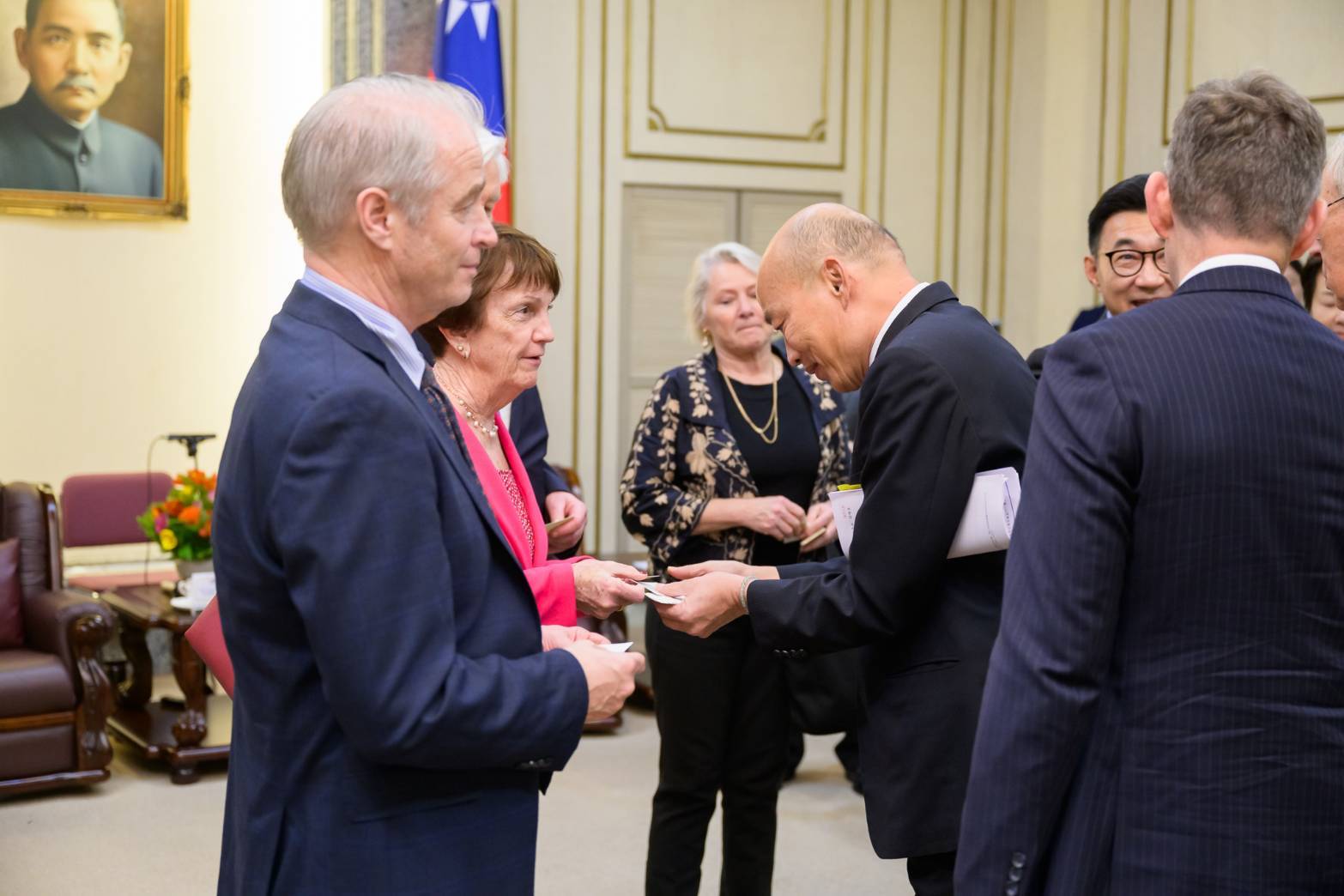
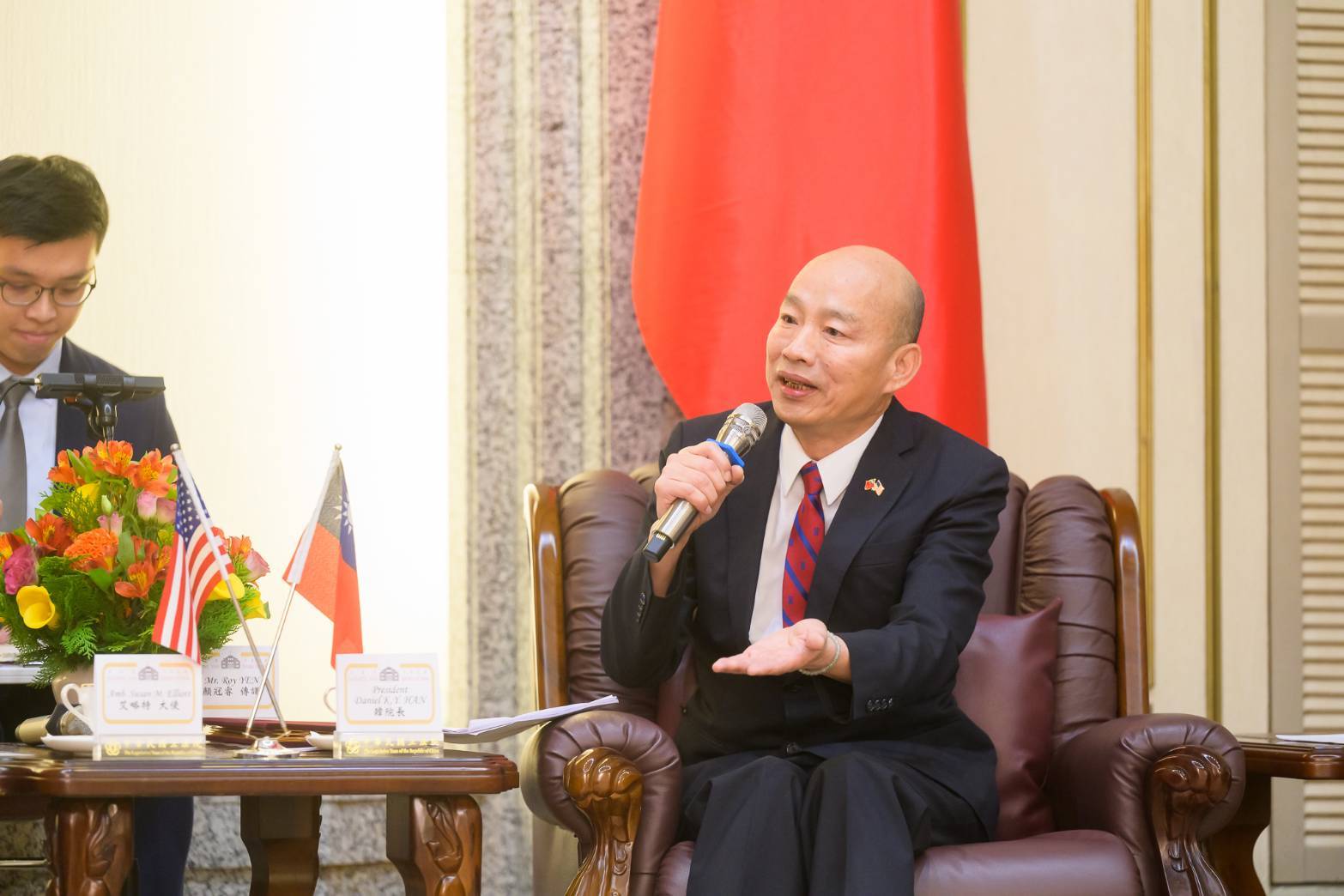
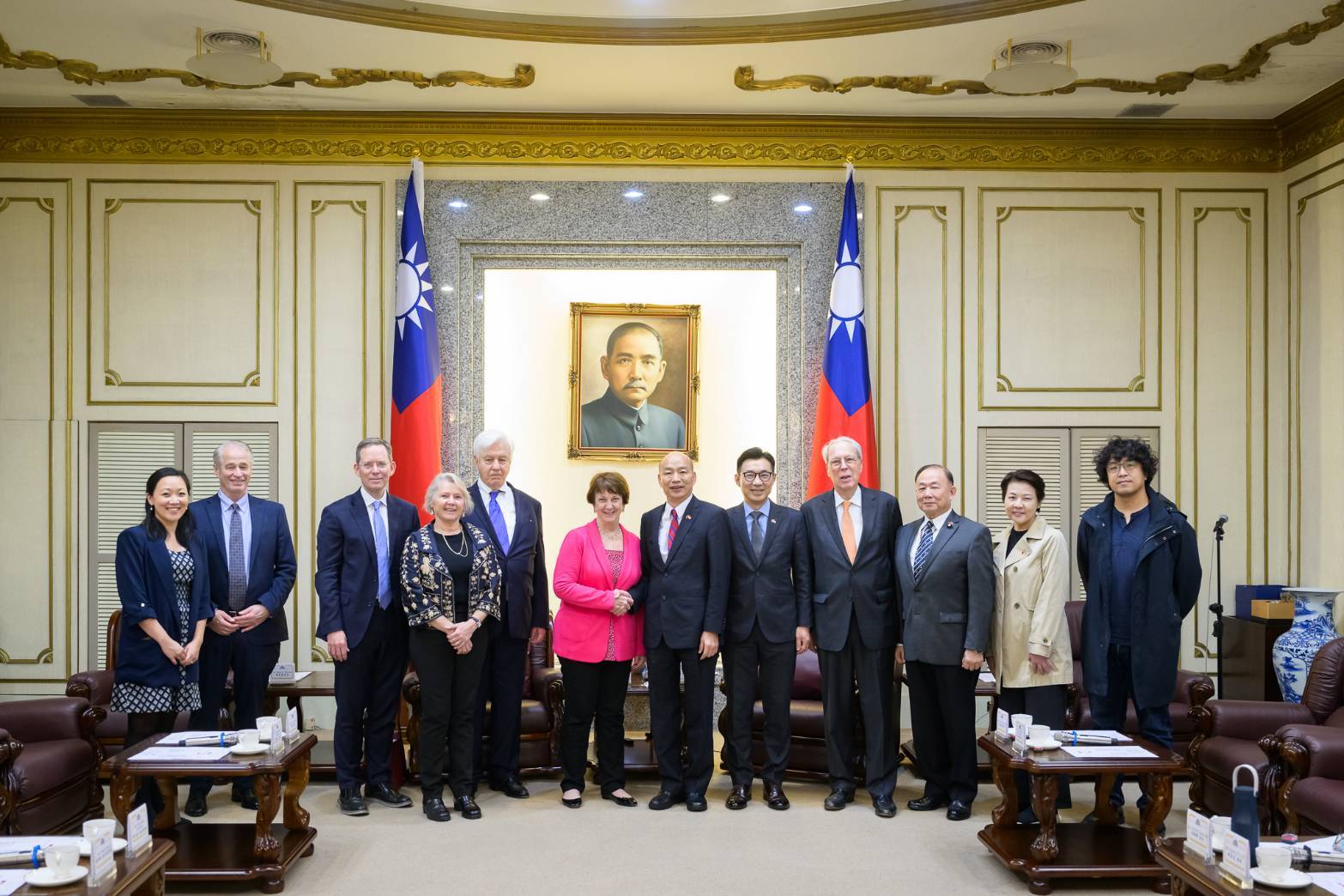
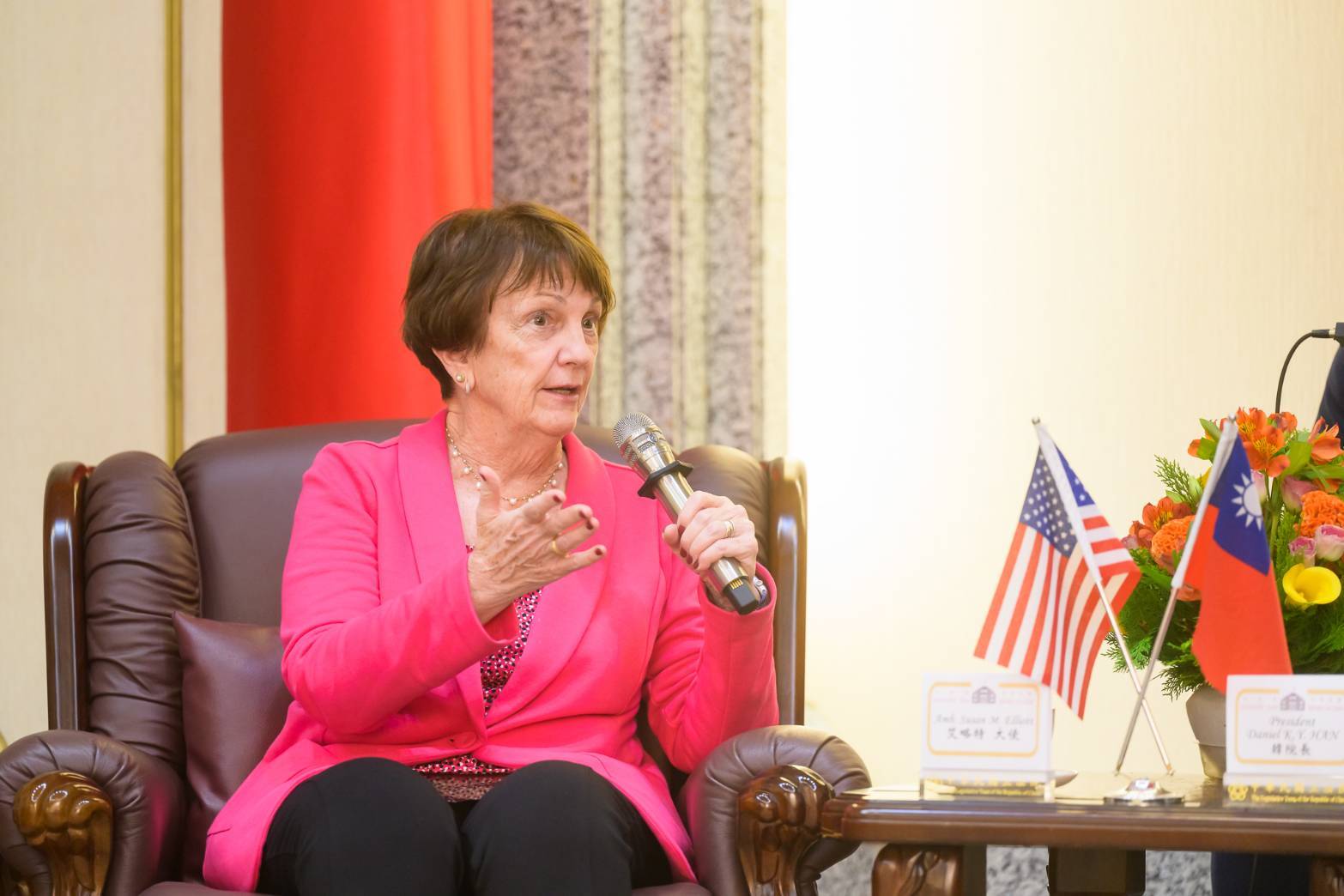
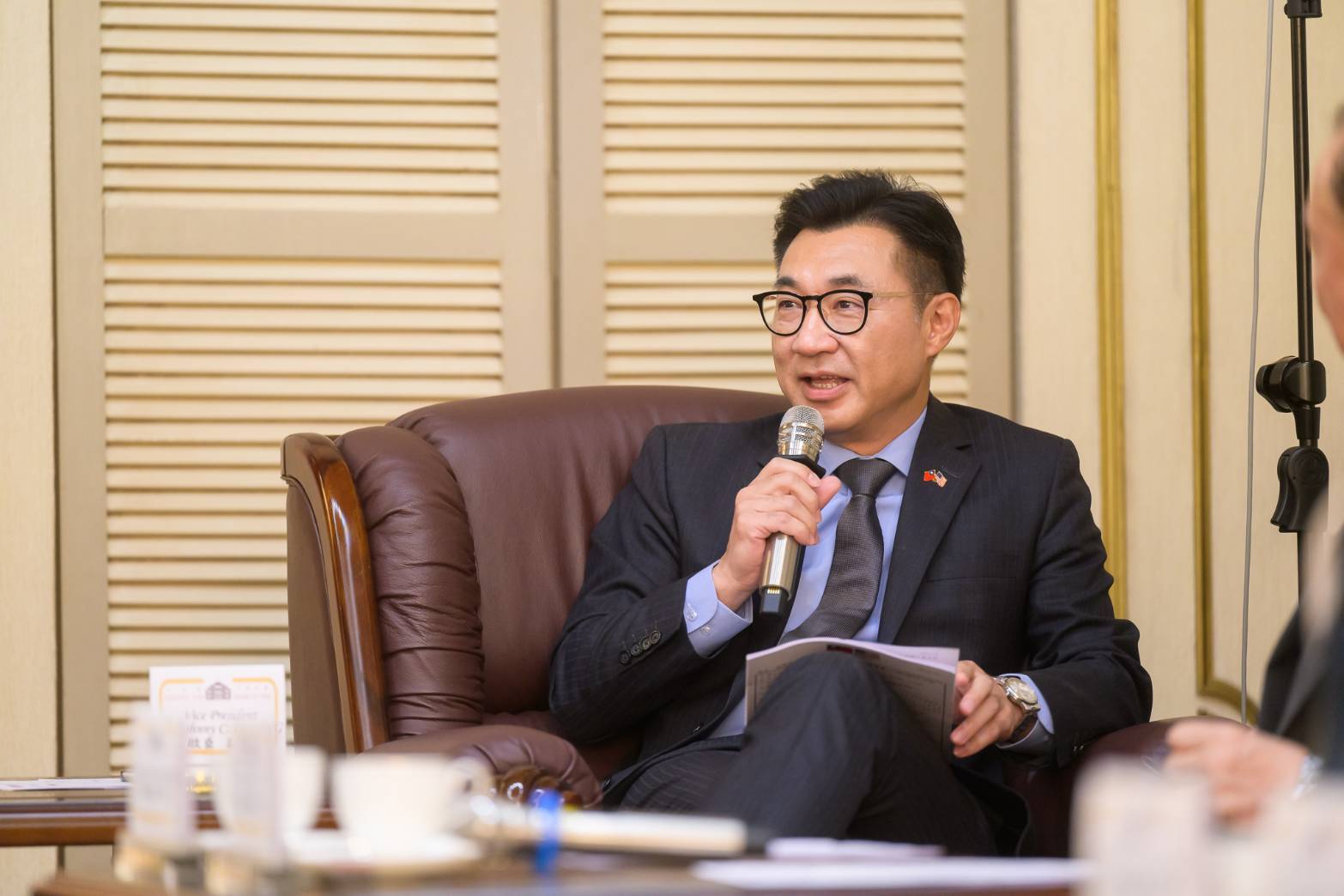
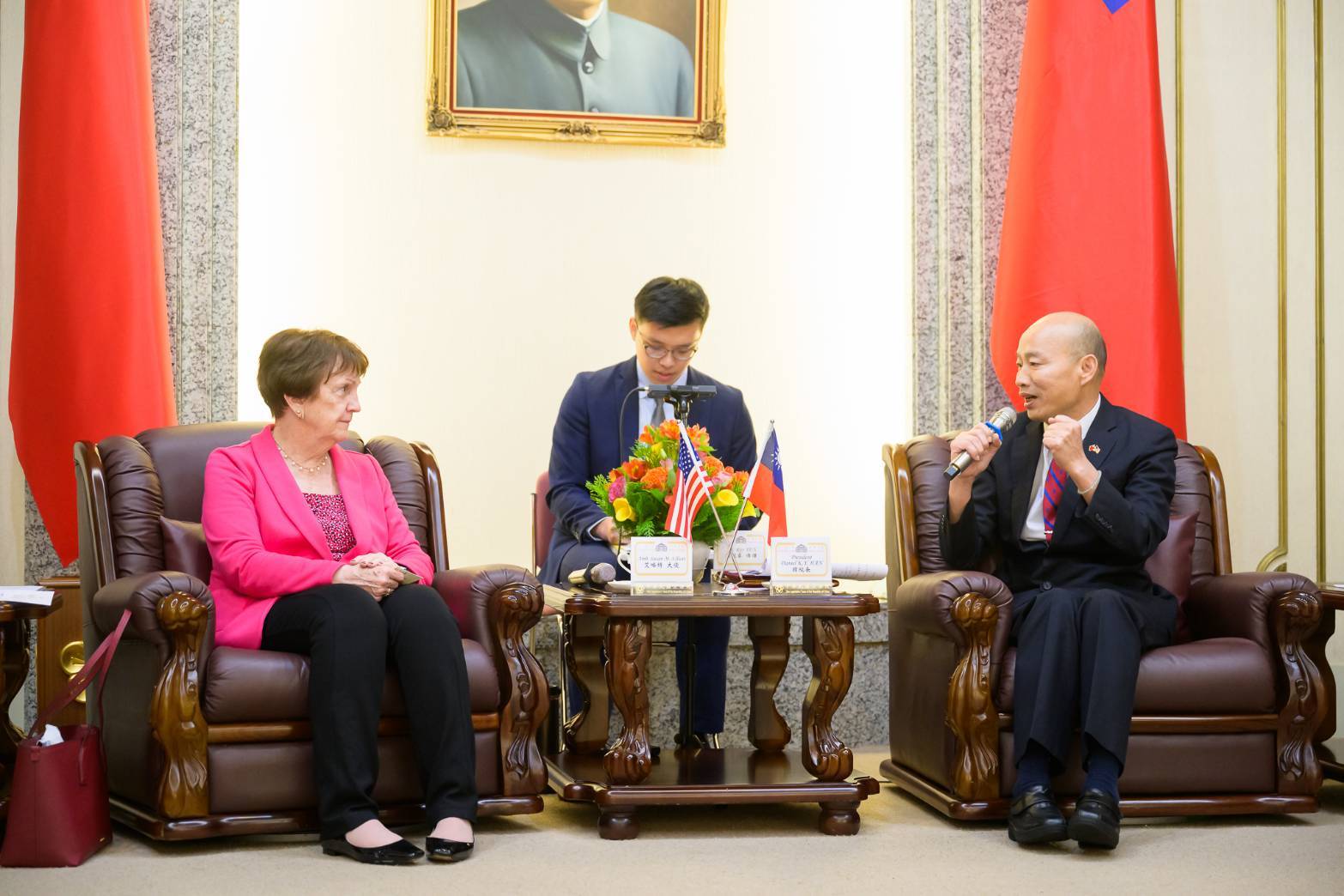
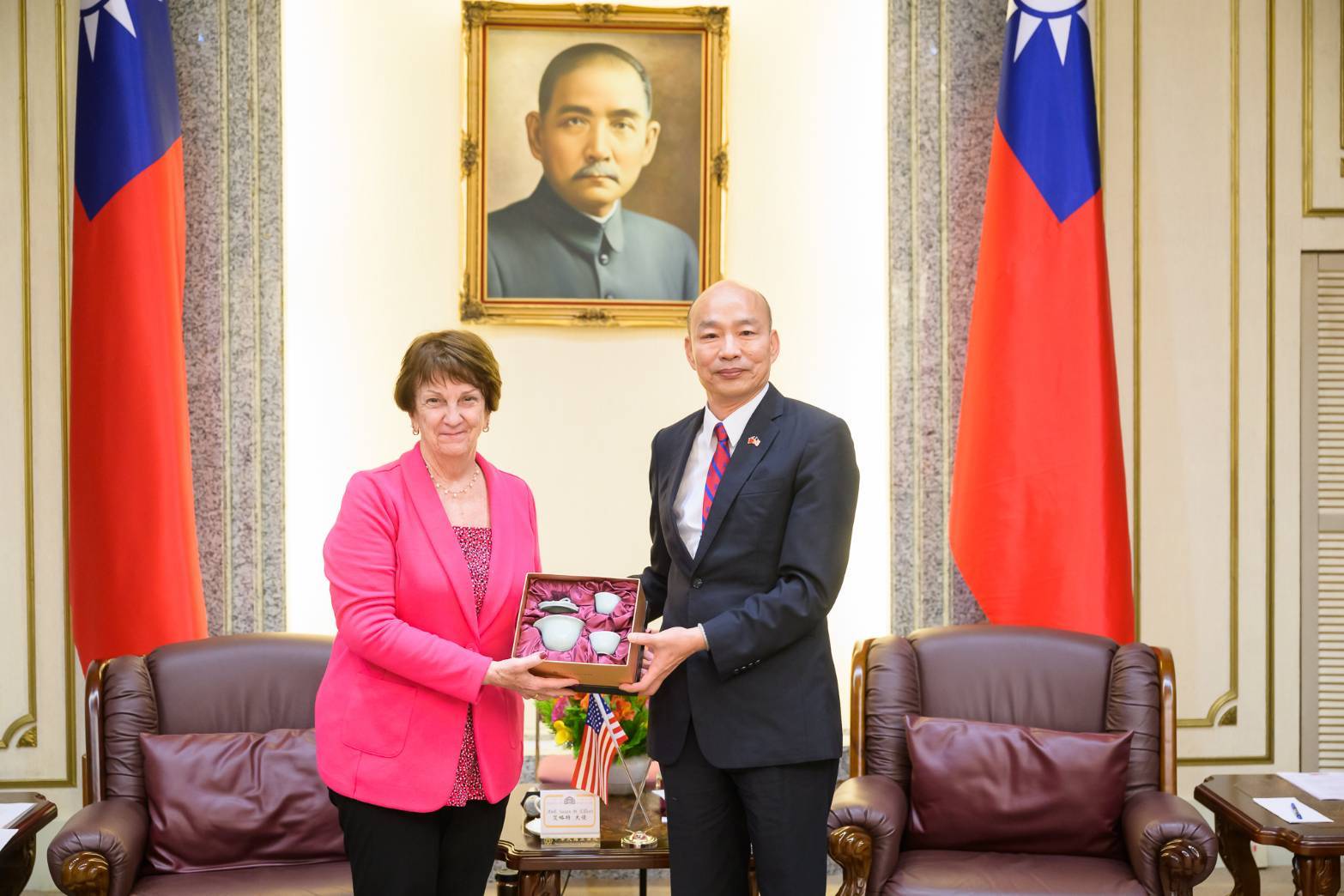
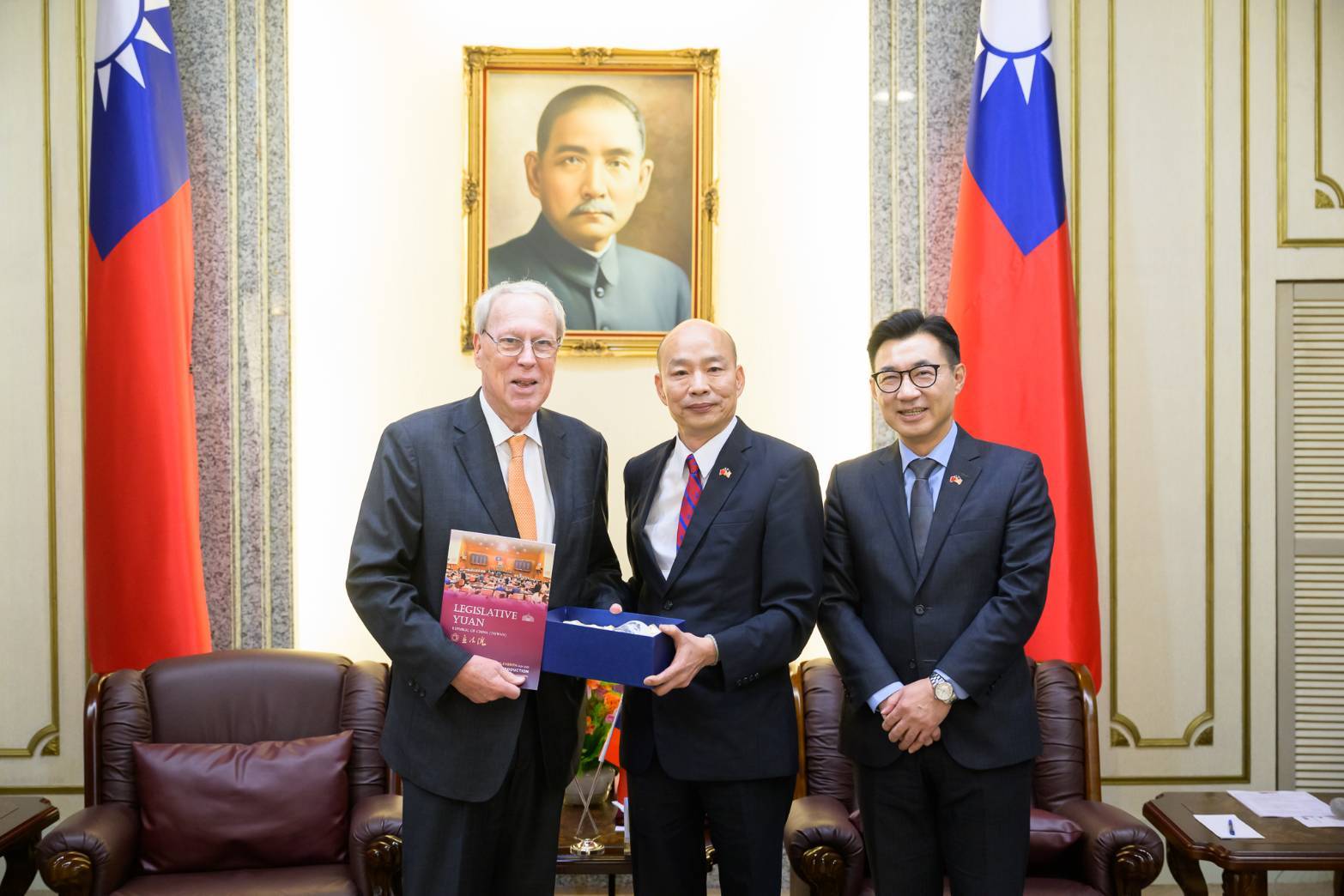
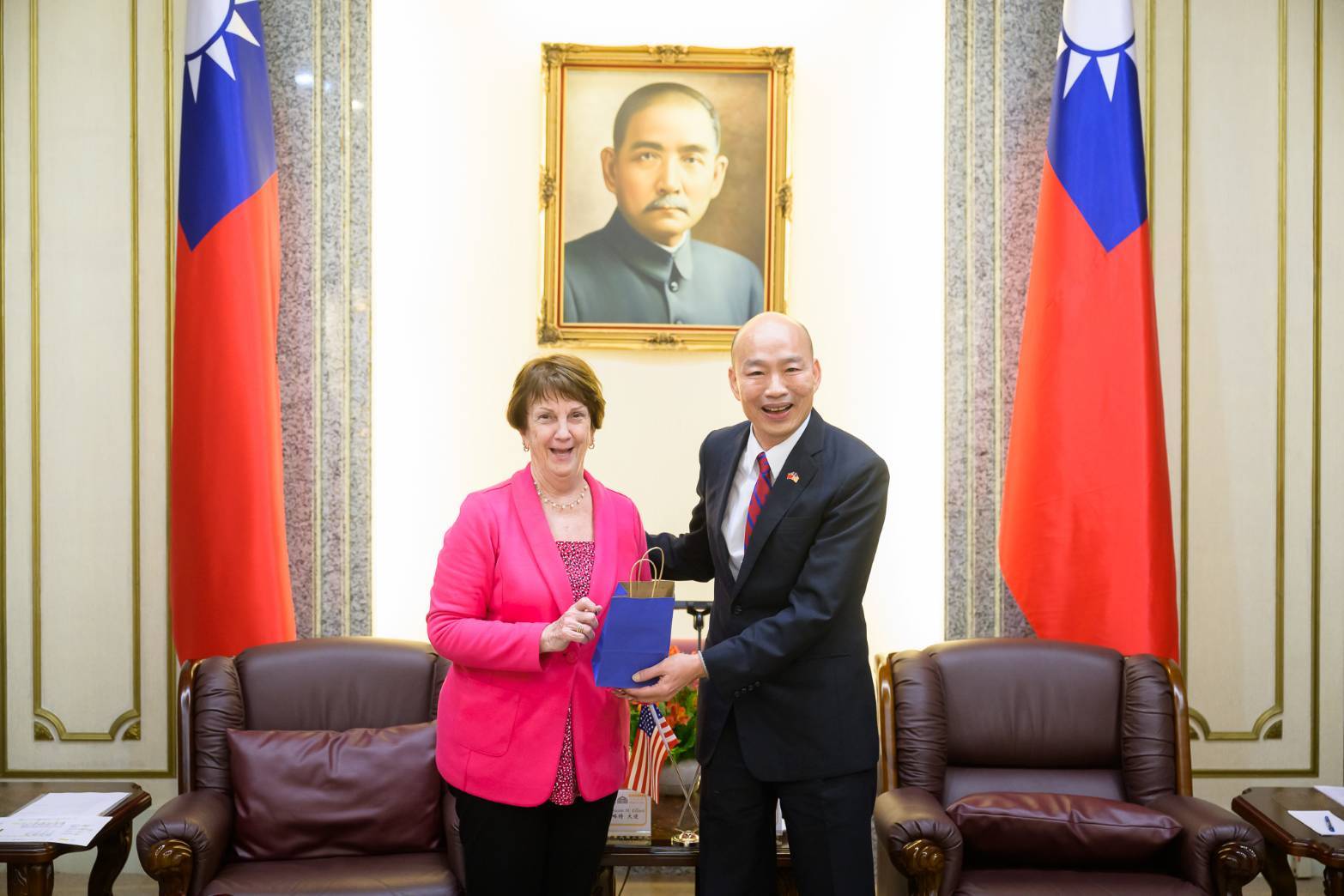
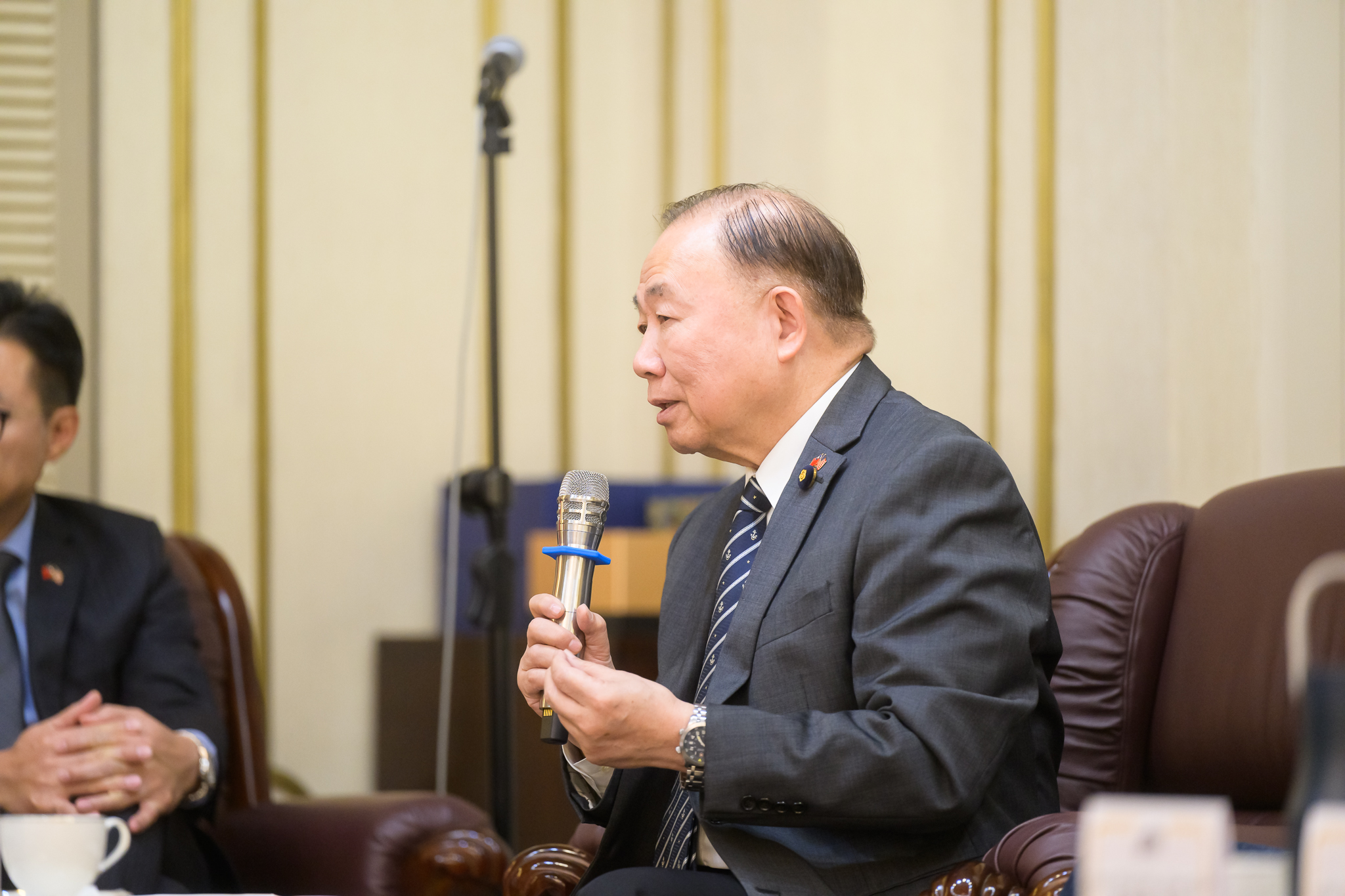
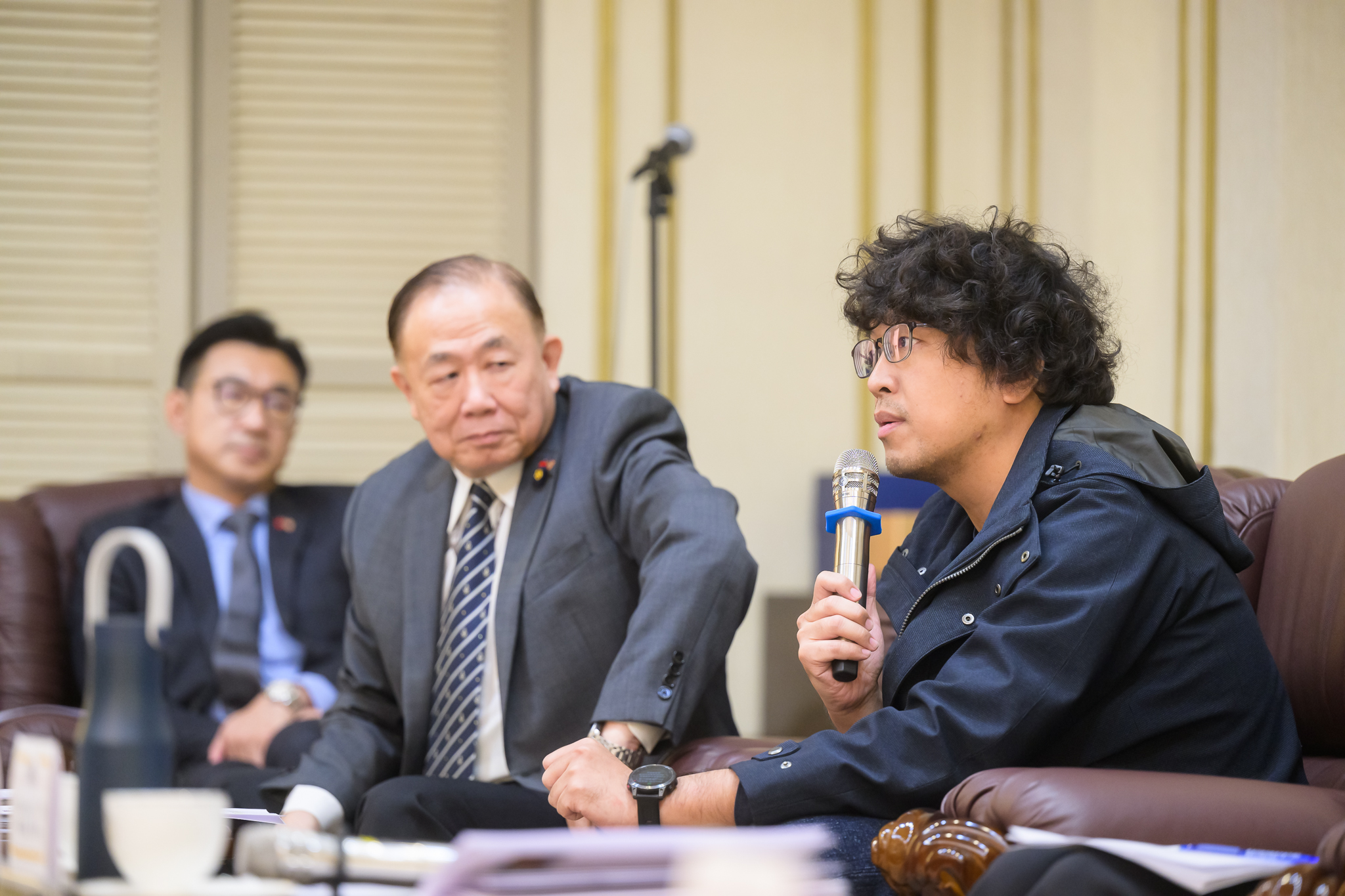
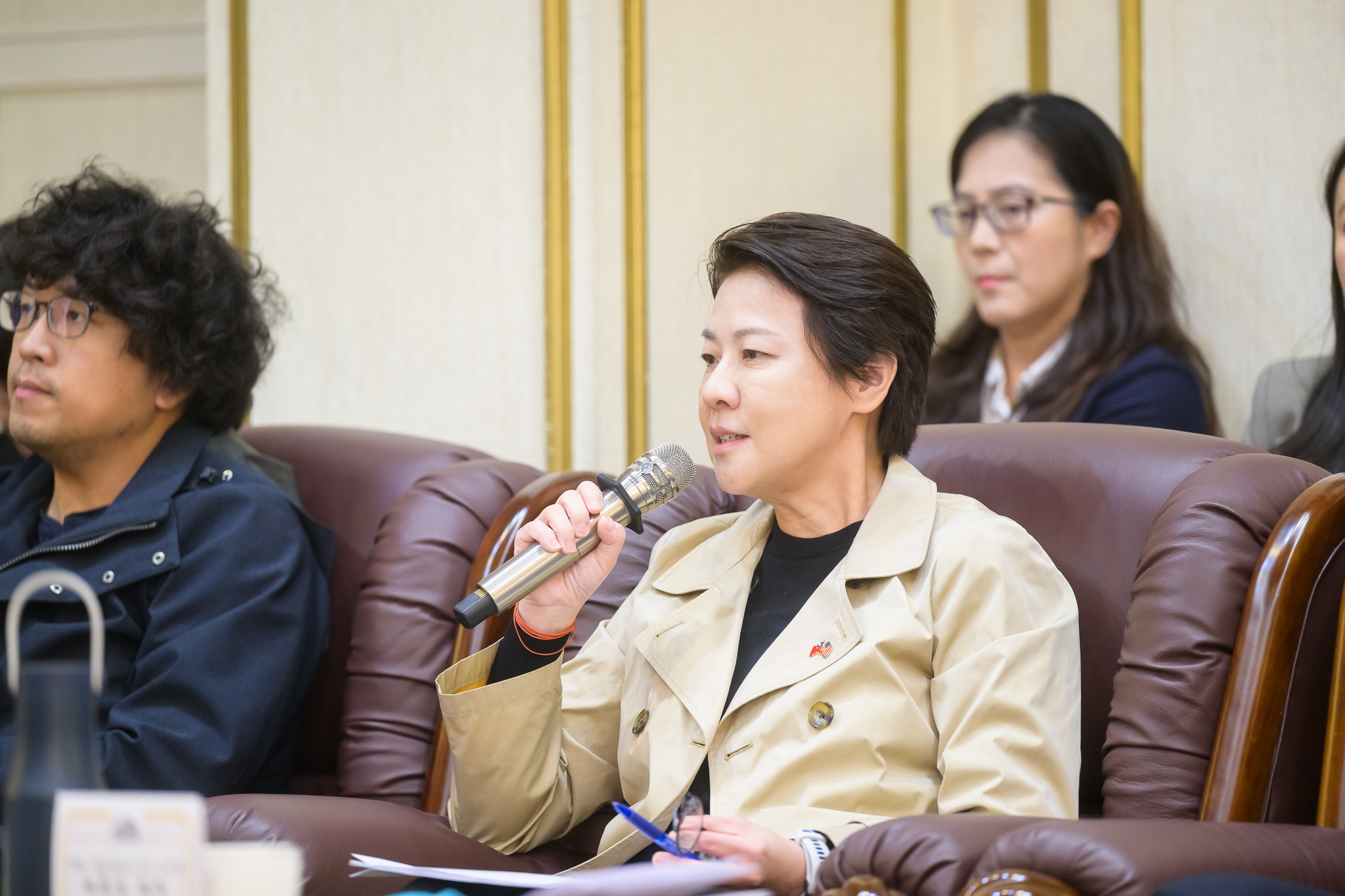
President Daniel K.Y. Han of the Legislative Yuan, accompanied by Vice President Johnny C. Chiang, Legislators Chen Yeong-Kang, Puma Shen, and Huang Shan-Shan, as well as Director Kevin C.F. Lin of the International Affairs Department, and Senior Adviser Lu Shu-O of the Ministry of Foreign Affairs' Department of North American Affairs, met with a seven-member delegation from the National Committee on American Foreign Policy (NCAFP) at 4 p.m. on December 5.
President Han began by extending a warm welcome to the visitors and, after taking a group photo with the attending legislators and the delegation, remarked that Vice President Chiang and the participating legislators from various parties are highly knowledgeable and deeply engaged in international relations. This reflects the Legislative Yuan's strong cross-party emphasis on the significance of the visiting delegation. President Han further noted that the NCAFP was co-founded by renowned international relations scholars Hans J. Morgenthau and George Schwab. Morgenthau's works are considered classics, essential readings for aspiring students in the field of international relations. He expressed great honor in having the opportunity to exchange views with the esteemed experts and scholars present on topics such as the international and Asia-Pacific landscape following this year's U.S. election. President Han said he looked forward to continued bilateral exchanges that will spark insightful ideas.
Ambassador Susan M. Elliott, the head of the delegation, expressed her gratitude to President Han, Vice President Chiang, and legislators from various parties for their time and warm welcome. She introduced the NCAFP, which was established in 1974 and has a history spanning 50 years. The think tank currently focuses on advancing Second Track Diplomacy and places significant attention on cross-strait relations, U.S.-China relations, and the situation in Northeast Asia. Ambassador Elliott further stated that the delegation’s current trip to Asia includes visits to China, Taiwan, South Korea, and Japan. She mentioned that prior to arriving in Taiwan, the delegation had visited Shanghai and Beijing, where they held meetings with Chinese officials, including Foreign Minister Wang Yi and Director of the Taiwan Affairs Office Song Tao. The discussions primarily focused on the situation in the Taiwan Strait, U.S.-China relations, trade imbalances, and international issues of global concern, such as the Russia-Ukraine war, the Israel-Hamas conflict, and the crisis on the Korean Peninsula. She emphasized that the mission of the NCAFP is to promote regional stability and global peace. In today’s international landscape, marked by numerous challenges, maintaining dialogue and exchanges is of critical importance. To prevent misjudgments or even the outbreak of conflicts, all relevant parties should establish constructive communication channels to safeguard global security and peace.
Vice President Chiang stated that following the inauguration of U.S. President-elect Donald Trump for his second term in January 2025, it remains to be seen whether he will continue the Indo-Pacific strategy proposed by the Biden administration or introduce adjustments. He further pointed out that, as of this year, the U.S. has surpassed China to become Taiwan’s largest export market. However, given the rapidly changing international landscape and the relative unfamiliarity with the incoming Trump administration, he expressed hope that the visiting delegation can offer valuable insights on how Taiwan should respond. He also emphasized the importance of continuing to maintain strong bilateral interactions and cooperation between Taiwan and the U.S.
Members of the delegation shared that recent discussions in Taiwan’s political circles have touched on President Trump’s public remarks urging Taiwan to increase its defense budget to a certain percentage of GDP. They expressed approval of Taiwan’s efforts to allocate additional defense budget and actively strengthen its defense capabilities. In response to Vice President Chiang’s inquiry about establishing communication channels between Taiwan and the Trump administration, a delegation member noted that while the process may not be entirely smooth at the outset, Taiwan can engage with various agencies and authorities within the new U.S. administration across both public and private sectors without restrictions. He emphasized that the more channels Taiwan establishes, the greater the opportunity to foster constructive interactions with the Trump administration.
Another member of the delegation assessed that President Trump is highly likely to maintain a unilateral approach and transactional diplomacy, prioritizing the maximization of U.S. interests as his core value. However, whether he will adopt a comprehensive and strategically planned foreign policy remains to be further observed. Drawing on his experience serving in the U.S. federal executive branch, he advised that Taiwan, positioned amid the competition between the U.S. and China, should strive to maintain a balance between the two powers. By leveraging the negotiation process, Taiwan can secure its own bargaining chips. Regarding future U.S.-China relations, he noted that significant uncertainties remain. The U.S. is likely to avoid overly close ties with China while also seeking to prevent heightened tensions. He suggested that Taiwan could leverage its unique advantages to find a balanced path amid the power dynamics between major nations. He further remarked that during Trump’s first term, when questioned about Taiwan’s arms purchases, Trump simply responded by saying that Taiwan is a very good customer. The visitors further inquired about the Legislative Yuan's review of Taiwan's central government budgetary bills for the upcoming year, particularly regarding the budget allocation for the domestically-produced submarine program. They suggested that U.S.-Taiwan economic and trade relations should be a priority in the Trump administration's Taiwan policy. They advised the Taiwanese government to consider the situation from Trump’s perspective and explore ways to simultaneously enhance the importance of U.S.-Taiwan trade and defense procurement, creating a mutually beneficial, win-win scenario.
Legislator Chen Yeong-Kang stated that in order to comprehensively enhance Taiwan's defense capabilities, Taiwan's procurement of advanced weapons from the U.S. also includes software applications and critical components. He expressed his hope that, in addition to strengthening its hard power, Taiwan could send outstanding personnel to the U.S. for relevant military training. This would allow them to become proficient in the practical operation of procured weapons, thereby bolstering Taiwan's defense preparedness and operational capabilities. Legislator Puma Shen responded to inquiries about the progress of the Legislative Yuan's review of next year's central government budget, stating that the Foreign and National Defense Committee is scheduled to discuss Taiwan's defense budgetary bill next week. He specifically noted that Taiwan's first domestically-produced submarine is expected to undergo underwater testing in the second half of next year, an event that has drawn significant attention from various sectors. Legislator Huang Shan-Shan stated that the Taiwan People's Party fully supports efforts to strengthen Taiwan's defense capabilities. However, she emphasized the importance of utilizing the relevant budget in the most effective manner and expressed hope that cross-strait relations would not be limited to conflict but could evolve toward more diverse and constructive engagements.
President Han concluded by likening the current international situation to a Texas Hold'em-style great power competition. Among the 193 United Nations member states, the United States, Russia, China, and the European Union play particularly pivotal roles. However, these four key players face differing internal and external challenges and possess unique bargaining chips, leading them to adopt distinct strategies in the geopolitical arena. As in any game of strategy, there are potential victories as well as defeats. President Han expressed his hope to visit the NCAFP in the future to continue in-depth discussions on important international developments and other topics of mutual concern. Both sides engaged in a wide-ranging exchange of views on post-election U.S. political and economic developments, the Indo-Pacific situation, U.S.-Taiwan economic and trade relations, and U.S. arms sales to Taiwan. The discussions were conducted in a friendly and lively atmosphere and lasted approximately one hour. The meeting concluded on a successful note with the exchange of commemorative gifts.