

President Daniel K.Y. Han of the Legislative Yuan meets with homecoming delegation from the Japan Taiwanese Chamber of Commerce and Industry
On the afternoon of January 8 at 4:00 PM, President Daniel K.Y. Han of the Legislative Yuan, accompanied by KMT Legislator Hung Mong-Kai, DPP Legislator Chiu Yi-Ying, TPP Legislator Wu Chun-Cheng, Director Kevin C.F. Lin of the Department of International Affairs, and Deputy Minister Joshua Jhao-Syong Ruan of the Overseas Community Affairs Council (OCAC), received a 35-member homecoming delegation from the Japan Taiwanese Chamber of Commerce and Industry.
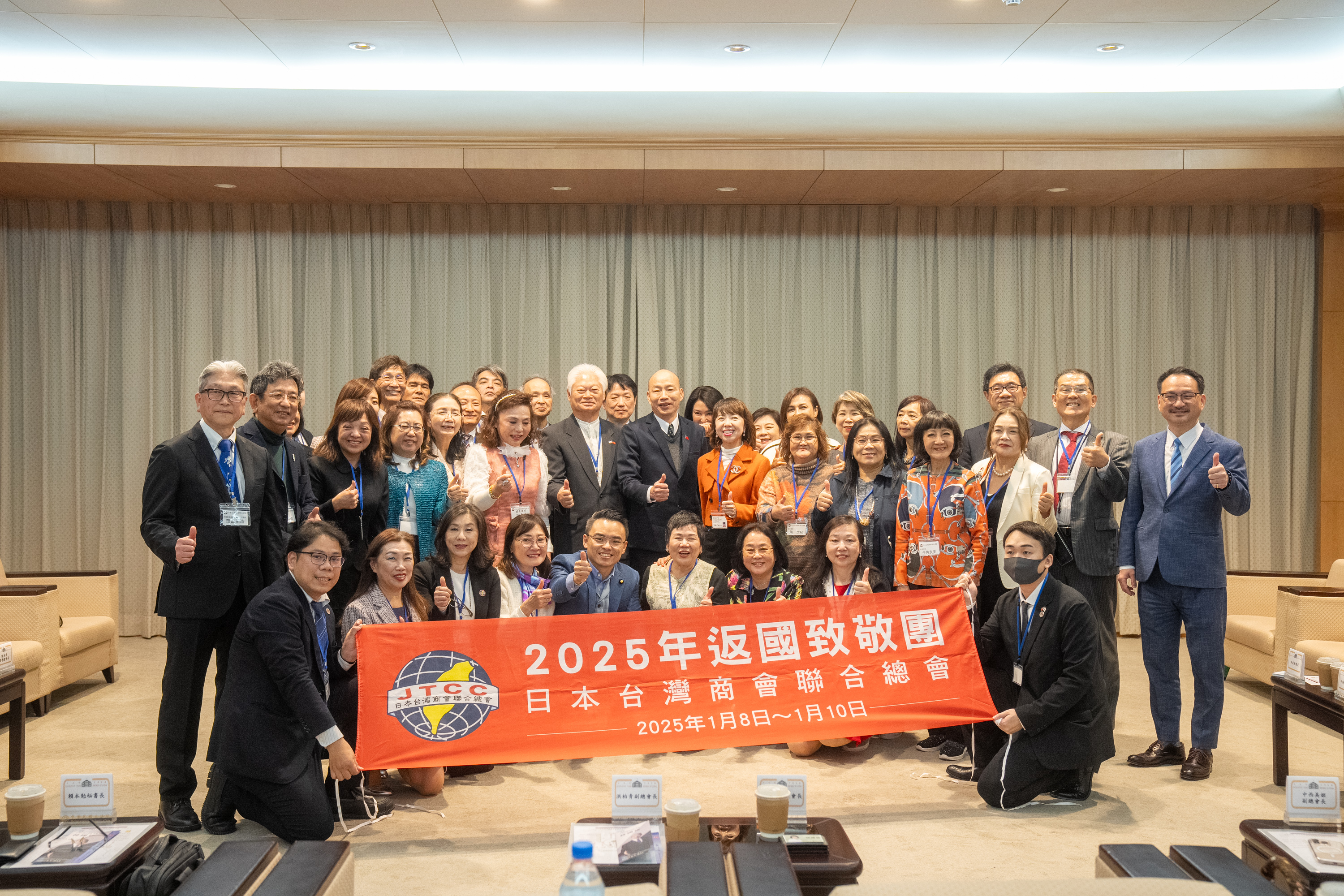
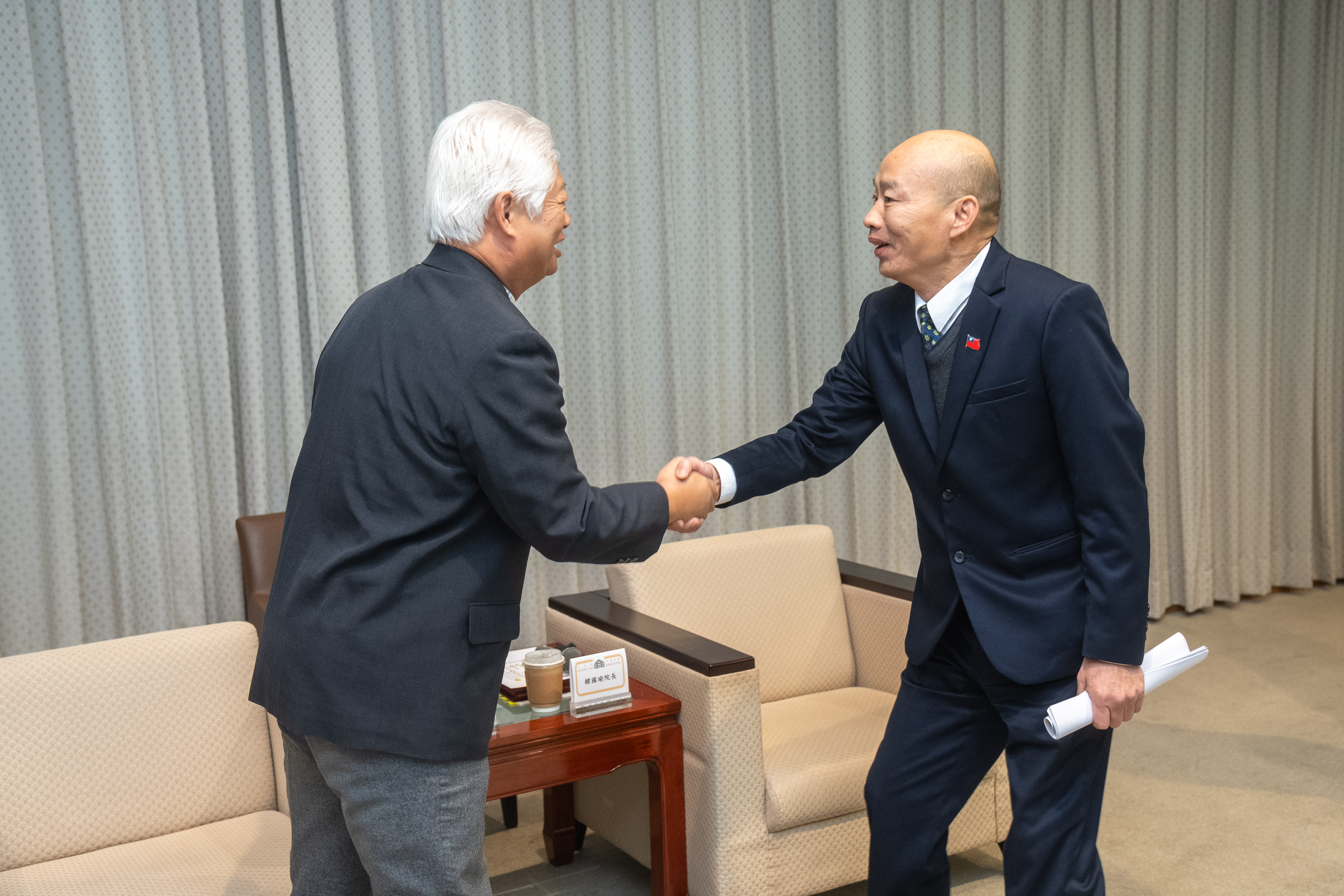
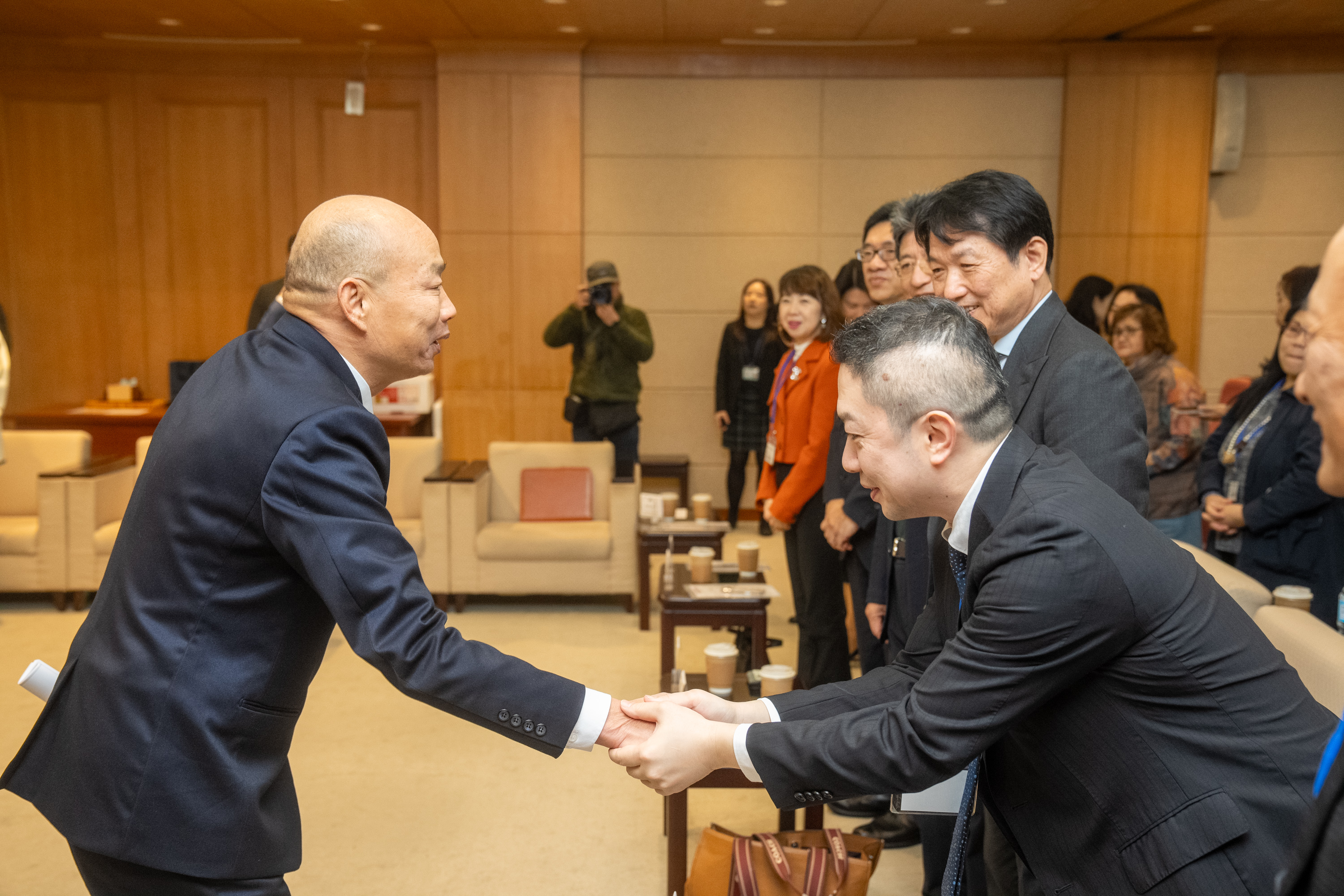
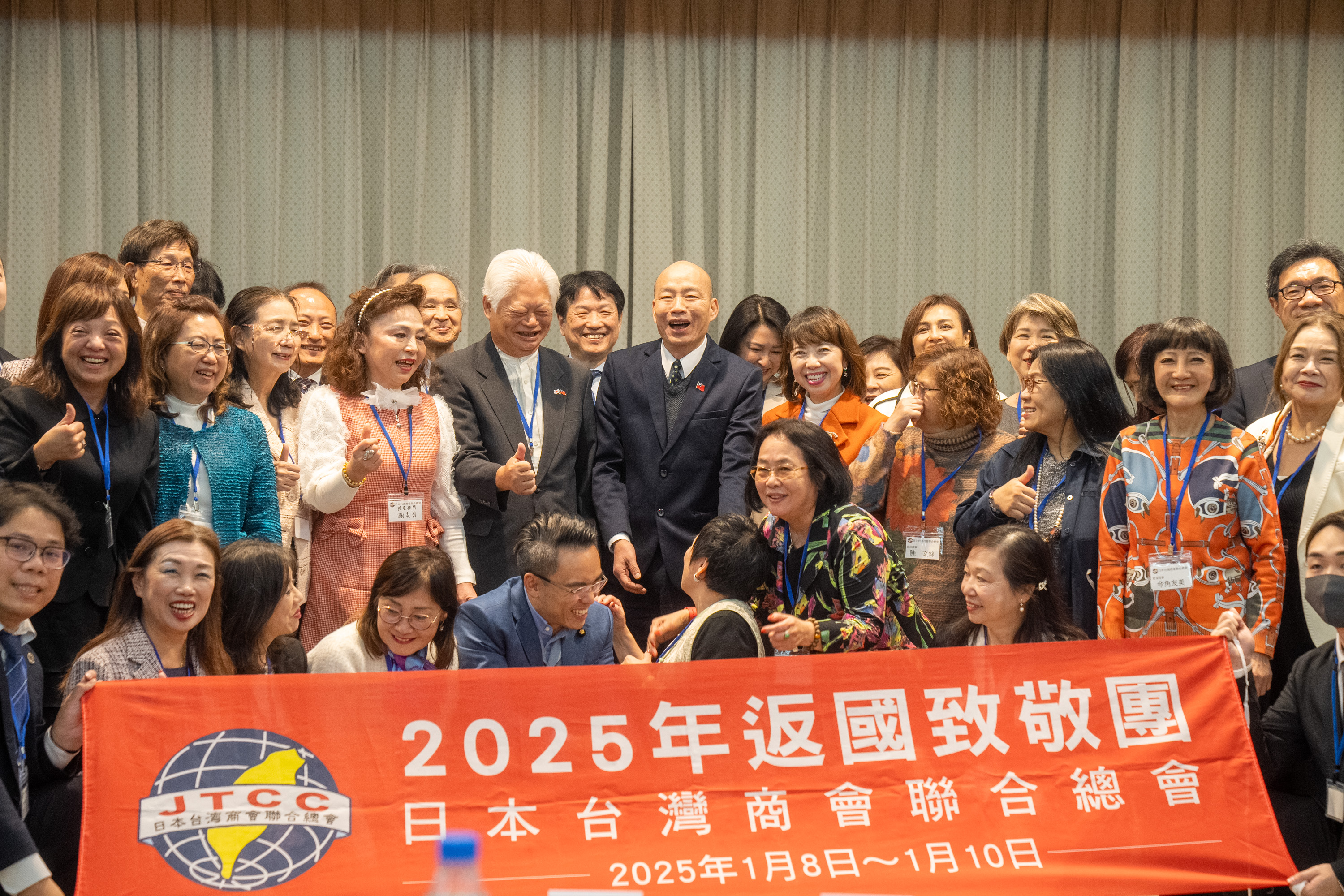
President Han first extended a warm welcome to the visiting guests, which was followed by a group photo with the delegation members and legislators present. President Han expressed his gratitude to the Japan Taiwanese Chamber of Commerce and Industry for its unwavering commitment to uniting the strength of Taiwanese businesses since its establishment in 2013. He acknowledged the organization's spirit of generosity and compassion, particularly in times of natural disasters, and its dedicated contributions to both Taiwan and Japan.
President Han stated that global tensions continue to rise, and with the U.S. set to welcome a new president, the relationships among Taiwan, Japan, the U.S., and China face numerous uncertainties and challenges. Against this backdrop, both Taiwan's legislative and executive branches must respond with caution to navigate the evolving landscape. He expressed his hope that Taiwanese business representatives can leverage their influence to actively lobby the Japanese government to continue supporting Taiwan’s early accession to the Comprehensive and Progressive Agreement for Trans-Pacific Partnership (CPTPP) through concrete actions. He emphasized the critical importance of international participation, stressing that Taiwan must not become isolated on the global stage and urgently requires the strong support and advocacy of Japan and its international friends.
President Han further pointed out that Taiwan is Japan's fourth-largest trading partner, while Japan is Taiwan's third-largest trading partner. He added that although Taiwan accounts for only 0.03% of the world's total land area, its development potential is immense. This is clearly demonstrated by the substantial bilateral trade volume between Taiwan and Japan, which reached approximately USD 76 billion last year (2024). President Han further noted that in recent years, exchanges between Taiwan and Japan in the fields of economy and trade, culture, education, and sports have grown increasingly close, fostering a relationship that can be described as seamless and deeply integrated. He welcomed Taiwanese business representatives to visit the Legislative Yuan, their "maternal home," more often. Encouraging them with the phrase, "In our eyes, there is no blue, green, or white—only a deep love for Taiwan," he urged everyone to uphold the spirit of unity and mutual support. He expressed his belief that Taiwanese businesspeople, wherever they are, can take root and thrive, bringing honor to Taiwan.
President Han concluded by highlighting that the current Legislative Yuan comprises 47 female legislators, accounting for 41% of the total seats. This, he noted, is a testament to the deeply ingrained values of gender equality and democratic spirit within the DNA of the Taiwanese people. He expressed his hope that upon returning to Japan, the visiting delegation can actively promote Taiwan's diversity, inclusiveness, and democratic achievements.
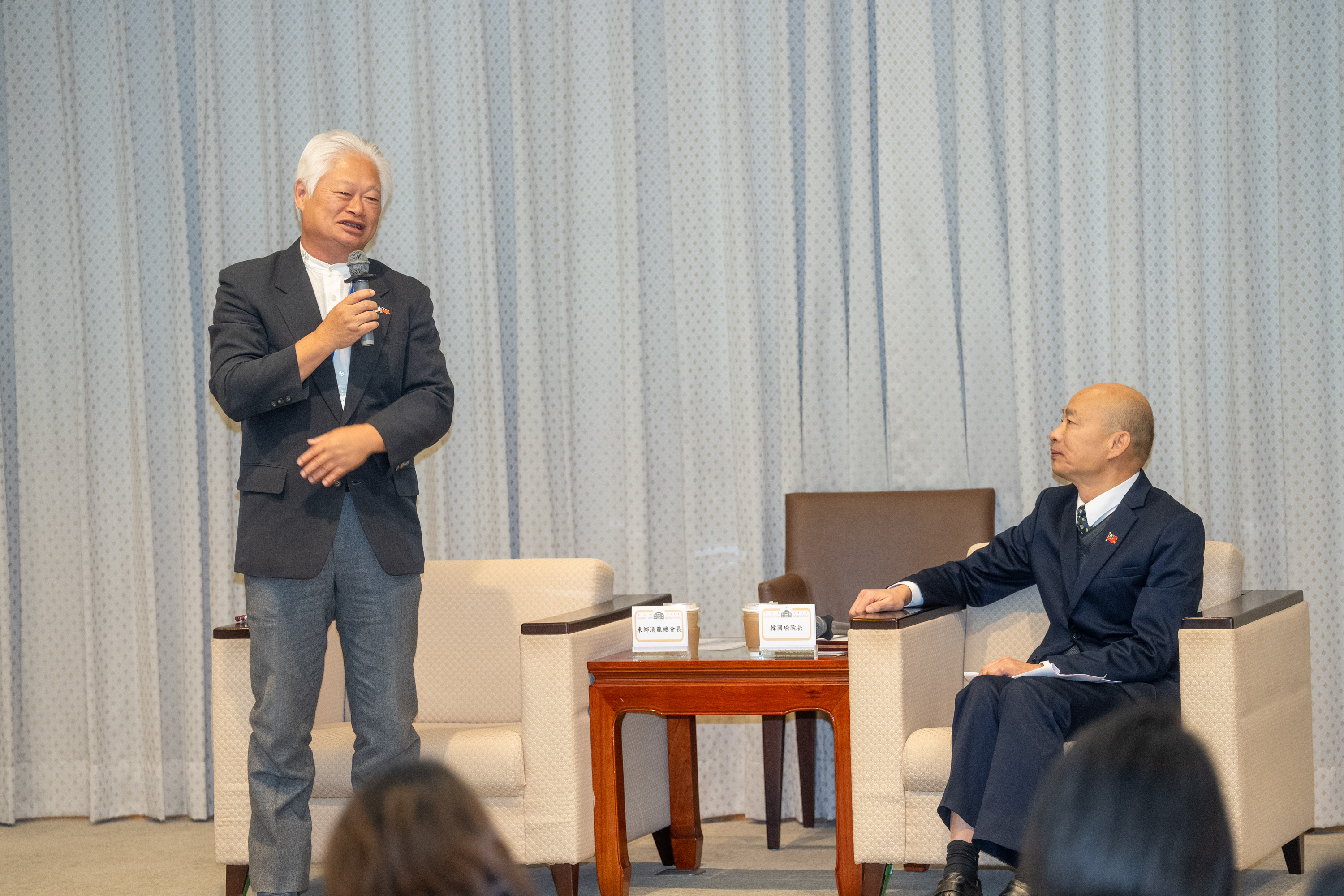
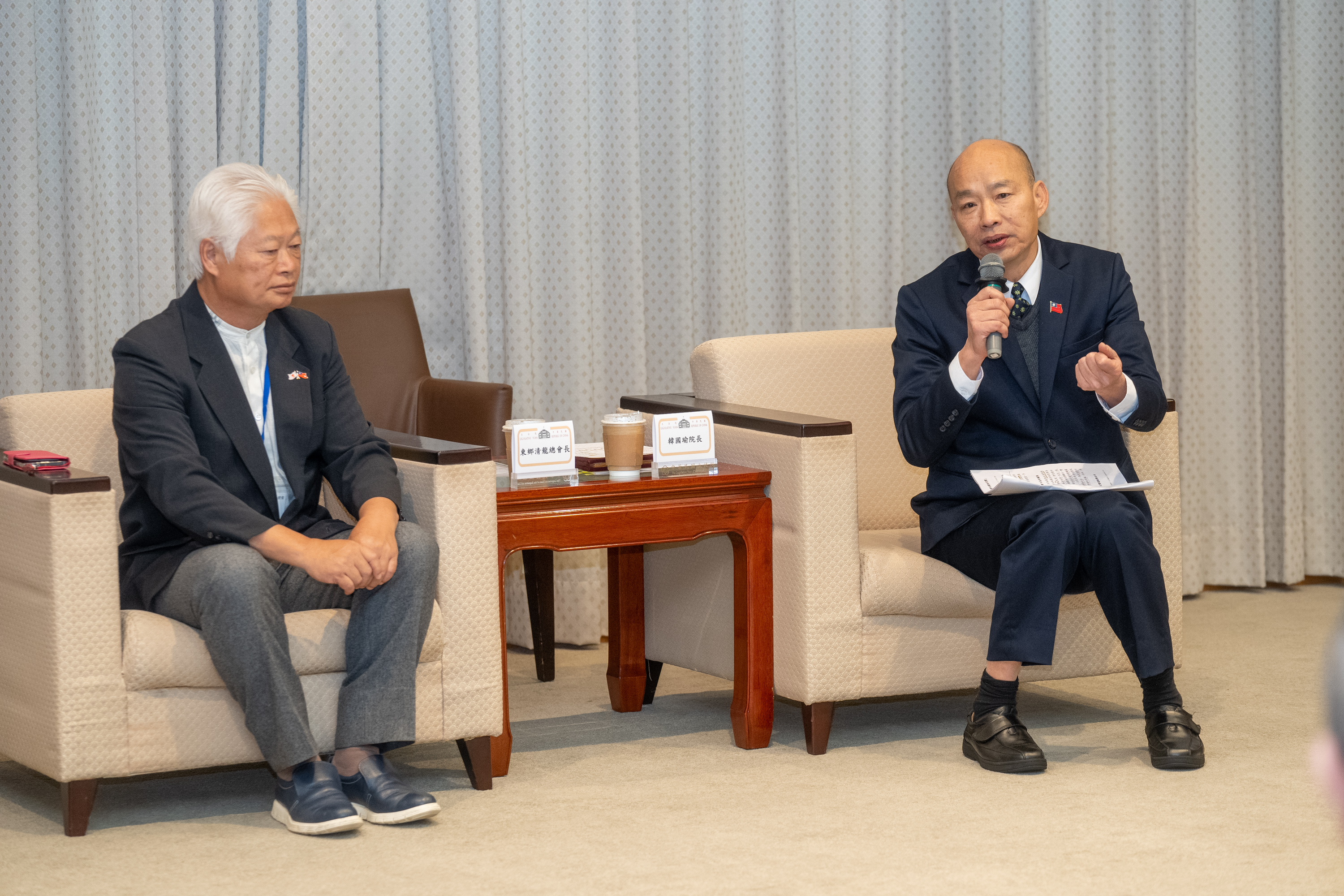
Tōgō Kiyoryū, President of the Japan Taiwanese Chamber of Commerce and Industry, expressed his gratitude to President Han and the legislators for taking the time to meet with the delegation. He stated that Taiwanese business representatives always hold their homeland close to their hearts and are committed to assisting in enhancing Taiwan's international industrial competitiveness. Following TSMC's establishment of a plant in Kumamoto, Japan last year, many Taiwanese enterprises have been drawn to Japan to explore business opportunities. The Japan Taiwanese Chamber of Commerce and Industry is willing to make every effort to support collaboration between businesses from both sides, with the aim of further deepening Taiwan-Japan economic and trade relations.
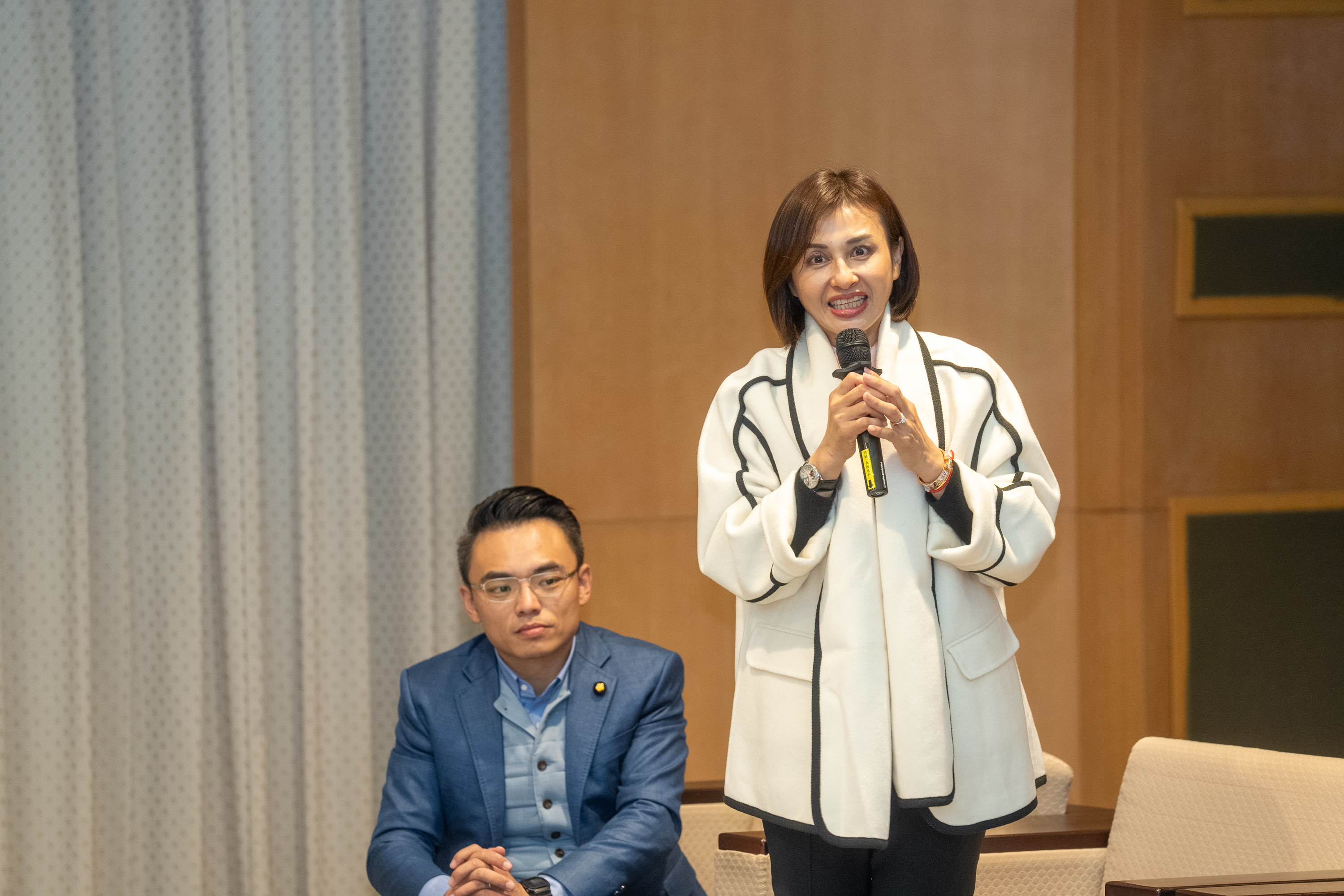
Legislator Chiu Yi-Ying warmly welcomed the visiting delegation back to Taiwan and expressed gratitude to the Taiwanese business representatives for remaining connected to their homeland despite many years in Japan. She also invited the delegation to visit her constituency in Kaohsiung to experience the pleasant climate of southern Taiwan and the warmth of its people.
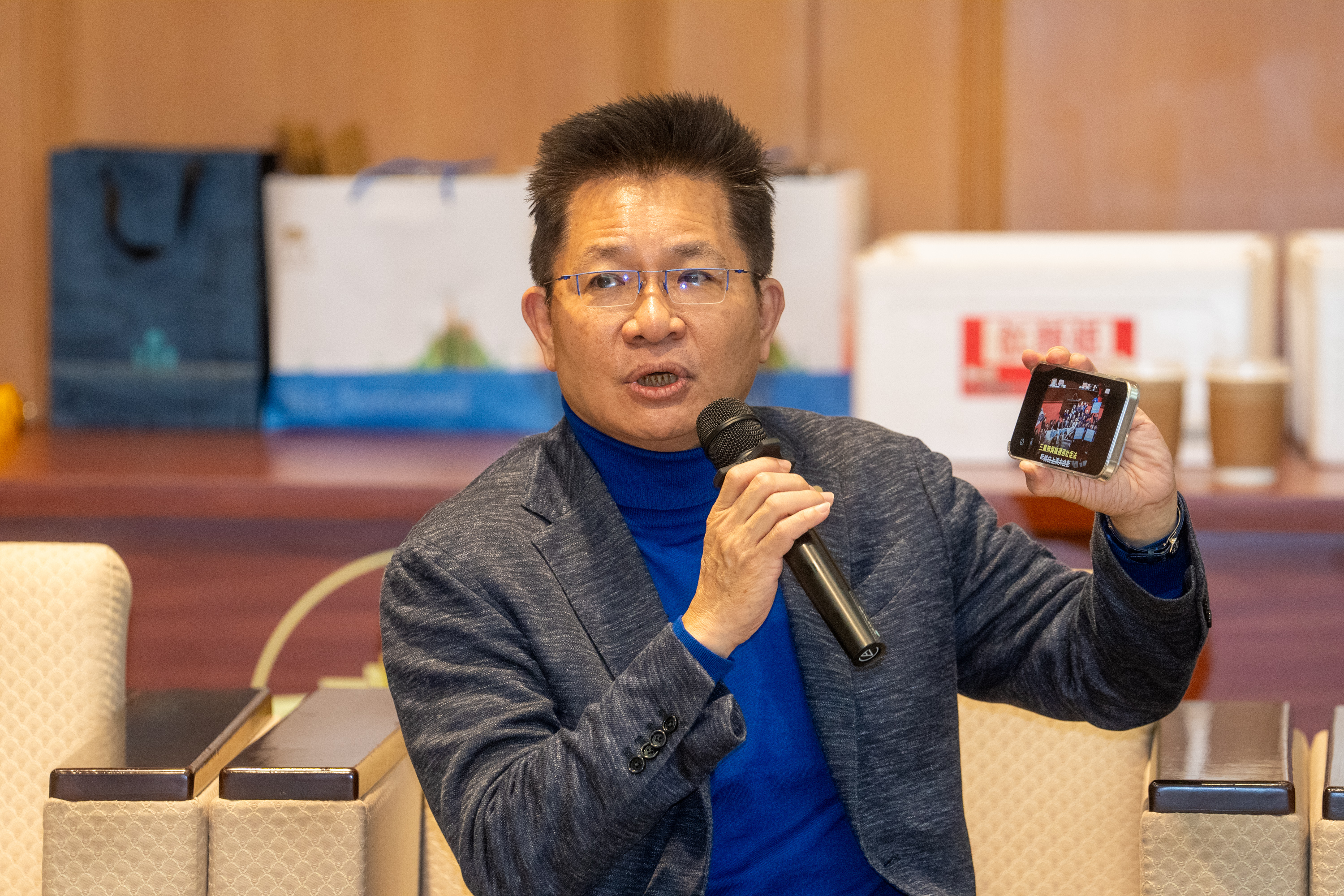
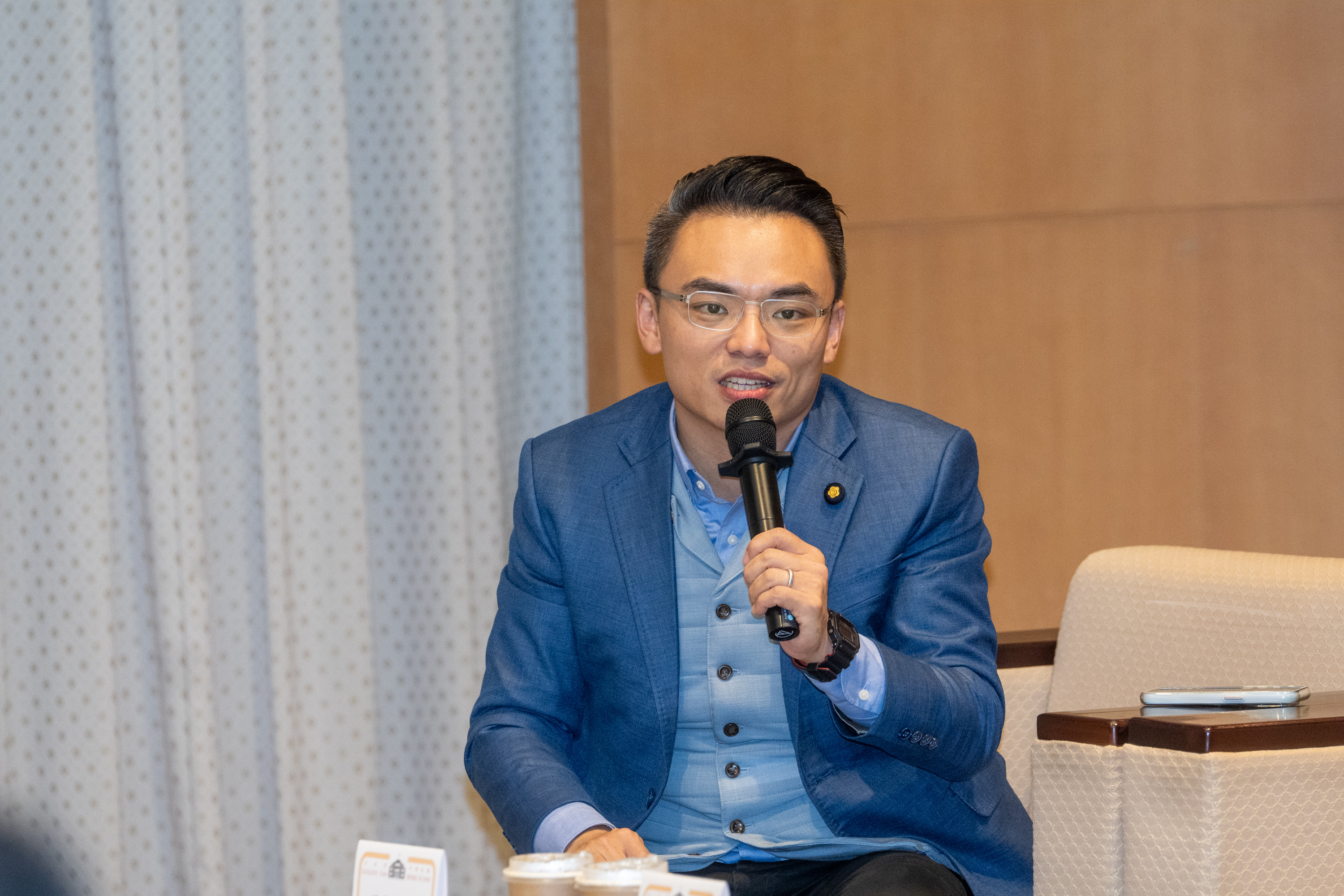
Legislator Hung Mong-Kai stated that during the joint meeting of the Asia Taiwanese Chambers of Commerce held in Malaysia on November 30 last year, he had the opportunity to meet with the visiting delegation. He expressed his great pleasure at being able to reunite with them today at the Legislative Yuan. He emphasized that Taiwanese people living abroad should rise above political differences and set aside prejudices, uniting as one, as they are not only Taiwanese but also citizens of the Republic of China. He also shared recent legislative developments in the Legislative Yuan, including the passage of three bills: the “Active Generation Policy and Industry Development Promotion Act,” the “Public Interest Whistleblower Protection Act,” and the “Organization Act of the Sports Ministry,” all spearheaded by Legislator Wu Chun-Cheng and passed in their third reading. He expressed hope that Taiwan will continue to achieve outstanding results in the international sports arena following its success at the Tokyo Olympics in Japan.
Legislator Wu Chun-Cheng stated that the “Active Generation Policy and Industry Development Promotion Act” was passed in its third reading yesterday (7th) with unanimous support across party lines. He noted that the legislation not only provides a platform for the "active generation," comprising those aged 55 and above who are able and willing to work, to showcase their talents once again, but also symbolizes a new era of cooperation among the blue, green, and white political parties. He further mentioned that in August last year, he met with then-Member of Parliament and current Japanese Prime Minister Shigeru Ishiba, engaging in in-depth discussions on issues such as the aging population and declining birth rate, which are challenges faced by both Taiwan and Japan. He expressed confidence that with the establishment of a comprehensive legal framework, the "active generation" will be able to further utilize their expertise to contribute to society, while also creating new and diverse solutions to the challenges of economic development and declining birth rates.
Both sides engaged in a broad exchange of views on recent legislative developments in the Legislative Yuan, the development of Taiwan-Japan relations, bilateral business cooperation, and overseas compatriot affairs. President Han concluded by expressing his gratitude to the Taiwanese business representatives in Japan for visiting the Legislative Yuan. He expressed his hope to meet with the delegation members in Japan next time, further strengthening the warm friendship between the two nations.
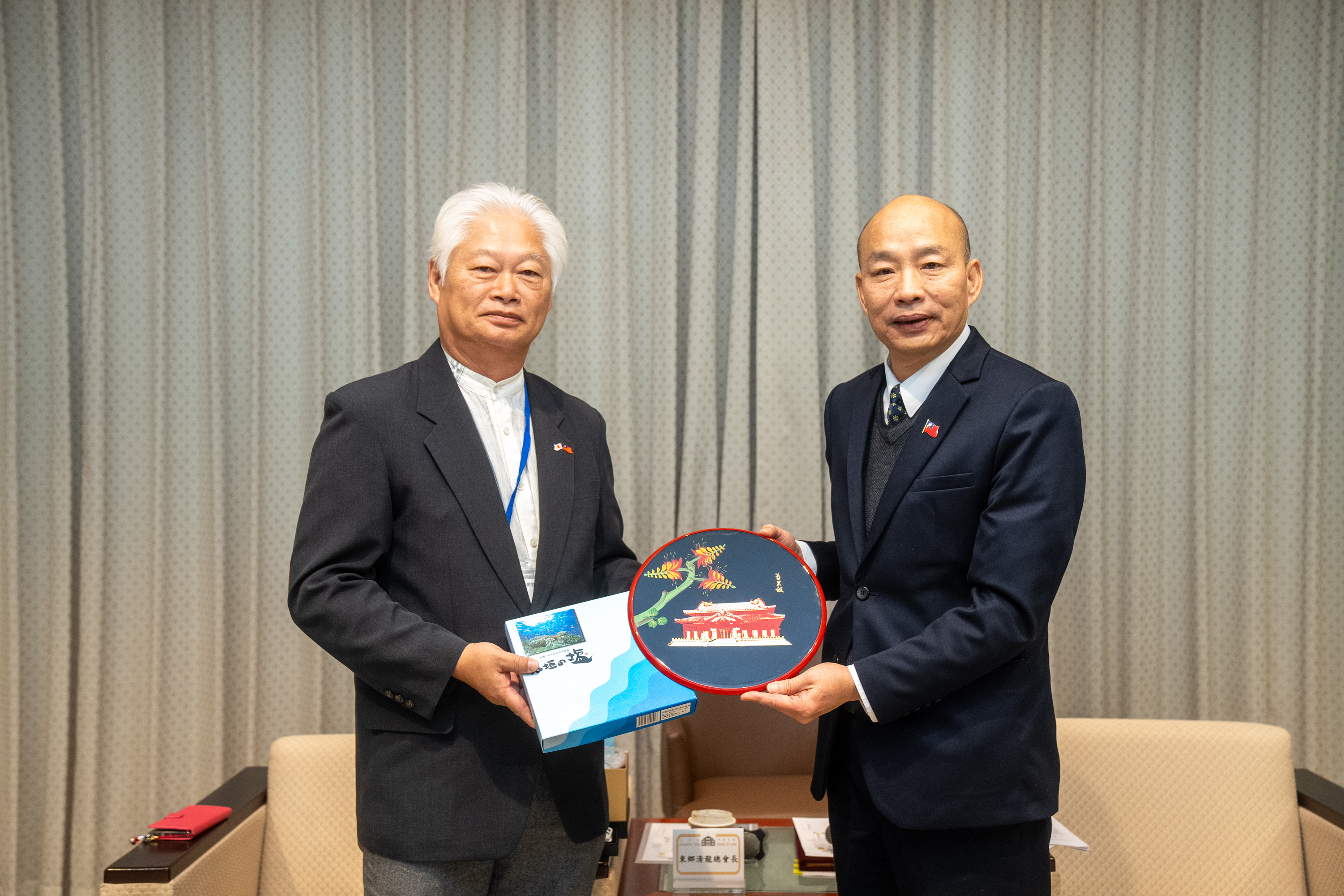
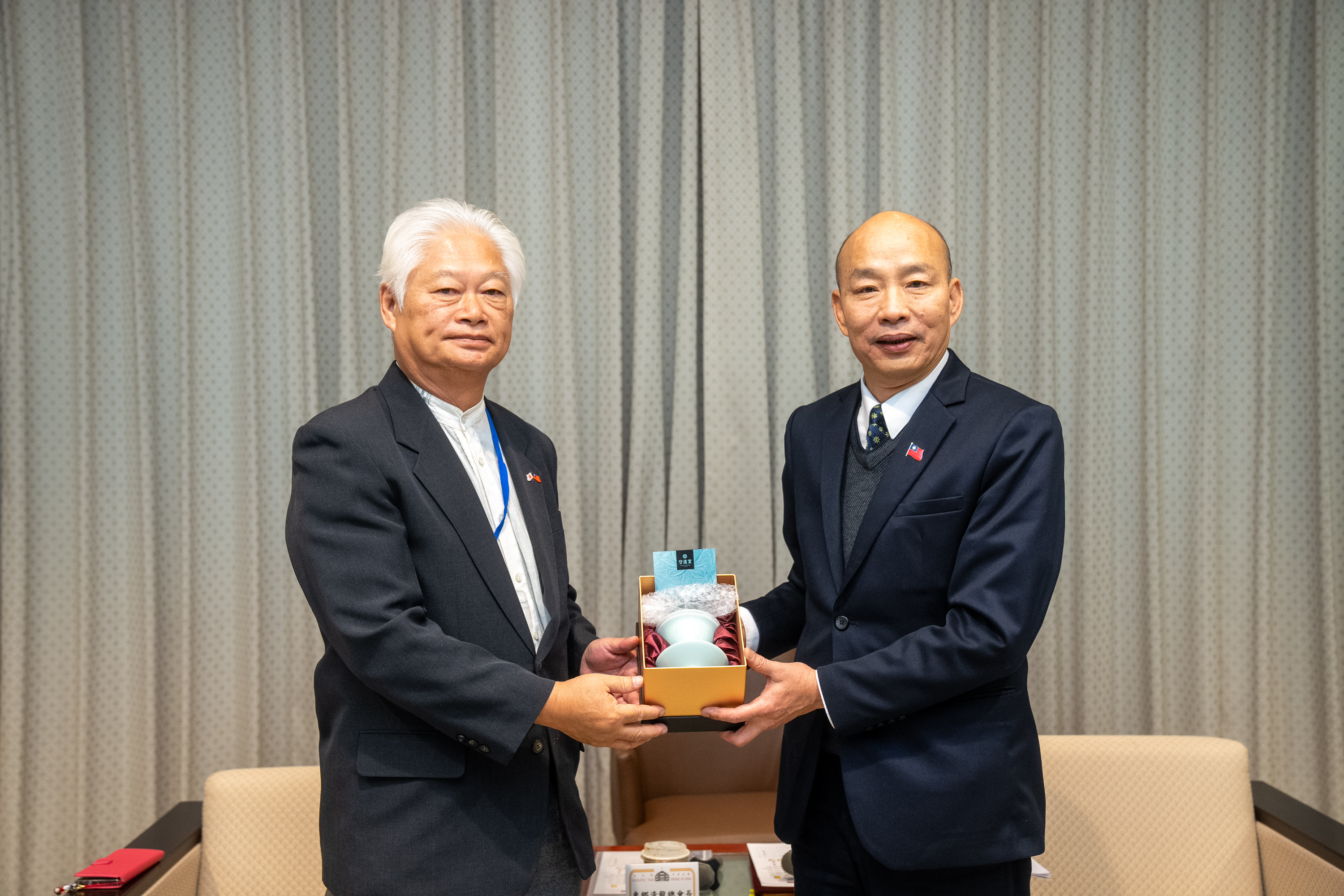
The meeting lasted approximately 40 minutes in a warm and friendly atmosphere, with an exchange of commemorative gifts marking its successful end.
President Han first extended a warm welcome to the visiting guests, which was followed by a group photo with the delegation members and legislators present. President Han expressed his gratitude to the Japan Taiwanese Chamber of Commerce and Industry for its unwavering commitment to uniting the strength of Taiwanese businesses since its establishment in 2013. He acknowledged the organization's spirit of generosity and compassion, particularly in times of natural disasters, and its dedicated contributions to both Taiwan and Japan.
President Han stated that global tensions continue to rise, and with the U.S. set to welcome a new president, the relationships among Taiwan, Japan, the U.S., and China face numerous uncertainties and challenges. Against this backdrop, both Taiwan's legislative and executive branches must respond with caution to navigate the evolving landscape. He expressed his hope that Taiwanese business representatives can leverage their influence to actively lobby the Japanese government to continue supporting Taiwan’s early accession to the Comprehensive and Progressive Agreement for Trans-Pacific Partnership (CPTPP) through concrete actions. He emphasized the critical importance of international participation, stressing that Taiwan must not become isolated on the global stage and urgently requires the strong support and advocacy of Japan and its international friends.
President Han further pointed out that Taiwan is Japan's fourth-largest trading partner, while Japan is Taiwan's third-largest trading partner. He added that although Taiwan accounts for only 0.03% of the world's total land area, its development potential is immense. This is clearly demonstrated by the substantial bilateral trade volume between Taiwan and Japan, which reached approximately USD 76 billion last year (2024). President Han further noted that in recent years, exchanges between Taiwan and Japan in the fields of economy and trade, culture, education, and sports have grown increasingly close, fostering a relationship that can be described as seamless and deeply integrated. He welcomed Taiwanese business representatives to visit the Legislative Yuan, their "maternal home," more often. Encouraging them with the phrase, "In our eyes, there is no blue, green, or white—only a deep love for Taiwan," he urged everyone to uphold the spirit of unity and mutual support. He expressed his belief that Taiwanese businesspeople, wherever they are, can take root and thrive, bringing honor to Taiwan.
President Han concluded by highlighting that the current Legislative Yuan comprises 47 female legislators, accounting for 41% of the total seats. This, he noted, is a testament to the deeply ingrained values of gender equality and democratic spirit within the DNA of the Taiwanese people. He expressed his hope that upon returning to Japan, the visiting delegation can actively promote Taiwan's diversity, inclusiveness, and democratic achievements.
Tōgō Kiyoryū, President of the Japan Taiwanese Chamber of Commerce and Industry, expressed his gratitude to President Han and the legislators for taking the time to meet with the delegation. He stated that Taiwanese business representatives always hold their homeland close to their hearts and are committed to assisting in enhancing Taiwan's international industrial competitiveness. Following TSMC's establishment of a plant in Kumamoto, Japan last year, many Taiwanese enterprises have been drawn to Japan to explore business opportunities. The Japan Taiwanese Chamber of Commerce and Industry is willing to make every effort to support collaboration between businesses from both sides, with the aim of further deepening Taiwan-Japan economic and trade relations.
Legislator Chiu Yi-Ying warmly welcomed the visiting delegation back to Taiwan and expressed gratitude to the Taiwanese business representatives for remaining connected to their homeland despite many years in Japan. She also invited the delegation to visit her constituency in Kaohsiung to experience the pleasant climate of southern Taiwan and the warmth of its people.
Legislator Hung Mong-Kai stated that during the joint meeting of the Asia Taiwanese Chambers of Commerce held in Malaysia on November 30 last year, he had the opportunity to meet with the visiting delegation. He expressed his great pleasure at being able to reunite with them today at the Legislative Yuan. He emphasized that Taiwanese people living abroad should rise above political differences and set aside prejudices, uniting as one, as they are not only Taiwanese but also citizens of the Republic of China. He also shared recent legislative developments in the Legislative Yuan, including the passage of three bills: the “Active Generation Policy and Industry Development Promotion Act,” the “Public Interest Whistleblower Protection Act,” and the “Organization Act of the Sports Ministry,” all spearheaded by Legislator Wu Chun-Cheng and passed in their third reading. He expressed hope that Taiwan will continue to achieve outstanding results in the international sports arena following its success at the Tokyo Olympics in Japan.
Legislator Wu Chun-Cheng stated that the “Active Generation Policy and Industry Development Promotion Act” was passed in its third reading yesterday (7th) with unanimous support across party lines. He noted that the legislation not only provides a platform for the "active generation," comprising those aged 55 and above who are able and willing to work, to showcase their talents once again, but also symbolizes a new era of cooperation among the blue, green, and white political parties. He further mentioned that in August last year, he met with then-Member of Parliament and current Japanese Prime Minister Shigeru Ishiba, engaging in in-depth discussions on issues such as the aging population and declining birth rate, which are challenges faced by both Taiwan and Japan. He expressed confidence that with the establishment of a comprehensive legal framework, the "active generation" will be able to further utilize their expertise to contribute to society, while also creating new and diverse solutions to the challenges of economic development and declining birth rates.
Both sides engaged in a broad exchange of views on recent legislative developments in the Legislative Yuan, the development of Taiwan-Japan relations, bilateral business cooperation, and overseas compatriot affairs. President Han concluded by expressing his gratitude to the Taiwanese business representatives in Japan for visiting the Legislative Yuan. He expressed his hope to meet with the delegation members in Japan next time, further strengthening the warm friendship between the two nations.
The meeting lasted approximately 40 minutes in a warm and friendly atmosphere, with an exchange of commemorative gifts marking its successful end.