

President Han meets delegation led by former United States Deputy National Security Advisor Matthew Pottinger President Han: We appreciate the book The Boiling Moat for raising international awareness of Taiwan’s security
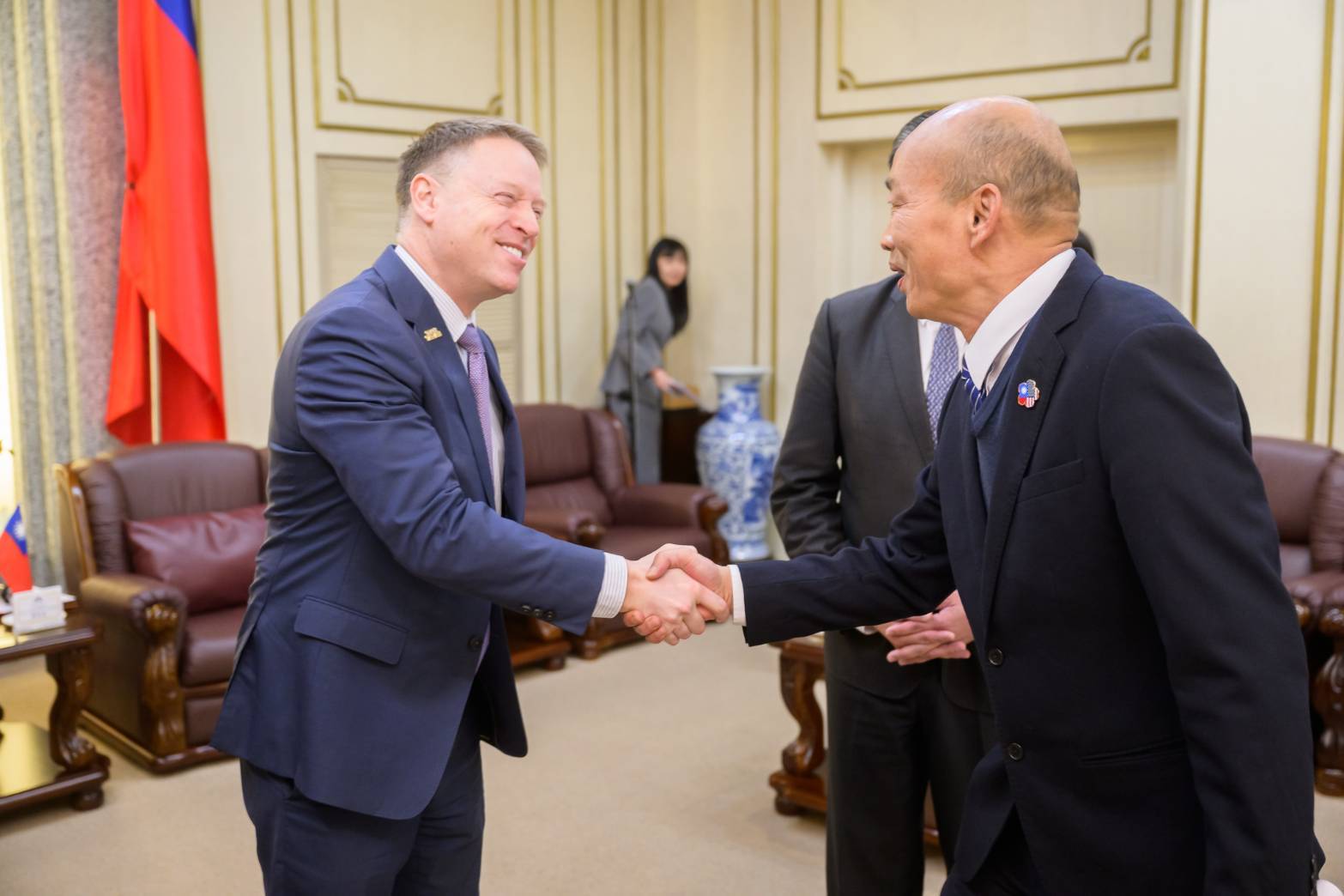
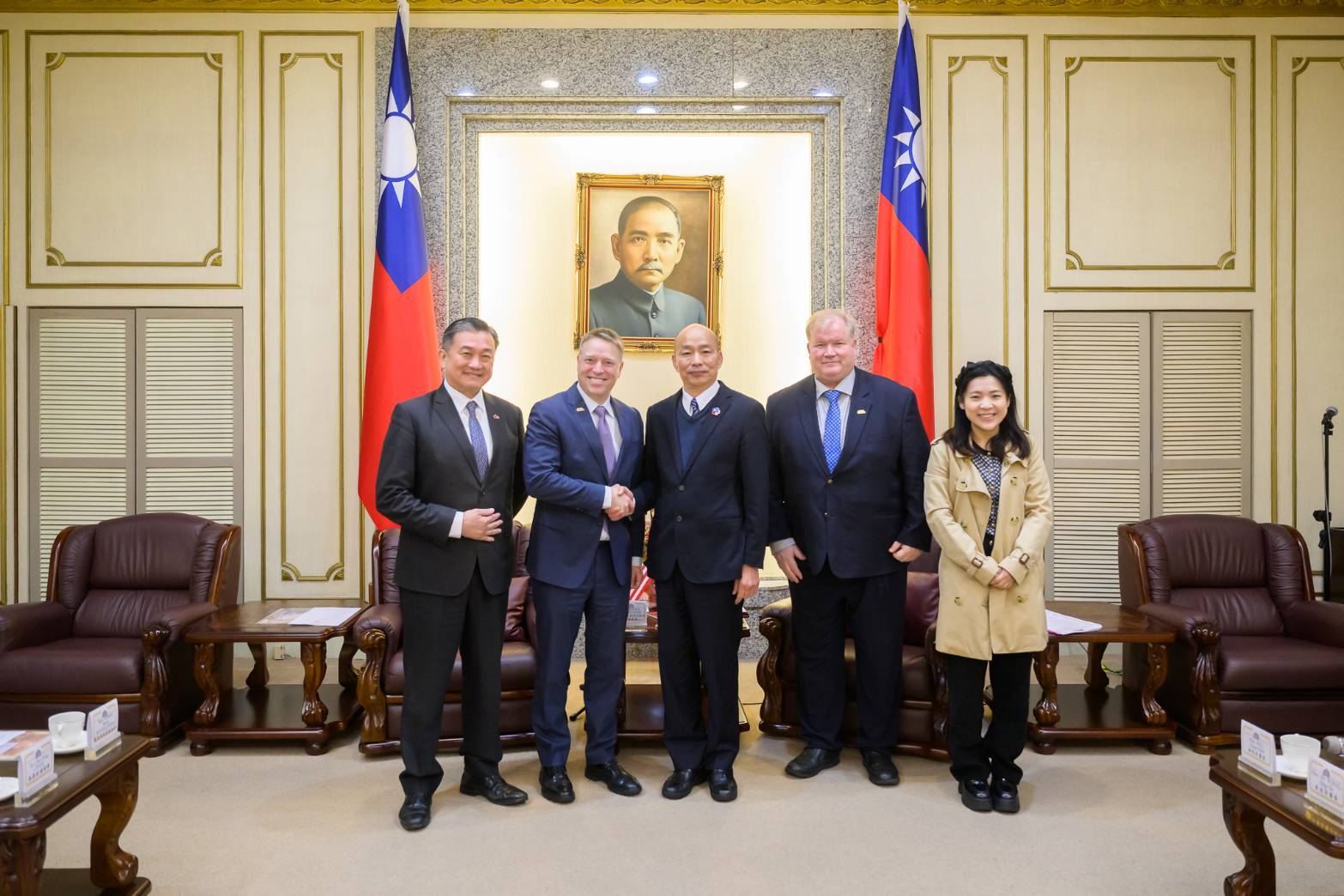
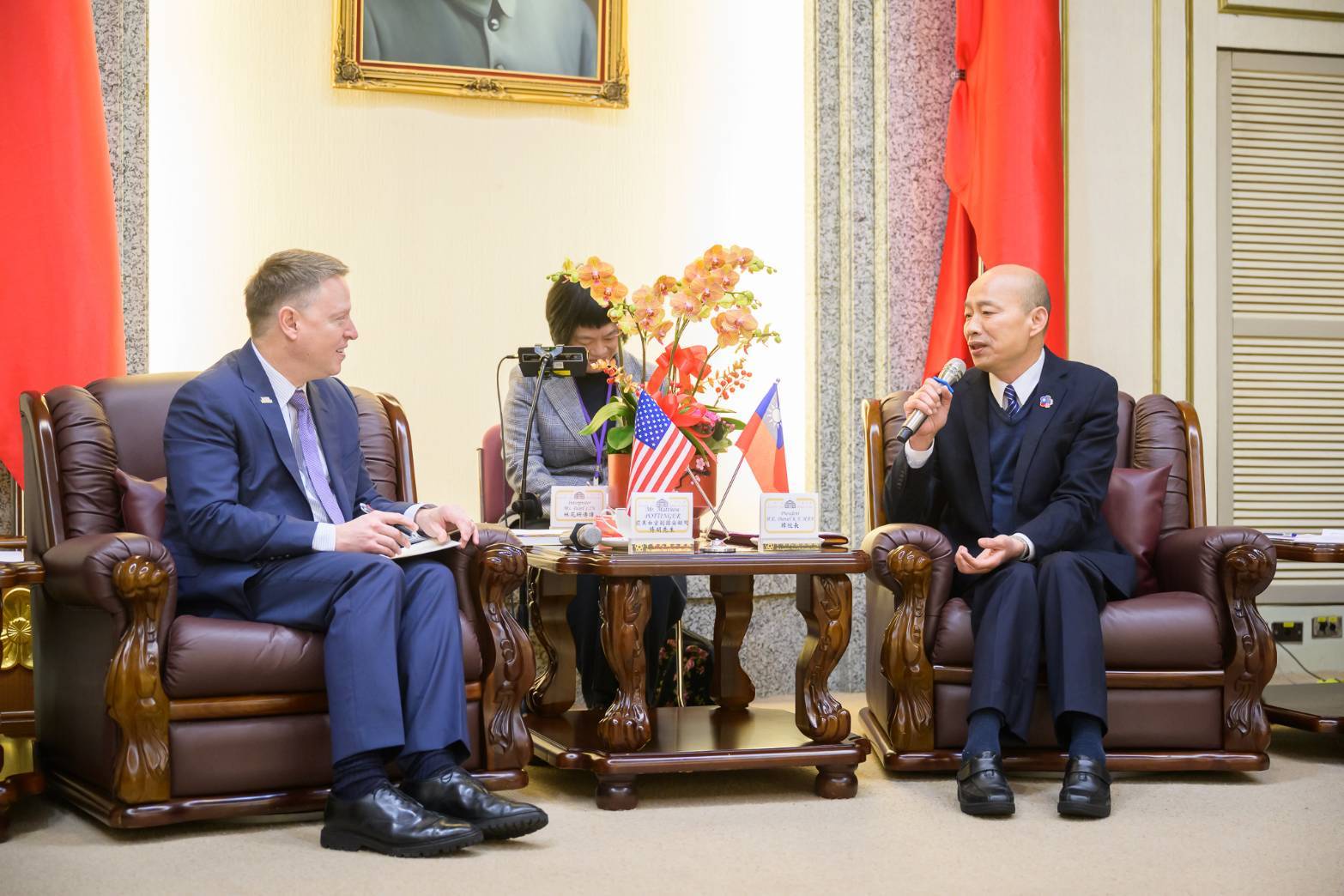
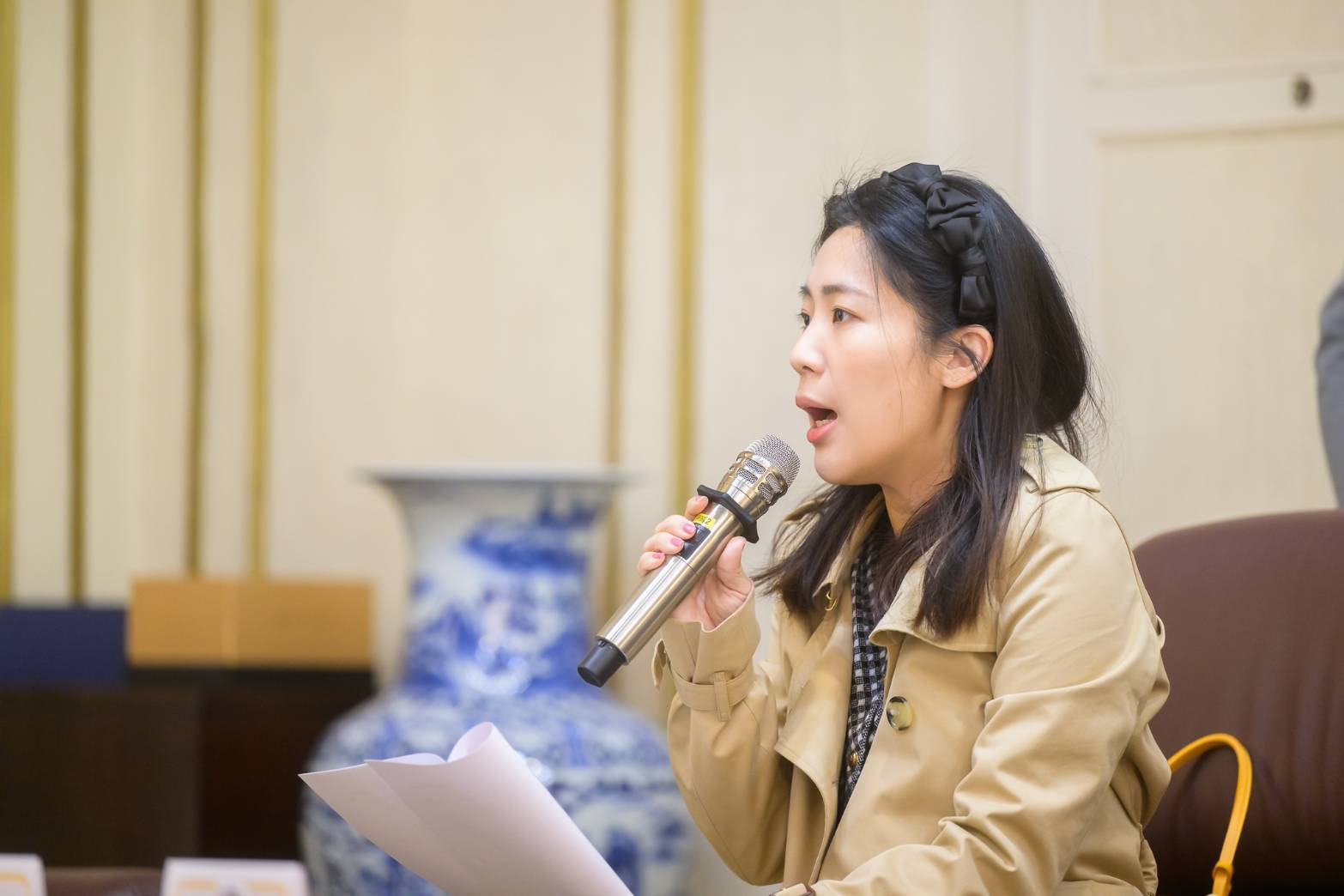
On the morning of February 19, President of the Legislative Yuan Daniel K.Y. Han, accompanied by KMT Legislator Hsu Chiao-Hsin, DPP Legislator Wang Ting-Yu, and Department of International Affairs Director Kevin C.F. Lin, met with a two-member delegation led by former United States Deputy National Security Advisor Matthew Pottinger. The meeting was also attended by Consul General Chang Chia-Cheng of the Ministry of Foreign Affairs’ Department of North American Affairs and other accompanying officials.
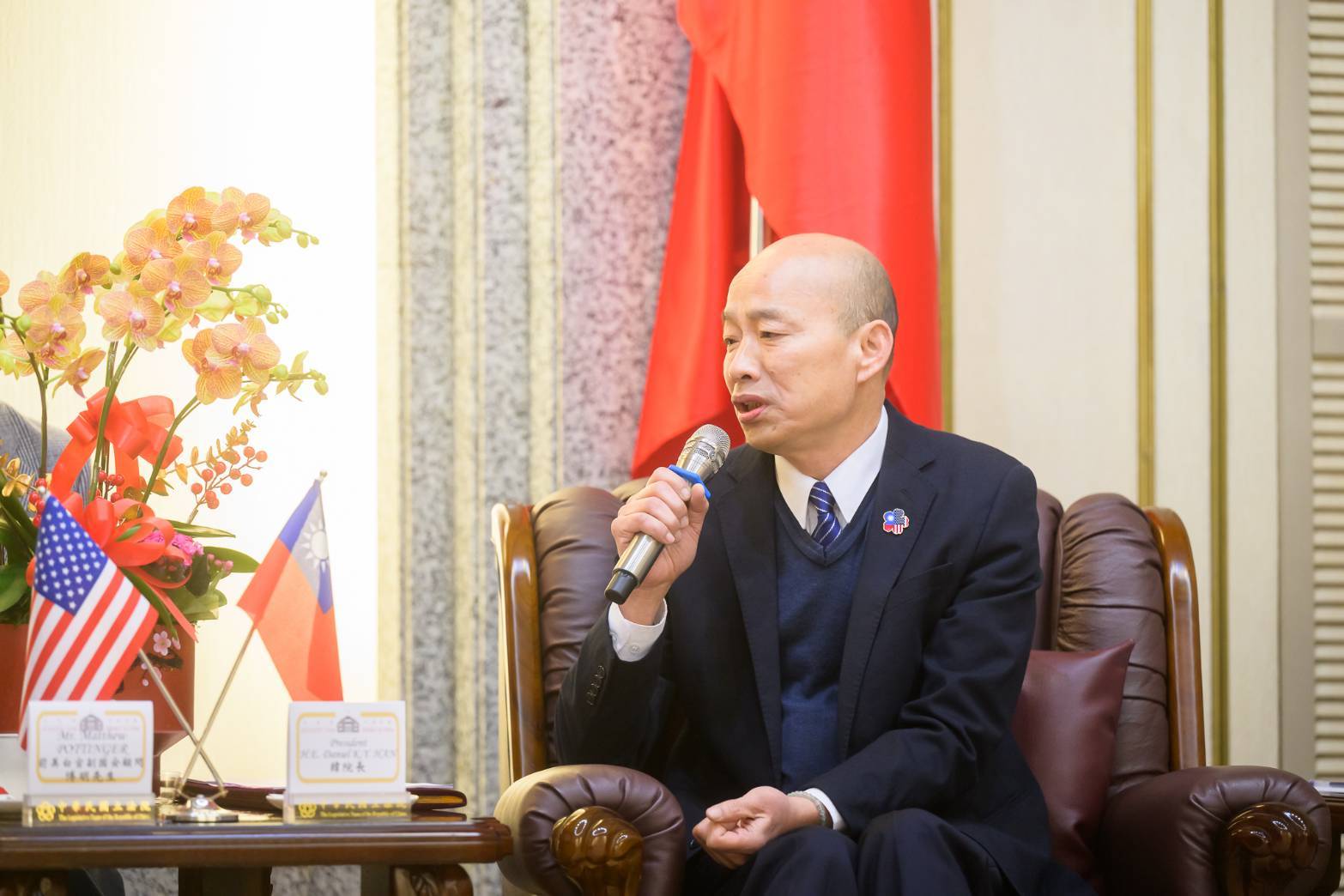
President Han first extended a warm welcome to the guests and went on to commend Mr. Pottinger’s book, The Boiling Moat: Urgent Steps to Defend Taiwan, which was published in English last year (2024) to widespread acclaim. With the Mandarin edition set to be released the next day (February 20), the book is expected to generate even greater interest and further raise global awareness of Taiwan. President Han expressed his gratitude to Mr. Pottinger for his longstanding support and friendship toward Taiwan. President Han further stated that recent international events, including the Munich Security Conference, US-Russia talks, Europe’s increased military aid to Ukraine, and Western media reports referencing “Ukraine Today, Taiwan Tomorrow,” have garnered significant global attention. As a member of the international community, Taiwan is deeply concerned about global and regional developments, as these issues are closely linked to Taiwan’s own future. President Han metaphorically stated that political leaders can play a role akin to a pastor, guiding the lost toward clarity. He expressed hope that Mr. Pottinger’s new book would help the currently uncertain and turbulent international community find a clearer direction and raise greater awareness of Taiwan’s security.
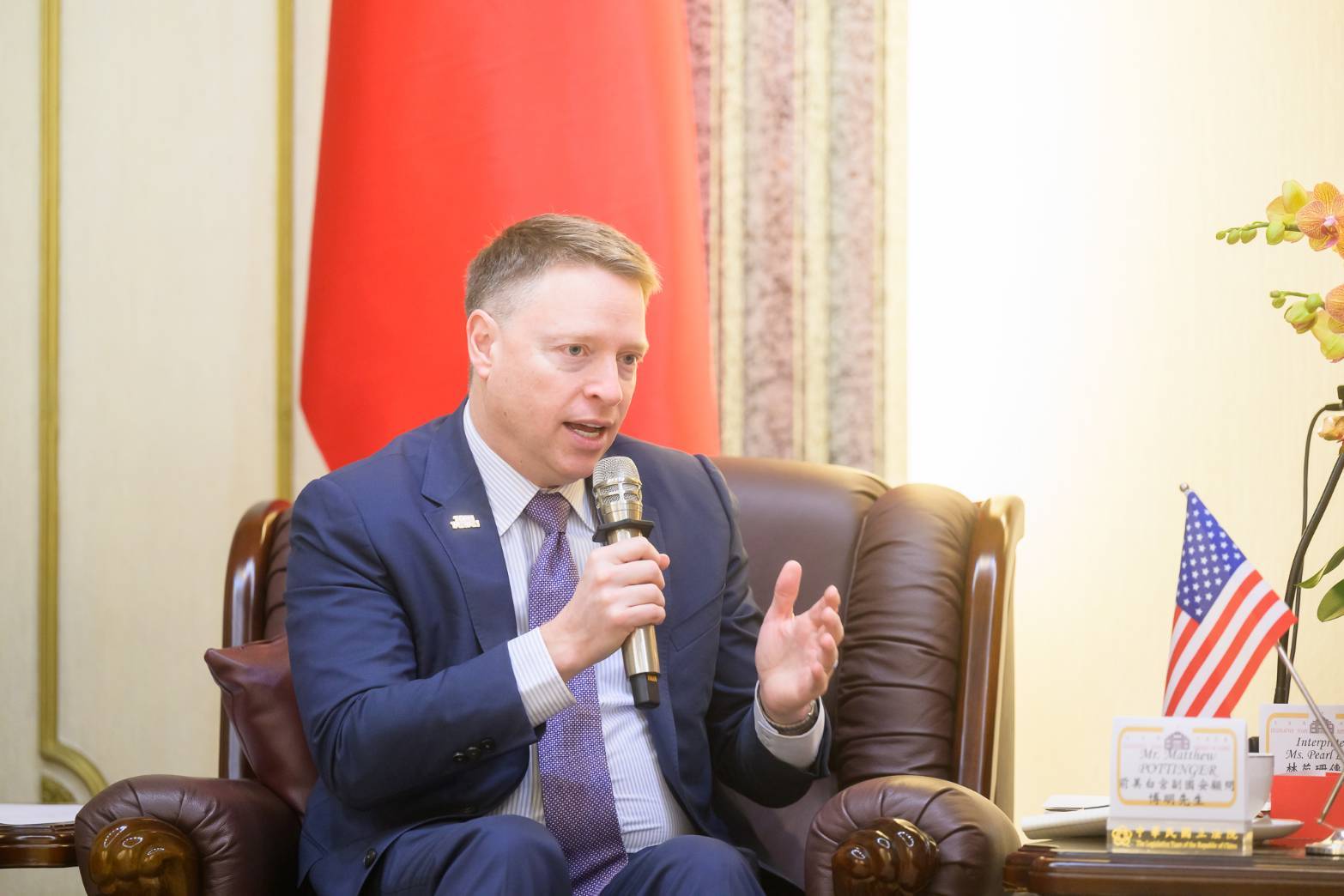
Mr. Pottinger first expressed his gratitude to President Han and the legislators for taking the time to meet with him. He stated that both he and Senior Director Mark Montgomery have been longtime friends of Taiwan and emphasized that they hope to prevent a tragedy like the war in Ukraine from occurring in Taiwan. The best way to achieve this, he said, is through strong deterrence. He emphasized that as long as Taiwan works together with other democratic nations to form a united front, it can deter Beijing’s authoritarian regime from using war and coercion to pressure Taiwan. He stated that the purpose of their visit is to gain a deeper understanding of the areas where Taiwan may need assistance and to further strengthen Taiwan-US cooperation. He further stated that the recent disputes in Taiwan over the 2025 central government budget have drawn attention. While differing opinions are a natural part of democracy, they could lead the new U.S. administration to develop a “Taiwan skepticism” narrative, resulting in negative perceptions. He cited former British Prime Minister Winston Churchill’s famous quote, “Democracy is the worst form of government,” to illustrate that while democracy may not be perfect, there is no better system. Therefore, he emphasized the need for effective communication and coordination to find solutions to challenges.
During the bilateral exchange, Legislator Hsu Chiao-Hsin noted that since no single party holds a majority in the current Legislative Yuan, many issues have sparked intense debate and require negotiations to reach resolutions. She emphasized that the issue of strengthening Taiwan’s self-defense, which is of great concern to the public, can be addressed by increasing the defense procurement budget to enhance deterrence. Regarding the issue of “Taiwan skepticism” in the U.S., she explained that the reduction in the Ministry of National Defense’s budget this year (2025) is the lowest in the past five years. She emphasized that all three political parties share the goal of ensuring Taiwan’s self-defense capabilities and hope to strengthen military cooperation with the United States and other countries. Legislator Hsu also shared Taiwan’s decades of experience and achievements in developing the semiconductor industry. She expressed hope for strengthened cooperation with the United States in key industries such as AI technology and unmanned aerial vehicles. She also mentioned that the KMT caucus plans to propose nuclear energy-related legislation during the current session (11th Legislative Yuan, 3rd session). Additionally, she expressed support for allocating more funding to national defense and foreign affairs to ensure security in the Taiwan Strait. She concluded by extending her best wishes for the successful release of Mr. Pottinger’s new book.
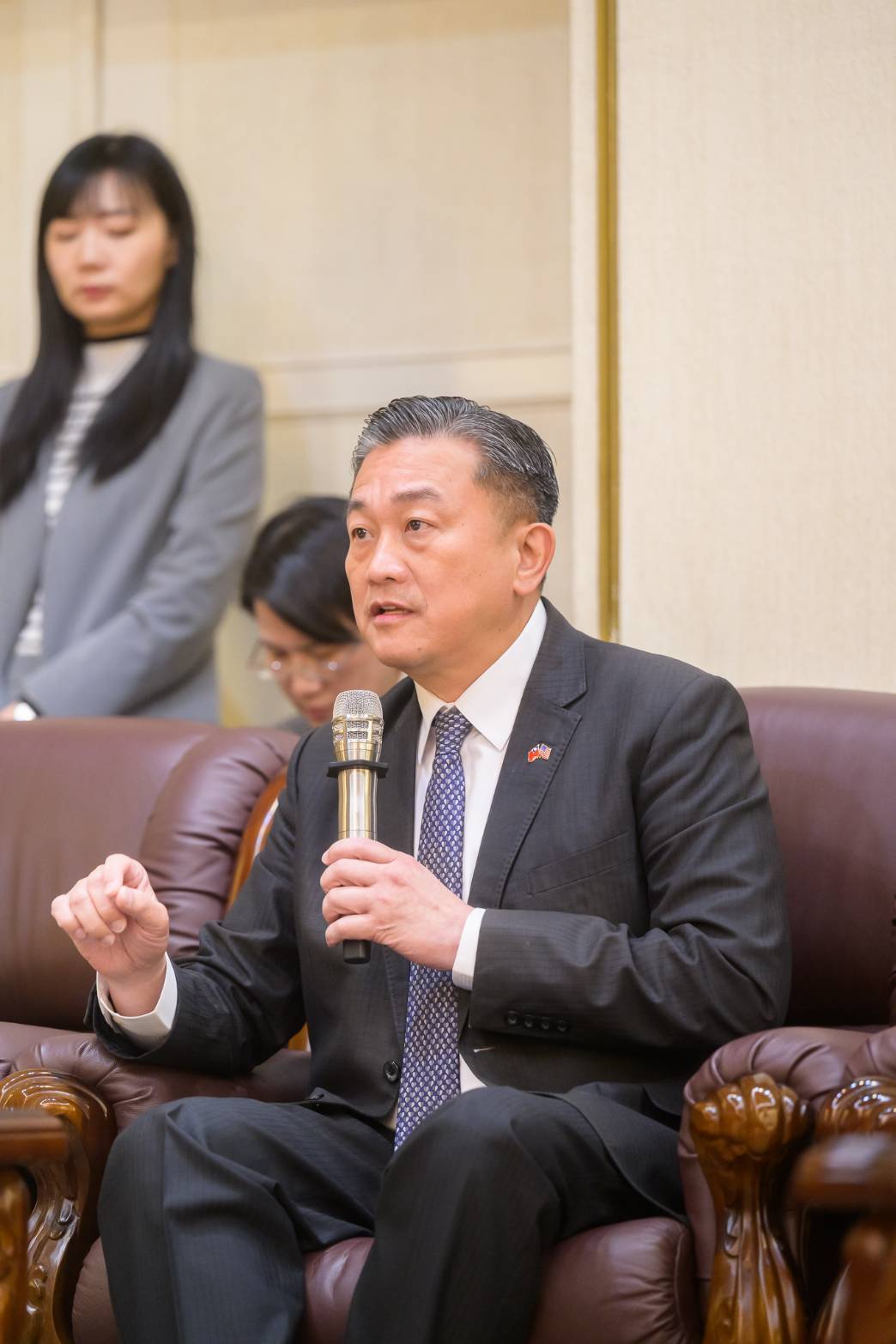
Legislator Wang Ting-Yu welcomed the two guests and expressed appreciation for their steadfast support for Taiwan. Regarding the issue of nuclear energy, he explained that Taiwan, as an island nation with very limited natural resources, must also consider nuclear waste disposal when expanding nuclear power. He expressed hope for enhanced exchanges and technological cooperation with the United States to address potential power shortages. Legislator Wang further stated that while Taiwan is committed to strengthening its self-defense capabilities, it also hopes that countries will fully recognize Taiwan’s strategic position and its crucial role in the global supply chain. This awareness, he emphasized, would encourage greater international attention and support for Taiwan, as helping Taiwan ultimately means helping the world. He further emphasized that Taiwan needs to leverage international support, particularly from the United States, to clearly convey messages to Beijing. This would help Beijing understand the real international situation and deter it from taking reckless actions against Taiwan. Regarding the issue of "Taiwan skepticism," he expressed regret but thanked President Han and Legislator Hsu for clarifying concerns about the Legislative Yuan's reductions or freezes in this year's national defense budget. He concluded by mentioning TSMC’s establishment of manufacturing facilities in the United States, which strengthens high-tech industry cooperation between Taiwan and the U.S. This, he stated, clearly demonstrates that the U.S. is Taiwan’s most significant and highly valued partner.
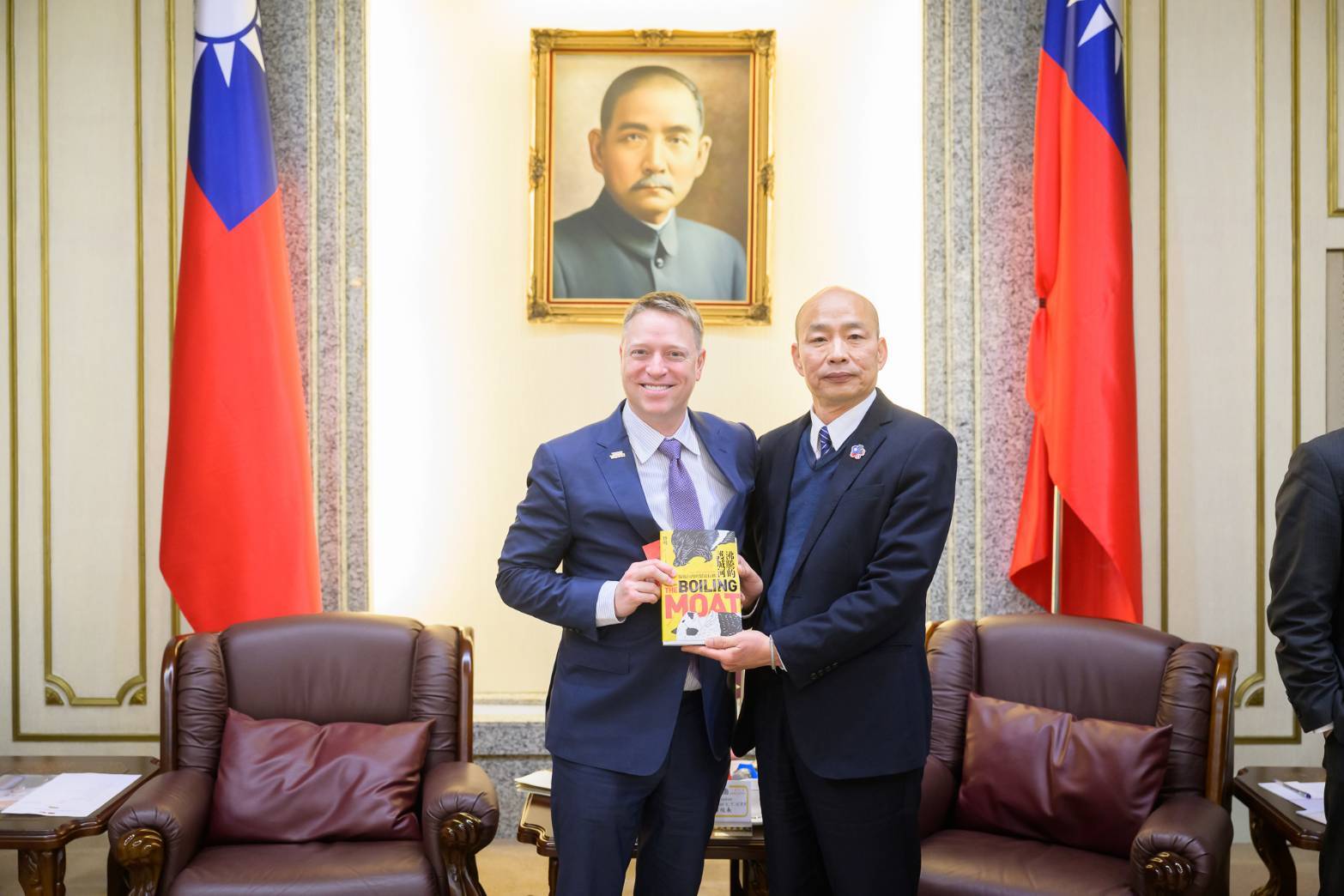
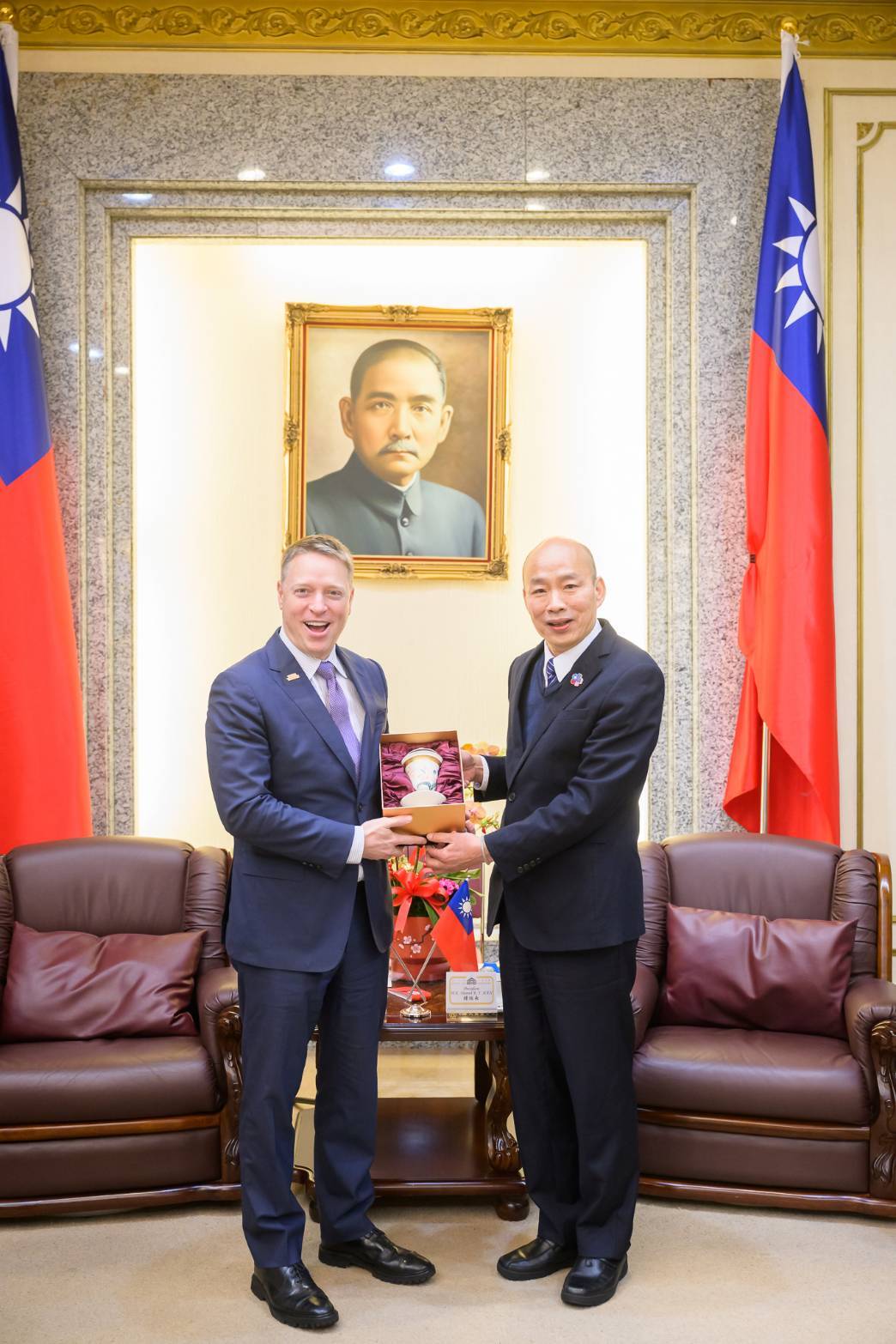
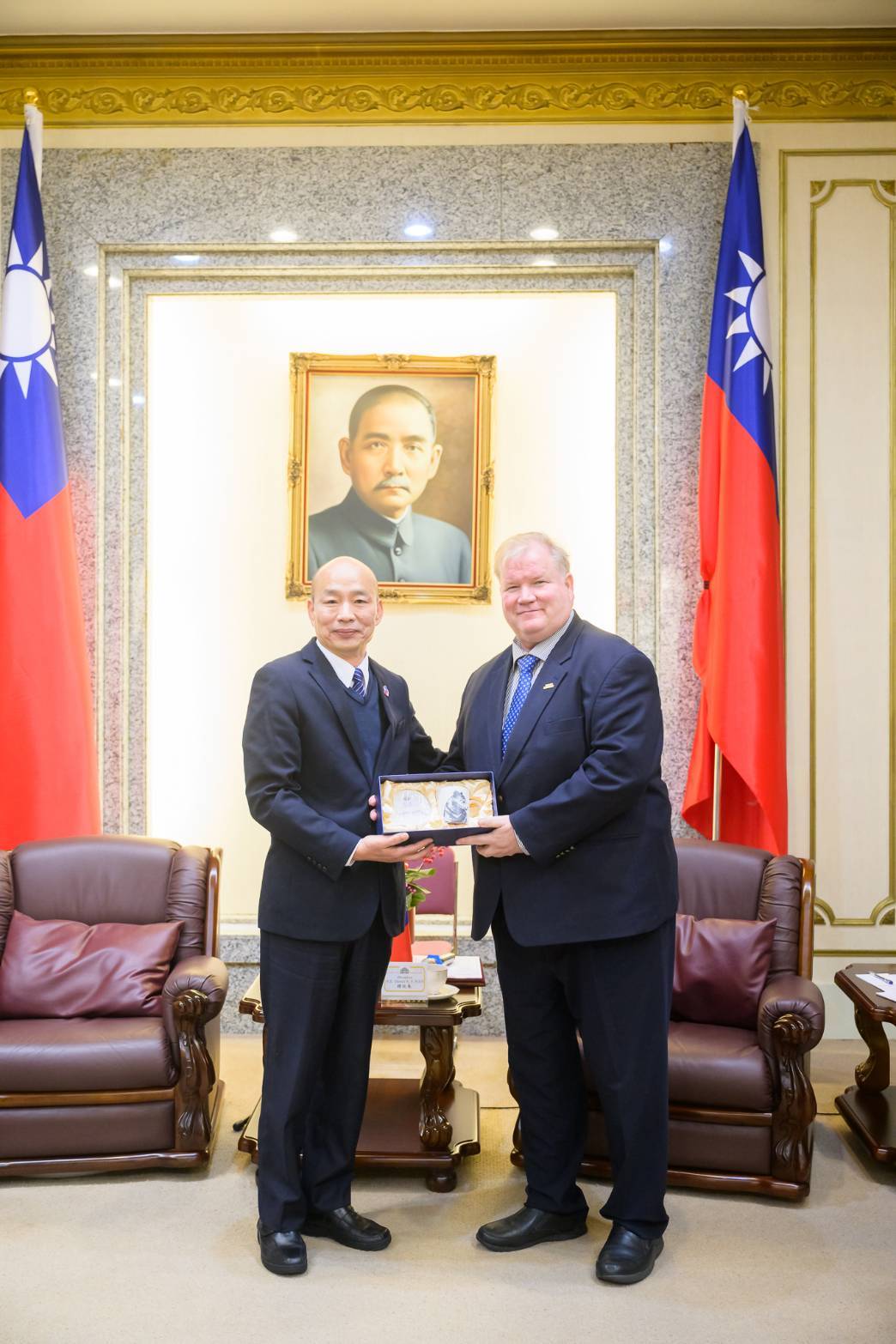
Both sides engaged in extensive discussions on deepening Taiwan-U.S. cooperation, security in the Taiwan Strait, increasing defense procurement and the national defense budget, nuclear energy legislation, as well as the development of the semiconductor and unmanned aerial vehicle industries. Finally, President Han, along with the attending legislators, took a group photo with the guests and exchanged commemorative gifts. Mr. Pottinger presented President Han with a personally signed copy of his new book. The meeting was conducted in a candid and cordial atmosphere, lasting approximately 70 minutes and concluding successfully.
President Han first extended a warm welcome to the guests and went on to commend Mr. Pottinger’s book, The Boiling Moat: Urgent Steps to Defend Taiwan, which was published in English last year (2024) to widespread acclaim. With the Mandarin edition set to be released the next day (February 20), the book is expected to generate even greater interest and further raise global awareness of Taiwan. President Han expressed his gratitude to Mr. Pottinger for his longstanding support and friendship toward Taiwan. President Han further stated that recent international events, including the Munich Security Conference, US-Russia talks, Europe’s increased military aid to Ukraine, and Western media reports referencing “Ukraine Today, Taiwan Tomorrow,” have garnered significant global attention. As a member of the international community, Taiwan is deeply concerned about global and regional developments, as these issues are closely linked to Taiwan’s own future. President Han metaphorically stated that political leaders can play a role akin to a pastor, guiding the lost toward clarity. He expressed hope that Mr. Pottinger’s new book would help the currently uncertain and turbulent international community find a clearer direction and raise greater awareness of Taiwan’s security.
Mr. Pottinger first expressed his gratitude to President Han and the legislators for taking the time to meet with him. He stated that both he and Senior Director Mark Montgomery have been longtime friends of Taiwan and emphasized that they hope to prevent a tragedy like the war in Ukraine from occurring in Taiwan. The best way to achieve this, he said, is through strong deterrence. He emphasized that as long as Taiwan works together with other democratic nations to form a united front, it can deter Beijing’s authoritarian regime from using war and coercion to pressure Taiwan. He stated that the purpose of their visit is to gain a deeper understanding of the areas where Taiwan may need assistance and to further strengthen Taiwan-US cooperation. He further stated that the recent disputes in Taiwan over the 2025 central government budget have drawn attention. While differing opinions are a natural part of democracy, they could lead the new U.S. administration to develop a “Taiwan skepticism” narrative, resulting in negative perceptions. He cited former British Prime Minister Winston Churchill’s famous quote, “Democracy is the worst form of government,” to illustrate that while democracy may not be perfect, there is no better system. Therefore, he emphasized the need for effective communication and coordination to find solutions to challenges.
During the bilateral exchange, Legislator Hsu Chiao-Hsin noted that since no single party holds a majority in the current Legislative Yuan, many issues have sparked intense debate and require negotiations to reach resolutions. She emphasized that the issue of strengthening Taiwan’s self-defense, which is of great concern to the public, can be addressed by increasing the defense procurement budget to enhance deterrence. Regarding the issue of “Taiwan skepticism” in the U.S., she explained that the reduction in the Ministry of National Defense’s budget this year (2025) is the lowest in the past five years. She emphasized that all three political parties share the goal of ensuring Taiwan’s self-defense capabilities and hope to strengthen military cooperation with the United States and other countries. Legislator Hsu also shared Taiwan’s decades of experience and achievements in developing the semiconductor industry. She expressed hope for strengthened cooperation with the United States in key industries such as AI technology and unmanned aerial vehicles. She also mentioned that the KMT caucus plans to propose nuclear energy-related legislation during the current session (11th Legislative Yuan, 3rd session). Additionally, she expressed support for allocating more funding to national defense and foreign affairs to ensure security in the Taiwan Strait. She concluded by extending her best wishes for the successful release of Mr. Pottinger’s new book.
Legislator Wang Ting-Yu welcomed the two guests and expressed appreciation for their steadfast support for Taiwan. Regarding the issue of nuclear energy, he explained that Taiwan, as an island nation with very limited natural resources, must also consider nuclear waste disposal when expanding nuclear power. He expressed hope for enhanced exchanges and technological cooperation with the United States to address potential power shortages. Legislator Wang further stated that while Taiwan is committed to strengthening its self-defense capabilities, it also hopes that countries will fully recognize Taiwan’s strategic position and its crucial role in the global supply chain. This awareness, he emphasized, would encourage greater international attention and support for Taiwan, as helping Taiwan ultimately means helping the world. He further emphasized that Taiwan needs to leverage international support, particularly from the United States, to clearly convey messages to Beijing. This would help Beijing understand the real international situation and deter it from taking reckless actions against Taiwan. Regarding the issue of "Taiwan skepticism," he expressed regret but thanked President Han and Legislator Hsu for clarifying concerns about the Legislative Yuan's reductions or freezes in this year's national defense budget. He concluded by mentioning TSMC’s establishment of manufacturing facilities in the United States, which strengthens high-tech industry cooperation between Taiwan and the U.S. This, he stated, clearly demonstrates that the U.S. is Taiwan’s most significant and highly valued partner.
Both sides engaged in extensive discussions on deepening Taiwan-U.S. cooperation, security in the Taiwan Strait, increasing defense procurement and the national defense budget, nuclear energy legislation, as well as the development of the semiconductor and unmanned aerial vehicle industries. Finally, President Han, along with the attending legislators, took a group photo with the guests and exchanged commemorative gifts. Mr. Pottinger presented President Han with a personally signed copy of his new book. The meeting was conducted in a candid and cordial atmosphere, lasting approximately 70 minutes and concluding successfully.