

Vice President Dr. Johnny C. Chiang of the Legislative Yuan meets the Delegation of Canadian Federal Senators to Taiwan; Vice President Chiang: We hope for continued support for Taiwan’s international participation and deepening of diverse bilateral cooperation
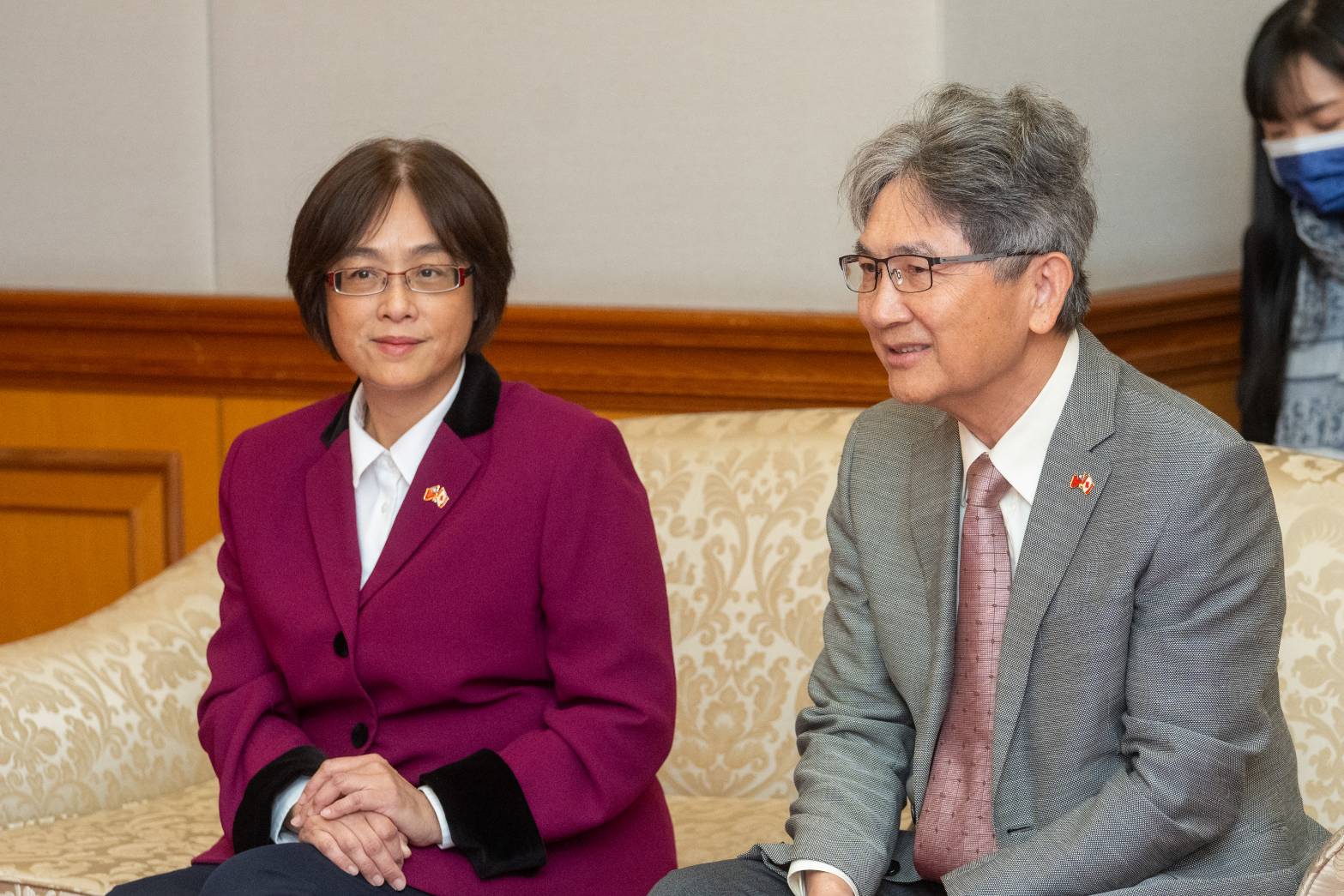
On the morning of February 20, Vice President Dr. Johnny C. Chiang of the Legislative Yuan met with the Delegation of Canadian Federal Senators to Taiwan, accompanied by KMT Legislator Lin Chien-Chi, DPP Legislator Wang Cheng-Hsu, Director of the Department of International Affairs Kevin C.F. Lin, and Senior Specialist at the Department of North American Affairs of the Ministry of Foreign Affairs Ho Jen-Chieh.
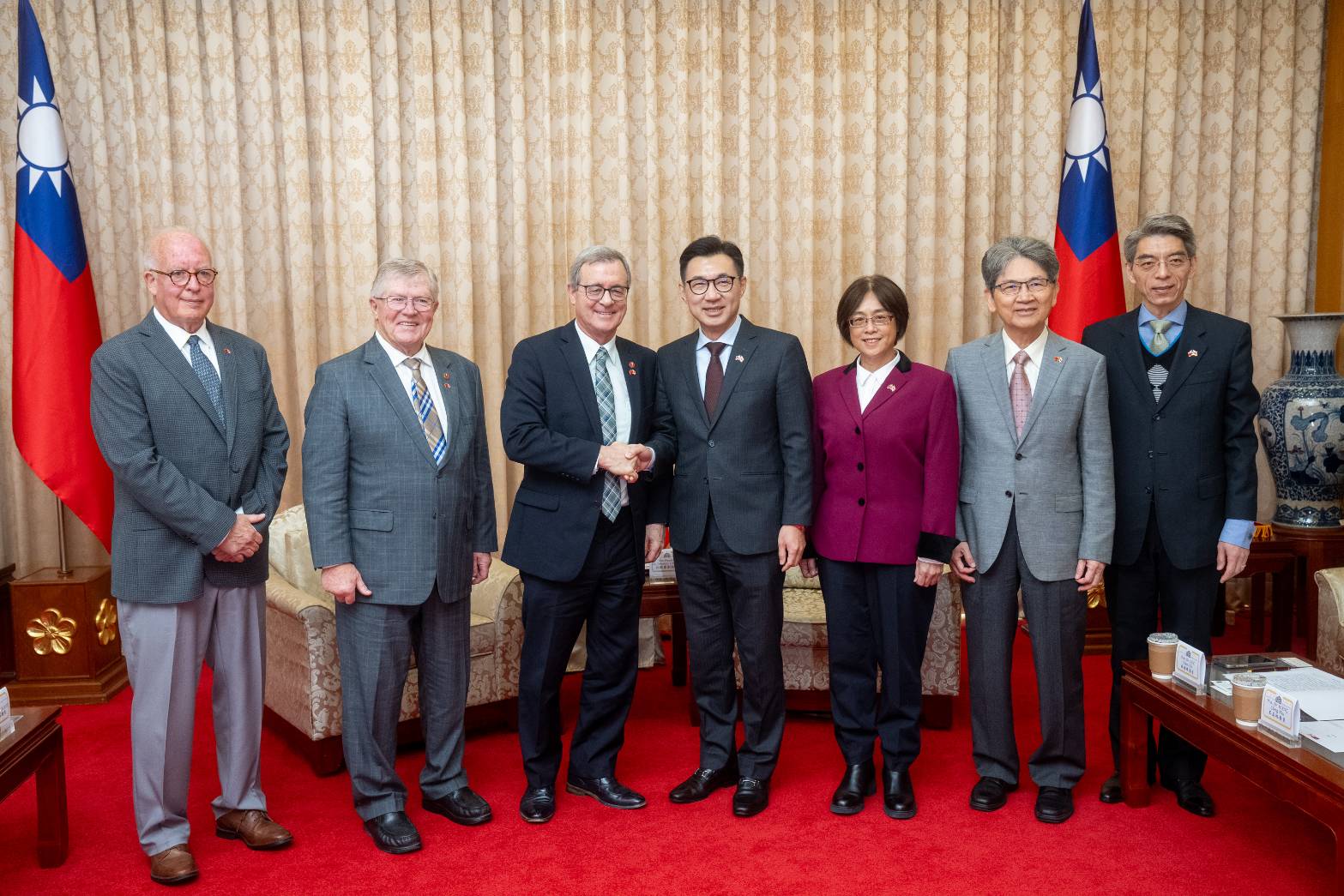
After taking a group photo with the attending legislators and visiting guests, Vice President Chiang expressed his great honor in welcoming friends from the Senate of Canada. He extended his gratitude to Senator Michael MacDonald for his longstanding friendship with Taiwan, noting his multiple initiatives in the Parliament of Canada to introduce pro-Taiwan bills and advocate for Taiwan’s inclusion in international organizations, demonstrating unwavering support for Taiwan. He also expressed his appreciation for the cross-party support in the Canadian Parliament for Taiwan’s meaningful participation in international organizations such as the World Health Organization (WHO) and the International Civil Aviation Organization (ICAO). Additionally, he acknowledged Canada’s efforts to work alongside like-minded Western countries in safeguarding peace and stability across the Taiwan Strait. In particular, as Canada assumes the G7 presidency in 2025, he expressed hope that Canada will continue to focus on peace and stability in the Indo-Pacific region.
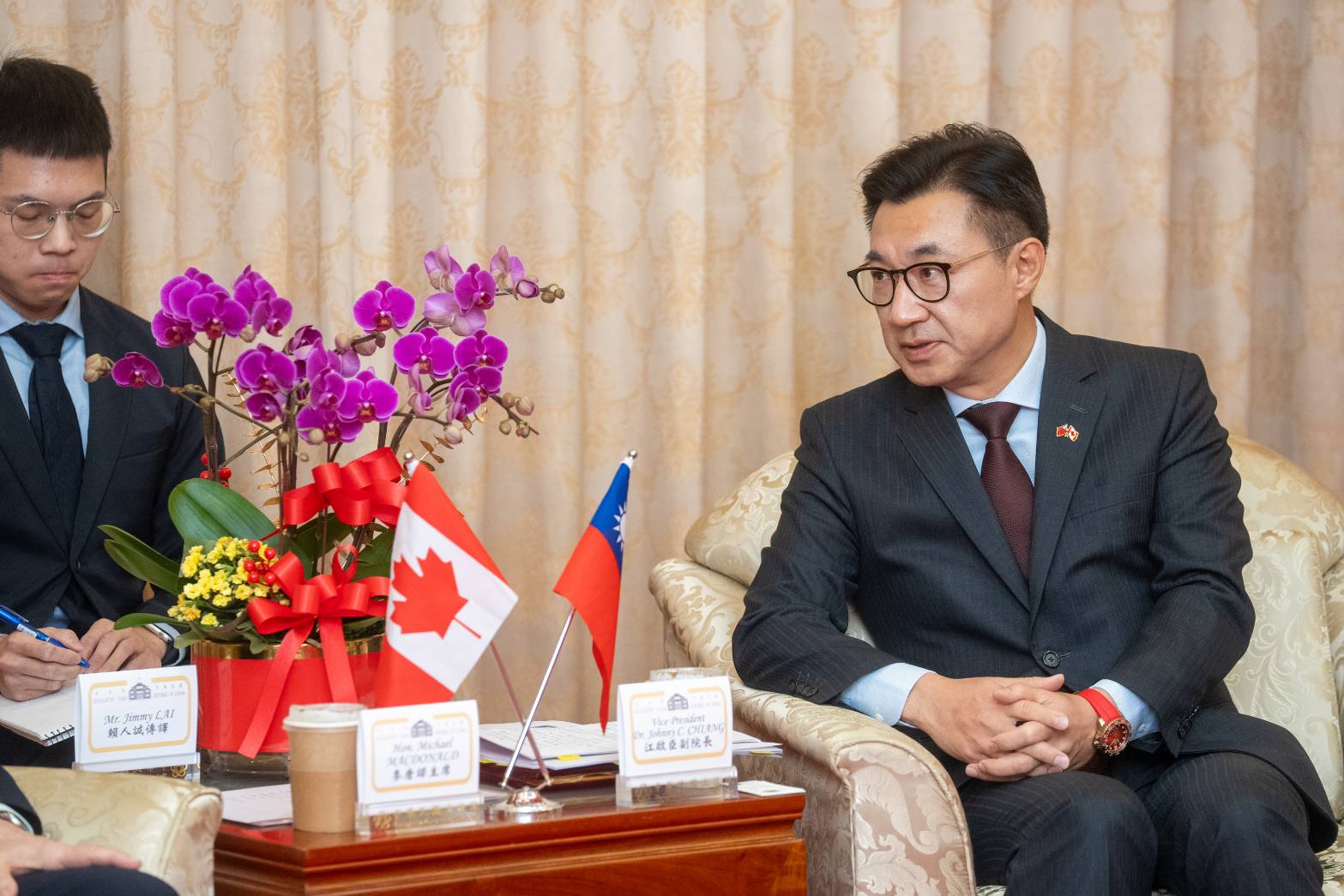
Vice President Chiang further noted that Canada, as the world’s second-largest country by land area, is rich in natural resources. He emphasized that Taiwan and Canada can strengthen exchanges in trade and investment, education, culture, and tourism, fostering a diverse and multifaceted bilateral partnership. In particular, regarding trade, he highlighted Canada’s role as a key member of the Comprehensive and Progressive Agreement for Trans-Pacific Partnership (CPTPP). He expressed hope that Canada will continue to support and assist Taiwan in joining the CPTPP, fostering a mutually beneficial and prosperous partnership where all participants can benefit. He also expressed hope for the continued deepening of parliamentary exchanges between Taiwan and Canada in the future, working together to advance bilateral cooperation.
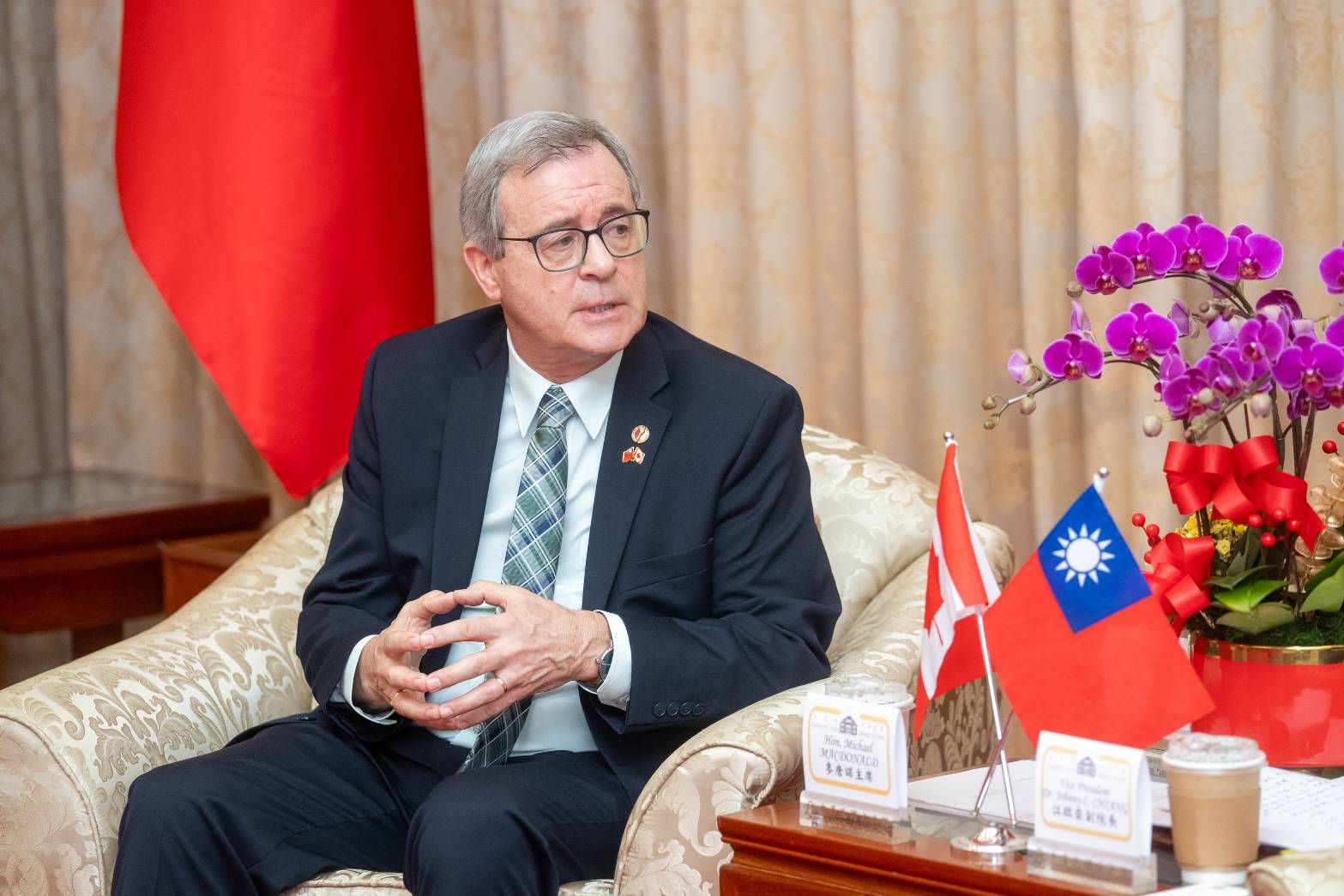
Senator Michael MacDonald expressed his gratitude to Vice President Chiang and the attending legislators for taking the time to meet the delegation. He explained that due to the severe cold in Canada, with temperatures in some regions reaching as low as -30 degrees Celsius, half of the delegation members were unable to join the visit to Taiwan as originally planned. He went on to say that this was his fifth visit to Taiwan and praised the nation for its remarkable achievements despite its lack of natural resources and the hardships endured in its pursuit of democracy. He commended Taiwan for developing a vibrant democratic system, building a strong economy, and fostering a highly educated population that enjoys freedoms of speech and assembly. Describing Taiwan as one of the great nations in the international community, he emphasized that Canada should strengthen exchanges and cooperation with Taiwan. He also asserted that countries worldwide should recognize Taiwan’s crucial role on the global stage and collectively support its inclusion in the WHO and other relevant international organizations. The delegation will also visit other cities, including Tainan, to explore further opportunities for economic and trade cooperation between Taiwan and Canada. He expressed hope that by expanding collaboration across various sectors, the two countries will continue to strengthen their friendly relations. Furthermore, he emphasized that such exchanges would help more people recognize the value of Taiwan’s democracy and support its meaningful participation in the international community.
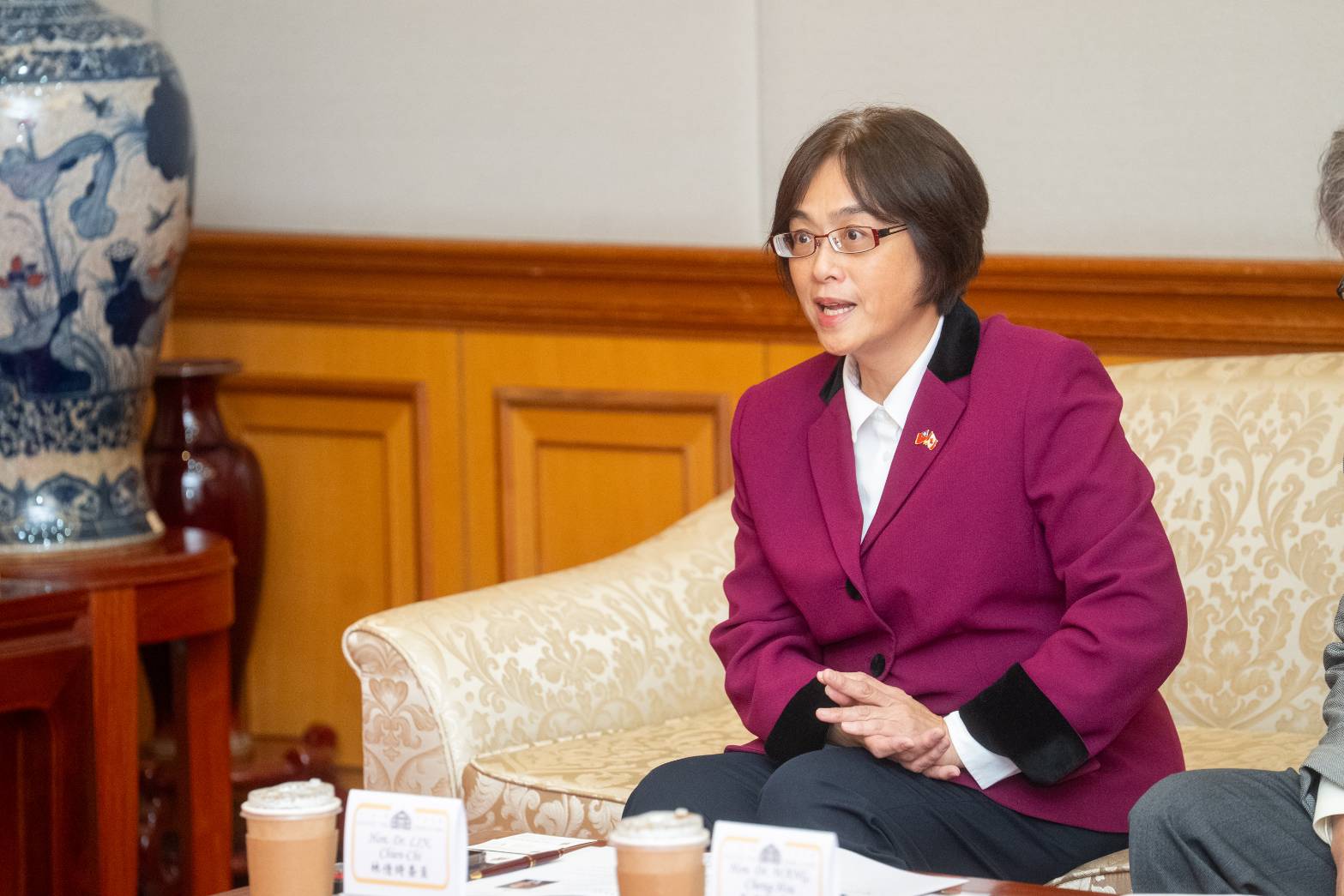
Legislator Lin Chien-Chi shared that she had studied in the United States and had visited nearly half of Canada’s provinces, a country known for its vast landmass as the world’s second-largest nation. As a result, she expressed a deep sense of familiarity and connection with Canada. She noted that Taiwan has made significant advancements in research related to Indigenous culture and suggested that Taiwan and Canada could engage in deeper exchanges on Indigenous affairs and tourism. Furthermore, she expressed hope for future opportunities to introduce Taiwan’s Indigenous culture, allowing people from around the world to gain a deeper understanding of Taiwan. Legislator Lin also mentioned that an Indigenous cultural event will take place this Saturday at Taipei Main Station. She warmly invited the visiting guests to attend if their schedule permits, offering them a firsthand experience of Taiwan’s Indigenous culture.
Legislator Wang Cheng-Hsu expressed his gratitude to the visiting guests for their contributions to strengthening Taiwan-Canada relations. He noted that all three visiting senators share a strong interest in healthcare and public health. Senator Michael MacDonald is deeply committed to healthcare equity, health promotion, and the establishment of an international public health system; Senator Donald Plett prioritizes improving primary healthcare and medical services in rural areas; and Senator John M. McNair actively advocates for disease prevention and health education. As a medical professional specializing in cancer research, Legislator Wang believes that Taiwan and Canada can deepen exchanges and learn from each other in various fields, including international medical and health cooperation, universal health coverage, healthcare financing in aging societies, cancer and chronic disease prevention, smart healthcare, and telemedicine.
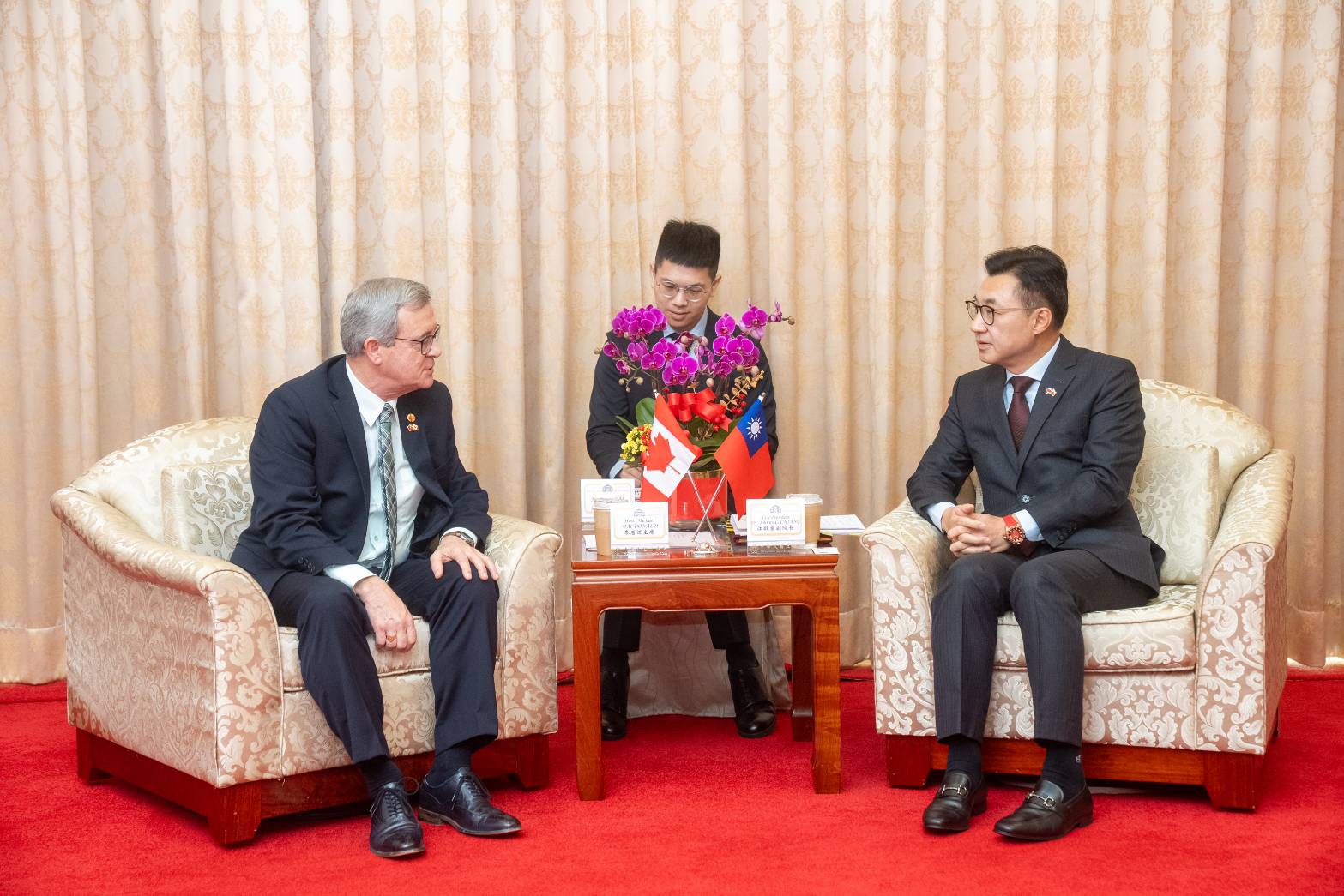
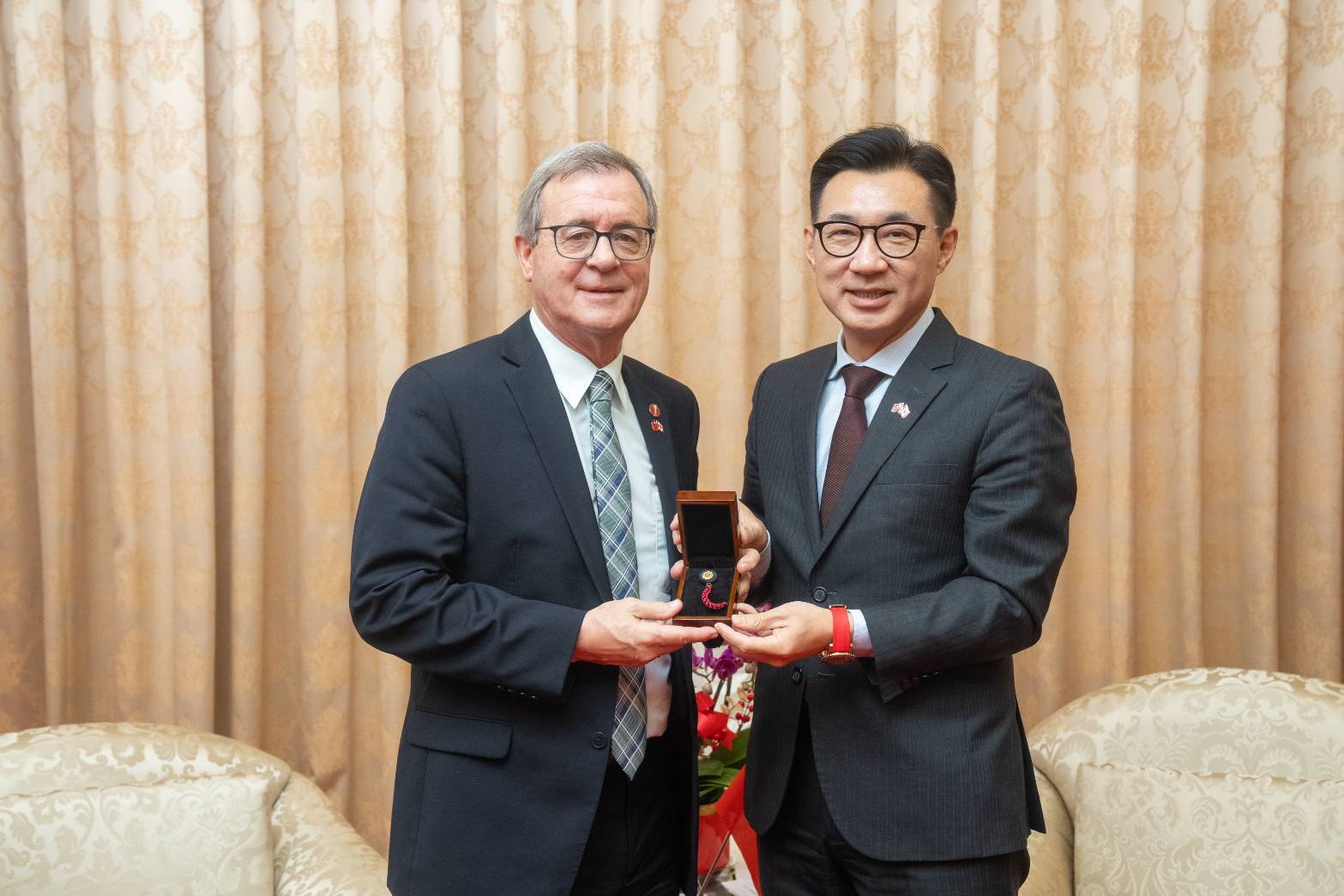
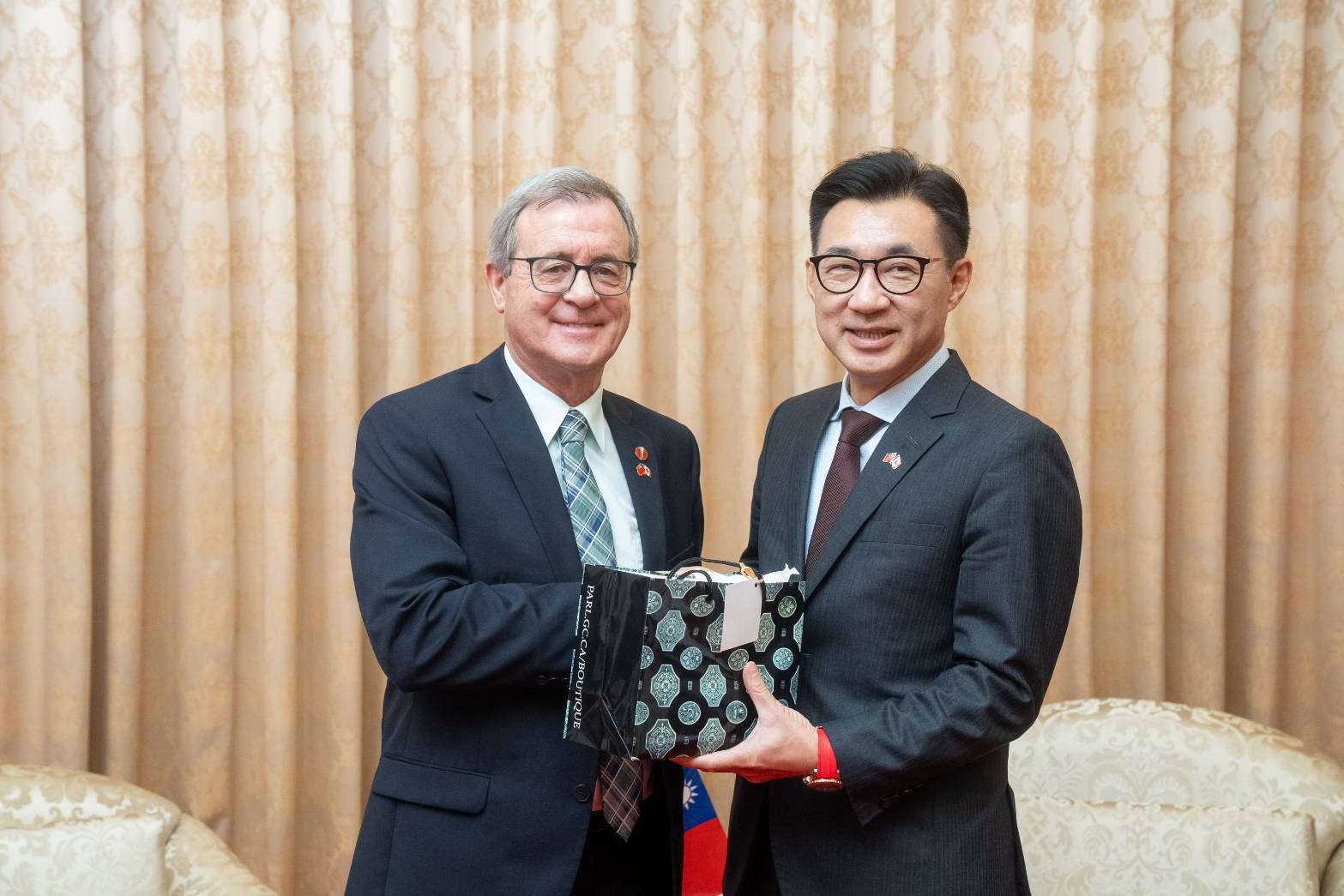
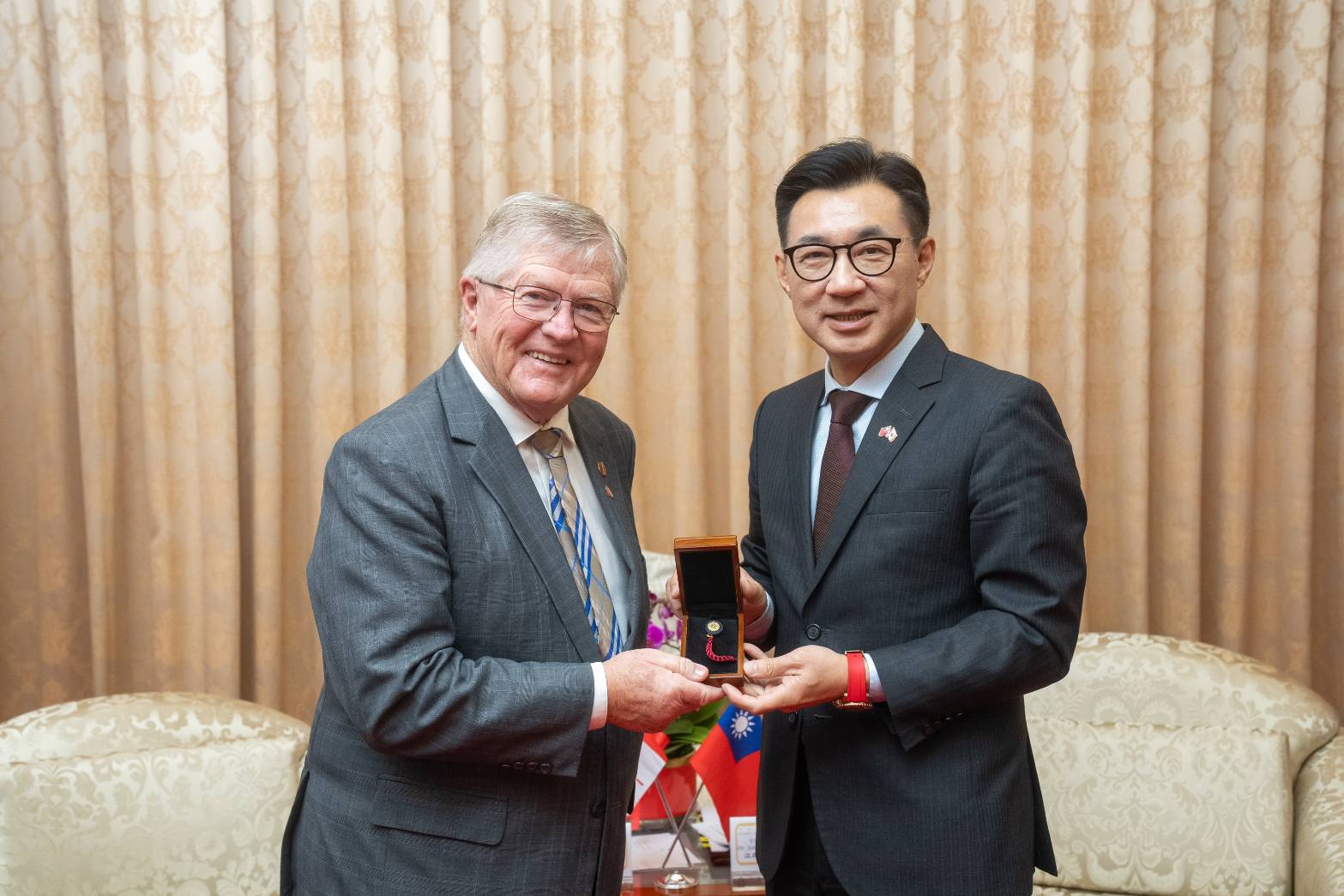
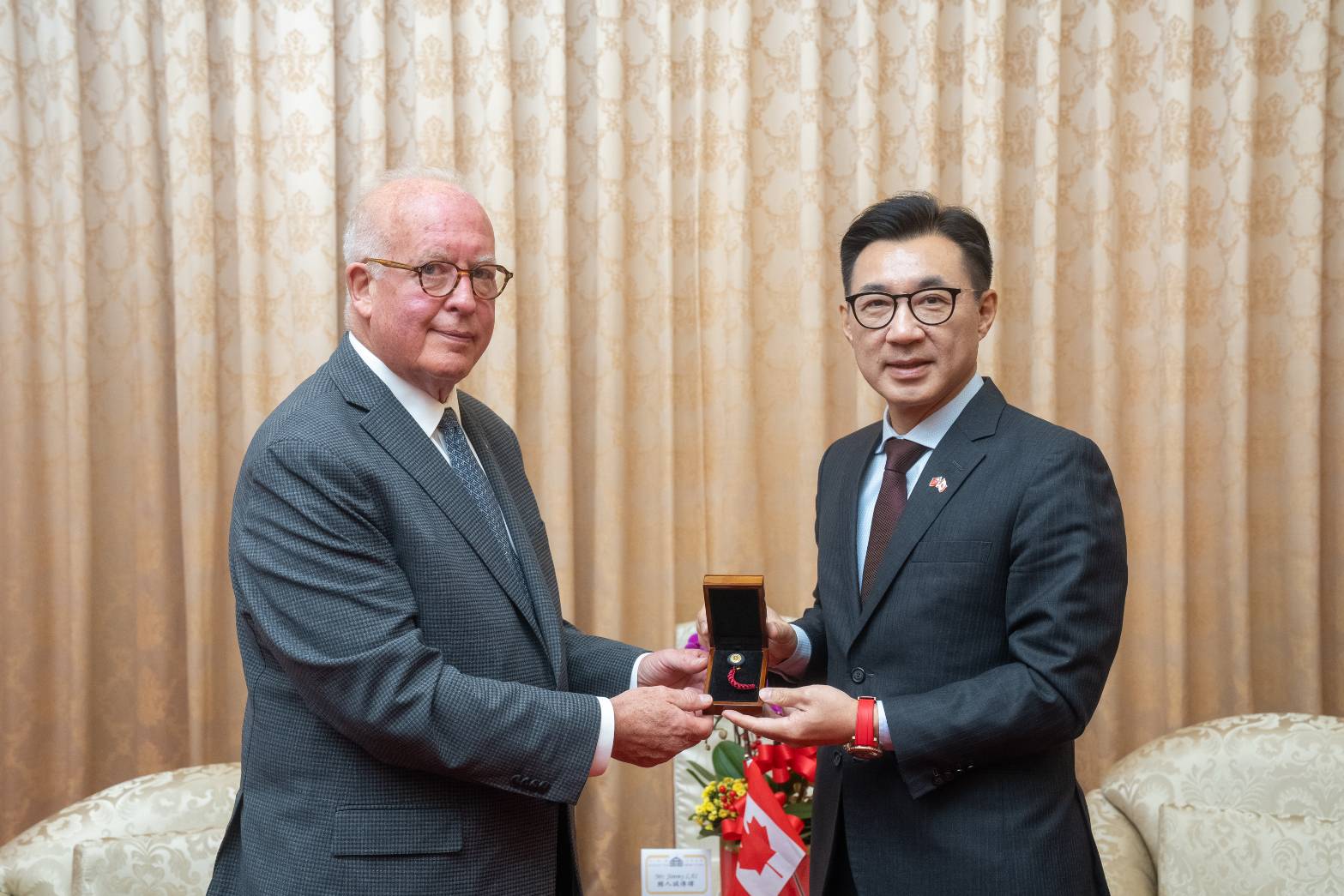
During the bilateral exchange, the visiting guests and Vice President Chiang engaged in extensive discussions on various topics, including the similarities and differences between Taiwan and Canada’s healthcare and insurance systems, unemployment rates, recent political dynamics between the United States and Canada, international and regional affairs, President Trump's trade policies, Taiwan-Canada economic and trade cooperation, Canada’s financial system, and the upcoming parliamentary elections in Canada. The meeting lasted approximately one hour in a warm and friendly atmosphere. It concluded successfully with both sides exchanging commemorative gifts and taking a group photo.
After taking a group photo with the attending legislators and visiting guests, Vice President Chiang expressed his great honor in welcoming friends from the Senate of Canada. He extended his gratitude to Senator Michael MacDonald for his longstanding friendship with Taiwan, noting his multiple initiatives in the Parliament of Canada to introduce pro-Taiwan bills and advocate for Taiwan’s inclusion in international organizations, demonstrating unwavering support for Taiwan. He also expressed his appreciation for the cross-party support in the Canadian Parliament for Taiwan’s meaningful participation in international organizations such as the World Health Organization (WHO) and the International Civil Aviation Organization (ICAO). Additionally, he acknowledged Canada’s efforts to work alongside like-minded Western countries in safeguarding peace and stability across the Taiwan Strait. In particular, as Canada assumes the G7 presidency in 2025, he expressed hope that Canada will continue to focus on peace and stability in the Indo-Pacific region.
Vice President Chiang further noted that Canada, as the world’s second-largest country by land area, is rich in natural resources. He emphasized that Taiwan and Canada can strengthen exchanges in trade and investment, education, culture, and tourism, fostering a diverse and multifaceted bilateral partnership. In particular, regarding trade, he highlighted Canada’s role as a key member of the Comprehensive and Progressive Agreement for Trans-Pacific Partnership (CPTPP). He expressed hope that Canada will continue to support and assist Taiwan in joining the CPTPP, fostering a mutually beneficial and prosperous partnership where all participants can benefit. He also expressed hope for the continued deepening of parliamentary exchanges between Taiwan and Canada in the future, working together to advance bilateral cooperation.
Senator Michael MacDonald expressed his gratitude to Vice President Chiang and the attending legislators for taking the time to meet the delegation. He explained that due to the severe cold in Canada, with temperatures in some regions reaching as low as -30 degrees Celsius, half of the delegation members were unable to join the visit to Taiwan as originally planned. He went on to say that this was his fifth visit to Taiwan and praised the nation for its remarkable achievements despite its lack of natural resources and the hardships endured in its pursuit of democracy. He commended Taiwan for developing a vibrant democratic system, building a strong economy, and fostering a highly educated population that enjoys freedoms of speech and assembly. Describing Taiwan as one of the great nations in the international community, he emphasized that Canada should strengthen exchanges and cooperation with Taiwan. He also asserted that countries worldwide should recognize Taiwan’s crucial role on the global stage and collectively support its inclusion in the WHO and other relevant international organizations. The delegation will also visit other cities, including Tainan, to explore further opportunities for economic and trade cooperation between Taiwan and Canada. He expressed hope that by expanding collaboration across various sectors, the two countries will continue to strengthen their friendly relations. Furthermore, he emphasized that such exchanges would help more people recognize the value of Taiwan’s democracy and support its meaningful participation in the international community.
Legislator Lin Chien-Chi shared that she had studied in the United States and had visited nearly half of Canada’s provinces, a country known for its vast landmass as the world’s second-largest nation. As a result, she expressed a deep sense of familiarity and connection with Canada. She noted that Taiwan has made significant advancements in research related to Indigenous culture and suggested that Taiwan and Canada could engage in deeper exchanges on Indigenous affairs and tourism. Furthermore, she expressed hope for future opportunities to introduce Taiwan’s Indigenous culture, allowing people from around the world to gain a deeper understanding of Taiwan. Legislator Lin also mentioned that an Indigenous cultural event will take place this Saturday at Taipei Main Station. She warmly invited the visiting guests to attend if their schedule permits, offering them a firsthand experience of Taiwan’s Indigenous culture.
Legislator Wang Cheng-Hsu expressed his gratitude to the visiting guests for their contributions to strengthening Taiwan-Canada relations. He noted that all three visiting senators share a strong interest in healthcare and public health. Senator Michael MacDonald is deeply committed to healthcare equity, health promotion, and the establishment of an international public health system; Senator Donald Plett prioritizes improving primary healthcare and medical services in rural areas; and Senator John M. McNair actively advocates for disease prevention and health education. As a medical professional specializing in cancer research, Legislator Wang believes that Taiwan and Canada can deepen exchanges and learn from each other in various fields, including international medical and health cooperation, universal health coverage, healthcare financing in aging societies, cancer and chronic disease prevention, smart healthcare, and telemedicine.
During the bilateral exchange, the visiting guests and Vice President Chiang engaged in extensive discussions on various topics, including the similarities and differences between Taiwan and Canada’s healthcare and insurance systems, unemployment rates, recent political dynamics between the United States and Canada, international and regional affairs, President Trump's trade policies, Taiwan-Canada economic and trade cooperation, Canada’s financial system, and the upcoming parliamentary elections in Canada. The meeting lasted approximately one hour in a warm and friendly atmosphere. It concluded successfully with both sides exchanging commemorative gifts and taking a group photo.