

Vice President Johnny C. Chiang meets 3-person delegation from the European Council on Foreign Relations; Vice President Chiang: Deepening economic and technological partnerships between Taiwan and Europe, sharing democratic values
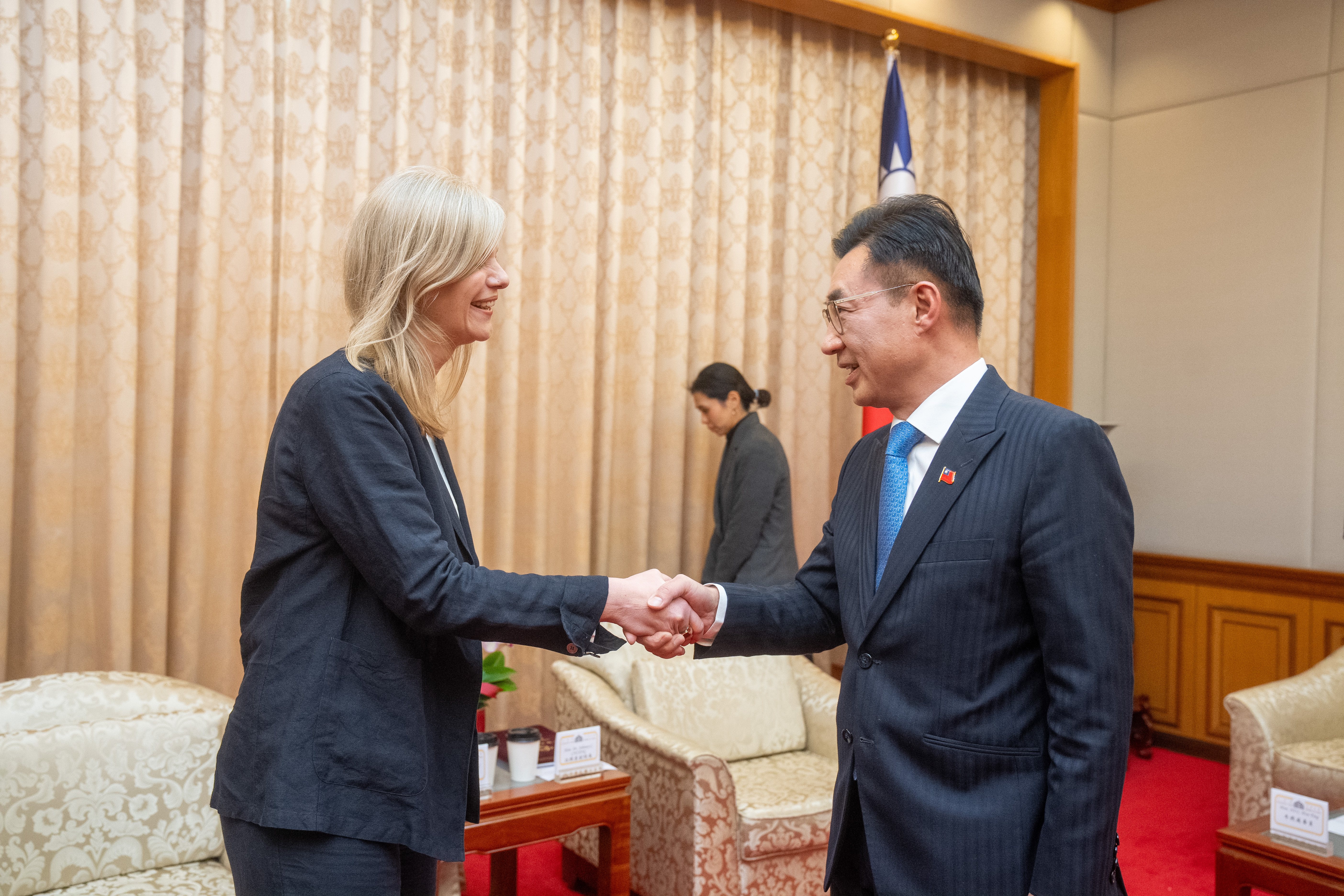
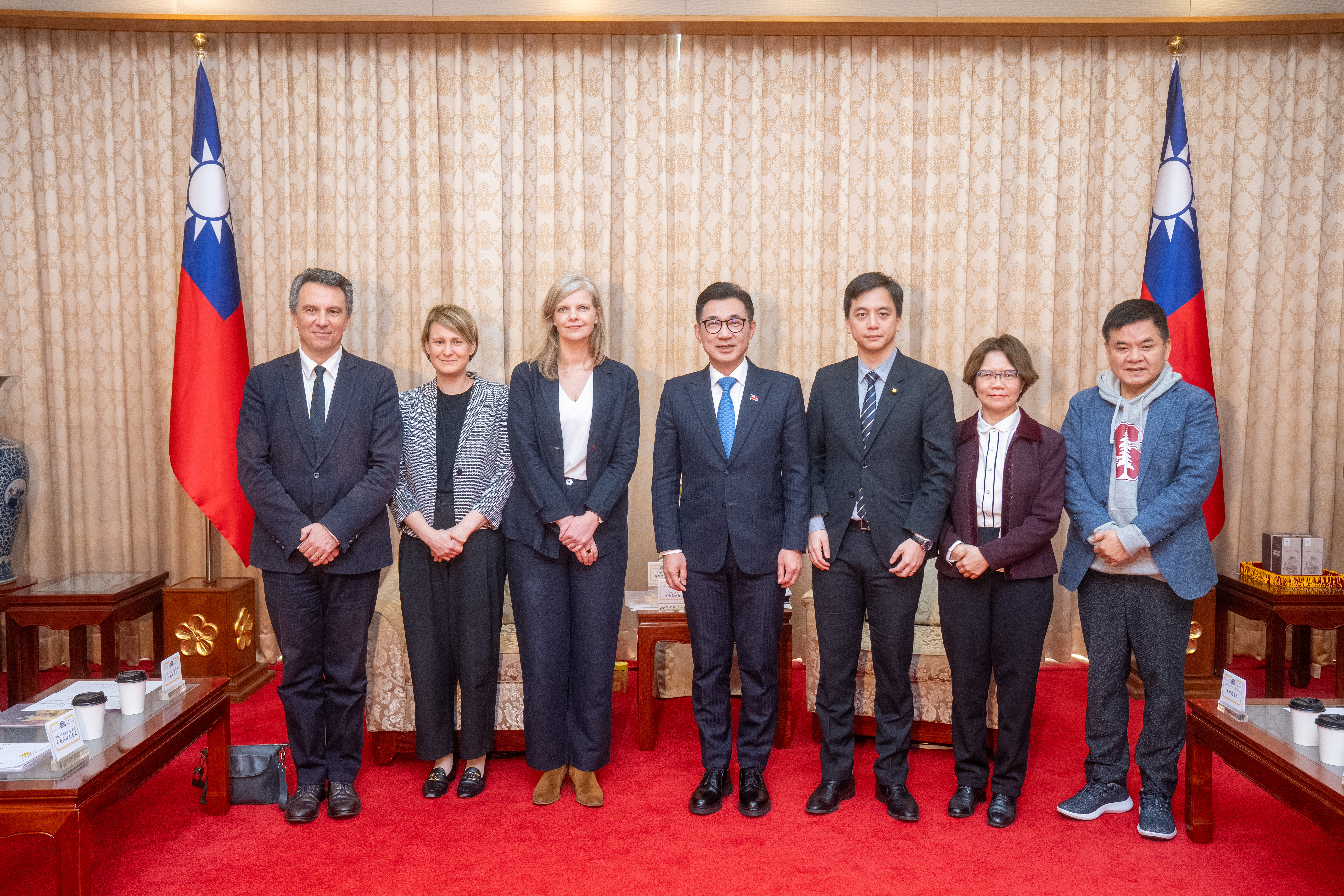
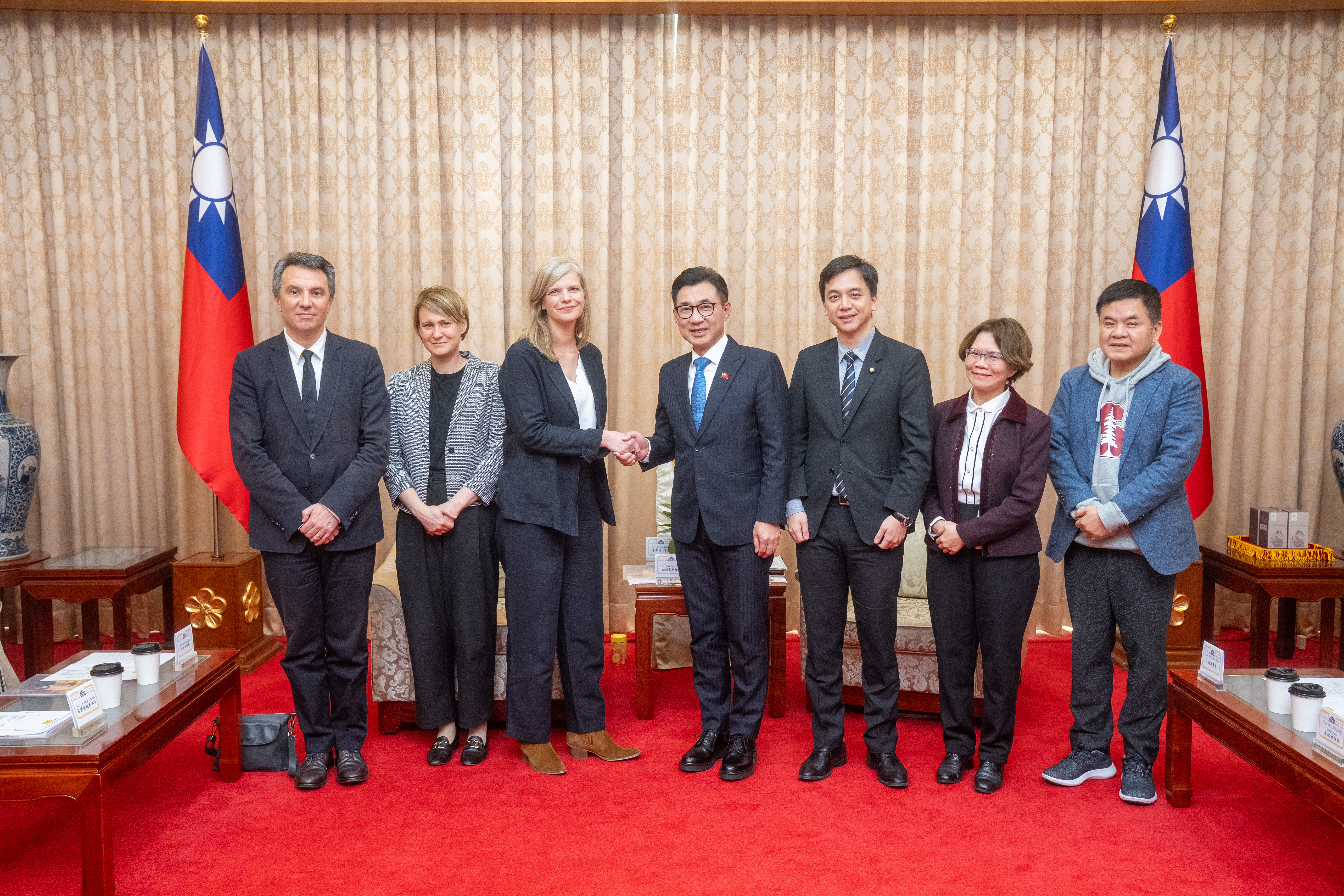
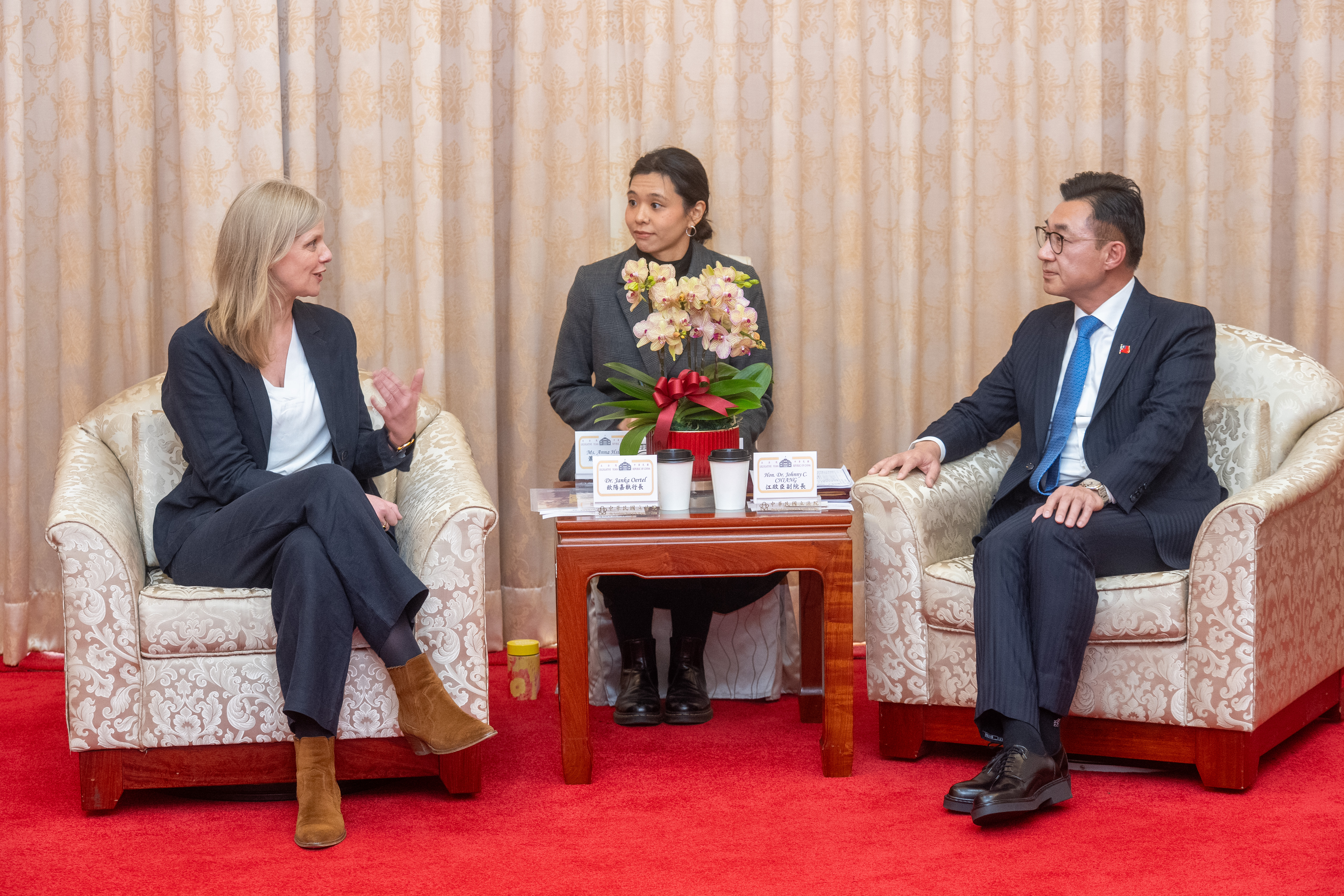
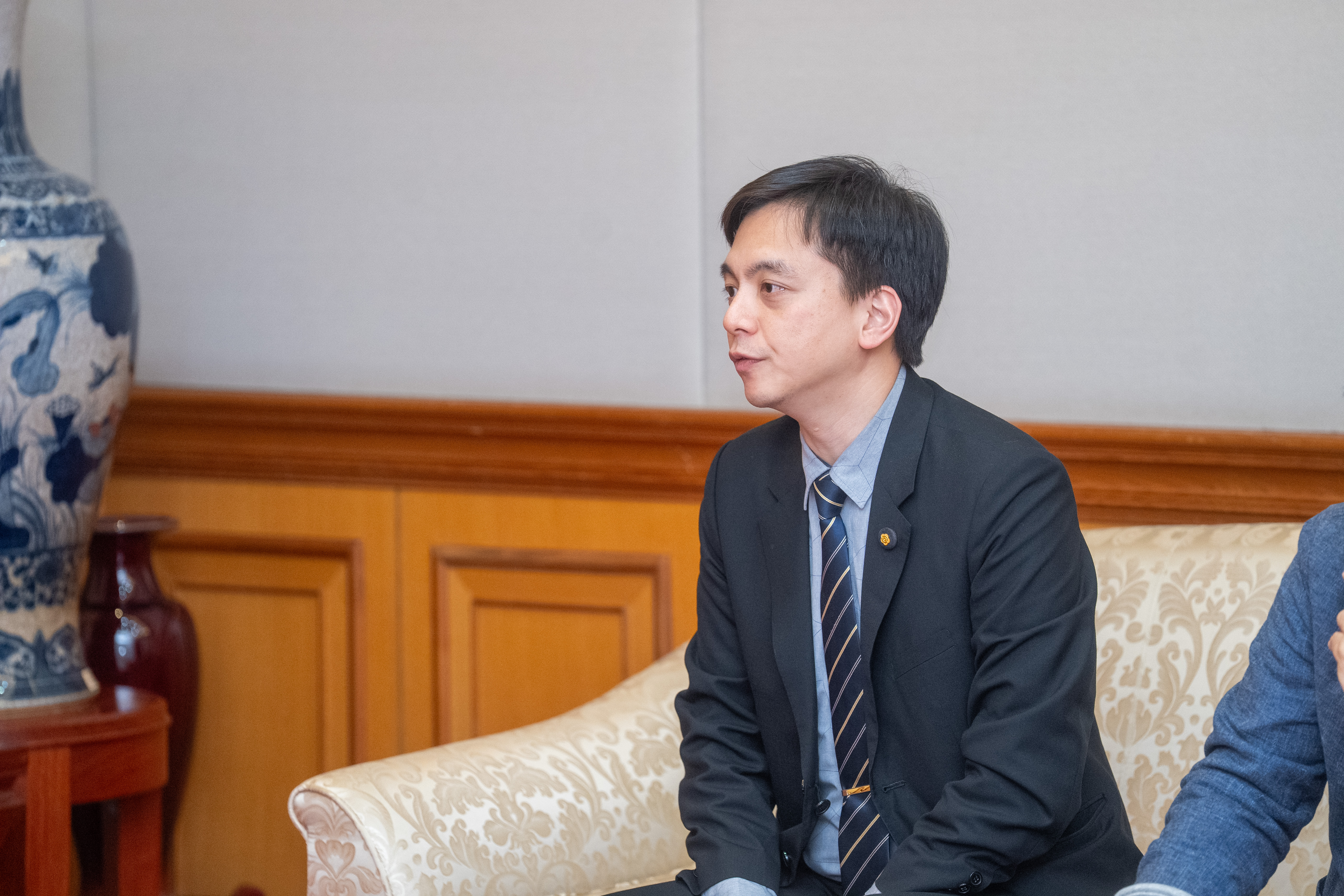
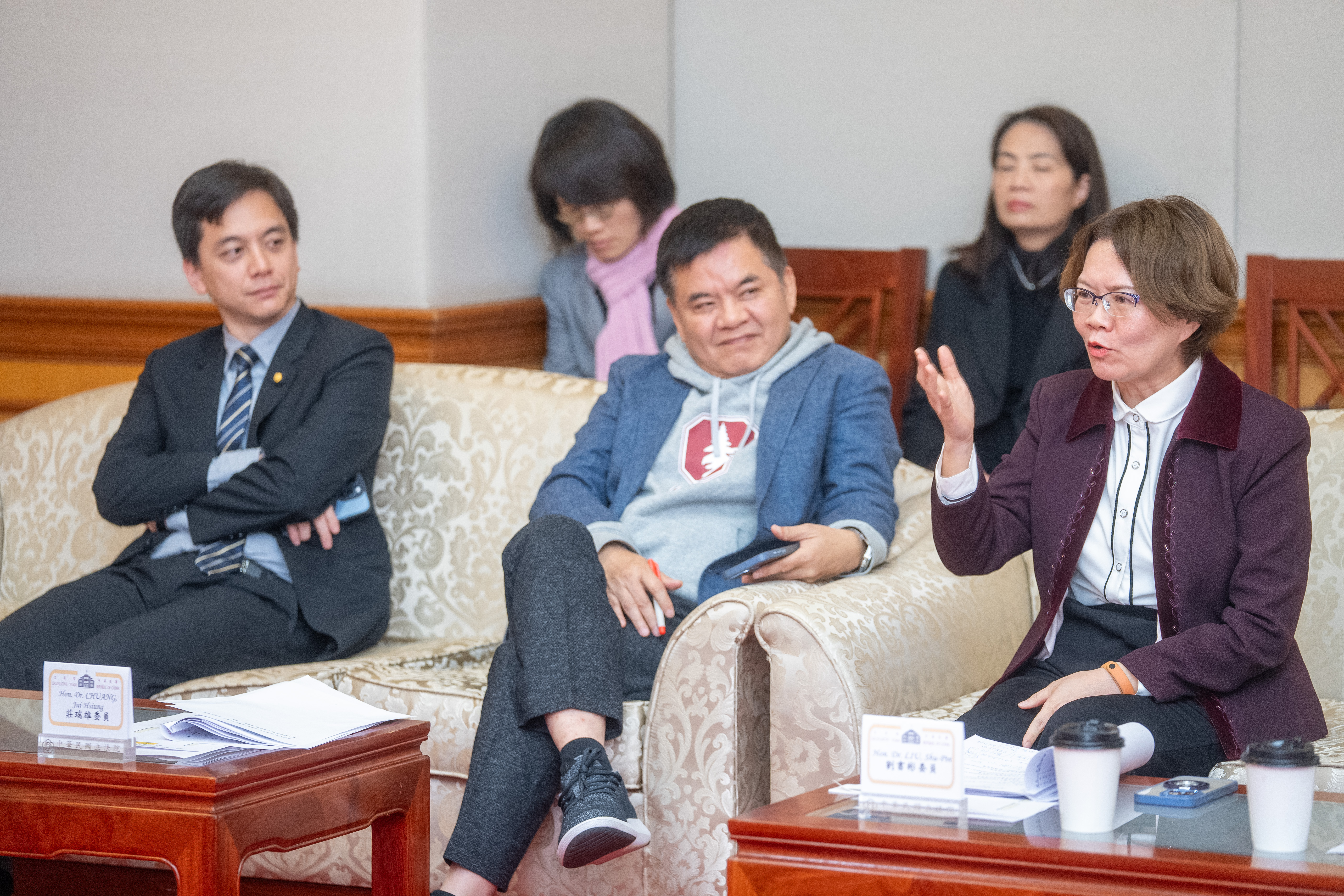
Vice President Johnny C. Chiang of the Legislative Yuan received a three-member delegation from the European Council on Foreign Relations (ECFR) on the afternoon of March 19. He was accompanied by KMT Legislator Niu Hsu-Ting, DPP Legislator Chuang Jui-Hsiung, TPP Legislator Liu Shu-Pin, and Deputy Director Yang Fang-Ling of the Department of International Affairs. The delegation was led by Dr. Janka Oertel, Director of ECFR’s Asia Program.
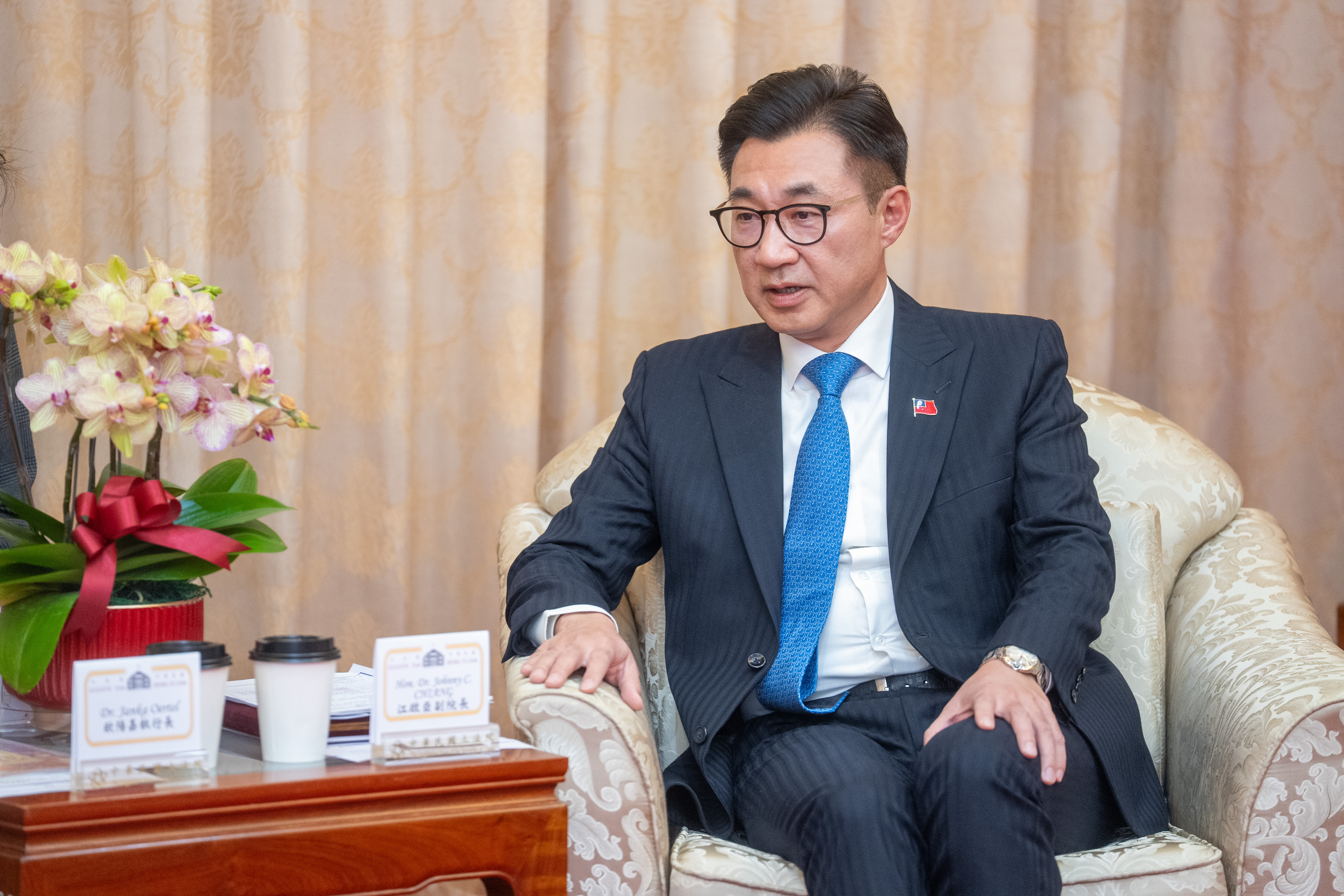
On behalf of President Daniel K.Y. Han of the Legislative Yuan, Vice President Chiang first welcomed the delegation, emphasizing Taiwan’s strong commitment to upholding Taiwan-Europe relations, which is evident as the three major parties had sent legislators to participate in the meeting. Vice President Chiang praised ECFR as a renowned and influential think tank whose members include experts from the politics, academia, and policy fields in Europe. He expressed hope that through ECFR’s visit, both sides could share perspectives on global affairs, Europe’s foreign relations, and political developments across the Taiwan Strait.
Vice President Chiang further pointed out that international relations nowadays evolve rapidly. Since the inauguration of President Donald Trump, U.S.-Europe and U.S.-Asia relations have undergone restructuring, while both Russia’s invasion of Ukraine and Europe’s policies toward China and Russia have drawn significant attention. Taiwan and Europe share universal values such as freedom, democracy, and human rights, and have continued to deepen cooperation in trade, investment, and technology. Looking ahead, more concrete partnerships should be pursued. Vice President Chiang also expressed gratitude for the EU’s support for peace and stability in the Taiwan Strait and hoped that ECFR would continue to leverage its influence in policy-formulation to promote strategic collaborations between Taiwan and Europe.
Dr. Janka Oertel thanked Vice President Chiang and the three legislators for taking the time to meet and introduced the delegation members, including a German expert specializing in security and defense and a French expert in national security and nuclear weapons. Dr. Oertel said that since President Trump took office, global political and economic dynamics have changed swiftly, and she looked forward to discussing key issues such as politics, security, economy, technology, supply chains, and democracy during this exchange.
Legislator Niu Hsu-Ting said that every country has closely followed the changes in diplomacy and international relations since Trump’s inauguration. While values-based diplomacy was once mainstream, some countries in Europe and the Americas have recently shown tendencies toward isolationism. He agreed with Dr. Oertel’s view that a direct and open mindset is needed under such circumstances. Additionally, Legislator Niu suggested that Taiwan and Europe should further deepen collaboration by promoting concrete measures such as signing bilateral agreements and supporting Taiwan’s international participation on the global stage.
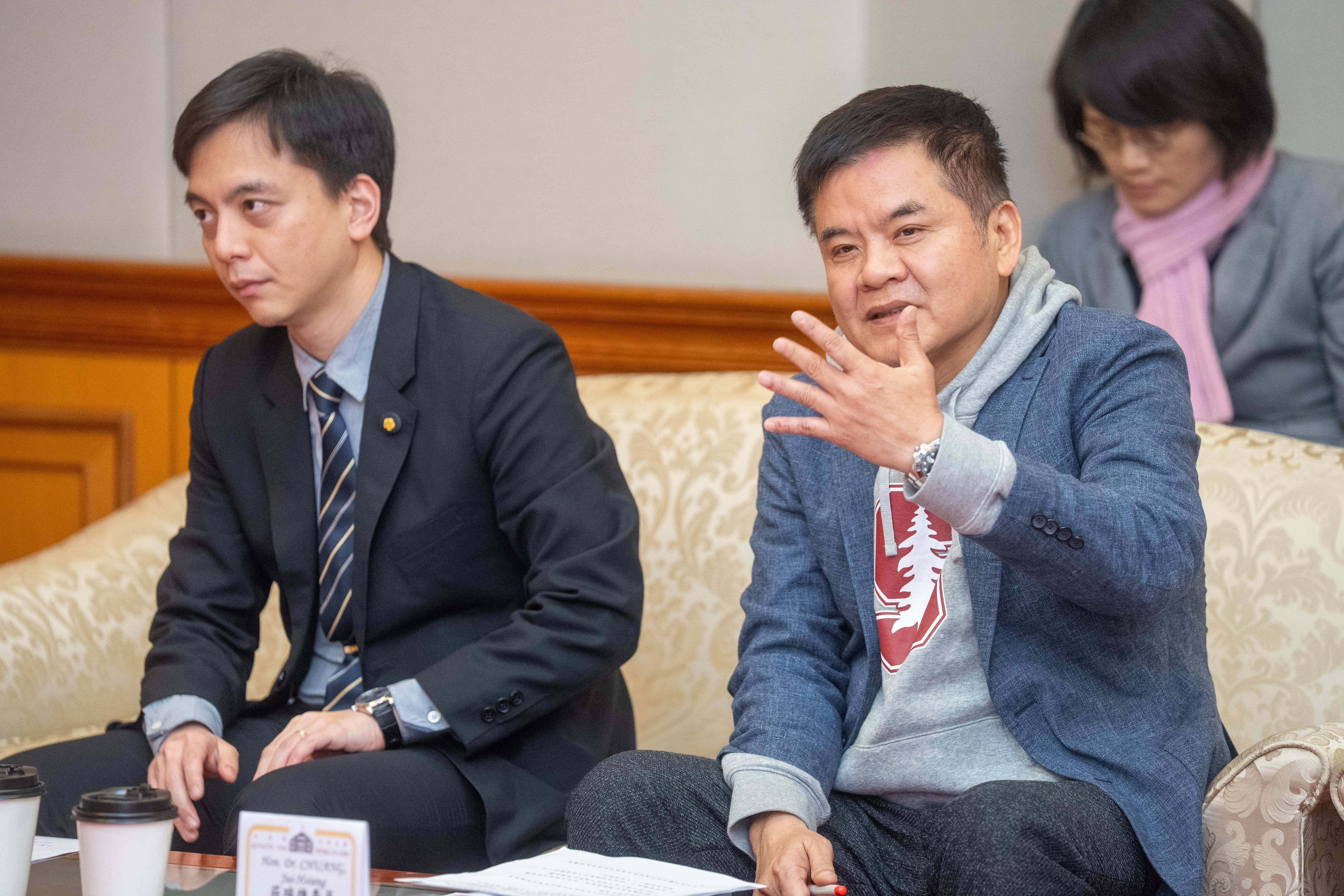
Legislator Chuang Jui-Hsiung emphasized that, as a member of the Legislative Yuan, he represents the voices of the people. He expressed gratitude to the EU for passing a resolution in 2024 opposing China’s continued misinterpretation of UN Resolution 2758, demonstrating firm support for Taiwan. Taiwan and Europe share core values of democracy, human rights, and freedom. Given Taiwan’s current challenges in national defense, diplomacy, and economic development, Legislator Chuang hoped to strengthen diplomatic and defense relations with like-minded nations.
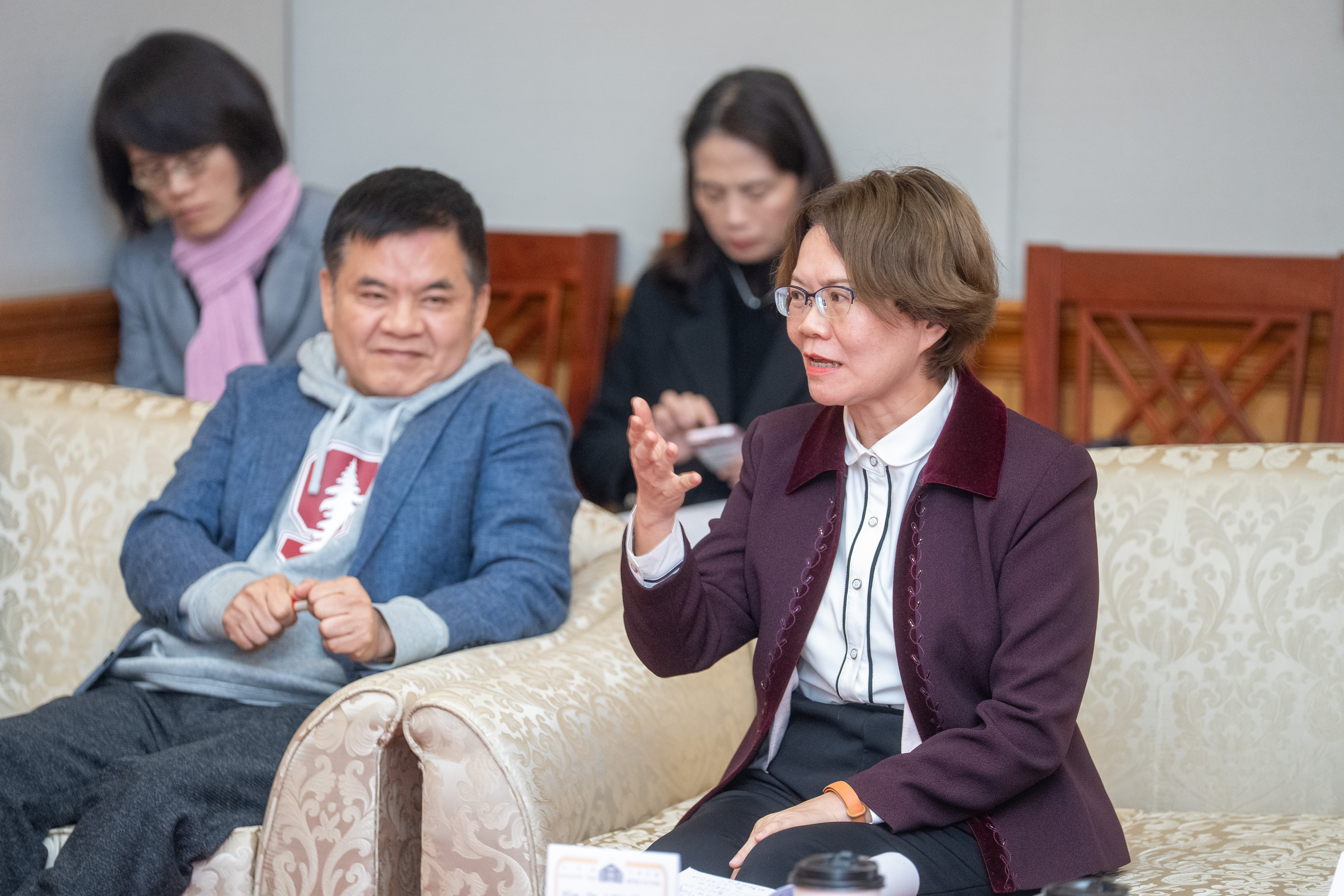
Legislator Liu Shu-Pin inquired about whether Europe had adjusted its policy towards China in response to President Trump’s inauguration, the budget increases in national defense among European countries following Russia’s invasion in Ukraine, the EU’s role in Ukraine’s reconstruction, and the insights from Germany and France’s experiences of coalition governments that Taiwan could learn from.
The delegation members responded that the U.S. currently leans toward playing the role of a mediator rather than solely supporting Ukraine in Russia’s invasion. The U.S. is aiming for a quick ceasefire and a peaceful resolution, while Russia seeks to retain some of its territorial gains, and Ukraine refuses to compromise—resulting in a divergence of goals among the three parties. Future developments on this matter are being closely watched by the international community. Regarding Europe’s defense policy, the delegation noted that the Trump administration’s call for NATO and European countries to increase their defense budgets from 2% to 3-5% is reasonable, and Europe should indeed take on greater responsibilities for regional security. Delegation members added that although France has long faced a political landscape with a strong opposition presence, there remains a degree of consensus on major issues. Concerning U.S.-Europe relations, the delegation suggested that transatlantic cooperation might undergo adjustments—while the Biden administration emphasized collaboration among NATO countries, the Trump administration has focused more on America’s own interests, inevitably impacting U.S.-Europe relations. The delegation reaffirmed that the EU remains firm in its stance toward China: although some countries in Southern and Eastern European have adopted a more flexible approach to China, Europe’s core nations such as France and Germany continue to strongly support Taiwan.
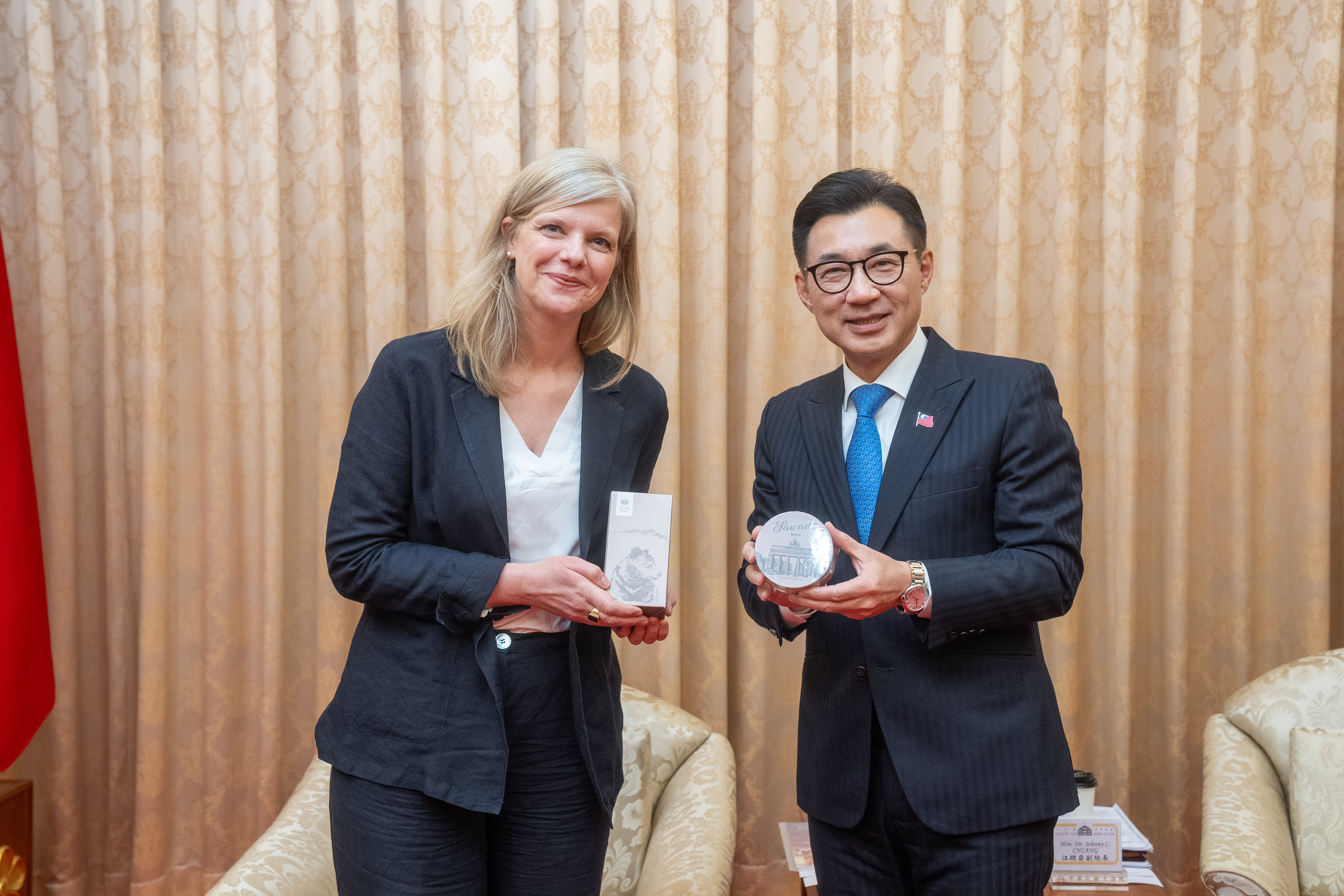
The meeting lasted approximately 60 minutes in a cordial atmosphere. It concluded successfully with both sides exchanging gifts and taking a group photo to commemorate the occasion.
On behalf of President Daniel K.Y. Han of the Legislative Yuan, Vice President Chiang first welcomed the delegation, emphasizing Taiwan’s strong commitment to upholding Taiwan-Europe relations, which is evident as the three major parties had sent legislators to participate in the meeting. Vice President Chiang praised ECFR as a renowned and influential think tank whose members include experts from the politics, academia, and policy fields in Europe. He expressed hope that through ECFR’s visit, both sides could share perspectives on global affairs, Europe’s foreign relations, and political developments across the Taiwan Strait.
Vice President Chiang further pointed out that international relations nowadays evolve rapidly. Since the inauguration of President Donald Trump, U.S.-Europe and U.S.-Asia relations have undergone restructuring, while both Russia’s invasion of Ukraine and Europe’s policies toward China and Russia have drawn significant attention. Taiwan and Europe share universal values such as freedom, democracy, and human rights, and have continued to deepen cooperation in trade, investment, and technology. Looking ahead, more concrete partnerships should be pursued. Vice President Chiang also expressed gratitude for the EU’s support for peace and stability in the Taiwan Strait and hoped that ECFR would continue to leverage its influence in policy-formulation to promote strategic collaborations between Taiwan and Europe.
Dr. Janka Oertel thanked Vice President Chiang and the three legislators for taking the time to meet and introduced the delegation members, including a German expert specializing in security and defense and a French expert in national security and nuclear weapons. Dr. Oertel said that since President Trump took office, global political and economic dynamics have changed swiftly, and she looked forward to discussing key issues such as politics, security, economy, technology, supply chains, and democracy during this exchange.
Legislator Niu Hsu-Ting said that every country has closely followed the changes in diplomacy and international relations since Trump’s inauguration. While values-based diplomacy was once mainstream, some countries in Europe and the Americas have recently shown tendencies toward isolationism. He agreed with Dr. Oertel’s view that a direct and open mindset is needed under such circumstances. Additionally, Legislator Niu suggested that Taiwan and Europe should further deepen collaboration by promoting concrete measures such as signing bilateral agreements and supporting Taiwan’s international participation on the global stage.
Legislator Chuang Jui-Hsiung emphasized that, as a member of the Legislative Yuan, he represents the voices of the people. He expressed gratitude to the EU for passing a resolution in 2024 opposing China’s continued misinterpretation of UN Resolution 2758, demonstrating firm support for Taiwan. Taiwan and Europe share core values of democracy, human rights, and freedom. Given Taiwan’s current challenges in national defense, diplomacy, and economic development, Legislator Chuang hoped to strengthen diplomatic and defense relations with like-minded nations.
Legislator Liu Shu-Pin inquired about whether Europe had adjusted its policy towards China in response to President Trump’s inauguration, the budget increases in national defense among European countries following Russia’s invasion in Ukraine, the EU’s role in Ukraine’s reconstruction, and the insights from Germany and France’s experiences of coalition governments that Taiwan could learn from.
The delegation members responded that the U.S. currently leans toward playing the role of a mediator rather than solely supporting Ukraine in Russia’s invasion. The U.S. is aiming for a quick ceasefire and a peaceful resolution, while Russia seeks to retain some of its territorial gains, and Ukraine refuses to compromise—resulting in a divergence of goals among the three parties. Future developments on this matter are being closely watched by the international community. Regarding Europe’s defense policy, the delegation noted that the Trump administration’s call for NATO and European countries to increase their defense budgets from 2% to 3-5% is reasonable, and Europe should indeed take on greater responsibilities for regional security. Delegation members added that although France has long faced a political landscape with a strong opposition presence, there remains a degree of consensus on major issues. Concerning U.S.-Europe relations, the delegation suggested that transatlantic cooperation might undergo adjustments—while the Biden administration emphasized collaboration among NATO countries, the Trump administration has focused more on America’s own interests, inevitably impacting U.S.-Europe relations. The delegation reaffirmed that the EU remains firm in its stance toward China: although some countries in Southern and Eastern European have adopted a more flexible approach to China, Europe’s core nations such as France and Germany continue to strongly support Taiwan.
The meeting lasted approximately 60 minutes in a cordial atmosphere. It concluded successfully with both sides exchanging gifts and taking a group photo to commemorate the occasion.