

Legislative Yuan President Daniel K.Y. Han meets with delegation from the German Institute for International and Security Affairs; President Han: We look forward to Taiwan-Germany collaboration that leverages our respective strengths to achieve greater prosperity.
Legislative Yuan President Daniel K.Y. Han meets with delegation from the German Institute for International and Security Affairs; President Han: We look forward to Taiwan-Germany collaboration that leverages our respective strengths to achieve greater prosperity.
On the afternoon of May 1, Legislative Yuan President Daniel K.Y. Han received a seven-member delegation from the German Institute for International and Security Affairs (Stiftung Wissenschaft und Politik, SWP), led by Senior Associate Dr. Angela Stanzel. He was accompanied by KMT Legislator Dr. Lin Chien-Chi, DPP Legislator Dr. Wang Cheng-Hsu, Deputy Director Yang Fang-Ling of the Department of International Affairs, and Counselor Huang Tai-Mou of the Department of Policy Making at the Ministry of Foreign Affairs.
President Han began by extending a warm welcome to Dr. Stanzel and her delegation. He praised SWP as one of Germany’s most prestigious research institutions in the fields of foreign affairs and security. He also expressed his pleasure at the opportunity to engage in meaningful dialogue with the delegation on issues related to regional security in East Asia. President Han further noted that the people of Taiwan generally hold Germany in high regard. This admiration stems not only from the qualities embodied by the character “德” (virtue) in Germany’s Chinese name—signifying integrity, noble character, and strong credibility—but also from Germany’s globally recognized achievements in industrial production, literature, and the arts. He also highlighted that, Germany, despite the widespread adoption of digital technologies, continues to have one of the highest reading rates in the world. This strong commitment to the humanities and reading culture, he added, serves as a valuable model for Taiwan.
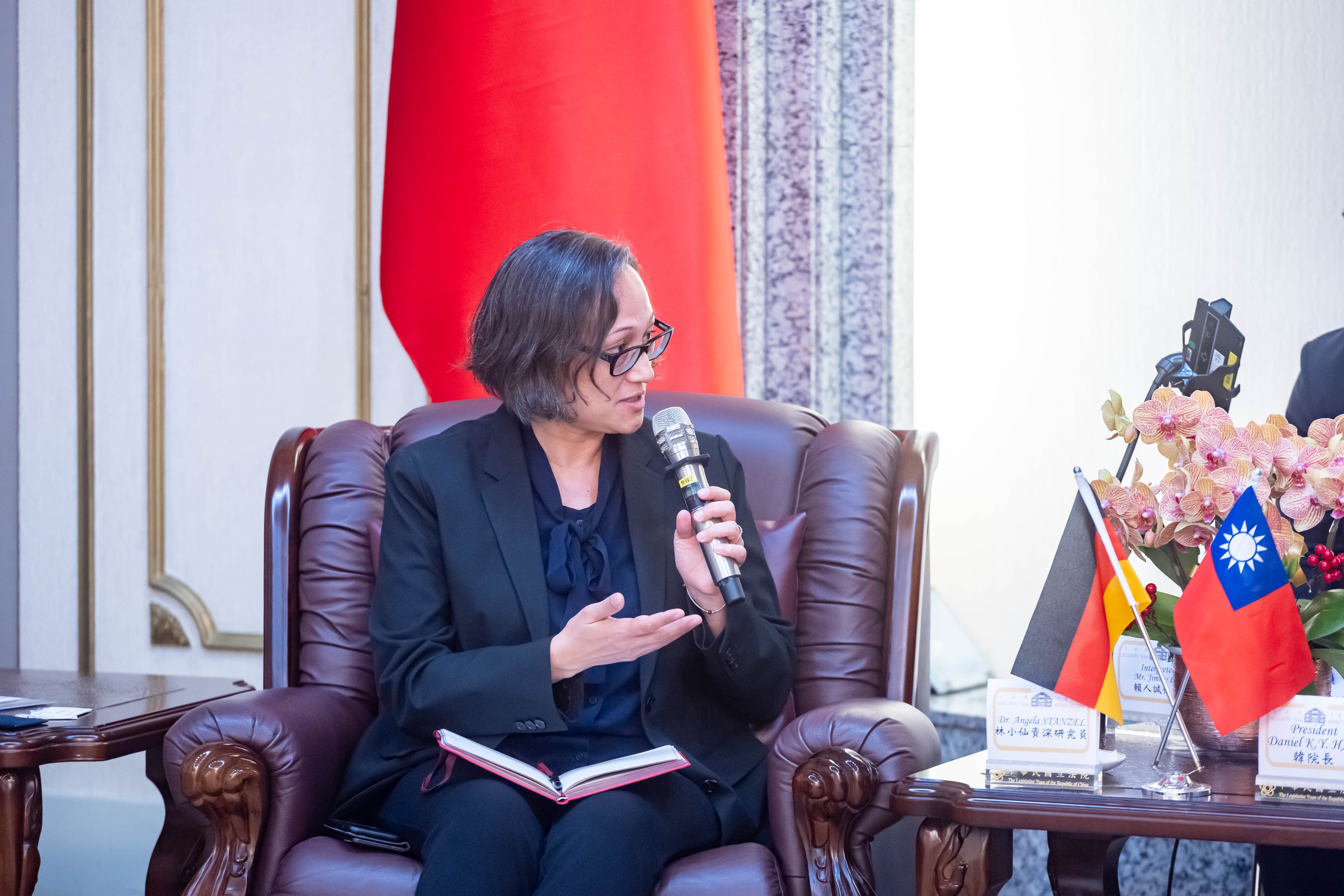
Dr. Stanzel thanked President Han for his warm hospitality despite his busy schedule, and said she was honored to visit the Legislative Yuan. She expressed hope for meaningful exchanges with President Han and legislators from different parties on topics such as international developments and cross-strait relations. She explained that the primary purpose of this visit to Taiwan was to gain a deeper understanding of Taiwan’s current situation through firsthand observation, and to further analyze Germany’s positioning in relation to countries across Asia. She also expressed appreciation for the experiences she had during her stay in Taiwan, including the friendliness of the people and the opportunity to enjoy authentic Taiwanese cuisine.
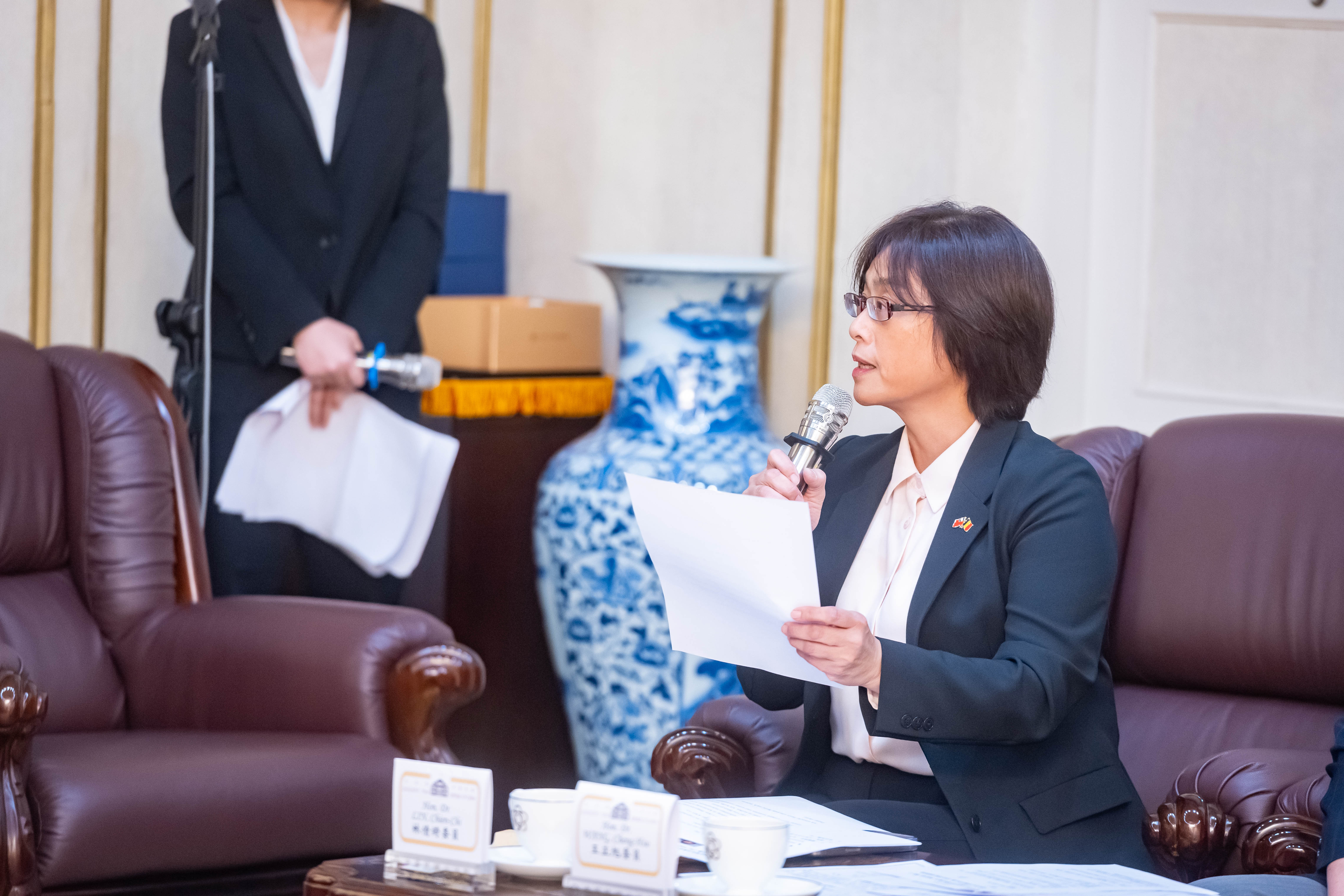
During the exchange, KMT Legislator Dr. Lin Chien-Chi warmly greeted the guests in German and shared that during her time as the Director of the Cultural Affairs Bureau of the Kaohsiung City Government, she had the opportunity to visit Germany with the mayor. She recalled being deeply impressed by the country’s achievements in urban planning and industrial zone regeneration. She further noted that U.S. President Donald Trump’s push for reciprocal tariffs has had a profound impact on the global economy. In light of the rapidly evolving international landscape, she emphasized that this is a critical moment for Taiwan to assert its global relevance. She underscored the importance of Taiwan proactively expanding international engagement while maintaining open dialogue with China to help ensure regional peace and stability.
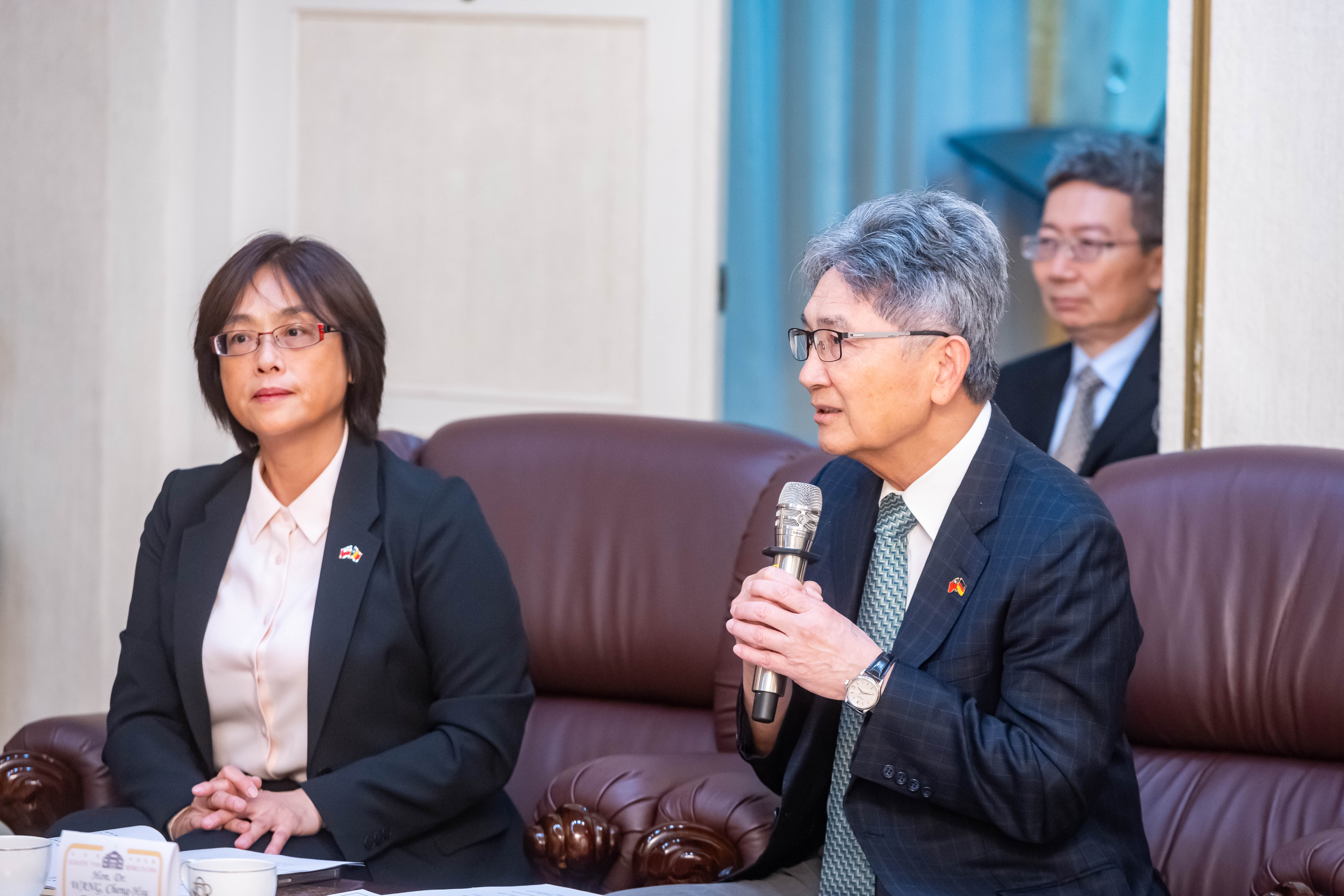
DPP Legislator Dr. Wang Cheng-Hsu stated that from the perspective of the ruling party, all efforts should focus on defending Taiwan’s sovereignty, reflecting mainstream public opinion, and safeguarding the freedoms and democratic values of the people. He affirmed the longstanding stable and friendly ties between Taiwan and Germany and noted that there is ample room for deepening cooperation in the future. He particularly commended Germany for its strong medical capabilities and humanitarian spirit during the COVID-19 pandemic, which earned international praise. He expressed hope that Taiwan and Germany could strengthen collaboration in healthcare and humanitarian assistance in response to growing geopolitical challenges.
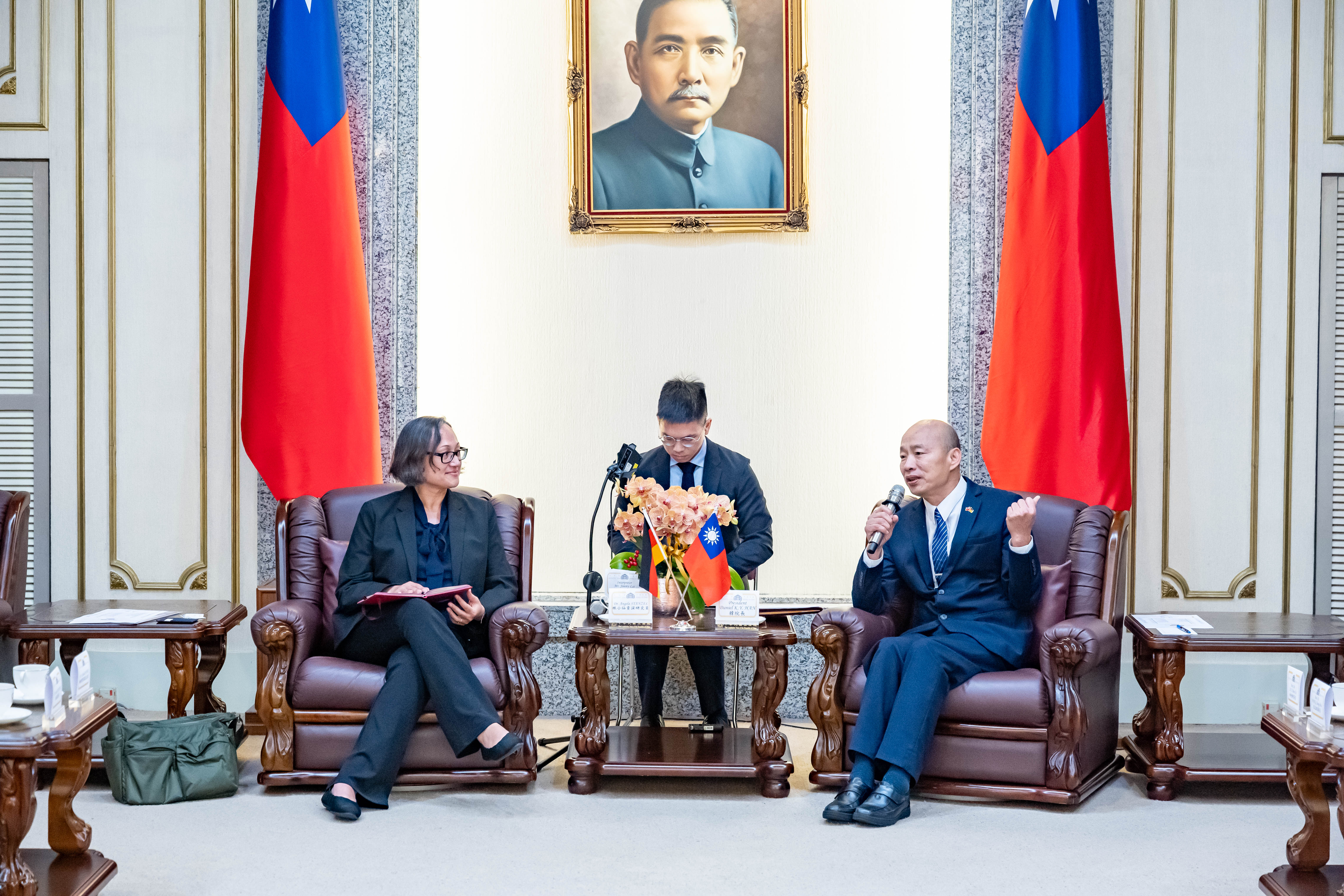
President Han concluded by stating that a wise leader, like a pastor, can guide the lost back onto the right path—but can also, like a magician, mislead the clear-minded. He expressed his hope that all leaders will act as pastors, guiding the people of Taiwan toward happiness and well-being. President Han likened the current international situation to a high-stakes game of Texas Hold’em among global powers. Among the 193 member states of the United Nations, the United States, Russia, China, and the European Union play pivotal roles. However, each of these four major players faces distinct internal and external challenges, holding different cards and adopting vastly different strategies. In closing, President Han drew an analogy from One Thousand and One Nights, referencing Aladdin’s magic lamp and ring. He remarked that even when faced with a powerful China, Taiwan—though small—possesses far-reaching appeal and influence. With its ability to connect to 50 million overseas Chinese, Taiwan holds immense potential and influence. He urged Germany to leverage Taiwan’s strengths and to work together in partnership toward greater development and shared prosperity.
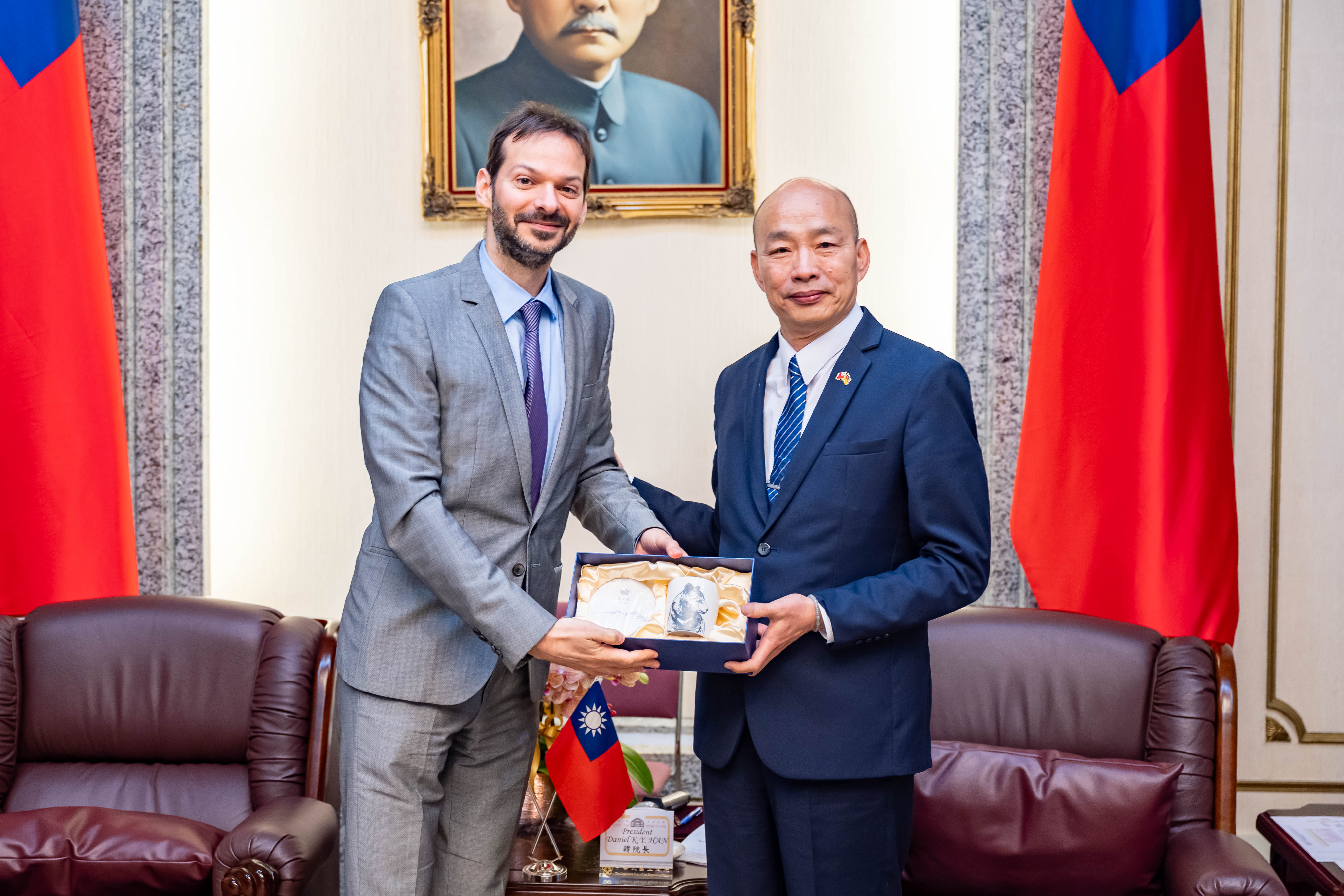
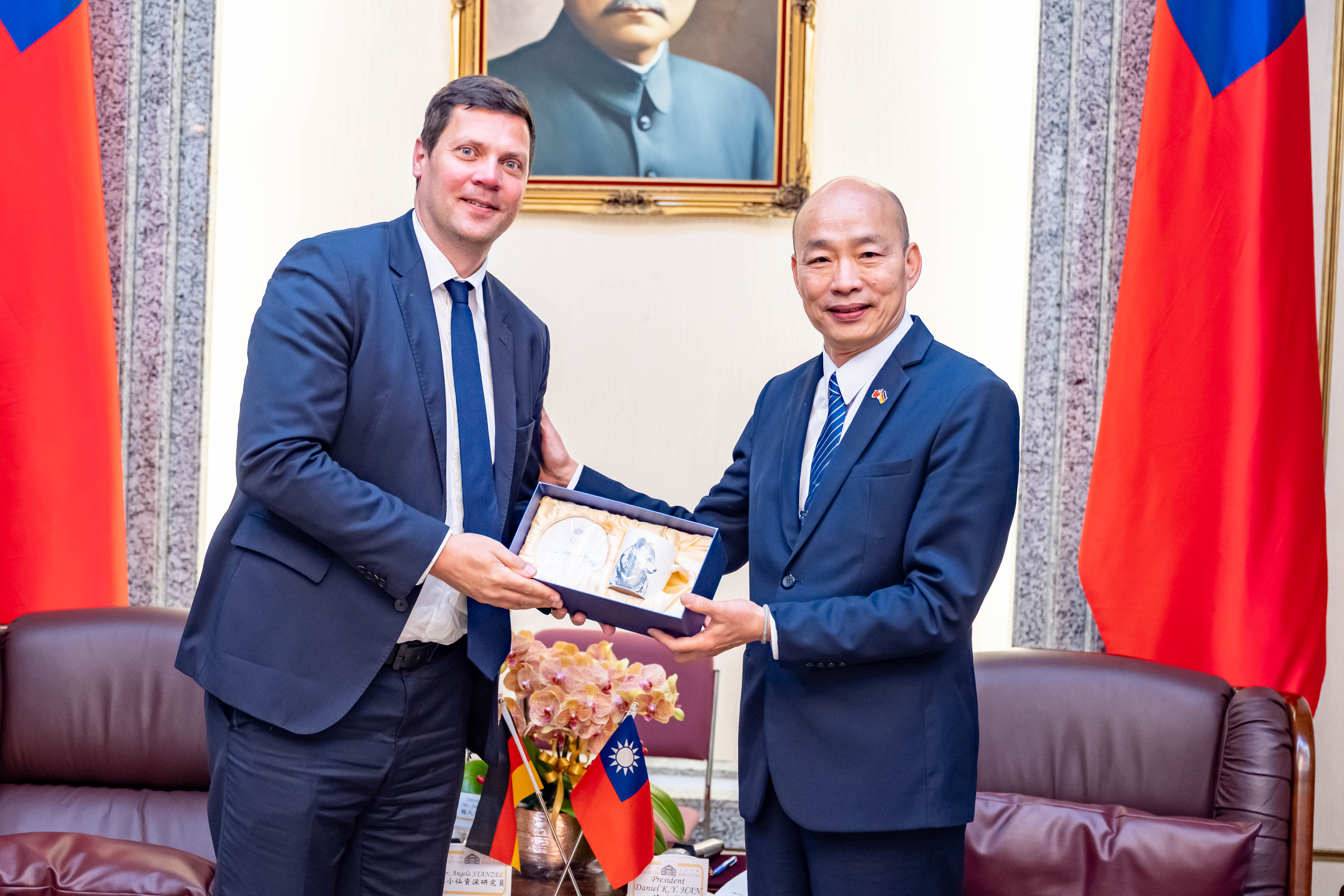
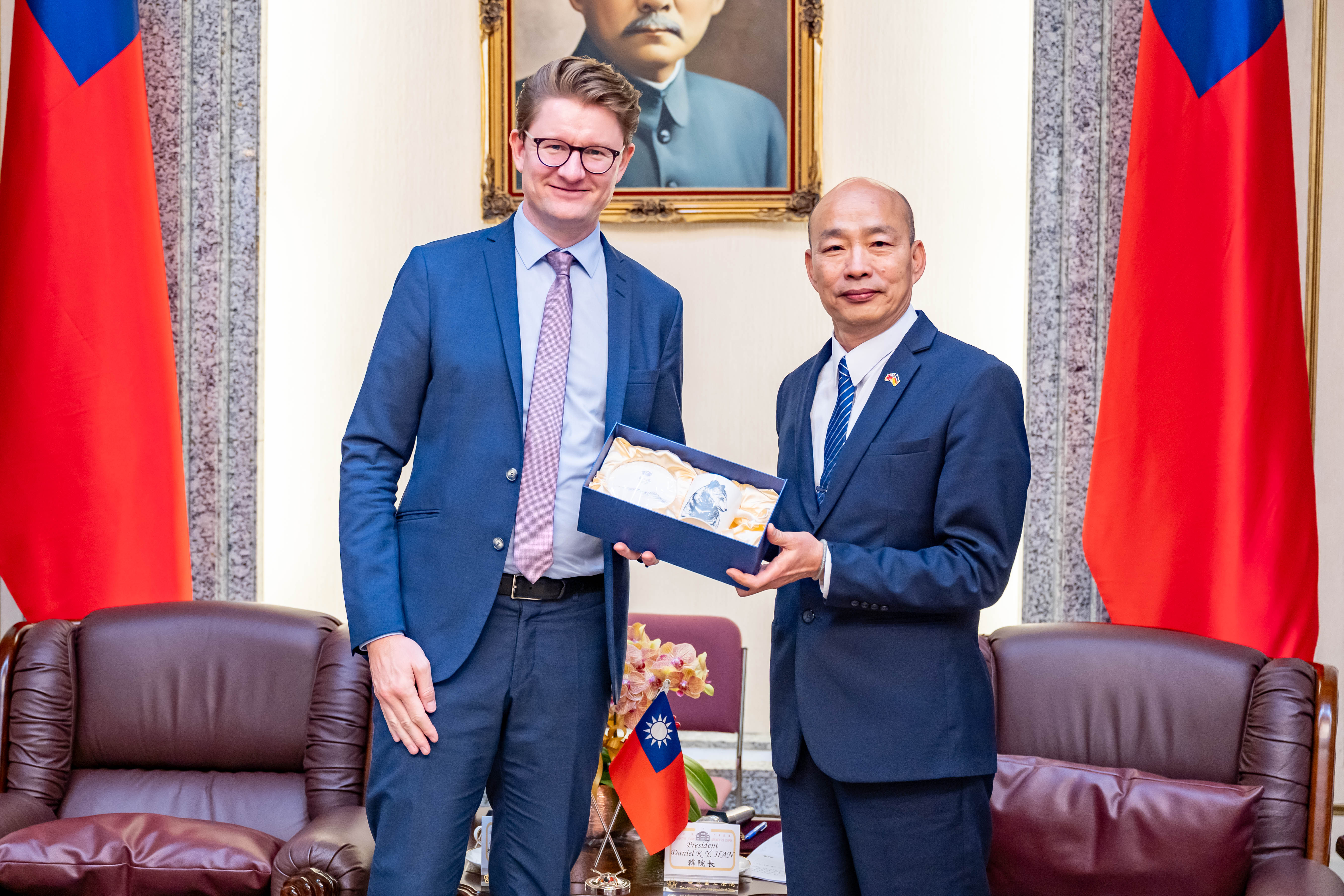
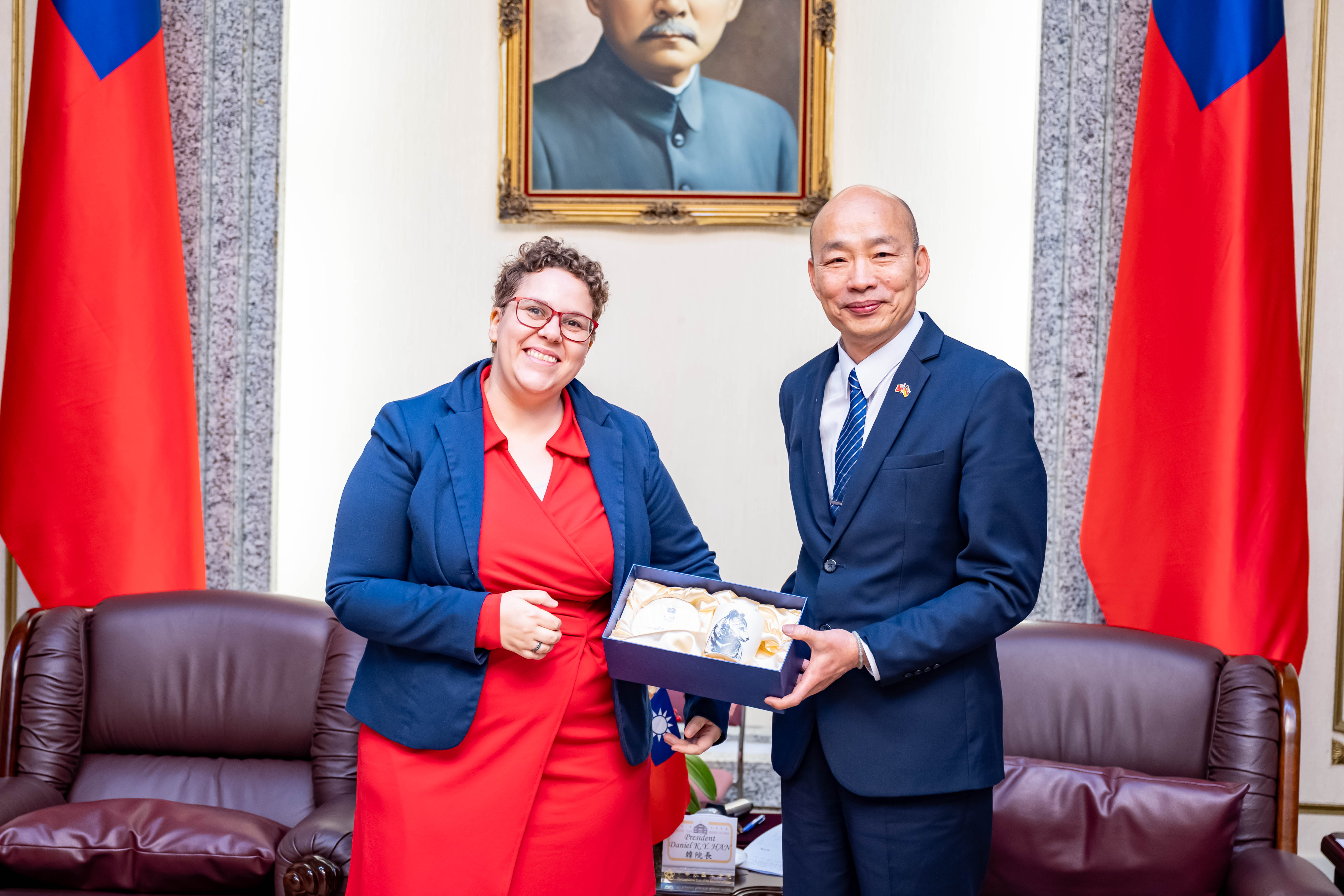
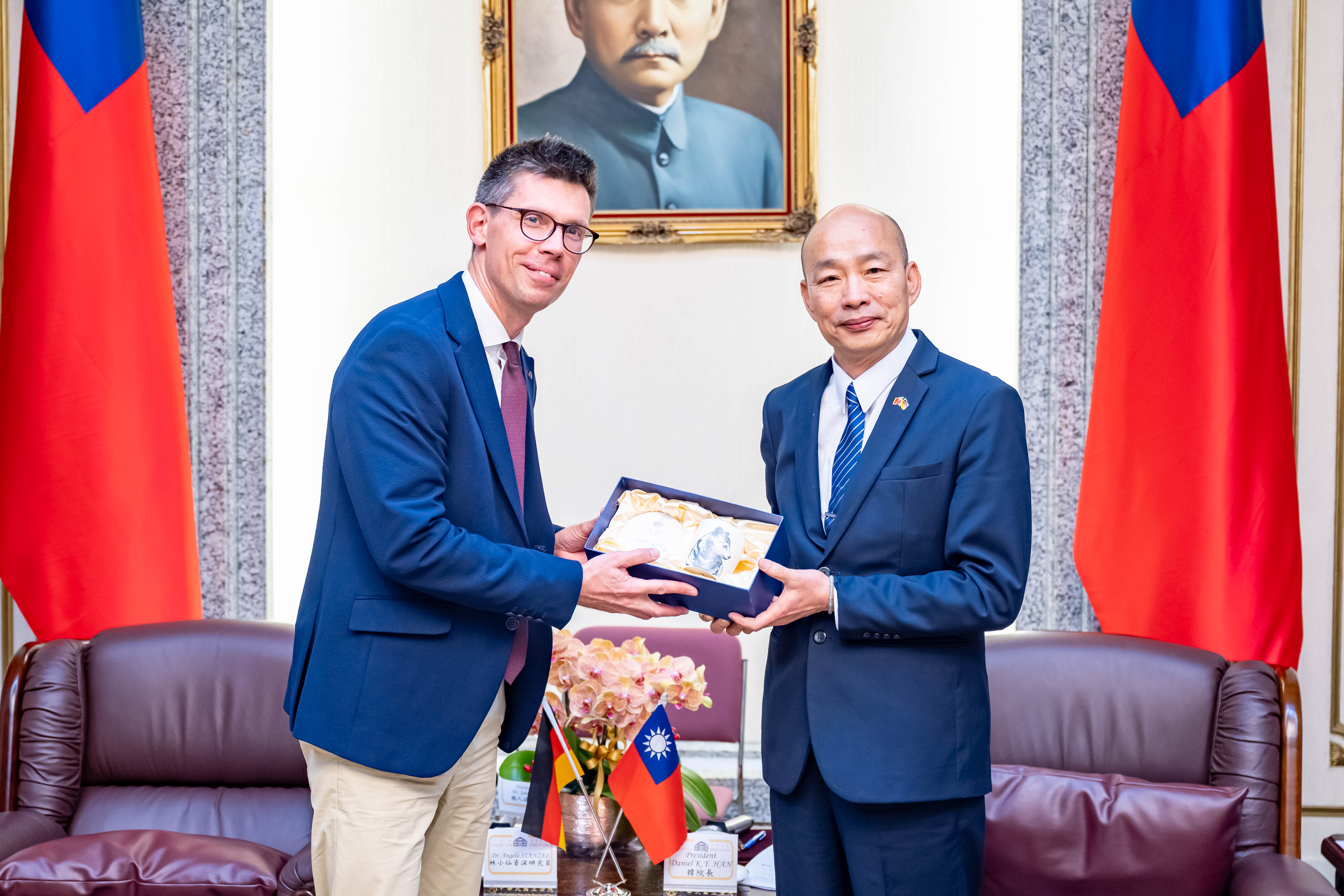
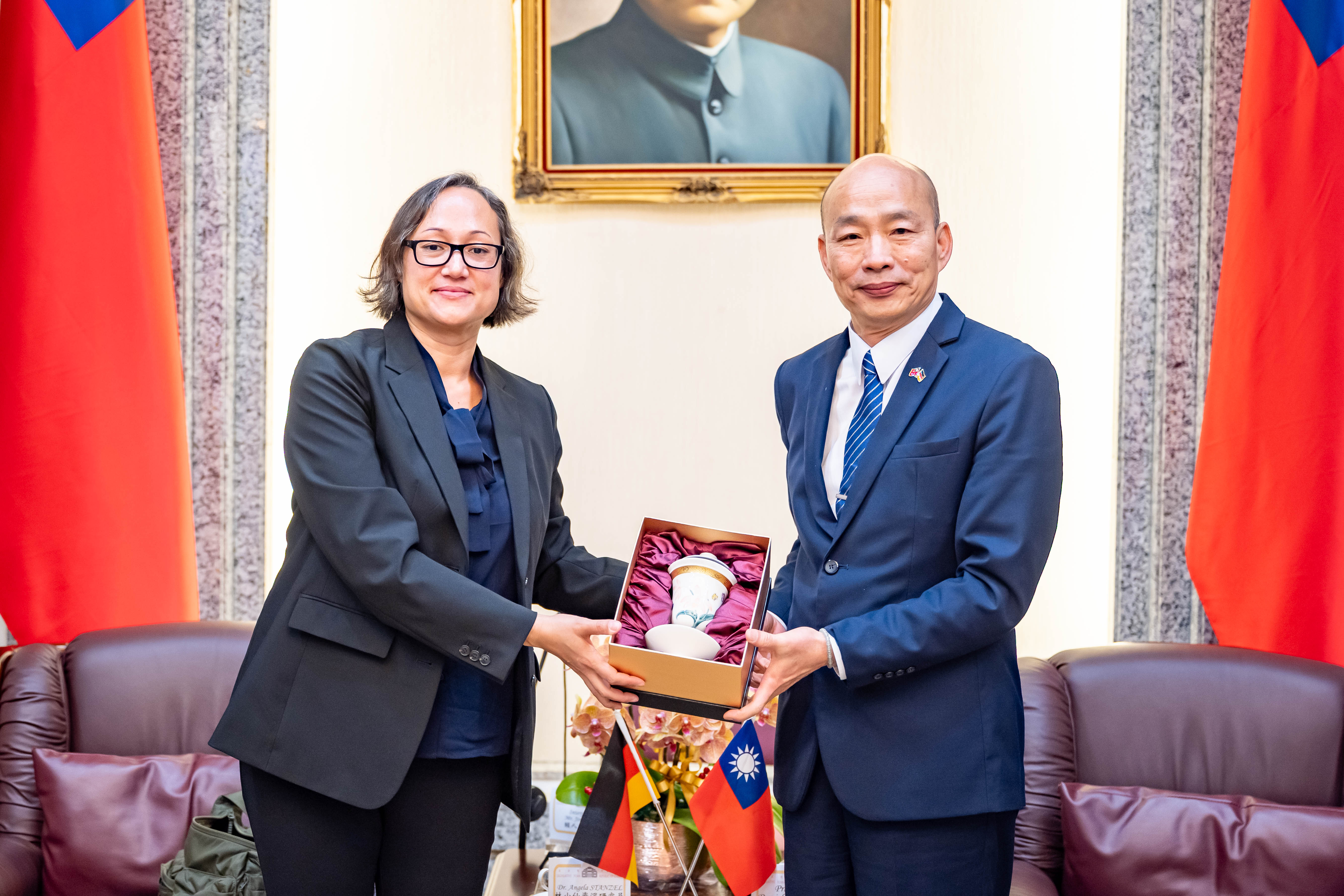
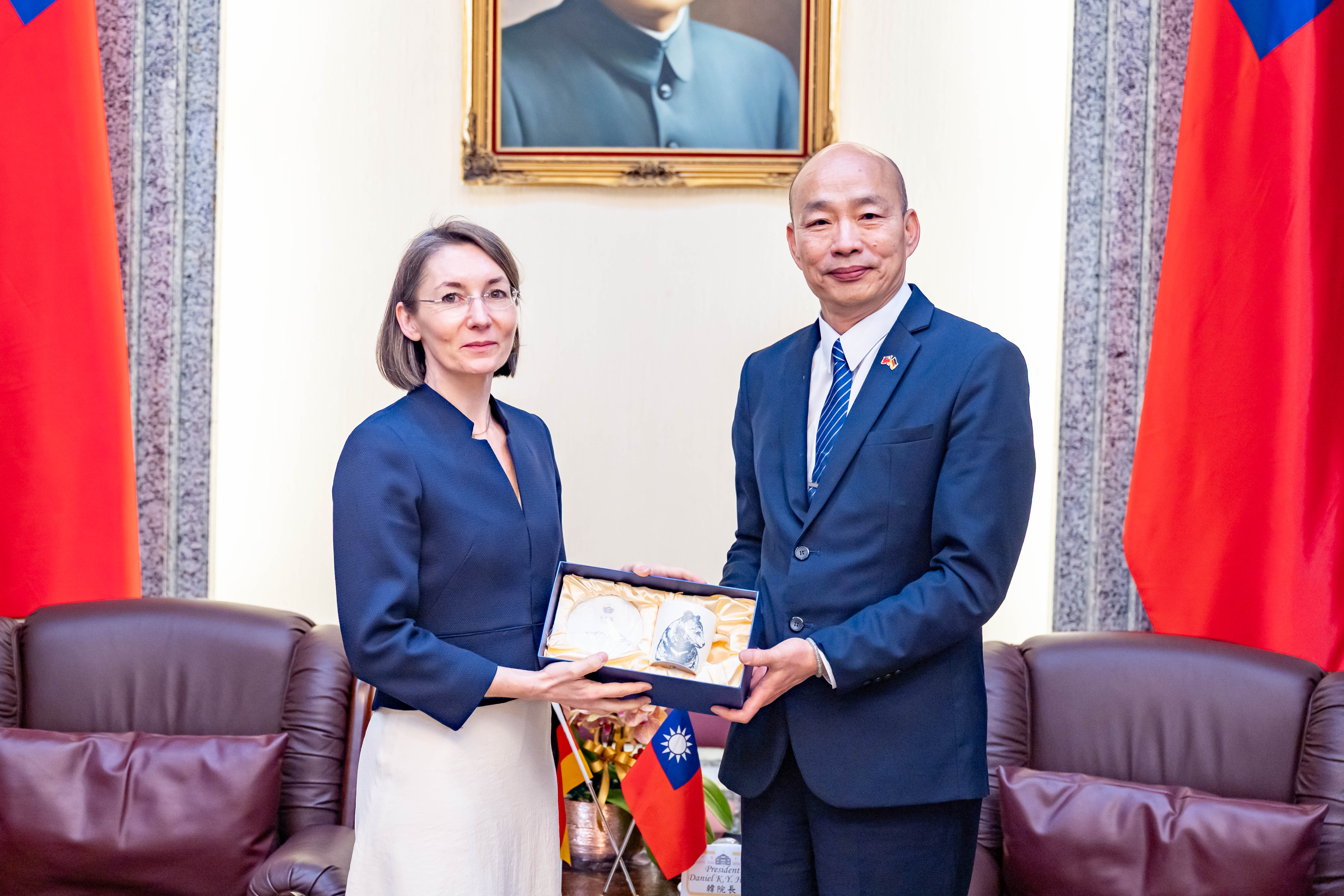
The two sides also held wide-ranging discussions on topics including the war in Ukraine, national defense budgets, Taiwan’s foreign policy, and the New Southbound Policy. The meeting lasted approximately 60 minutes and concluded in a warm atmosphere, with President Han presenting gifts and taking a commemorative group photo with the delegation.
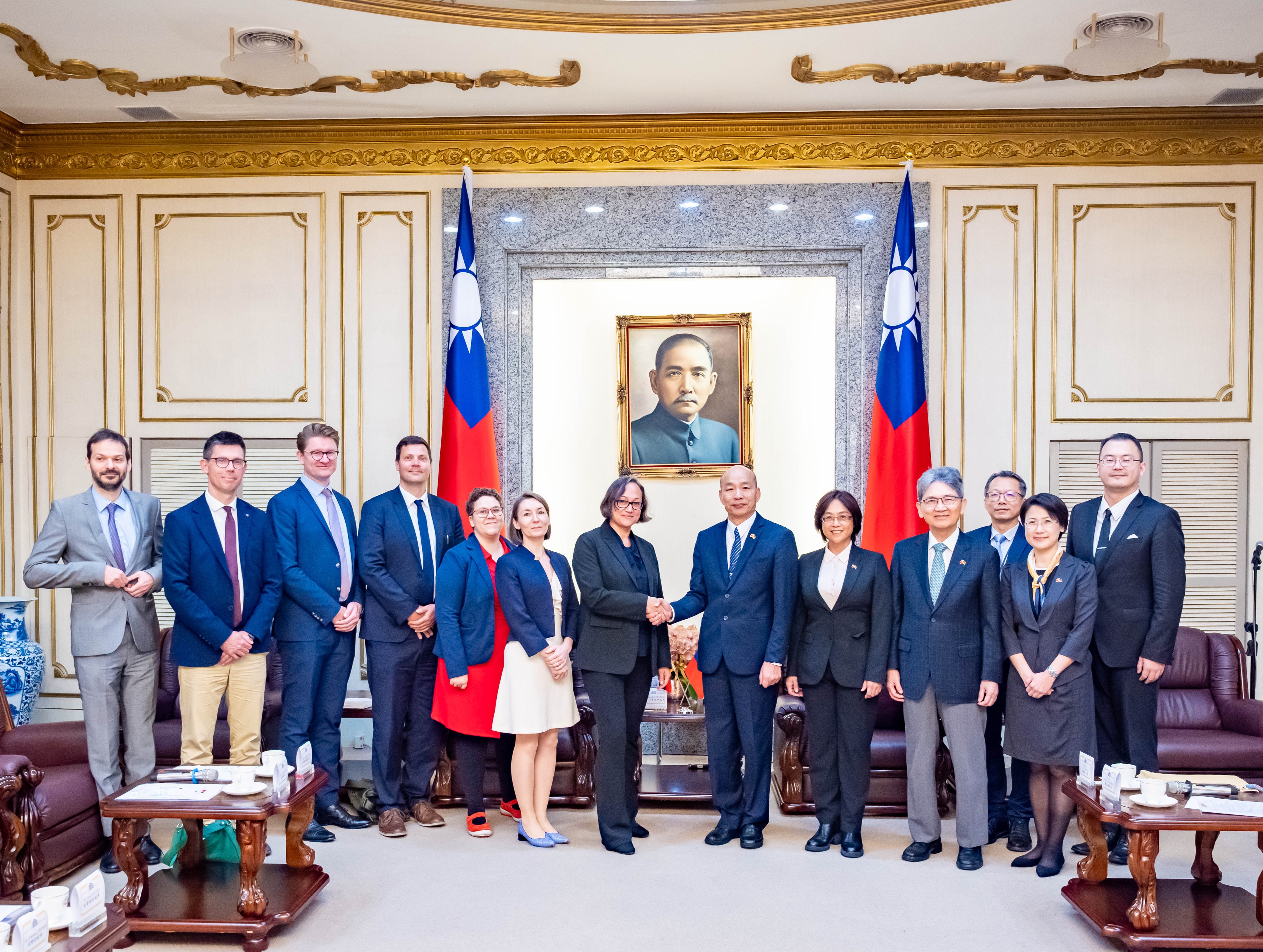


On the afternoon of May 1, Legislative Yuan President Daniel K.Y. Han received a seven-member delegation from the German Institute for International and Security Affairs (Stiftung Wissenschaft und Politik, SWP), led by Senior Associate Dr. Angela Stanzel. He was accompanied by KMT Legislator Dr. Lin Chien-Chi, DPP Legislator Dr. Wang Cheng-Hsu, Deputy Director Yang Fang-Ling of the Department of International Affairs, and Counselor Huang Tai-Mou of the Department of Policy Making at the Ministry of Foreign Affairs.
President Han began by extending a warm welcome to Dr. Stanzel and her delegation. He praised SWP as one of Germany’s most prestigious research institutions in the fields of foreign affairs and security. He also expressed his pleasure at the opportunity to engage in meaningful dialogue with the delegation on issues related to regional security in East Asia. President Han further noted that the people of Taiwan generally hold Germany in high regard. This admiration stems not only from the qualities embodied by the character “德” (virtue) in Germany’s Chinese name—signifying integrity, noble character, and strong credibility—but also from Germany’s globally recognized achievements in industrial production, literature, and the arts. He also highlighted that, Germany, despite the widespread adoption of digital technologies, continues to have one of the highest reading rates in the world. This strong commitment to the humanities and reading culture, he added, serves as a valuable model for Taiwan.
Dr. Stanzel thanked President Han for his warm hospitality despite his busy schedule, and said she was honored to visit the Legislative Yuan. She expressed hope for meaningful exchanges with President Han and legislators from different parties on topics such as international developments and cross-strait relations. She explained that the primary purpose of this visit to Taiwan was to gain a deeper understanding of Taiwan’s current situation through firsthand observation, and to further analyze Germany’s positioning in relation to countries across Asia. She also expressed appreciation for the experiences she had during her stay in Taiwan, including the friendliness of the people and the opportunity to enjoy authentic Taiwanese cuisine.
During the exchange, KMT Legislator Dr. Lin Chien-Chi warmly greeted the guests in German and shared that during her time as the Director of the Cultural Affairs Bureau of the Kaohsiung City Government, she had the opportunity to visit Germany with the mayor. She recalled being deeply impressed by the country’s achievements in urban planning and industrial zone regeneration. She further noted that U.S. President Donald Trump’s push for reciprocal tariffs has had a profound impact on the global economy. In light of the rapidly evolving international landscape, she emphasized that this is a critical moment for Taiwan to assert its global relevance. She underscored the importance of Taiwan proactively expanding international engagement while maintaining open dialogue with China to help ensure regional peace and stability.
DPP Legislator Dr. Wang Cheng-Hsu stated that from the perspective of the ruling party, all efforts should focus on defending Taiwan’s sovereignty, reflecting mainstream public opinion, and safeguarding the freedoms and democratic values of the people. He affirmed the longstanding stable and friendly ties between Taiwan and Germany and noted that there is ample room for deepening cooperation in the future. He particularly commended Germany for its strong medical capabilities and humanitarian spirit during the COVID-19 pandemic, which earned international praise. He expressed hope that Taiwan and Germany could strengthen collaboration in healthcare and humanitarian assistance in response to growing geopolitical challenges.
President Han concluded by stating that a wise leader, like a pastor, can guide the lost back onto the right path—but can also, like a magician, mislead the clear-minded. He expressed his hope that all leaders will act as pastors, guiding the people of Taiwan toward happiness and well-being. President Han likened the current international situation to a high-stakes game of Texas Hold’em among global powers. Among the 193 member states of the United Nations, the United States, Russia, China, and the European Union play pivotal roles. However, each of these four major players faces distinct internal and external challenges, holding different cards and adopting vastly different strategies. In closing, President Han drew an analogy from One Thousand and One Nights, referencing Aladdin’s magic lamp and ring. He remarked that even when faced with a powerful China, Taiwan—though small—possesses far-reaching appeal and influence. With its ability to connect to 50 million overseas Chinese, Taiwan holds immense potential and influence. He urged Germany to leverage Taiwan’s strengths and to work together in partnership toward greater development and shared prosperity.
The two sides also held wide-ranging discussions on topics including the war in Ukraine, national defense budgets, Taiwan’s foreign policy, and the New Southbound Policy. The meeting lasted approximately 60 minutes and concluded in a warm atmosphere, with President Han presenting gifts and taking a commemorative group photo with the delegation.