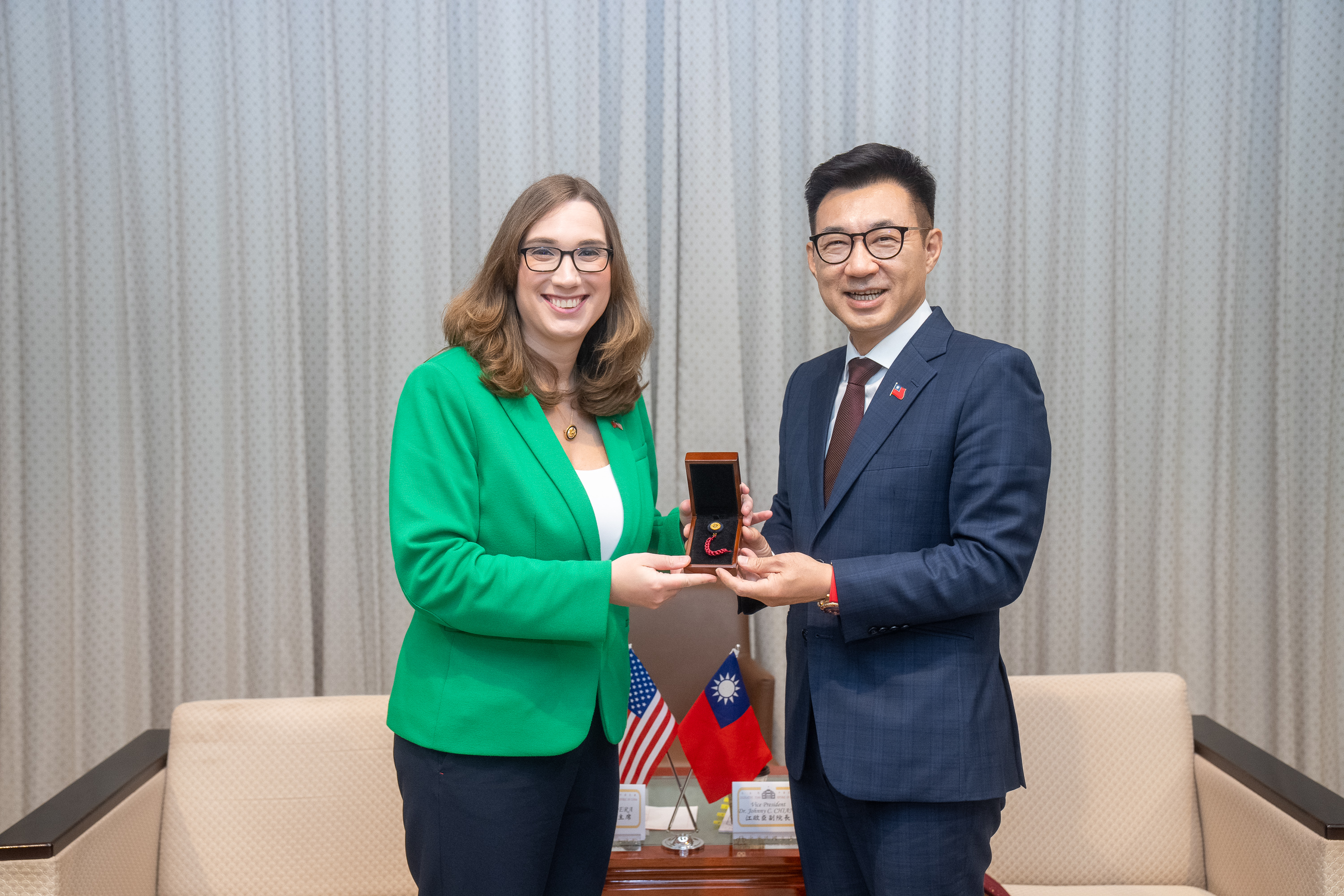
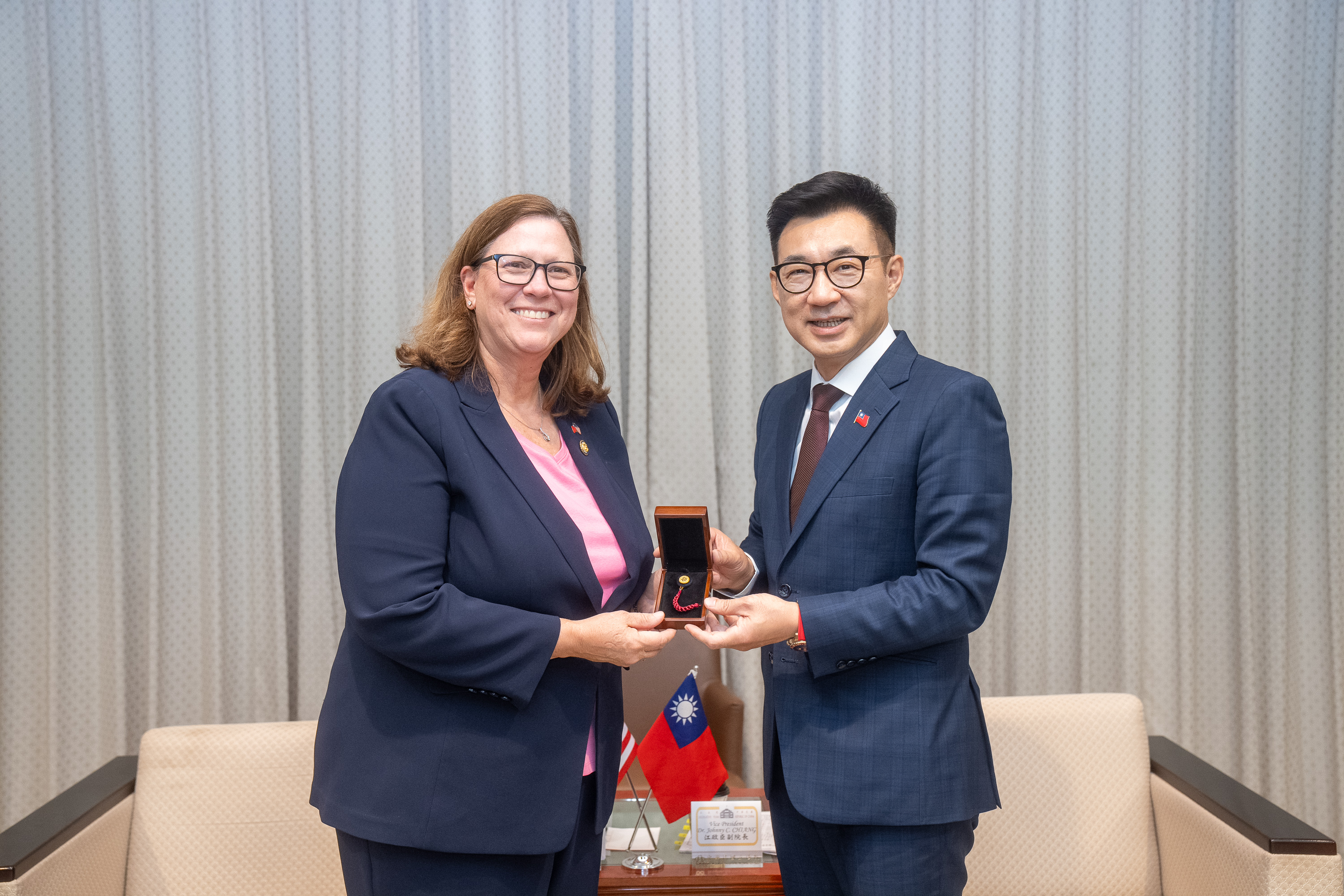
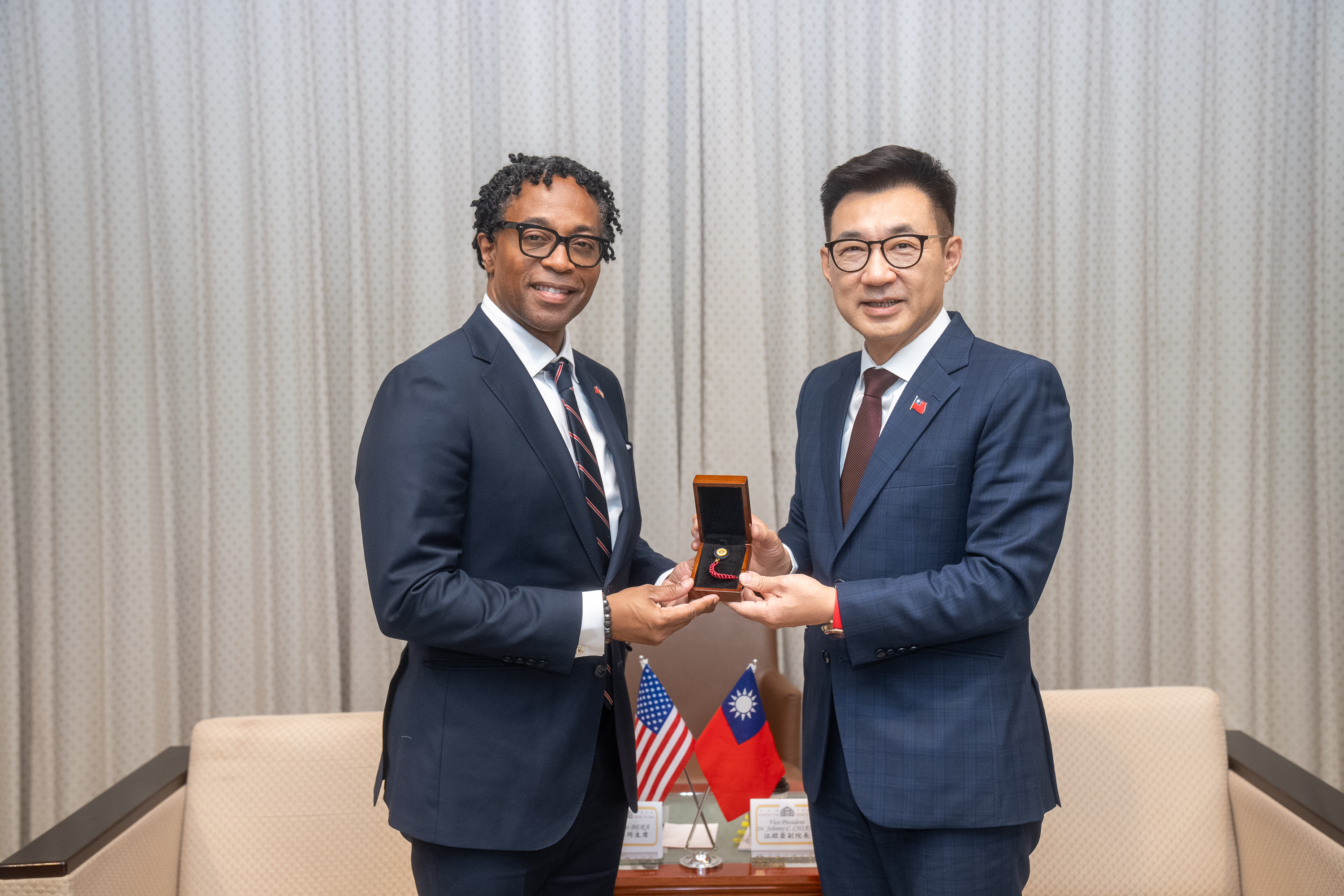
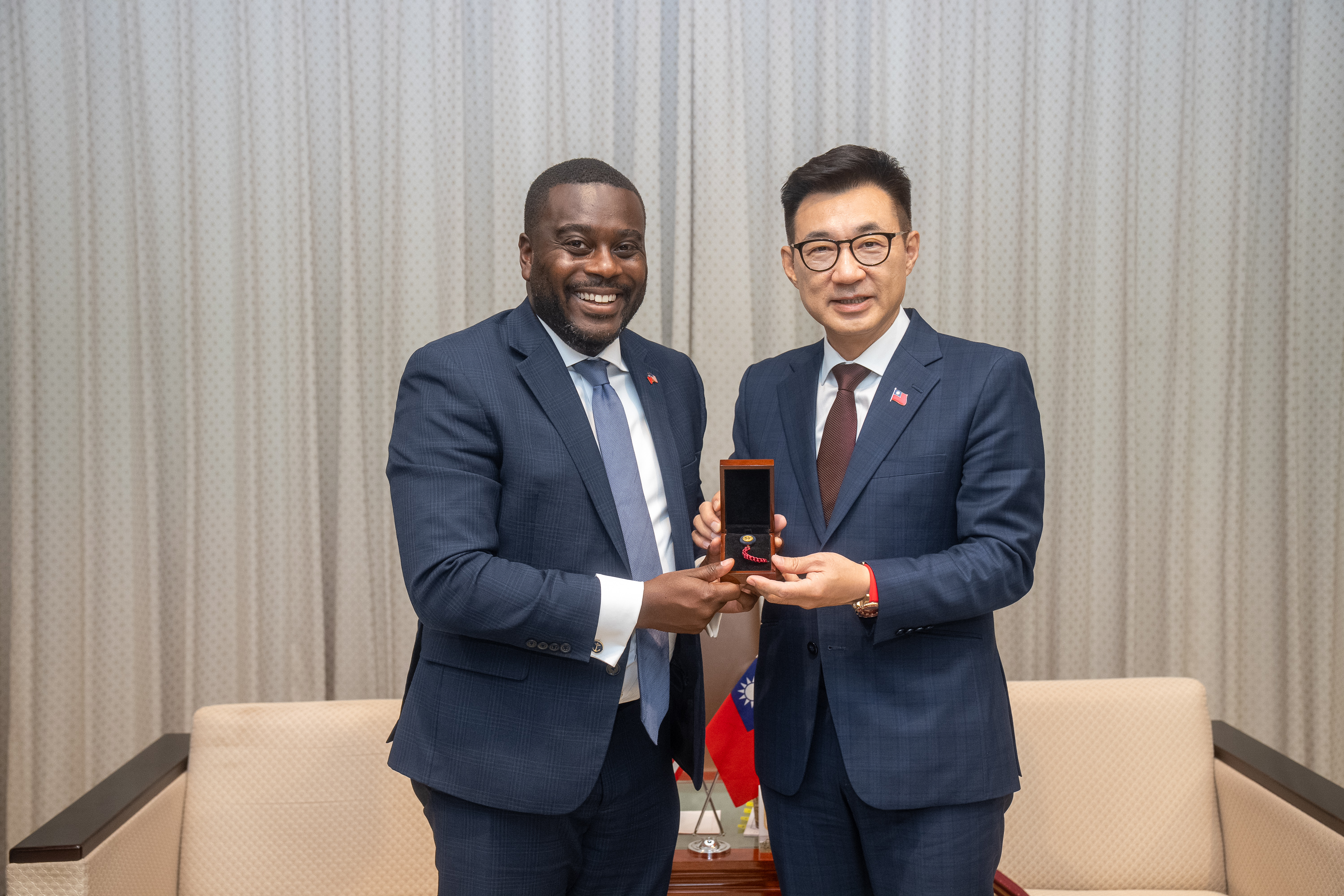
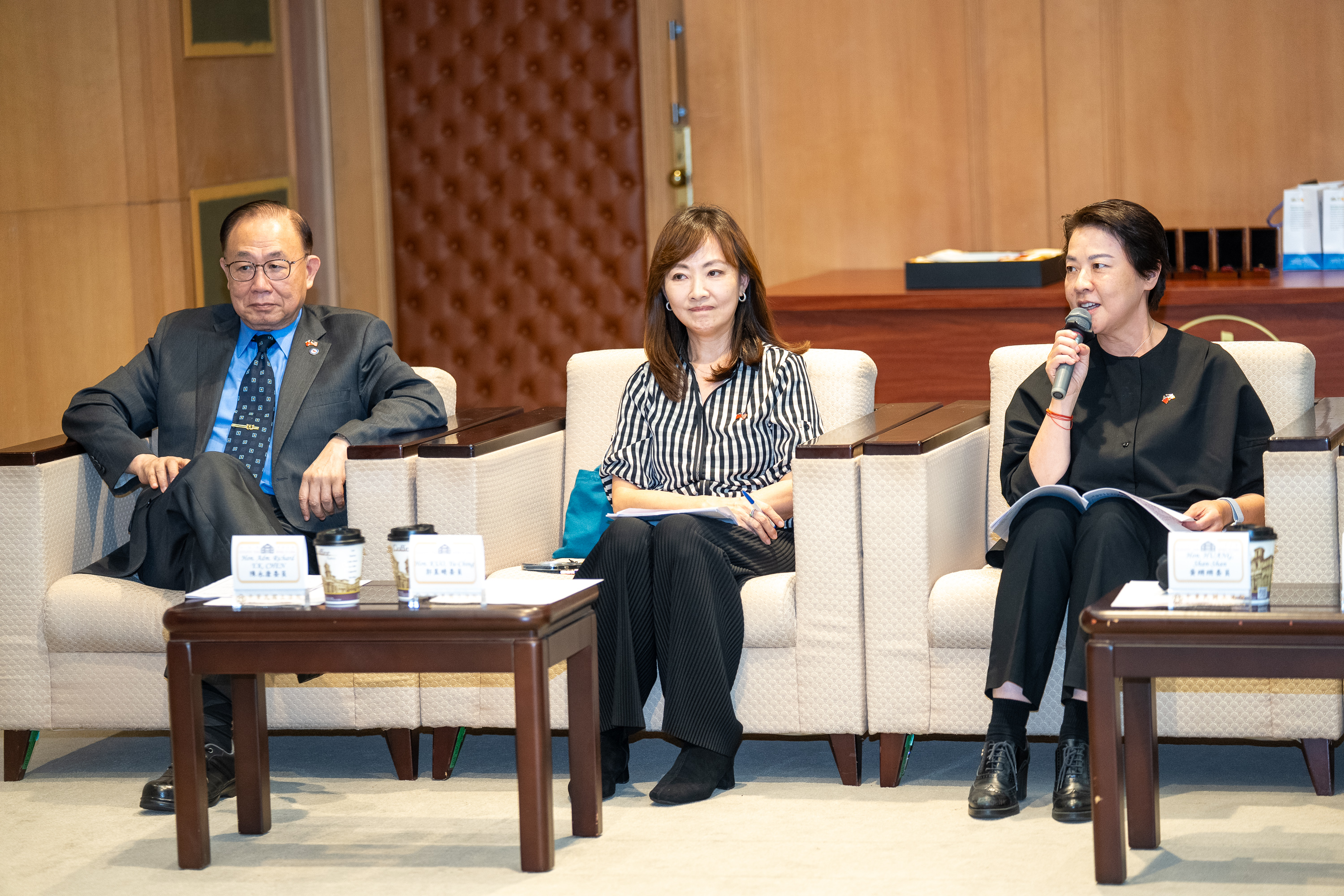
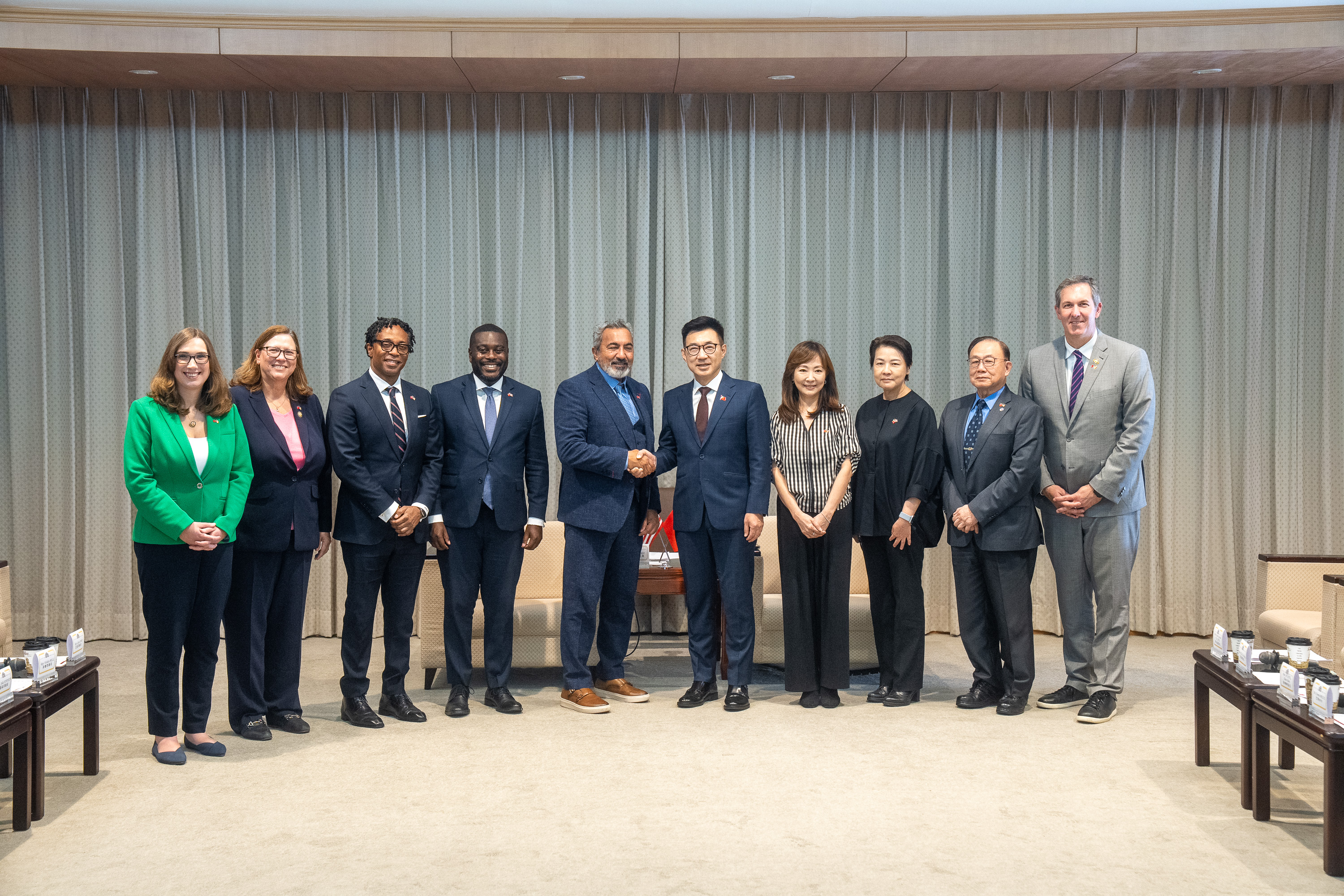
On the afternoon of June 16, Vice President of the Legislative Yuan Dr. Johnny C. Chiang met with a fifteen-member delegation from the U.S. House of Representatives' Congressional Taiwan Caucus (CTC). The delegation was led by Representative Ami Bera, Co-chair of the CTC. Vice President Chiang was accompanied by KMT Legislator Adm. Chen Yeong-Kang, DPP Legislator Kuo Yu-Ching, TPP Legislator Huang Shan-Shan, International Affairs Department Deputy-Director Yang Fang-Ling, and Consul General Louis M. Huang from the Department of North American Affairs under the Ministry of Foreign Affairs.
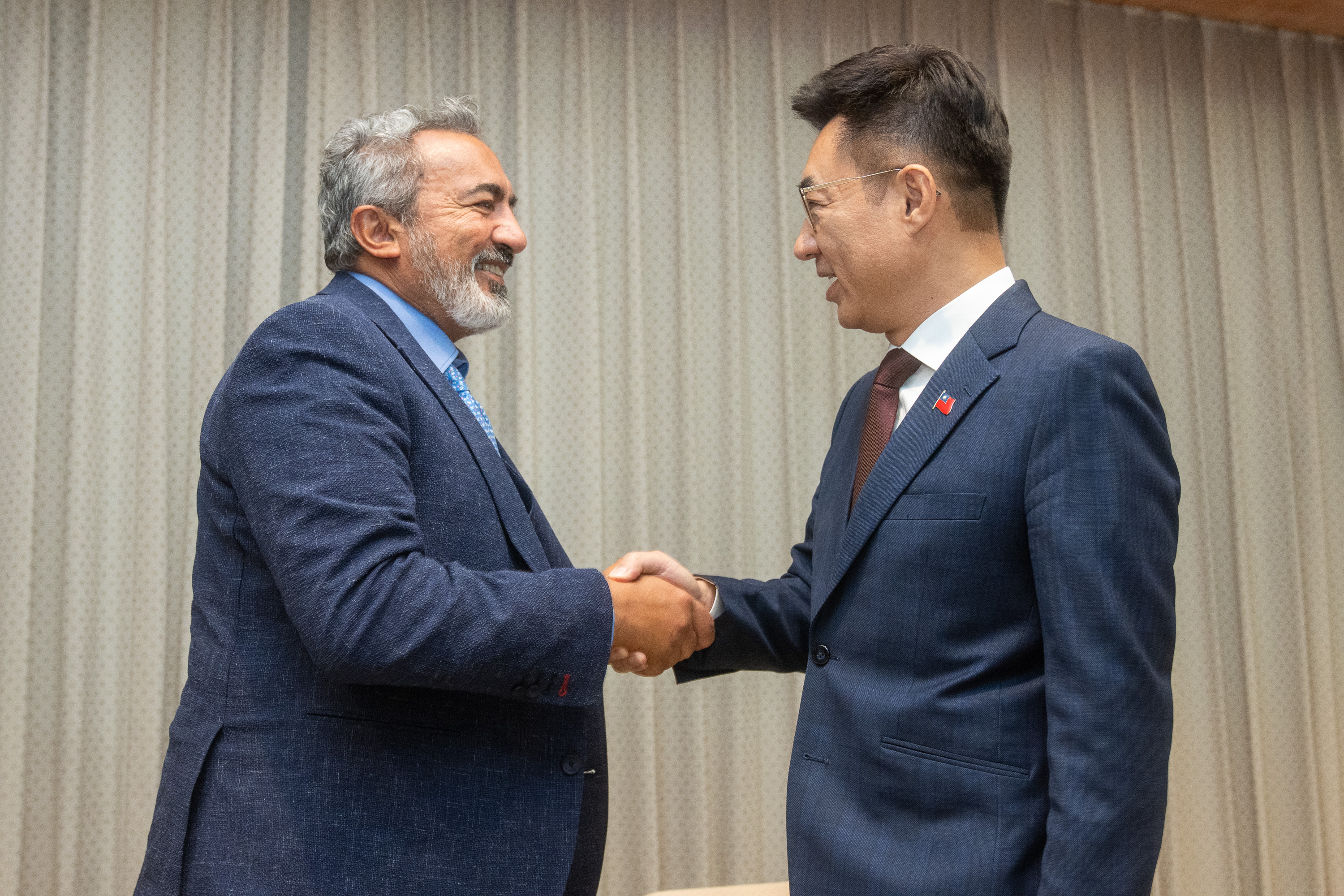
Vice President Chiang warmly welcomed the delegation to the Legislative Yuan and joined the attending legislators and delegation members for a commemorative group photo. Vice President Chiang mentioned that in April of 2025, he led a cross-party delegation to Washington, D.C., where the delegates engaged in in-depth discussions with members of the U.S. Senate and House of Representatives on a wide range of issues, highlighting the rock-solid relationship between Taiwan and the United States. Vice President Chiang further stated that since Representative Ami Bera became the co-chair of the CTC in 2023, he has actively advanced Taiwan-U.S. relations. Notably among his efforts is the House’s passage of the United States-Taiwan Expedited Double-Tax Relief Act (ADTA) earlier this year—a bill considered vital for strengthening bilateral trade and investment. Vice President Chiang conveyed his expectation that the U.S. Senate will pass the legislation soon.
Vice President Chiang also expressed his gratitude to the U.S. government for its continuous provision of defensive weaponry to Taiwan and its support in training Taiwan’s military. He also thanked bipartisan U.S. lawmakers for their long-standing support of Taiwan’s participation in key international organizations such as the World Health Organization (WHO), World Health Assembly (WHA), United Nations Framework Convention on Climate Change (UNFCCC), and International Civil Aviation Organization (ICAO). Vice President Chiang said that the Taiwan Relations Act forms the foundation for Taiwan-U.S. security partnerships in national defense and economic matters. Looking forward, Vice President Chiang voiced his hopes that the two sides can enhance cooperation to help Taiwan boost its self-defense capabilities. He added that Taiwan is working toward increasing its defense budget to exceed 3% of its GDP.
Regarding the policy of reciprocal tariffs under the Trump administration, Vice President Chiang conveyed his hope that the U.S. and Taiwan can continue negotiations to pursue outcomes that are mutually beneficial. He also underscored the recent passage by the U.S. House of Representatives of the Taiwan Assurance Implementation Act and the Taiwan International Solidarity Act in May, which lay a strong foundation for stable relations in the absence of formal diplomatic ties. Vice President Chiang further pointed out that the Legislative Yuan has established the Legislative Yuan U.S.A. Caucus (LUC), comprising members from all political parties, and looked forward to increasing parliamentary dialogue and exchange.
Representative Bera, Co-chair of the CTC, extended his appreciation to Vice President Chiang and the attending legislators from the three parties for their warm hospitality, saying he was pleased to meet again in Taipei following their earlier encounter in Washington, D.C. He noted that, unlike the limited terms of presidents, legislators have the opportunity to build lasting relationships. Representative Bera added that the CTC is one of the largest bipartisan groups in the U.S. Congress, stressing that this was his fifth visit to Taiwan, while the other delegation members were visiting for the first time. He emphasized that although newly elected lawmakers may attend hearings and read briefings about Taiwan, visiting in person offers a much deeper understanding of its circumstances and challenges.
Representative Bera continued by saying that over the past 75 years, the peoples of Taiwan and the U.S. have enjoyed peace and prosperity, building stable democracies and robust economies. In light of growing global tensions—including war in Europe, unrest in the Middle East, and rising tensions in the Taiwan Strait and the broader Asia-Pacific region—he underscored that Taiwan and U.S. legislators must work hand in hand to build a peaceful and prosperous world for future generations. Representative Bera expressed his hope that lawmakers from all political parties in Taiwan will have more opportunities to visit Washington, D.C. to deepen bilateral exchanges.
During the exchange, Legislator Chen Yeong-Kang first thanked the U.S. for its long-term support for Taiwan’s democratic advancement. He asserted that Taiwan’s three major political parties share a strong consensus on issues of national interest, particularly national defense and foreign policy.
Legislator Kuo Yu-Ching noted that Taiwan’s outstanding performance in the semiconductor and other industrial sectors is well-known internationally, and she conveyed her gratitude for the continued support of the U.S. for Taiwan’s position on the global stage.
Legislator Huang Shan-Shan stated that the Taiwan People’s Party adheres to the principle that “national interest outweighs party interest, and party interest outweighs personal interest.” She made it clear that the TPP maintains a consistent position with other parties on key issues such as national security and foreign policy. Legislator Huang also acknowledged and thanked the U.S. for its unwavering support for Taiwan.
The two sides then engaged in wide-ranging discussions on issues including arms sales, cross-party cooperation in parliament, tariff reductions, and Taiwan’s participation in international organizations. In closing, Vice President Chiang remarked that Taiwan should not rely on any single country but should instead build friendly relations with nations around the world and actively participate in the international community. He emphasized that nearly 60% of the world’s semiconductors and 90% of advanced chips are manufactured in Taiwan, yet Taiwan is still excluded from important organizations such as the WHO and ICAO. Vice President Chiang expressed gratitude for the U.S.'s enduring support for Taiwan, and looked forward to opportunities for Taiwan to contribute more significantly to the global community.
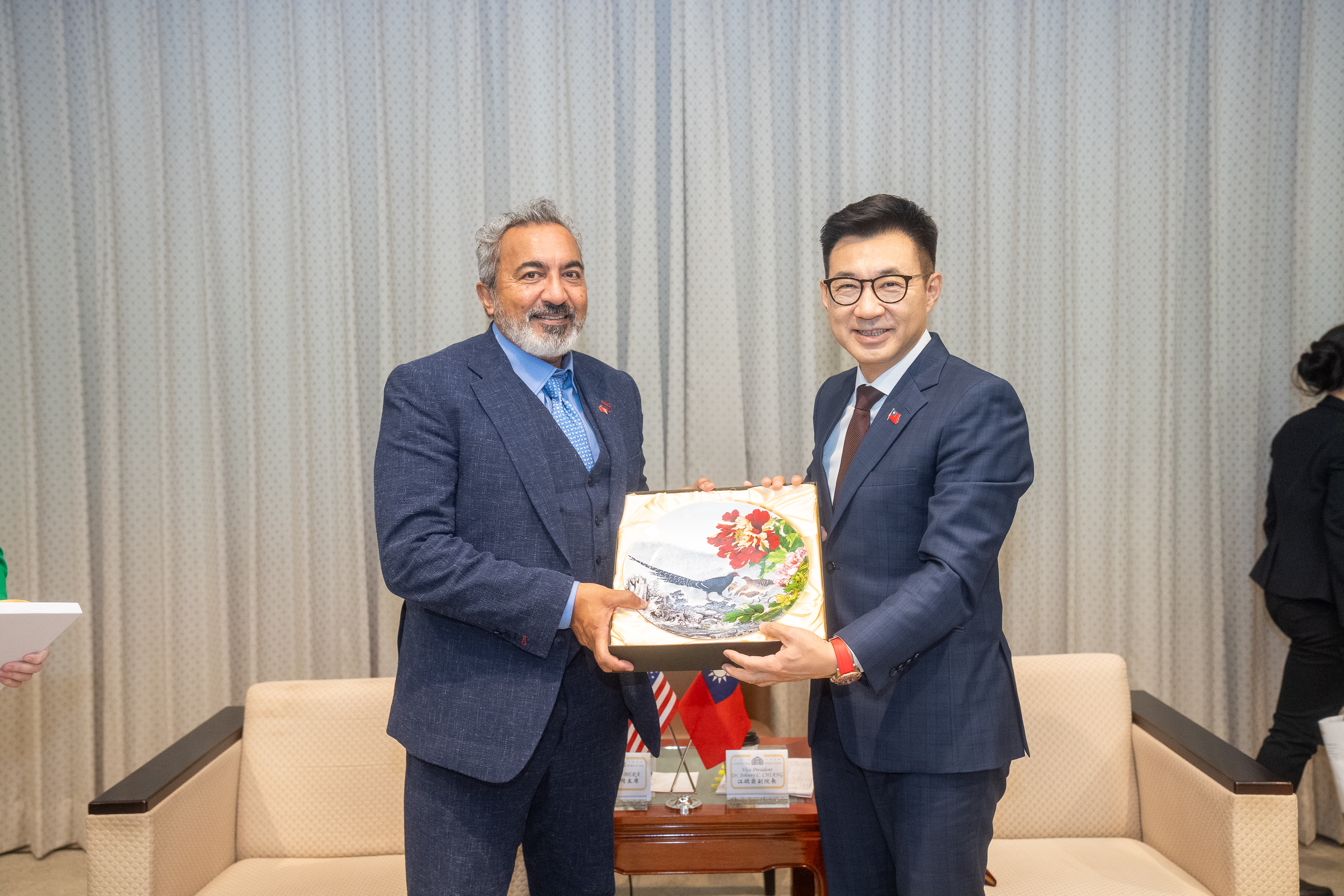
The meeting lasted approximately 60 minutes in a warm and cordial atmosphere, concluding successfully with an exchange of commemorative gifts.