

Accompanied by cross-party legislators, President Daniel K.Y. Han and Vice President Johnny C. Chiang of the Legislative Yuan meet with delegation led by U.S. Senator Roger Wicker, Chairman of the Senate Armed Services Committee ;President Han: The brighter Taiwan shines on the international stage, the safer it becomes—may Taiwan-U.S. friendship endure and broader cooperation continue to grow.
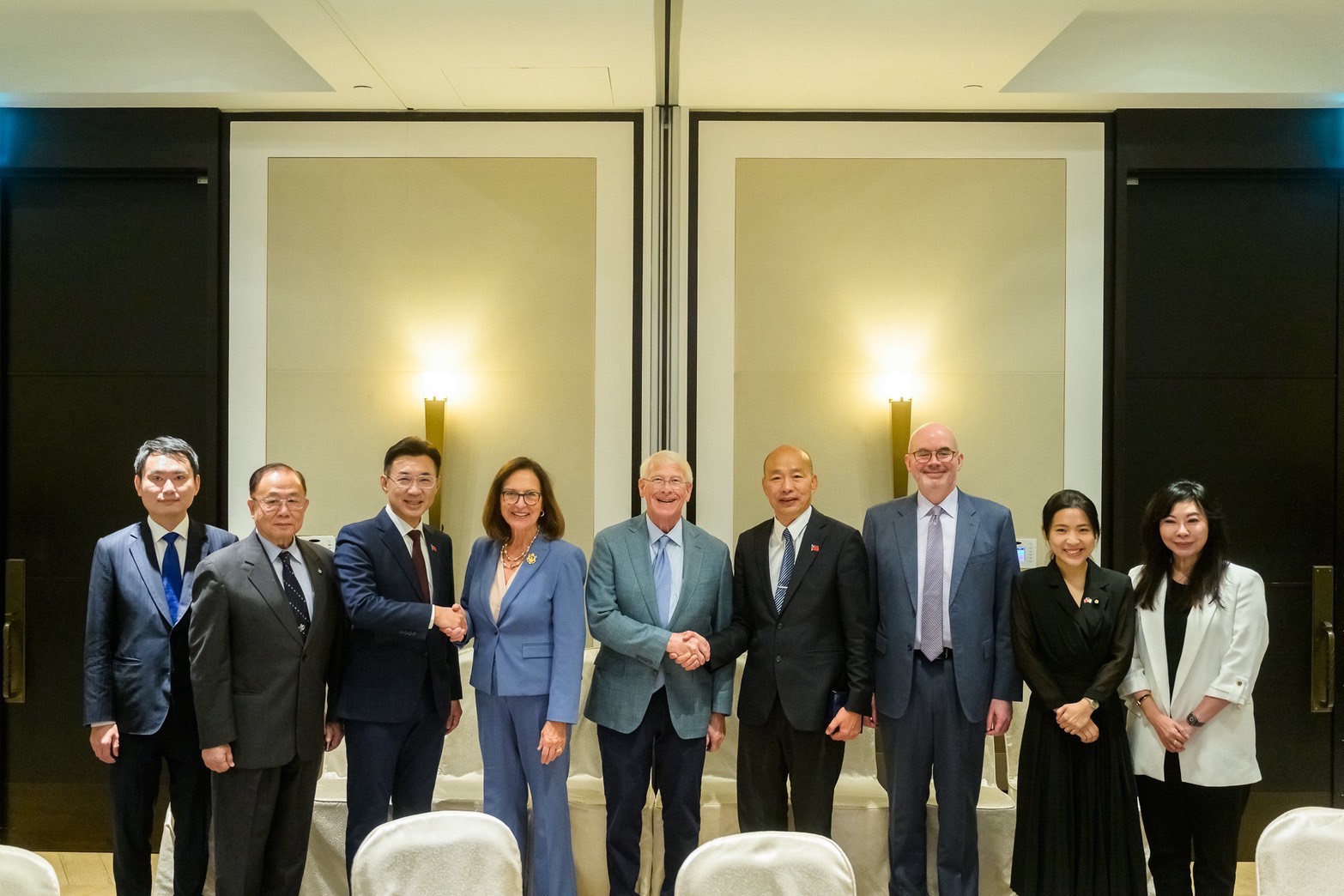
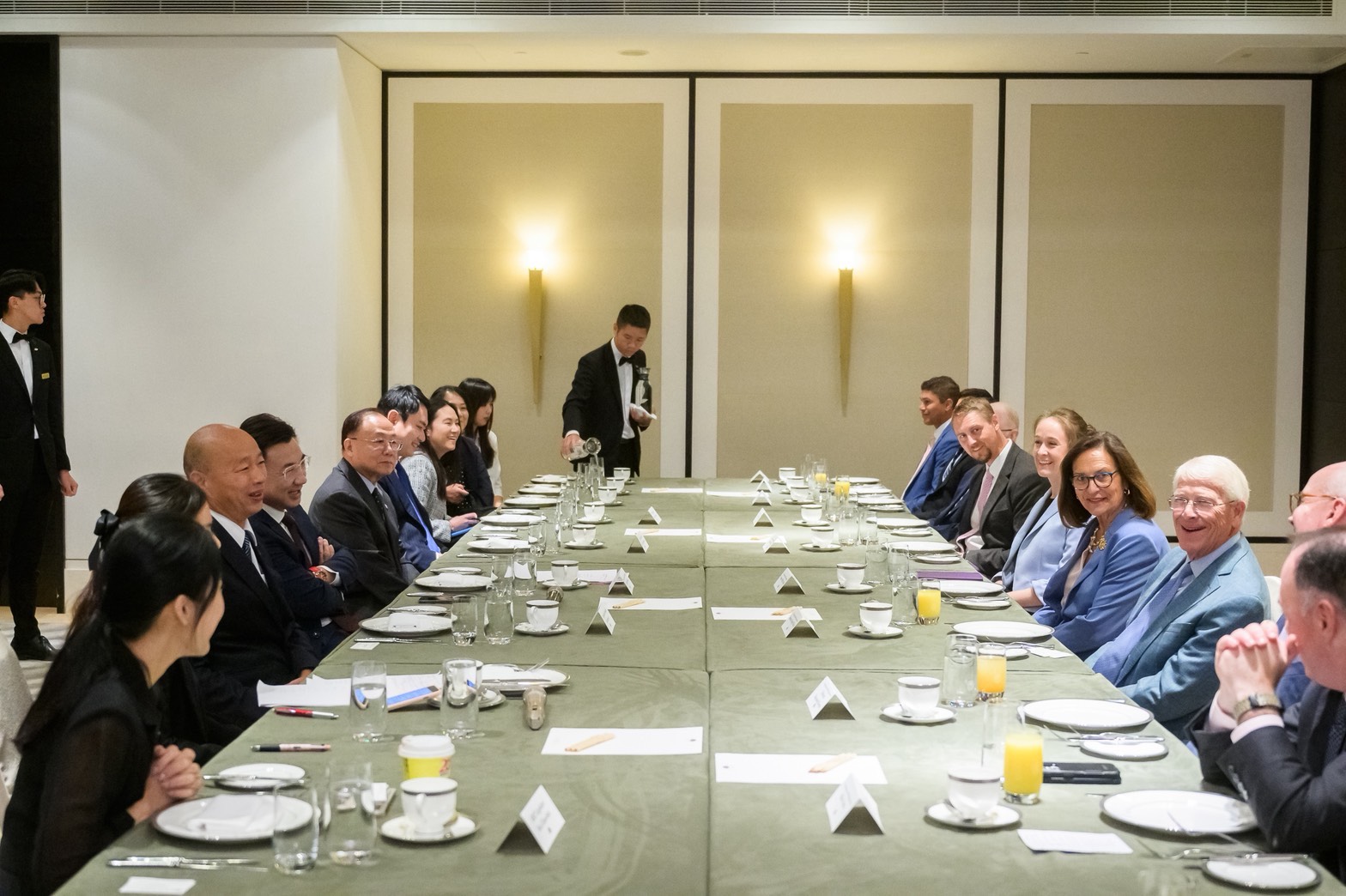
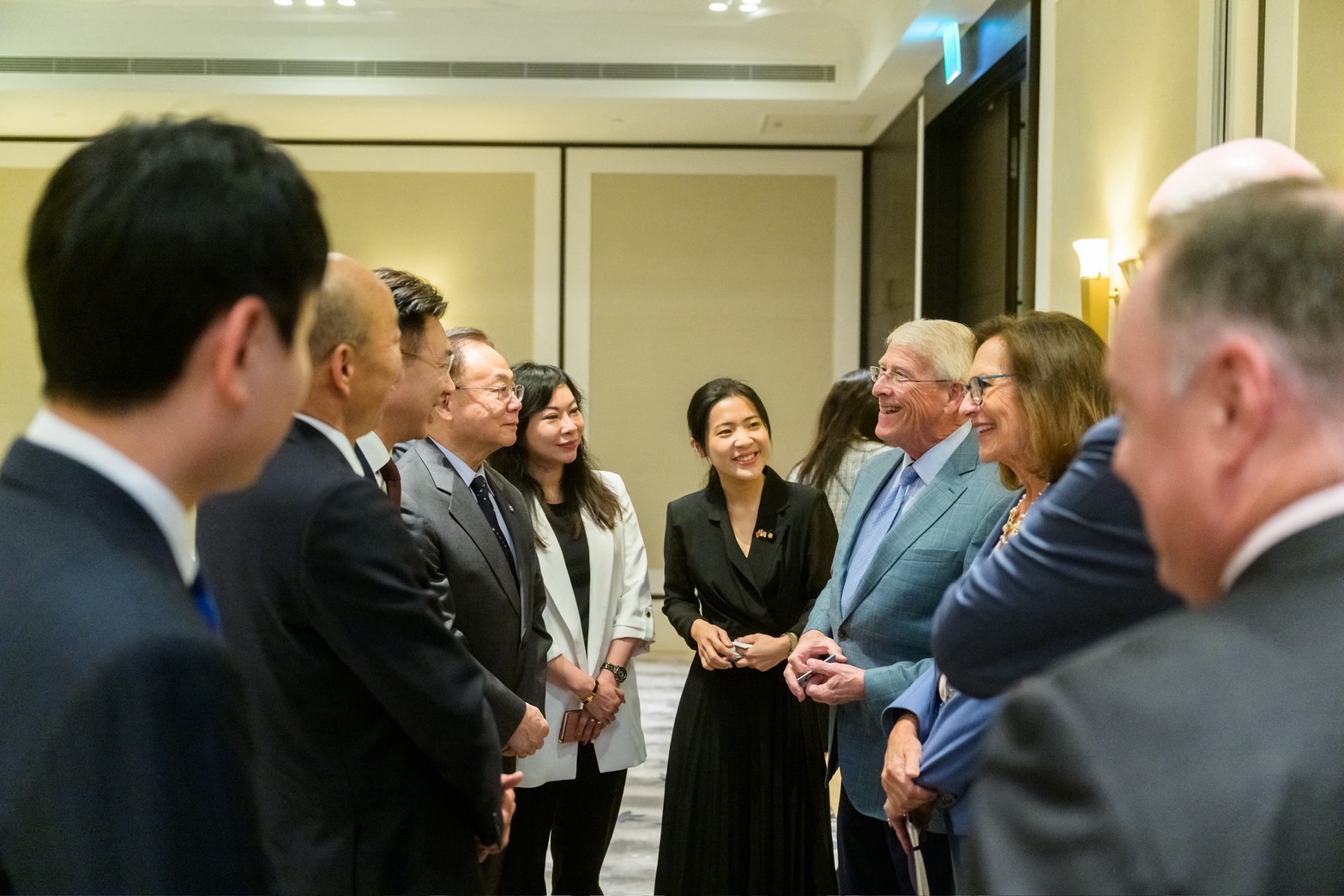
On the morning of August 30, President Daniel K.Y. Han of the Legislative Yuan received and hosted a breakfast meeting for a delegation led by U.S. Senator Roger Wicker, Chairman of the Senate Armed Services Committee. President Han was accompanied by Vice President Johnny C. Chiang, KMT Legislator Adm. Chen Yeong-Kang, KMT Legislator Hsu Chiao-Hsin, DPP Legislator Chen Kuan-Ting, TPP Legislator Lin Yi-Chun, and Department of International Affairs Director Kevin C.F. Lin. American Institute in Taiwan (AIT) Director Raymond F. Greene was also present.
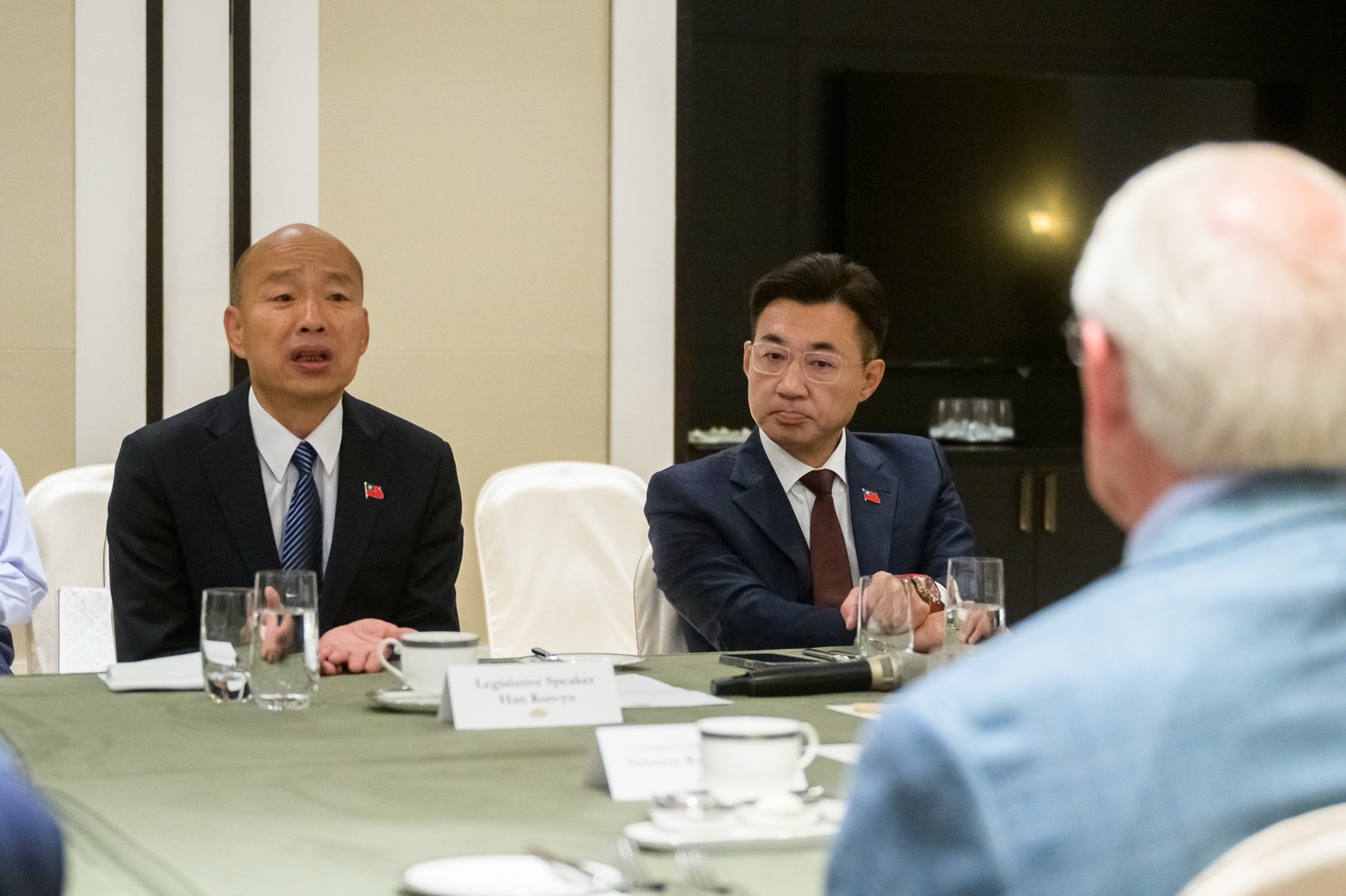
After the exchange of greetings, President Han first warmly welcomed Chairman Roger Wicker and Senator Deb Fischer on their joint visit to Taiwan. In his remarks, President Han noted that at the beginning of the current (11th) legislature, the three major parties held differing views on national defense and foreign affairs in the Legislative Yuan. However, after a year and a half of collaboration, a cross-party consensus has taken shape—fully supporting national defense, foreign affairs, and the strengthening of Taiwan-U.S. partnership. He added that the Legislative Yuan supports raising Taiwan’s defense budget to exceed 3% of GDP next year, with a long-term goal of moving toward the NATO benchmark of 5%. President Han further stated that Taiwan is now at a critical juncture and must fully understand the thinking and strategic logic of the Chinese Communist Party and its leaders in order to prudently address emerging challenges. He emphasized that following the outbreak of the war in Ukraine, Taiwan has faced increasing pressure from China, adding that in this challenging geopolitical environment, parliamentary diplomacy has become ever more crucial. President Han expressed hope that the United States and other like-minded allies will continue to support Taiwan through concrete actions. Lastly, he expressed sincere gratitude to Senator Wicker and Senator Fischer for their strong and steadfast support, stressing that the brighter Taiwan shines in the international community, the safer it becomes.
Following President Han’s remarks, Vice President Chiang also extended a warm welcome to Chairman Wicker, returning to Taiwan after 14 years, and to Senator Fischer on her first visit. Vice President Chiang noted that when he led a delegation to the United States earlier this May, he was unable to meet with Chairman Wicker due to time constraints, and said he was happy to be meeting in Taiwan this time. Vice President Chiang added that he looks forward to future U.S. congressional delegations visiting the Legislative Yuan and other cities across Taiwan when their schedules allow. Vice President Chiang went on to thank the United States for its bipartisan support for Taiwan, recalling that during his military service in Kinmen amid the 1996 Taiwan Strait Crisis, he came to deeply understand the importance of enhancing national security strategies, strengthening Taiwan’s overall social resilience, and maintaining strong alliances in the region. Vice President Chiang affirmed that Taiwan will continue to bolster its self-defense capabilities and safeguard peace and stability across the Taiwan Strait. Vice President Chiang also expressed sincere appreciation to the AIT for its longstanding commitment to promoting Taiwan-U.S. dialogue and exchange, and expressed hope for continued deepening of bilateral cooperation in the future.
During the discussion, attending legislators exchanged views with the delegation on various Taiwan-U.S. issues. Legislator Chen Yeong-Kang called for strengthening military exchanges and personnel training between Taiwan and the United States; Legislator Chen Kuan-Ting raised concerns over delays in U.S. arms deliveries; Legislator Hsu Chiao-Hsin emphasized the importance of preventing conflict and communicating effectively with the public; and Legislator Lin Yi-Chun reiterated the Taiwan People’s Party’s emphasis on national defense and foreign affairs, highlighting its stance of prioritizing national interests.
Both sides also engaged in extensive discussions on topics of mutual concern, including the regional situation, energy security, gray-zone strategies, defense budgets, and deepening Taiwan-U.S. cooperation. The breakfast meeting took place in a warm and friendly atmosphere, with candid and active exchanges lasting around 70 minutes, and concluded with the exchange of gifts and a group photo.
After the exchange of greetings, President Han first warmly welcomed Chairman Roger Wicker and Senator Deb Fischer on their joint visit to Taiwan. In his remarks, President Han noted that at the beginning of the current (11th) legislature, the three major parties held differing views on national defense and foreign affairs in the Legislative Yuan. However, after a year and a half of collaboration, a cross-party consensus has taken shape—fully supporting national defense, foreign affairs, and the strengthening of Taiwan-U.S. partnership. He added that the Legislative Yuan supports raising Taiwan’s defense budget to exceed 3% of GDP next year, with a long-term goal of moving toward the NATO benchmark of 5%. President Han further stated that Taiwan is now at a critical juncture and must fully understand the thinking and strategic logic of the Chinese Communist Party and its leaders in order to prudently address emerging challenges. He emphasized that following the outbreak of the war in Ukraine, Taiwan has faced increasing pressure from China, adding that in this challenging geopolitical environment, parliamentary diplomacy has become ever more crucial. President Han expressed hope that the United States and other like-minded allies will continue to support Taiwan through concrete actions. Lastly, he expressed sincere gratitude to Senator Wicker and Senator Fischer for their strong and steadfast support, stressing that the brighter Taiwan shines in the international community, the safer it becomes.
Following President Han’s remarks, Vice President Chiang also extended a warm welcome to Chairman Wicker, returning to Taiwan after 14 years, and to Senator Fischer on her first visit. Vice President Chiang noted that when he led a delegation to the United States earlier this May, he was unable to meet with Chairman Wicker due to time constraints, and said he was happy to be meeting in Taiwan this time. Vice President Chiang added that he looks forward to future U.S. congressional delegations visiting the Legislative Yuan and other cities across Taiwan when their schedules allow. Vice President Chiang went on to thank the United States for its bipartisan support for Taiwan, recalling that during his military service in Kinmen amid the 1996 Taiwan Strait Crisis, he came to deeply understand the importance of enhancing national security strategies, strengthening Taiwan’s overall social resilience, and maintaining strong alliances in the region. Vice President Chiang affirmed that Taiwan will continue to bolster its self-defense capabilities and safeguard peace and stability across the Taiwan Strait. Vice President Chiang also expressed sincere appreciation to the AIT for its longstanding commitment to promoting Taiwan-U.S. dialogue and exchange, and expressed hope for continued deepening of bilateral cooperation in the future.
During the discussion, attending legislators exchanged views with the delegation on various Taiwan-U.S. issues. Legislator Chen Yeong-Kang called for strengthening military exchanges and personnel training between Taiwan and the United States; Legislator Chen Kuan-Ting raised concerns over delays in U.S. arms deliveries; Legislator Hsu Chiao-Hsin emphasized the importance of preventing conflict and communicating effectively with the public; and Legislator Lin Yi-Chun reiterated the Taiwan People’s Party’s emphasis on national defense and foreign affairs, highlighting its stance of prioritizing national interests.
Both sides also engaged in extensive discussions on topics of mutual concern, including the regional situation, energy security, gray-zone strategies, defense budgets, and deepening Taiwan-U.S. cooperation. The breakfast meeting took place in a warm and friendly atmosphere, with candid and active exchanges lasting around 70 minutes, and concluded with the exchange of gifts and a group photo.