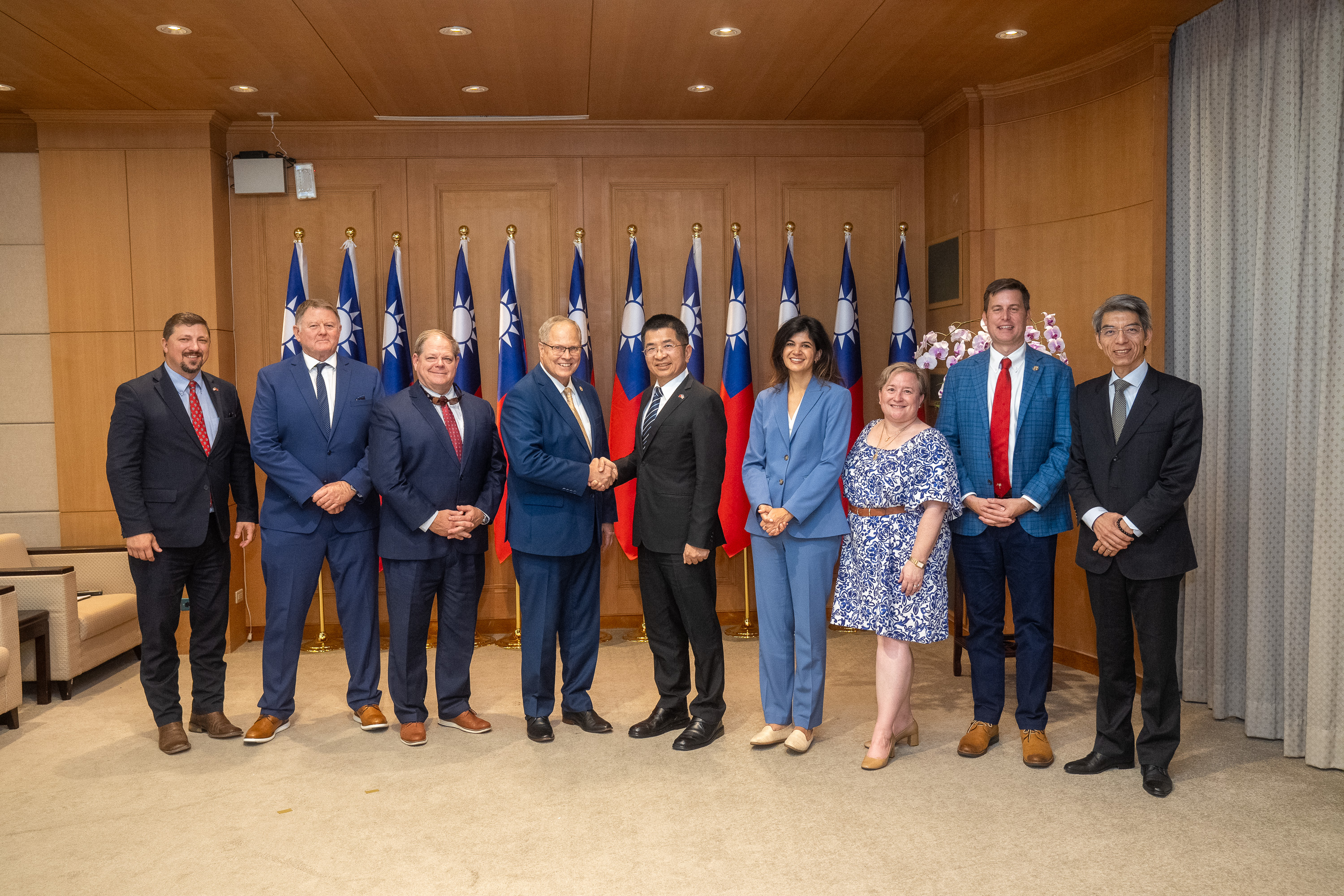
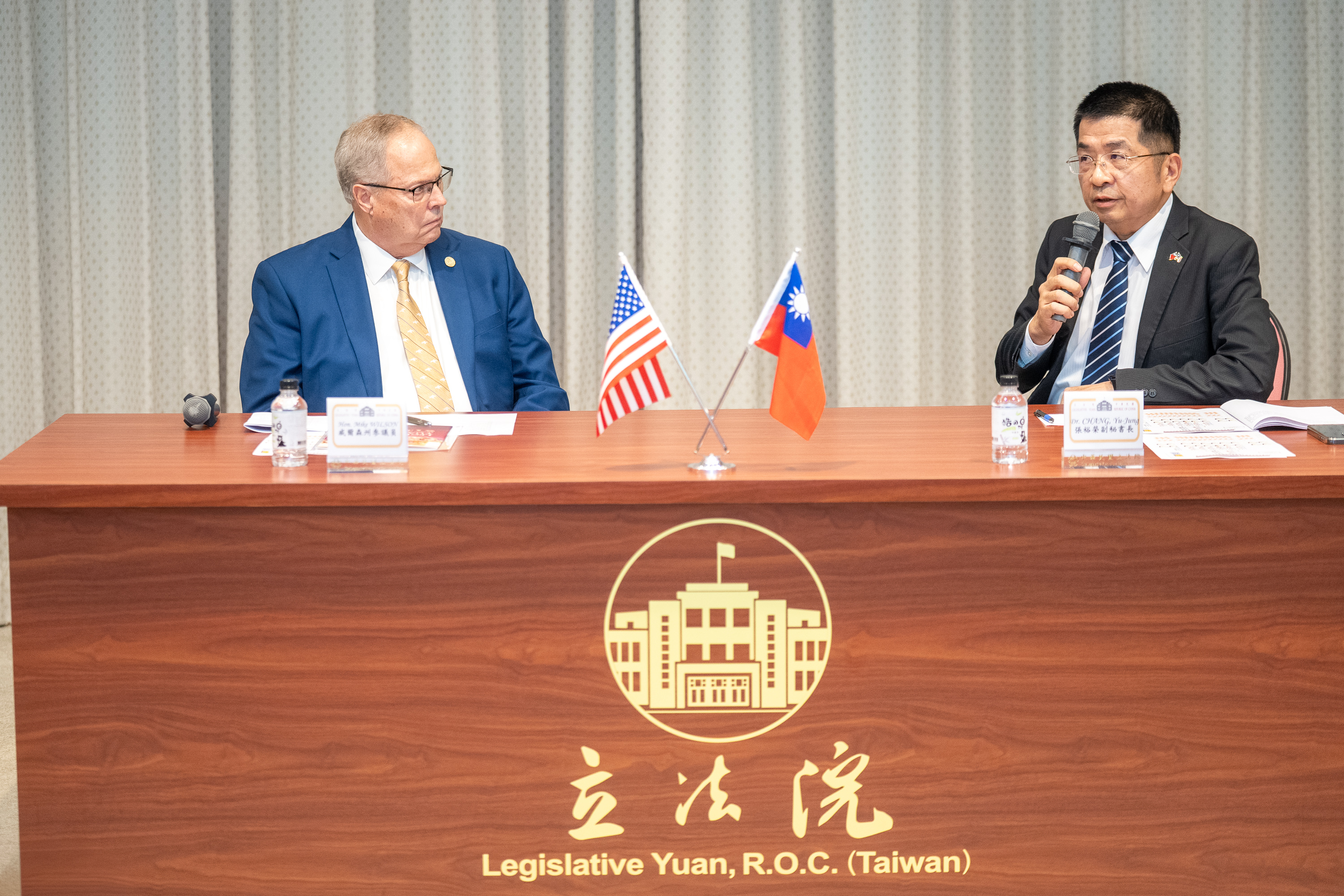
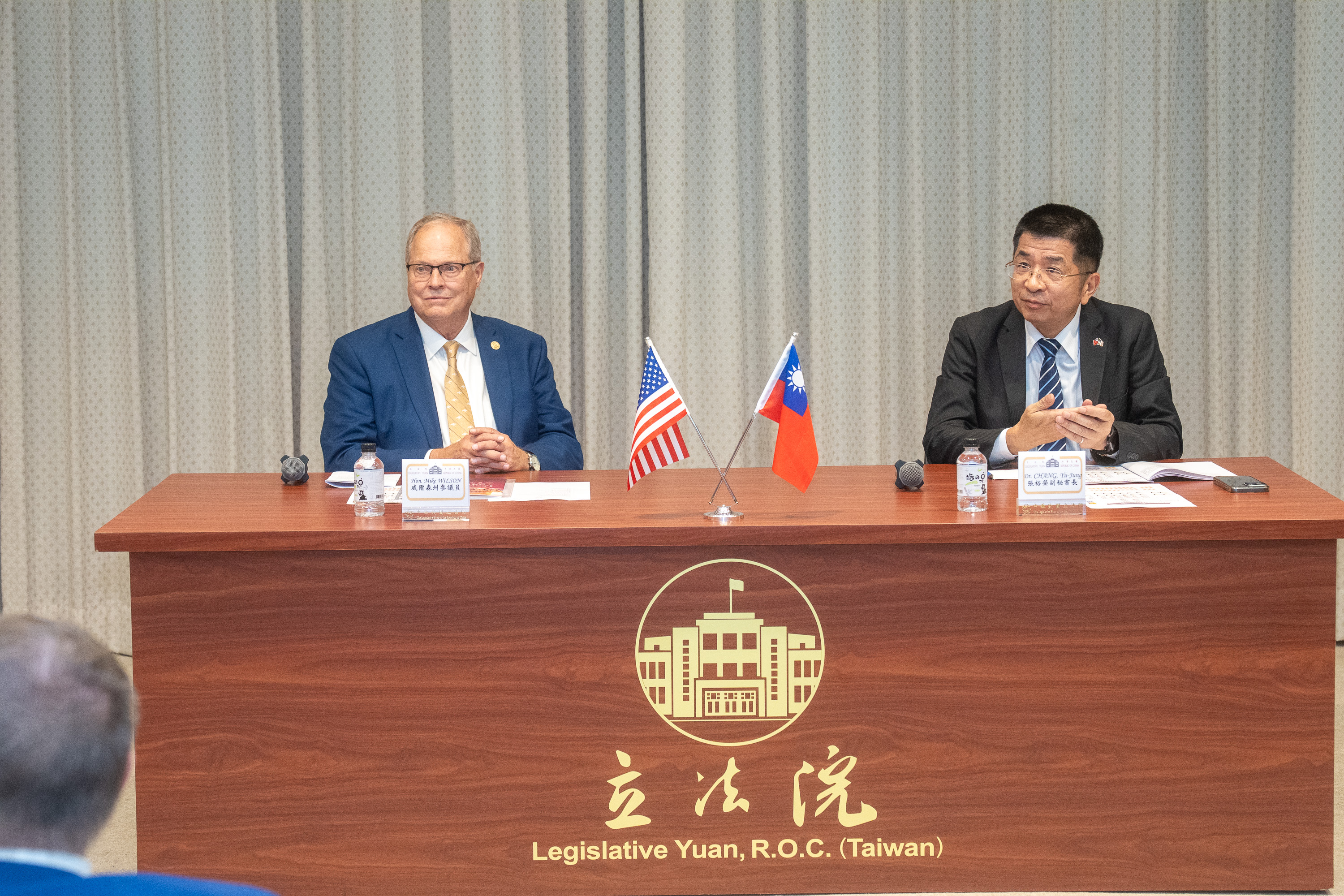
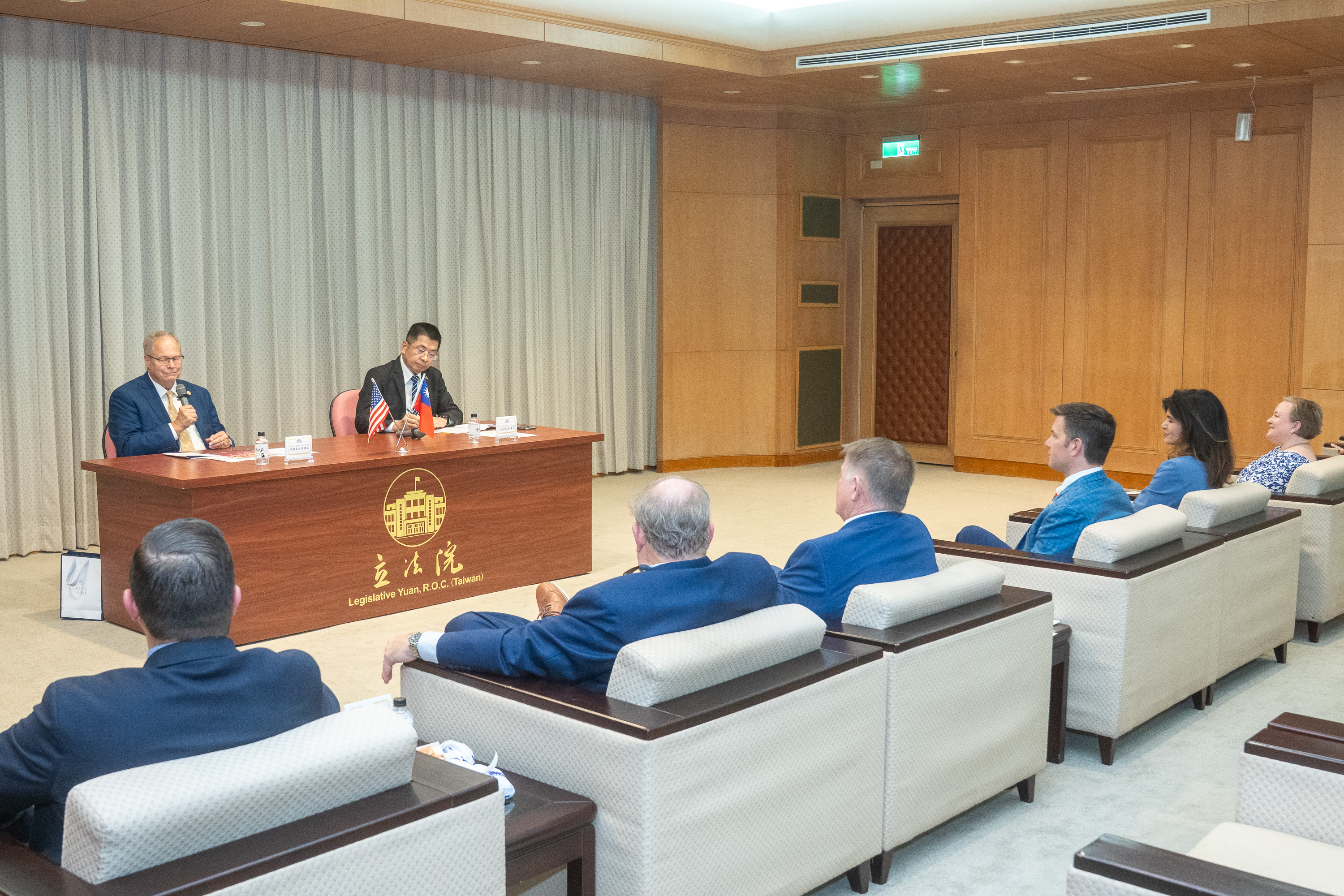
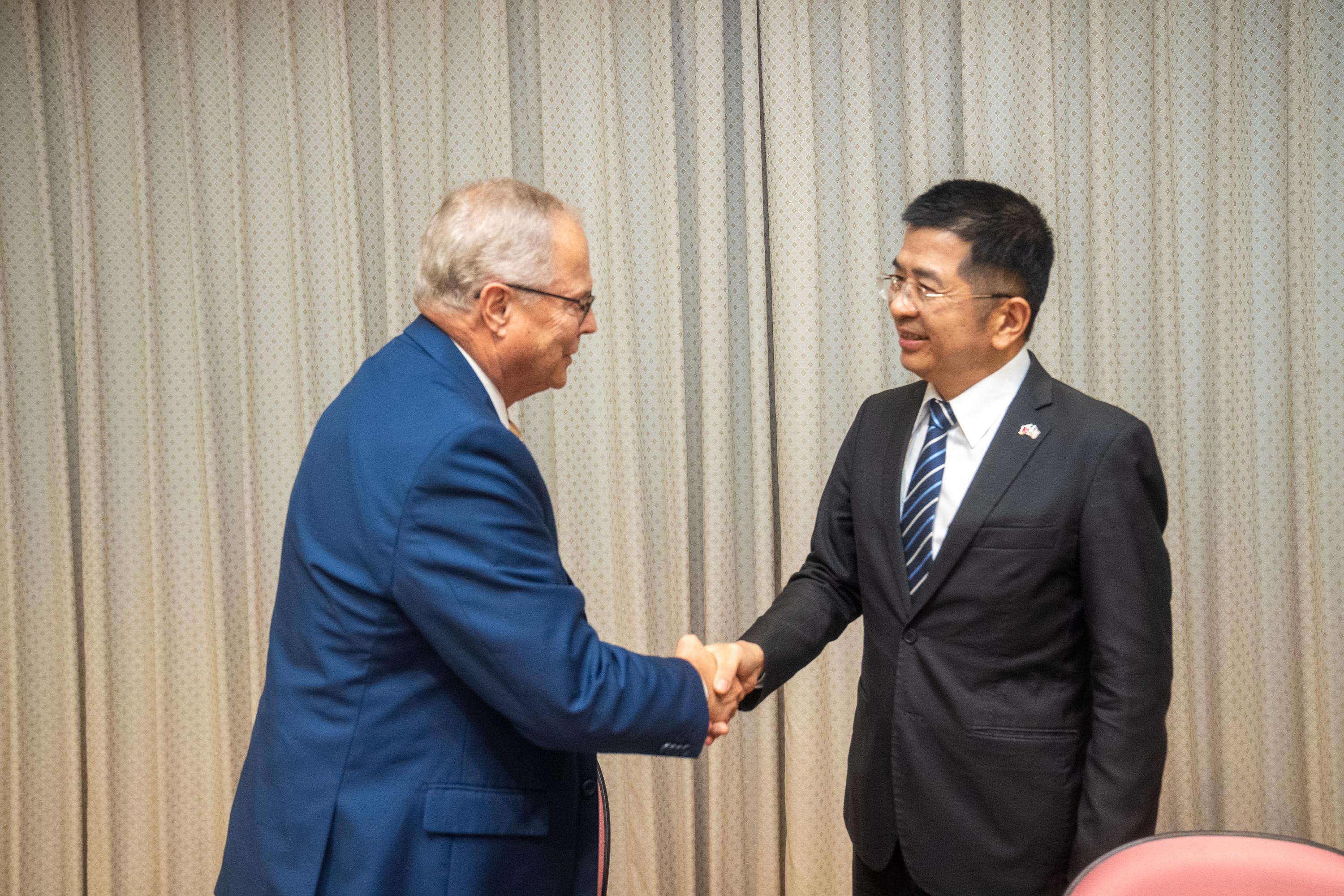
On the afternoon of September 15, Deputy Secretary General Dr. Chang Yu-Jung (張裕榮) of the Legislative Yuan, accompanied by Director Kevin C.F. Lin of the Department of International Affairs, met with a seven-member delegation of state legislative leaders from the southeastern United States.
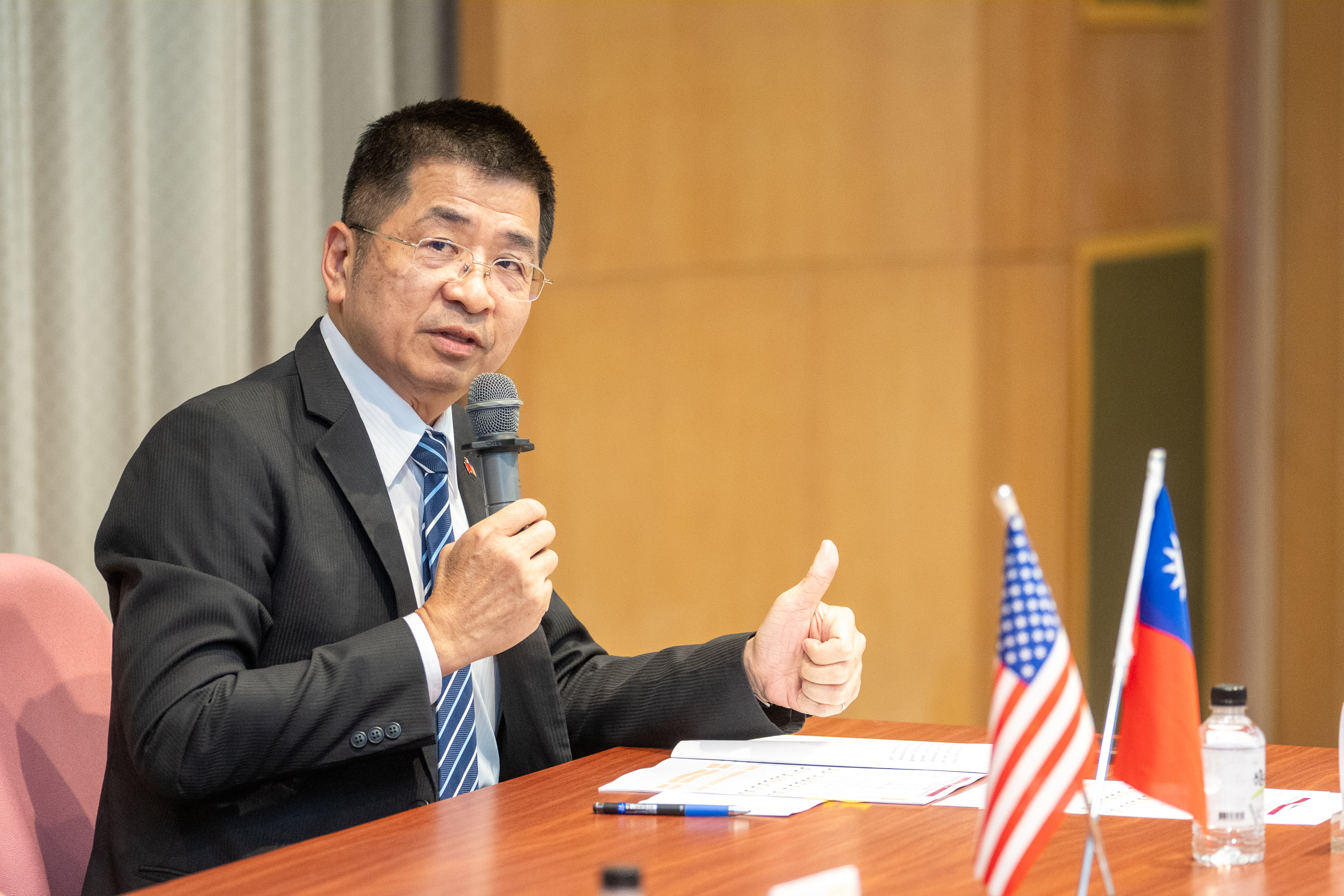
In his remarks, Deputy Secretary-General Chang expressed that it was a great honor to represent the Legislative Yuan and its President Daniel K.Y. Han (韓國瑜) in welcoming the delegation of state legislative leaders from the southeastern United States to Taiwan. He noted that the delegation comprises members from both the Democratic and Republican parties, underscoring the cross-party support for Taiwan-related issues in the United States. He also conveyed appreciation for the delegation’s longstanding support for Taiwan and its concern for peace and stability across the Taiwan Strait. Deputy Secretary-General Chang noted that the southeastern states of the United States each possess distinctive strengths in sectors such as manufacturing, aerospace and automotive industries, logistics technology, and financial services. For instance, Kentucky is renowned for its metalworking industry, bourbon whiskey, and horse racing. Tennessee serves as a major hub for logistics and advanced manufacturing, and notably became the first state to include Taiwan’s Test of Chinese as a Foreign Language (TOCFL) in its “Seal of Biliteracy” certification system. South Carolina is distinguished for its aerospace and automotive industries, and has also hosted symposiums focusing on Taiwan-related issues. Georgia, often hailed as the “Capital of the South,” is anchored by Atlanta as the region’s economic hub, and has advanced Taiwan–U.S. people-to-people exchanges through academic research and cultural initiatives.
Deputy Secretary-General Chang further emphasized that Taiwan–U.S. relations are founded upon the Taiwan Relations Act and the Six Assurances, noting the long-standing cooperation between the two sides and expressing gratitude for the United States’ steadfast support for Taiwan. He noted that in July this year, the U.S. Congress passed the “One Big Beautiful Bill Act,” which strengthens military capabilities in the Indo-Pacific region and contributes to enhancing Taiwan’s defense capacity. At the same time, Taiwan has continued to increase its national defense budget, demonstrating its firm commitment to self-defense. He expressed hope that, building upon this foundation, both sides will continue to deepen their cooperation in the years ahead. In closing, Deputy Secretary General Chang highlighted that shortly after the current Legislative Yuan convened in February 2024, the Legislative Yuan USA Caucus was established, with Vice President Dr. Johnny C. Chiang (江啟臣) serving as Honorary Chair. Senior legislators from both the Kuomintang (KMT) and the Democratic Progressive Party (DPP) were appointed as Co-Chairs. To date, the caucus has drawn the participation of 72 legislators, demonstrating the strong cross-party consensus within the Legislative Yuan on advancing Taiwan-U.S. relations. He further noted that 24 U.S. states have established representative offices in Taiwan, including South Carolina. Looking ahead, he expressed hope that both sides will expand cooperation across an even broader range of fields and, through reciprocal visits and exchanges, deepen mutual understanding and friendship, thereby strengthening the enduring partnership between Taiwan and the United States.
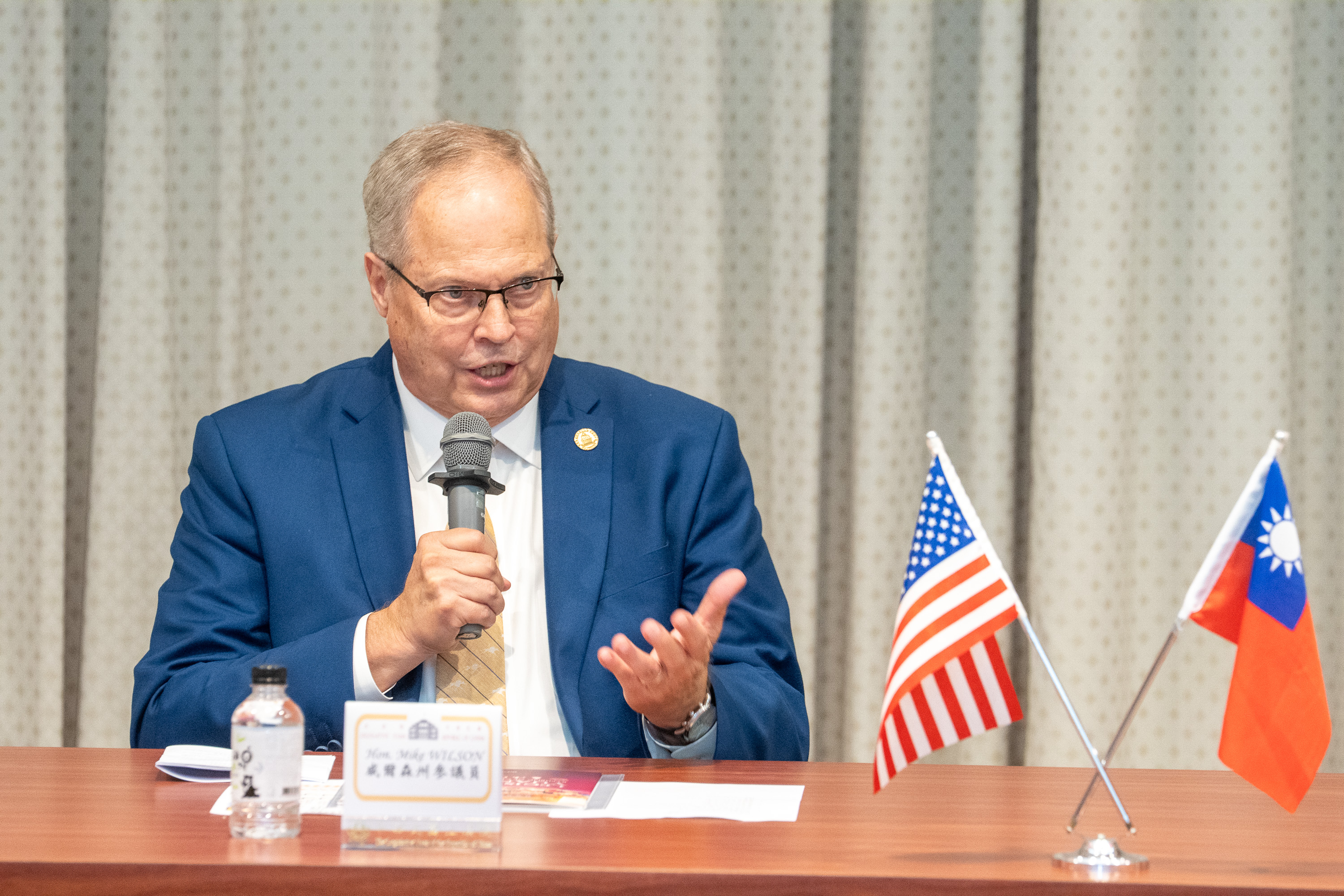
Senator Mike Wilson, head of the delegation of state legislative leaders from the southeastern United States, expressed his gratitude to Deputy Secretary General Chang for the warm reception. He remarked that the visit was particularly meaningful for him and his fellow delegates, as it marked their first trip to Taiwan, during which they were deeply impressed by the warmth and friendliness of the Taiwanese people. Senator Wilson also expressed his appreciation for the establishment of the Legislative Yuan USA Caucus, which reflects Taiwan’s cross-party commitment to strengthening Taiwan-U.S. relations. He expressed hope that this platform would continue to serve as a catalyst for advancing bilateral exchanges and cooperation. In addition, Senator Wilson commended Taiwan’s outstanding achievements across various fields, particularly its steadfast commitment to national defense and security. He noted that many U.S. states have already engaged in substantive cooperation with Taiwan, with exchanges between the two sides becoming increasingly frequent and relations continuing to deepen. He concluded by emphasizing that, amid today’s complex international landscape, the United States has always regarded Taiwan as a steadfast ally. He affirmed that the United States will continue to prioritize and support Taiwan’s security, working hand in hand with Taiwan to safeguard democracy and promote peace and stability in the region.
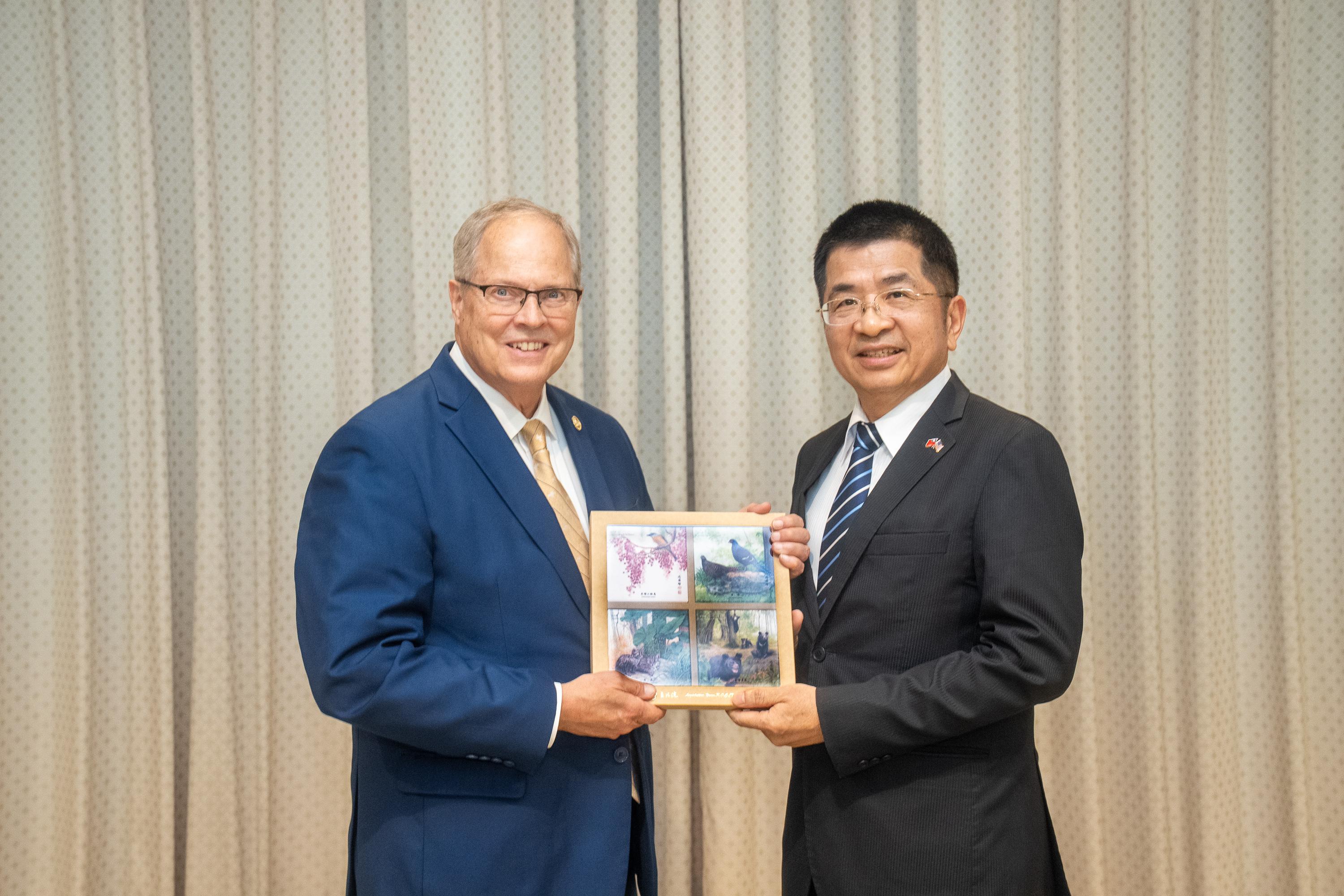
Subsequently, Deputy Secretary General Chang and the delegation engaged in extensive discussions on a wide range of topics, including climate change, national security, Taiwan-U.S. trade and tariffs, education and student exchanges, and strategies to address declining birth rates. The meeting took place in a cordial and amicable atmosphere. The meeting lasted approximately 50 minutes and concluded on a warm note with an exchange of souvenirs and a group photo.