

Legislative Yuan President Daniel K.Y. Han leads a delegation to visit Osaka Castle and the Osaka Chinese School and attends a welcome reception hosted by the Overseas Chinese Association in Osaka
On September 27 (Japan time), President Daniel K. Y. Han (韓國瑜) of the Legislative Yuan led an eleven-member cross‑party delegation, accompanied by Director General Hung Ying‑Chieh of the Taipei Economic and Cultural Office in Osaka, to visit the historic Osaka Castle and the long‑established Osaka Chinese School. In the evening, they attended a welcome reception hosted by the Overseas Chinese Association in Osaka (Taiwan) (OCAO).
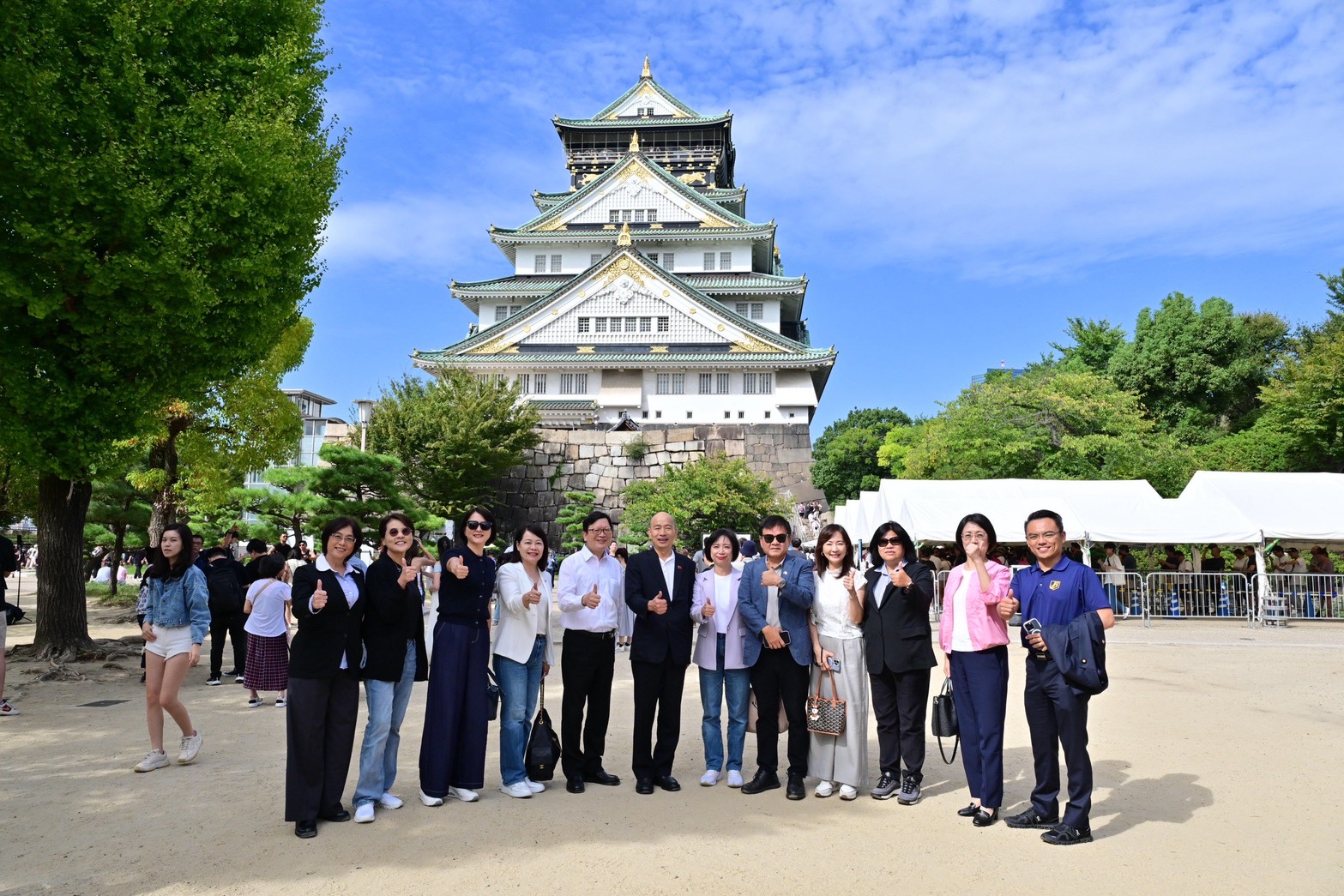
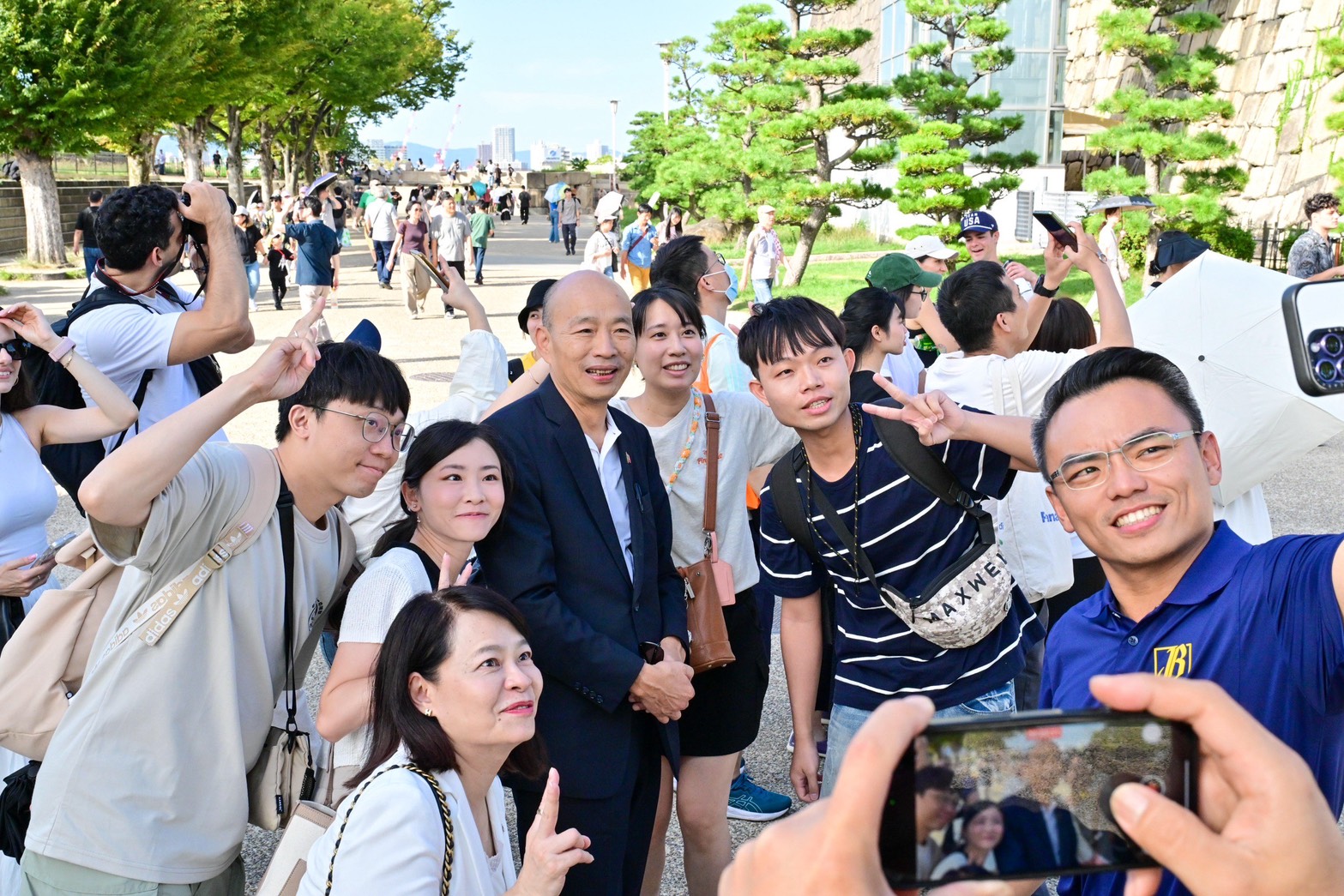
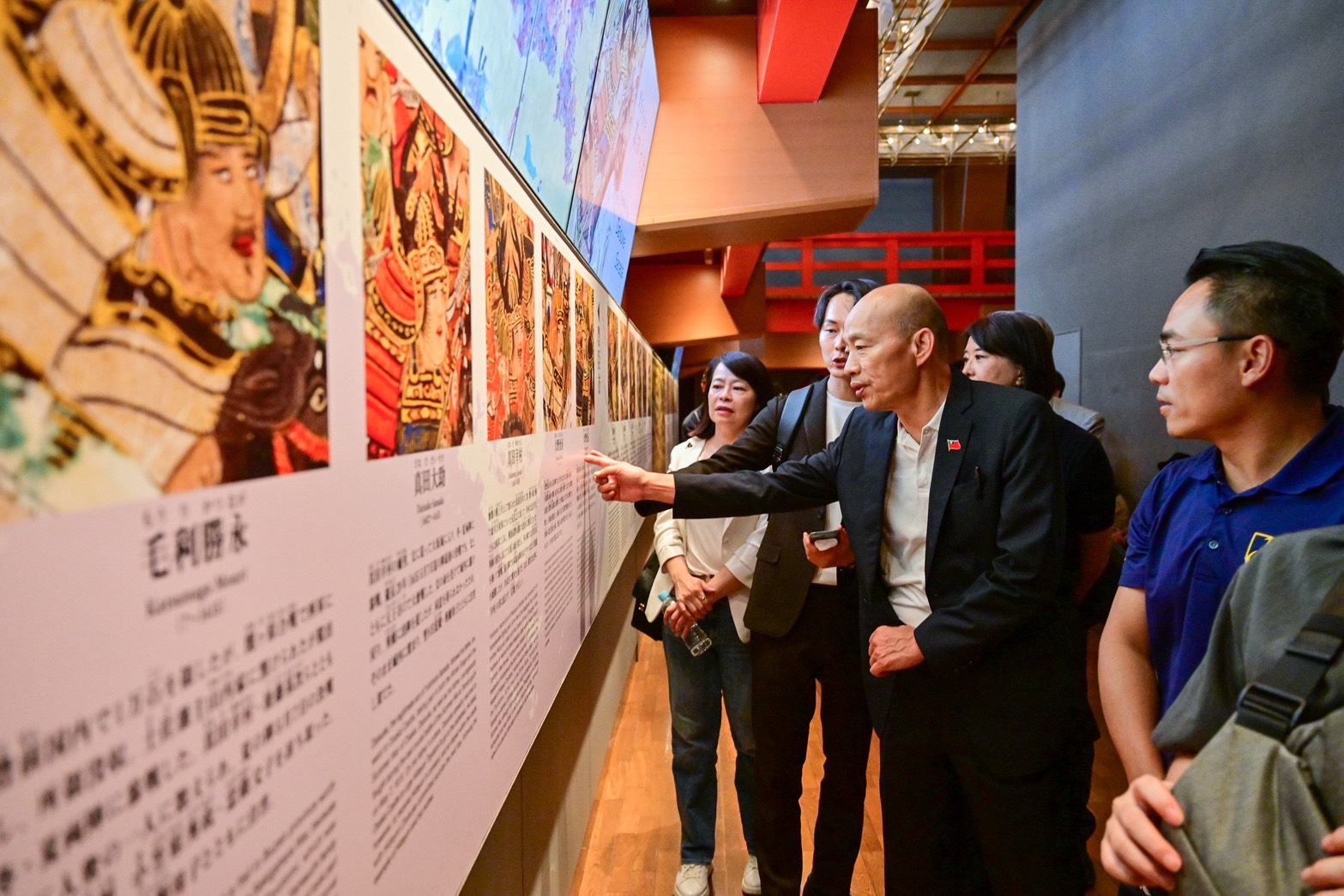
The first stop of their visit was Osaka Castle, the most renowned landmark in Osaka Prefecture, where they learned about the prefecture’s historical development. As the visit coincided with the weekend, the castle was crowded with tourists from various countries. Among them were many Taiwanese visitors, who warmly greeted President Han and the legislators, wanting to take photos together.
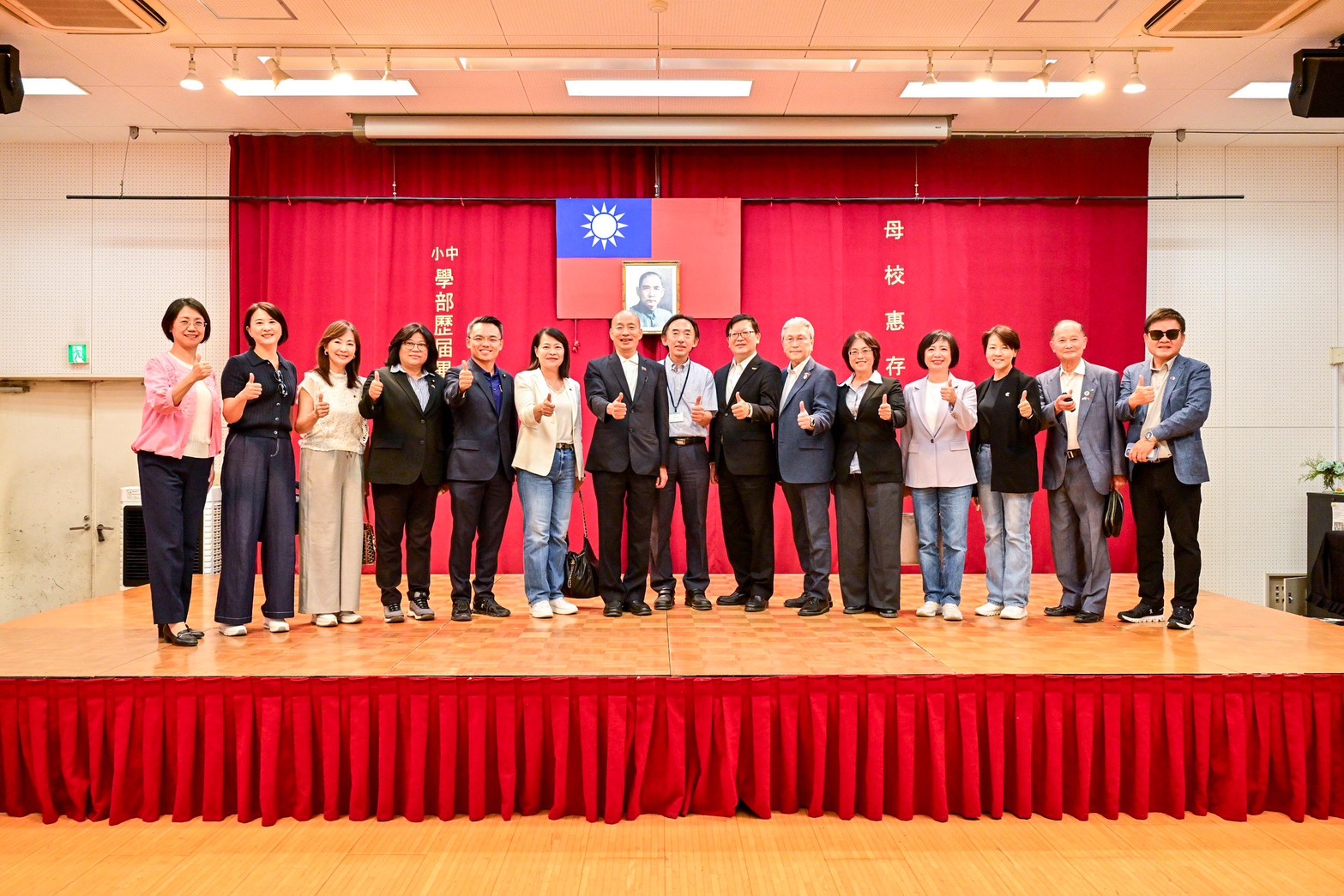
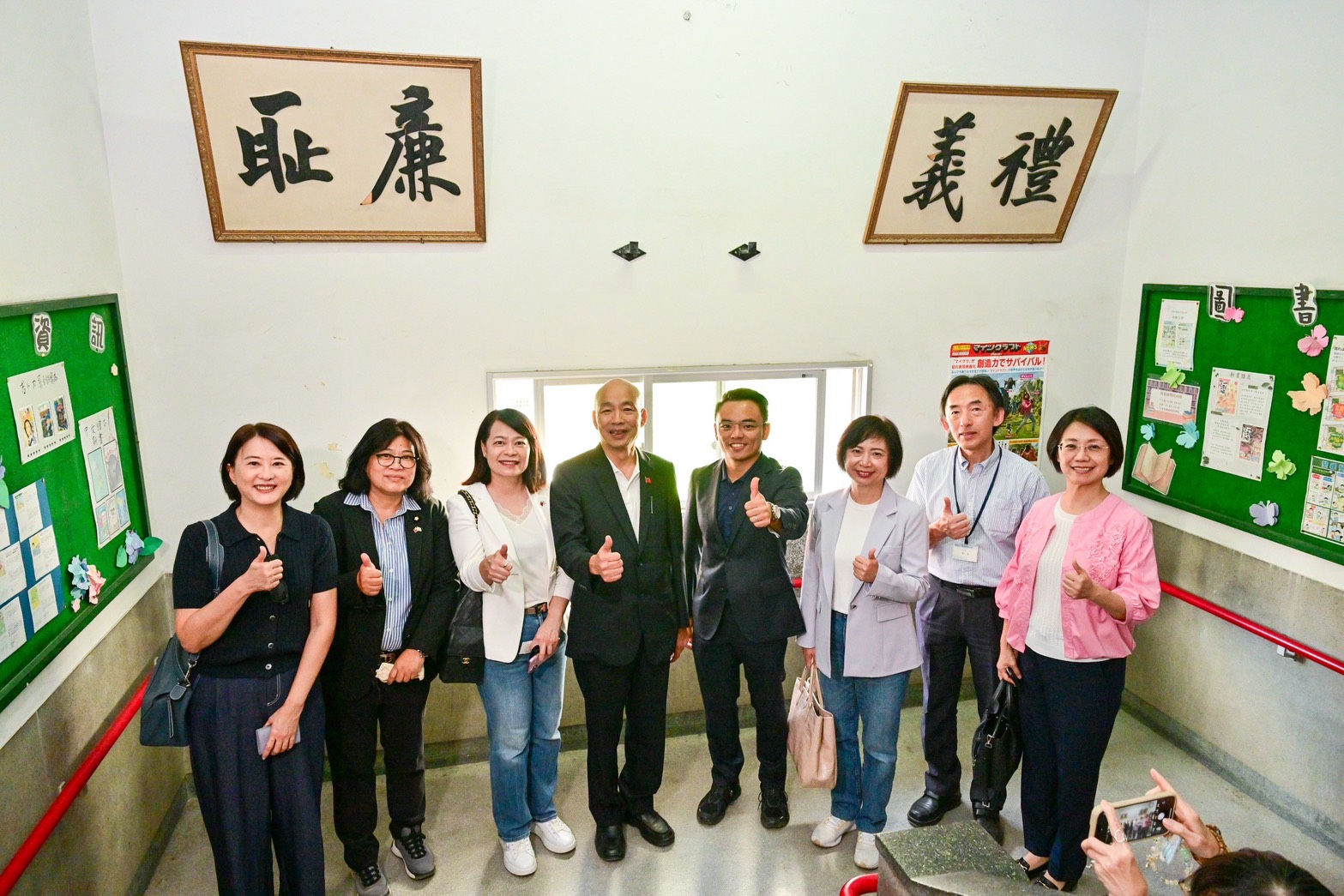
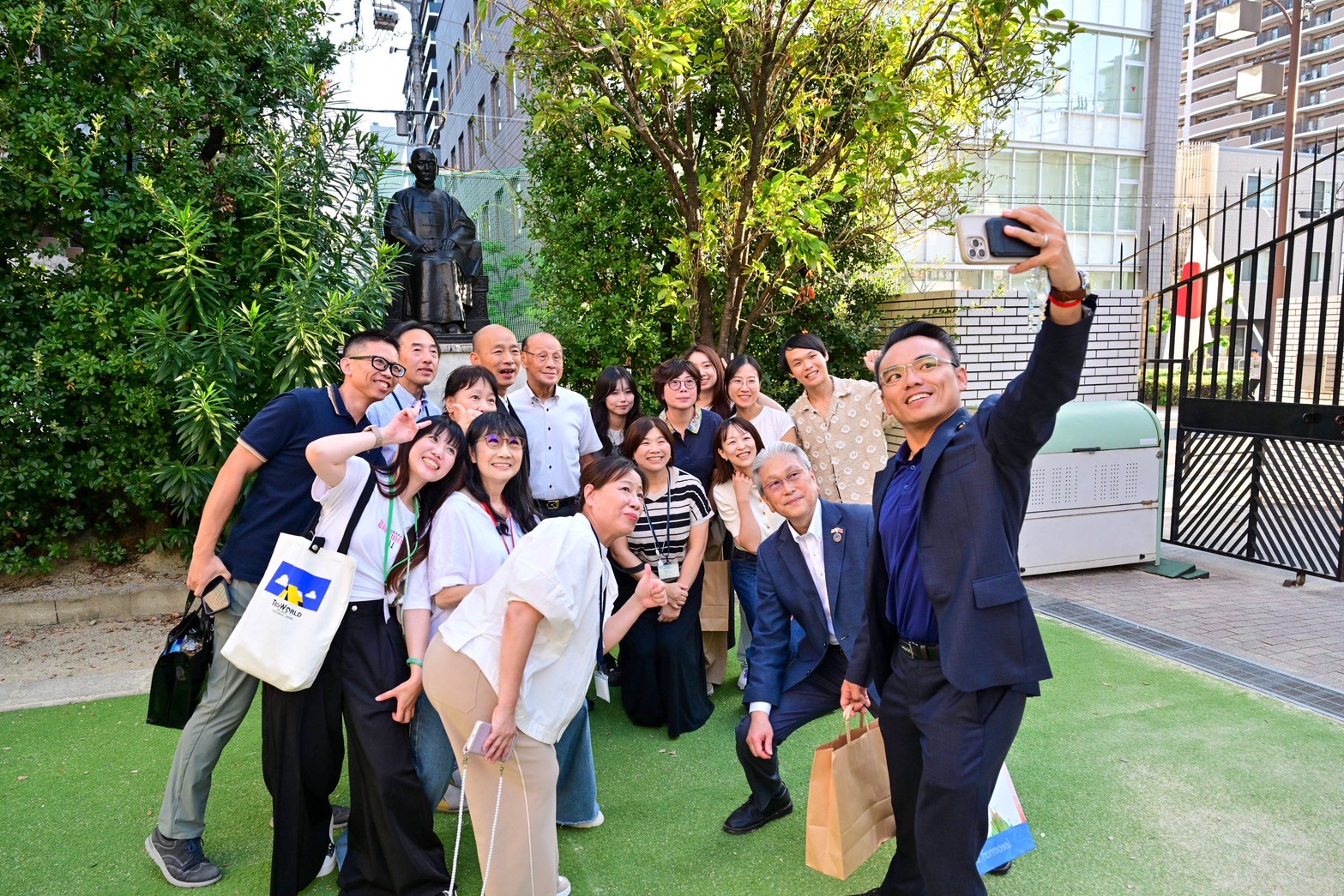
The delegation then proceeded to visit the Osaka Chinese School, where they were cordially received by its Chairman, together with the Principal and faculty members. Founded in 1946 and recognized as one of Taiwan’s three major overseas Chinese schools in Japan, it has long served as a bridge of friendship between Taiwan and Japan. The school’s motto is “Propriety, Righteousness, Integrity, and Honor.” It is the only institution in the Kansai region that uses Taiwan’s teaching materials and teaches traditional Chinese characters, offering trilingual instruction in Mandarin, Japanese, and English. The school comprises kindergarten, elementary school, and middle and high school divisions, all adopting textbooks from Taiwan. It also places strong emphasis on cultivating student participation in both on‑ and off‑campus cultural activities, such as traditional music, lion dancing, folk dance, and Lunar New Year festivals, enabling students to experience multicultural learning. Rooted in Japan, the school continues its dedicated efforts to preserve and promote Chinese culture.
While visiting the school, President Han and the delegation spoke to the press, noting that despite the brief two‑day stay in Tokyo, the parliamentary diplomacy mission achieved significant outcomes. In addition to meetings with pro-Taiwan legislators and officials from the Japan–ROC Diet Members’ Consultative Council and the Japan–Taiwan Exchange Association, the delegation also paid official visits to party leaders and Diet members from Japan’s two principal opposition parties, the Constitutional Democratic Party and the Democratic Party for the People, thereby fully appreciating how committed both Taiwan and Japan are to deepening their friendly ties. President Han went on to reiterate that legislators embody the voice of the people, and the participation of representatives from all three party caucuses of the Legislative Yuan in this delegation to Japan clearly demonstrated that Taiwan is far from being isolated internationally. He conveyed his sincere gratitude to Legislative Yuan Vice President Dr. Johnny C. Chiang (江啟臣) and colleagues across party lines for their consistent efforts in cultivating parliamentary diplomacy, traveling abroad to increase exchanges, and extending warm hospitality to international friends. President Han concluded by expressing his heartfelt gratitude to all sectors in Japan for their concern and condolences regarding the recent flooding in Hualien’s Guangfu Township. On behalf of the Legislative Yuan and in his personal capacity, he contributed a modest donation to the relief efforts, hoping to unite the strength of all parties to extend assistance to the affected residents and help the people of Hualien rebuild their homes as soon as possible.
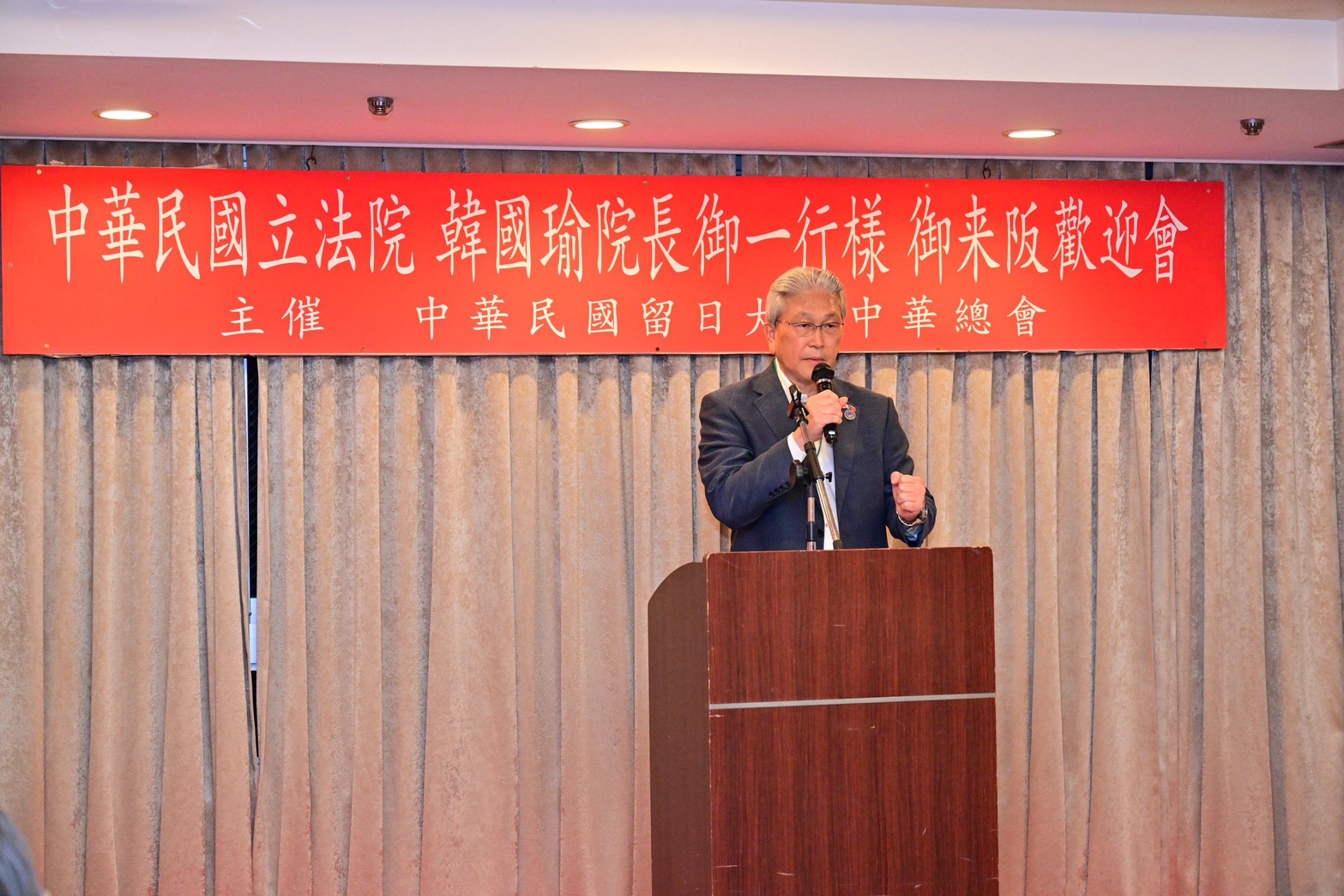
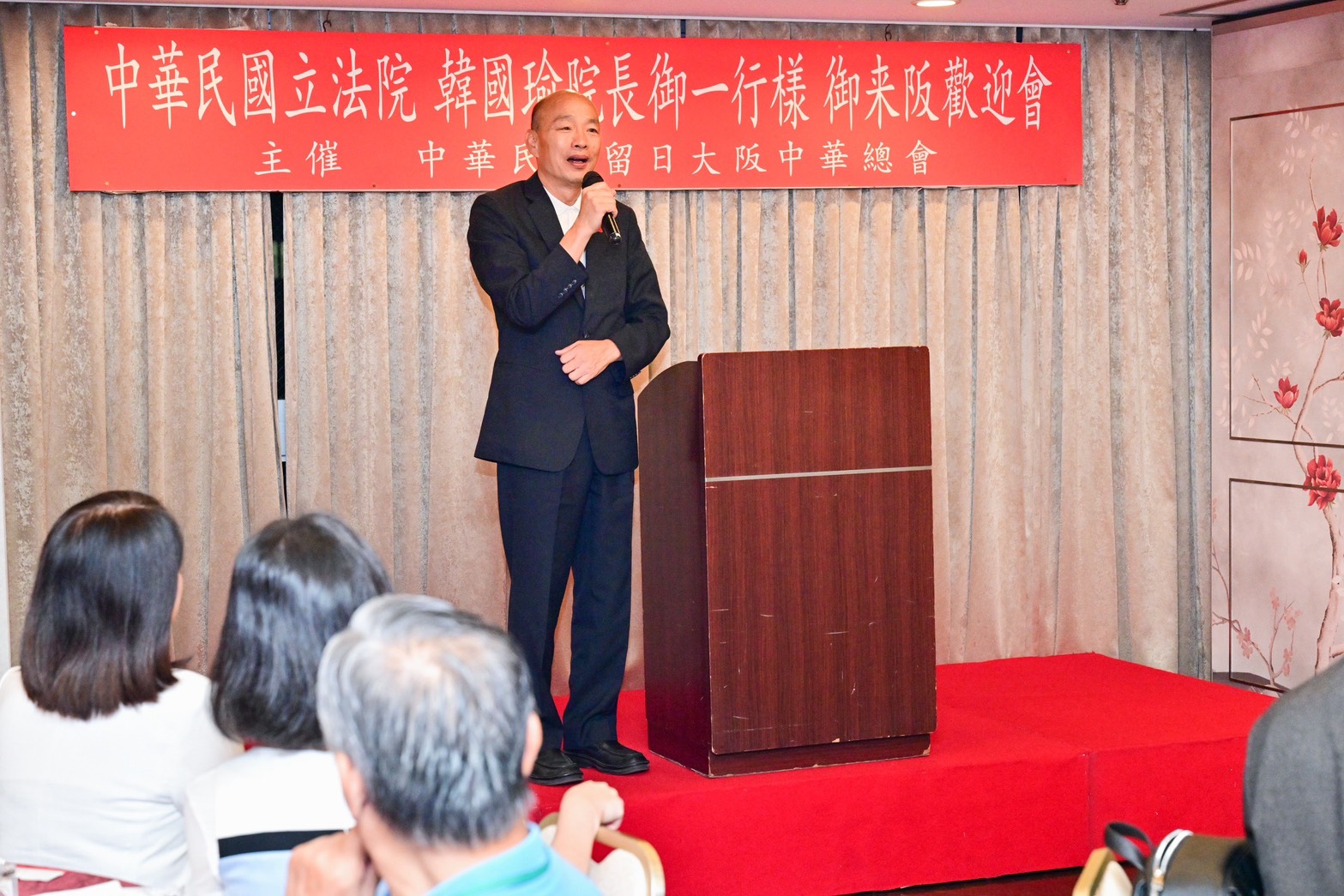
In the evening, President Han and the delegation attended a welcome dinner hosted by the OCAO. Yeh Chun‑Lin, President of the OCAO, delivered a welcome address and expressed his great honor in hosting a banquet for President Han and the visiting delegation. He noted that this visit marked President Han’s first time leading a cross‑party group of legislators on a parliamentary diplomacy mission abroad, with Japan chosen as the first stop. He added that the delegation’s visit to Osaka, despite the demanding schedule, brought encouragement and added luster to the local Taiwanese community. He outlined that the OCAO was established 80 years ago, with successive presidents faithfully carrying out its founding mission, adding that it has consistently supported bilateral exchanges and contributed to strengthening Taiwan–Japan relations in line with Taiwan’s overseas community policies. Moreover, he noted, the OCAO has also actively facilitated reciprocal visits between Taiwan’s legislators and councilors and members of the Osaka Prefectural Assembly, in order to promote the bilateral friendship between Taiwan and Osaka. Finally, he expressed the hope that Taiwan’s economy will continue to grow, with more outstanding enterprises like TSMC bringing honor to Taiwan in the global arena. He emphasized that the overseas community will always remain devoted to Taiwan, serving as a bridge between their homeland and their place of residence, and helping to deepen the friendship between Taiwan and Japan.
OCAO Honorary President Hung Sheng‑Hsin then took the stage, expressing his great pleasure in welcoming the delegation to Osaka. In his capacity as Chairman of the Osaka Chinese School, he sincerely thanked President Han and the delegation for their earlier visit to the school. He explained that, due to limited campus space, preparations are currently underway for relocation, with the hope that the school will continue to contribute to educational and cultural exchanges between Taiwan and Japan.
In his remarks, President Han spoke highly of the OCAO, noting that since its establishment almost 80 years ago in 1946, it has grown into one of Japan’s most prominent traditional overseas compatriot organizations. He commended the OCAO for hosting the Osaka Lunar New Year Festival, organizing delegations to return to Taiwan for the National Day celebrations, and promoting Taiwan–Japan exchange activities every year, all of which have united the overseas community and earned deep respect. He continued with a metaphor from the scientific studies of ants by observing that whenever Taiwan is struck by natural disasters, overseas Taiwanese businesspeople and compatriots across the globe always show their sincere concern for Taiwan through generous donations and active support for reconstruction; they assist fellow citizens in overcoming hardships and help Taiwan in the most tangible ways. He expressed heartfelt thanks to the overseas compatriot community and closed his remarks with warm wishes for a happy Mid‑Autumn Festival.
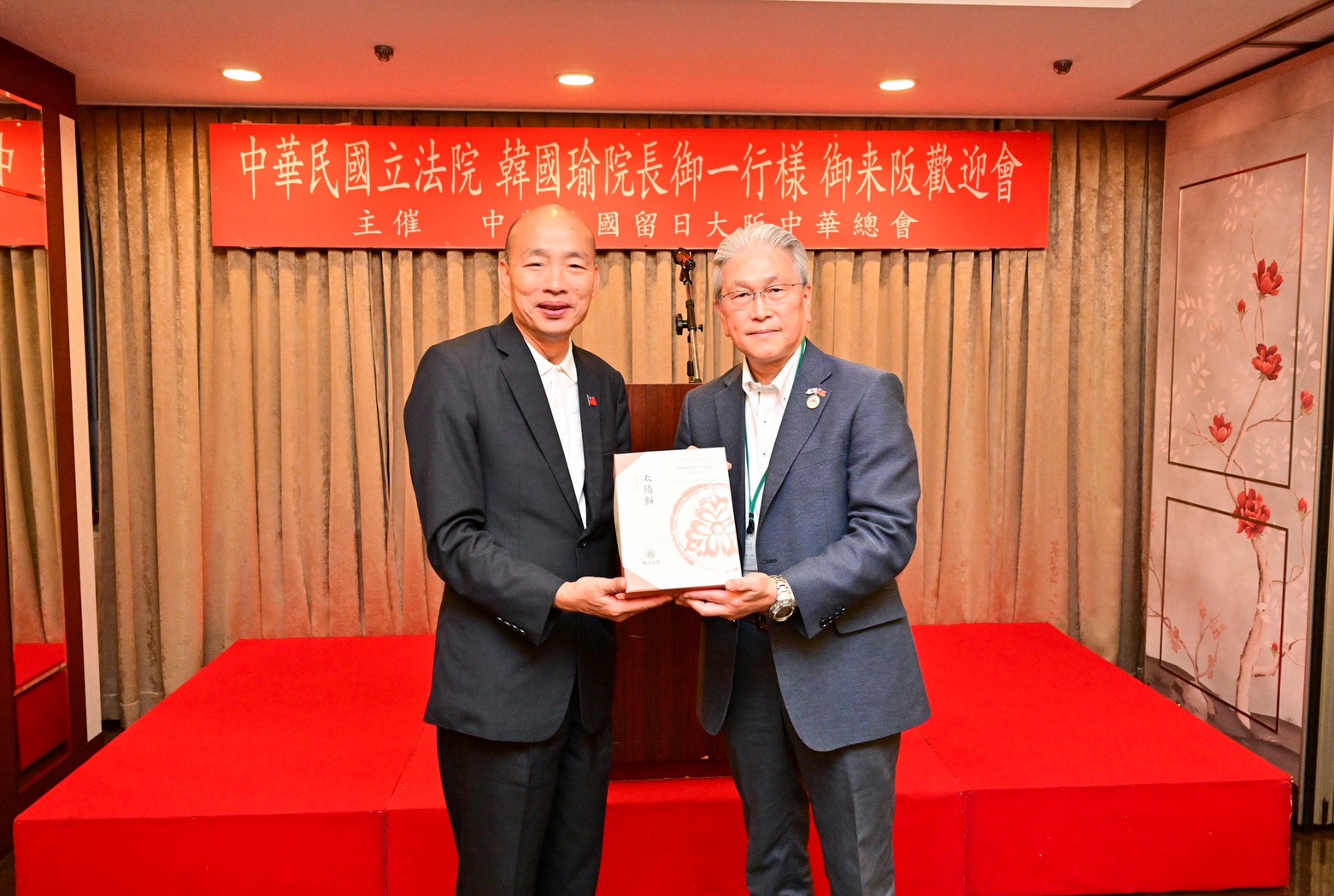
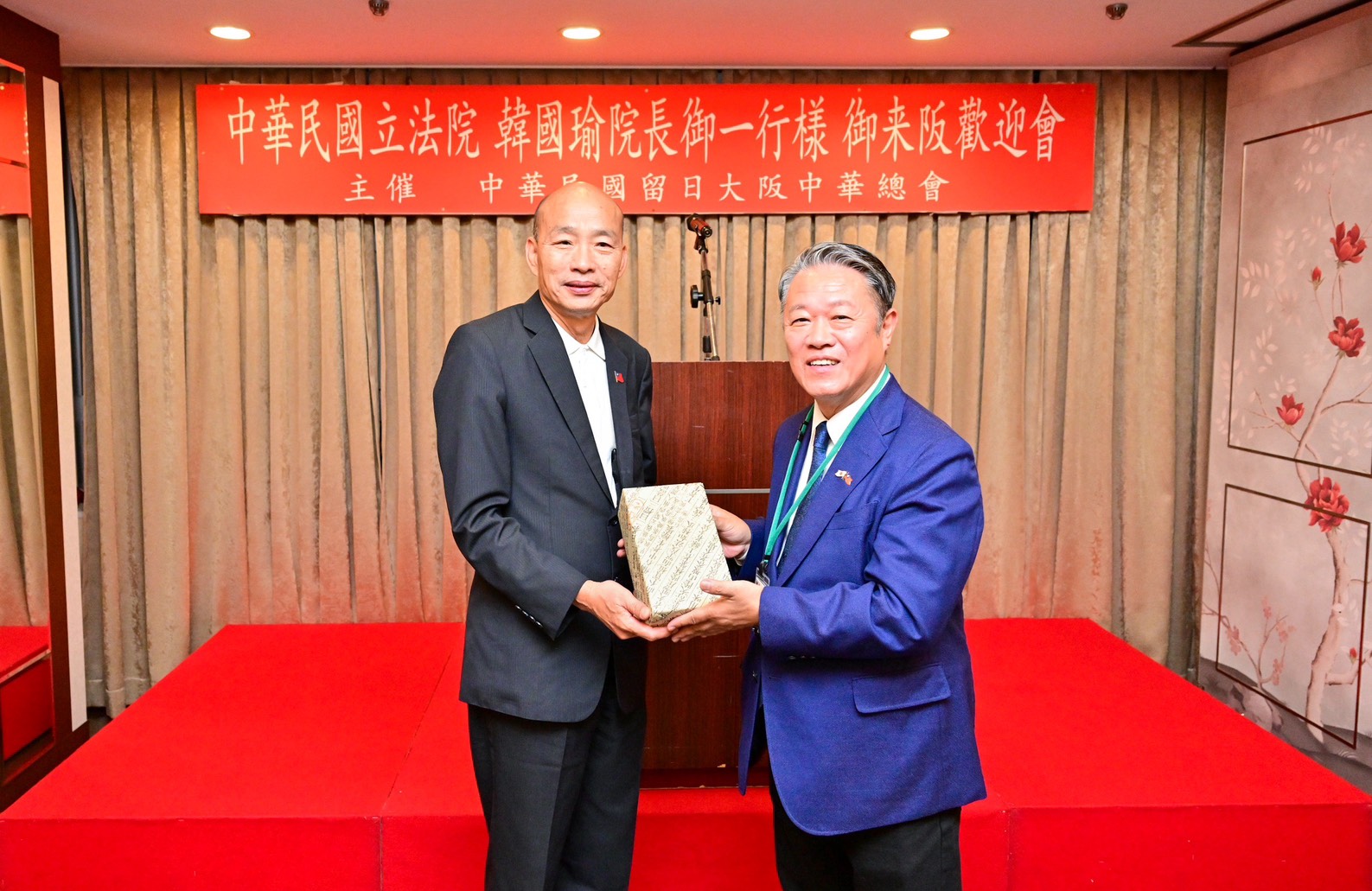
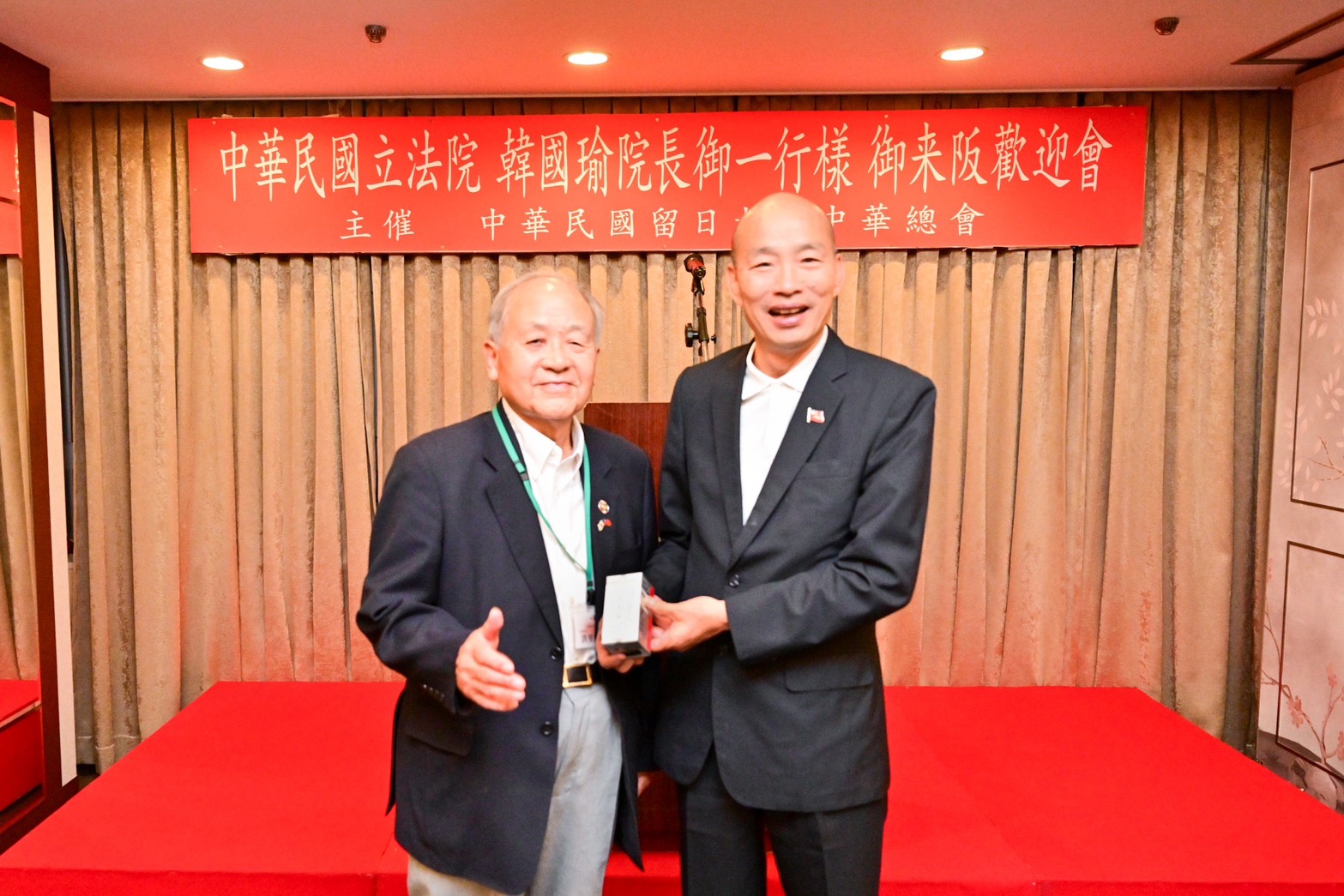
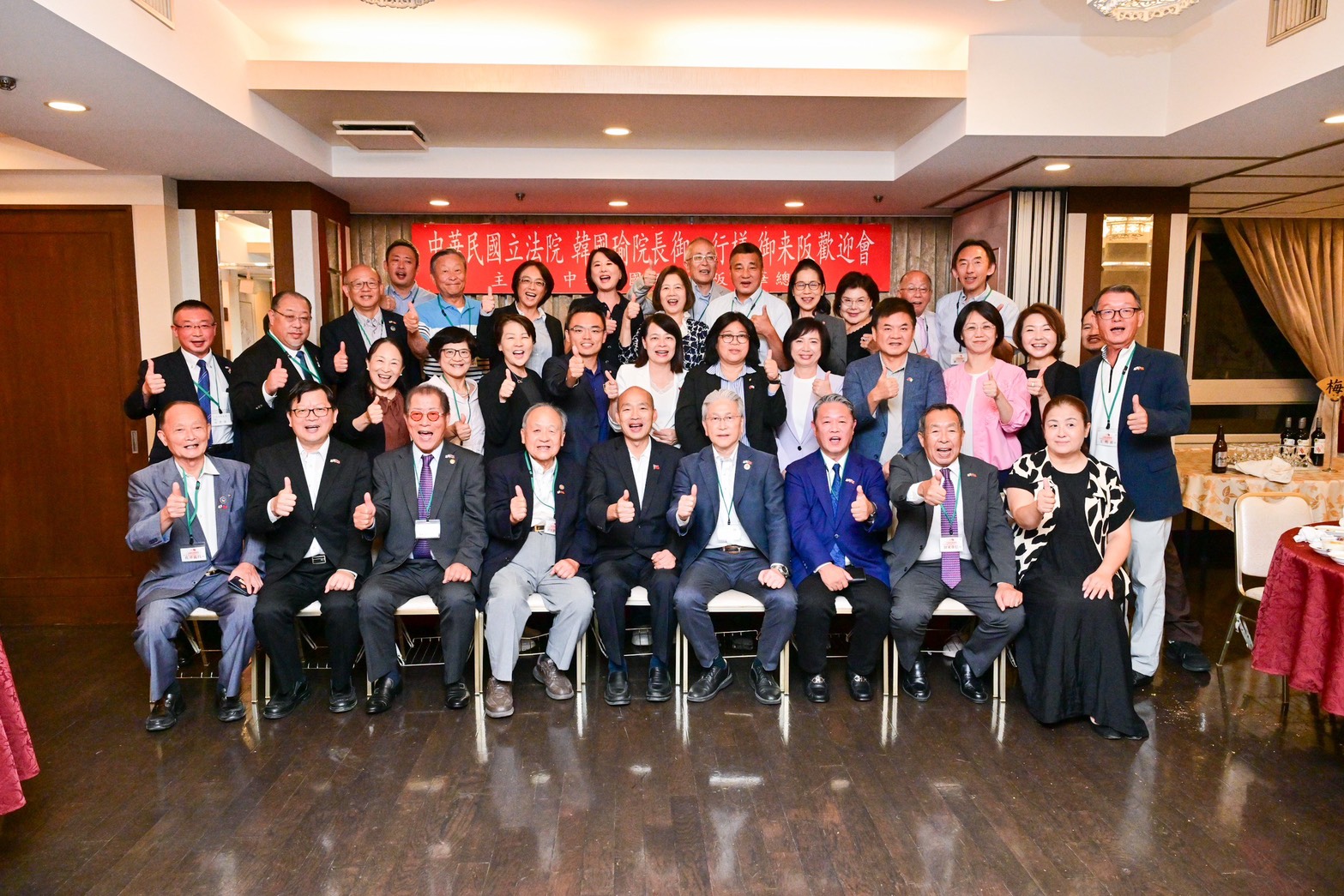
Throughout the dinner, President Han together with legislators from across party lines engaged in friendly exchanges with the attending overseas compatriot leaders and joined them for commemorative photos. The gathering was marked by a warm and pleasant ambiance, concluding successfully after about two hours.
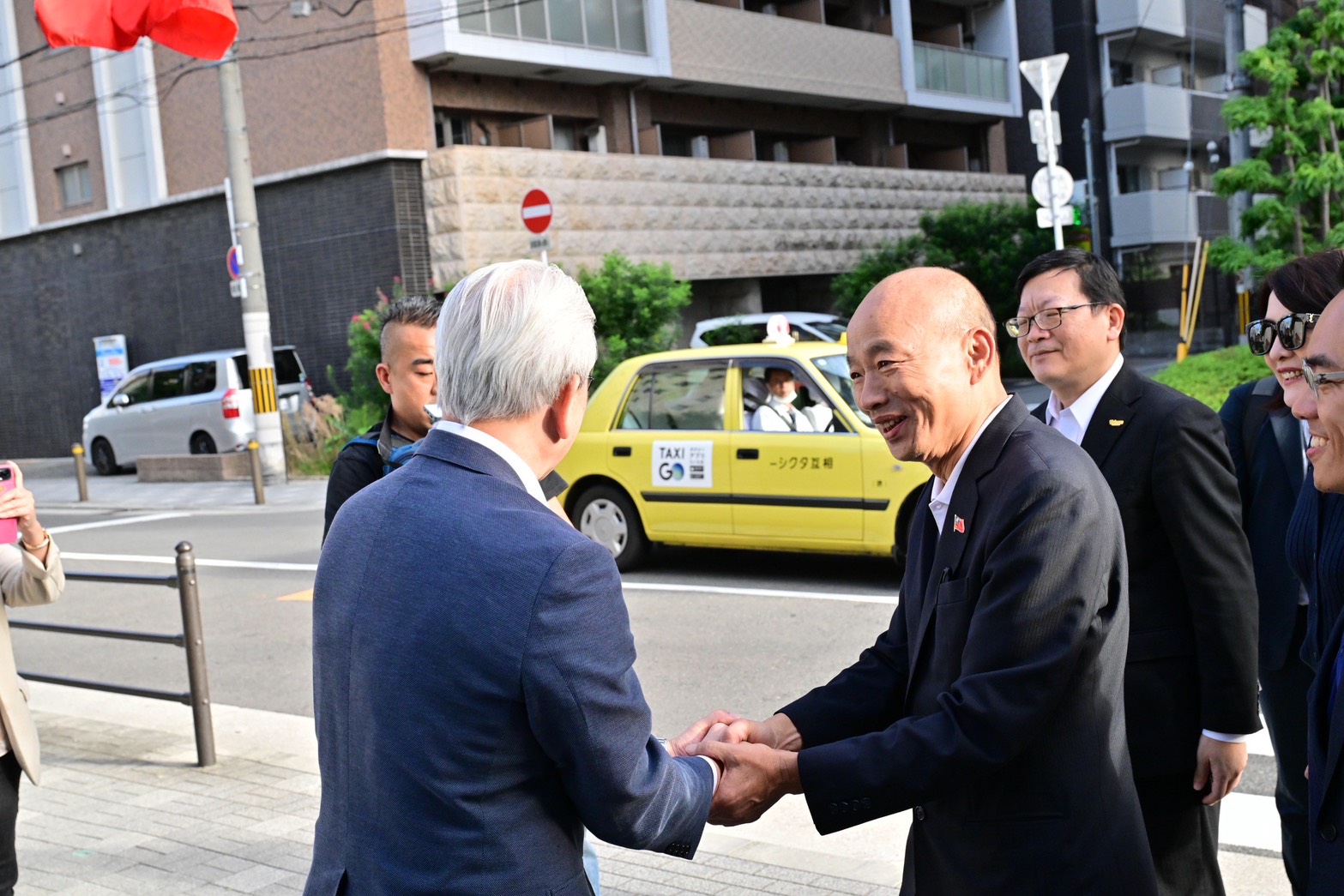
The first stop of their visit was Osaka Castle, the most renowned landmark in Osaka Prefecture, where they learned about the prefecture’s historical development. As the visit coincided with the weekend, the castle was crowded with tourists from various countries. Among them were many Taiwanese visitors, who warmly greeted President Han and the legislators, wanting to take photos together.
The delegation then proceeded to visit the Osaka Chinese School, where they were cordially received by its Chairman, together with the Principal and faculty members. Founded in 1946 and recognized as one of Taiwan’s three major overseas Chinese schools in Japan, it has long served as a bridge of friendship between Taiwan and Japan. The school’s motto is “Propriety, Righteousness, Integrity, and Honor.” It is the only institution in the Kansai region that uses Taiwan’s teaching materials and teaches traditional Chinese characters, offering trilingual instruction in Mandarin, Japanese, and English. The school comprises kindergarten, elementary school, and middle and high school divisions, all adopting textbooks from Taiwan. It also places strong emphasis on cultivating student participation in both on‑ and off‑campus cultural activities, such as traditional music, lion dancing, folk dance, and Lunar New Year festivals, enabling students to experience multicultural learning. Rooted in Japan, the school continues its dedicated efforts to preserve and promote Chinese culture.
While visiting the school, President Han and the delegation spoke to the press, noting that despite the brief two‑day stay in Tokyo, the parliamentary diplomacy mission achieved significant outcomes. In addition to meetings with pro-Taiwan legislators and officials from the Japan–ROC Diet Members’ Consultative Council and the Japan–Taiwan Exchange Association, the delegation also paid official visits to party leaders and Diet members from Japan’s two principal opposition parties, the Constitutional Democratic Party and the Democratic Party for the People, thereby fully appreciating how committed both Taiwan and Japan are to deepening their friendly ties. President Han went on to reiterate that legislators embody the voice of the people, and the participation of representatives from all three party caucuses of the Legislative Yuan in this delegation to Japan clearly demonstrated that Taiwan is far from being isolated internationally. He conveyed his sincere gratitude to Legislative Yuan Vice President Dr. Johnny C. Chiang (江啟臣) and colleagues across party lines for their consistent efforts in cultivating parliamentary diplomacy, traveling abroad to increase exchanges, and extending warm hospitality to international friends. President Han concluded by expressing his heartfelt gratitude to all sectors in Japan for their concern and condolences regarding the recent flooding in Hualien’s Guangfu Township. On behalf of the Legislative Yuan and in his personal capacity, he contributed a modest donation to the relief efforts, hoping to unite the strength of all parties to extend assistance to the affected residents and help the people of Hualien rebuild their homes as soon as possible.
In the evening, President Han and the delegation attended a welcome dinner hosted by the OCAO. Yeh Chun‑Lin, President of the OCAO, delivered a welcome address and expressed his great honor in hosting a banquet for President Han and the visiting delegation. He noted that this visit marked President Han’s first time leading a cross‑party group of legislators on a parliamentary diplomacy mission abroad, with Japan chosen as the first stop. He added that the delegation’s visit to Osaka, despite the demanding schedule, brought encouragement and added luster to the local Taiwanese community. He outlined that the OCAO was established 80 years ago, with successive presidents faithfully carrying out its founding mission, adding that it has consistently supported bilateral exchanges and contributed to strengthening Taiwan–Japan relations in line with Taiwan’s overseas community policies. Moreover, he noted, the OCAO has also actively facilitated reciprocal visits between Taiwan’s legislators and councilors and members of the Osaka Prefectural Assembly, in order to promote the bilateral friendship between Taiwan and Osaka. Finally, he expressed the hope that Taiwan’s economy will continue to grow, with more outstanding enterprises like TSMC bringing honor to Taiwan in the global arena. He emphasized that the overseas community will always remain devoted to Taiwan, serving as a bridge between their homeland and their place of residence, and helping to deepen the friendship between Taiwan and Japan.
OCAO Honorary President Hung Sheng‑Hsin then took the stage, expressing his great pleasure in welcoming the delegation to Osaka. In his capacity as Chairman of the Osaka Chinese School, he sincerely thanked President Han and the delegation for their earlier visit to the school. He explained that, due to limited campus space, preparations are currently underway for relocation, with the hope that the school will continue to contribute to educational and cultural exchanges between Taiwan and Japan.
In his remarks, President Han spoke highly of the OCAO, noting that since its establishment almost 80 years ago in 1946, it has grown into one of Japan’s most prominent traditional overseas compatriot organizations. He commended the OCAO for hosting the Osaka Lunar New Year Festival, organizing delegations to return to Taiwan for the National Day celebrations, and promoting Taiwan–Japan exchange activities every year, all of which have united the overseas community and earned deep respect. He continued with a metaphor from the scientific studies of ants by observing that whenever Taiwan is struck by natural disasters, overseas Taiwanese businesspeople and compatriots across the globe always show their sincere concern for Taiwan through generous donations and active support for reconstruction; they assist fellow citizens in overcoming hardships and help Taiwan in the most tangible ways. He expressed heartfelt thanks to the overseas compatriot community and closed his remarks with warm wishes for a happy Mid‑Autumn Festival.
Throughout the dinner, President Han together with legislators from across party lines engaged in friendly exchanges with the attending overseas compatriot leaders and joined them for commemorative photos. The gathering was marked by a warm and pleasant ambiance, concluding successfully after about two hours.