

Legislative Yuan President Daniel K.Y. HAN leads delegation to visit Japan’s National Diet Building and attends luncheon hosted by Japan–Taiwan Exchange Association Chairman Shuzo SUMI
On the morning of September 26, Legislative Yuan President Daniel K.Y. HAN (韓國瑜), accompanied by Taipei Economic and Cultural Representative in Japan Lee Yi-Yang, led an eleven-member cross-party legislative delegation to visit the National Diet Building of Japan, followed by a luncheon hosted by Shuzo SUMI, Chairman of the Japan–Taiwan Exchange Association.
Upon arrival at the National Diet Building, the delegation took a commemorative group photo before being guided by staff from the House of Representatives’ International Affairs Bureau. The delegation’s first stop was the guest observation seats in the Chamber of the House of Representatives, where they learned about parliamentary procedures and seating arrangements. During the visit, LDP Diet Member Shozo KUDO appeared on behalf of Keiji FURUYA, Chairman of the Japan–ROC Diet Members’ Consultative Council, to greet President HAN and respond to the visiting legislators’ inquiries. The delegation then toured the Standing Committee rooms, the LDP caucus meeting room, and the central plaza of the Diet, gaining deeper insights into the history, legislative proceedings, and architectural features of the Japanese parliament. By chance, they also met Diet Member Ozora KOKI, the youngest member of the National Diet, to whom President HAN presented a Taiwan–Japan flag lapel pin and personally affixed it, symbolizing the strong friendship between the legislatures of both nations.
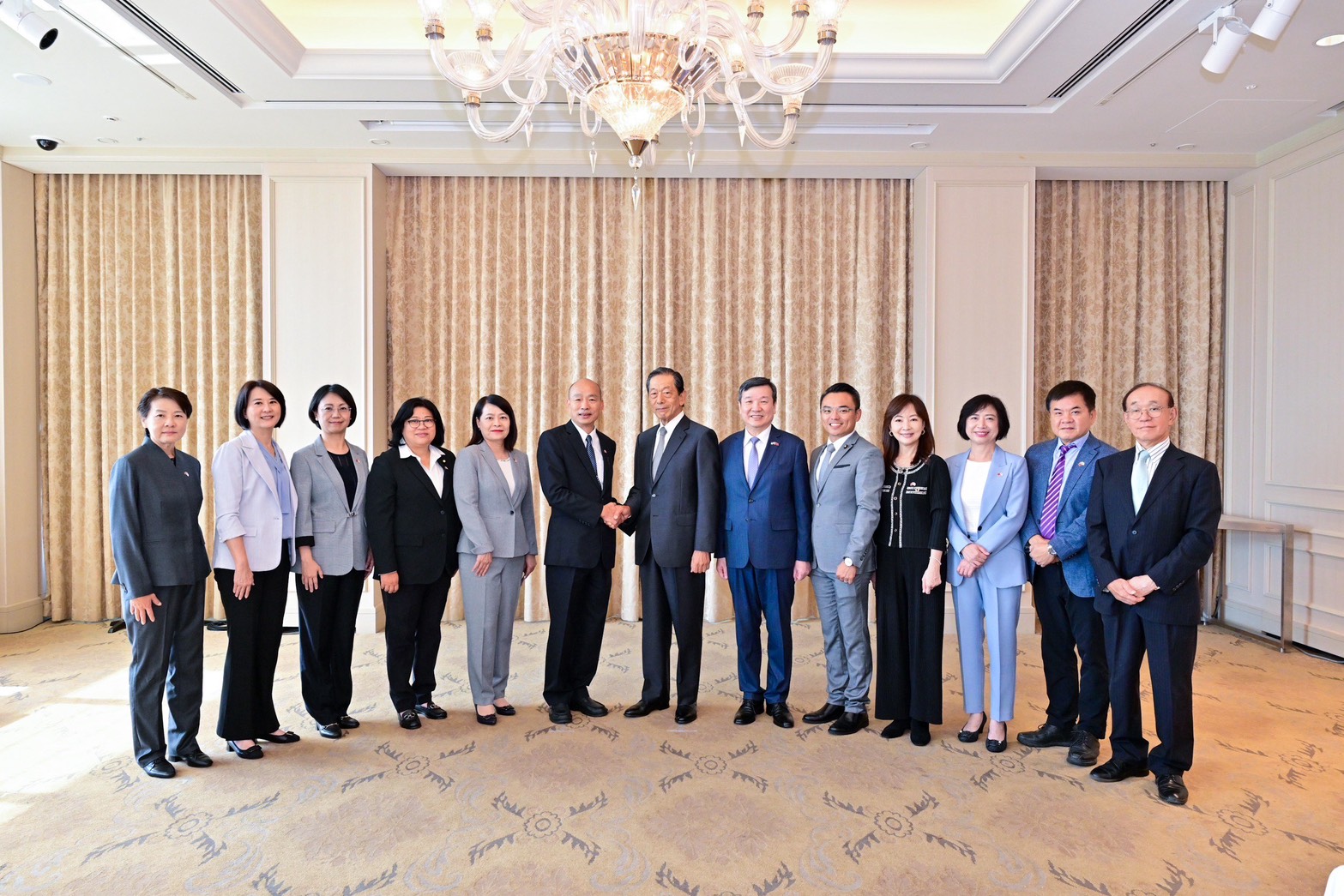
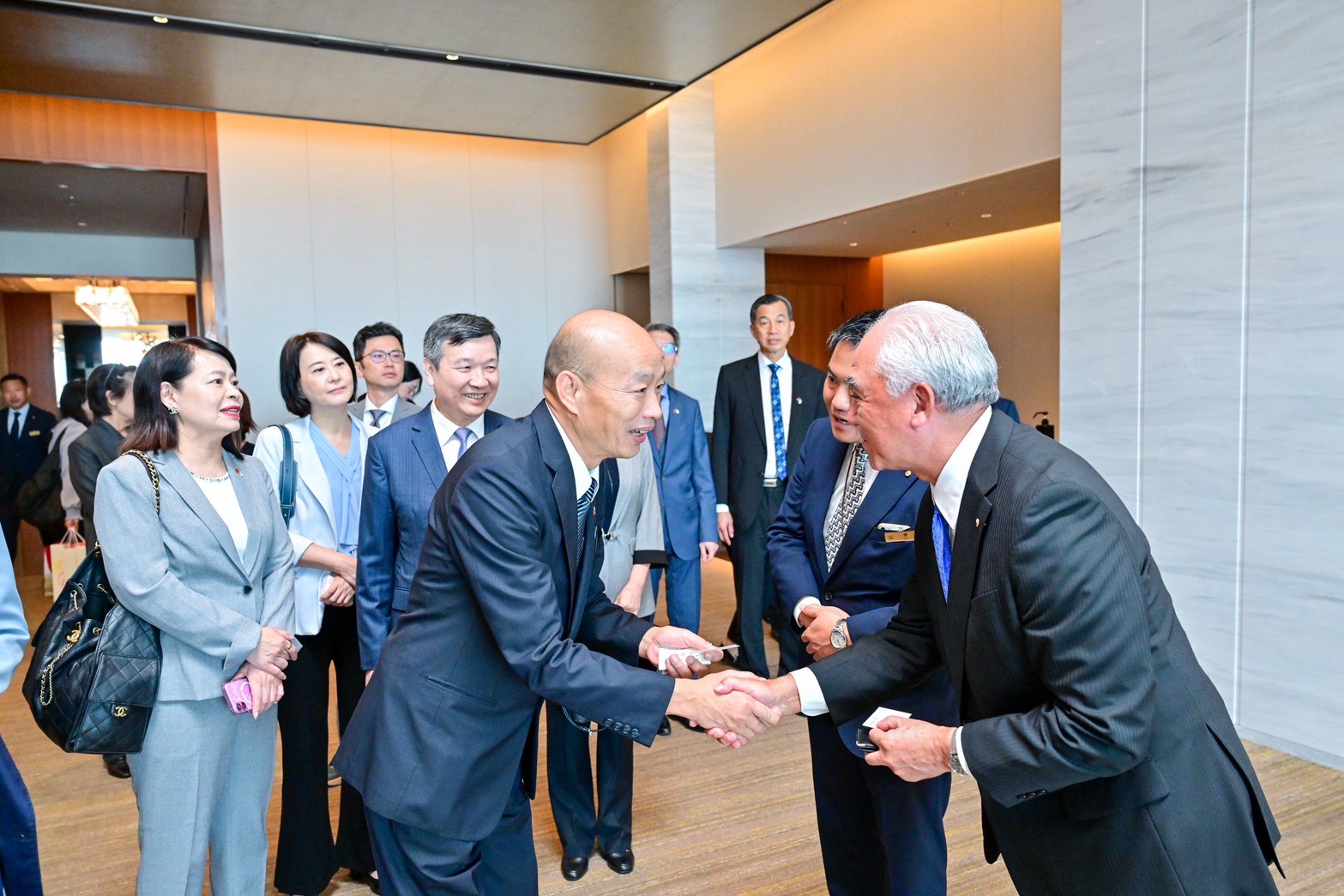
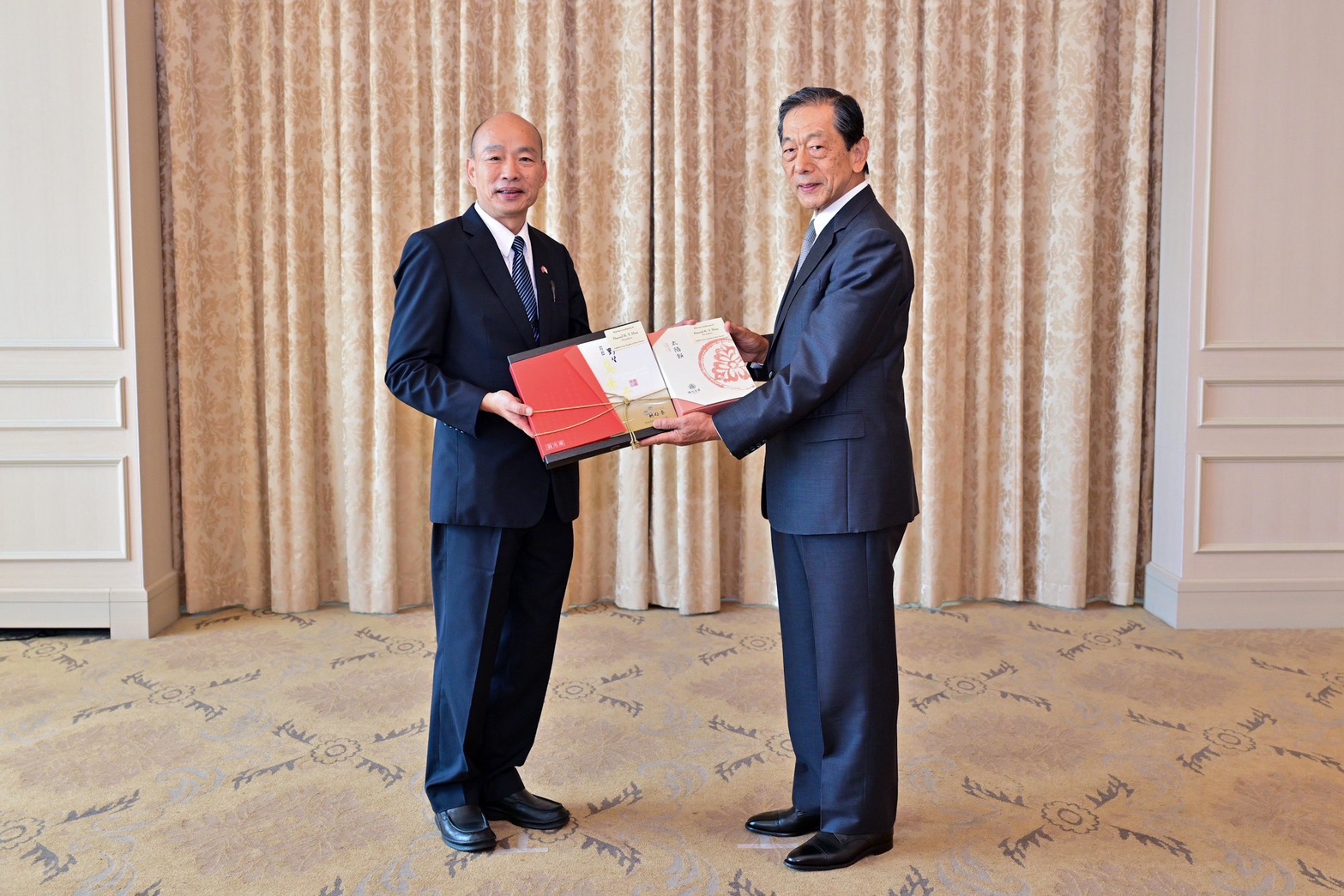
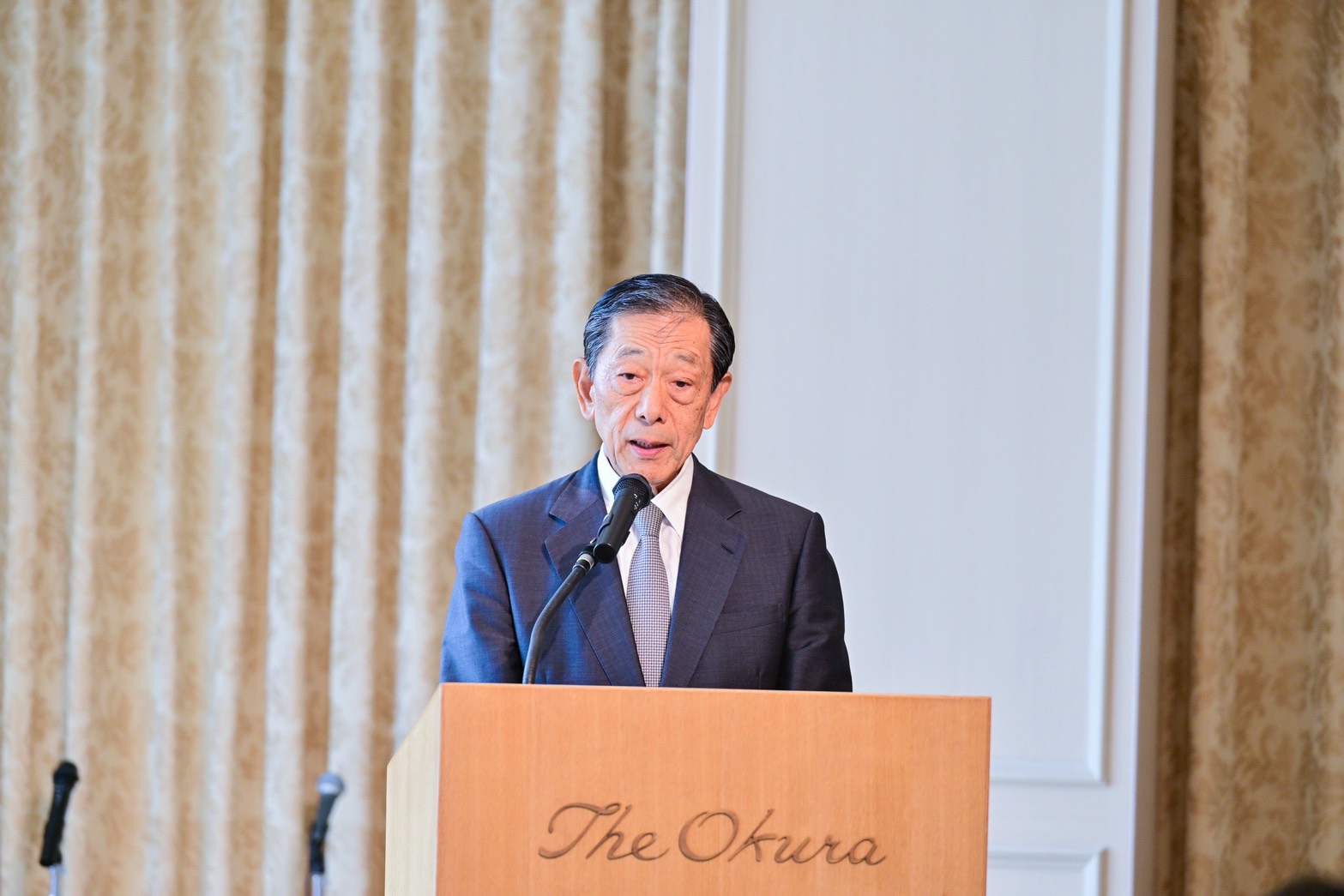
Following the tour, the delegation proceeded to the Okura Tokyo Hotel for a welcome luncheon hosted by Chairman SUMI, with Representative Lee also in attendance. Before the luncheon began, both sides exchanged gifts and took commemorative photos. In his remarks, Chairman SUMI warmly welcomed President HAN’s first major cross-party parliamentary visit to Japan in his capacity as Legislative Yuan President, noting the importance of exchanging views with Japanese political leaders on disaster prevention technology, environmental protection, energy, tourism, and culture. Chairman SUMI emphasized that as Chairman of the Japan–Taiwan Exchange Association, he remains committed to advancing bilateral relations and strongly supporting inter-parliamentary exchanges between Japan and Taiwan. Chairman SUMI further mentioned that the delegation would also visit Osaka for the 2025 World Expo. He highlighted the Expo’s signature “Grand Roof,” the world’s largest structure showcasing advanced wooden architectural technology, and noted that Taiwan’s “Tech World” pavilion is among the most popular exhibits, often drawing long lines. Chairman SUMI remarked that the seaside setting of the Expo grounds will surely leave a lasting impression and wished the delegation a successful and fruitful visit.
Chairman SUMI continued by noting that the current international environment is increasingly unstable, placing democratic, liberal, and rule-of-law values under considerable strain. He added that Japan’s LDP presidential election will take place on October 4, and while the outcome remains uncertain, he expressed strong confidence that Japan’s support for Taiwan and the enduring friendship between both sides will remain unwavering regardless of the result. Chairman SUMI emphasized the significance of President HAN’s visit and stated that he would keep on working to deepen Taiwan–Japan relations.
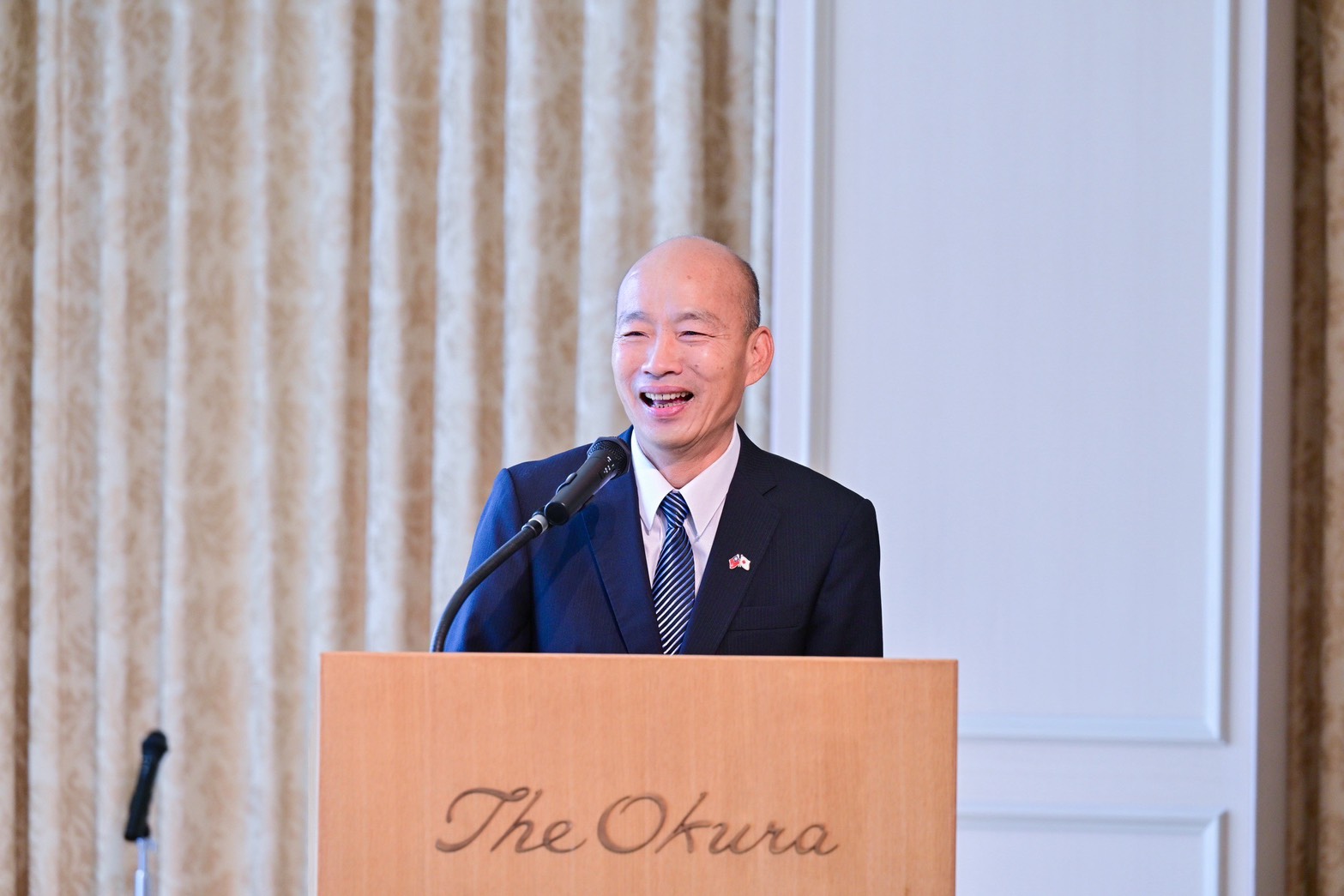
In his remarks, President HAN expressed his sincere appreciation to Chairman SUMI for the warm hospitality. He noted that this is his first major cross-party parliamentary diplomacy mission since assuming office as Legislative Yuan President, and choosing Japan as the first destination underscores the Legislative Yuan’s strong cross-partisan emphasis on Taiwan–Japan relations. Since its establishment in 1972, he added, the Japan-Taiwan Exchange Association has contributed to Taiwan–Japan relations for over half a century, continuously promoting exchange and cooperation between both nations across all sectors. President HAN highlighted the latest survey by the Japan–Taiwan Exchange Association, showing that 81% of Taiwanese people feel a sense of closeness toward Japan, while 77% of Japanese feel a sense of affinity for Taiwan—clear evidence of the strength and closeness of bilateral relations. He expressed hope that both Taiwanese legislators and government officials will continue strengthening cooperation with Japan across all sectors.
President HAN then recalled that more than 40 years ago, he visited Japan as a university student and participated in exchanges with Japanese students—a memorable experience that shaped his understanding of diplomacy’s importance. Now as head of the Legislative Yuan, President HAN pledged to fully support parliamentary diplomacy and encouraged legislators to approach diplomacy “with open hands rather than clenched fists,” and foster sincere cooperation with other nations. He concluded by once again thanking the Japan–Taiwan Exchange Association for its warm hospitality and longstanding contributions to Taiwan–Japan bilateral relations.
Before delivering his remarks, Representative Lee proposed a toast, noting that the Japan–Taiwan Exchange Association and the Taiwan–Japan Relations Association have long upheld exchanges and communication based on mutual trust and support, serving as key pillars of the bilateral friendship between both nations. He also mentioned that Japan is Taiwan’s third-largest trading partner while Taiwan is Japan’s fourth-largest, and that last year, the two-way travel volume reached 7.36 million people, and is expected to exceed eight million this year. Representative Lee also noted Japan’s warm messages of sympathy following the recent Hualien disaster. As both nations frequently face natural disasters, they have supported each other through crises and the pandemic—demonstrating a friendship proven through hardship. He expressed hope that the two sides will continue building on this foundation to bring greater benefits to their peoples.
Representative Lee then invited all guests to raise their glasses and officially begin the luncheon. The occasion was marked by warm hospitality, friendly exchanges, and commemorative photos, with a relaxed and cheerful atmosphere prevailing throughout. The luncheon lasted about two hours and ended on a successful note.
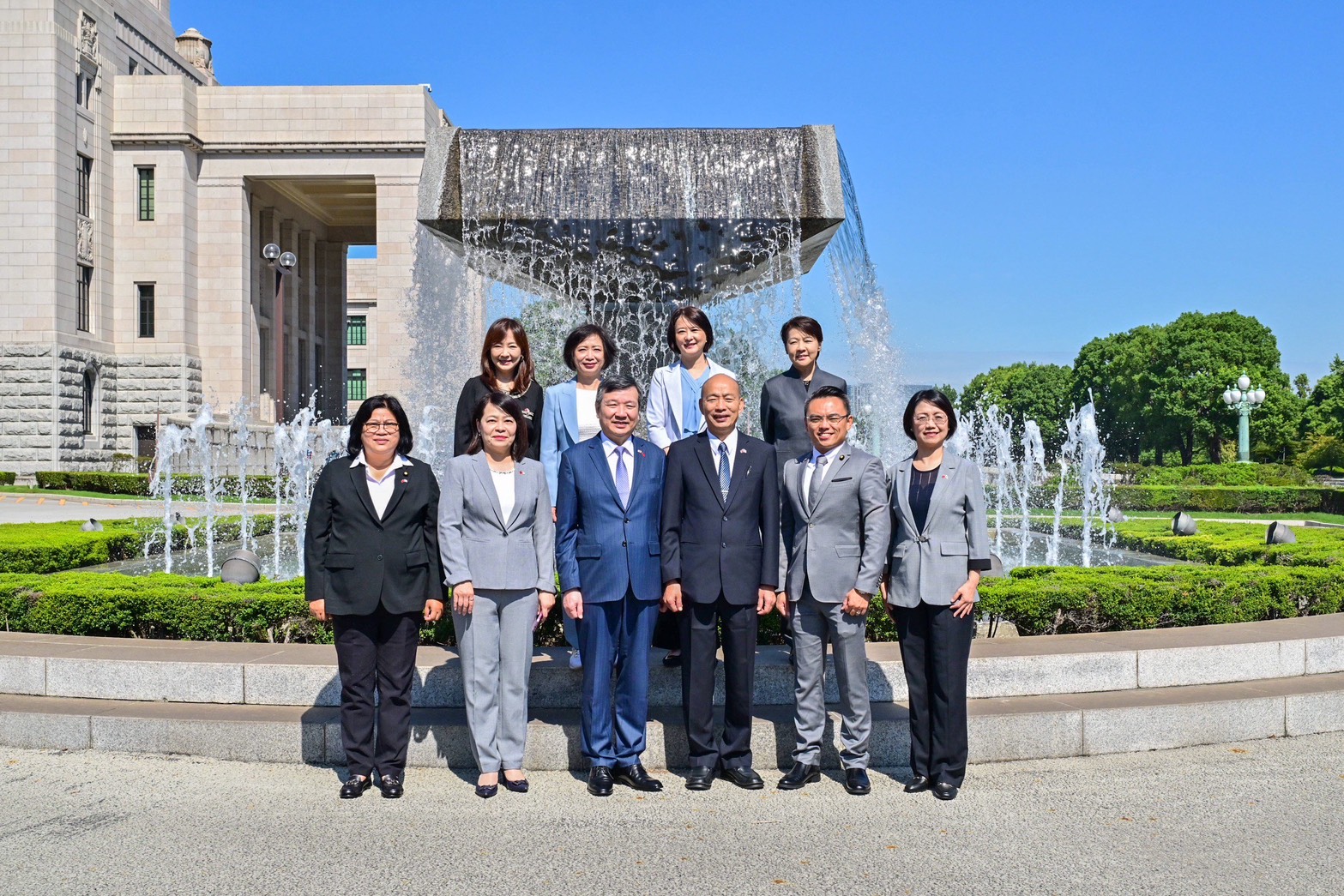
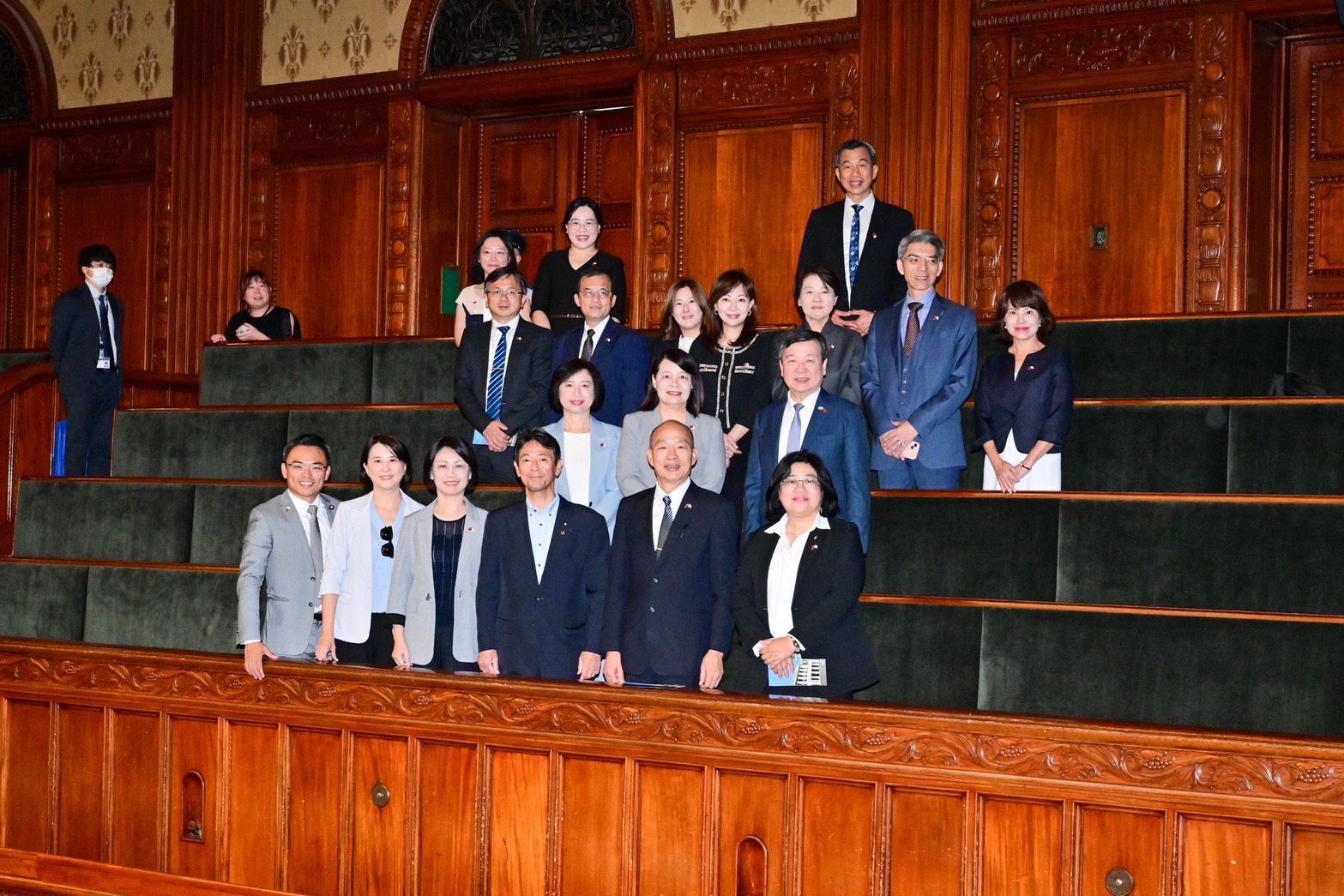
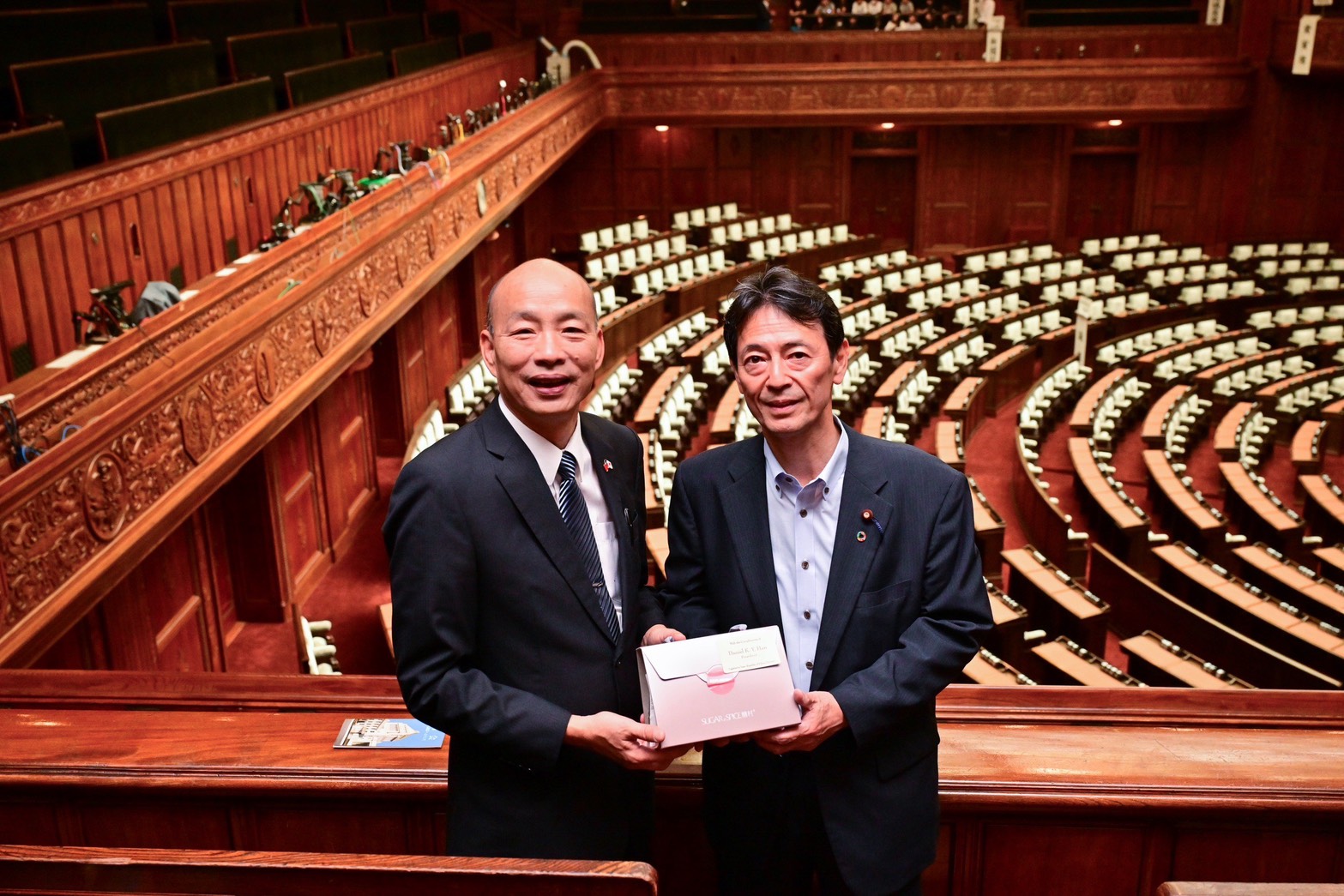
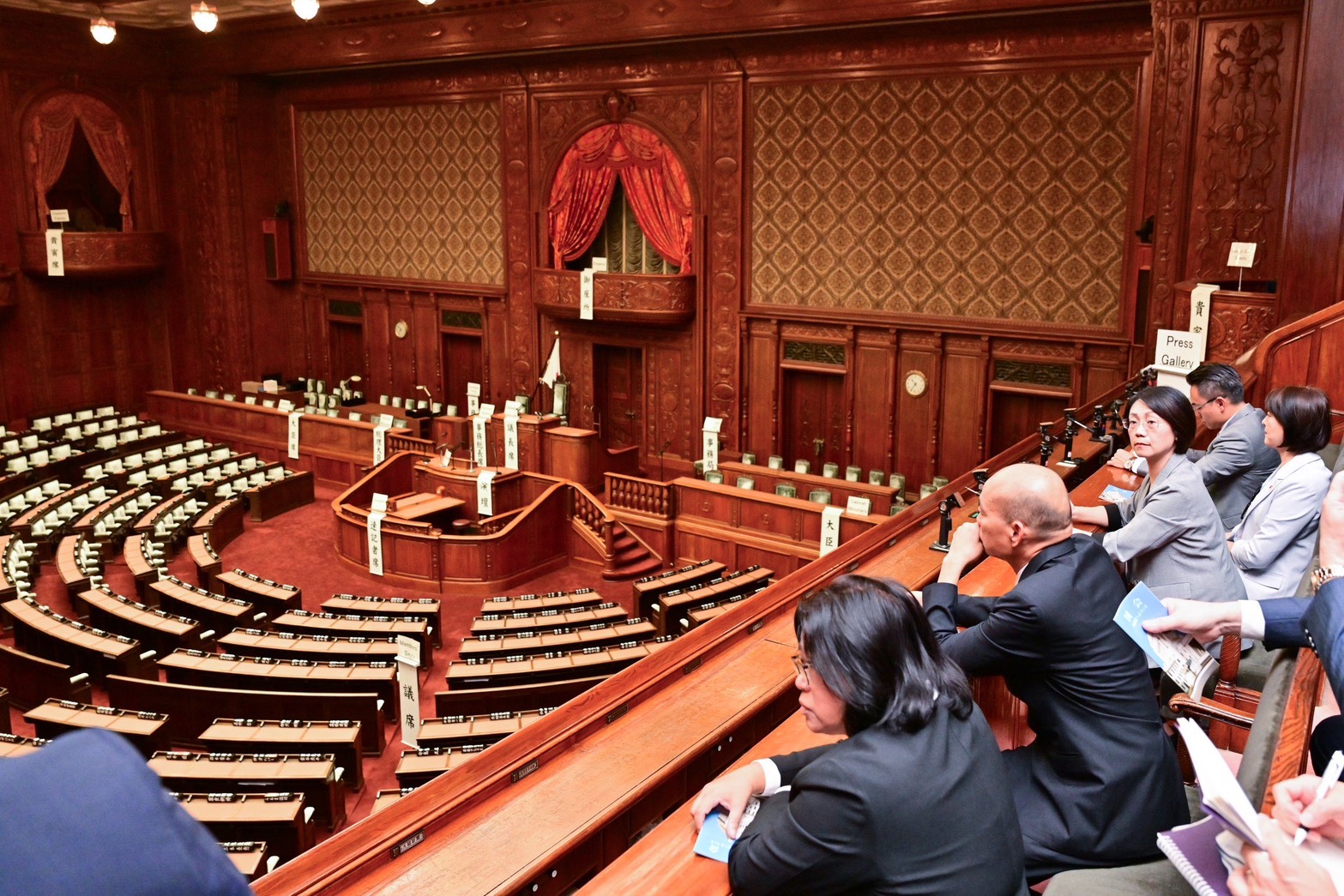
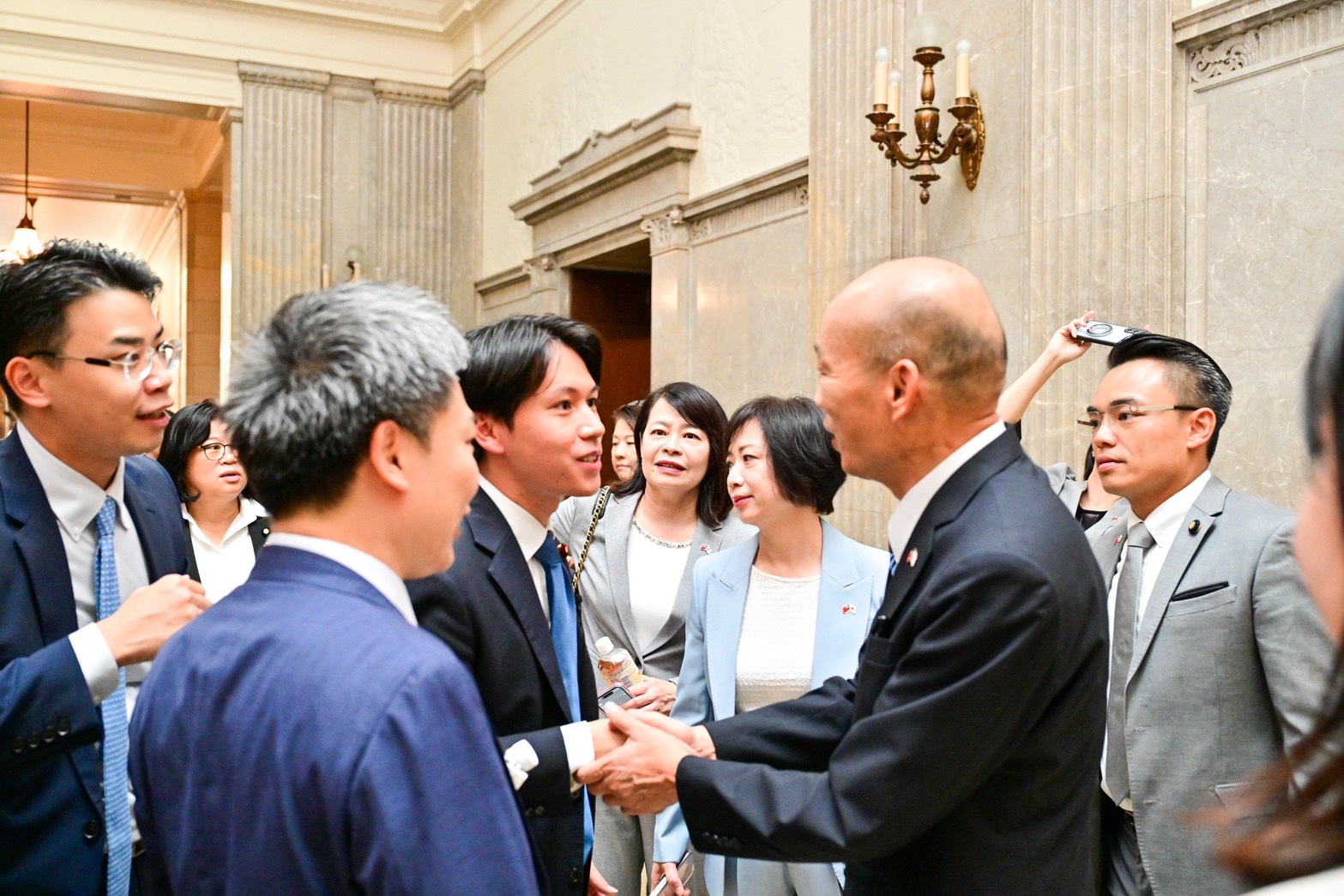
Upon arrival at the National Diet Building, the delegation took a commemorative group photo before being guided by staff from the House of Representatives’ International Affairs Bureau. The delegation’s first stop was the guest observation seats in the Chamber of the House of Representatives, where they learned about parliamentary procedures and seating arrangements. During the visit, LDP Diet Member Shozo KUDO appeared on behalf of Keiji FURUYA, Chairman of the Japan–ROC Diet Members’ Consultative Council, to greet President HAN and respond to the visiting legislators’ inquiries. The delegation then toured the Standing Committee rooms, the LDP caucus meeting room, and the central plaza of the Diet, gaining deeper insights into the history, legislative proceedings, and architectural features of the Japanese parliament. By chance, they also met Diet Member Ozora KOKI, the youngest member of the National Diet, to whom President HAN presented a Taiwan–Japan flag lapel pin and personally affixed it, symbolizing the strong friendship between the legislatures of both nations.
Following the tour, the delegation proceeded to the Okura Tokyo Hotel for a welcome luncheon hosted by Chairman SUMI, with Representative Lee also in attendance. Before the luncheon began, both sides exchanged gifts and took commemorative photos. In his remarks, Chairman SUMI warmly welcomed President HAN’s first major cross-party parliamentary visit to Japan in his capacity as Legislative Yuan President, noting the importance of exchanging views with Japanese political leaders on disaster prevention technology, environmental protection, energy, tourism, and culture. Chairman SUMI emphasized that as Chairman of the Japan–Taiwan Exchange Association, he remains committed to advancing bilateral relations and strongly supporting inter-parliamentary exchanges between Japan and Taiwan. Chairman SUMI further mentioned that the delegation would also visit Osaka for the 2025 World Expo. He highlighted the Expo’s signature “Grand Roof,” the world’s largest structure showcasing advanced wooden architectural technology, and noted that Taiwan’s “Tech World” pavilion is among the most popular exhibits, often drawing long lines. Chairman SUMI remarked that the seaside setting of the Expo grounds will surely leave a lasting impression and wished the delegation a successful and fruitful visit.
Chairman SUMI continued by noting that the current international environment is increasingly unstable, placing democratic, liberal, and rule-of-law values under considerable strain. He added that Japan’s LDP presidential election will take place on October 4, and while the outcome remains uncertain, he expressed strong confidence that Japan’s support for Taiwan and the enduring friendship between both sides will remain unwavering regardless of the result. Chairman SUMI emphasized the significance of President HAN’s visit and stated that he would keep on working to deepen Taiwan–Japan relations.
In his remarks, President HAN expressed his sincere appreciation to Chairman SUMI for the warm hospitality. He noted that this is his first major cross-party parliamentary diplomacy mission since assuming office as Legislative Yuan President, and choosing Japan as the first destination underscores the Legislative Yuan’s strong cross-partisan emphasis on Taiwan–Japan relations. Since its establishment in 1972, he added, the Japan-Taiwan Exchange Association has contributed to Taiwan–Japan relations for over half a century, continuously promoting exchange and cooperation between both nations across all sectors. President HAN highlighted the latest survey by the Japan–Taiwan Exchange Association, showing that 81% of Taiwanese people feel a sense of closeness toward Japan, while 77% of Japanese feel a sense of affinity for Taiwan—clear evidence of the strength and closeness of bilateral relations. He expressed hope that both Taiwanese legislators and government officials will continue strengthening cooperation with Japan across all sectors.
President HAN then recalled that more than 40 years ago, he visited Japan as a university student and participated in exchanges with Japanese students—a memorable experience that shaped his understanding of diplomacy’s importance. Now as head of the Legislative Yuan, President HAN pledged to fully support parliamentary diplomacy and encouraged legislators to approach diplomacy “with open hands rather than clenched fists,” and foster sincere cooperation with other nations. He concluded by once again thanking the Japan–Taiwan Exchange Association for its warm hospitality and longstanding contributions to Taiwan–Japan bilateral relations.
Before delivering his remarks, Representative Lee proposed a toast, noting that the Japan–Taiwan Exchange Association and the Taiwan–Japan Relations Association have long upheld exchanges and communication based on mutual trust and support, serving as key pillars of the bilateral friendship between both nations. He also mentioned that Japan is Taiwan’s third-largest trading partner while Taiwan is Japan’s fourth-largest, and that last year, the two-way travel volume reached 7.36 million people, and is expected to exceed eight million this year. Representative Lee also noted Japan’s warm messages of sympathy following the recent Hualien disaster. As both nations frequently face natural disasters, they have supported each other through crises and the pandemic—demonstrating a friendship proven through hardship. He expressed hope that the two sides will continue building on this foundation to bring greater benefits to their peoples.
Representative Lee then invited all guests to raise their glasses and officially begin the luncheon. The occasion was marked by warm hospitality, friendly exchanges, and commemorative photos, with a relaxed and cheerful atmosphere prevailing throughout. The luncheon lasted about two hours and ended on a successful note.