

Vice President Dr. Johnny C. Chiang leads cross-party delegation to U.S. and Paraguay, meets Paraguay President Santiago Peña and observes Taiwan-Paraguay Cooperation Project on fourth day of trip; Vice President Chiang: Heartwarming and quintessentially Taiwanese educational and medical projects fortify our bonds as allies
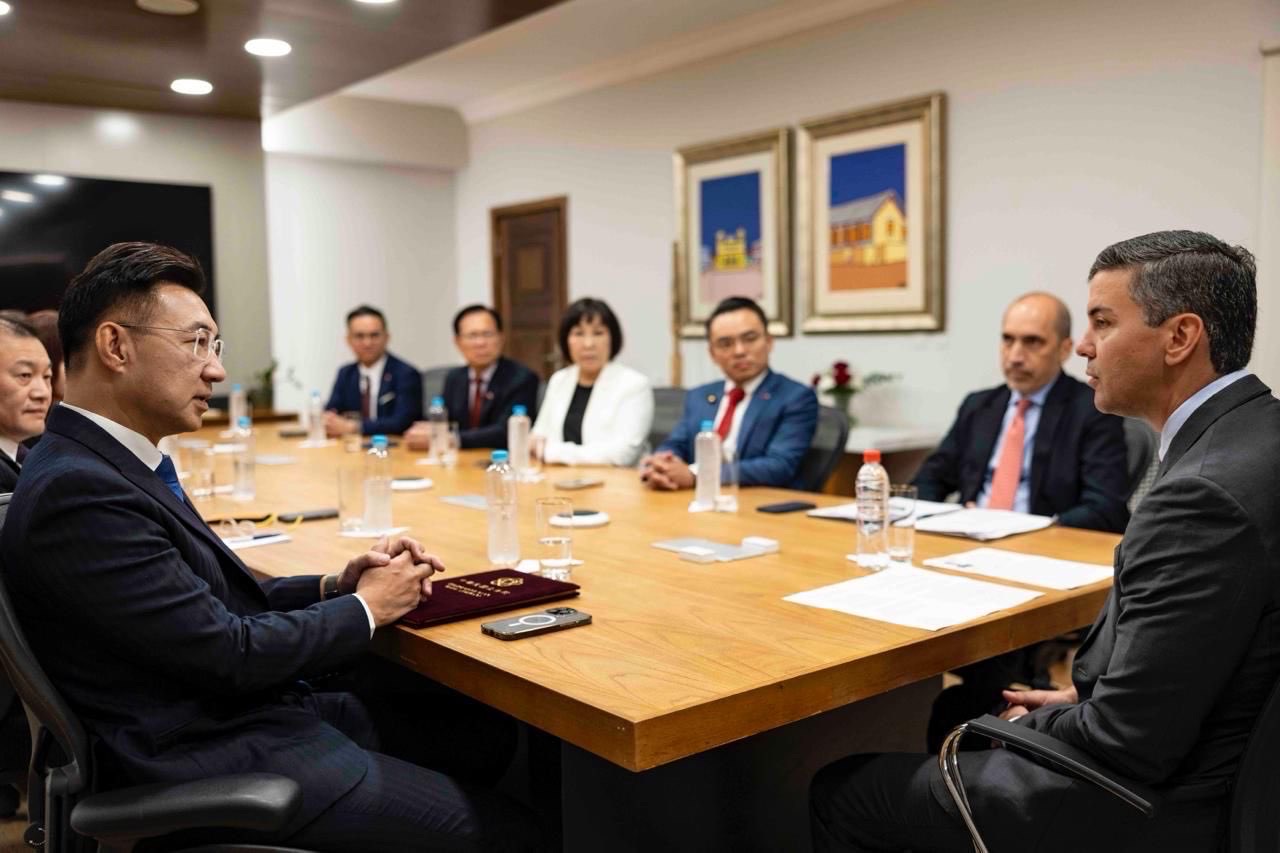
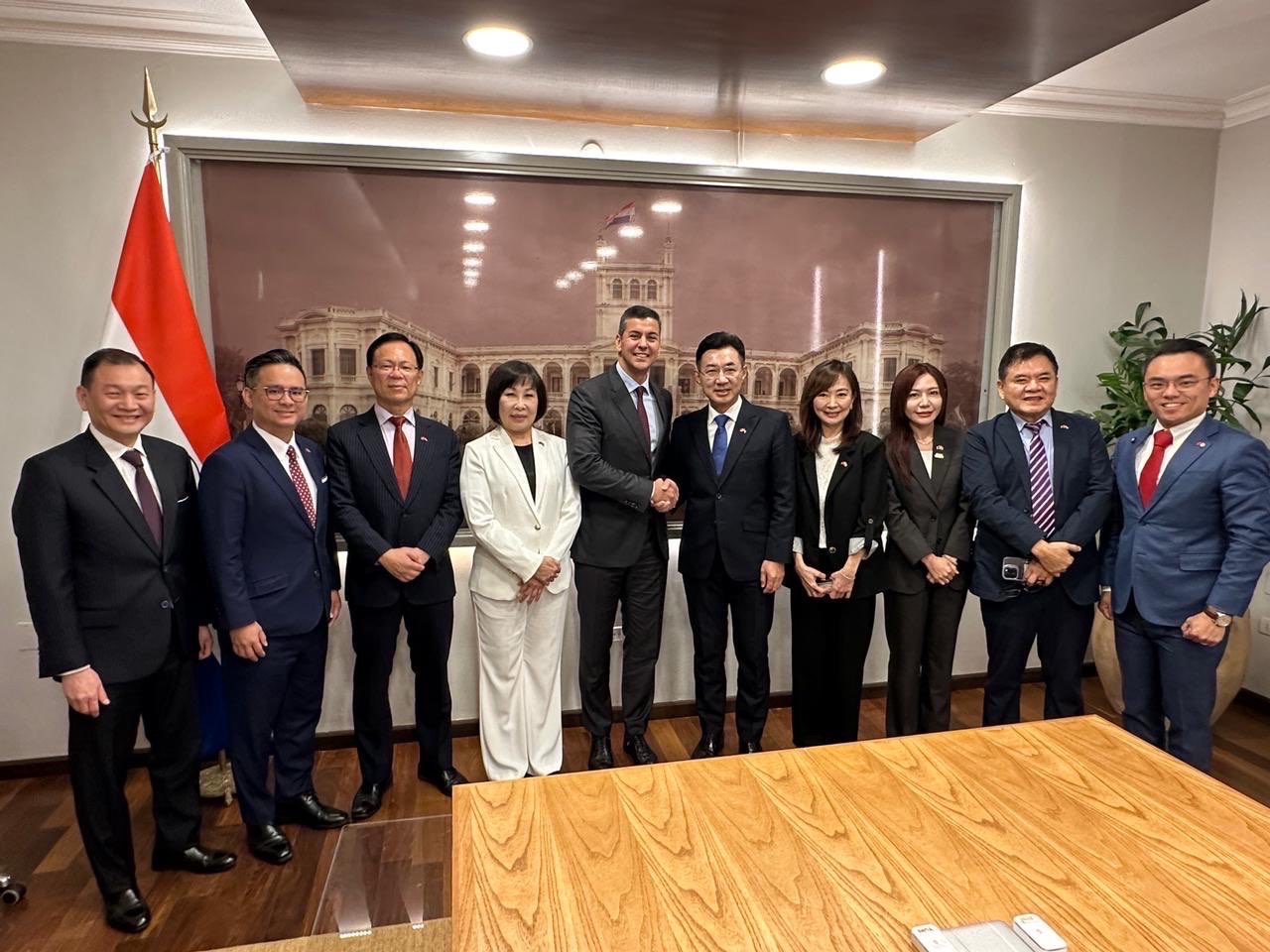
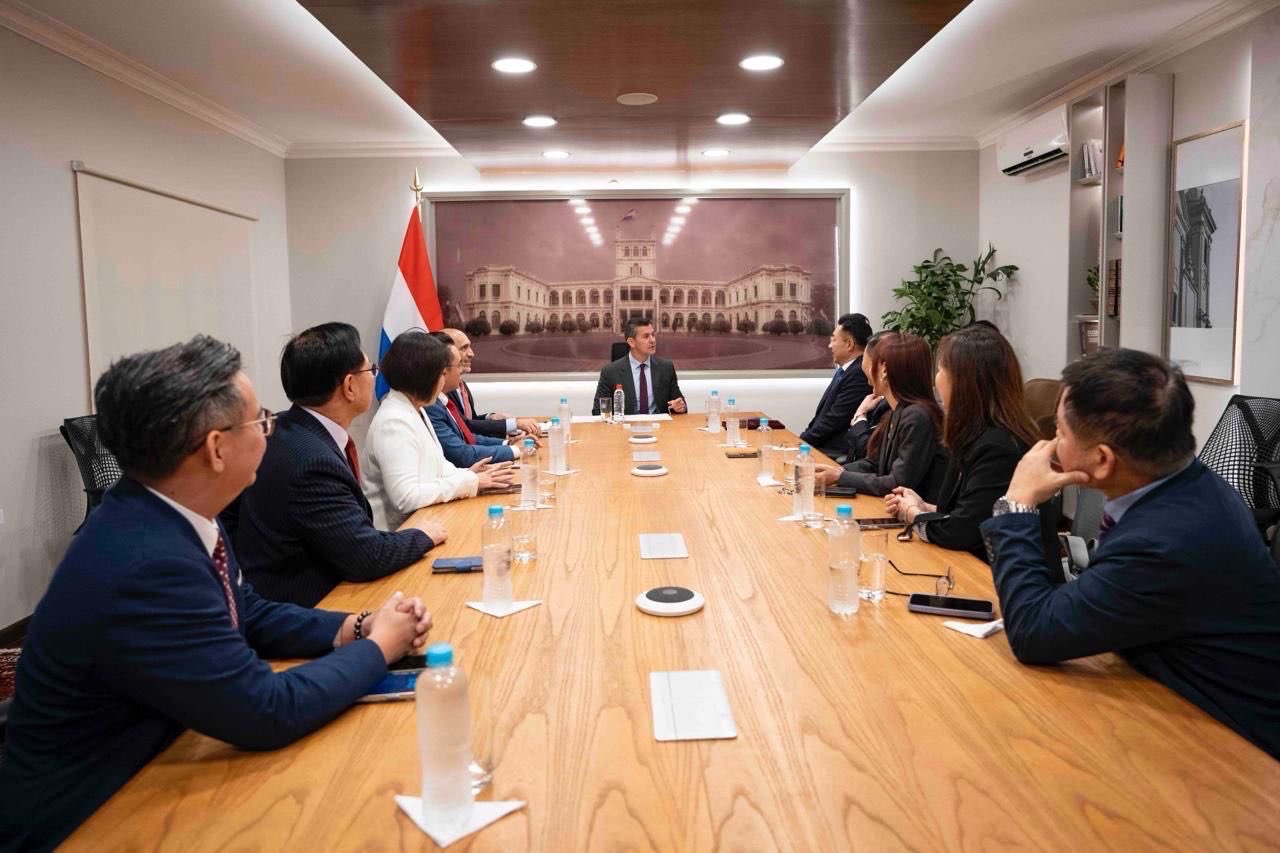
Legislative Yuan Vice President Dr. Johnny C. Chiang (江啟臣) and the delegation from Taiwan were warmly received by President Santiago Peña at the official presidential residence this morning (Nov 19). President Peña shed light on Paraguay’s history and foreign policies, and how Paraguay and Taiwan similarly face many difficulties and challenges. Therefore, both countries deeply cherish the values of autonomy, freedom, and democracy. He stressed that Taiwan-Paraguay relations are underpinned by common values chosen by both countries. Such relations are not only just, but will also withstand the test of time. Furthermore, the economies, trade, and industries of the two countries are highly complementary. He expressed his hope that Taiwan businesses would capitalize on the unique advantages and growth potential that Paraguay offers to realize common benefits.
Vice President Chiang responded by thanking President Peña for advocating for Taiwan in international events. He also encouraged economic cooperation that leverages the complementary strengths of both countries. Lastly, he invited President Peña to visit Taiwan again so that he could return the hospitality and showcase the friendliness of the Taiwanese people.
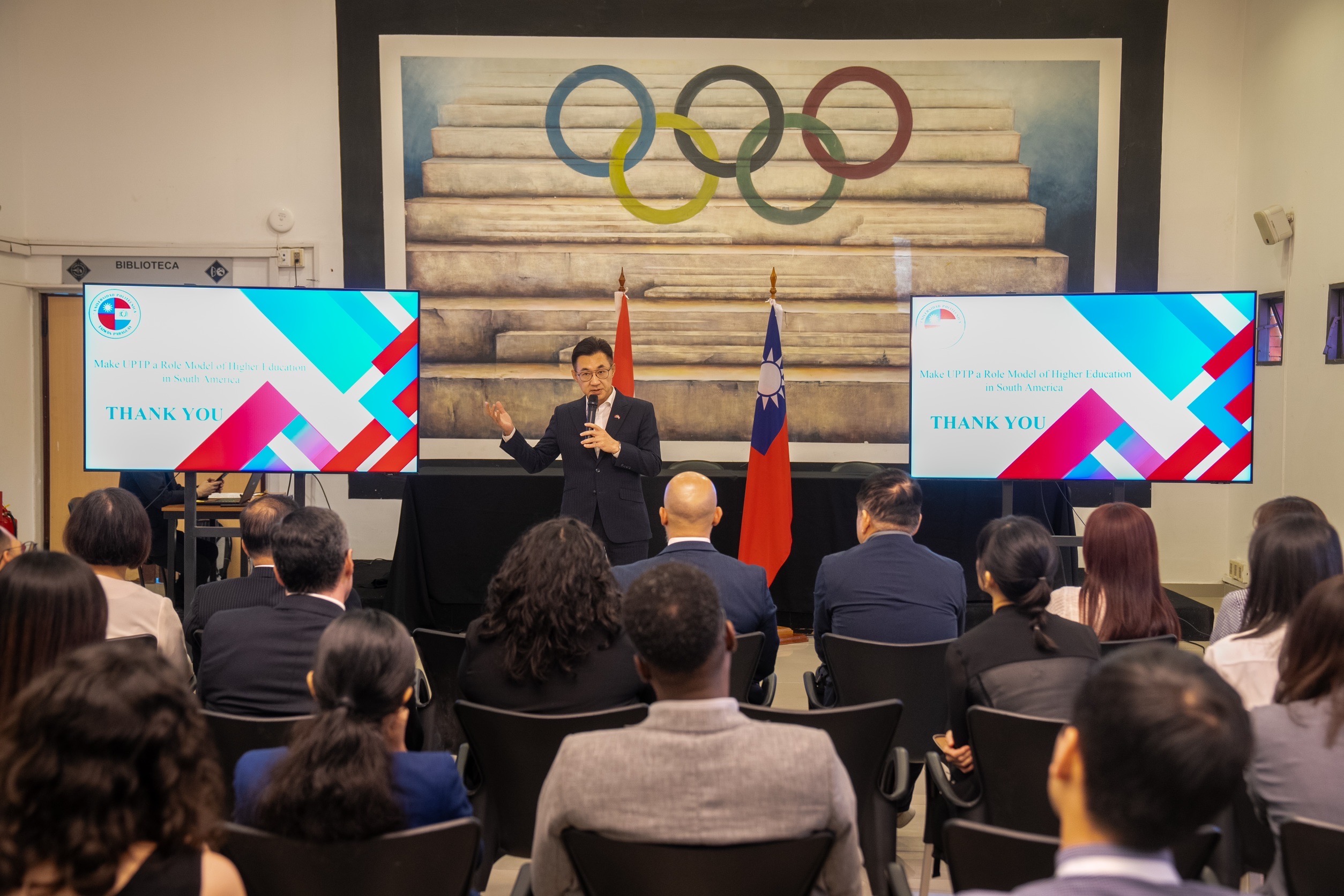
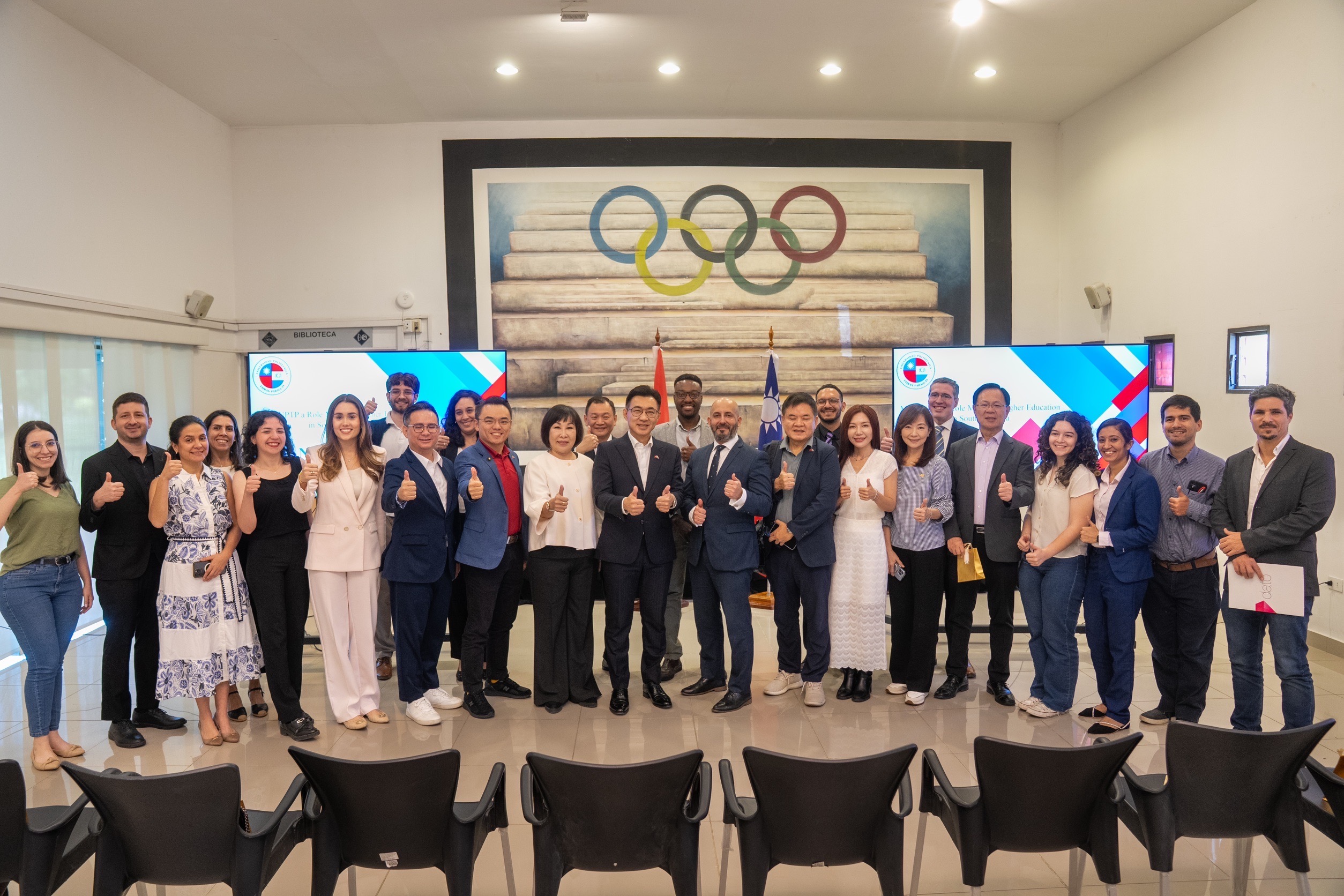
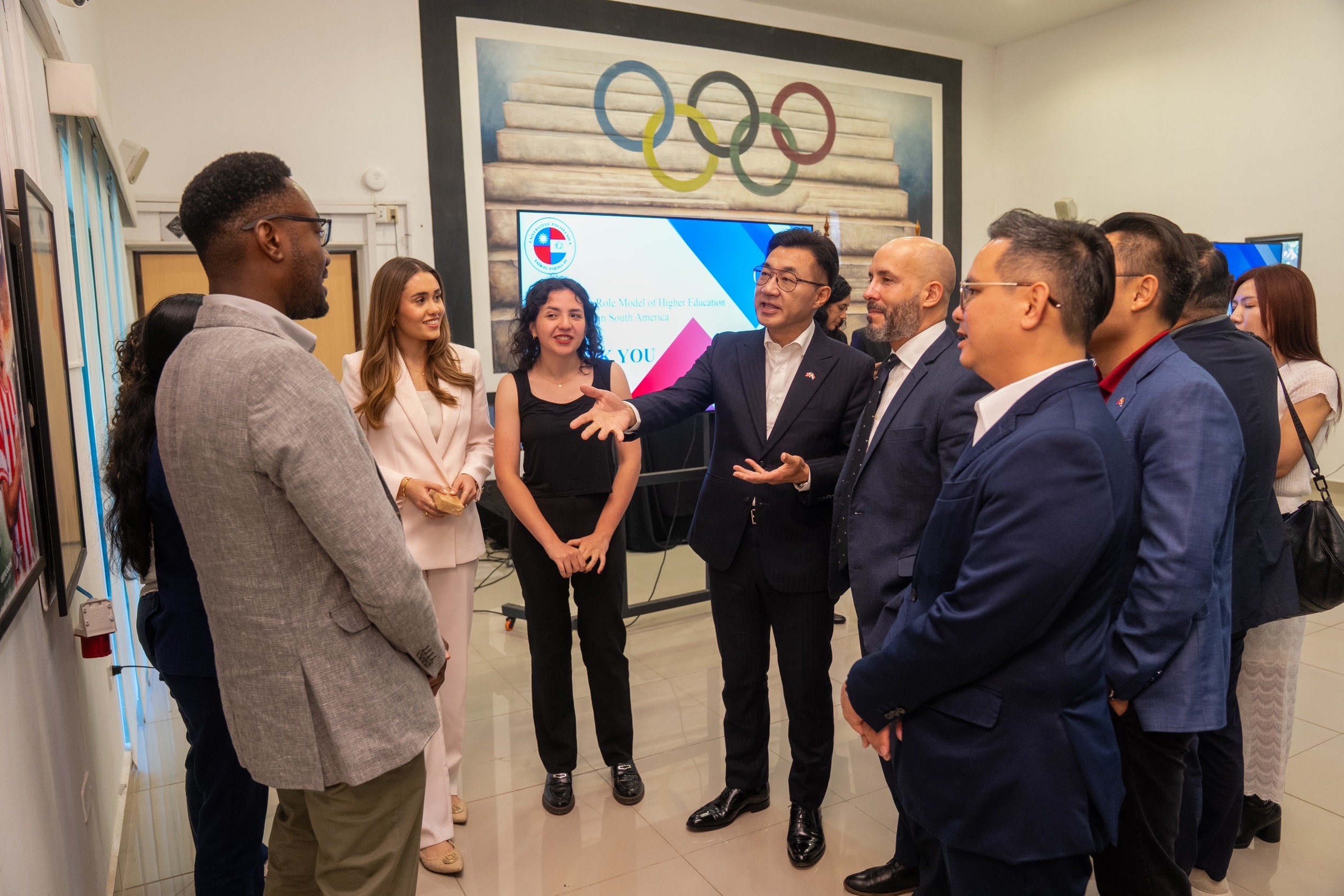
In the same afternoon, the delegation visited the Taiwan-Paraguay Polytechnic University (UPTP). As the campus was under construction, the event was held at the Comité Olímpico Paraguayo (COP) campus nearby, during which the cooperation results of Taiwan and Paraguay in higher education were presented in English. Rector Jorge Duarte introduced the vision of the university to the delegation, followed by students, graduates and corporate representatives sharing their respective experiences.
Vice President Chiang expressed his approval of this partnership in education and shared his own experience in returning to teach in Taiwan after finishing studies in the U.S. He stated his belief that teaching is the best way to impart knowledge and instill values, and that campuses are a domain for facilitating exchanges and fostering friendship. He stressed that education can change the fate of individuals and countries, as well as deepen relations. He further noted that he hopes more Paraguayan youth will come to Taiwan for further studies. A fresh graduate who was currently employed by a multinational company told Vice President Chiang that UPTP has become a popular educational choice for Paraguayan youth.
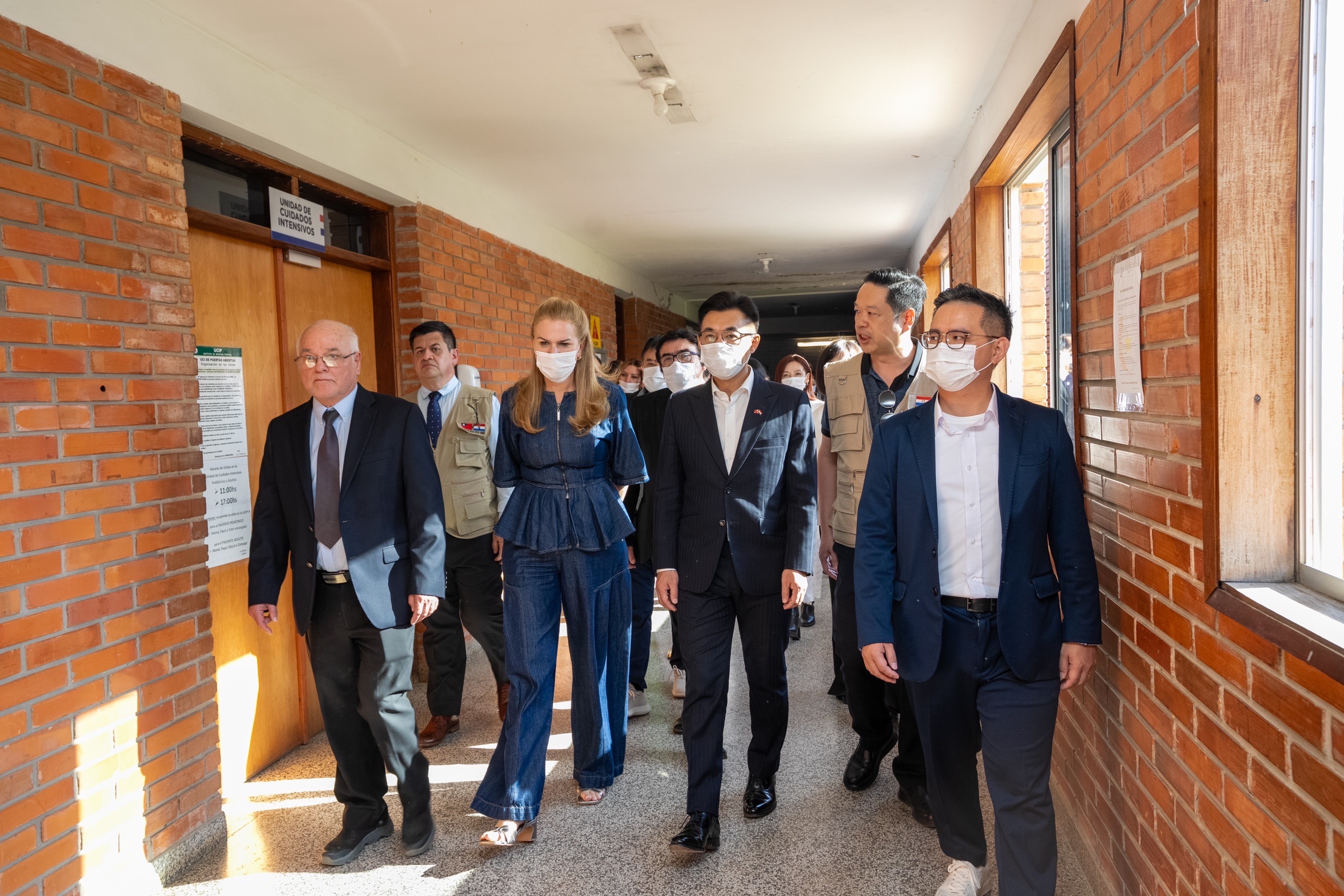
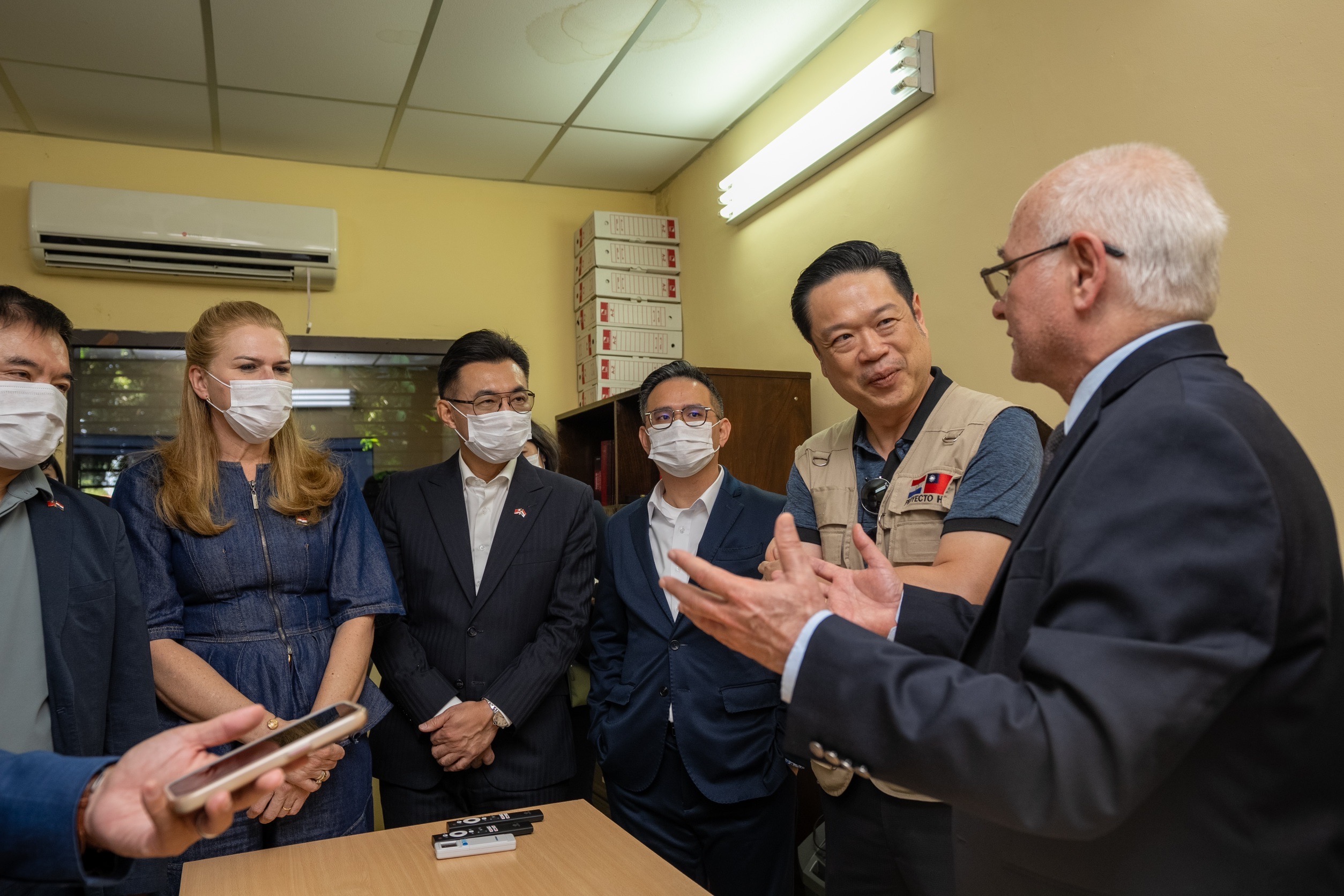
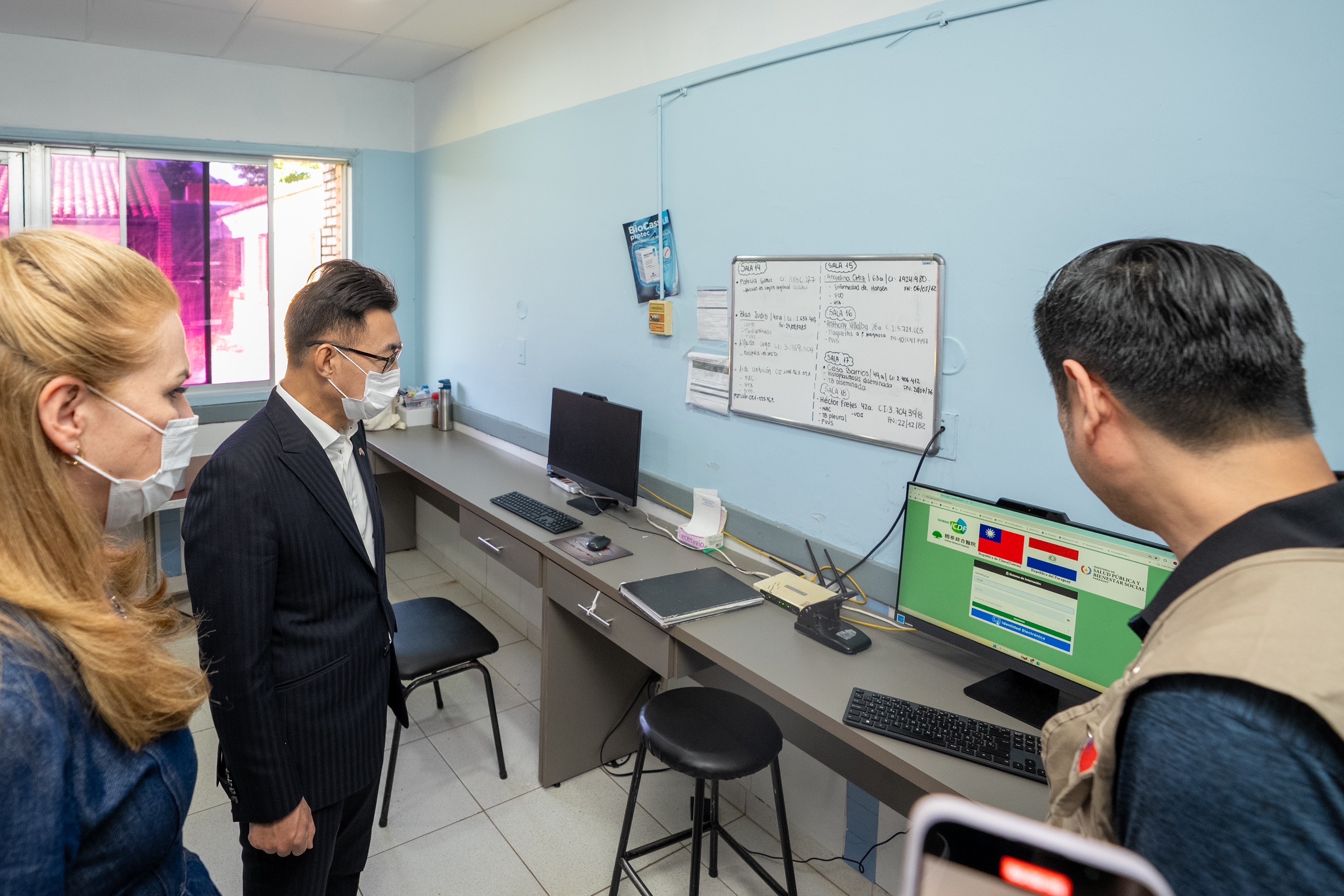
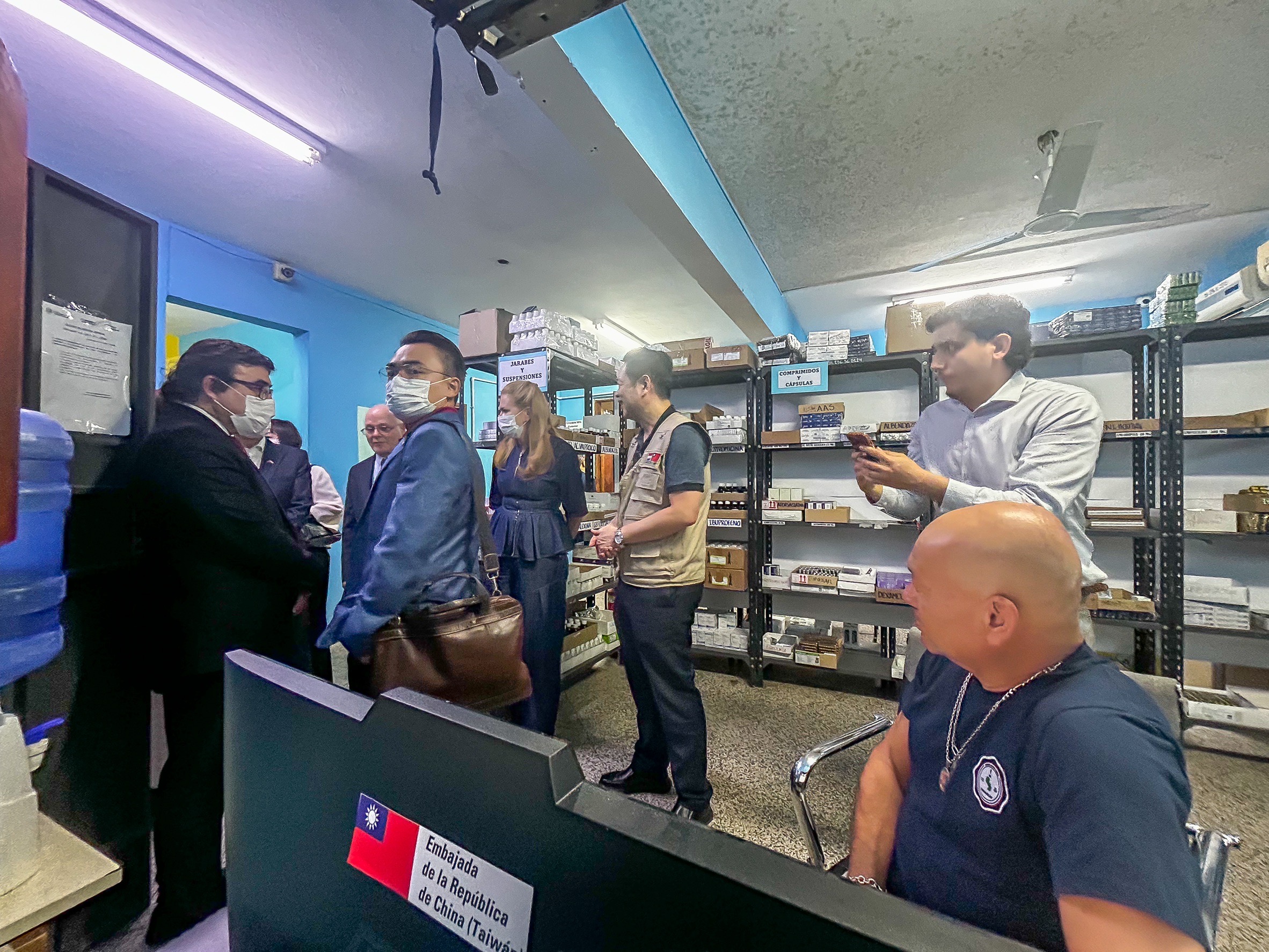
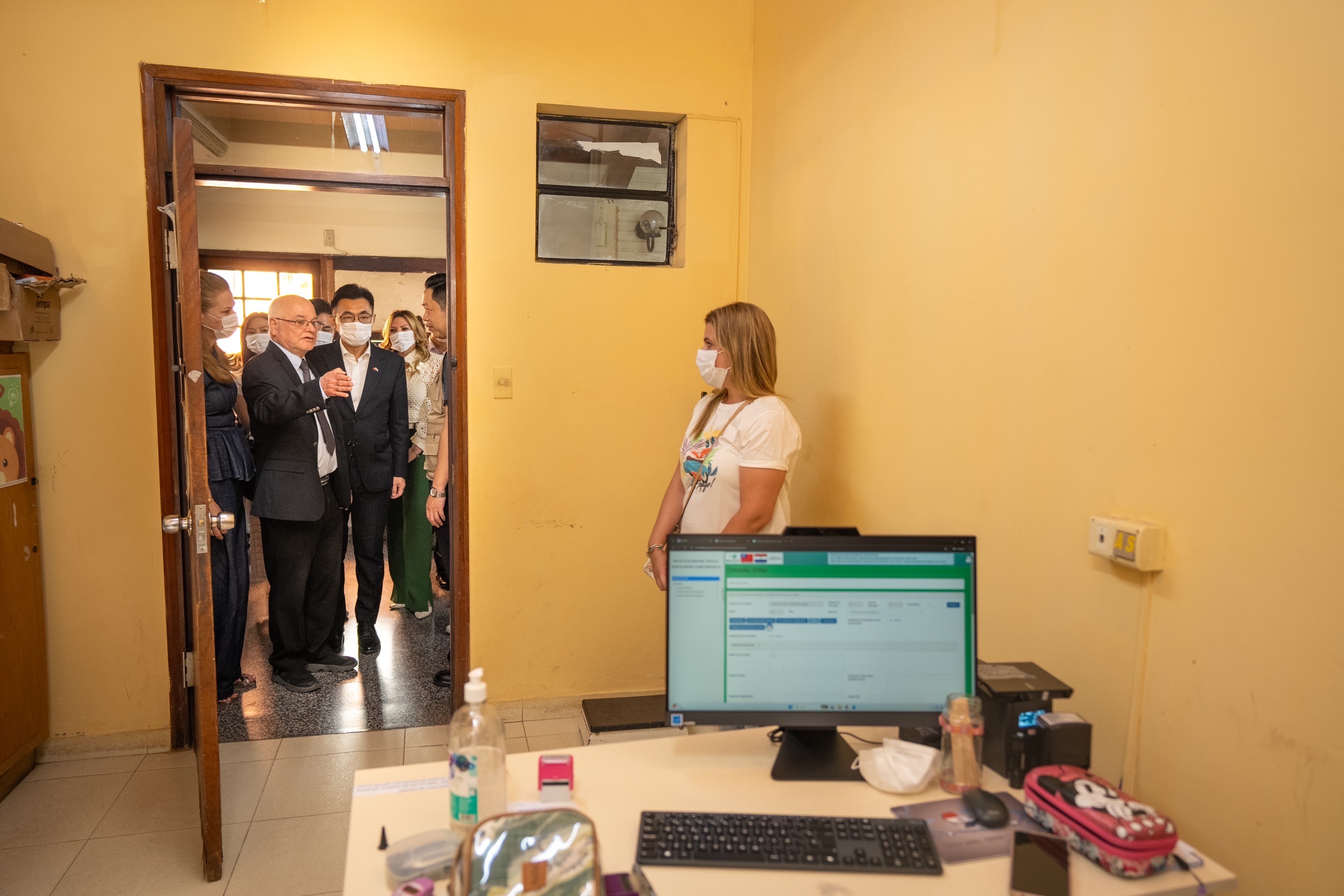
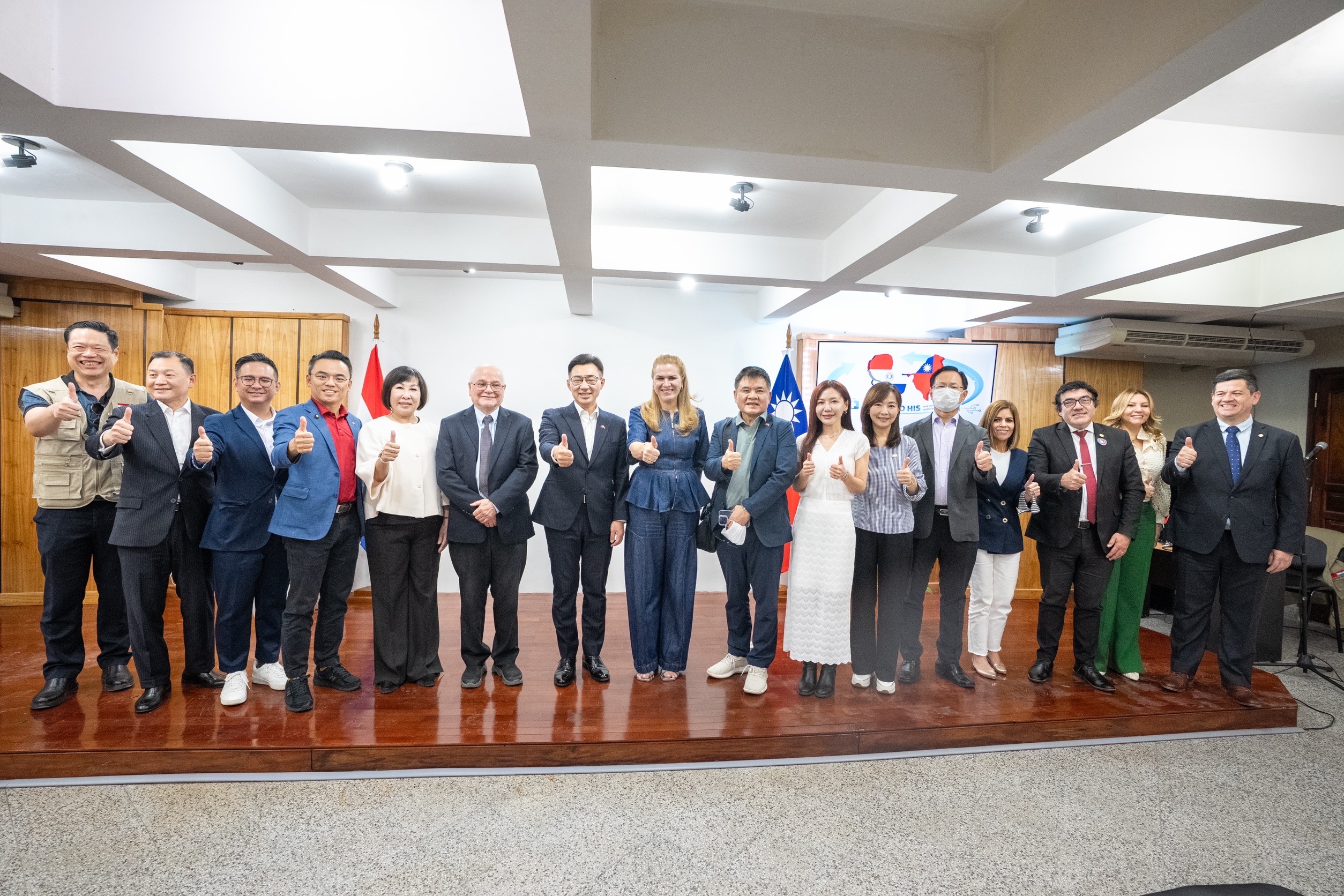
Later on, the delegation visited the Institute of Tropical Medicine (IMT) to observe the Health Information System (HIS) project in action. First, Director General Oscar Merlo showed the delegation the registration, diagnosis, and treatment areas, the nursing station, and pharmacy, as well as the operation of multiple digital systems.Next, Dr. Santiago Garcia from Paraguay’s Ministry of Public Health and Social Welfare introduced how the systems elevate the public healthcare quality and the results achieved from more transparent management. In her remarks, María Teresa Barán, Minister of Public Health and Social Welfare, spoke highly of the project and its importance to the public healthcare system of Paraguay. Furthermore, she also thanked Taiwan for making outstanding contributions in public healthcare.
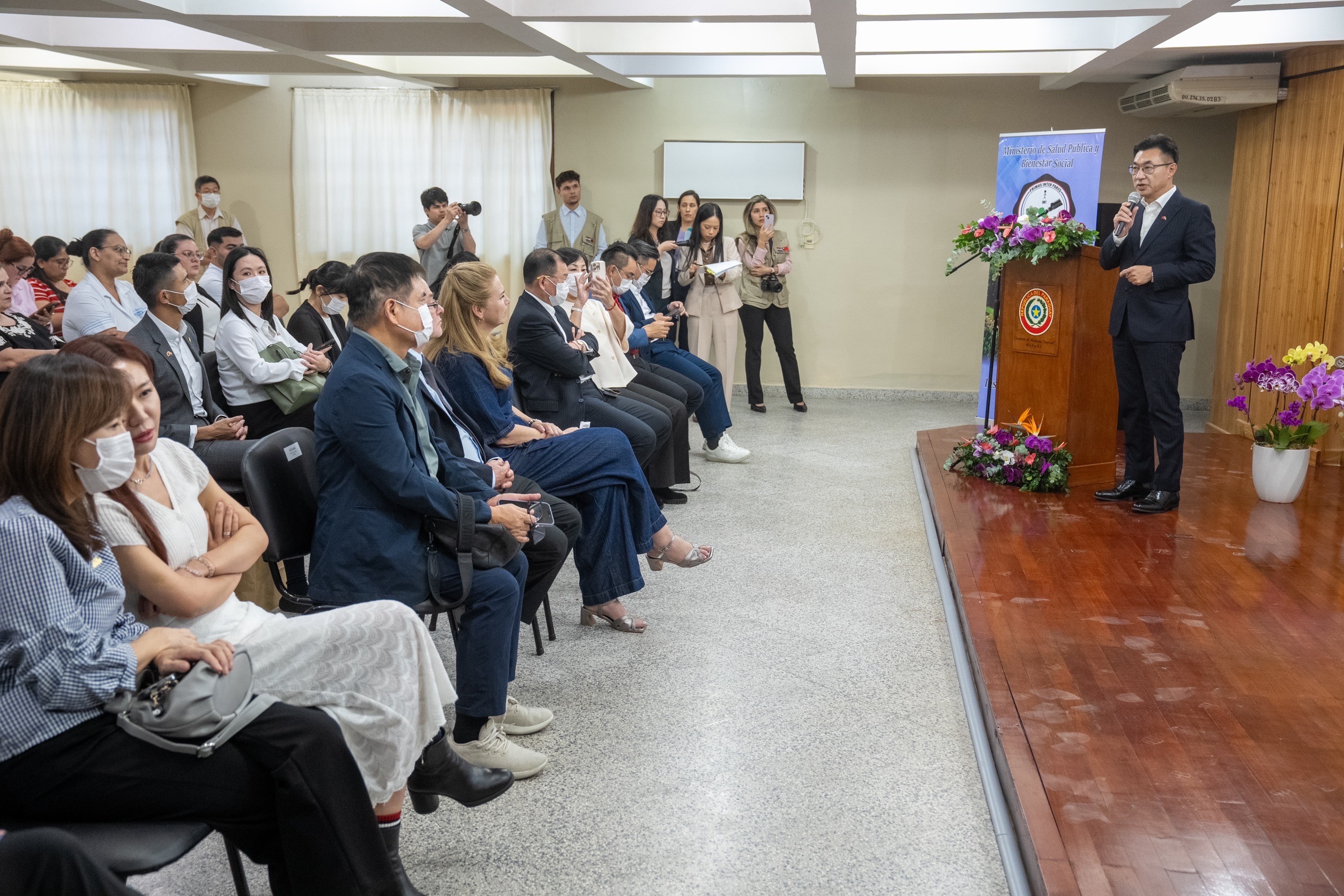
Vice President Chiang commended HIS as a model of cooperation that is “heartwarming and quintessentially Taiwanese.” He also pointed that “technologies always come from humanity,” and stressed that the medical technology should be promoted to more countries in need. He also took the opportunity to thank Minister Barán for advocating for Taiwan in international public health events. Taiwan’s advantages in the medical sector should be extended to a wider range of countries in order to uphold the universal value of right to health.
The itinerary for the day was productive and the exchanges were candid and cordial, marking the success of congressional diplomacy.
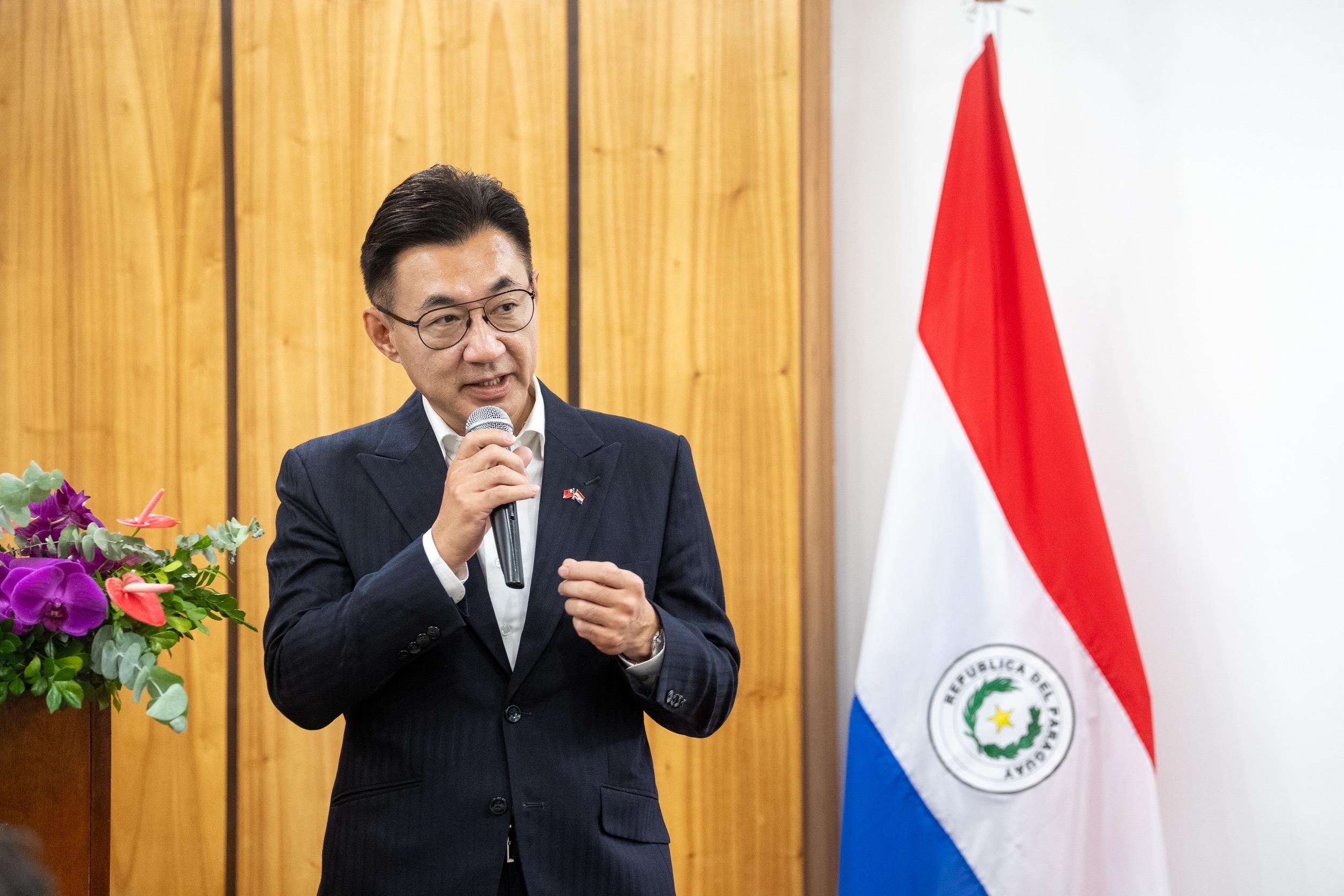
Vice President Chiang responded by thanking President Peña for advocating for Taiwan in international events. He also encouraged economic cooperation that leverages the complementary strengths of both countries. Lastly, he invited President Peña to visit Taiwan again so that he could return the hospitality and showcase the friendliness of the Taiwanese people.
In the same afternoon, the delegation visited the Taiwan-Paraguay Polytechnic University (UPTP). As the campus was under construction, the event was held at the Comité Olímpico Paraguayo (COP) campus nearby, during which the cooperation results of Taiwan and Paraguay in higher education were presented in English. Rector Jorge Duarte introduced the vision of the university to the delegation, followed by students, graduates and corporate representatives sharing their respective experiences.
Vice President Chiang expressed his approval of this partnership in education and shared his own experience in returning to teach in Taiwan after finishing studies in the U.S. He stated his belief that teaching is the best way to impart knowledge and instill values, and that campuses are a domain for facilitating exchanges and fostering friendship. He stressed that education can change the fate of individuals and countries, as well as deepen relations. He further noted that he hopes more Paraguayan youth will come to Taiwan for further studies. A fresh graduate who was currently employed by a multinational company told Vice President Chiang that UPTP has become a popular educational choice for Paraguayan youth.
Later on, the delegation visited the Institute of Tropical Medicine (IMT) to observe the Health Information System (HIS) project in action. First, Director General Oscar Merlo showed the delegation the registration, diagnosis, and treatment areas, the nursing station, and pharmacy, as well as the operation of multiple digital systems.Next, Dr. Santiago Garcia from Paraguay’s Ministry of Public Health and Social Welfare introduced how the systems elevate the public healthcare quality and the results achieved from more transparent management. In her remarks, María Teresa Barán, Minister of Public Health and Social Welfare, spoke highly of the project and its importance to the public healthcare system of Paraguay. Furthermore, she also thanked Taiwan for making outstanding contributions in public healthcare.
Vice President Chiang commended HIS as a model of cooperation that is “heartwarming and quintessentially Taiwanese.” He also pointed that “technologies always come from humanity,” and stressed that the medical technology should be promoted to more countries in need. He also took the opportunity to thank Minister Barán for advocating for Taiwan in international public health events. Taiwan’s advantages in the medical sector should be extended to a wider range of countries in order to uphold the universal value of right to health.
The itinerary for the day was productive and the exchanges were candid and cordial, marking the success of congressional diplomacy.