

Legislative Yuan President Daniel K.Y. Han receives seven-member delegation from the National Committee on American Foreign Policy (NCAFP); President Han: We hope the U.S. will gain a deeper insight into Taiwan’s vibrant freedom and democracy and continue to help increase our international visibility.
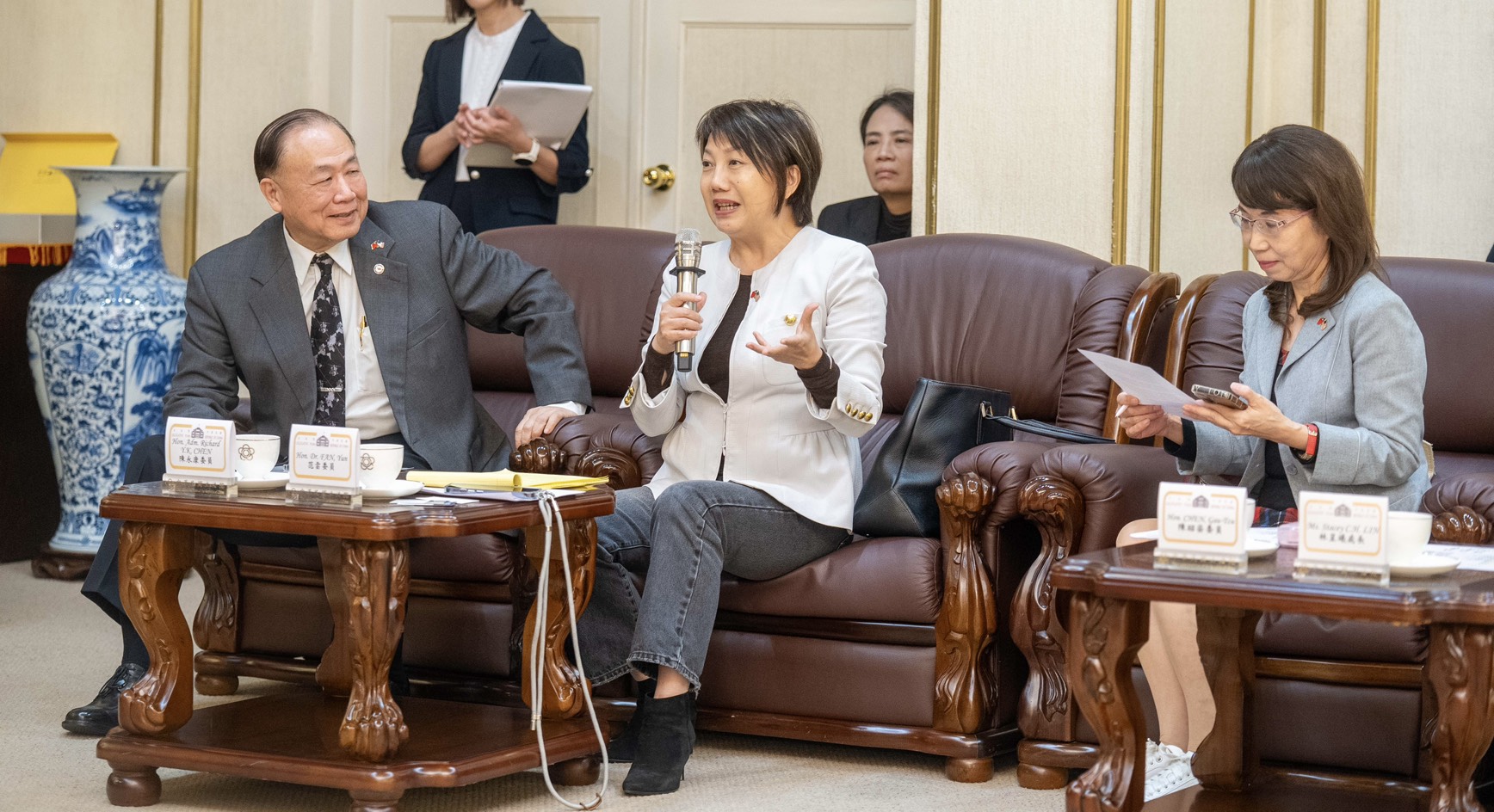
On the afternoon of December 5, Legislative Yuan President Daniel K.Y. Han (韓國瑜) received a seven-member delegation from the National Committee on American Foreign Policy (NCAFP). Also in attendance were KMT Legislator Adm. Chen Yeong-Kang, DPP Legislator Dr. Fan Yun, and TPP Legislator Chen Gau-Tzu.
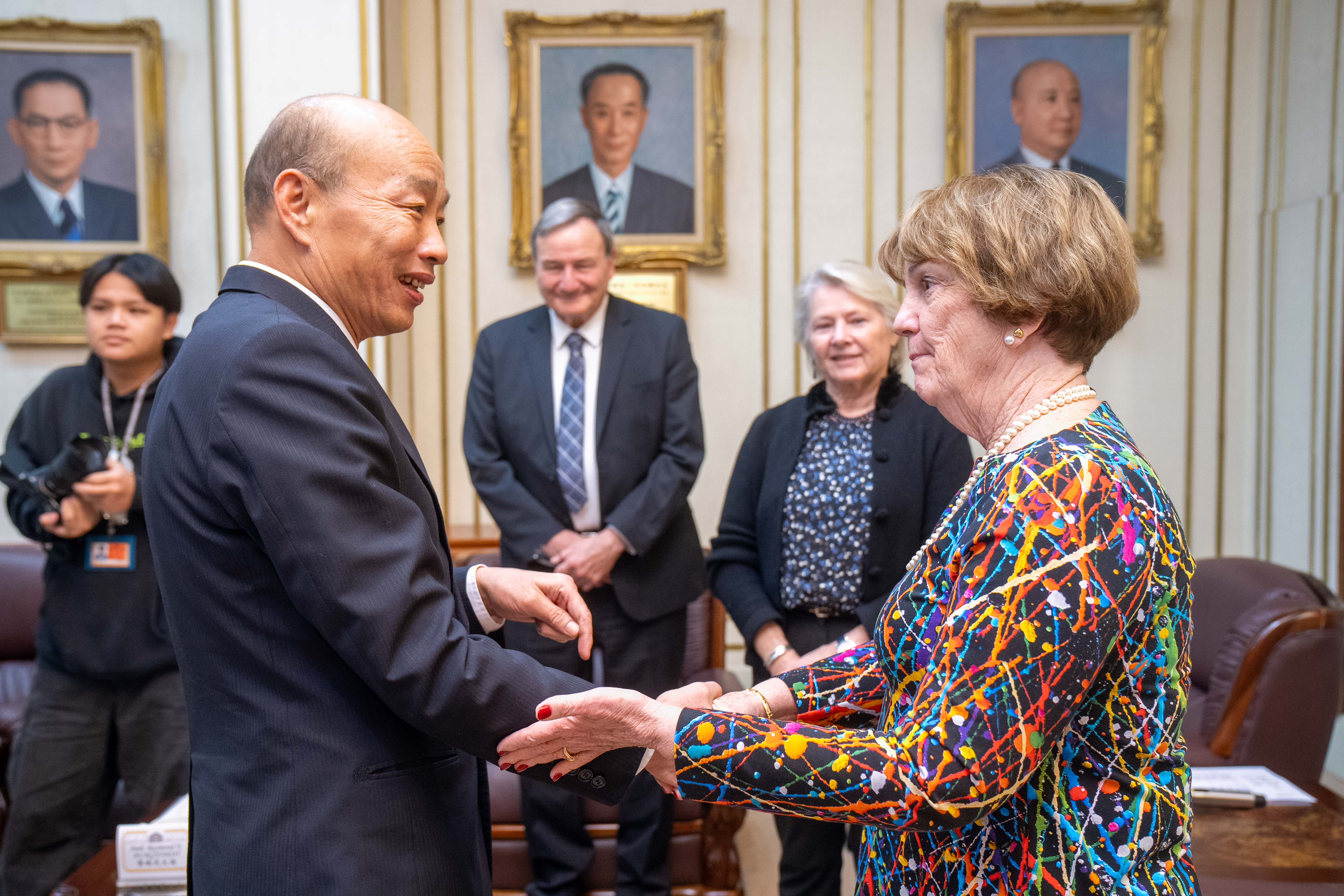
President Han extended his warmest welcome to the delegation and noted that on the same day one year earlier, he had welcomed the NCAFP delegation together with Legislator Chen Yeong-Kang. He greeted the delegates with “Happy Anniversary” to convey his joy in this reunion and proceeded to introduce the cross‑party legislators one by one.
He remarked that over the past year, tensions have intensified globally and in Northeast Asia, with more than thirty countries having entered a state of combat readiness. President Han emphasized that the situation in the Taiwan Strait has garnered international attention and prompted widespread discussion, and that Taiwan’s position and public opinion should be heard and understood. He expressed hope that through this visit, the NCAFP would listen closely to the voices of the Taiwanese people, gain a deeper understanding of Taiwan’s mature system of freedom and democracy, and convey their observations and experiences to the U.S. and the international community.
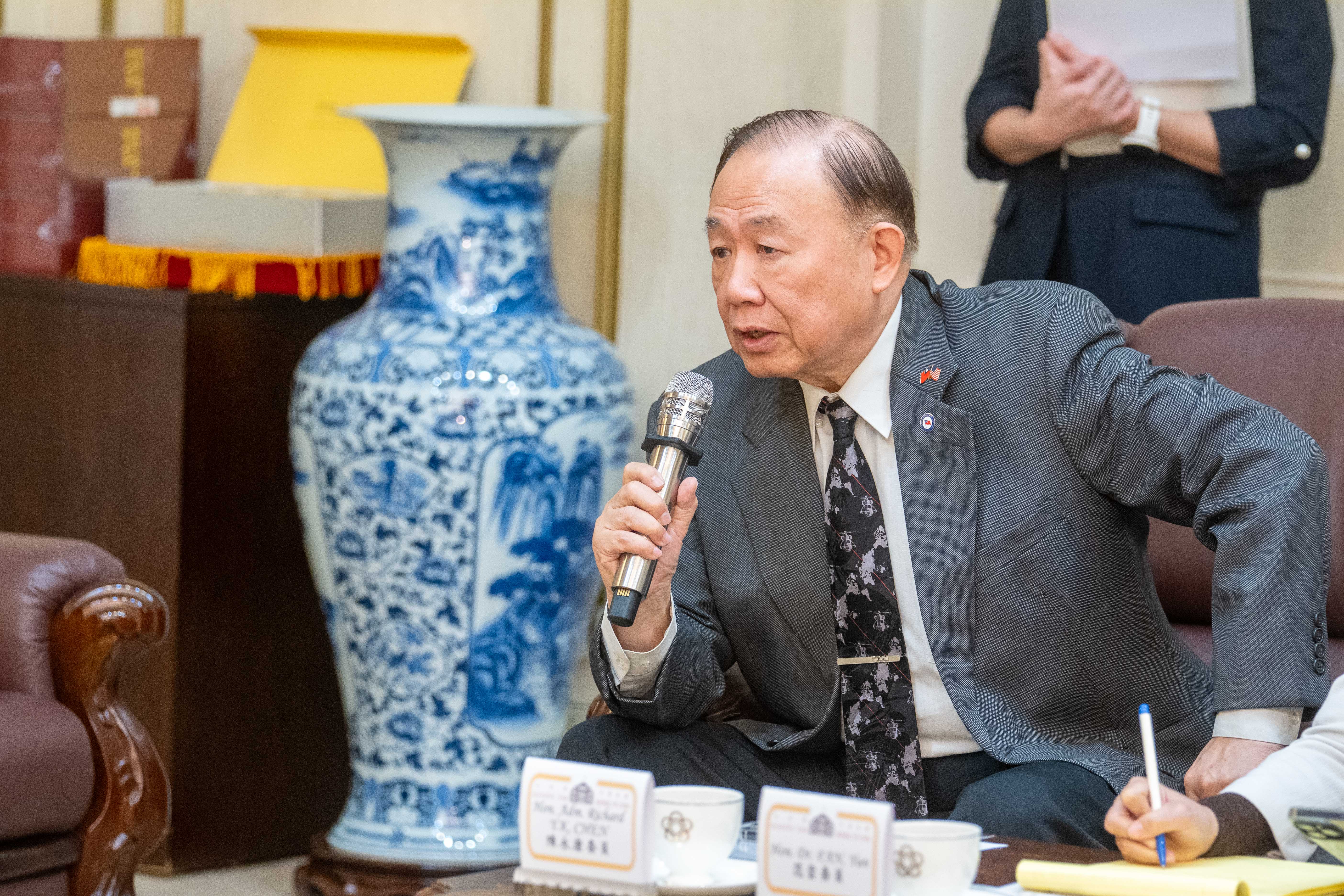
During the bilateral discussion, Legislator Chen Yeong‑Kang expressed gratitude to the U.S. for its longstanding support of Taiwan’s democracy and regional stability. In response to inquiries regarding the special defense budget of US$40 billion (approximately NT$1.25 trillion) over eight years, he stressed that national defense capability depends not only on equipment procurement but also on comprehensive personnel training, cross‑system coordination, societal resilience, and energy security, all of which must be strengthened in tandem to enhance Taiwan’s overall defense effectiveness. He further noted that the executive branch should provide full explanations of the budget’s purposes and planning.
Legislator Fan stated that the DPP government consistently attaches importance to peace in the Taiwan Strait, and intends to strengthen Taiwan’s self‑defense capabilities through increased defense spending, so that Beijing clearly understands the cost of initiating war. She called for continued communication and coordination across party lines on national security issues, urging all parties to transcend political differences and jointly support policies conducive to Taiwan’s security.
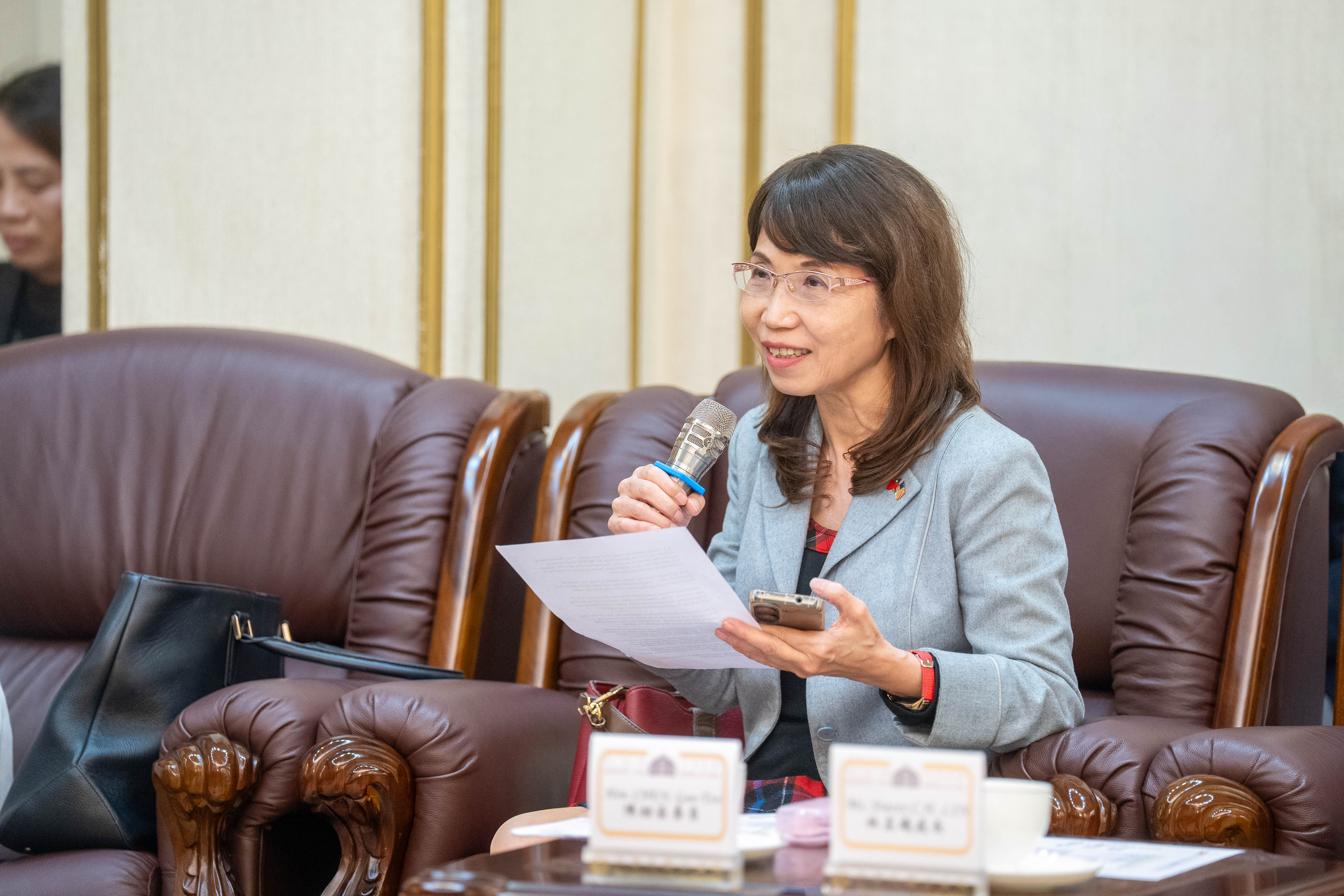
Legislator Chen Gau-Tzu explained the TPP’s position on national security to the delegates. She pointed out that during the 2024 presidential election, then-TPP Chair Ko Wen‑Je publicly advocated raising the defense budget to 3% of GDP, reflecting the TPP’s priority on the modernization of national defense. Regarding the special defense budget, Legislator Chen Gau-Tzu highlighted the importance for the President to answer questions in person at the Legislative Yuan, while suggesting that the approach could be further deliberated. She also urged the government to enhance transparency of information about the special defense budget and negotiations on reciprocal tariffs with the U.S., so that the public can better oversee and understand the relevant matters.
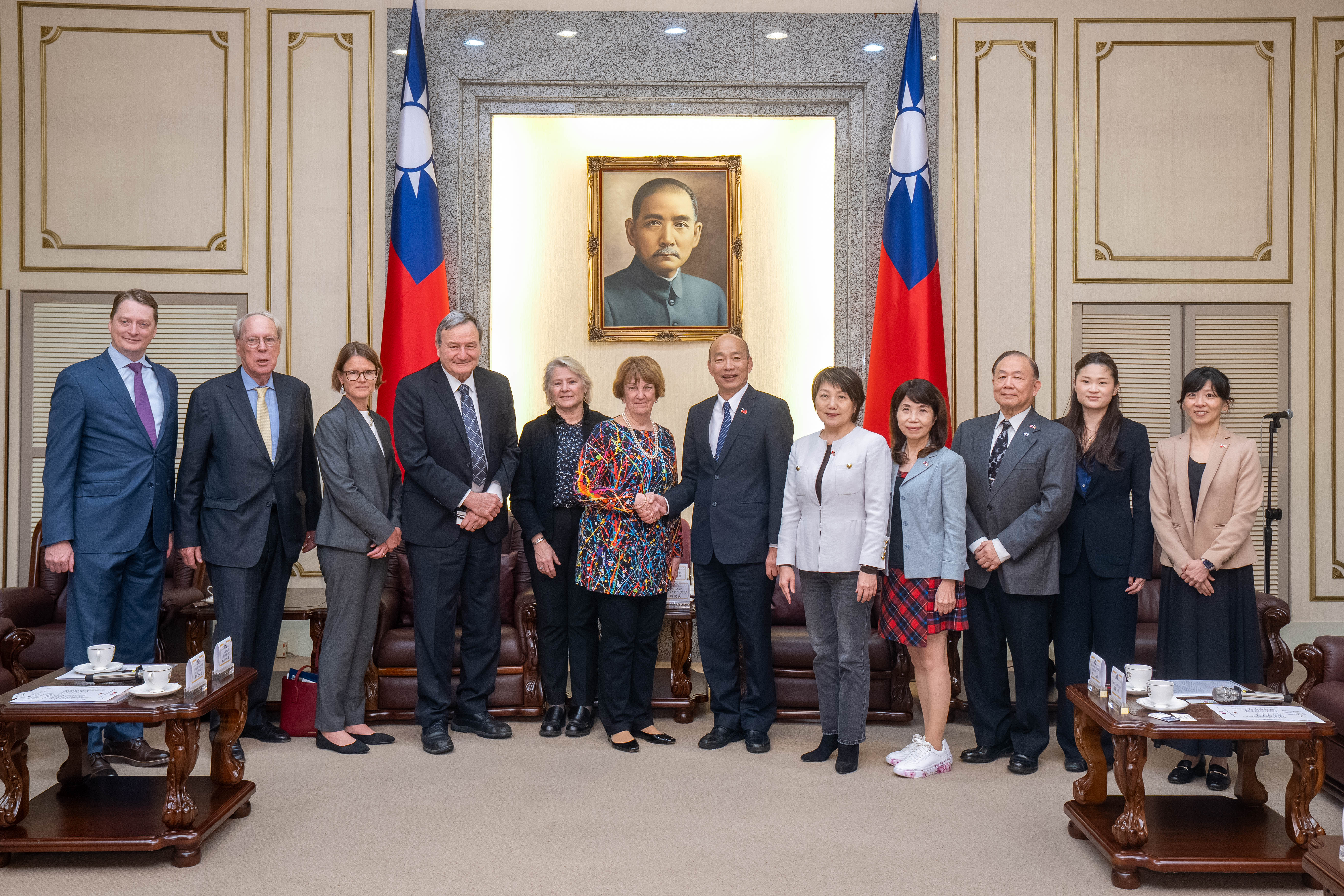
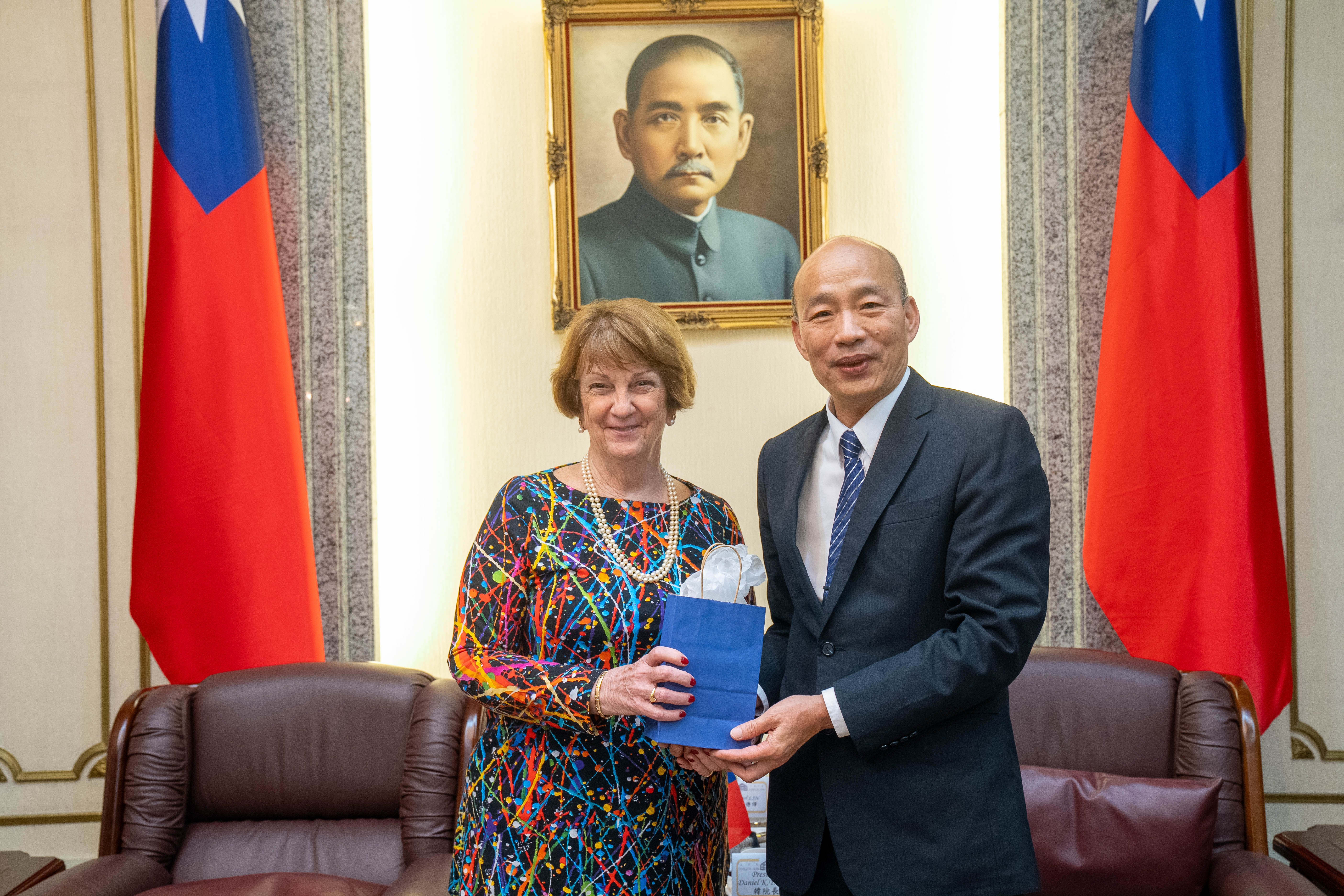
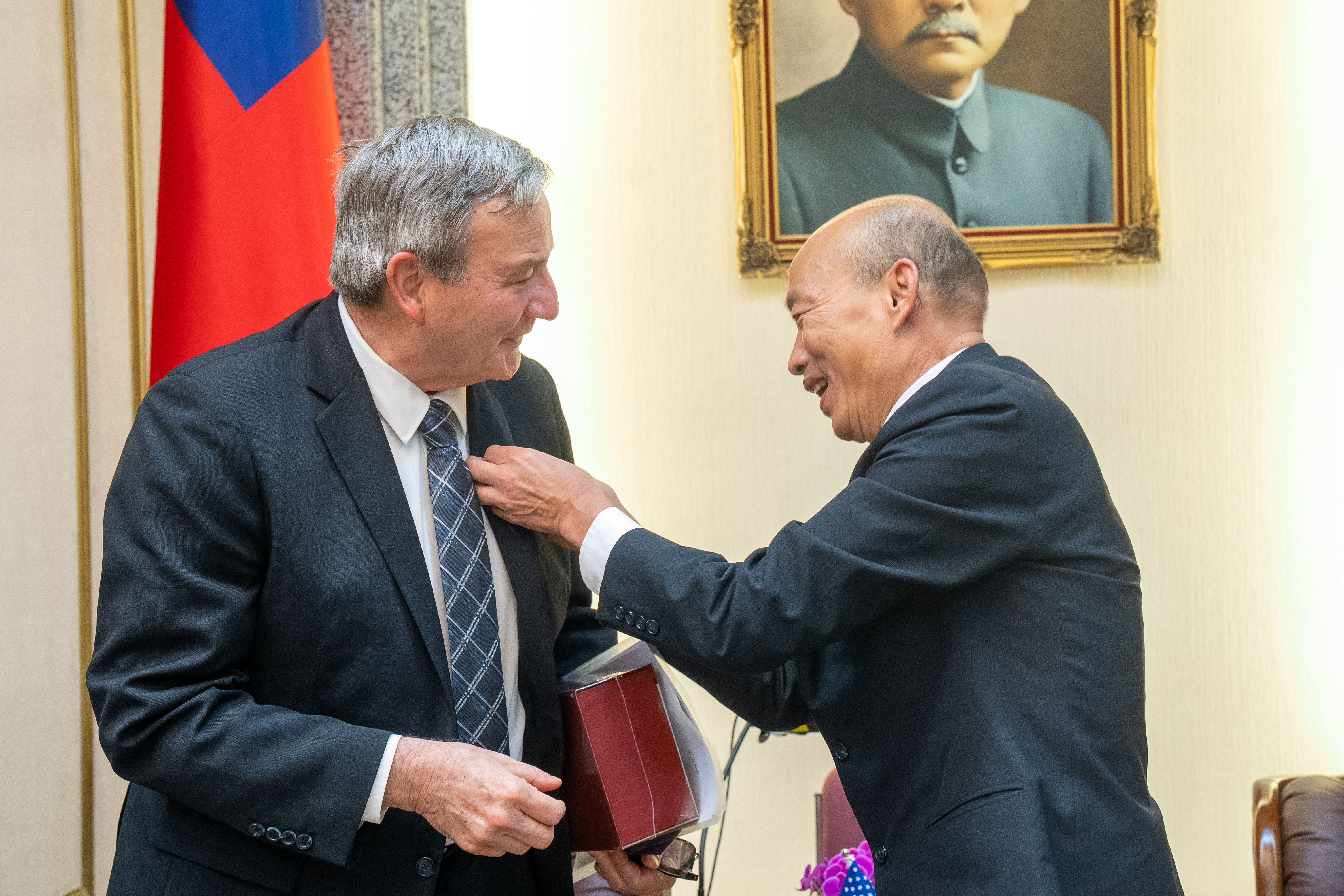
The discussion went on to cover a wide range of topics, such as the deliberation of the special defense budget, cross‑party dynamics within the Legislative Yuan, the 2026 local elections, and reciprocal tariff negotiations. The meeting lasted approximately one hour in a warm and candid atmosphere and concluded successfully with both sides exchanging commemorative gifts and taking a group photo.
President Han extended his warmest welcome to the delegation and noted that on the same day one year earlier, he had welcomed the NCAFP delegation together with Legislator Chen Yeong-Kang. He greeted the delegates with “Happy Anniversary” to convey his joy in this reunion and proceeded to introduce the cross‑party legislators one by one.
He remarked that over the past year, tensions have intensified globally and in Northeast Asia, with more than thirty countries having entered a state of combat readiness. President Han emphasized that the situation in the Taiwan Strait has garnered international attention and prompted widespread discussion, and that Taiwan’s position and public opinion should be heard and understood. He expressed hope that through this visit, the NCAFP would listen closely to the voices of the Taiwanese people, gain a deeper understanding of Taiwan’s mature system of freedom and democracy, and convey their observations and experiences to the U.S. and the international community.
During the bilateral discussion, Legislator Chen Yeong‑Kang expressed gratitude to the U.S. for its longstanding support of Taiwan’s democracy and regional stability. In response to inquiries regarding the special defense budget of US$40 billion (approximately NT$1.25 trillion) over eight years, he stressed that national defense capability depends not only on equipment procurement but also on comprehensive personnel training, cross‑system coordination, societal resilience, and energy security, all of which must be strengthened in tandem to enhance Taiwan’s overall defense effectiveness. He further noted that the executive branch should provide full explanations of the budget’s purposes and planning.
Legislator Fan stated that the DPP government consistently attaches importance to peace in the Taiwan Strait, and intends to strengthen Taiwan’s self‑defense capabilities through increased defense spending, so that Beijing clearly understands the cost of initiating war. She called for continued communication and coordination across party lines on national security issues, urging all parties to transcend political differences and jointly support policies conducive to Taiwan’s security.
Legislator Chen Gau-Tzu explained the TPP’s position on national security to the delegates. She pointed out that during the 2024 presidential election, then-TPP Chair Ko Wen‑Je publicly advocated raising the defense budget to 3% of GDP, reflecting the TPP’s priority on the modernization of national defense. Regarding the special defense budget, Legislator Chen Gau-Tzu highlighted the importance for the President to answer questions in person at the Legislative Yuan, while suggesting that the approach could be further deliberated. She also urged the government to enhance transparency of information about the special defense budget and negotiations on reciprocal tariffs with the U.S., so that the public can better oversee and understand the relevant matters.
The discussion went on to cover a wide range of topics, such as the deliberation of the special defense budget, cross‑party dynamics within the Legislative Yuan, the 2026 local elections, and reciprocal tariff negotiations. The meeting lasted approximately one hour in a warm and candid atmosphere and concluded successfully with both sides exchanging commemorative gifts and taking a group photo.