

Legislative Yuan Vice President Johnny C. Chiang maintains full schedule on second day of parliamentary diplomacy visit to Singapore, engaging in discussions on public transportation, AI, and regional security
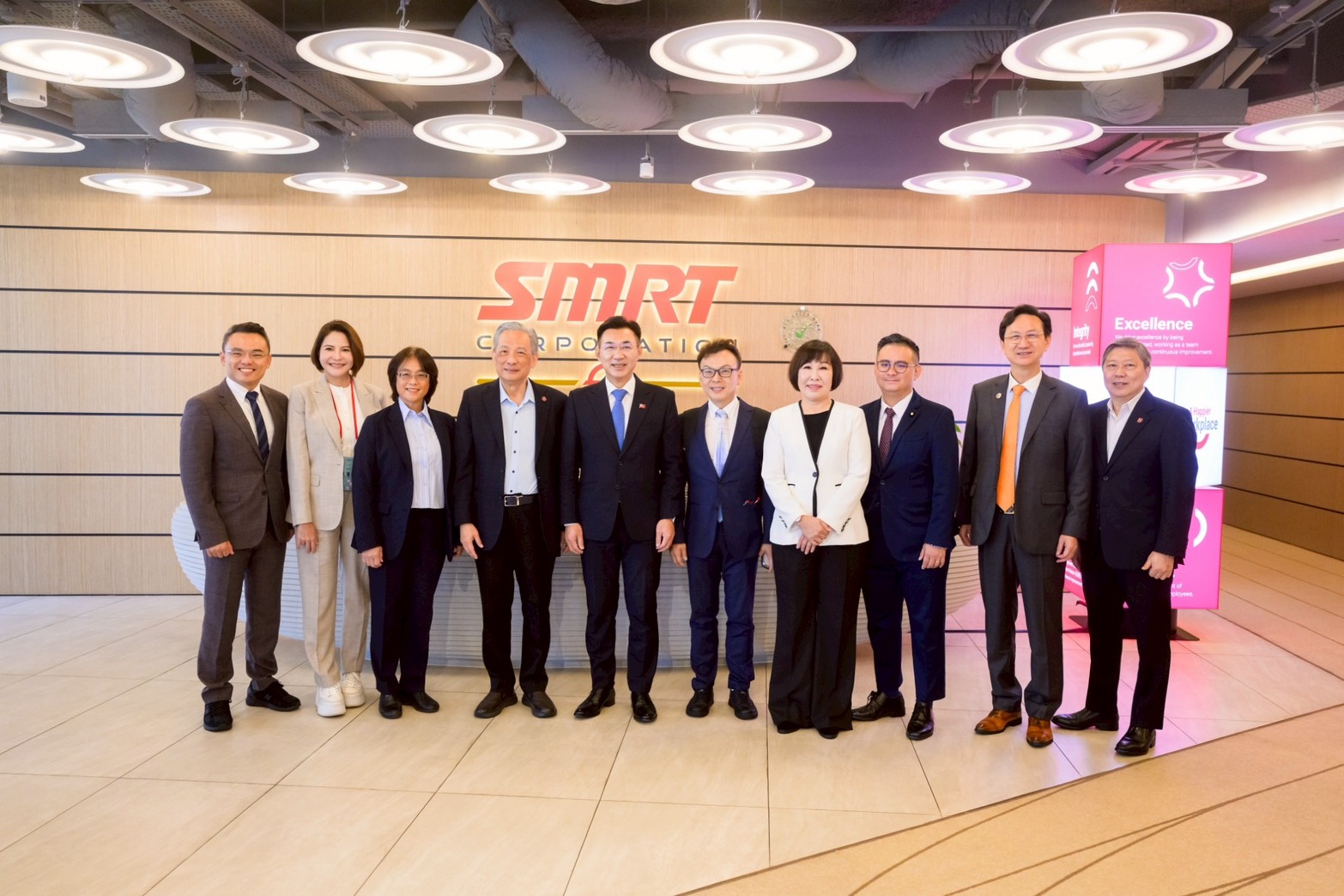
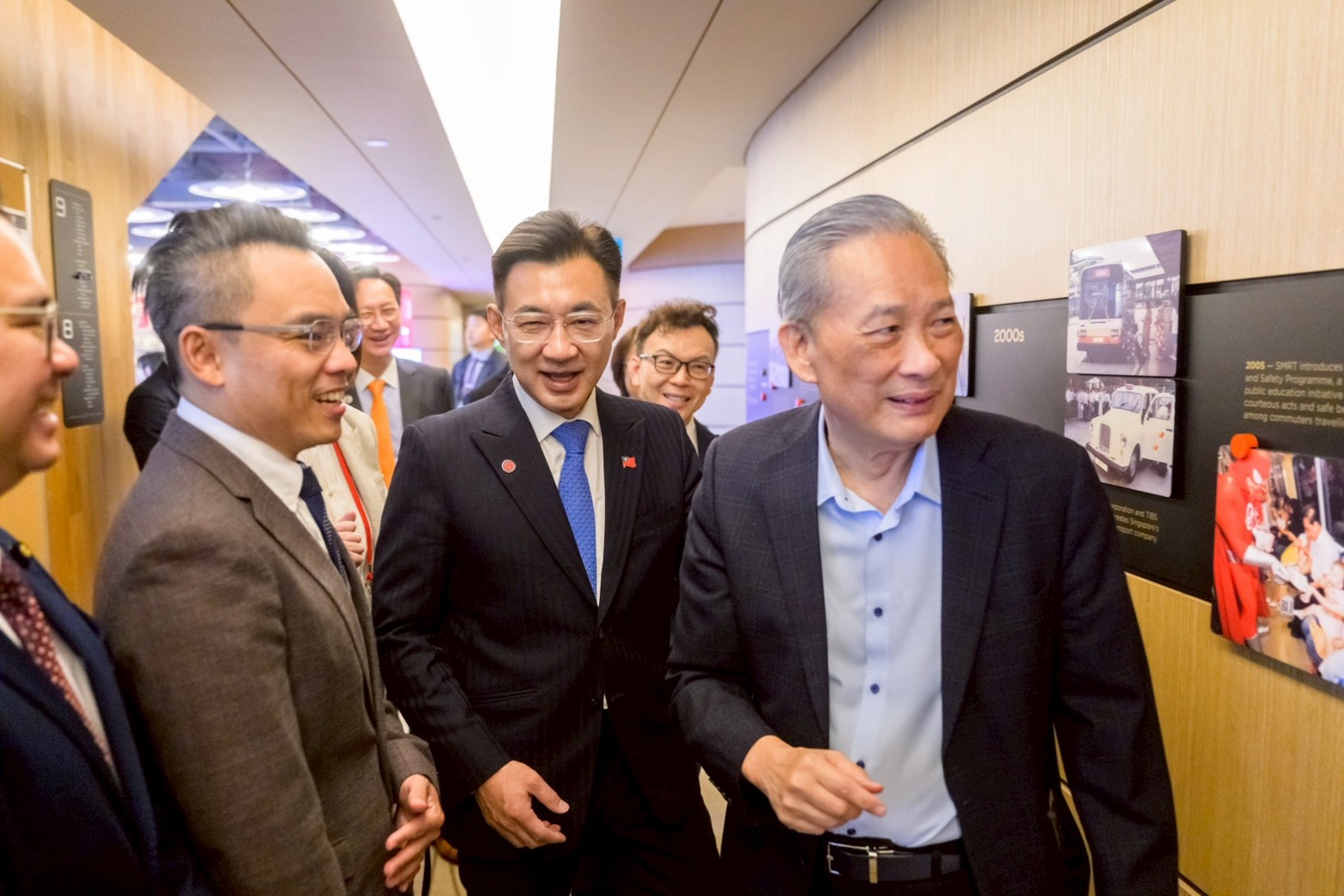
On December 10, Vice President of the Legislative Yuan Dr. Johnny C. Chiang (江啟臣) attended the opening ceremony of the 2nd Board Meeting of the 33rd Asia Taiwanese Chambers of Commerce (ASTCC), following which he visited SMRT Corporation Ltd., together with KMT Legislators Dr. Cheng Cheng-Chien, Hung Mong‑Kai, Lu Yu‑Ling, Huang Chien‑Hao, Chen Ching‑Hui, and Dr. Lin Chien‑Chi. SMRT Chairman Seah Moon Ming received the delegation and introduced the corporation’s core values and philosophy, noting that SMRT operates Singapore’s MRT and bus systems. He highlighted that SMRT has signed a memorandum of understanding (MOU) with Taiwan’s Metro Alliance, formed by five MRT companies in Taiwan, and that under the MOU, both sides will continue to deepen collaboration in four major areas: technological exchange, talent cultivation, joint procurement, and business cooperation, sharing management and operational experiences. They subsequently engaged in an in‑depth discussion on topics such as public transportation services and railway operation. The meeting lasted approximately an hour and concluded with the exchange of commemorative gifts and a group photo.
In the afternoon, the delegates attended to their parliamentary diplomacy schedules separately. Vice President Chiang visited Microsoft’s Asia Pacific headquarters, where he was received by Ms. Jerry Hung, who briefed him on Microsoft’s latest progress in artificial intelligence (AI) applications, highlighting that the introduction of AI into the public sector’s digital transformation projects can significantly enhance administrative efficiency, allow human resources to focus on core tasks, and effectively mitigate labor shortages caused by declining birth rates and an aging population. She pointed out that the adoption of AI in the public sector has become an important policy of the Singapore government, yielding significant results with breakthroughs and success stories across multiple fields. Vice President Chiang and the Microsoft team had an extensive conversation on relevant issues, lasting about one hour. The meeting concluded with the exchange of commemorative gifts and a group photo.
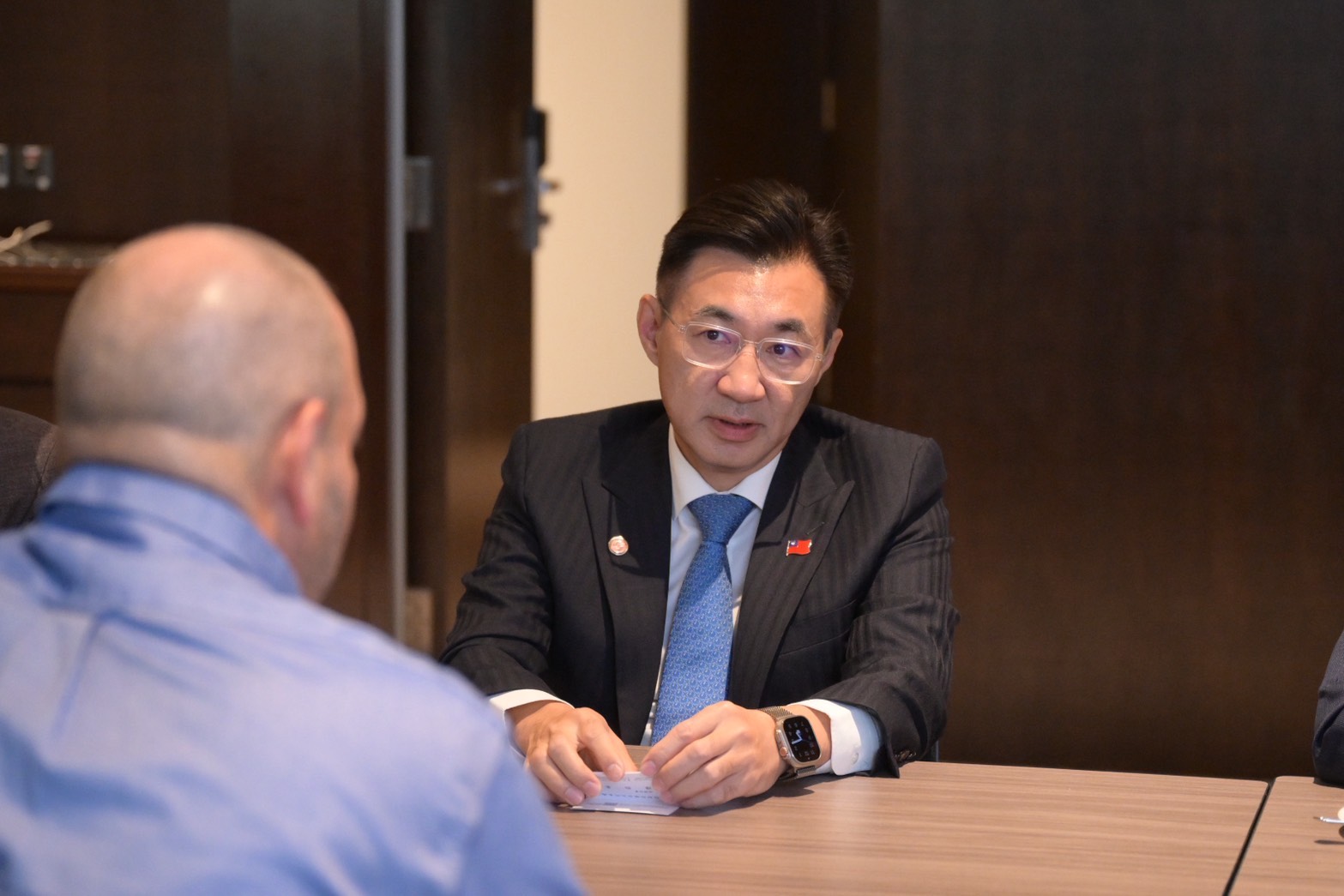
In the late afternoon, Vice President Chiang met with Mr. Drew Thompson, researcher at the S. Rajaratnam School of International Studies (RSIS) and former official of the U.S. Department of Defense, together with Legislators Cheng, Hung, Chen, and Lin. They exchanged views on defense and security issues. Vice President Chiang shared that Taiwan has increased its defense budget annually in recent years. He expressed the hope that Taiwan‑U.S. military cooperation would focus not only on hardware and equipment, but also on training and education. He emphasized that through education, training, and the development of logistics and maintenance capabilities, Taiwan’s armed forces can further strengthen their defense and combat readiness. The two sides had extensive discussions on issues including Taiwan‑U.S. arms procurement, defense budget, security, and regional security cooperation. The meeting lasted about one hour and concluded with the exchange of commemorative gifts and a group photo.
In addition to the above-mentioned visits, Legislators Cheng, Hung, Lu, Huang, Chen, and Lin also met with Visiting Professor Yeo Guat Kwang of Nanyang Centre for Public Administration (NCPA) at Nanyang Technological University in the afternoon. They exchanged ideas on Singapore’s legislative procedures and related mechanisms, as well as the legal framework for maintaining public order. Professor Yang explained to the delegates that public safety is the paramount core value of the Singapore government, and that all legal frameworks are designed with this principle in mind. Both parties engaged in substantive discussions on topics including the design of criminal law and legal education. The meeting lasted for approximately an hour and concluded with the exchange of commemorative gifts and a group photo.
Following a productive day filled with candid and cordial exchanges, the delegation successfully completed the second day of its mission in Singapore.
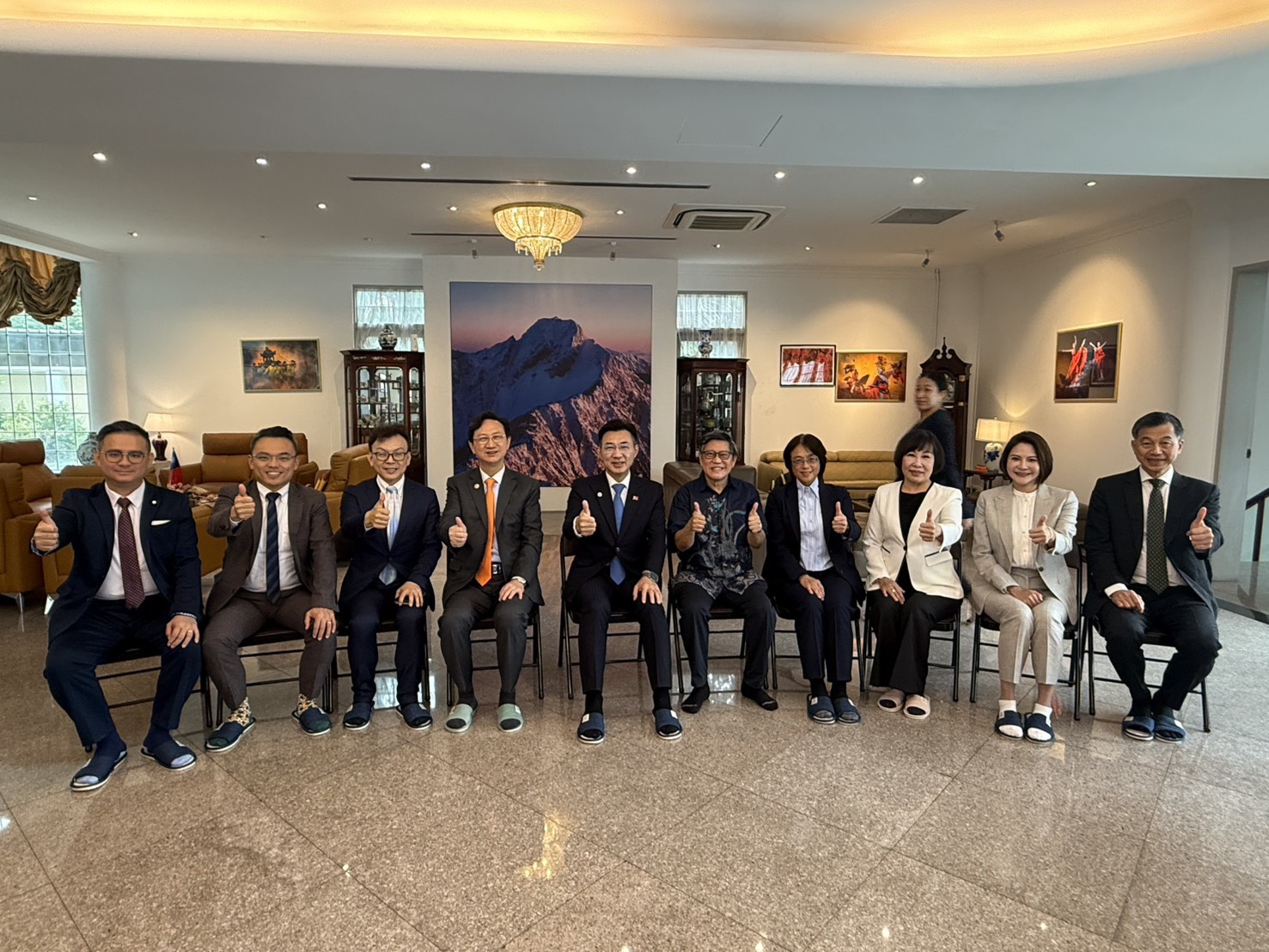
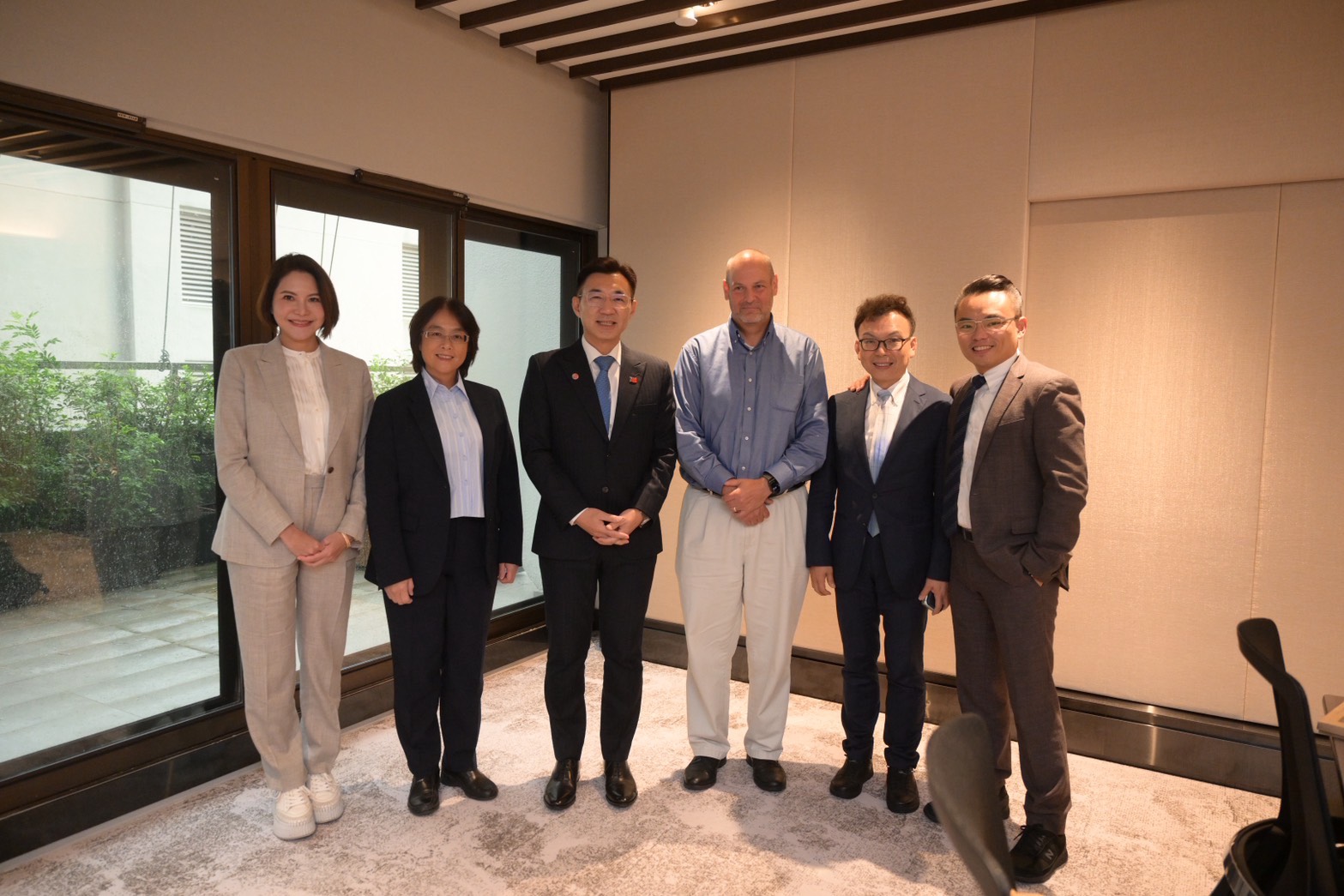
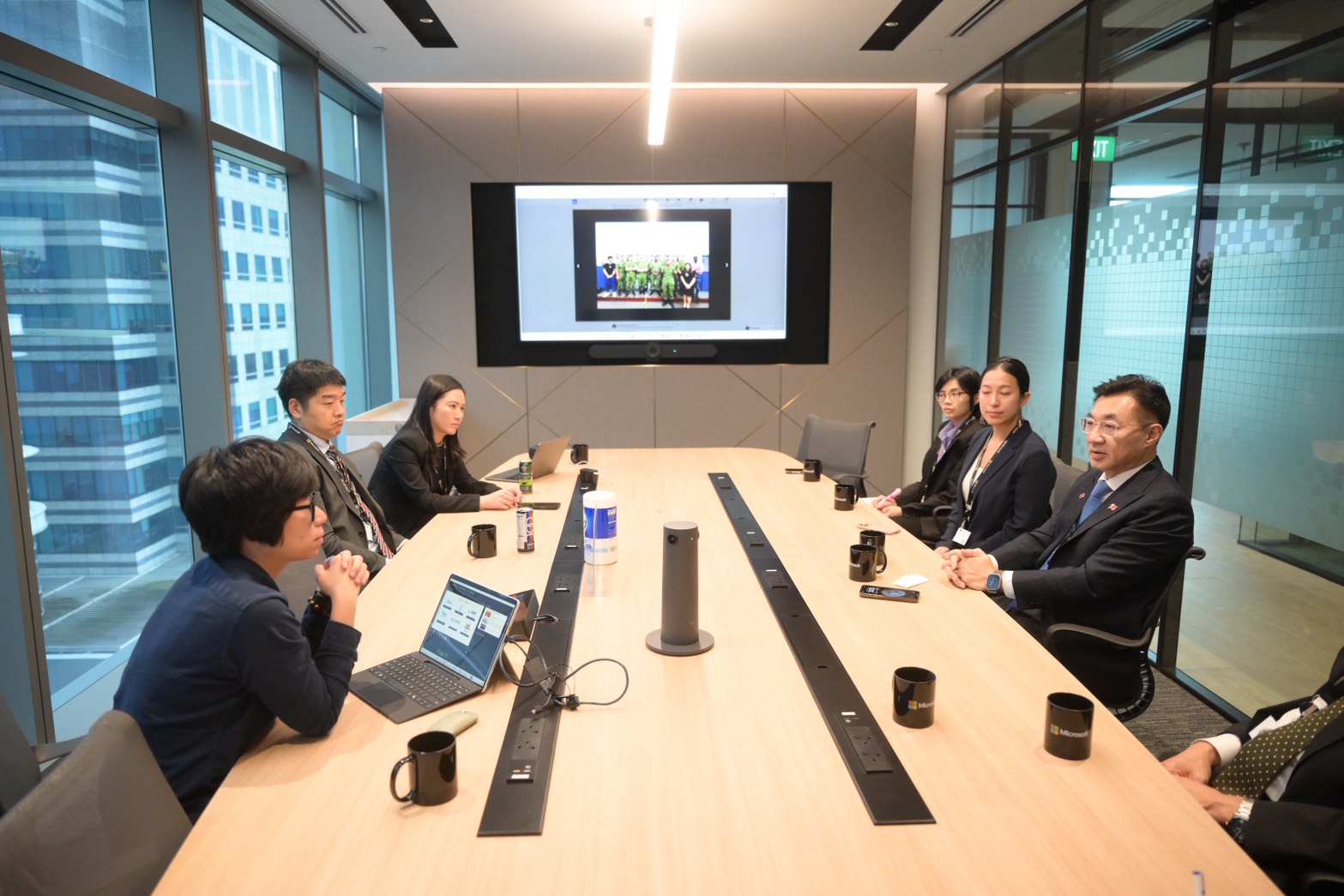
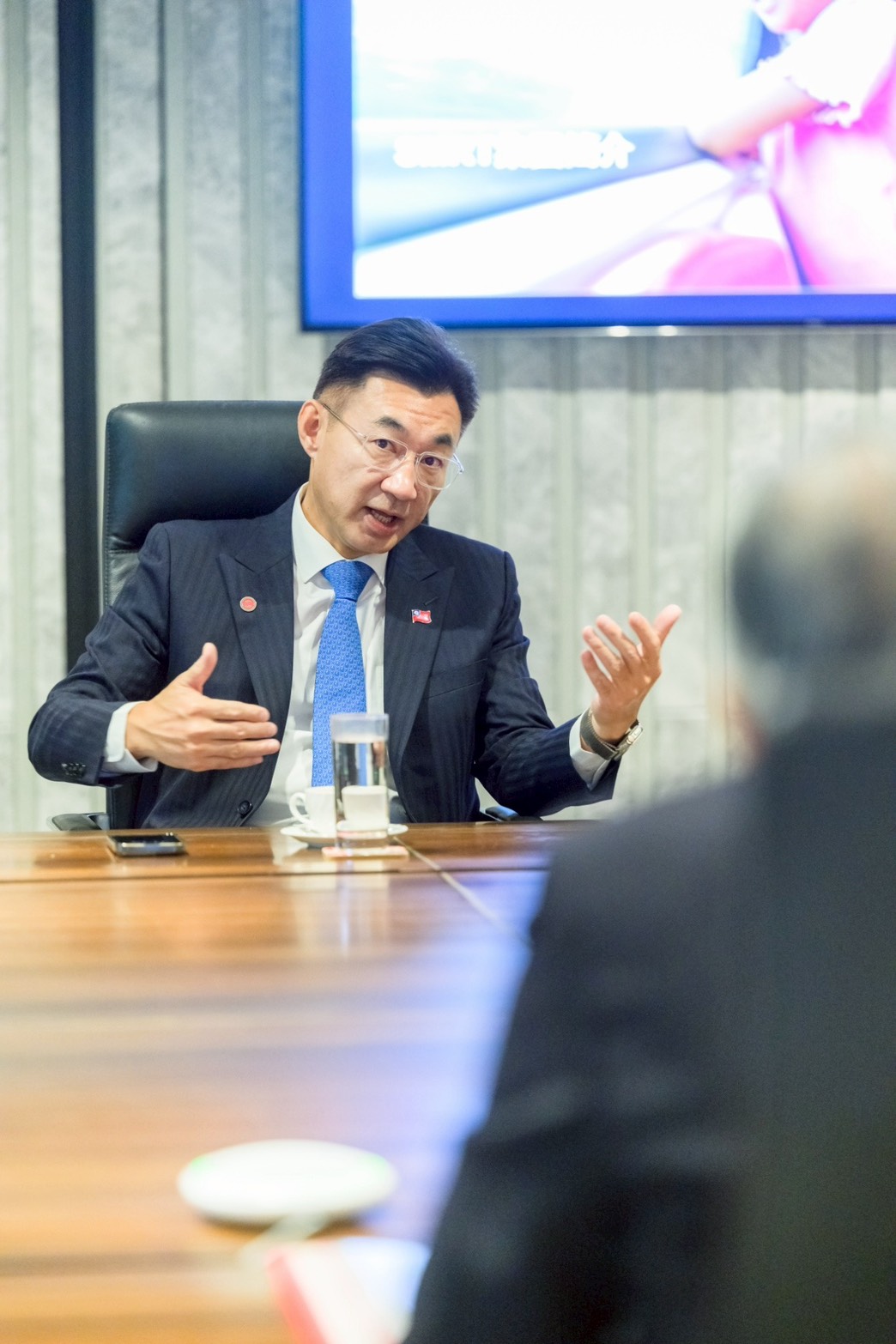
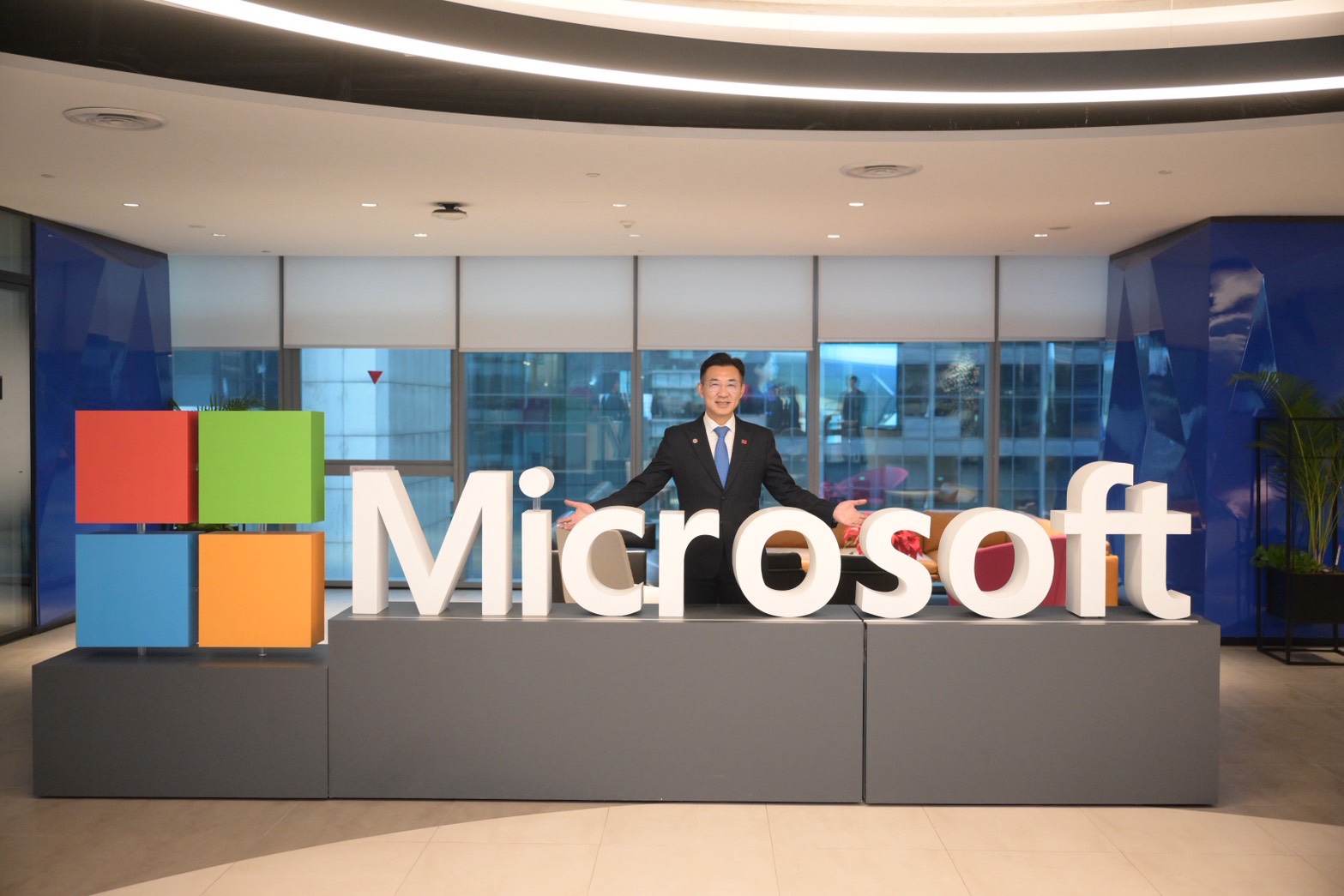
In the afternoon, the delegates attended to their parliamentary diplomacy schedules separately. Vice President Chiang visited Microsoft’s Asia Pacific headquarters, where he was received by Ms. Jerry Hung, who briefed him on Microsoft’s latest progress in artificial intelligence (AI) applications, highlighting that the introduction of AI into the public sector’s digital transformation projects can significantly enhance administrative efficiency, allow human resources to focus on core tasks, and effectively mitigate labor shortages caused by declining birth rates and an aging population. She pointed out that the adoption of AI in the public sector has become an important policy of the Singapore government, yielding significant results with breakthroughs and success stories across multiple fields. Vice President Chiang and the Microsoft team had an extensive conversation on relevant issues, lasting about one hour. The meeting concluded with the exchange of commemorative gifts and a group photo.
In the late afternoon, Vice President Chiang met with Mr. Drew Thompson, researcher at the S. Rajaratnam School of International Studies (RSIS) and former official of the U.S. Department of Defense, together with Legislators Cheng, Hung, Chen, and Lin. They exchanged views on defense and security issues. Vice President Chiang shared that Taiwan has increased its defense budget annually in recent years. He expressed the hope that Taiwan‑U.S. military cooperation would focus not only on hardware and equipment, but also on training and education. He emphasized that through education, training, and the development of logistics and maintenance capabilities, Taiwan’s armed forces can further strengthen their defense and combat readiness. The two sides had extensive discussions on issues including Taiwan‑U.S. arms procurement, defense budget, security, and regional security cooperation. The meeting lasted about one hour and concluded with the exchange of commemorative gifts and a group photo.
In addition to the above-mentioned visits, Legislators Cheng, Hung, Lu, Huang, Chen, and Lin also met with Visiting Professor Yeo Guat Kwang of Nanyang Centre for Public Administration (NCPA) at Nanyang Technological University in the afternoon. They exchanged ideas on Singapore’s legislative procedures and related mechanisms, as well as the legal framework for maintaining public order. Professor Yang explained to the delegates that public safety is the paramount core value of the Singapore government, and that all legal frameworks are designed with this principle in mind. Both parties engaged in substantive discussions on topics including the design of criminal law and legal education. The meeting lasted for approximately an hour and concluded with the exchange of commemorative gifts and a group photo.
Following a productive day filled with candid and cordial exchanges, the delegation successfully completed the second day of its mission in Singapore.