

立法院韓國瑜院長接見「美國外交政策全國委員會」(NCAFP)一行7人 韓國瑜:盼美方深入瞭解台灣自由民主 提升我國能見度 Legislative Yuan President Daniel K.Y. Han receives seven-member delegation from the National Committee on American Foreign Policy (NCAFP); President Han: We hope the U.S. will gain a deeper insight into Taiwan’s vibrant freedom and democracy and continue to help increase our international visibility.
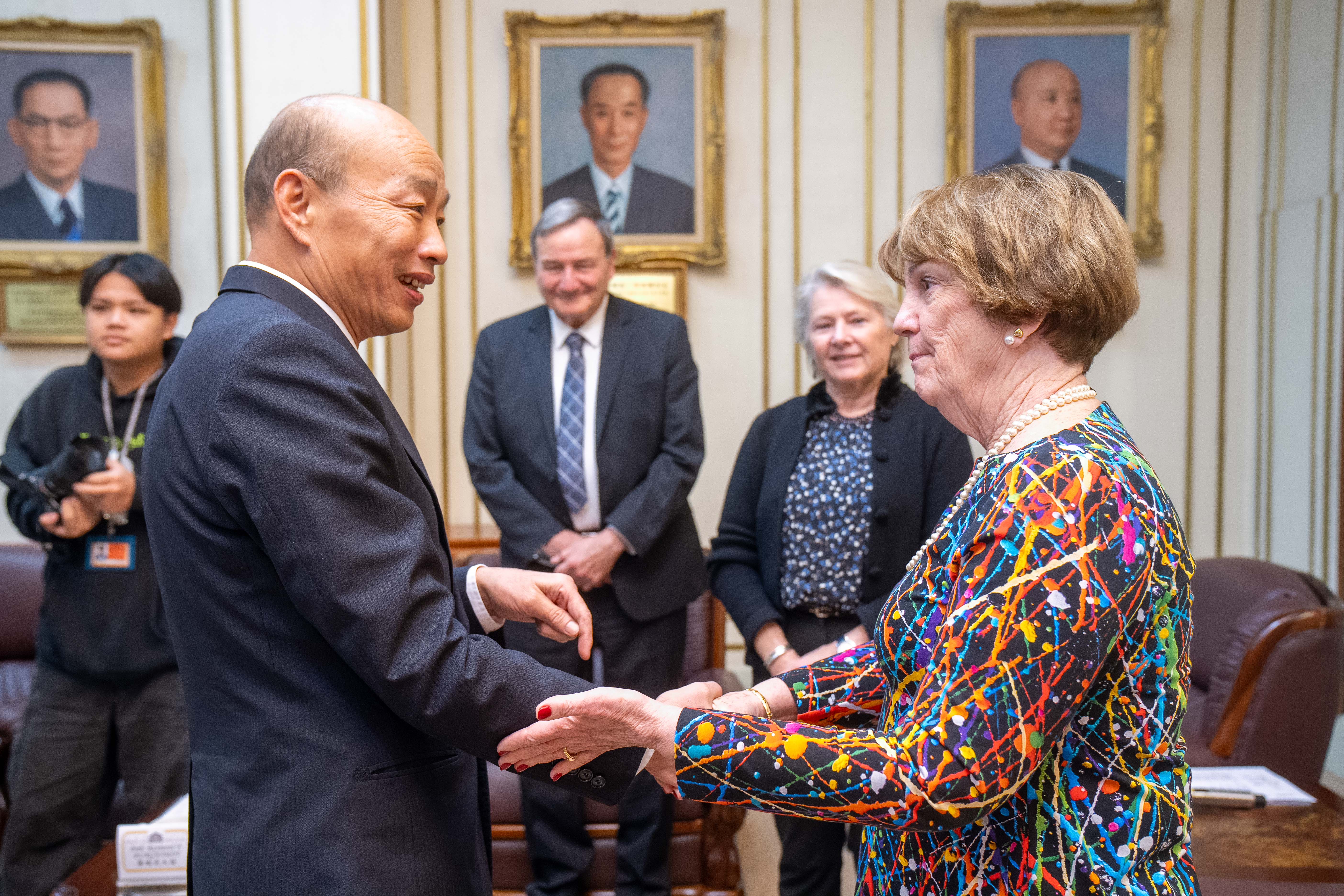
立法院韓國瑜院長於本(12月5)日下午在國民黨陳永康委員、民進黨范雲委員、民眾黨陳昭姿委員等人陪同下,接見「美國外交政策全國委員會」(NCAFP)一行7人。
On the afternoon of December 5, Legislative Yuan President Daniel K.Y. Han (韓國瑜) received a seven-member delegation from the National Committee on American Foreign Policy (NCAFP). Also in attendance were KMT Legislator Adm. Chen Yeong-Kang, DPP Legislator Dr. Fan Yun, and TPP Legislator Chen Gau-Tzu.
韓院長誠摯歡迎訪問團蒞臨,並提及一年前的今日曾與陳永康委員及本院其他委員共同接待。韓院長以「週年快樂」表達對雙方再度交流的喜悅,並逐一介紹陪同會見的跨黨派委員。
President Han extended his warmest welcome to the delegation and noted that on the same day one year earlier, he had welcomed the NCAFP delegation together with Legislator Chen Yeong-Kang. He greeted the delegates with “Happy Anniversary” to convey his joy in this reunion and proceeded to introduce the cross‑party legislators one by one.
韓院長指出,過去一年全球與東北亞區域緊張情勢升高,世界已有逾三十個國家進入戰備狀態。韓院長強調,台海情勢受到各國關注及討論,而台灣的立場和民意,也應被聽到與理解,期待NCAFP藉此次訪問深入傾聽台灣人民的聲音,認識台灣成熟的自由民主制度,並將觀察與體會傳達至美國及國際社會。
He remarked that over the past year, tensions have intensified globally and in Northeast Asia, with more than thirty countries having entered a state of combat readiness. President Han emphasized that the situation in the Taiwan Strait has garnered international attention and prompted widespread discussion, and that Taiwan’s position and public opinion should be heard and understood. He expressed hope that through this visit, the NCAFP would listen closely to the voices of the Taiwanese people, gain a deeper understanding of Taiwan’s mature system of freedom and democracy, and convey their observations and experiences to the U.S. and the international community.
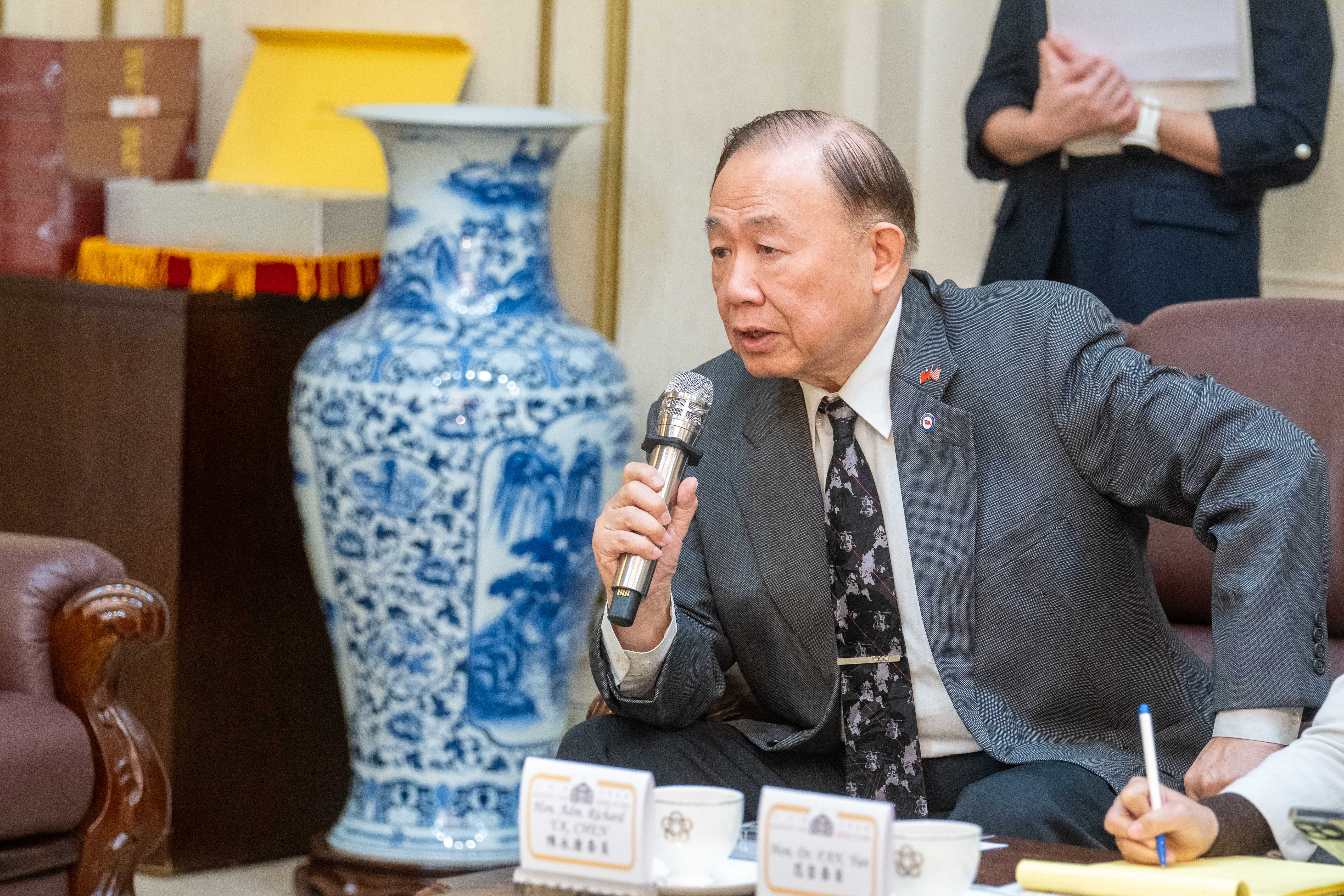
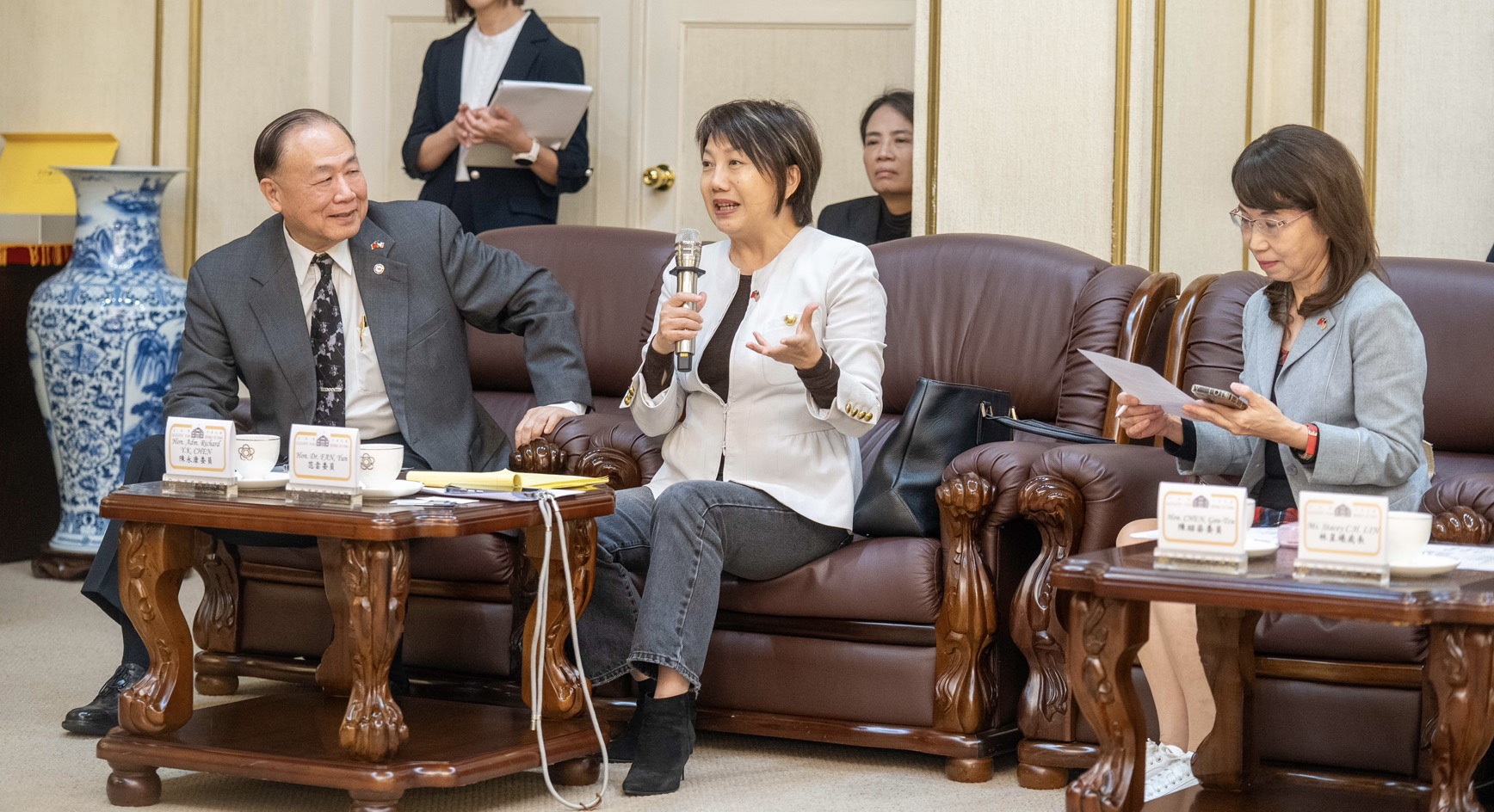
雙邊交流時,陳永康委員感謝美方長期支持台灣民主與區域穩定,並應詢針對為期8年、總計400億美元(約新臺幣1.25兆)的特別預算表達看法,強調國防能力不僅取決於裝備採購,更需完整人員訓練、跨系統協調能力、社會韌性與能源安全等環節同步強化,方能提升台灣整體防衛效能,並認為行政部門應充分說明該預算的用途及規畫。
During the bilateral discussion, Legislator Chen Yeong‑Kang expressed gratitude to the U.S. for its longstanding support of Taiwan’s democracy and regional stability. In response to inquiries regarding the special defense budget of US$40 billion (approximately NT$1.25 trillion) over eight years, he stressed that national defense capability depends not only on equipment procurement but also on comprehensive personnel training, cross‑system coordination, societal resilience, and energy security, all of which must be strengthened in tandem to enhance Taiwan’s overall defense effectiveness. He further noted that the executive branch should provide full explanations of the budget’s purposes and planning.
范雲委員表示,民進黨政府一貫重視台海和平,並透過增加國防預算強化自我防衛能力,使北京清楚理解發動戰爭的代價,呼籲在國家安全議題上,朝野應持續溝通與協調,跨越政黨分歧,共同支持有助台灣安全之政策。
Legislator Fan stated that the DPP government consistently attaches importance to peace in the Taiwan Strait, and intends to strengthen Taiwan’s self‑defense capabilities through increased defense spending, so that Beijing clearly understands the cost of initiating war. She called for continued communication and coordination across party lines on national security issues, urging all parties to transcend political differences and jointly support policies conducive to Taiwan’s security.
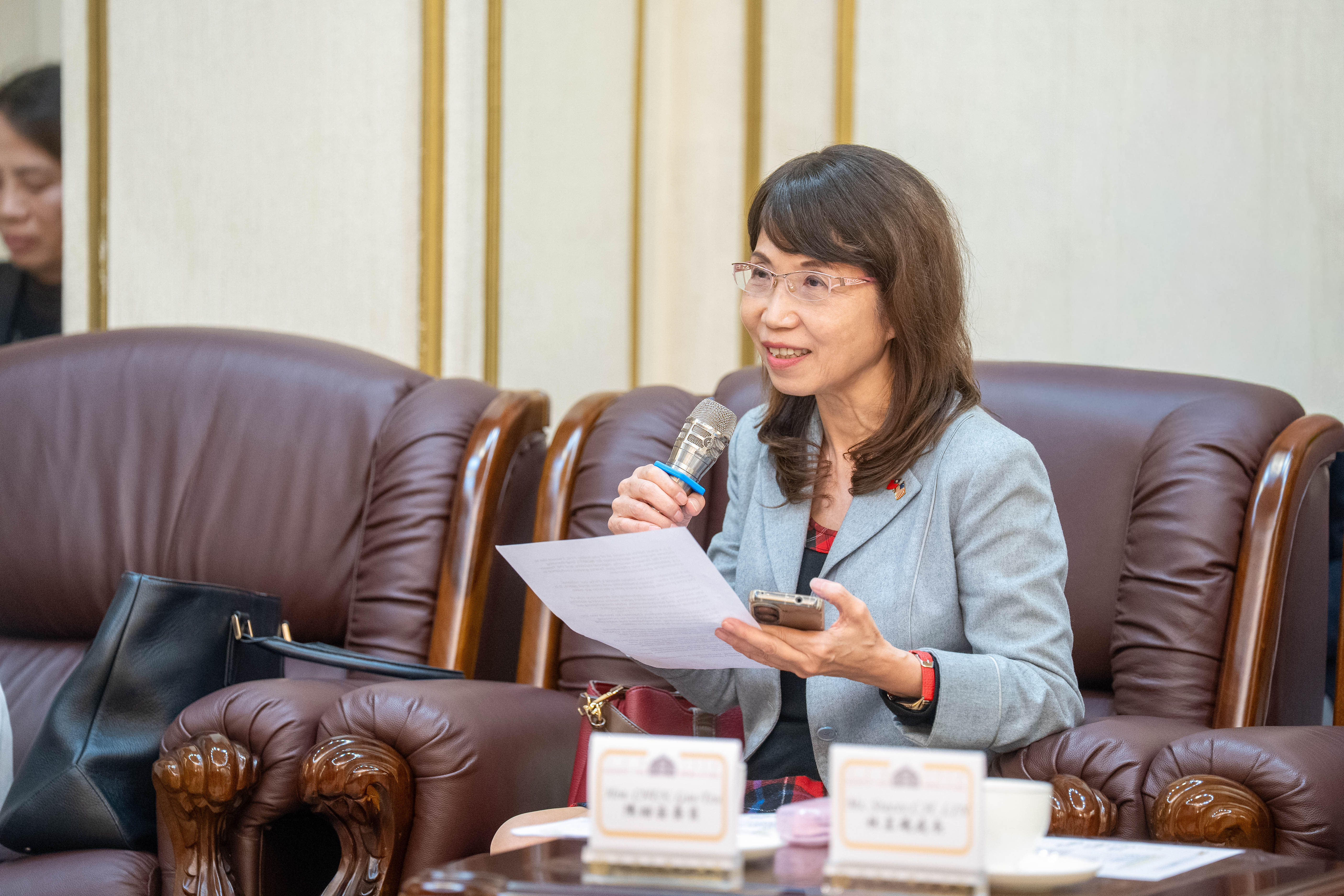
陳昭姿委員向訪賓說明台灣民眾黨對國家安全之立場。她指出,民眾黨主席柯文哲早在2024年總統大選期間便公開支持將國防預算提高至GDP 3%,顯示民眾黨對國防現代化的重視。就特別預算議題,陳委員認為總統赴立法院報告並接受答詢具有必要性,其方式仍可進一步討論;同時呼籲政府在特別預算及與美國對等關稅談判上加強資訊公開,以利社會監督並瞭解相關內容。
Legislator Chen Gau-Tzu explained the TPP’s position on national security to the delegates. She pointed out that during the 2024 presidential election, then-TPP Chair Ko Wen‑Je publicly advocated raising the defense budget to 3% of GDP, reflecting the TPP’s priority on the modernization of national defense. Regarding the special defense budget, Legislator Chen Gau-Tzu highlighted the importance for the President to answer questions in person at the Legislative Yuan, while suggesting that the approach could be further deliberated. She also urged the government to enhance transparency of information about the special defense budget and negotiations on reciprocal tariffs with the U.S., so that the public can better oversee and understand the relevant matters.
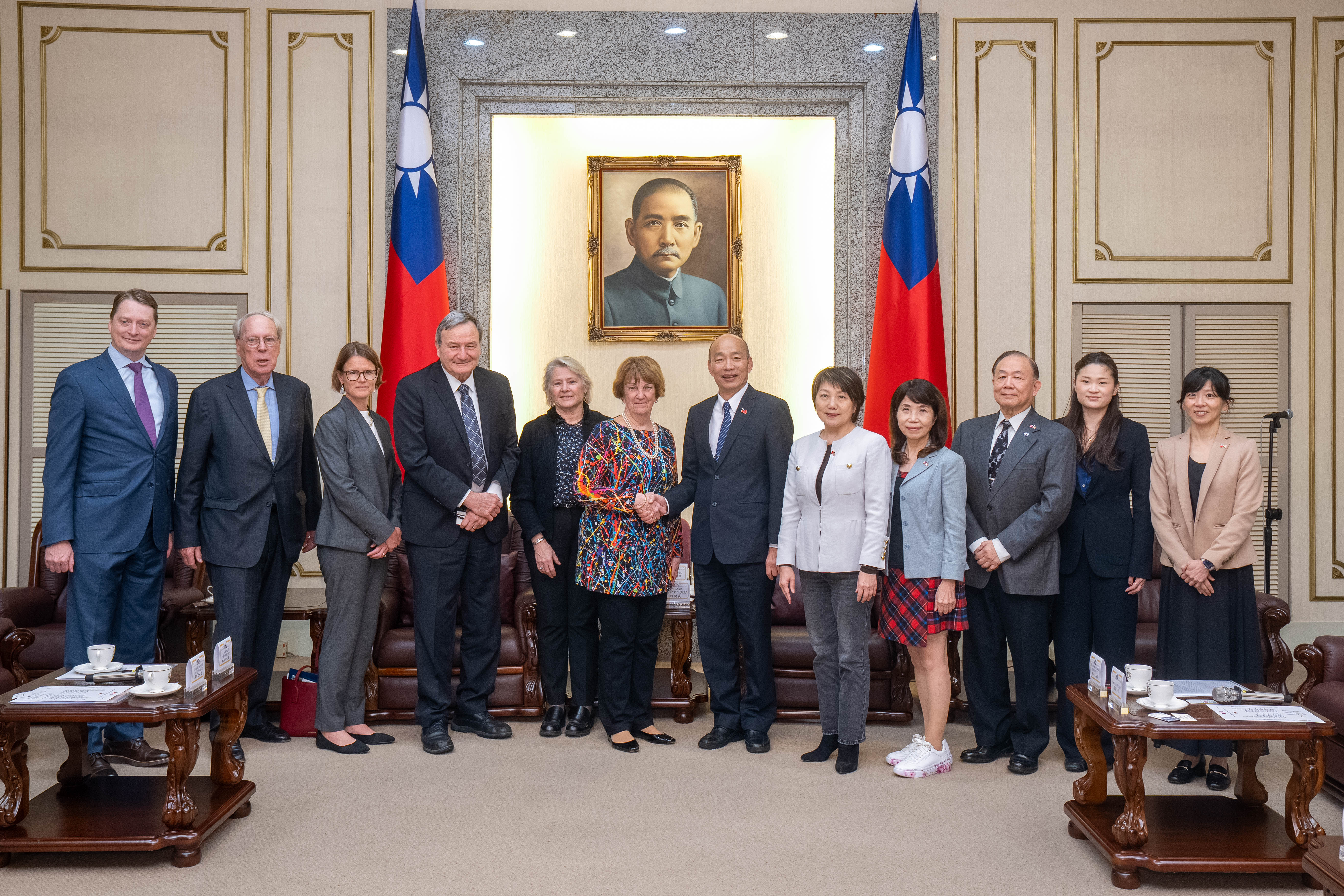
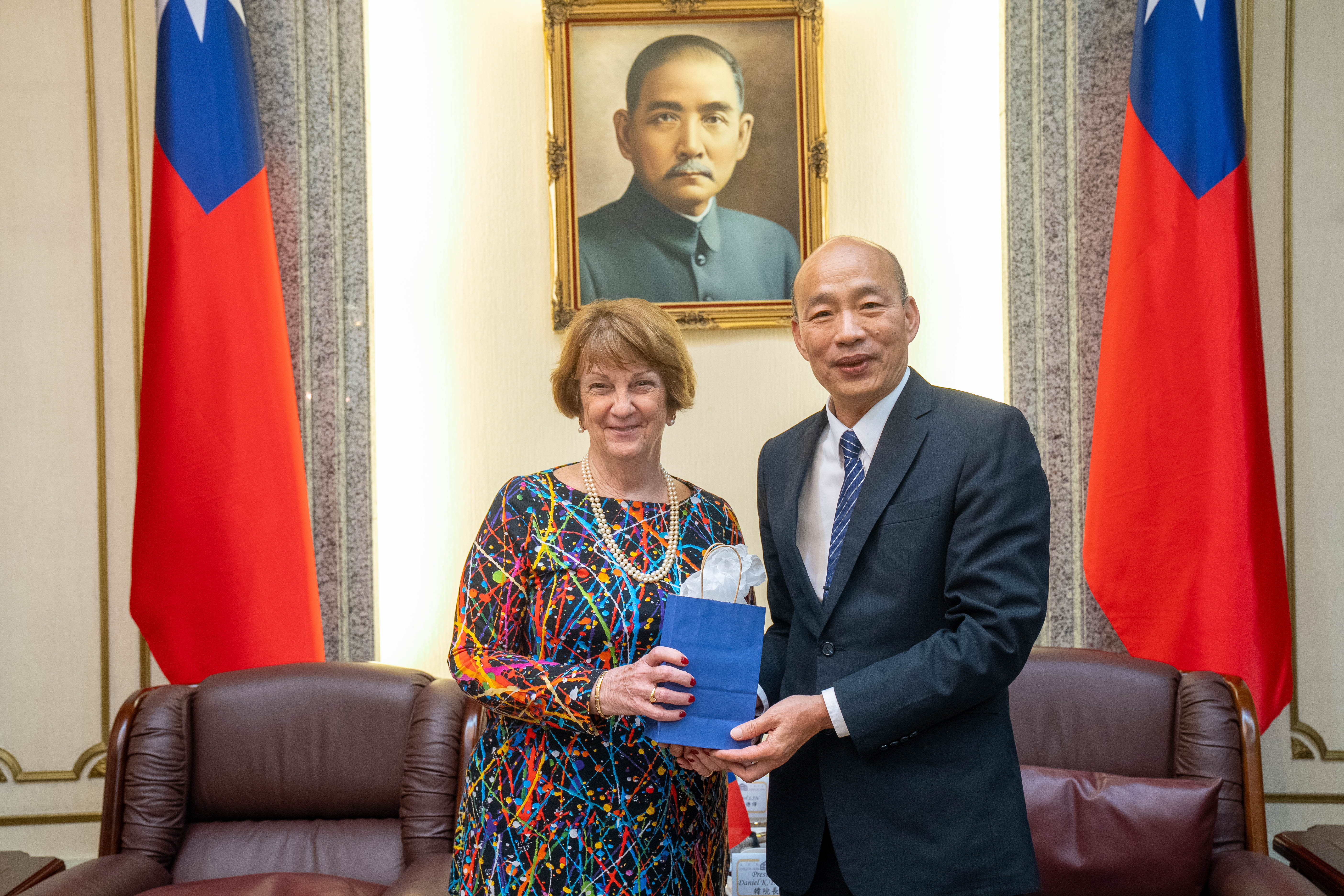
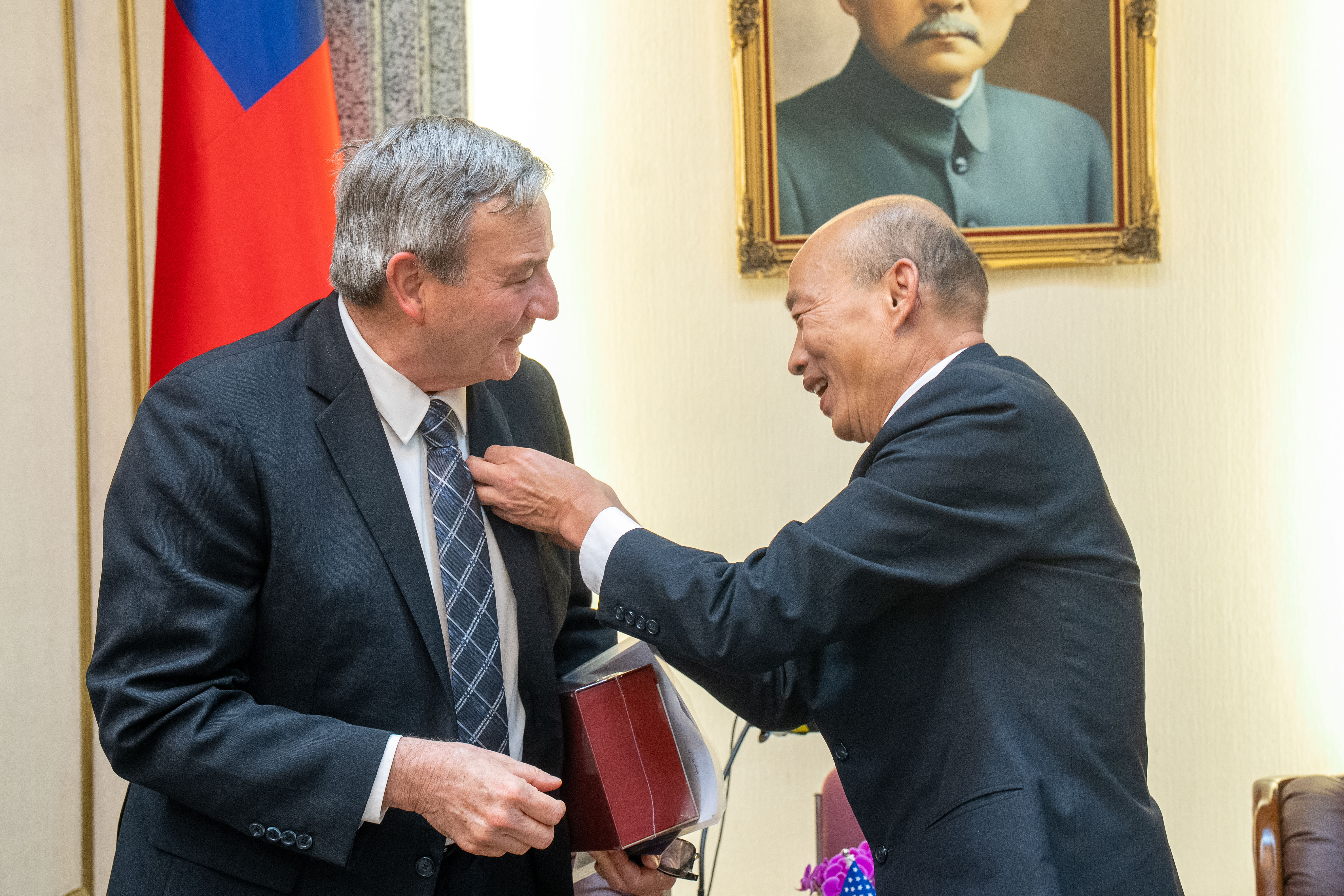
雙方並就特別預算審查、立法院朝野互動、明(2026)年地方選舉及對等關稅談判等議題深入交換意見。會談歷時約一小時,氣氛熱絡坦誠,在雙方互贈紀念品及合影後圓滿結束。
The discussion went on to cover a wide range of topics, such as the deliberation of the special defense budget, cross‑party dynamics within the Legislative Yuan, the 2026 local elections, and reciprocal tariff negotiations. The meeting lasted approximately one hour in a warm and candid atmosphere and concluded successfully with both sides exchanging commemorative gifts and taking a group photo.
On the afternoon of December 5, Legislative Yuan President Daniel K.Y. Han (韓國瑜) received a seven-member delegation from the National Committee on American Foreign Policy (NCAFP). Also in attendance were KMT Legislator Adm. Chen Yeong-Kang, DPP Legislator Dr. Fan Yun, and TPP Legislator Chen Gau-Tzu.
韓院長誠摯歡迎訪問團蒞臨,並提及一年前的今日曾與陳永康委員及本院其他委員共同接待。韓院長以「週年快樂」表達對雙方再度交流的喜悅,並逐一介紹陪同會見的跨黨派委員。
President Han extended his warmest welcome to the delegation and noted that on the same day one year earlier, he had welcomed the NCAFP delegation together with Legislator Chen Yeong-Kang. He greeted the delegates with “Happy Anniversary” to convey his joy in this reunion and proceeded to introduce the cross‑party legislators one by one.
韓院長指出,過去一年全球與東北亞區域緊張情勢升高,世界已有逾三十個國家進入戰備狀態。韓院長強調,台海情勢受到各國關注及討論,而台灣的立場和民意,也應被聽到與理解,期待NCAFP藉此次訪問深入傾聽台灣人民的聲音,認識台灣成熟的自由民主制度,並將觀察與體會傳達至美國及國際社會。
He remarked that over the past year, tensions have intensified globally and in Northeast Asia, with more than thirty countries having entered a state of combat readiness. President Han emphasized that the situation in the Taiwan Strait has garnered international attention and prompted widespread discussion, and that Taiwan’s position and public opinion should be heard and understood. He expressed hope that through this visit, the NCAFP would listen closely to the voices of the Taiwanese people, gain a deeper understanding of Taiwan’s mature system of freedom and democracy, and convey their observations and experiences to the U.S. and the international community.
雙邊交流時,陳永康委員感謝美方長期支持台灣民主與區域穩定,並應詢針對為期8年、總計400億美元(約新臺幣1.25兆)的特別預算表達看法,強調國防能力不僅取決於裝備採購,更需完整人員訓練、跨系統協調能力、社會韌性與能源安全等環節同步強化,方能提升台灣整體防衛效能,並認為行政部門應充分說明該預算的用途及規畫。
During the bilateral discussion, Legislator Chen Yeong‑Kang expressed gratitude to the U.S. for its longstanding support of Taiwan’s democracy and regional stability. In response to inquiries regarding the special defense budget of US$40 billion (approximately NT$1.25 trillion) over eight years, he stressed that national defense capability depends not only on equipment procurement but also on comprehensive personnel training, cross‑system coordination, societal resilience, and energy security, all of which must be strengthened in tandem to enhance Taiwan’s overall defense effectiveness. He further noted that the executive branch should provide full explanations of the budget’s purposes and planning.
范雲委員表示,民進黨政府一貫重視台海和平,並透過增加國防預算強化自我防衛能力,使北京清楚理解發動戰爭的代價,呼籲在國家安全議題上,朝野應持續溝通與協調,跨越政黨分歧,共同支持有助台灣安全之政策。
Legislator Fan stated that the DPP government consistently attaches importance to peace in the Taiwan Strait, and intends to strengthen Taiwan’s self‑defense capabilities through increased defense spending, so that Beijing clearly understands the cost of initiating war. She called for continued communication and coordination across party lines on national security issues, urging all parties to transcend political differences and jointly support policies conducive to Taiwan’s security.
陳昭姿委員向訪賓說明台灣民眾黨對國家安全之立場。她指出,民眾黨主席柯文哲早在2024年總統大選期間便公開支持將國防預算提高至GDP 3%,顯示民眾黨對國防現代化的重視。就特別預算議題,陳委員認為總統赴立法院報告並接受答詢具有必要性,其方式仍可進一步討論;同時呼籲政府在特別預算及與美國對等關稅談判上加強資訊公開,以利社會監督並瞭解相關內容。
Legislator Chen Gau-Tzu explained the TPP’s position on national security to the delegates. She pointed out that during the 2024 presidential election, then-TPP Chair Ko Wen‑Je publicly advocated raising the defense budget to 3% of GDP, reflecting the TPP’s priority on the modernization of national defense. Regarding the special defense budget, Legislator Chen Gau-Tzu highlighted the importance for the President to answer questions in person at the Legislative Yuan, while suggesting that the approach could be further deliberated. She also urged the government to enhance transparency of information about the special defense budget and negotiations on reciprocal tariffs with the U.S., so that the public can better oversee and understand the relevant matters.
雙方並就特別預算審查、立法院朝野互動、明(2026)年地方選舉及對等關稅談判等議題深入交換意見。會談歷時約一小時,氣氛熱絡坦誠,在雙方互贈紀念品及合影後圓滿結束。
The discussion went on to cover a wide range of topics, such as the deliberation of the special defense budget, cross‑party dynamics within the Legislative Yuan, the 2026 local elections, and reciprocal tariff negotiations. The meeting lasted approximately one hour in a warm and candid atmosphere and concluded successfully with both sides exchanging commemorative gifts and taking a group photo.