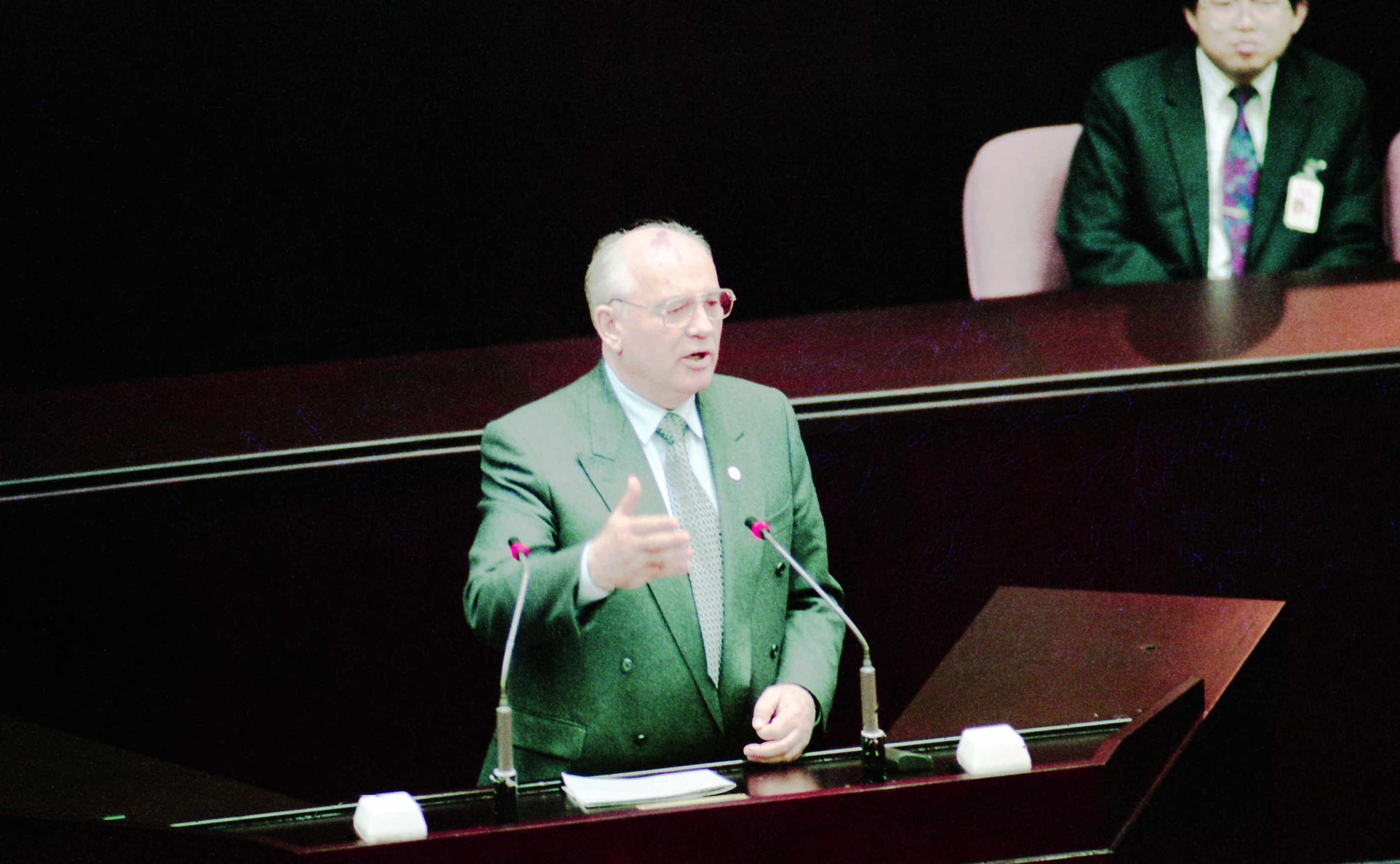
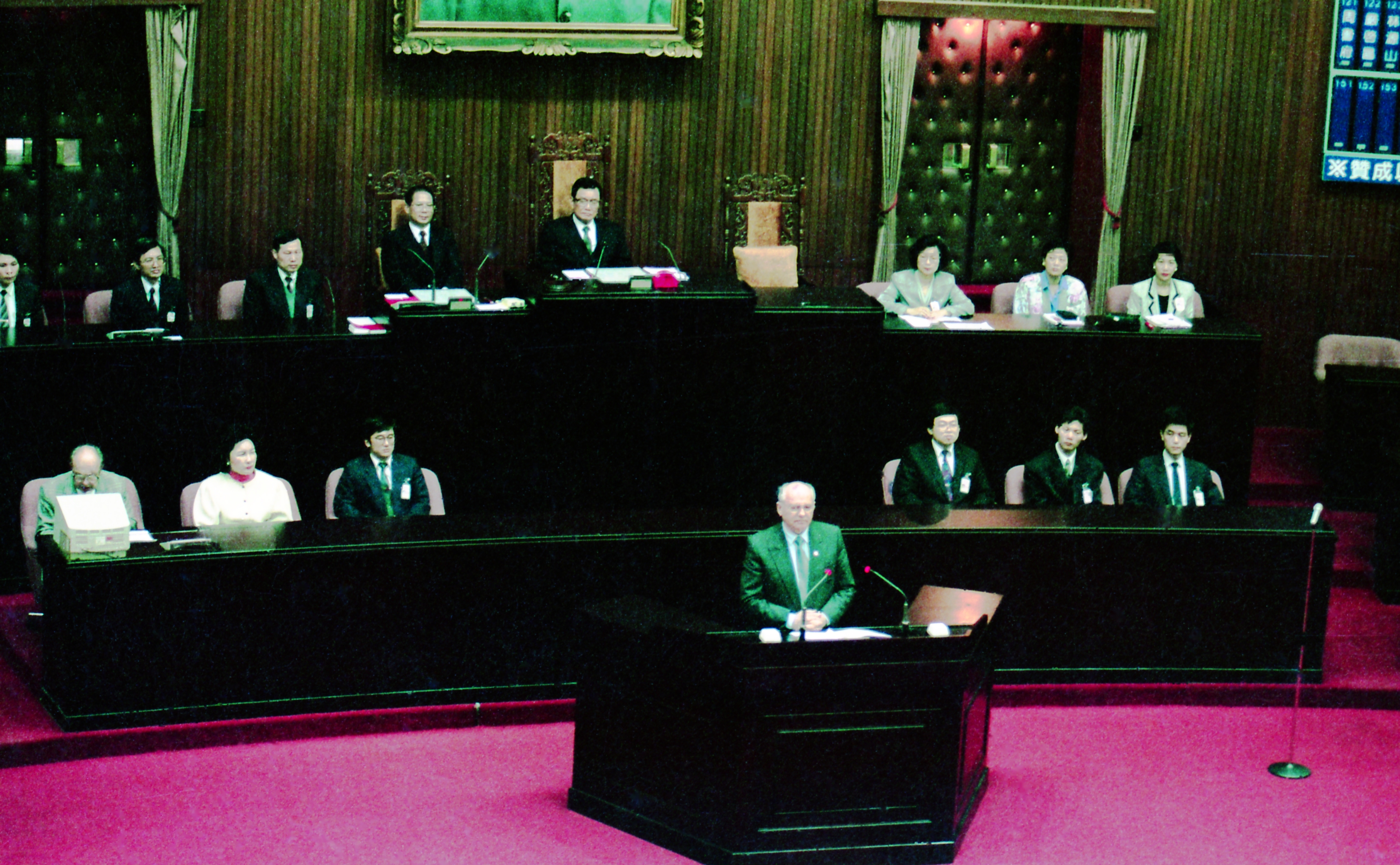
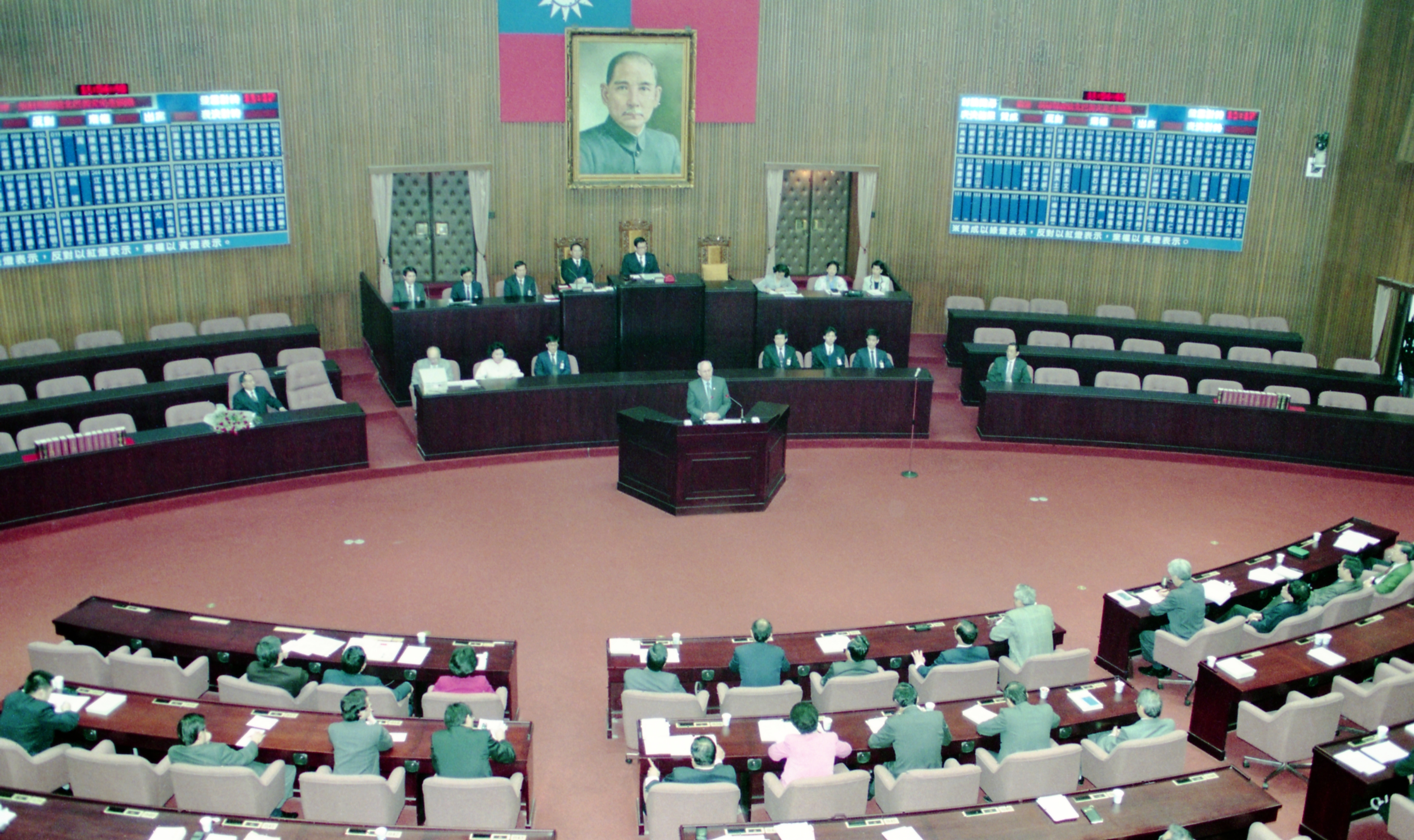
President Wang and members of the Legislative Yuan,
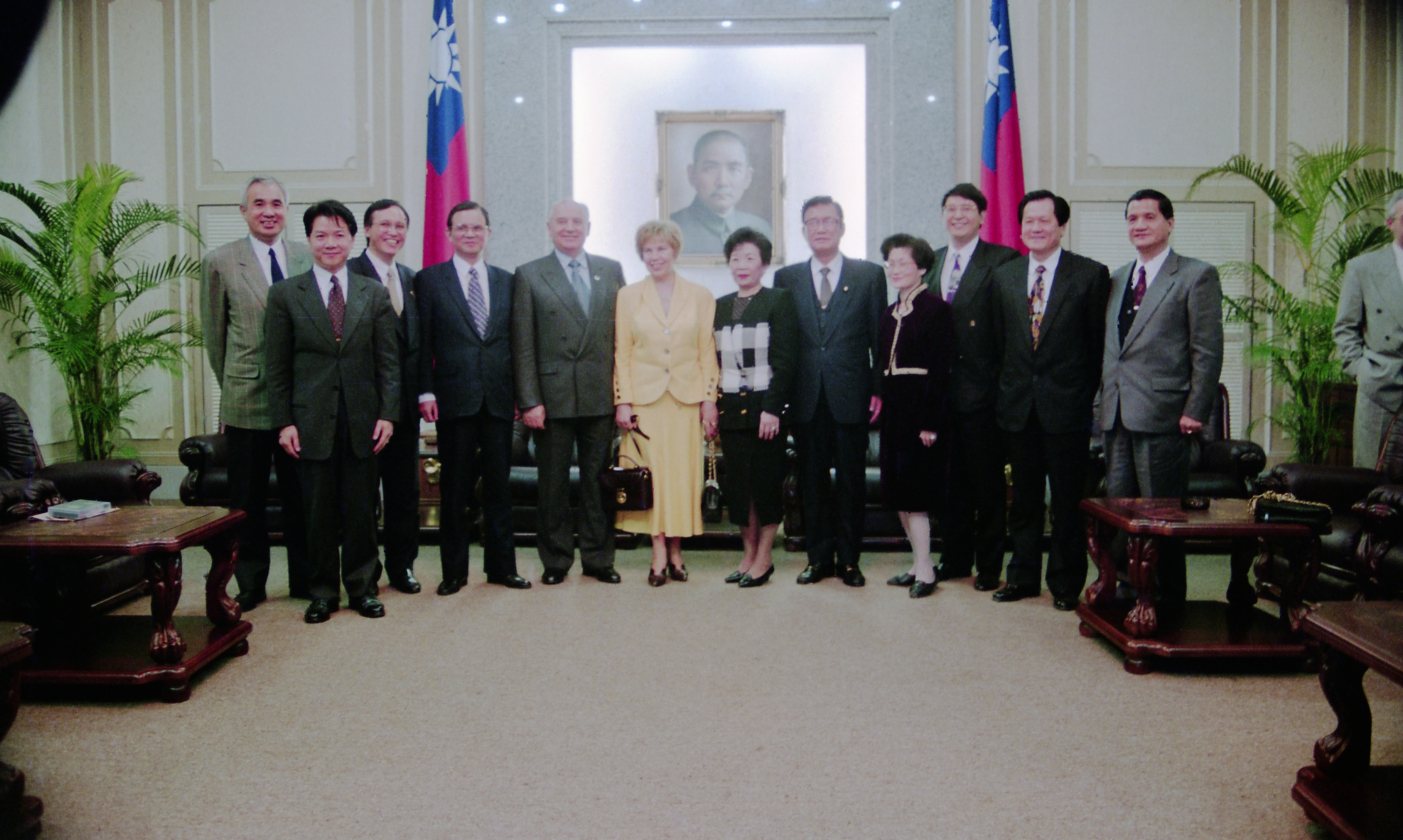
I am sincerely grateful for the opportunity to speak with you here today. I, my wife, and my delegation will soon end our visit in Taiwan. I would like to extend my gratitude to the staffs who have made this trip possible and also to the people of Taipei for their heartwarming hospitality.
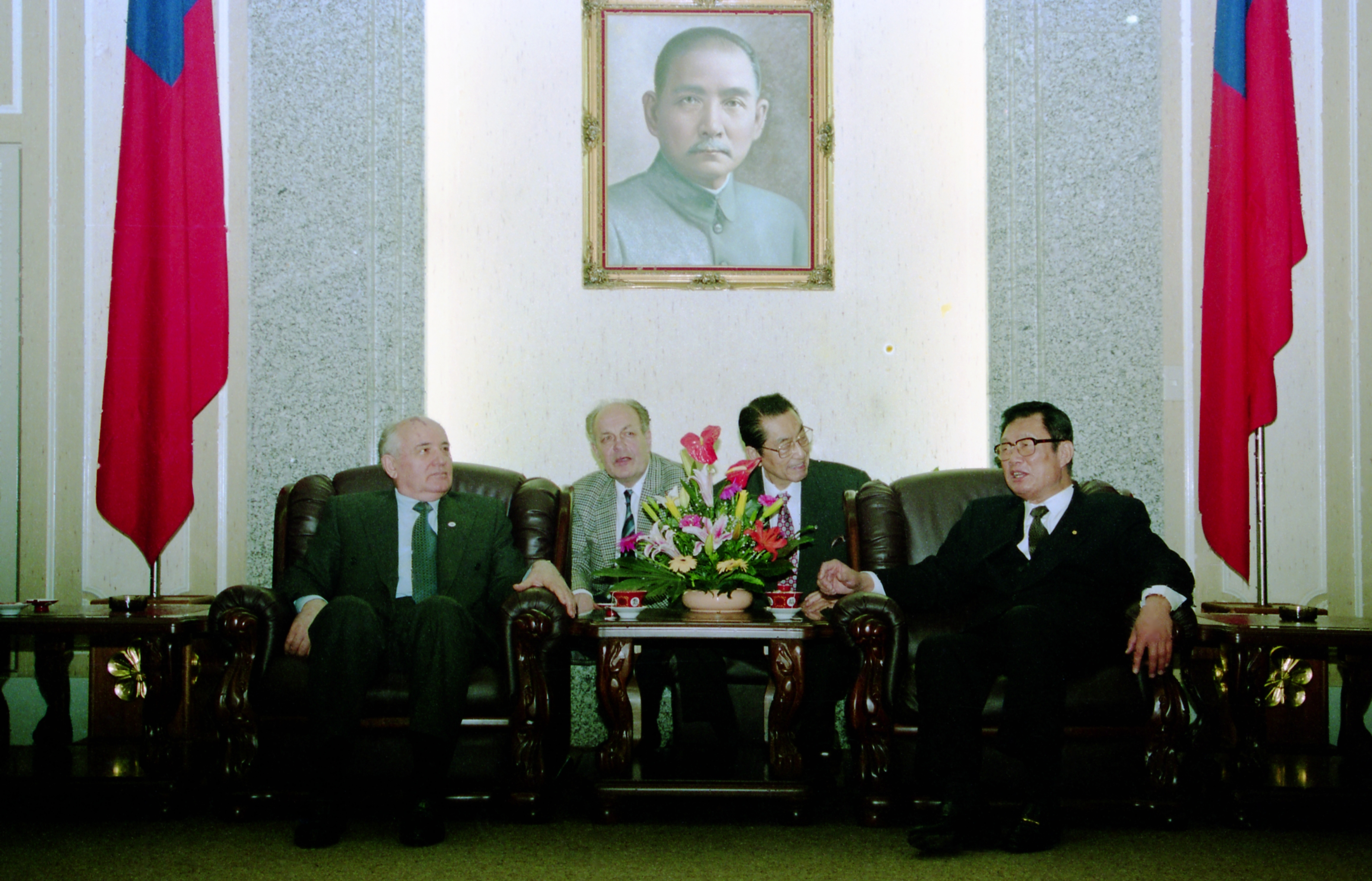
The visit to Taiwan has been particularly meaningful. It has helped us to establish quite comprehensive connections with many statesmen, business leaders, scholars, university students, and the people in Taipei. Through the help of media transportation, we are granted to have the privilege to greet all the people of Taiwan. Our conversations, particularly the exchange of ideas on essential issues nowadays, were very enjoyable for me. Every meeting was conducted in a cordial, heartwarming, and passionate atmosphere and we also exchanged a lot of ideas. I would also like to point out, much to my satisfaction, the ideas and thoughts I shared in my speeches were understood and welcomed.
My speeches were mainly about the reestablishment of new political philosophy and the reconstruction of contemporary international relations after the Cold War, issues in Asia Pacific, and the elevated position of China in the region. These discussions have given rise to lots of enthusiastic responses. The audience showed their interests in the changes of the Commonwealth of Independent States, the impacts of economic and political reforms in Russia and Mainland China on Taiwan, and the development of relations between Russia and Taiwan. In our conversations, people have praised the impact of reforms and "new ideas" on global development and pointed out my personal role in such development. I can only say that as the leader of the Soviet Union at that particular juncture, I only aimed to find ways to fit the urgent needs to protect the contemporary social benefits.
I now would like to discuss some issues with you. These are all important and diverse. Each issue is only a fraction of the more intricate and existential issues, and the most essential of them is the "crisis of modern civilization". Such a crisis stands as a crossroad, signaling the end of some civilizations and the start for creating a new civilization.
Crises of civilization have been mentioned in the past but the crisis of civilization today is different in terms of its quality and scale. We cannot ignore the fact that the crisis poses an existential threat to human survival. An important step for overcoming this global crisis is to eliminate nuclear weapons and implement concrete measures for disarmament. This crucial step helps us to identify the crisis of technological development. Technologies have placed humans in a dangerous collision course with nature. If we don't eliminate this conflict immediately, we risk destroying the foundations of all life on Earth.
We have also observed the social and political crisis. The conflicts between men and society and between men and political powers are deeply profound and more intensifying. Political systems have regressed and the influence of traditional political parties has weakened. The relationships between men have grown increasingly tense. We have also observed crises in international relations as conflicts rose between the survival of states and the Earth.
A severe weakness of our era is the "regression of the personality". The regression has taken a tragic turn as people gradually lose their basic vigor and values, without which no one can live normal lives. Finally, we have also seen a crisis of ideology as communism and liberalism, once leaders of their respective worlds, fail to identify a reasonable way forward or a shortcut. In conclusion, we are now faced with a global crisis on all fronts.
The scope of "development" must be clarified because the idea of development has become questionable in the 20th century. This idea needs new definitions. The problem is that we must recognize the diversity of the world, the multiple paths of development, and the indecisive of the future. This is the essential difference between all ideological theories of the past and new ideas. The old theories require human intelligence to construct the world which is a task that can never be completed. The attitude we hold toward future should have more principles "rules of the past do not necessarily apply to the future." The rules of the past are not simply theoretically illogical but also extremely dangerous. Future assessments have become the current standards for evaluation and predetermined meanings have become crucial.
Objectively speaking, humans in the 20th century share common interests and goals. The difficult thing is to figure out the way to incorporate the interests and goals into global and national policies so that societies can become democratized and the Earth can become a whole society. We must achieve democratic and harmonious relations between men and nature, between countries, between men, between peoples, between societies, and between nations. The question is how we incorporate the factors into international and global policies.
Principally speaking, we believe the existence of common theories for transforming a global community into a new civilization is possible. These theories can be applied under different conditions such as: 1. where there is a model of an ideal society; 2. where the theory can break free from socialism or capitalism; 3. where it recognizes the diverse and intricate international relations.
We are also acutely aware that the attainment of the ideal requires common actions from different countries and the organizational for of a world community. It is extremely important to demonstrate economic strengths and transform market relations. All the countries are involved in markets nowadays. regardless of their sizes. When we rely on the independent market order to resolve global issues, we still need to face our own issues. Is it necessary that undeveloped countries should walk the path taken by mainstream countries? Is the "north and south" contradiction be able to promptly resolved? I am aware that no technology or equipment on the market can single-handedly resolve the numerous issues in the 21st century. Not only democratic institutions and methodology are essential, but balanced moral standards are also necessary.
In terms of international policies, we must resolutely refuse directives, regardless of whether such directives are economic or military in nature. Hegemony is the wrong path to a new civilization. We must alwaysprioritze human rights and people’s freedom. Many issues are about the protection of the rights of minorities. The rules that govern the rights of nations and states must be accorded with international norms of rights in order to ensure the survival of nations and humanity. Nationalism must be resolved by the establishment of new federalism. We cannot afford to take the dangerous path torevive nationalism.
All issues ultimately concern people. The values and ethics of the 20th century have become a fragile layer of protection. We must explore the possibility of using religion, philosophy, human experience, and customs to form a comprehensive code of ethical conduct and create global ethical standards and building blocks for a new era.
I believe that future development and progress should never be revolutionary. Instead, societies must gradually evolve into free and democratic. The way to saving mankind is to gradually create a new civilization in an orderly fashion. We need a new value system to control world development and we cannot force the value system to people. However, we must help them understand and learn that the
people’s happiness is beneficial to individuals. This must be done with democracy, self-governance, and civilization.
These are the questions I wish to discuss with you. These questions may be general without concrete steps but I believe that if we do not clarify the principles of these issues, we would never find the way to study and analyze individual issues. I am not saying my words are absolute truth. However, I don't believe that it is an Utopian story because those are feasible. We have ended the Cold War and proved the immense potential from collective actions. I am therefore optimistic to the future and I do not support any baseless pessimistic views. Thank you.
Video Link:https://aam.ly.gov.tw/P000051_03.do/1200