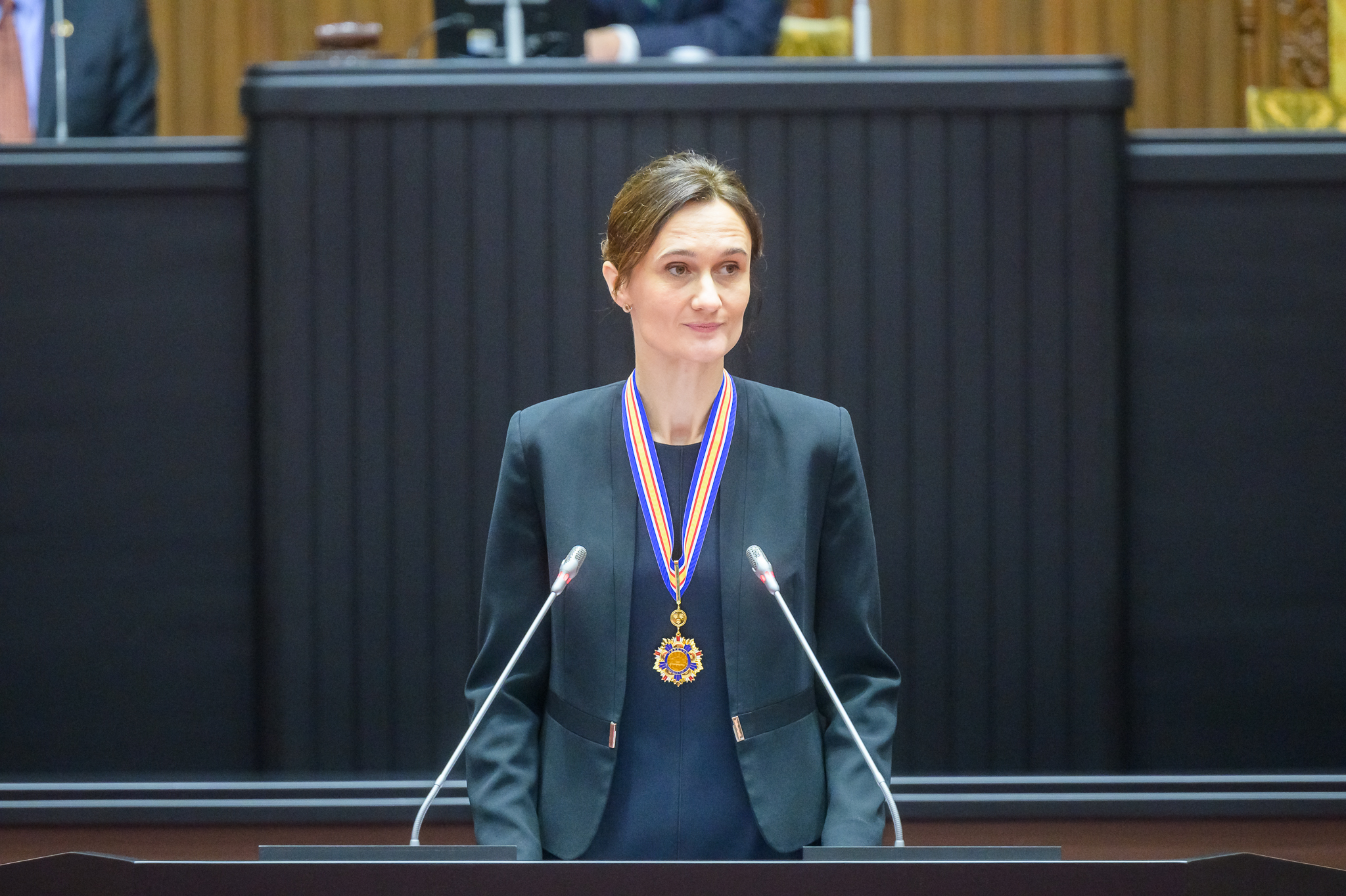
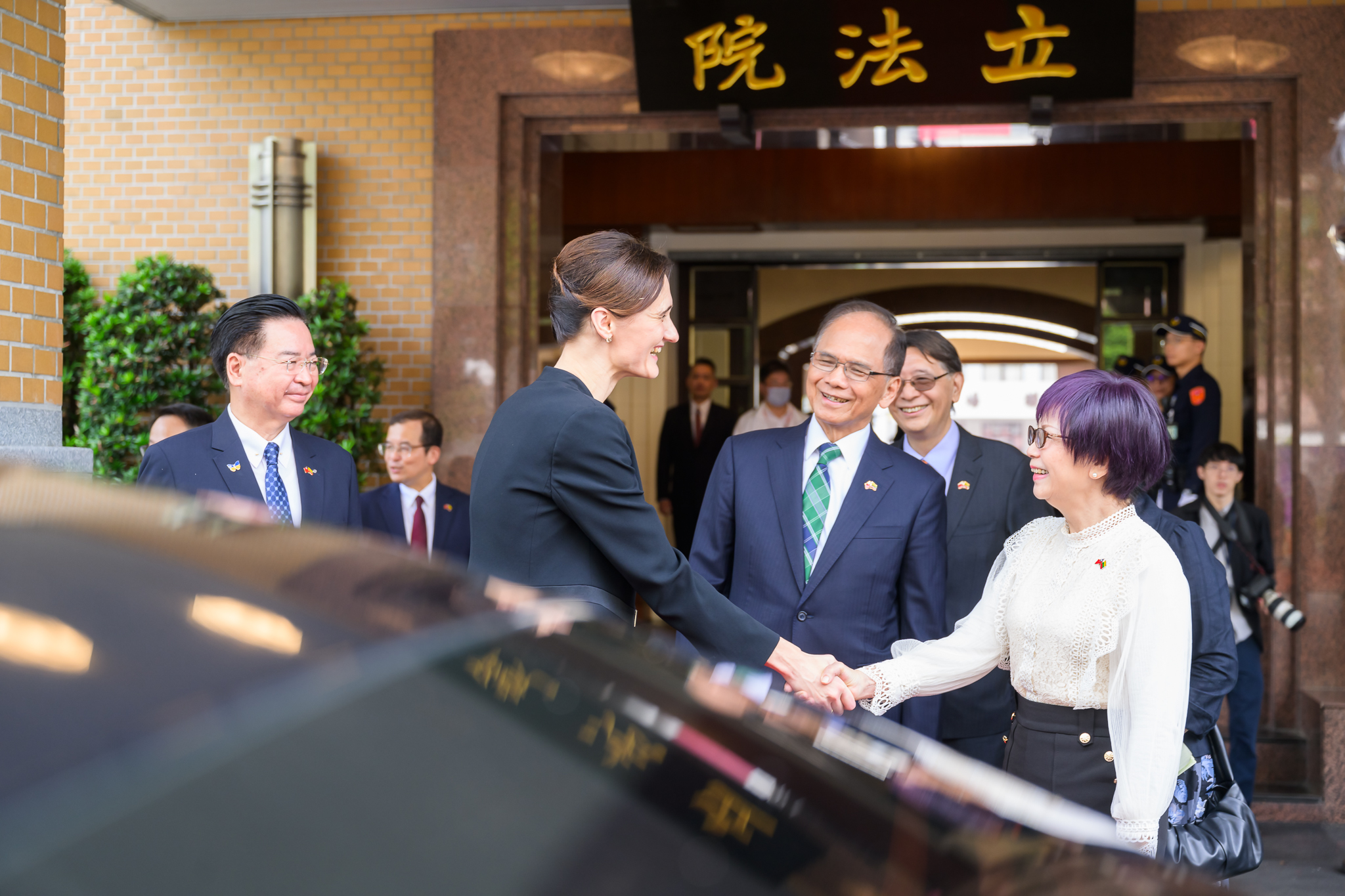
Your Excellency Mr. Speaker,
Dear Members of the Parliament of Taiwan, Guests, and Friends,
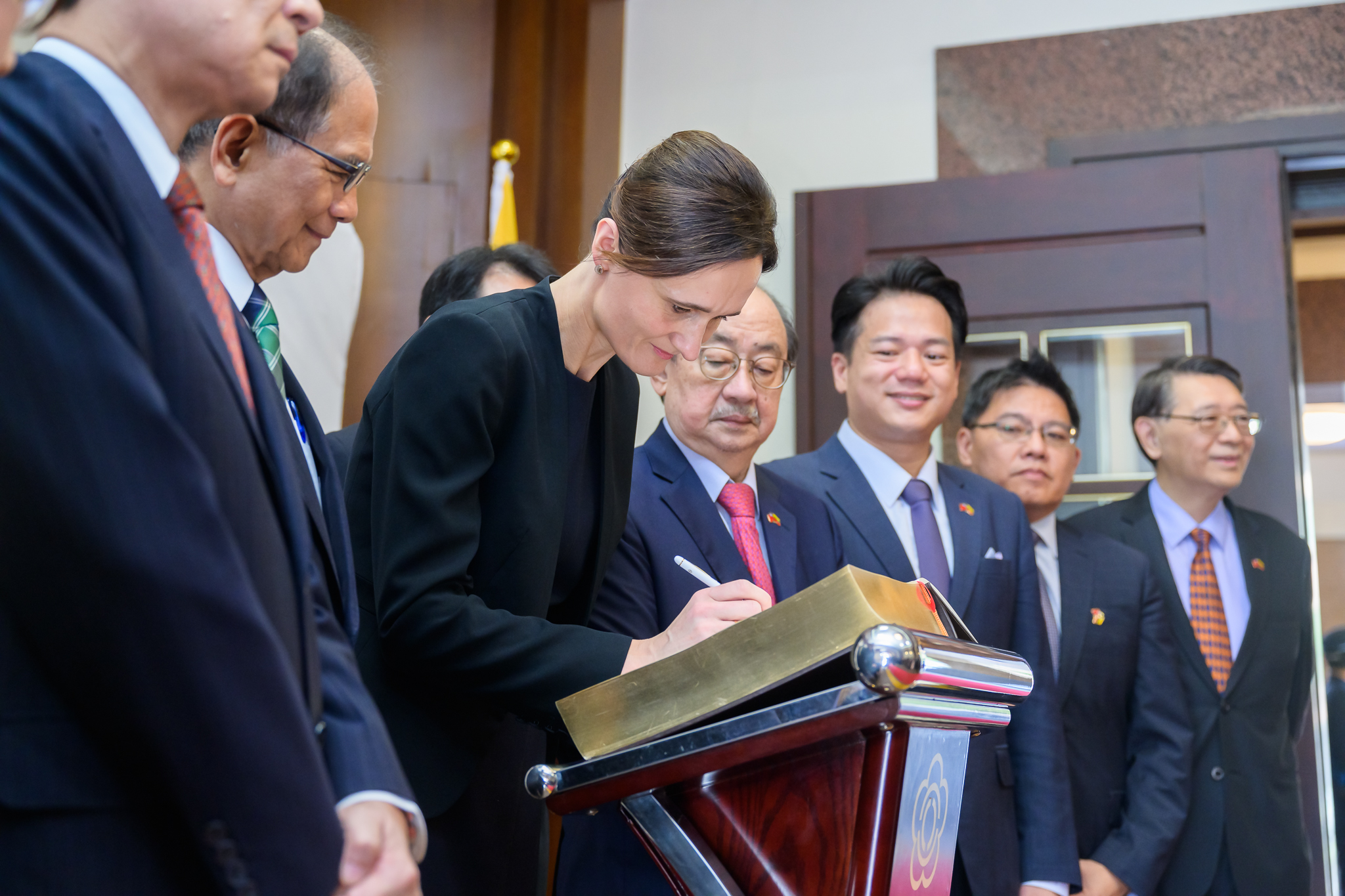
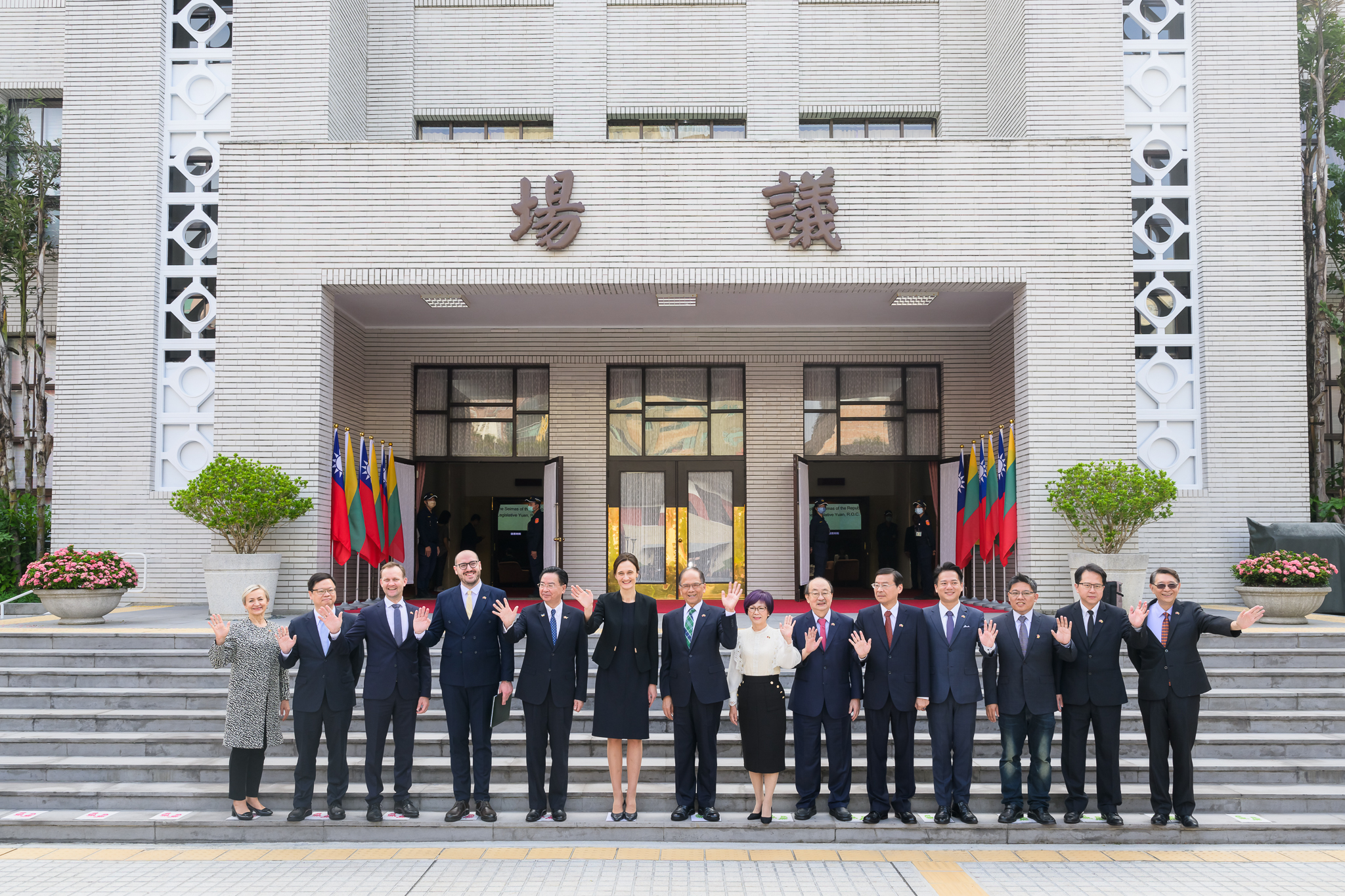
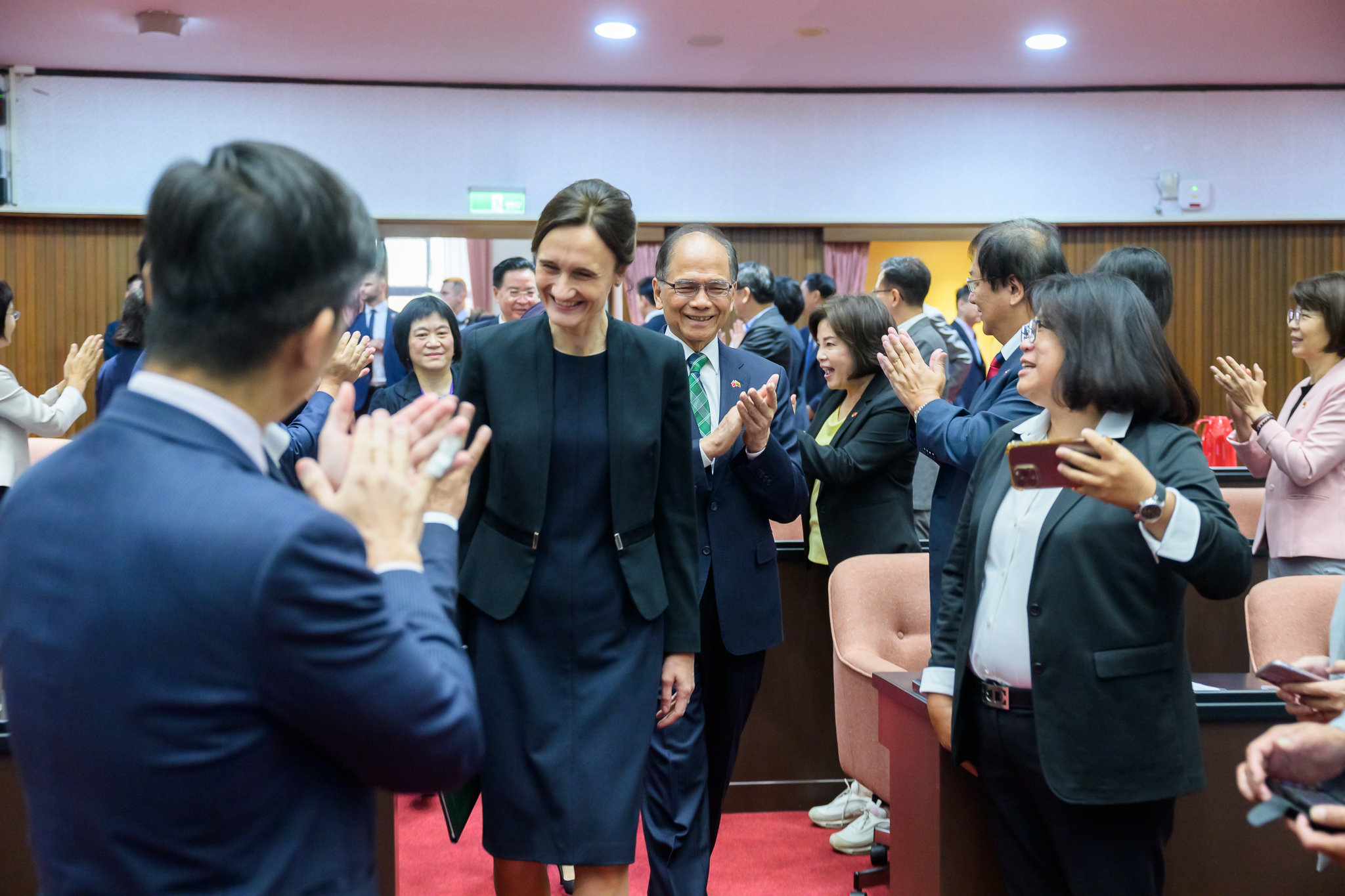
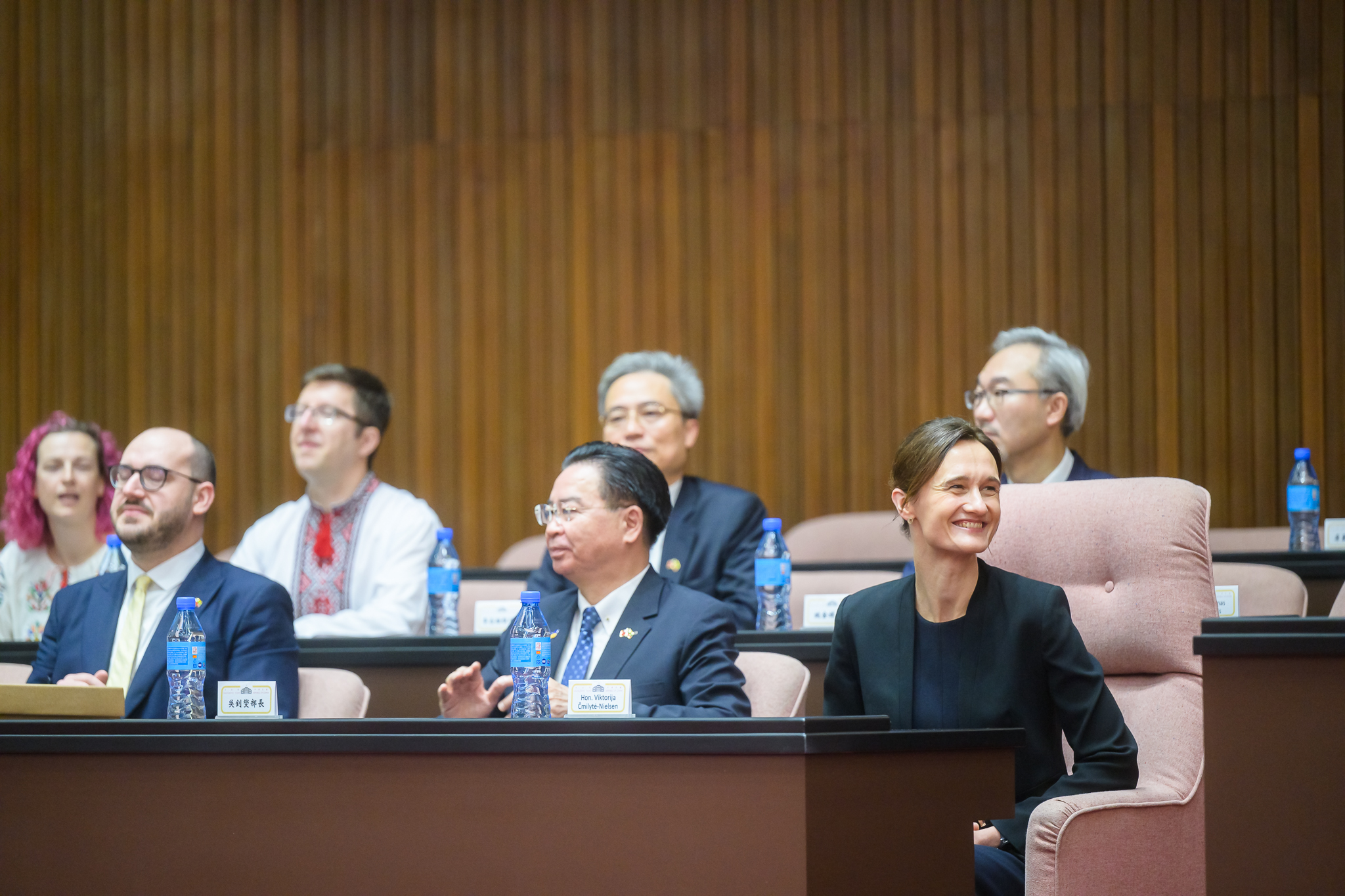
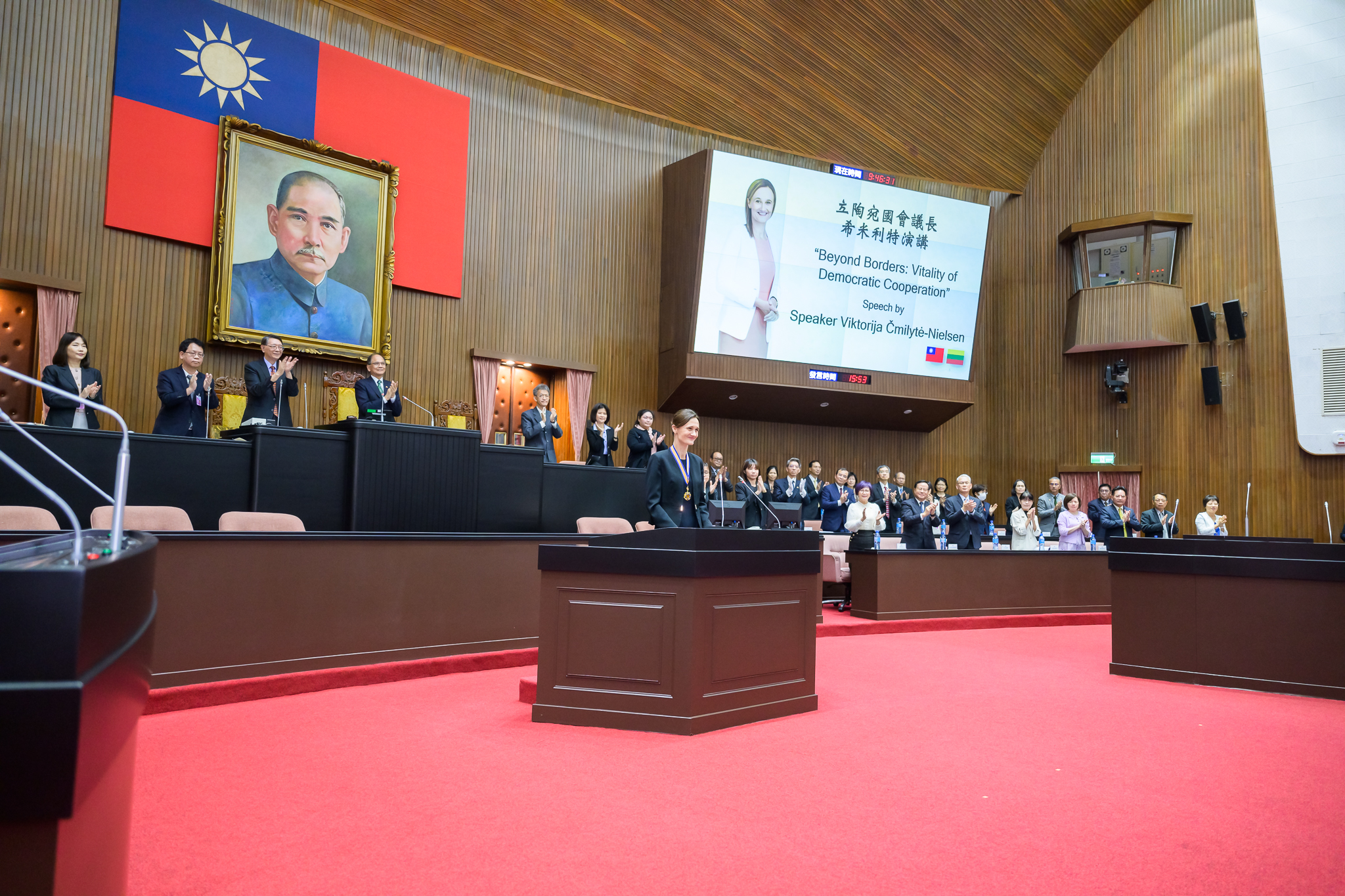
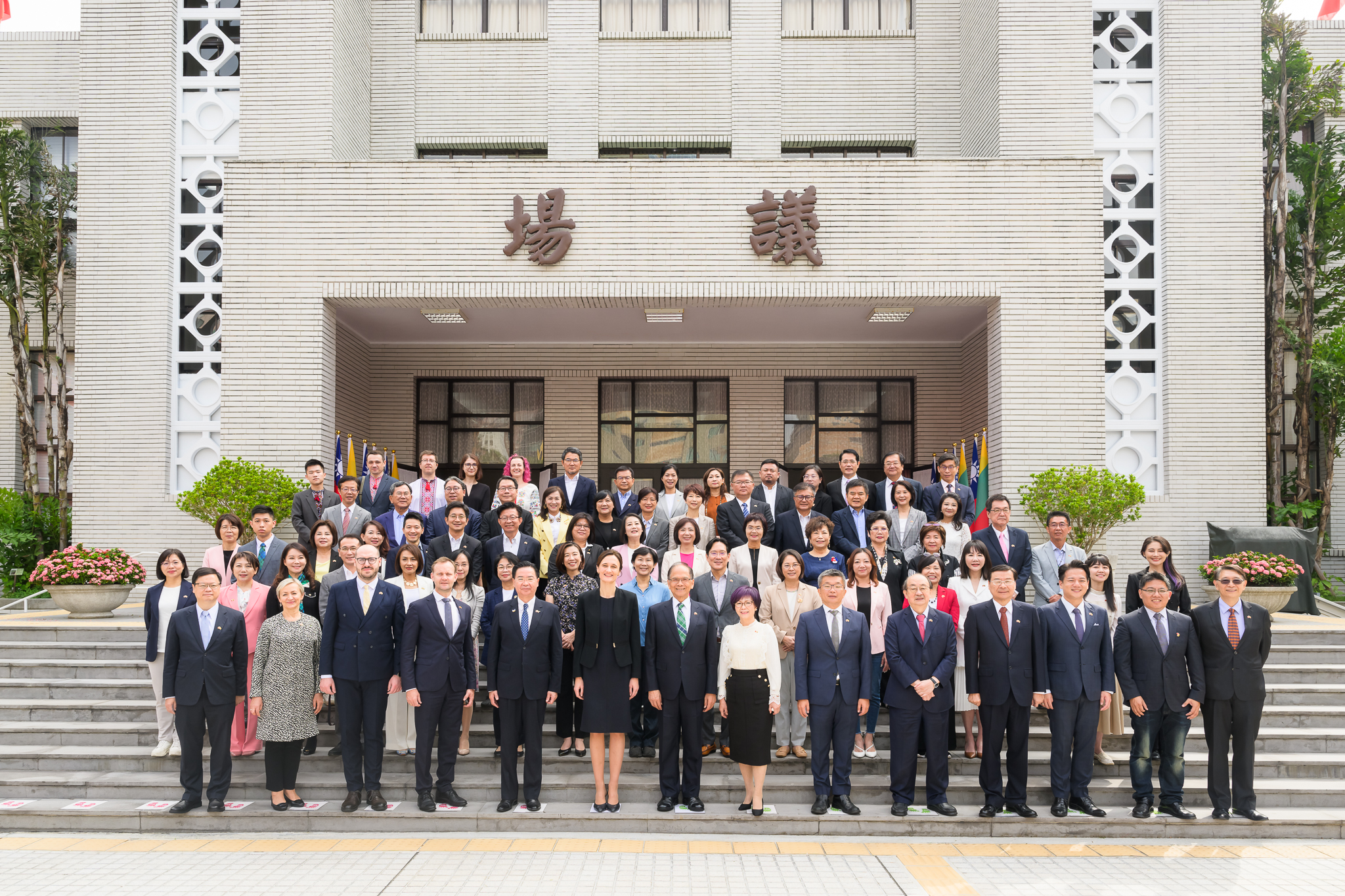
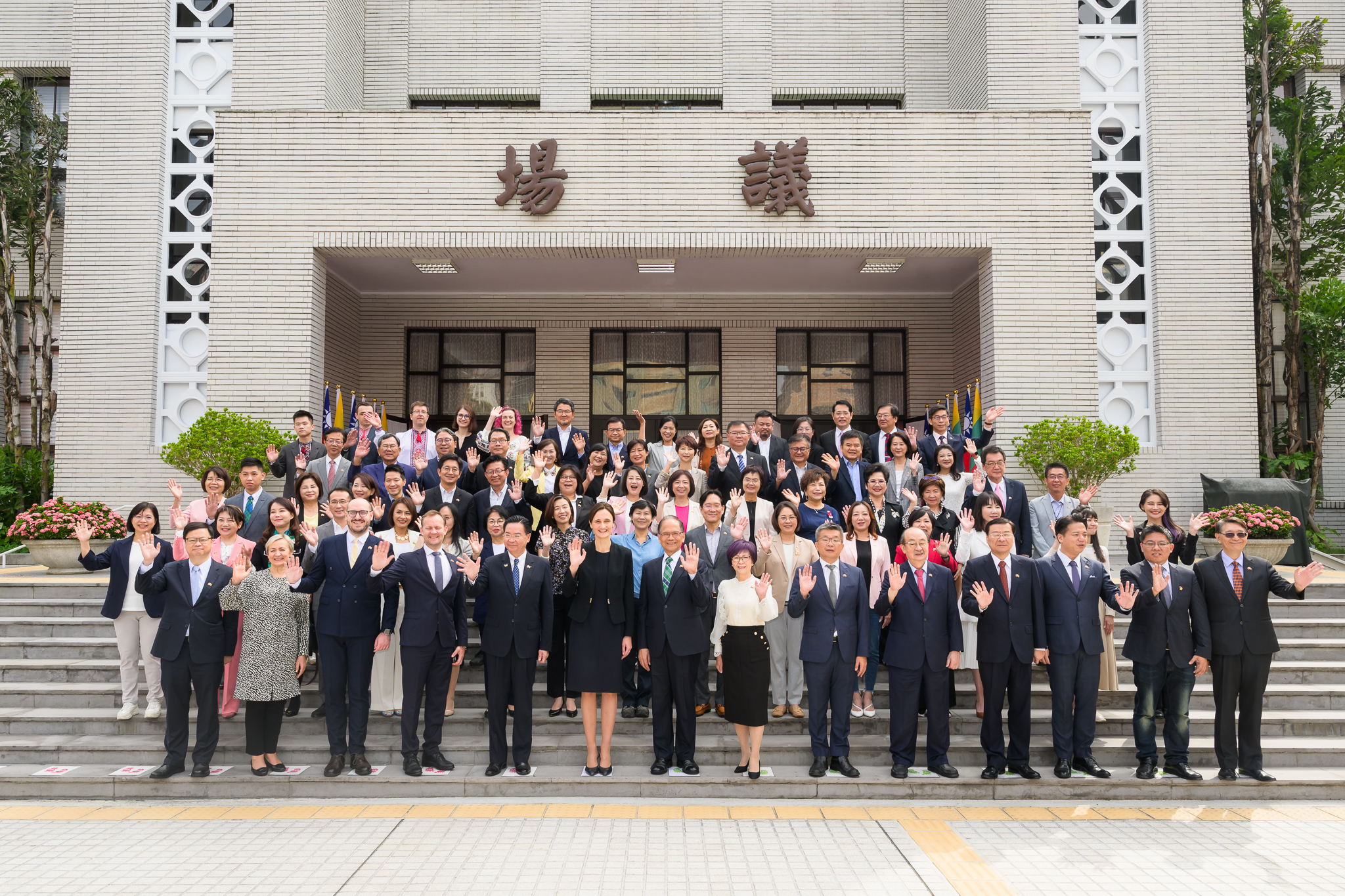
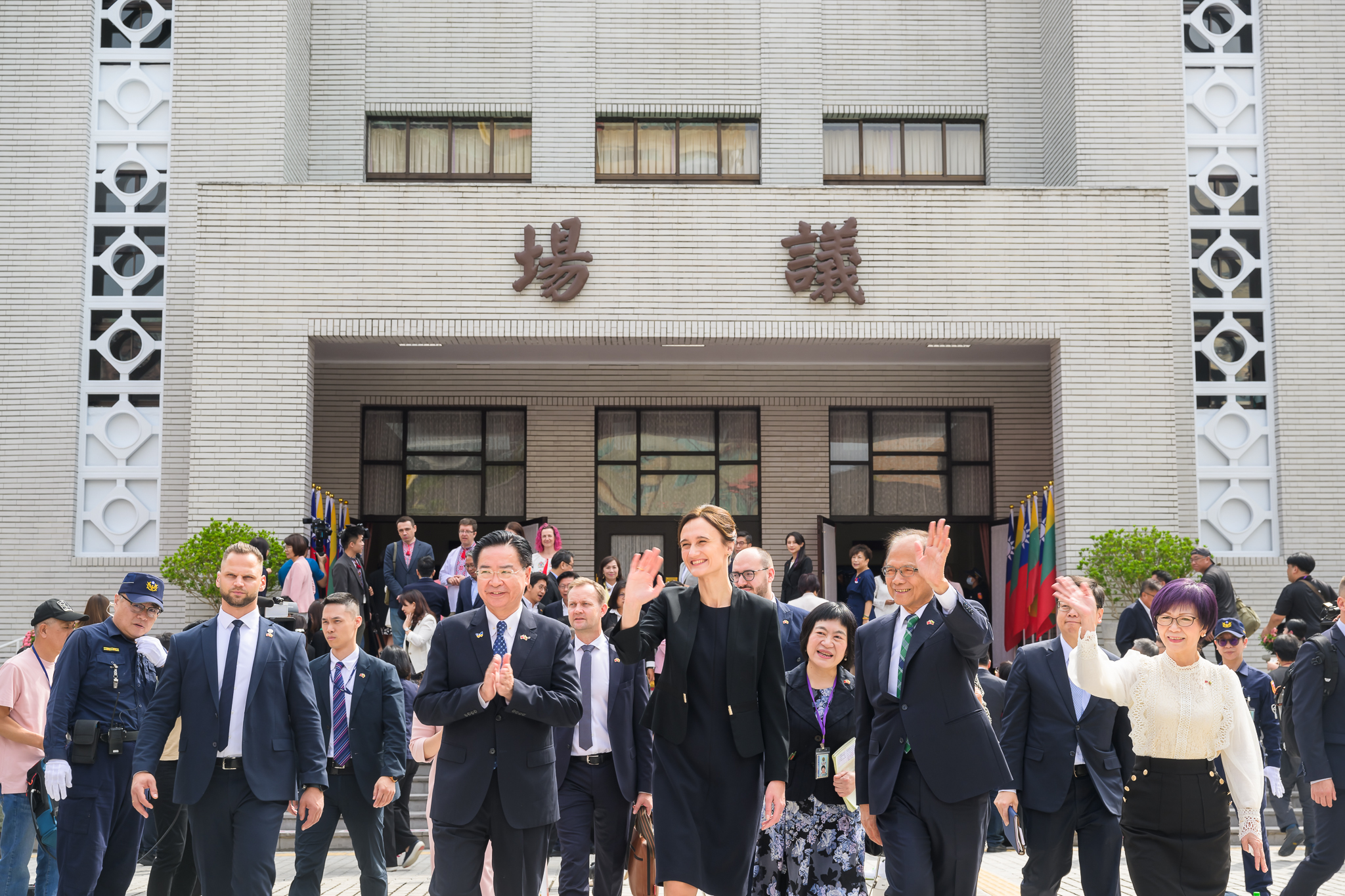
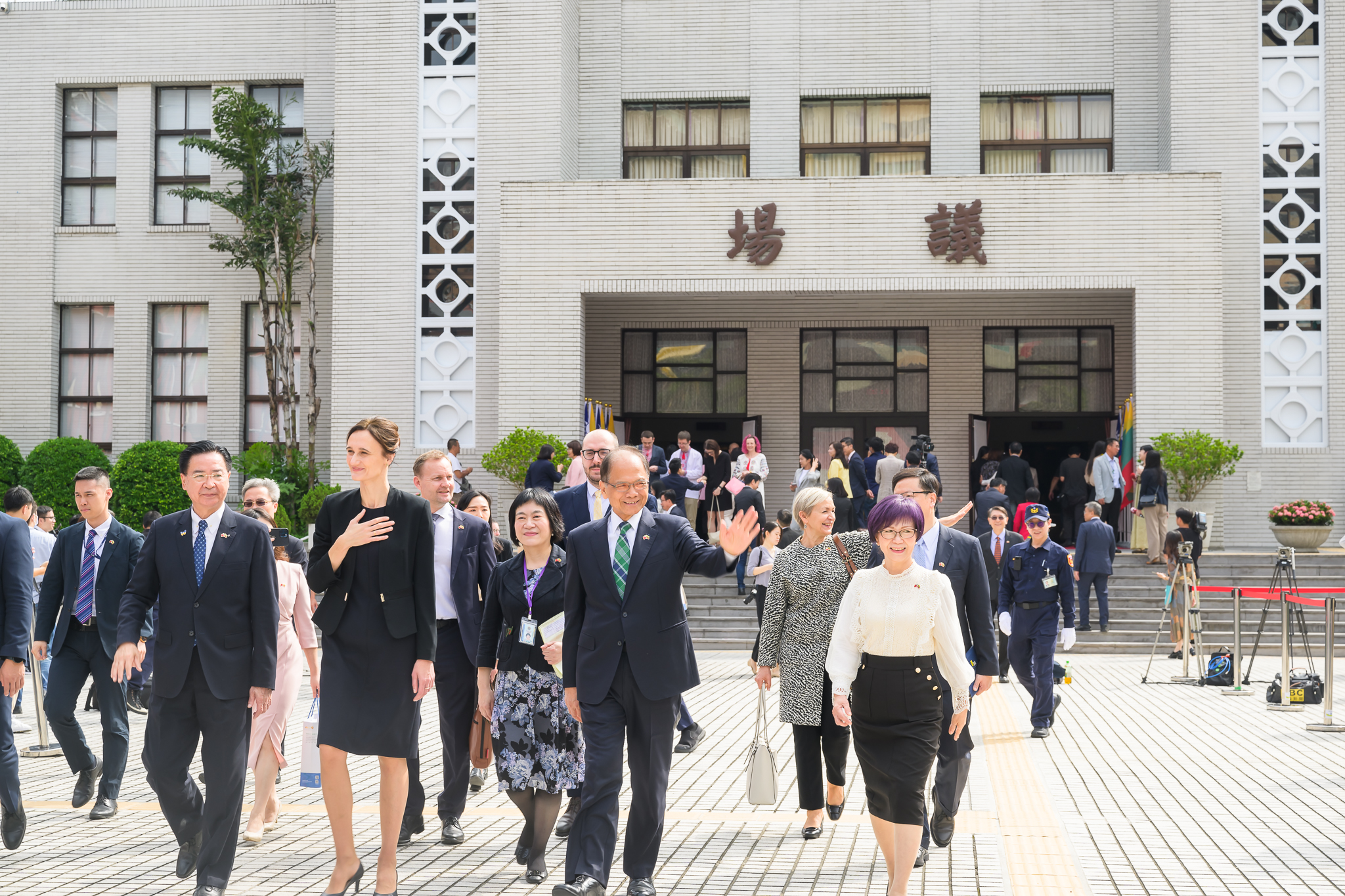
It is with great honour and deep gratitude that I stand before you today in this temple of democracy and representation of the people.
My presence here is a testament to the bonds that unite us in the pursuit of shared democratic ideals and a reaffirmation of our strong commitment to the principles that guide our nations.
As a guest in the Parliament of Taiwan, at the heart of this vibrant democracy, I recognise the profound role of this institution. It is here, among the echoes of vigorous debates and significant decisions, that the collective voice of the people of Taiwan is heard, determining the destiny of the nation. Apart from playing a pivotal role for Taiwan, this Parliament also stands as a beacon to all who cherish democratic governance.
At the time when the resilience and the very value of democratic institutions are put to the test, my presence here send a message reaffirming that a nation’s strength derives not only from its economic clout or geographical expanse, but also from its vibrant democratic spirit.
Both Taiwan and Lithuania are guided by the belief that people are the creators of their own destiny. We share a goal of preserving the principles of democracy entrusted to us, and through this quest we discover our common ground that transcends geographical distances.
The message sent by Lithuania derives from our painful and heroic past. Our country suffered oppression and occupations, but has resolutely regained its independence and freedom by restoring statehood each time. This historic path strengthens our unwavering commitment to freedom, democracy and international law.
Those three values are closely interconnected and are crucial in a world which, unfortunately, is increasingly defined by uncertainty.
Against the backdrop of growing confusion, strong relations between the world’s democracies are more important than ever before. I truly believe that shared values can bridge the longest geographical distances and bring people together.
The commitment to those values, has not only shaped our strategic choices, but also created an unbreakable bond with the European Union. We look forward with anticipation and pride to next year, when Lithuania will celebrate the 20th anniversary of EU membership.
Deprived of the right to participate in the early stages of the EU unification process by the post-World War II occupation, Lithuania has enthusiastically embraced it as soon as the country joined the EU. Through our policies and active contribution, we strive to ensure that the EU strongly supports its Member States in upholding the fundamental principles that are at the core of European Union, in particular, freedom, democracy, human rights and the rule of law.
I am pleased to note that this attitude is becoming more and more pronounced in the European Union’s approach to relations with Taiwan as well. This is particularly true in respect to the European Parliament, which is consequent in calling on the Union and its Member States to play an increasingly active role in cooperation with like-minded partners.
The resolutions of the European Parliament highlight that we consider Taiwan not only an important partner, but also a democratic ally of the European Union in the Indo-Pacific Region. Taiwan’s strong democracy and technologically advanced economy can actively contribute to the
maintenance of a rule-based order in the face of growing pressure from major powers. The resolutions of the European Parliament also highlight the importance of developing partnership and cooperation at all levels between the EU and Taiwan.
Lithuania fully subscribes to this imperative not only by words, but also by taking concrete, tangible steps in that direction. The year 2021 marked a new stage in our bilateral relations with Taiwan. The establishment of the Taiwanese Representative Office in Vilnius and the setting up of the Lithuanian Trade Representation Office in Taipei are designed to invigorate our bilateral economic, scientific, cultural, political and people-to-people exchanges.
My only regret is that we are starting to discover each other much later than the vast majority of other EU countries.
One could say that today cooperation between Taiwan and Lithuania is a litmus test to many countries worldwide in general and to the EU in particular. A number of other EU Member States are eager to see the specific economic and investment results achieved and it could determine further steps of other EU Member States accordingly. This is why the partnership between Lithuania and Taiwan must become a success story for many more to follow.
Together, we must show that collaboration between democracies is both right and mutually beneficial.
Be it support with Covid-19 vaccines, new business relations, cultural exchanges, or cooperation in education, all of these endeavours must help democracies build bridges at a time of immense global challenges.
With this in mind, fostering our economic ties is particularly important. It is therefore no coincidence that during my visit to Taiwan I am joined by a large Lithuanian business delegation looking for opportunities to cooperate in information technology and innovation.
The focus on technology and innovation is a proof of Lithuania’s aim to position itself among the world’s high value-added economies. Already a leader in lasers, Lithuania is also advancing in life sciences, cybersecurity, financial technologies, renewable energy, engineering and the automotive industry.
Sustainable cooperation between business and government, focus on high technologies, well-developed infrastructure, membership in the EU Single Market and other characteristics make Lithuania an excellent partner standing ready to cooperate with Taiwan and other stakeholders in the Indo-Pacific region, that are interested in developing high-tech businesses in Europe and beyond.
It stands to reason that, in a free market, joint projects between companies will ultimately be determined by corporate decisions, but the administration is also able to steer certain projects through institutional mechanisms. For instance, we can already register following achievements: Taiwan International Cooperation and Development Fund (ICDF) joined the European Bank for Reconstruction and Development (EBRD) investing in the project of developing sustainable mobility in the city of Vilnius, the Lithuanian capital. We believe that similar principles could be harnessed into investment in other projects underway in Lithuania. Opportunities are ample.
The relations between Lithuania and Taiwan are also important in the broader context. As seen from the Lithuanian perspective, our country’s focus on technology will help us implement the European Green Deal and follow through on our international commitments on sustainable development and green transformation.
Focusing on global issues such as climate change and tackling global health crises is a fair approach to international cooperation. Only by working together can we hope to meet these global challenges effectively. Incidentally, these concerns seem to weigh most heavily on democracies.
If we are to meet the many forthcoming challenges and build a better future for our people, we must ensure a world order based on international law, mutual respect and cooperation. When states uphold international law, they create a stable and predictable environment in which cooperation and concerted action can flourish. This is the only way to meet the forthcoming global challenges.
However, international law is under threat today. We see how the established standards and rules are being flouted, and efforts are made to normalise aggressive behaviour and violations of national sovereignty and territorial integrity. This threatens the stability and security of the global system and undermines our ability to address the challenges we face.
Cooperation and diplomacy, rather than the use of force and coercion, must underpin international relations in the modern world at large, and in this region in particular.
The future of Ukraine will be a key indicator of the direction in which international relations will be headed. More specifically, the future will depend on the international community’s response to the unprovoked war launched by Russia against a sovereign state.
Russia’s aggression against Ukraine is not only about violation of territorial integrity or expansion of geopolitical interests.
It is about challenging the fundamental values on which our societies are based. It is about the right of people to choose their own future and to live in a free and democratic society. It is about the rule of law, human rights and the dignity of every human being.
Therefore, we must take action to support freedom in Ukraine and beyond. We must uphold the rule of law and human rights, and we must take responsibility for our actions and omissions.
At this point, let me come back to the role of the parliaments.
The promotion and protection of democracy and international law is the primary responsibility of states and international institutions that prioritise these objectives. By default, democratic parliaments are equally not only in charge of safeguarding democracy and international law, but also bear the brunt of responsibility for meeting other challenges that arise in the process of promotion and protection of democracy and international law.
As representatives of the people, parliaments can provide a forum for dialogue and debate on the major global challenges threatening our world today. In partnership with other public institutions, international organisations, civil society and the private sector, parliaments can help build consensus and develop policies to address these challenges in a comprehensive and coordinated way.
In other words, at a challenging time, neither parliaments as institutions, nor their individual members, let alone their leaders, can afford the luxury of standing aside from issues important for international coexistence. On the contrary, we, as parliamentarians must take an active role in the development of policies to meet the current and future challenges.
I am encouraged by the knowlegde that here, in the Parliament of Taiwan, one is surrounded by friends and like-minded people ready to act together. The support of the people of Taiwan to the people of Ukraine who are fighting for their freedom and their future is paramount. I therefore commend the cooperation between Taiwan and Lithuania in the reconstruction effort in Ukraine. The first project has already been implemented. In Irpin, a town in Ukraine, kids have come back to the kindergarten reconstructed through joint funding of Taiwan and Lithuania.
During one of my recent visits to Kyiv, when this kindergarten was still badly damaged, I had the opportunity to visit the site in person. At the time of my visit, it seemed impossible to believe that kids would be returning back to that particular place in a little over a year.
Therefore, to me, this revitalised kidergarten is the best example of what democracies can do when they work together.
Our joint efforts to rebuild Ukraine will have to be sustainable and substantial. The World Bank estimates that around €400 billion may be needed to reconstruct Ukraine, but each day of the war raises that bill. The best way to ease this burden, but also, and more importantly the burden of daily suffering and tragedy bestowed upon the people of Ukraine would be for Russia to end the war immediately and withdraw from the occupied territories. This is what all the democracies globally should aim for.
Esteemed Members of the Parliament of Taiwan,
In conclusion, let our shared beliefs keep us together and strengthen us in the face of adversity. As beacons of democracy in our respective regions, together we can light the way to a brighter and safer future for our people.
May the relations between Taiwan and Lithuania serve as a proof of the potential emerging from joint action of democracies. Through partnership and mutual respect, we will meet the challenges of our time and build a legacy of strength, resilience and progress.
May the bond that we share continue to be an inspiring example of the vitality of democratic cooperation.
Thank You!