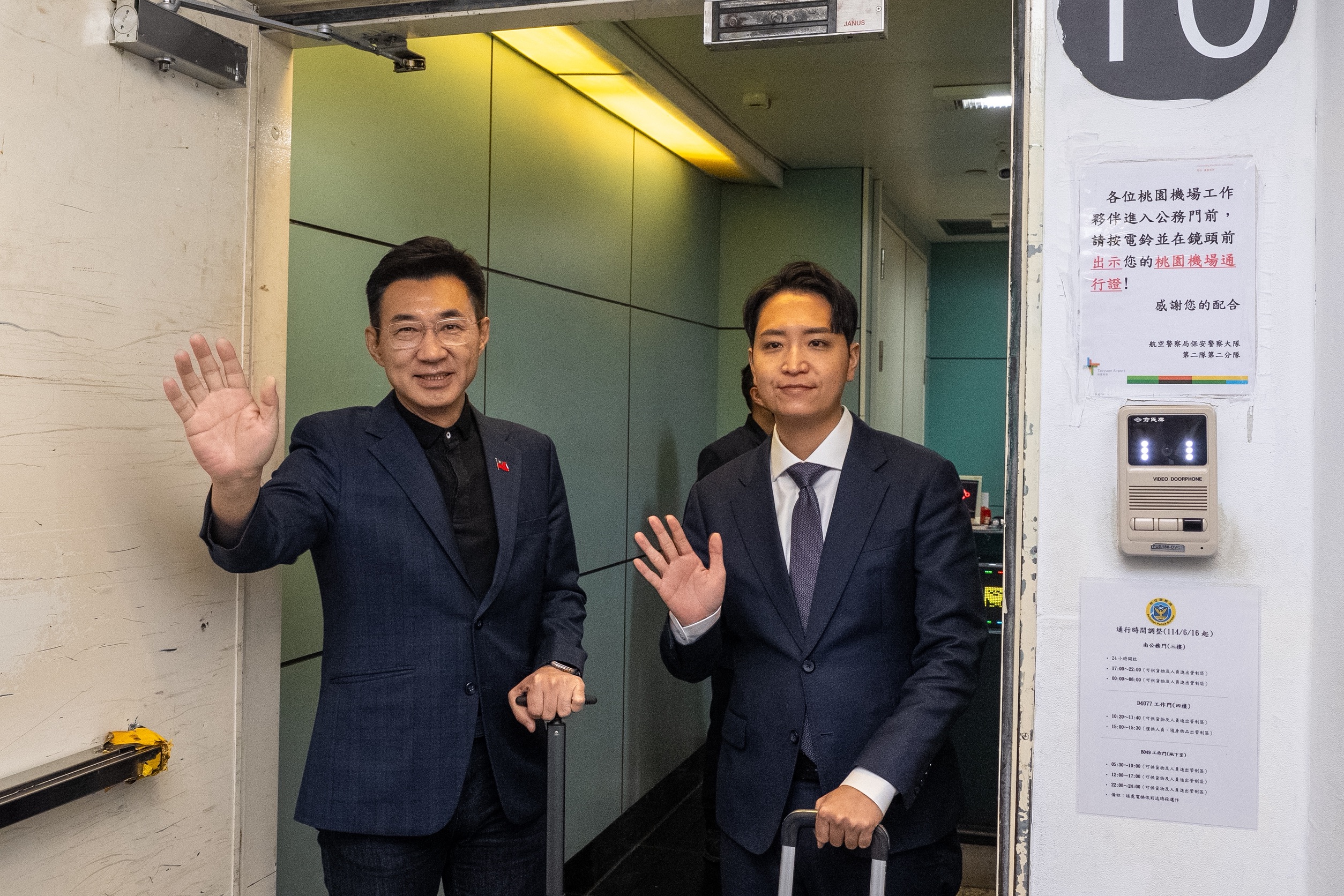
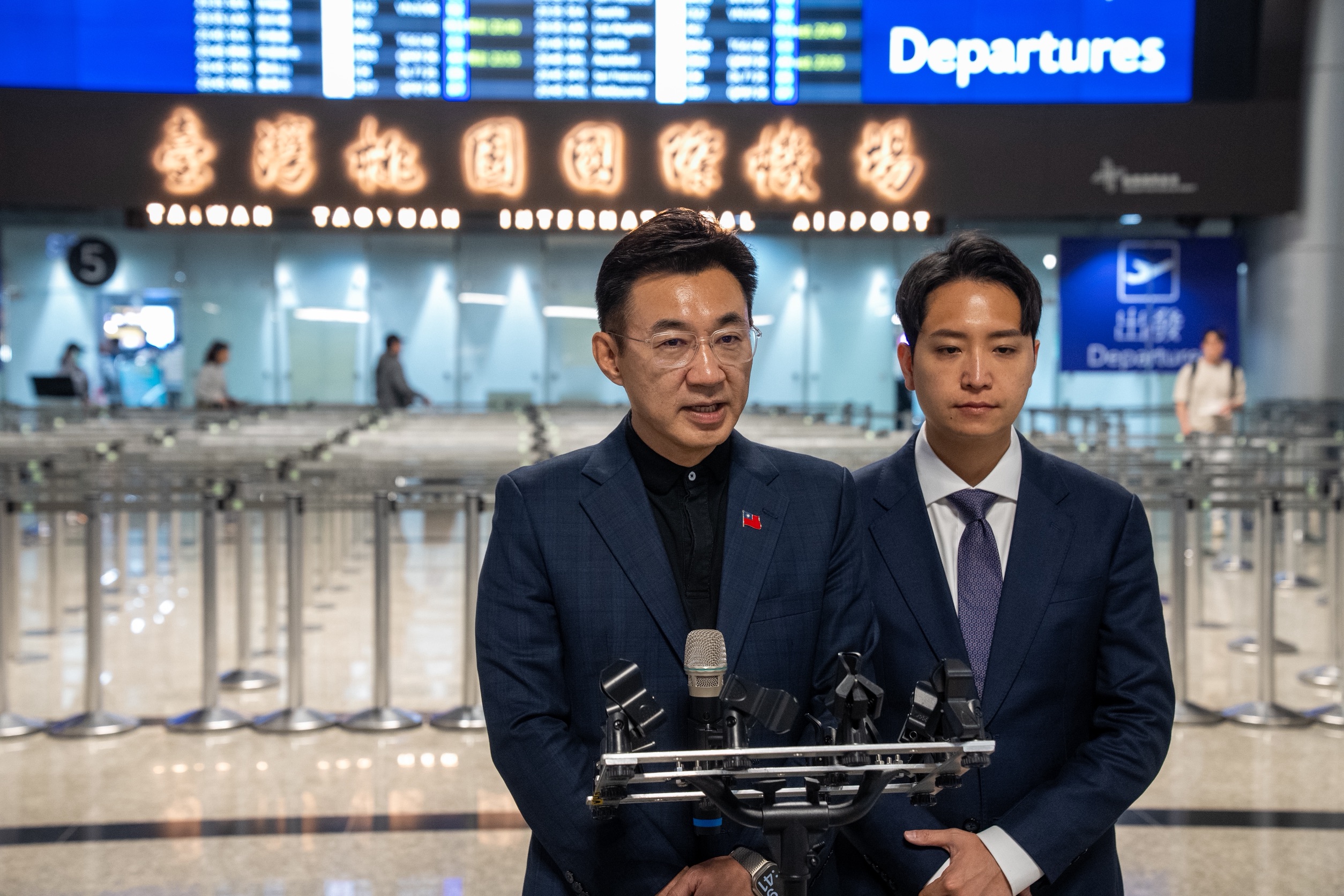
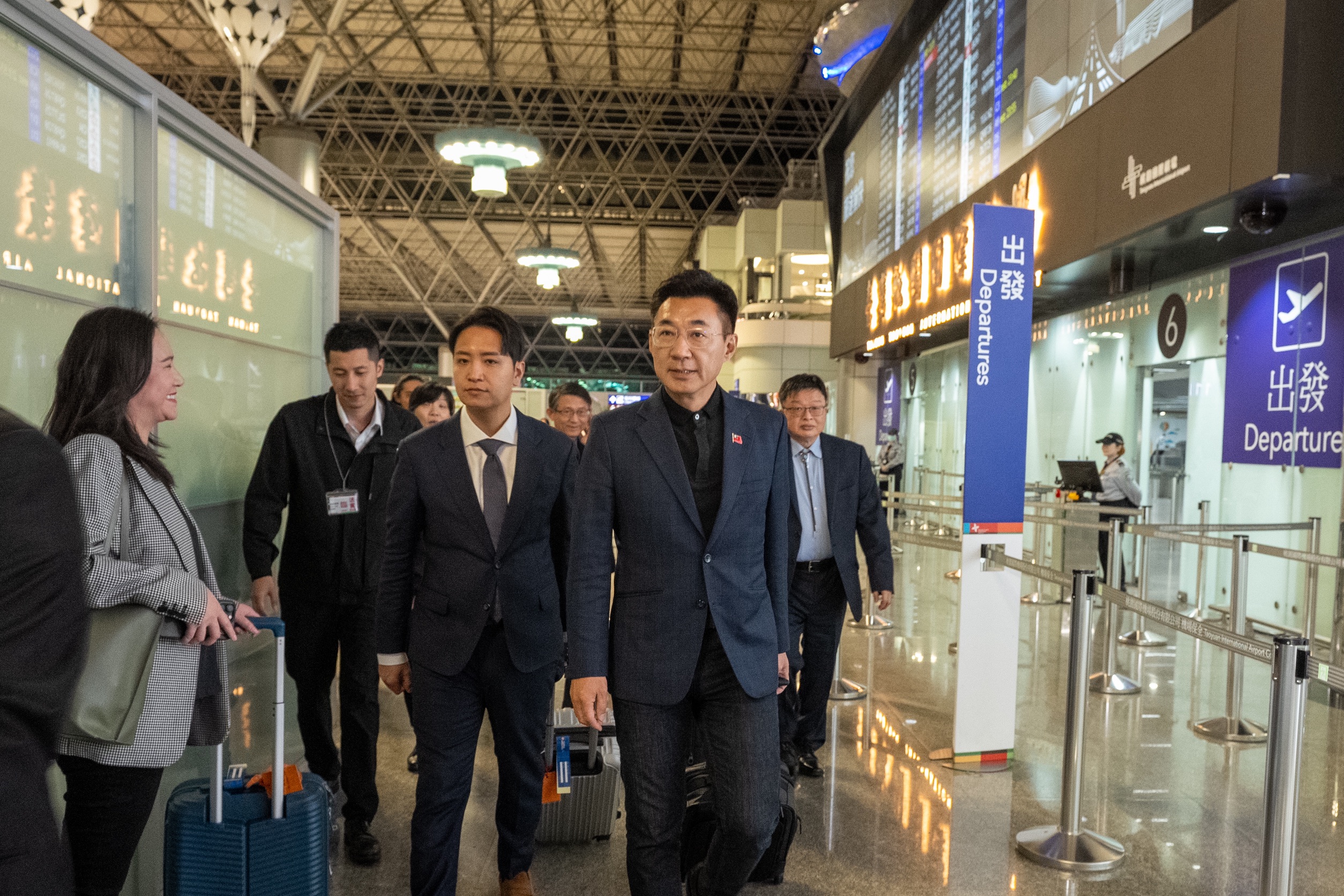
On the evening of March 7, Legislative Yuan Vice President Dr. Johnny C. Chiang (江啟臣) departed for Sydney, Australia, on behalf of the Legislative Yuan of the Republic of China and its President Daniel K.Y. Han (韓國瑜). He would be attending the World Taiwanese Chambers of Commerce (WTCC) events in his capacity as the Chairman of the Association of Overseas Taiwanese Businessmen of the Legislative Yuan of Republic of China (Taiwan), as well as conveying the Legislative Yuan’s steadfast support for overseas Taiwanese businesses. KMT Legislator Lo Ting-Wei and DPP Legislators Lin Chu-Yin and Dr. Loh Mei-Ling would also be attending the WTCC events.
Vice President Chiang noted that Taiwan and Australia enjoy close trade and economic ties. Taiwan is Australia’s seventh largest trading partner, while Australia is Taiwan’s eighth largest trading partner. He also stated that Australia has abundant energy, mineral, and agricultural resources. Taiwan and Australia have also maintained close long-term cooperation in education and culture. In particular, he mentioned, in the more than 20 years since the signing of the Taiwan-Australia working holiday agreement, more than 200,000 young Taiwanese have travelled to Australia and worked across a wide range of sectors, serving as an important bridge for deepening ties between the people of the two countries.
Vice President Chiang expressed that in light of current global tensions and geopolitical instability, in addition to attending WTCC events, he would also meet with Australian political leaders, industry representatives, and think tanks to exchange views in depth on key issues such as regional security, industrial supply chain cooperation, and trade and economic exchanges, with the aim of substantively strengthening bilateral relations.
Vice President Chiang emphasized that although the visit to Australia would be brief, with only two and a half days available, he would make the most effective use of the limited time. On the one hand, he said, he would support Taiwanese businesses and extend his concern to the local overseas Taiwanese community. On the other hand, he hoped to promote deeper exchanges with Australia across various fields and bring the two sides closer together.
In closing, Vice President Chiang expressed that amid changes in the global landscape, this trip will seek to further deepen Taiwan-Australia cooperation in areas such as energy, minerals, high-tech, and youth exchanges through multi-level parliamentary diplomacy. He also noted that the achievements of the visit will be reported to the public in due course. (2026/3/7)