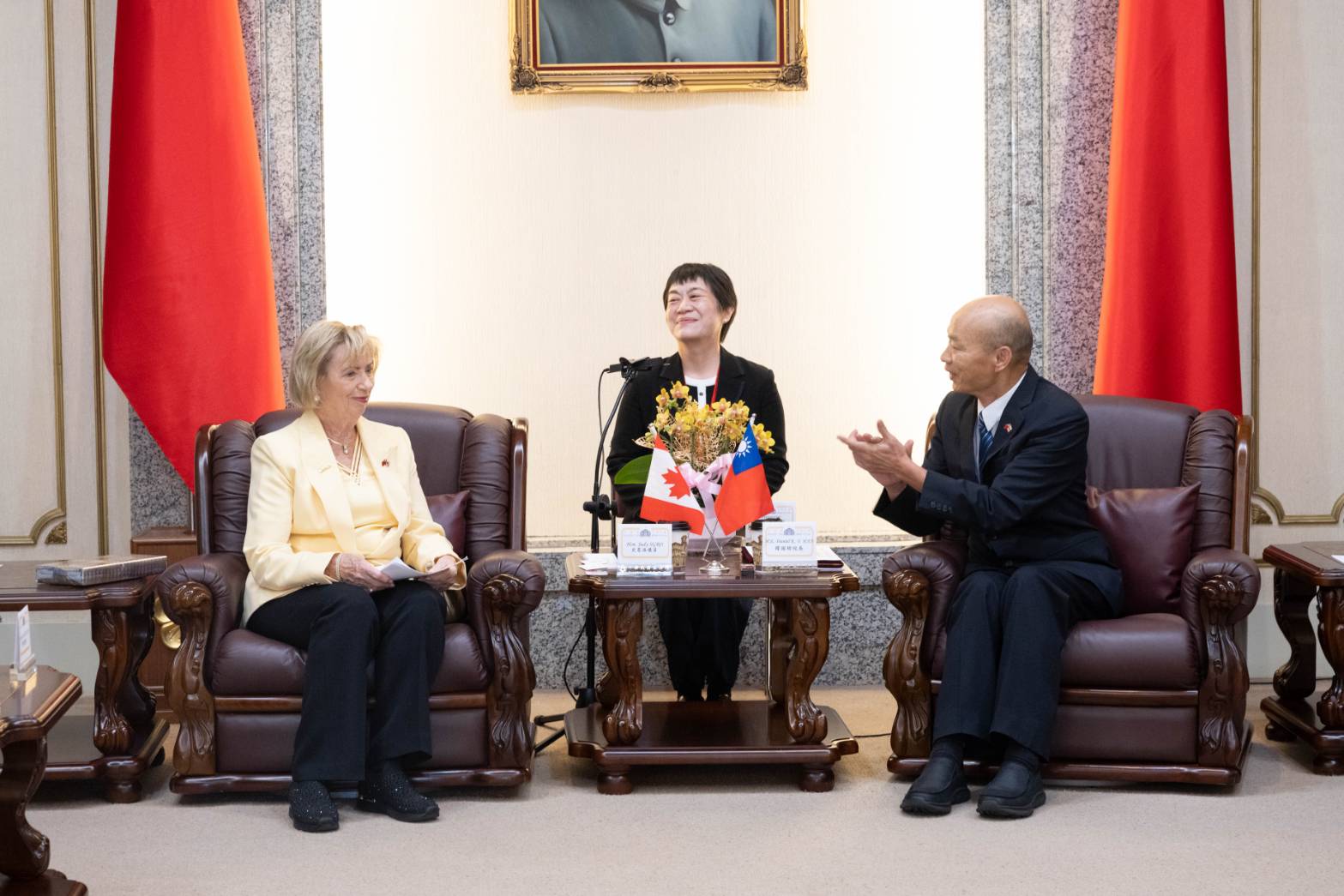
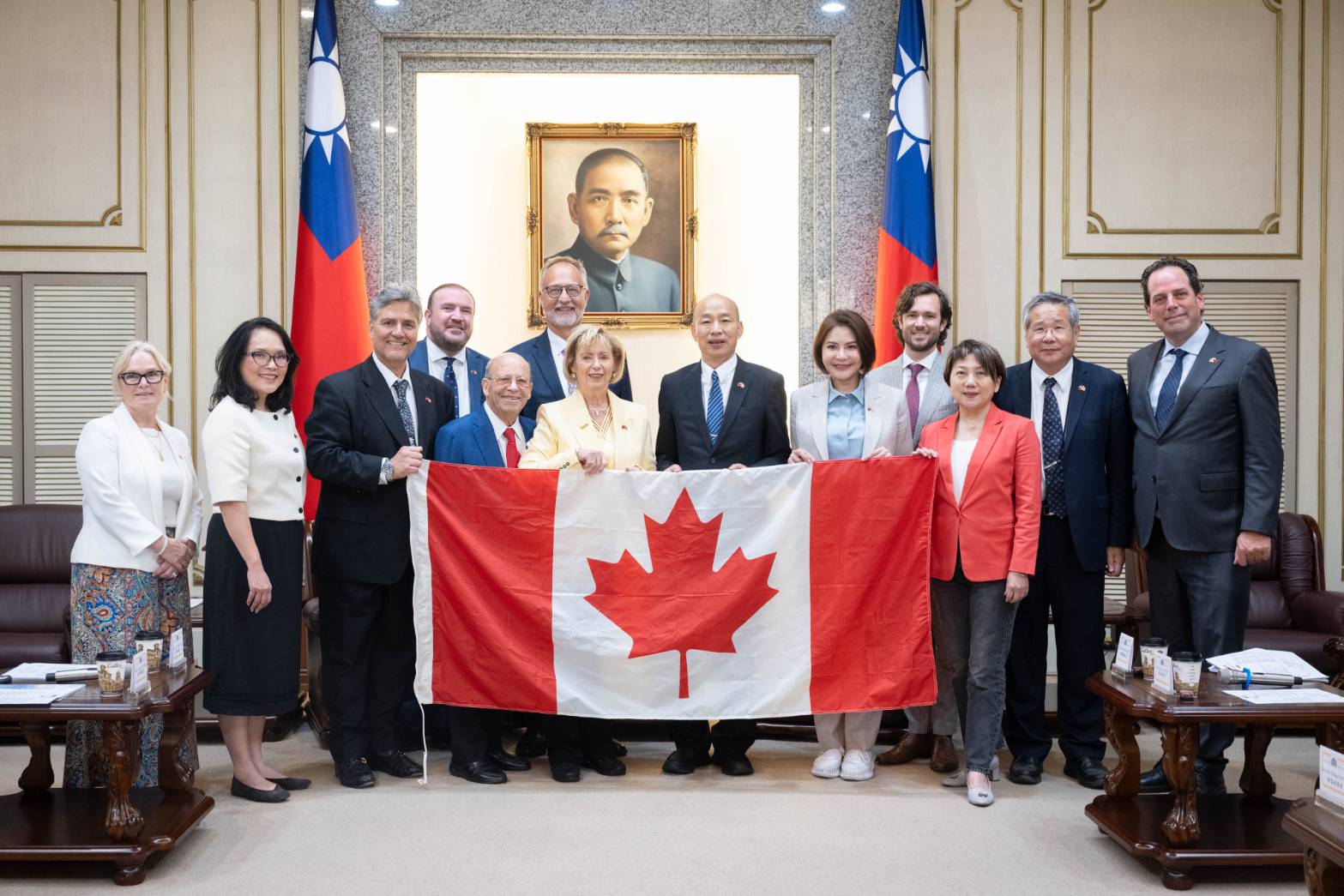
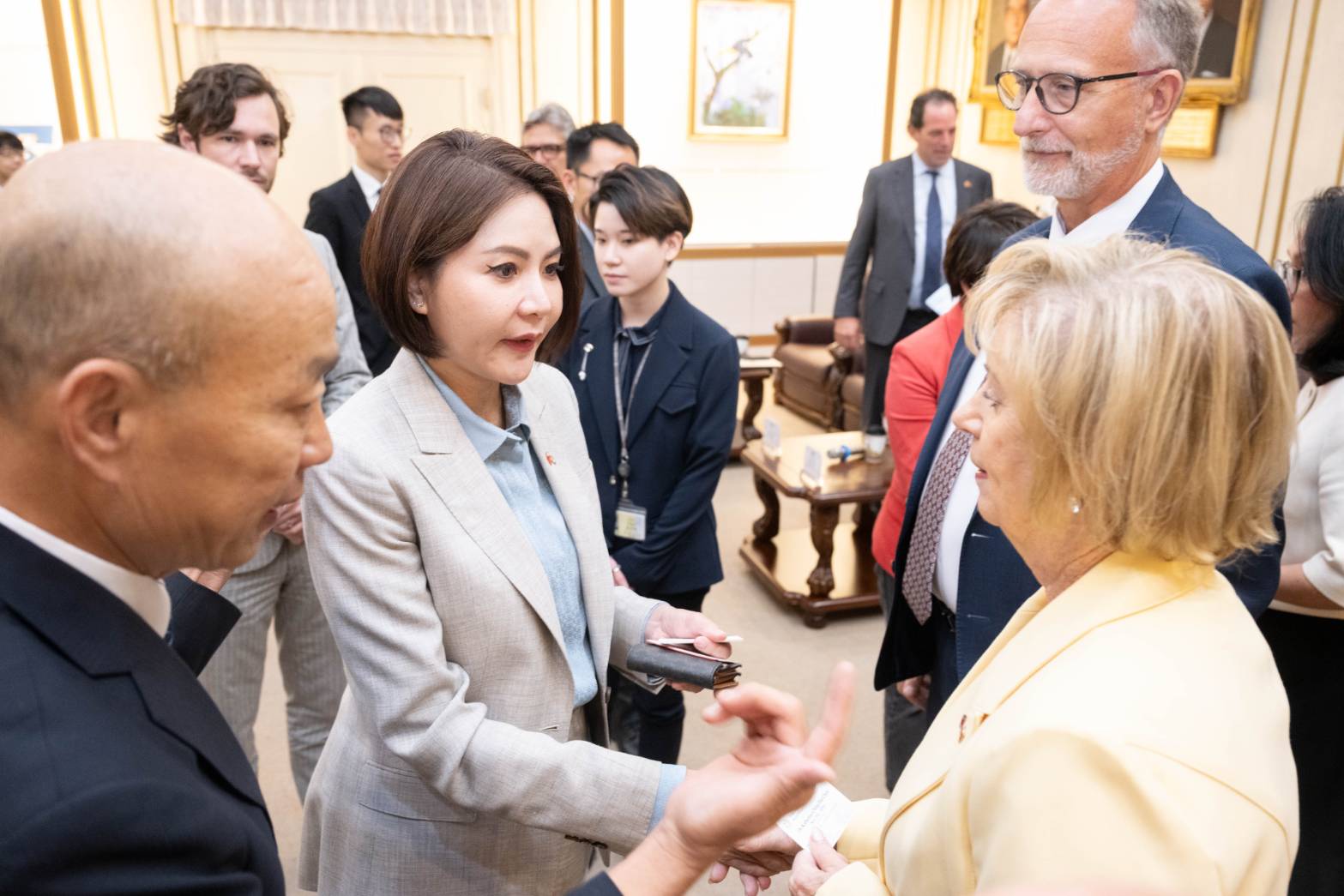
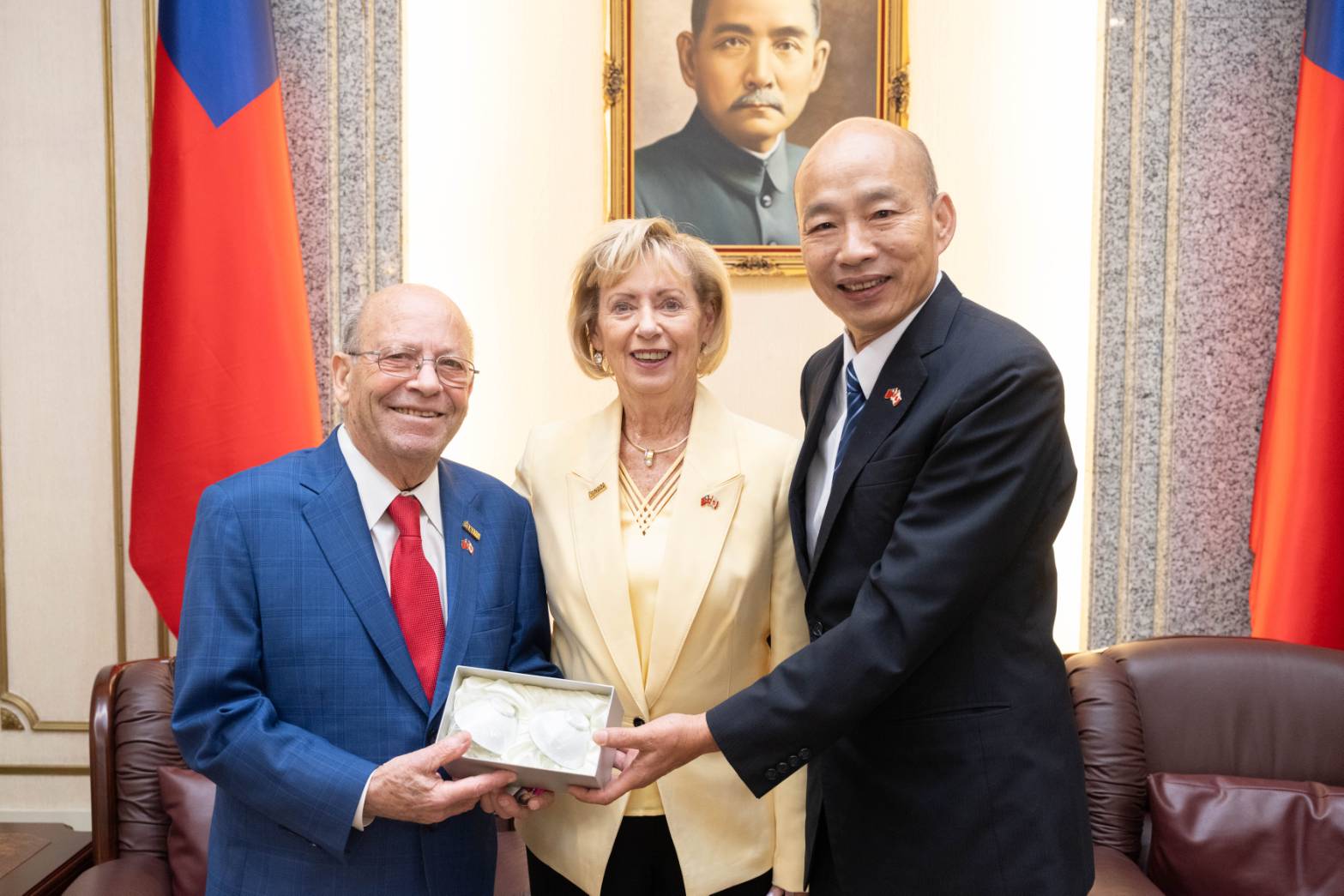
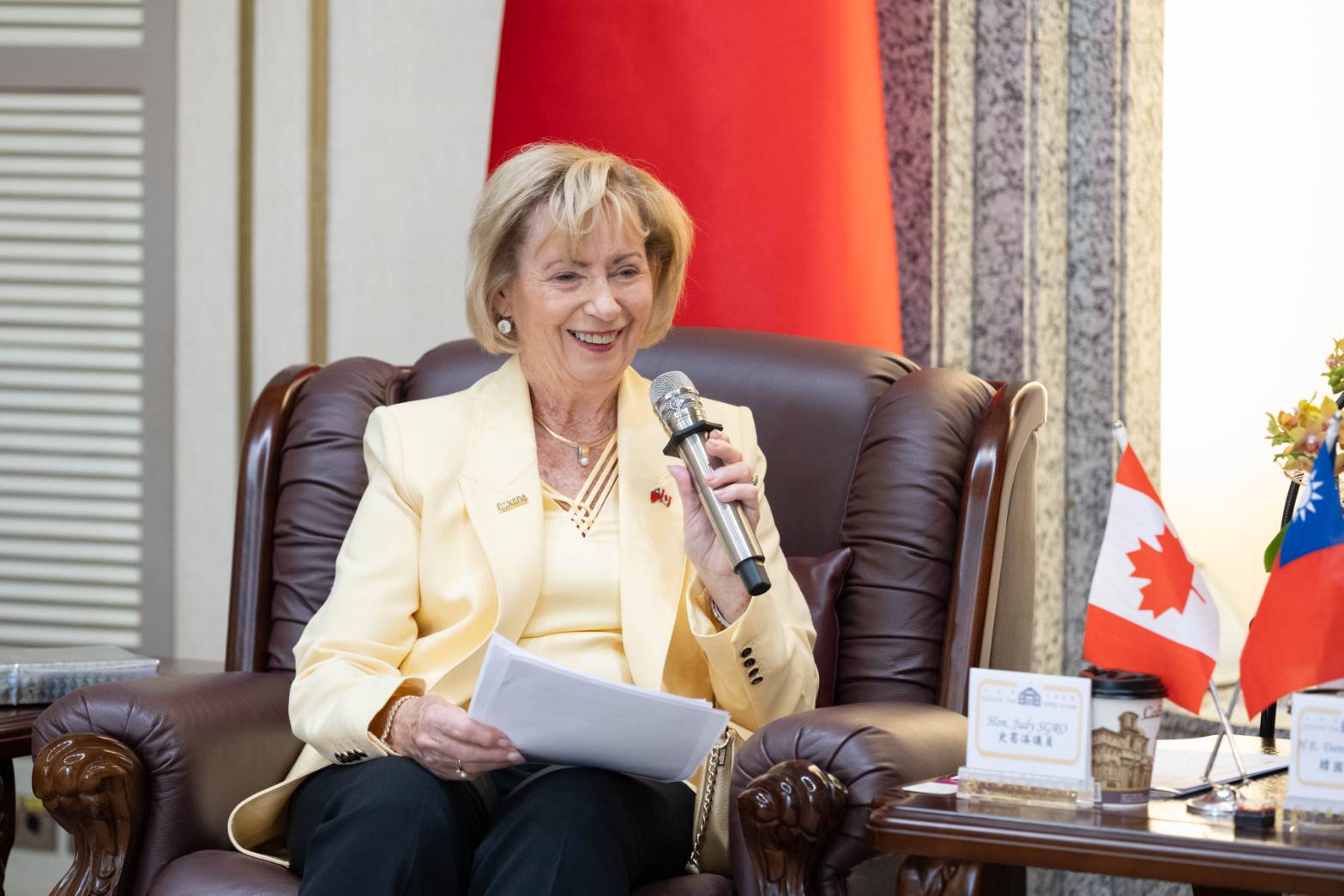
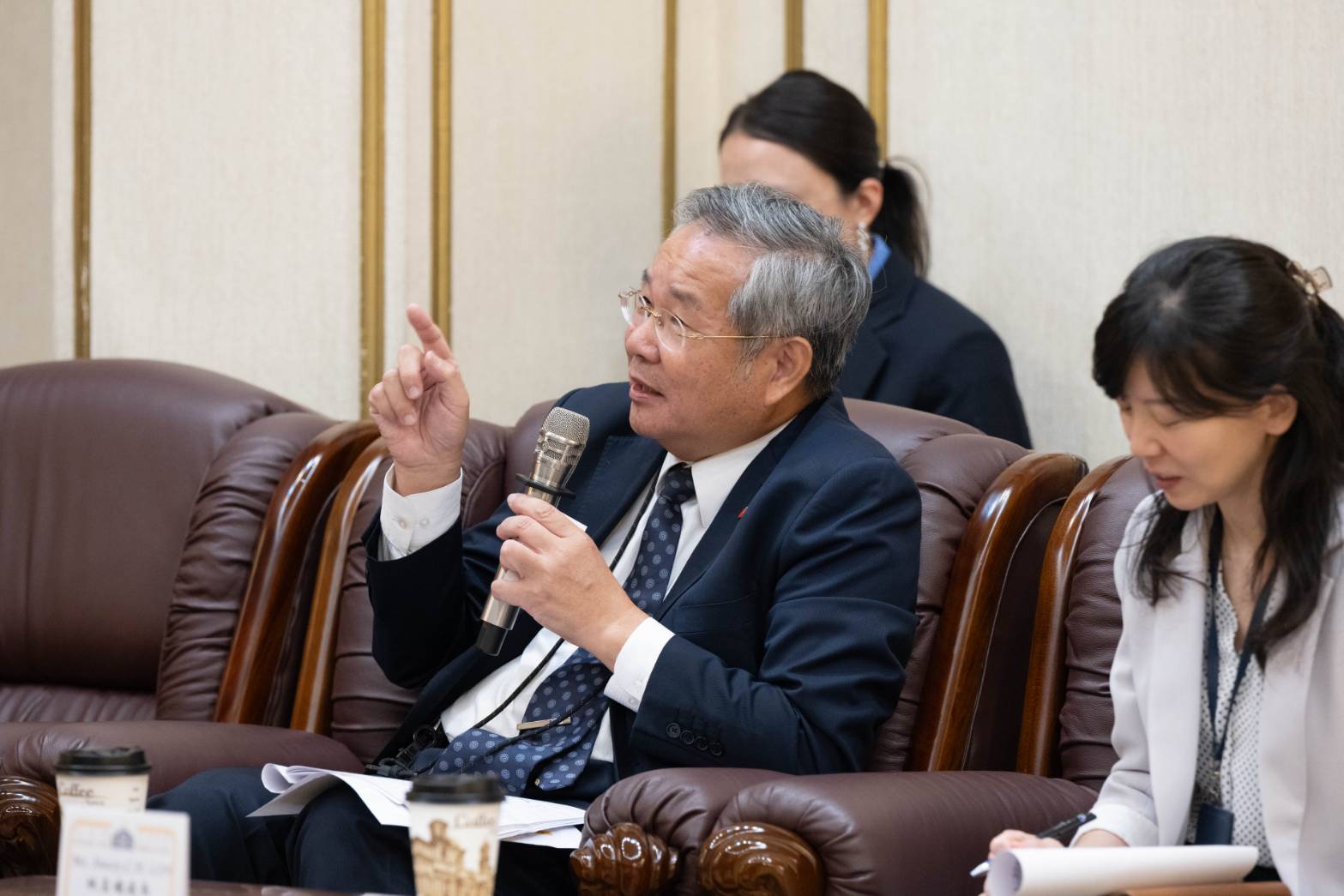
At 2 p.m. on October 15, Legislative Yuan President Daniel K.Y. Han (韓國瑜) met with a seven-member cross-party parliamentary delegation led by Member of Parliament Judy Sgro, Chair of the Canada-Taiwan Parliamentary Friendship Group. He was accompanied by KMT Legislator Chen Ching-Hui, President of the R.O.C. (Taiwan)-Canada Inter-Parliamentary Amity Association; DPP Legislator Dr. Fan Yun; TPP Legislator Dr. Hsu Chung-Hsin, among others.
President Han opened the meeting by extending a warm welcome to Chair Sgro as she once again led a delegation to Taiwan and praised Canada as “the most beautiful and friendliest country with the greatest potential.” He went on to explain to the delegation that Taiwan’s Legislative Yuan has 113 seats, with members primarily representing three political parties. Although the parties hold differing positions and sometimes engage in heated debate, they always demonstrate unity and warmth when welcoming international friends, reflecting the diversity and inclusiveness of Taiwan’s democracy.
President Han took the opportunity to offer special thanks to Chair Sgro for her six visits to Taiwan and for her long-standing advocacy for Taiwan in the Canadian Parliament. He said that Taiwan and Canada have long maintained close cooperation and exchanges across a wide range of fields. On economic and trade exchanges, President Han noted that Taiwan possesses world-leading semiconductor foundry technology and highly competitive small and medium-sized enterprises. In addition, he cited Taiwan’s successful semiconductor investments in the United States, Germany, Japan, France, and other countries, noting that several months earlier he had visited Arizona to inspect TSMC’s progress there. Citing the results of those investments, he expressed hope that the Canadian government would create an environment conducive to investment by Taiwanese businesses. He also noted that Taiwan has advanced artificial intelligence (AI) technologies and welcomes Canadian businesses to invest in Taiwan, thereby further strengthening economic and trade cooperation and driving industrial development. Turning to educational exchanges, President Han stated that Canada is the fourth most popular destination for Taiwanese students studying abroad, reflecting the Taiwanese public’s positive regard for Canada and demonstrating that the friendship between both nations is deeply rooted in their societies. In closing, President Han expressed hope that the two countries’ parliaments would continue to deepen exchanges and wished the delegation a fruitful visit.
Chair Sgro thanked President Han for taking the time to meet with the delegation and said that each delegation she has led to Taiwan has enabled more Canadian parliamentarians to learn about Taiwan’s freedom and democracy. She also observed that Taiwan’s democracy had been hard won, having been built gradually through sustained “listening, compromise, consensus building, and respect.” These, she said, are values that parliamentarians in every country should uphold. She further noted that Taiwan’s social diversity and experience with civic participation offer valuable lessons. At a time when democratic systems around the world face pressure and threats, she expressed hope that Taiwan and Canada would strengthen cooperation across all fields and forge closer bilateral ties through parliamentary exchanges.
In her capacity as President of the R.O.C. (Taiwan)-Canada Inter-Parliamentary Amity Association, Legislator Chen extended a warm welcome to the delegation. She noted that she was an obstetrician and gynecologist and served as Convener of the Legislative Yuan’s Social Welfare and Environmental Hygiene Committee for the current (sixth) legislative session. She said she had long focused on issues including the declining birth rate, public health and healthcare, gender equality, labor rights, drug prevention, and migrant workers. She expressed hope that Taiwan could draw on Canada’s experience in addressing its current challenges and that both sides could share policy measures and practical approaches.
Legislator Fan pointed out that Tamsui, her hometown, has deep historical ties with Canada. Dr. George Leslie Mackay, she said, made significant contributions to education, healthcare, and women’s rights in Taiwan. She noted that she had long been involved in the women’s movement and worked to promote women’s political participation and marriage equality for LGBTQ+ communities. Canada, she mentioned, is known for its multiculturalism. She expressed hope that Taiwan could draw on Canada’s experience to put the principles of multiculturalism into practice in education. She also noted that several members of the delegation were concerned about transnational repression and expressed hope for more opportunities to discuss the issue in depth in the future.
Legislator Hsu stated that, while pursuing a doctorate in law at the University of Cambridge in the United Kingdom, he had observed that British courts frequently cited Canadian judgments, which had helped him develop a deeper understanding of Canada. He also noted that Taiwan occupies a strategic position linking East Asian sea lanes with the Pacific Ocean. He therefore expressed particular gratitude to the Canadian Parliament for its long-standing support for Taiwan and hoped that both sides would work together to safeguard regional peace.
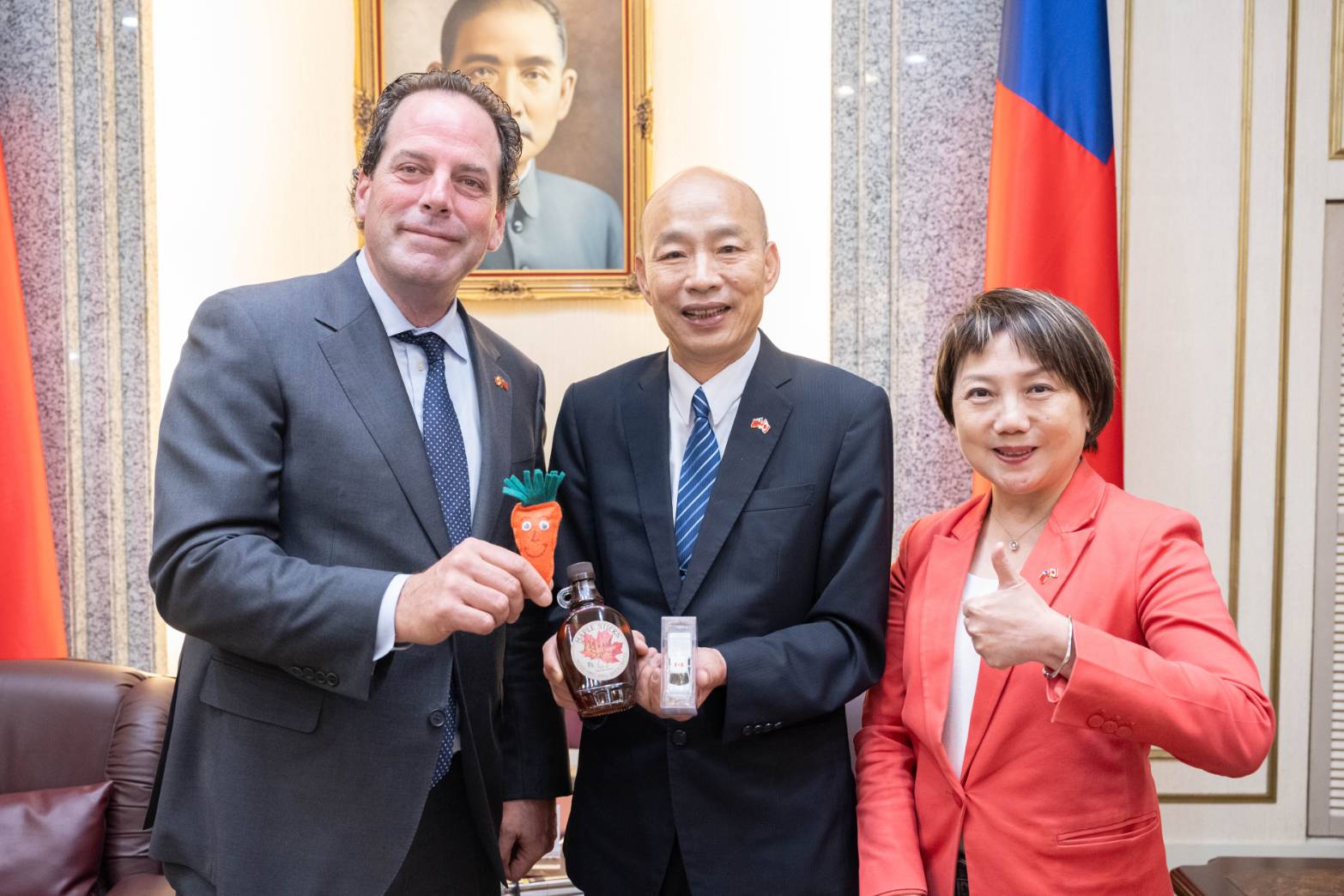
Subsequently, the two sides held extensive discussions on topics including housing and family formation, drug prevention, culinary culture, and biotechnology. The meeting, which lasted approximately one hour, took place in a warm and friendly atmosphere, and concluded with an exchange of commemorative gifts and a group photo. (2026/10/15)